- News
- Reviews
- Travel & Adventure
- Interviews
- Inside Industry Players
- Community
Bikes
Reviews
Components
Reviews
Cycling
Apparel



[raw_mobile_menu]
[wpml_language_switcher_down]


We use the phrase “aero is everything” to justify our position on the bike and even the length of our socks. However, speed is not based solely on aerodynamics, as four primary factors influence how fast you ride: wind resistance, gravity, rolling resistance, and vibration losses.
Wind resistance is the power loss created by the friction of the air, and it is what everyone focuses on in the wind tunnel. Gravity is related to the weight of the bike and the rest of the components, but it only has a real influence when climbing.


Rolling resistance and vibration loss are the two factors that are usually neglected when testing. They are the result of the interaction between tire and surface, with rolling resistance being the power loss caused by the friction and deformation of the tire, and vibration loss focusing on the negative effect of rough surfaces on speed.
Zipp is aware of this, and its Total System EfficiencyTM represents a departure from past wheel designs focused on improving a single parameter of a wheel. They tackle overall efficiency by developing hookless rims with a wider rim profile, which are optimized for larger tires at low pressure that yield a wider but short contact patch. This has been proven as resulting in less energy cost.
“Do you want to have good numbers on the wind tunnel or do you want actually to be faster on the road?” – Bastien Donzé, Product Manager
Since the beginning, the main purpose of Zipp has been to make you faster. Nowadays every brand claim that they have the most aero wheels, but the success of the American firm has been more than proven. There is a lot of research behind every Zipp wheel, and they are also innovators in the way to test their products.
In 2018 they left the wind tunnel aside and did some testing outdoors with the highest technology available. The main takeaway of that test was that 28mm tires ridden at 5 bar were the most efficient combination of all, something that contradicted the status quo of that moment.
They also tested the effect of different road conditions on the stability of the bike setup. As we know, pro riders lower their tire pressure when the road gets rougher, and there is a reason for that. More pressure leads to more vertical displacement. Low pressure cuts out road input significantly.


They were quick to apply those takeaways to their following product launches, and the wheels we have reviewed are the culmination of all the work done to make you faster.
The Zipp 808 family is distinctive because of the dimples on the rim and the sawtooth shape of its top-end model. They were introduced in 2005 with a toroidal shape, meaning that the widest part of the rim is at the bottom. They became the first full carbon clincher wheels in 2012, and the switch to tubeless took place in 2019. In 2022, they are introducing a full new shape, a little shallower but wider, and hookless.
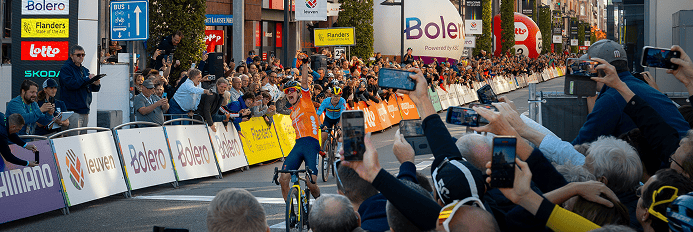
Over the past few years, many major wins have been accomplished with 808 wheels. Kona Ironman World Championships, Time trial World Championships, Tour de France stages… Fabian Cancellara, who was also the first rider to win Paris-Roubaix with carbon rims, raced Milano-Sanremo in 2008 with Zipp 808 wheels and took the victory. Yes, it is true that “Spartacus” could win even with a kid’s bike, but it shows the versatility of a set of wheels that at first may seem suitable only for triathletes.
We tested the Zipp 808 Firecrest, which are designed with a hookless and tubeless rim profile. These wheels have a rim depth of 80 mm and an inside width of 23 mm.


Comparing the new 808 Firecrest with the previous model, the baseline aerodynamics test in a wind tunnel showed no big differences. However, the rolling road analysis made the improvements apparent, saving some valuable watts thanks to a bigger tire. In summary: as aero as it already was, but lighter and with better rolling efficiency.
The new Zipp 808 Firecrest Tubeless Disc-brake wheelset weighs in at 1635g (752g front, 883g rear), based on 12mm thru-axle end caps and XDR driver rear hub configuration. This represents a reduction of 280 grams compared to the previous model.


Together with the 808 Firecrest, Zipp is also introducing a new version of the 858 NSW with their characteristic sawtooth profile. The main purpose of this shape, which creates an undulating 82mm-85mm rim depth, is to minimize the effect of cross-wind. We were told that every time you switch from the aero position, you are losing 12 seconds every minute, so now we understand the importance of maximizing the time you stay in that position.
The new 858 NSW are built with a new laminate technology. CiR, or Carbon internal Reinforcement, places the carbon fiber precisely where it is needed, and nowhere else. CiR has allowed Zipp to reduce weight with the same stiffness, strength, and durability. With the same configuration as with the 808 Firecrest, this wheelset weighs in at 1530g (719g front, 811g rear), another substantial decrease in comparison with the previous model.
We are still in the transition period from hook to hookless rims, but the empirical studies should be enough to convince the current detractors about the benefits for manufacturers and end-users.

With hooks, the internal width is intrinsically lower. A wide outside is linked to better aerodynamics, whereas a wide inside is good for tire support and low tire pressure.
“We do not care about how wide the rim is on the outside but the inside, because of the relation with the tire”
When you have an aero rim with hooks, it sort of pinches the tire at the base, which creates a little notch that originates turbulences and drag. In contrast, hookless rims have a much smoother transition. This, together with the benefits of wider tires and lower pressure, reduces rolling resistance and increases cornering grip.
For a hookless rim, it is possible to use a mold made of steel, giving you more control in the building process. This also reduces the amount of resin needed, which has two benefits: lower price and less waste.


When mounting a tire on a hookless rim, the maximum pressure recommendation is usually 5 bars. Some people think that it is because a higher pressure would be dangerous but, in fact, this upper bound is set because wheels are actually faster below it. You may be surprised by the pressure recommendations of Zipp, which are very low compared to other wheel manufacturers, but it is all backed by their test findings.
For example, Zipp recommends a 70 kg cyclist to ride a 28 mm tire at 3.8 bar in the front and 4.1 in the back. Knowing that not long ago it was common to ride 23 mm tires at 9 bars, one can see that the industry is still evolving and there is a margin for improvement.
Zipp is currently involved with international committees, such as ETRTO and ISO. The specific dimensions for hookless rims are published, and Zipp rims are fully compliant. As a result, all tubeless or tubeless-ready tires that comply with ETRTO and ISO are compatible and safe to use with Zipp 808 and 858 NSW wheels.
Last but not least, Zipp continue offering a lifetime warranty for their products that includes not only manufacturing defects but any failure occurring while riding your bike within the intended use of the Zipp product. If your Zipp wheels fail while riding, they will replace or repair them free of charge.

Javi es nuestro corresponsal en Bélgica, y trata de contrarrestar su obsesiva pasión por el análisis de datos con la relajante acción (o eso es lo que dice) de crear contenido para la revista. Javi is based in Belgium and tries to compensate for his obsessive passion for data analytics with the relaxing action (that's what he says) of creating content for the magazine. View all posts by Javi Angulo
 Toni de la Torre
 Pol Sopeña
 Pavel Novotný
 Pol Sopeña

 Javi Angulo
 Pavel Novotný
 Pol Sopeña
 Pavel Novotný
 Javi Angulo
 Pol Sopeña
 Javi Angulo
 Javi Angulo
Usamos la frase “la aerodinámica lo es todo” para justificar nuestra posición en la bicicleta e incluso el largo de nuestros calcetines. Sin embargo, la velocidad no se basa únicamente en la aerodinámica, ya que cuatro factores principales influyen en la velocidad a la que circulas: la resistencia al viento, la gravedad, la resistencia a la rodadura y las pérdidas por vibración.
La resistencia del viento es la pérdida de potencia creada por la fricción del aire, y es en lo que todos se enfocan en el túnel de viento. La gravedad está relacionada con el peso de la bicicleta y del resto de componentes, pero solo tiene una influencia real en subidas.
La resistencia a la rodadura y la pérdida por vibración son los dos factores que normalmente se pasan por alto durante los tests. Son el resultado de la interacción entre el neumático y la superficie, siendo la resistencia a la rodadura la pérdida de potencia provocada por la fricción y la deformación del neumático, y la pérdida por vibración centrándose en el efecto negativo de las superficies accidentadas sobre la velocidad.
Zipp es consciente de esto, y su Total System EfficiencyTM representa una desviación de los diseños de ruedas anteriores centrados en mejorar un solo parámetro de una rueda. Abordan la eficiencia general mediante el desarrollo de llantas sin gancho con un perfil de llanta más ancho, que están optimizadas para neumáticos más grandes a una presión baja que producen una zona de contacto más ancha pero corta. Se ha demostrado que esto resulta en un menor gasto de energía.
“¿Quieres tener buenos números en el túnel de viento o quieres ser realmente más rápido en la carretera?” – Bastien Donzé, Product Manager
Desde el principio, el objetivo principal de Zipp ha sido hacerte más rápido. Hoy en día todas las marcas afirman tener las ruedas más aerodinámicas, pero el éxito de la firma americana está más que comprobado. Hay mucha investigación detrás de cada rueda Zipp, y también son innovadores en la forma de probar sus productos.
En 2018 dejaron de lado el túnel de viento por un tiempo y realizaron algunas pruebas al aire libre con la más alta tecnología disponible. La conclusión principal de esa prueba fue que los neumáticos de 28 mm montados a 5 bar eran la combinación más eficiente de todas, algo que contradecía totalmente el status quo de ese momento.
También probaron el efecto de diferentes condiciones de la carretera en la estabilidad de la configuración de la bicicleta. Como sabemos, los ciclistas profesionales reducen la presión de los neumáticos cuando el camino se vuelve más accidentado, y hay una razón para ello. Más presión tiene como consecuencia un mayor desplazamiento vertical. La baja presión reduce significativamente la influencia del estado de la carretera.
Fueron rápidos en aplicar esos aprendizajes a sus siguientes lanzamientos de productos, y las ruedas que hemos probado son la culminación de todo el trabajo realizado para hacerte ir más rápido.
La familia Zipp 808 se distingue por los hoyuelos en la llanta y la forma de diente de sierra de su modelo de gama alta. Se introdujeron en 2005 con forma toroidal, lo que significa que la parte más ancha de la llanta está en la parte inferior. Se convirtieron en las primeras ruedas para cámara íntegramente de carbono en 2012, y el cambio a tubeless tuvo lugar en 2019. En 2022 presentan una forma completamente nueva, un poco menos profunda pero más ancha y sin ganchos.
En los últimos años, se han logrado muchas victorias importantes con ruedas 808 de Zipp. Campeonatos del Mundo Ironman de Kona, Mundiales de contrarreloj, etapas del Tour de Francia… Fabian Cancellara, que también fue el primer ciclista en ganar la París-Roubaix con llantas de carbono, corrió la Milán-Sanremo en 2008 con ruedas Zipp 808 y se llevó la victoria. Sí, es cierto que “Spartacus” podría ganar incluso con una bicicleta para niños, pero demuestra la versatilidad de un juego de ruedas que en un principio puede parecer solo apto para triatletas.
Hemos probado las Zipp 808 Firecrest, que están diseñadas con un perfil de llanta hookless y tubeless. Estas ruedas tienen una profundidad de llanta de 80 mm y un ancho interior de 23 mm.
Comparando las nuevas 808 Firecrest con el modelo anterior, la prueba aerodinámica de referencia en un túnel de viento no mostró grandes diferencias. Sin embargo, el análisis de la carretera rodante hizo evidentes las mejoras, ahorrando algunos valiosos vatios gracias al hecho poder equipar un neumático más grande. En resumen: tan aerodinámicas como ya lo eran, pero más ligeras y con mejor eficiencia de rodadura.
El nuevo juego de ruedas Zipp 808 Firecrest tubeless para frenos de disco pesa 1635 g (752 g delante, 883 g detrás), con un eje pasante de 12 mm y buje XDR. Esto supone una reducción de 280 gramos respecto al modelo anterior.
Junto con las 808 Firecrest, Zipp también presenta una nueva versión de las 858 NSW con su característico perfil de diente de sierra. El objetivo principal de esta forma, que crea una profundidad de llanta ondulante de 82 mm a 85 mm, es minimizar el efecto del viento cruzado. Nos dijeron que cada vez que cambias de la posición aerodinámica, pierdes 12 segundos por minuto, por lo que ahora entendemos la importancia de maximizar el tiempo que permaneces en esa posición.
Las nuevas 858 NSW están construidas con una nueva tecnología de laminado. Con CiR, o refuerzo interno de carbono, la fibra de carbono es insertada precisamente donde se necesita, y en ningún otro lugar. CiR ha permitido a Zipp reducir el peso con la misma rigidez, resistencia y durabilidad. Con la misma configuración que las 808 Firecrest, este juego de ruedas pesa 1530 g (719 g delante, 811 g detrás).
Todavía estamos en el período de transición de las llantas con ganchos a las sin gancho o hookless, pero los estudios empíricos deberían ser suficientes para convencer a los detractores actuales sobre los beneficios para los fabricantes y usuarios finales.
Con ganchos, el ancho interno es intrínsecamente menor. Un exterior ancho está relacionado con una mejor aerodinámica, mientras que un interior ancho es beneficioso para el apoyo de los neumáticos y la baja presión de los mismos.
“Realmente no nos importa el ancho de la llanta por fuera sino por dentro, por la relación con el neumático”
Cuando tienes una llanta aerodinámica con ganchos, estos aprietan el neumático en la base, lo que crea una pequeña muesca que origina turbulencias y resistencia. Por el contrario, las llantas sin gancho tienen una transición mucho más suave. Esto, junto con los beneficios de neumáticos más anchos y menor presión, reduce la resistencia a la rodadura y aumenta el agarre en las curvas.
Para construir llantas hookless es posible usar un molde de acero, lo que le brinda más control en el proceso de construcción. Esto también reduce la cantidad de resina necesaria, lo que tiene dos beneficios: menor precio y menos desperdicio.
Cuando se monta un neumático en una llanta sin ganchos, la recomendación de presión máxima suele ser de 5 bares. Algunas personas piensan que es porque una presión más alta sería peligrosa pero, de hecho, este límite superior se establece porque las ruedas son incluso más rápidas por debajo de él. Uno puede verse sorprendido por las recomendaciones de presión de Zipp, que son muy bajas en comparación con otros fabricantes de ruedas, pero todo está respaldado por los resultados de sus pruebas.
Por ejemplo, Zipp recomienda a un ciclista de 70 kg montar un neumático de 29 mm a 3,8 bar en la parte delantera y 4,1 en la parte trasera. Sabiendo que no hace mucho era común montar neumáticos de 23 mm a 9 bares, está claro que la industria continua evolucionando y aún hay margen de mejora.
Zipp participa actualmente en comités internacionales, como ETRTO e ISO. Las dimensiones específicas para llantas hookless están publicadas y las llantas Zipp cumplen totalmente con las normas. Como resultado, todos los neumáticos tubeless o tubeless-ready que cumplen con ETRTO e ISO son compatibles y seguros de usar con las ruedas Zipp 808 y 858 NSW.
Por último, pero no menos importante, Zipp continúa ofreciendo una garantía de por vida para sus productos que incluye no solo los defectos de fabricación, sino también cualquier falla que ocurra al andar en bicicleta dentro del uso previsto del producto Zipp. Si tus ruedas Zipp fallan mientras montas en bici, las reemplazarán o repararán sin cargo.
Javi es nuestro corresponsal en Bélgica, y trata de contrarrestar su obsesiva pasión por el análisis de datos con la relajante acción (o eso es lo que dice) de crear contenido para la revista. Javi is based in Belgium and tries to compensate for his obsessive passion for data analytics with the relaxing action (that's what he says) of creating content for the magazine. View all posts by Javi Angulo
Receive our monthly selection of the best articles, news, exclusive content and giveaways only for subscribers, subscribe to OUR NEWSLETTER
Receive our monthly selection of the best articles, news, exclusive content and giveaways only for subscribers, subscribe to OUR NEWSLETTER
Receive our monthly selection of the best articles, news, exclusive content and giveaways only for subscribers, subscribe to OUR NEWSLETTER
Receive our monthly selection of the best articles, news, exclusive content and giveaways only for subscribers, subscribe to OUR NEWSLETTER