- News
- Reviews
- Travel & Adventure
- Interviews
- Inside Industry Players
- Community
Bikes
Reviews
Components
Reviews
Cycling
Apparel


[raw_mobile_menu]
[wpml_language_switcher_down]


Little by little, the gravel scene is becoming a worldwide phenomenon. Already established in the USA and in the majority of Europe, it is slowly finding new enthusiasts in countries like Colombia. Mauricio Ordonez and Ricardo Muñoz, two friends passionate about cycling, tell us about how they saw an incomparable opportunity with tons of possibilities to introduce this cycling discipline in Colombia. With this purpose, between May 21 and 28 they have organized the bikepacking race Transcordilleras. This will be an 8 stages self-supported bikepacking challenge designed for gravel bicycles that will cross the three mountain ranges of the country; from the eastern to the western passing through the central one.


Like for many of us, gravel appeared as a gradual transition from road cycling to those unpaved roads and dusty trails non-accessible on thin-tire bikes. Colombia is a country that revolves around the cycling culture, with road cycling being the most popular discipline. Besides very varied geography, the country counts with rather constant weather throughout the year, therefore, there is no need to have a bicycle for every season of the year.
Despite that, it is a country where a wider tire grants you the chance to exponentially increase the number of accessible routes. Many of the roads are not paved, thus, the lack of infrastructure makes Colombia the ideal place to explore with a gravel bike. Mauricio and Ricardo realized that and, in 2016, they submerged in the discipline. At that moment nobody had a gravel bike yet but, bit by bit, more friends started joining them. Nowadays the community is gaining more supporters throughout the country, for example, Mauricio lives in Medellín whereas Ricardo in Bogotá. Also, Mauricio has become the dealer of Open in Colombia.


Due to historical reasons, the Colombians tended to live in the mountains, which translated on a wide network of roads that connects towns and valleys by means of mountain passes. The central region of Colombia is defined by the Andes, and it is divided into three mountain ranges: eastern, central, and western. With the aim of getting deeper and discovering the country, Mauricio and Ricardo embarked on the challenge of connecting the three mountain ranges by bike through the shortest bikepacking gravel route, and Transcordilleras appeared.
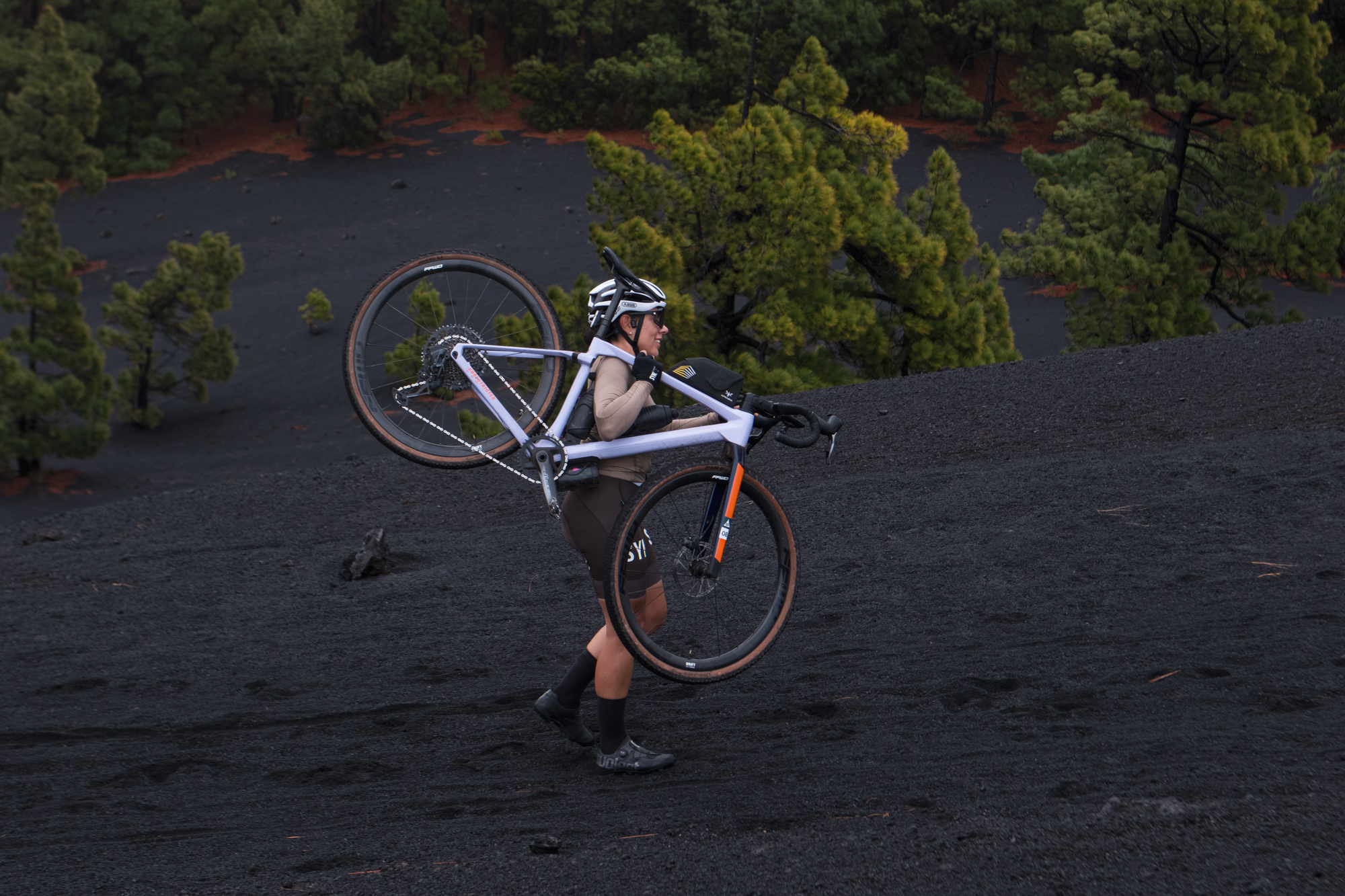
Gravel allows you to reach places and small villages where you would not get otherwise, riding through roads restricted for other types of bicycles. Moreover, carrying all the required material with you at all times allows enjoying every moment without any pressure, stopping to try local food, making detours of the initial track, and improvising depending on the sensations.
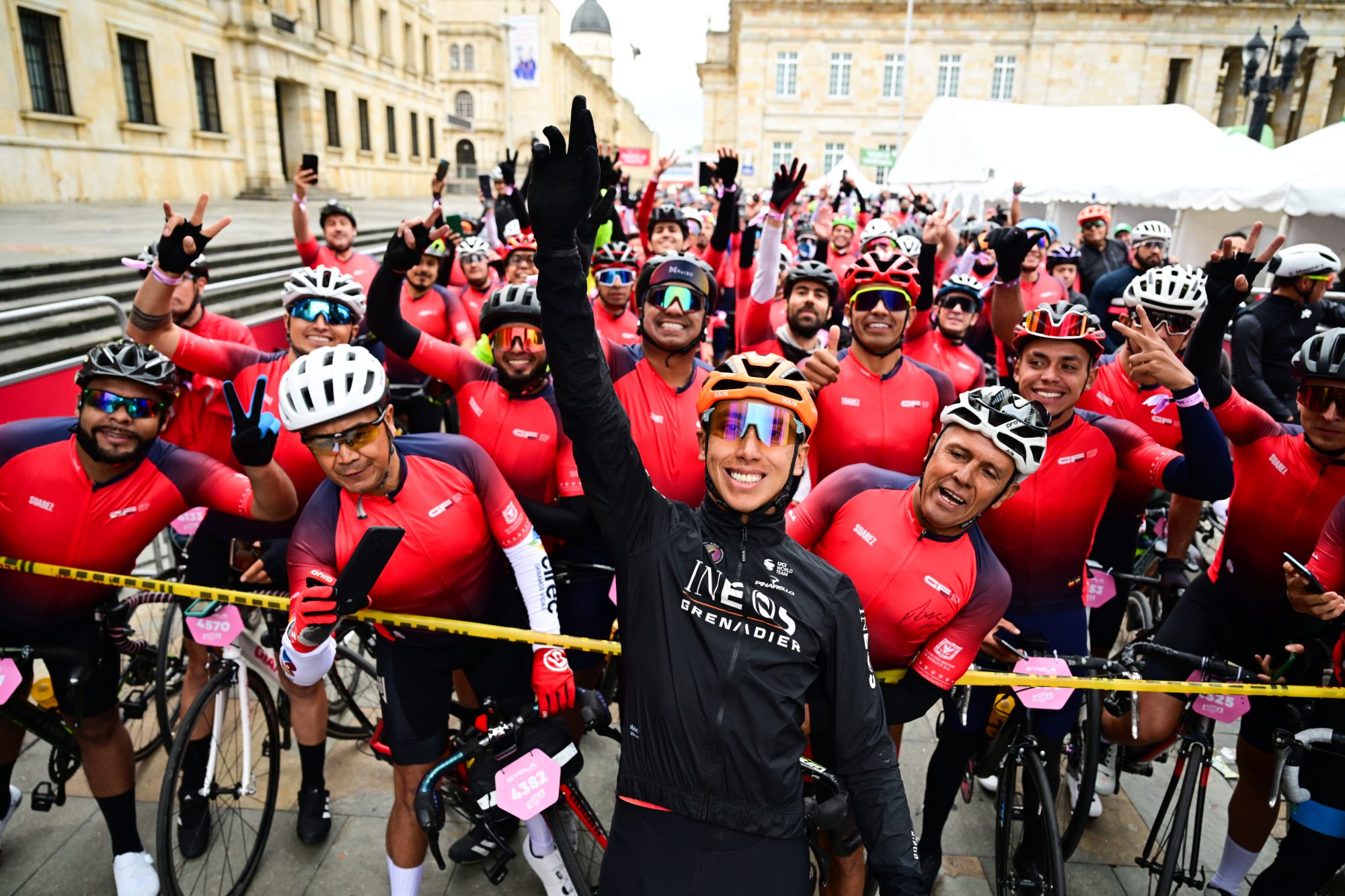
The main idea behind the event is to create a large community around gravel and to enjoy nature again after the lockdown period. Thus, the event was opened to everyone, but with limited available spots, and what was going to be a route between friends turned into a race by stages. Being the first edition and having participants with different levels, from the expert on ultracycling to the amateur cyclist, the race was envisioned as an opportunity to get introduced to self-supported bikepacking, creating awareness of the culture, and making new friendships.


Beginning in Yopal (eastern range) and arriving in Tadó (western range), the route is 1.150 km long with a total elevation gain of 25.000 m divided into 8 stages (an average of 140 km and +3.000 m each day). Therefore, even though this will be a friendly challenge, nobody said it would be easy.
The participants will have to carry all the material in their bags, like food, clothing, or tools, except camping material, since it is very recommended to sleep in hostels and hotels at the finish-towns. By this, the organizers pretend to strengthen the sensation of community and make the adventure more secure. With the same intention, and due to the lack of infrastructure in some parts of the route, there will be a sweeper car that will pick up those participants who might have suffered some misfortunes and avoid possible dangerous night scenarios.
However, the event is still a race. The time of each stage will be timed so that participants will have to decide if they want to go as fast as they can or they prefer riding in a group and enjoying the surroundings at their own pace. In any case, the current leader will be punished (or rewarded) by carrying a teddy jaguar during the stage.

The event’s track is not random, but the result of the work of Mauricio and Ricardo after exploring and adventuring on their bikes into the diverse landscapes of Colombia. They have not yet connected all the stages on a single trip, but they have made several short multiple-day expeditions covering each one of the parts. This time it will be time to link them all.
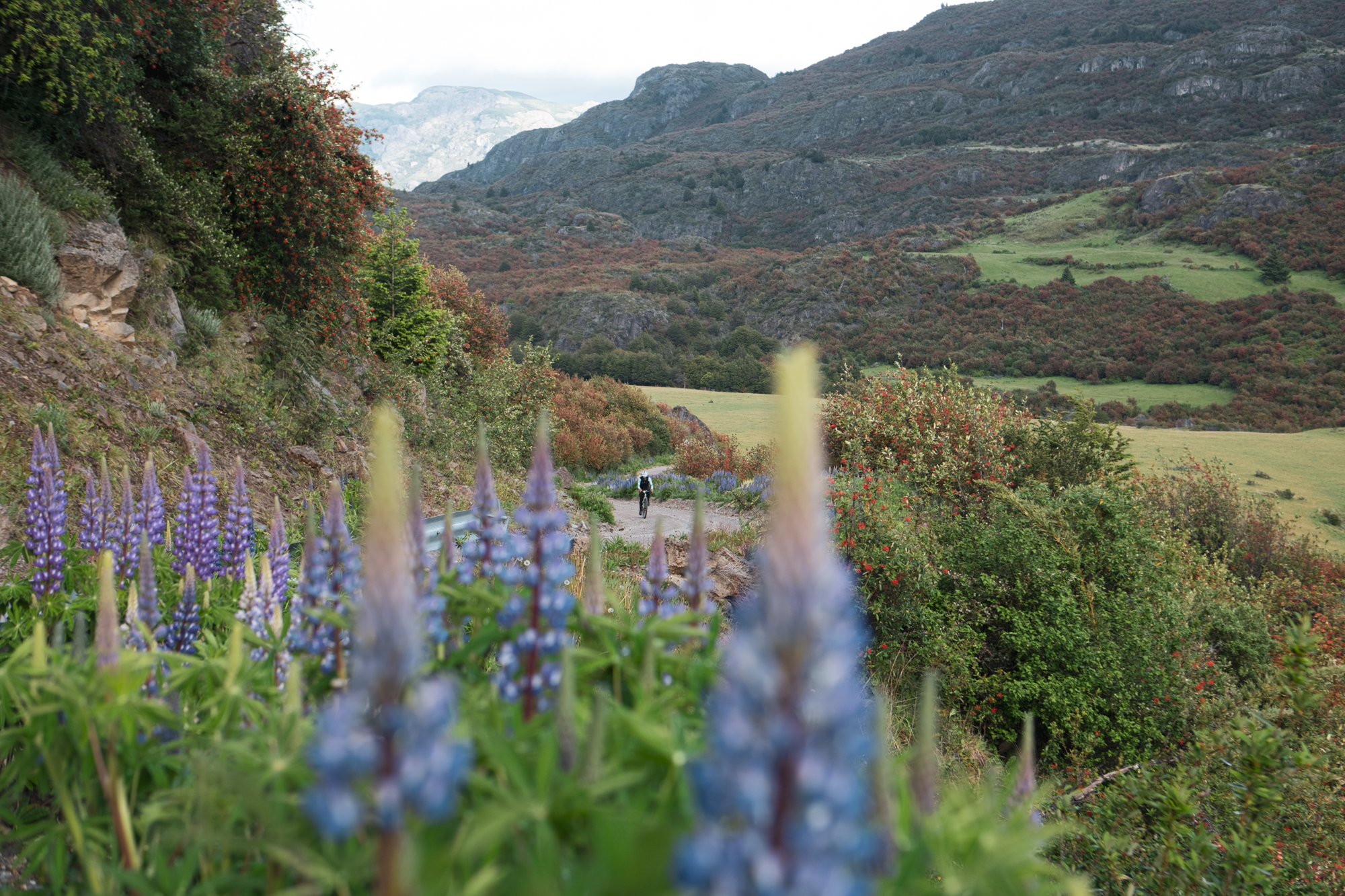
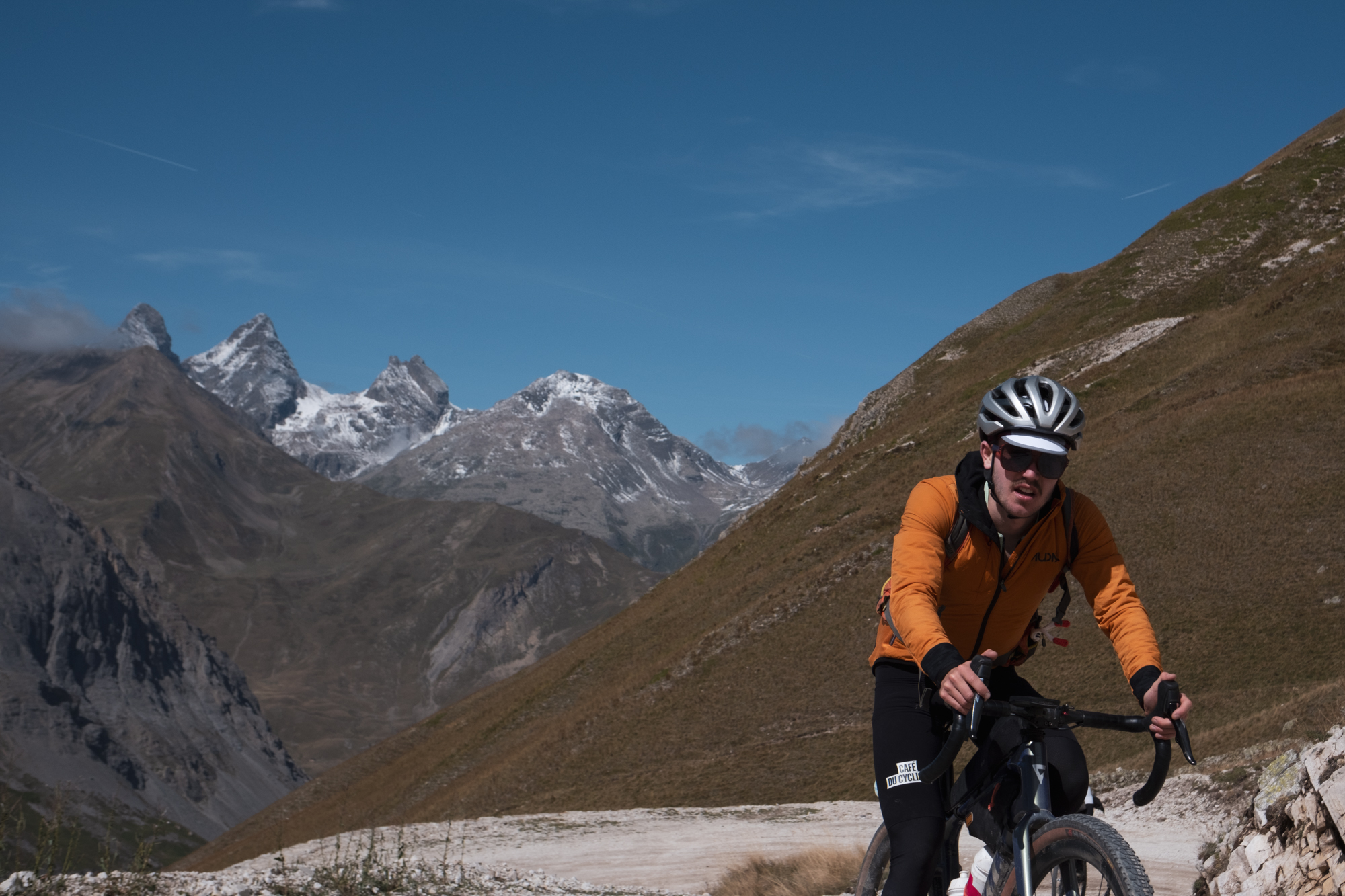
The first stage will start climbing the eastern mountain range, already reaching 3.500 m above the sea level at the Páramo. Later, it crosses the Cundiboyacense high plateau and ghost towns like San Cayetano before starting the descent towards the Magdanela river. After the downhill section, reaching almost 200 m, it will be time to go up again to summit the highest point, the Páramo del Chilí at 3.800 m, an actual challenge that will be the key stage of the route. Finally, before reaching the western mountain range, the track passes through the coffee landscape and, by this, it connects the three ranges. The difference in height will allow the participants to enjoy an ever-changing scenery, from the deep and humid jungle to the tundra at high altitude, a real panorama to be captivated.


Apasionado de la bici y de la competición, Pol, siempre está preparado para una nueva aventura. Le encanta la sensación de ponerse un dorsal y es un auténtico adicto al ciclocros. Passionate about bikes and racing, Pol is always ready for a new adventure. He loves the feeling of pinning a number and he is truly addicted to cyclocross. View all posts by Pol Sopeña
 Javi Angulo
 Javi Angulo
 Javi Angulo
 Javi Angulo
 Javi Angulo
 Javi Angulo
 Javi Angulo
 Javi Angulo
 Pavel Novotný
 Pavel Novotný
 Javi Angulo
 Javi Angulo
Poco a poco, el movimiento gravel se está transformando en un fenómeno mundial. Ya asentado en EEUU y gran parte de Europa, este está encontrando nuevos adeptos en países como Colombia. Mauricio Ordonez y Ricardo Muñoz, dos amigos apasionados del ciclismo, nos cuentan cómo han visto una oportunidad inigualable con posibilidades infinitas para introducir esta modalidad de ciclismo en Colombia. Con este propósito, entre el 21 y 28 de marzo han organizado la carrera de bikepacking Transcordilleras. Este será un reto de 8 etapas pensado para bicicletas gravel y bikepacking de autosuficiencia que atravesará las tres cordilleras del país; desde la oriental a la occidental, pasando por la central.
Como para muchos, el gravel ha sido una transición progresiva del ciclismo de ruta a esas sendas pedregosas y caminos sin asfaltar inalcanzables para estas. Colombia es un país con mucha cultura ciclista, siendo la carretera la disciplina más practicada. Además de una geografía de lo más diversa, el país cuenta con un clima bastante constante a lo largo del año, con lo que no hay necesidad de tener una bicicleta para cada estación del año.
Sin embargo, es un país donde un neumático más ancho te ofrece la posibilidad de incrementar exponencialmente el número de rutas accesibles. Muchas de las carreteras no están pavimentadas, de modo que la falta de infraestructura se traduce en un lugar ideal para explorar con una gravel. Mauricio y Ricardo se dieron cuenta de este hecho y, en 2016, se adentraron en la disciplina. Para esos entonces nadie tenía aún una bicicleta gravel y poco a poco más amigos se fueron uniendo. A día de hoy Mauricio es distribuidor de Open, y la comunidad está ganando adeptos en todo el país, por ejemplo, Mauricio vive en Medellín y Ricardo en Bogotá.
Por razones históricas los colombianos han tendido a vivir en las montañas, lo que se ha traducido en una red extensa que conecta pueblos y valles a través de pasos entre cordilleras. La región central de Colombia está definida por los Andes y dividida en tres cordilleras: oriental, central y occidental. Con la intención de adentrarse y conocer el país, se propusieron el reto de unir las tres en bicicleta en lo que sería una ruta de bikepacking gravel.
El gravel te permite alcanzar lugares y aldeas a los que no llegarías de otro modo, pasando por sendas restringidas para otro tipo de bicicleta. Además, ir a cuestas con todo el material necesario te permite disfrutar del momento sin presión, parándote a disfrutar de la comida local, haciendo ligeras modificaciones de la ruta e improvisando en función de las sensaciones.
La idea principal tras el evento es crear una comunidad más extensa y poder disfrutar del entorno de una manera más cercana después del confinamiento vivido. Así pues, el evento se ha abierto a todo el mundo, eso sí, con plazas limitadas, y lo que sería una ruta entre amigos se ha transformado en una carrera por etapas. Al ser el primer evento y contar con participantes de distintos niveles, desde el experto en ultraciclismo al ciclista aficionado, se ha planteado la carrera como una posibilidad para introducirse al bikepacking de autosuficiencia, crear cultura y hacer nuevas amistades.
Partiendo de Yopal (cordillera oriental) y llegando a Tadó (cordillera occidental), la ruta consta de 1.150 km con un desnivel acumulado de 25.000 m dividido en 8 etapas (una media de 140 km y +3.000 m al dia). De modo que, aunque se plantee como un reto amistoso, este no será fácil de superar.
Los participantes deberán llevar todo el material en sus bolsas, como comida, ropa o herramientas, excepto material de acampada, ya que se prioriza el dormir en hostales y hoteles en cada población al finalizar la etapa. De este modo, los organizadores pretenden crear más comunidad y hacer la experiencia más segura. Con esta misma intención, y por la falta de infraestructura en algunas partes del trazado, habrá un coche escoba que recogerá a los participantes en caso de infortunios o situaciones peligrosas al caer la noche.
Sin embargo, el evento no deja de ser una carrera. El tiempo de cada etapa será cronometrado de modo que los participantes podrán ir tan rápido como quieran o rodar en grupo y disfrutar del entorno a su propio ritmo. En cualquier caso, el que vaya líder tendrá que hacer penitencia y cargar con un jaguar de peluche.
El trazado del evento no es fortuito, sino el resultado meditado del trabajo de Mauricio y Ricardo al explorar y aventurarse con sus bicicletas gravel en los distintos parajes de Colombia. Aún no han unido todas las etapas entre sí en un solo viaje, pero sí que han hecho pequeñas expediciones de varios días cubriendo cada uno de los tramos. Esta vez tocará unirlos todos.
La primera etapa empezará subiendo a la cordillera oriental, alcanzando ya los 3.500 m sobre el nivel del mar en el Páramo. Luego, atravesará el altiplano Cundiboyacense y pueblos fantasma como San Cayetano antes de empezar el descenso hacía el valle del río Magdalena. Después de descender hasta casi 200 m tocará de nuevo subir hasta el punto más alto, el páramo del Chilí a 3.800 m, un verdadero reto que será la etapa reina de la ruta. Finalmente, la ruta transcurrirá por el paisaje cafetero, llegando a la cordillera occidental y así uniendo las tres. La diferencia de desnivel permitirá disfrutar de un paisaje cambiante, desde la selva más profunda y húmeda al páramo en alta altitud, un verdadero panorama para deleitarse.
Apasionado de la bici y de la competición, Pol, siempre está preparado para una nueva aventura. Le encanta la sensación de ponerse un dorsal y es un auténtico adicto al ciclocros. Passionate about bikes and racing, Pol is always ready for a new adventure. He loves the feeling of pinning a number and he is truly addicted to cyclocross. View all posts by Pol Sopeña
Receive our monthly selection of the best articles, news, exclusive content and giveaways only for subscribers, subscribe to OUR NEWSLETTER
Receive our monthly selection of the best articles, news, exclusive content and giveaways only for subscribers, subscribe to OUR NEWSLETTER
Receive our monthly selection of the best articles, news, exclusive content and giveaways only for subscribers, subscribe to OUR NEWSLETTER
Receive our monthly selection of the best articles, news, exclusive content and giveaways only for subscribers, subscribe to OUR NEWSLETTER