- News
- Reviews
- Travel & Adventure
- Interviews
- Inside Industry Players
- Community
Bikes
Reviews
Components
Reviews
Cycling
Apparel


[raw_mobile_menu]
[wpml_language_switcher_down]


El evento gravel de bikepacking Transcordilleras suma una nueva exitosa edición en el registro, destacándose como uno de las carreras indispensables del calendario internacional. Esta vez, entre el 12 y 19 de febrero, más de 150 ciclistas tanto colombianos como del panorama internacional disputaron la tercera edición de la prueba, cubriendo 1.000 km y más de 20.000 m de desnivel positivo. Esta vez, el animal tótem fue el búho, el cual era llevado cada etapa por el líder de la prueba.
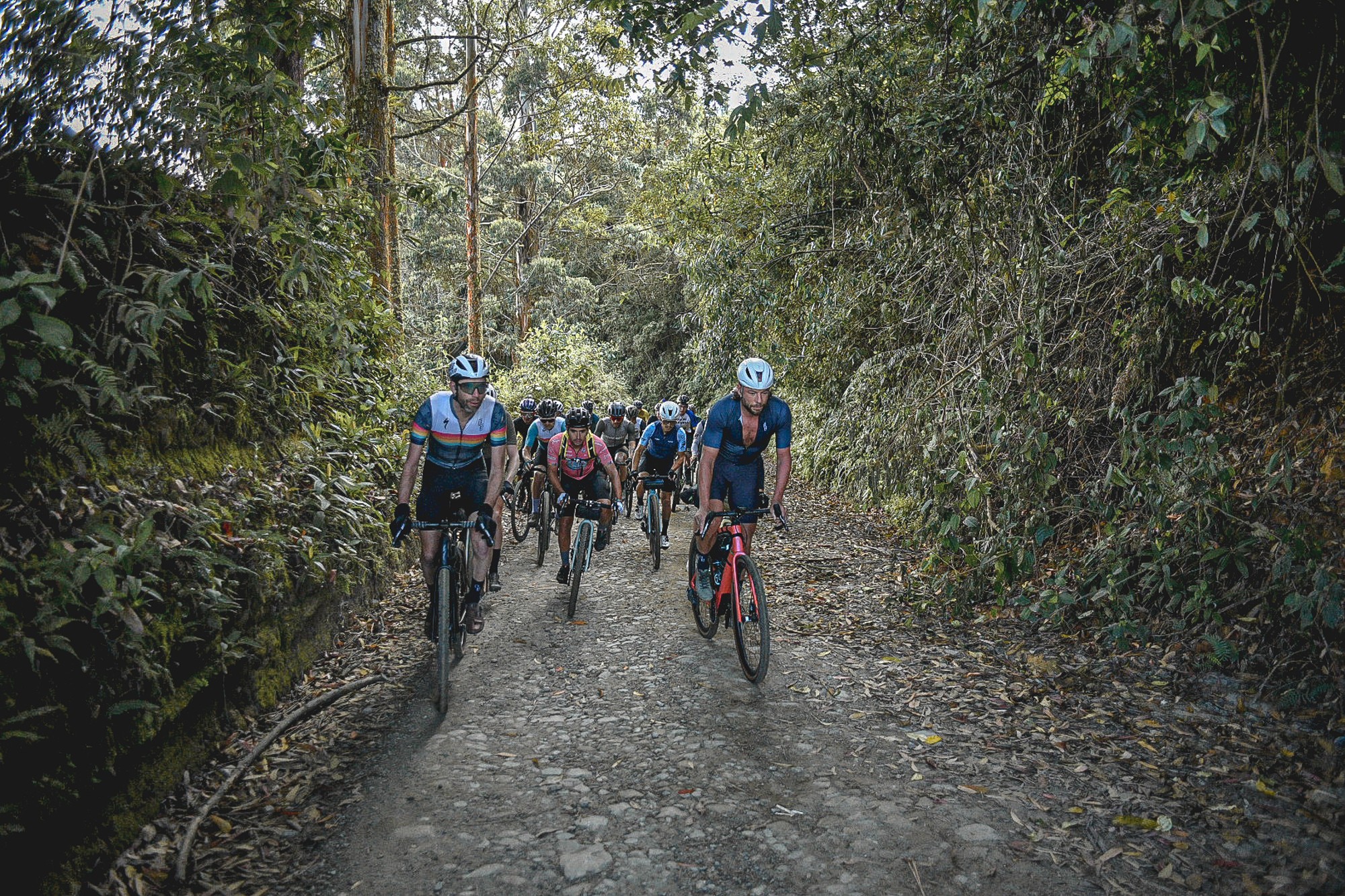
Uno de los alicientes de Transcordilleras es que el recorrido cambia en cada una de sus ediciones, ya sea la versión larga completa de febrero, o la corta de agosto. Así pues, a diferencia de la segunda edición que iba de este a oeste, entre Yopal y Santa Fe de Antioquia, esta vez los corredores irían en sentido contrario. De oeste a este, cubriendo así las tres cordilleras en las que se bifurcan los Andes entre la Ciudad de Cali en el Valle del Cauca hasta Guasca a las afueras de Bogotá.

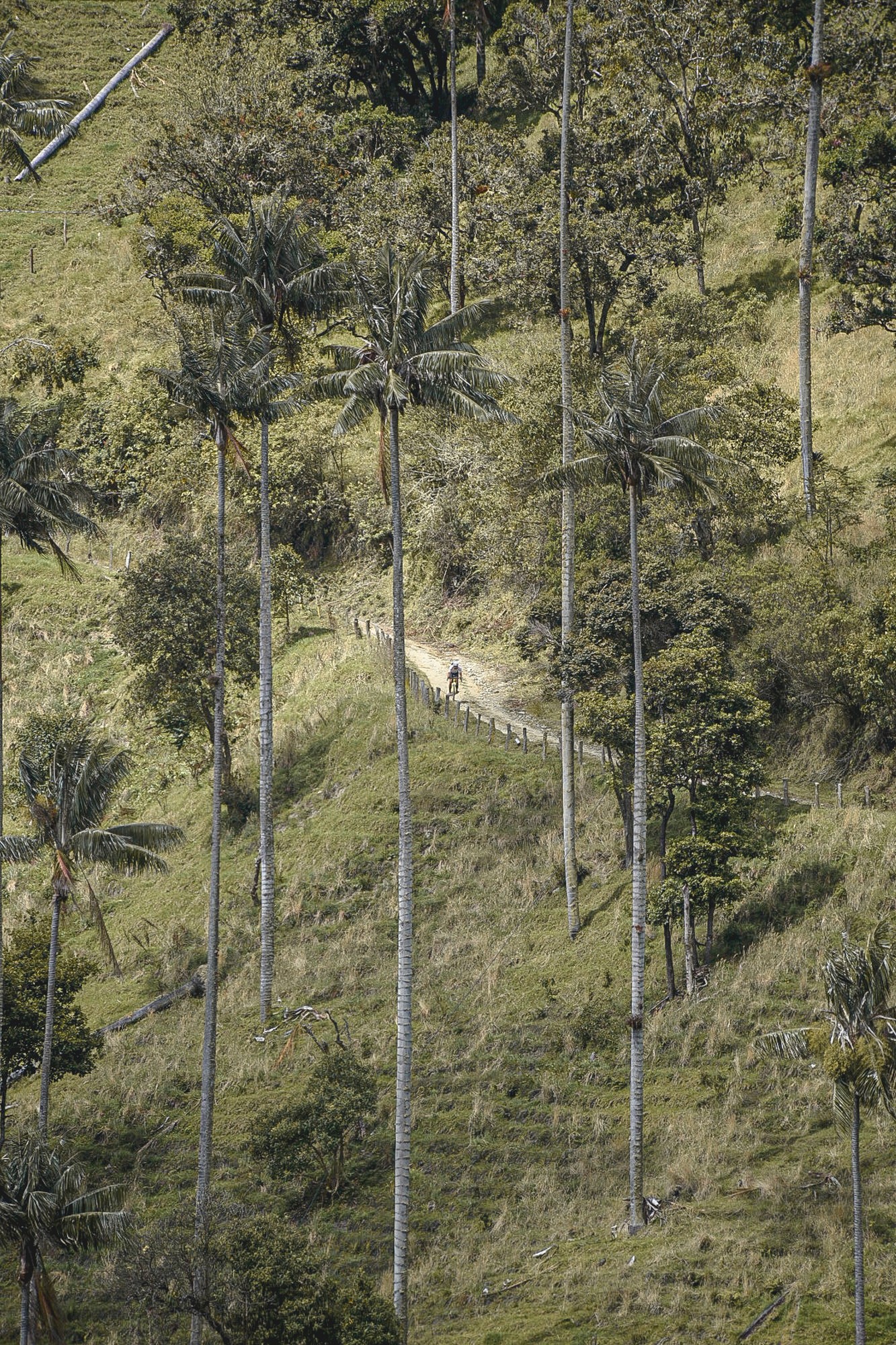

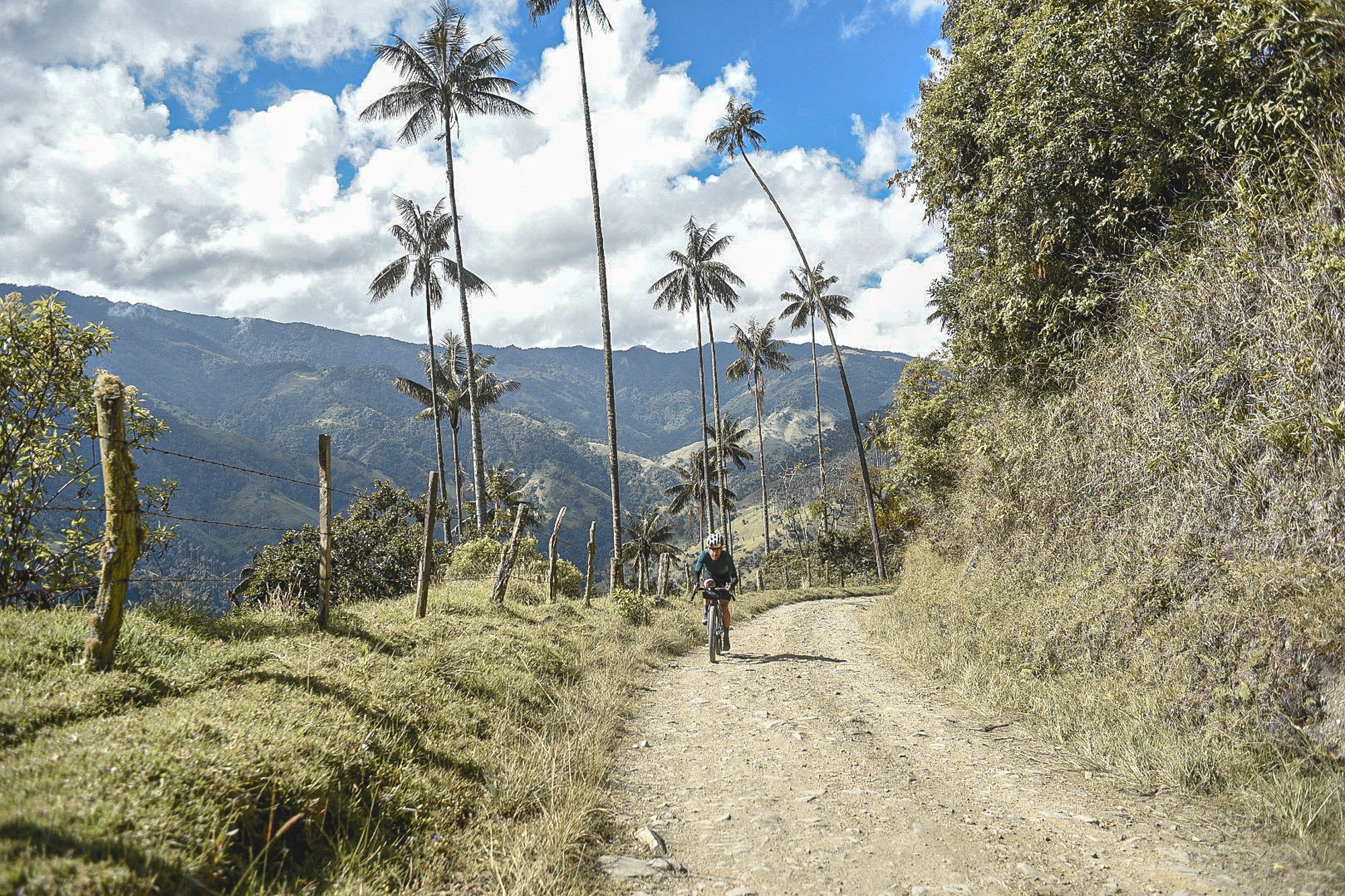
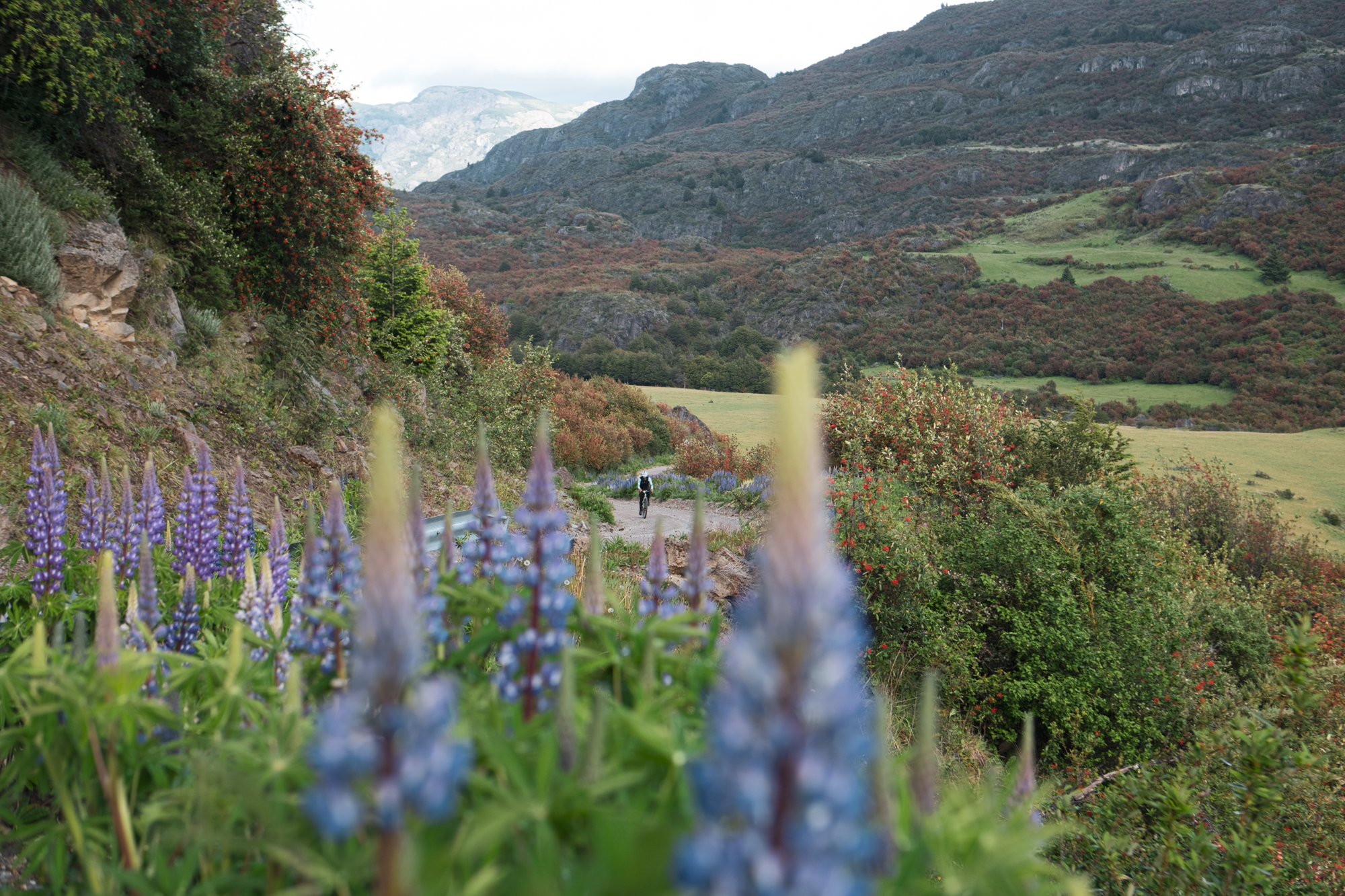
El circuito estaba pensado de modo que los participantes estuvieran expuestos a la verdadera Colombia, el país geográficamente más complejo del mundo con una de las mayores biodiversidades. Así, en la etapa reina (séptima etapa, o segunda para los de la versión corta) los corredores subieron hasta 4.000 m de altura para atravesar el páramo más grande del mundo, el Sumapaz. A la vez, anteriormente cruzaron la región de Toche en el departamento de Tolima, en medio del bosque de Palmas de Cera más poblado del mundo.


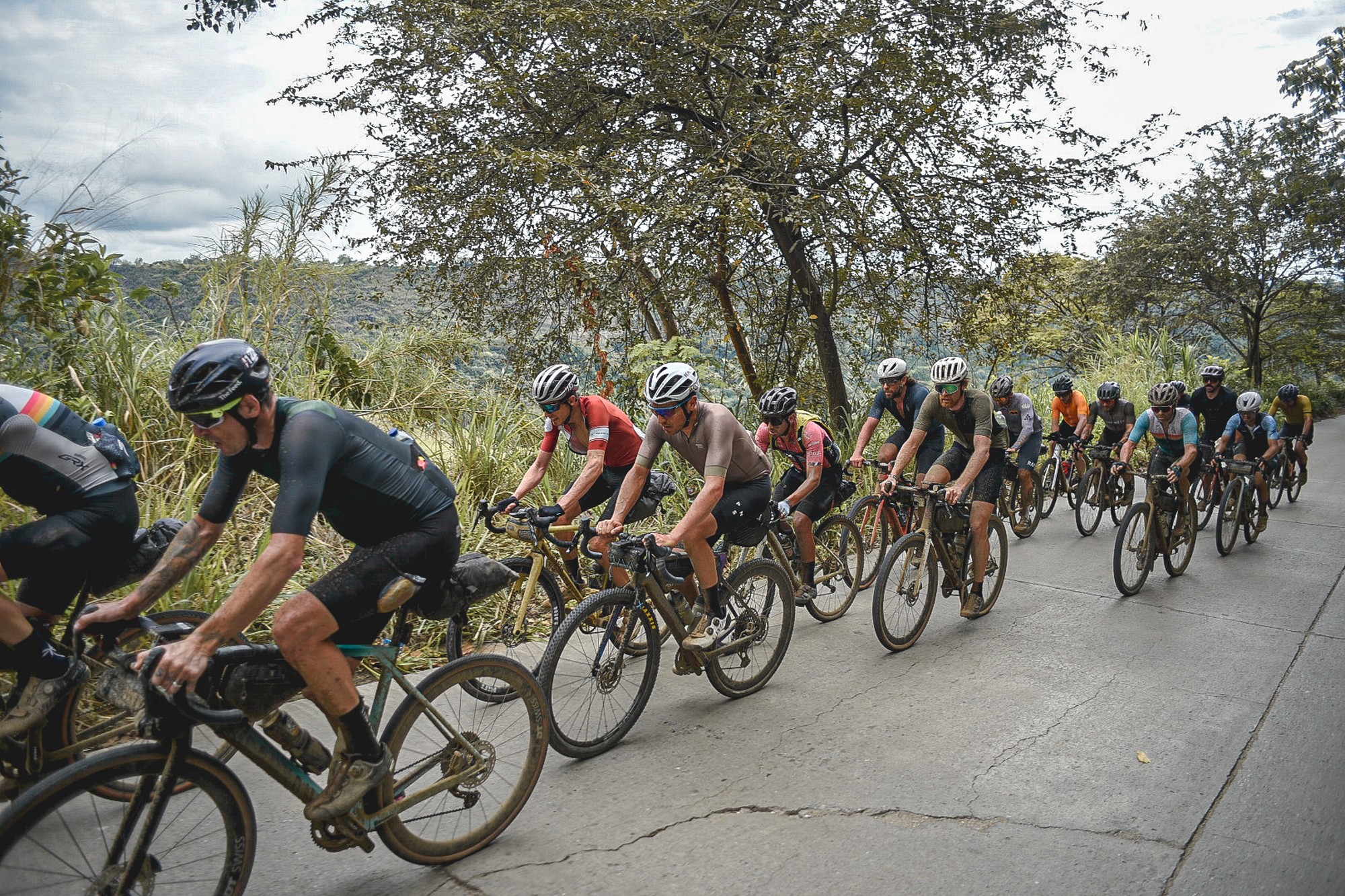
Además, no existe una sola disciplina para participar, sino cuatro, ya que la prueba está pensada como una oportunidad de descubrir cada una de las regiones por la que se pasa disfrutando de la bicicleta en modo competitivo con el resto o uno mismo. La versión tradicional consiste en ocho etapas autoabastecidas (categorías individuales y mixta), donde cada uno es responsable de su material y comida, pero se debe parar en pueblos señalados para empezar el siguiente día juntos. Luego está la versión non-stop para los más intrépidos (individual o mixto), donde estás obligado a pasar por ciertos checkpoints pero tu te gestionas todo. Para los principiantes está la versión de las tres últimas etapas. Y finalmente la versión abastecida más randoneur en la cual haces todo el recorrido y te llevan el equipaje de punto a punto.


El primero en llegar a Guasca fue Julián Manrique, donde les esperaban los chicos de Scarab, Terradosa, y Safetti. El colombiano tardó 3 días y 13 horas en cruzar las tres cordilleras, cubriendo 896 km y 21.000 m de ascenso positivo. A diferencia de la versión por etapas, aquí cada uno decidía su camino solo teniendo que pasar por ciertos checkpoints. Al cabo de 6 horas llegó Cynthia Frazier, siendo la primera mujer en ganar la prueba non-stop femenina con un gran resultado.

En la versión de 8 etapas autoabastecidas, el holandés Laurens tem Dam se llevó la victoria. Siendo uno de los participantes con más experiencia en el pelotón profesional su papel fue esencial, controlando el ritmo en cada una de las etapas, marcando las pausas, y lanzando ataques cuando era necesario. Entre otros destacamos el nivel de corredores colombianos como Ardila, Restrepo, Chavez o Gutierrez, y la alta participación internacional con Dekker, Vermeulen o Wintermantel. En la versión corta de tres etapas, poniendo la cereza en el pastel para los que ya llevaban cinco días de carrera, fue Camilo Salazar quien ganó.


Referente a las mujeres, Carlie Lamke fue la vencedora de la general llevándose el búho a casa y después de un trayecto bastante accidentado, con malestar estomacal, siete pinchazos y casi hipotermia en el páramo. En la versión corta de tres etapas ganó la chilena Susan Barranza que tendrá que plantearse la versión larga para la siguiente edición.


En parejas mixtas non-stop los españoles Santi Val y Ada Xinxo fueron los primeros en llegar. Mientras que fueron Jimena López y Pablo Barbier que vencieron la general de las 8 etapas en modalidad mixta, y Mauricio Ordonez y Maria Paola Hernández ganaron la versión corta.

Apasionado de la bici y de la competición, Pol, siempre está preparado para una nueva aventura. Le encanta la sensación de ponerse un dorsal y es un auténtico adicto al ciclocros. Passionate about bikes and racing, Pol is always ready for a new adventure. He loves the feeling of pinning a number and he is truly addicted to cyclocross. View all posts by Pol Sopeña
The bikepacking gravel event Transcordilleras adds a new successful edition to the record, standing out as one of the essential races on the international calendar. Between February 12th and 19th, more than 150 cyclists, both Colombian and from the international scene, took part in the third edition of the event, covering 1,000 km with more than 20,000 m of elevation gain. This time, the totem animal was the owl, which was carried at each stage by the leader.
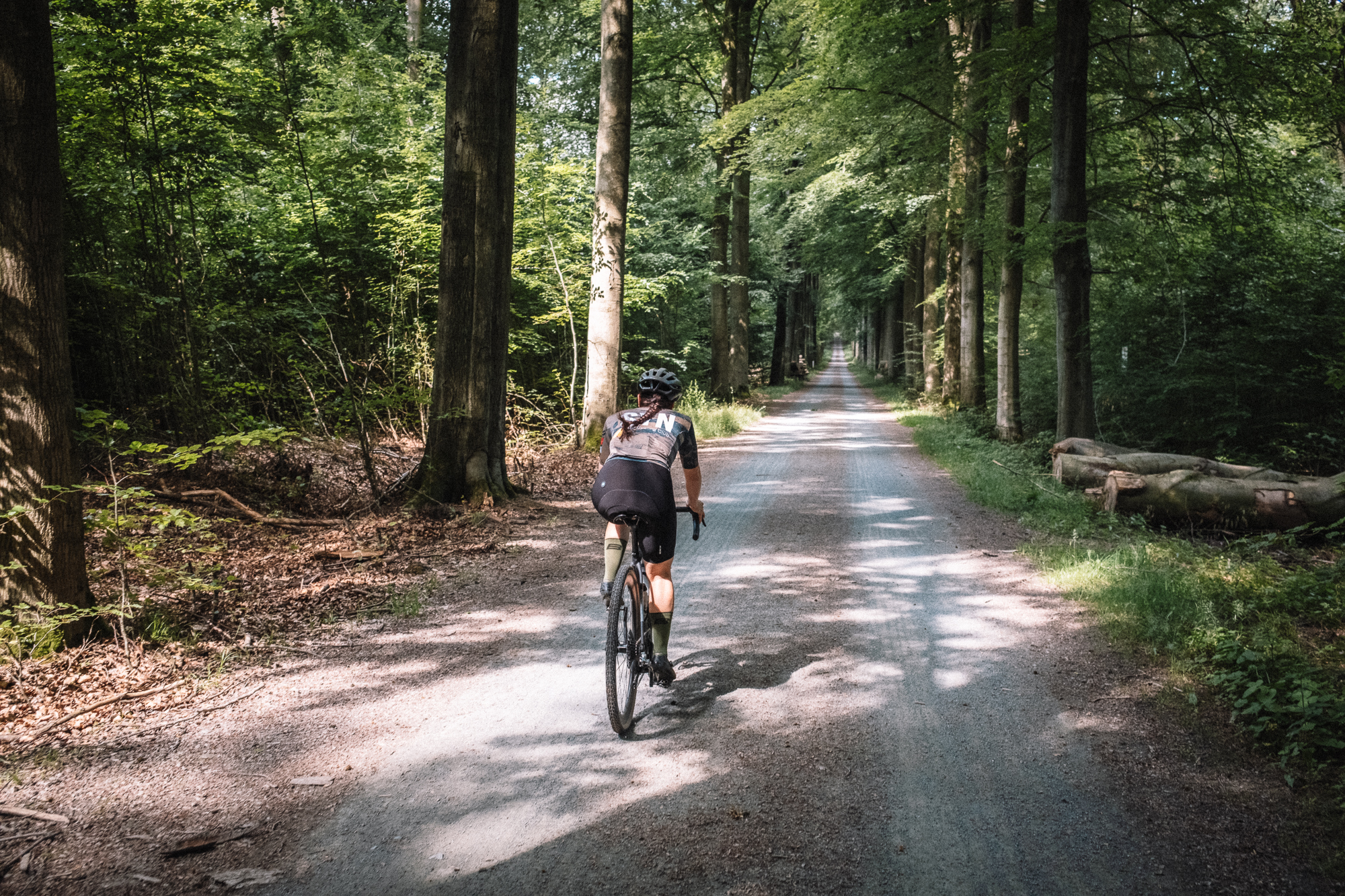
One of the strong points of Transcordilleras is that the route changes in each edition, whether it is the long complete version of February or the short version of August. So, unlike the second edition that went from Yopal in the east to Santa Fe de Antioquia in the west, this time the riders had to go in the opposite direction. From west to east, they covered the three mountain ranges in which the Andes forks between the City of Cali in Valle del Cauca to Guasca, on the outskirts of Bogotá.
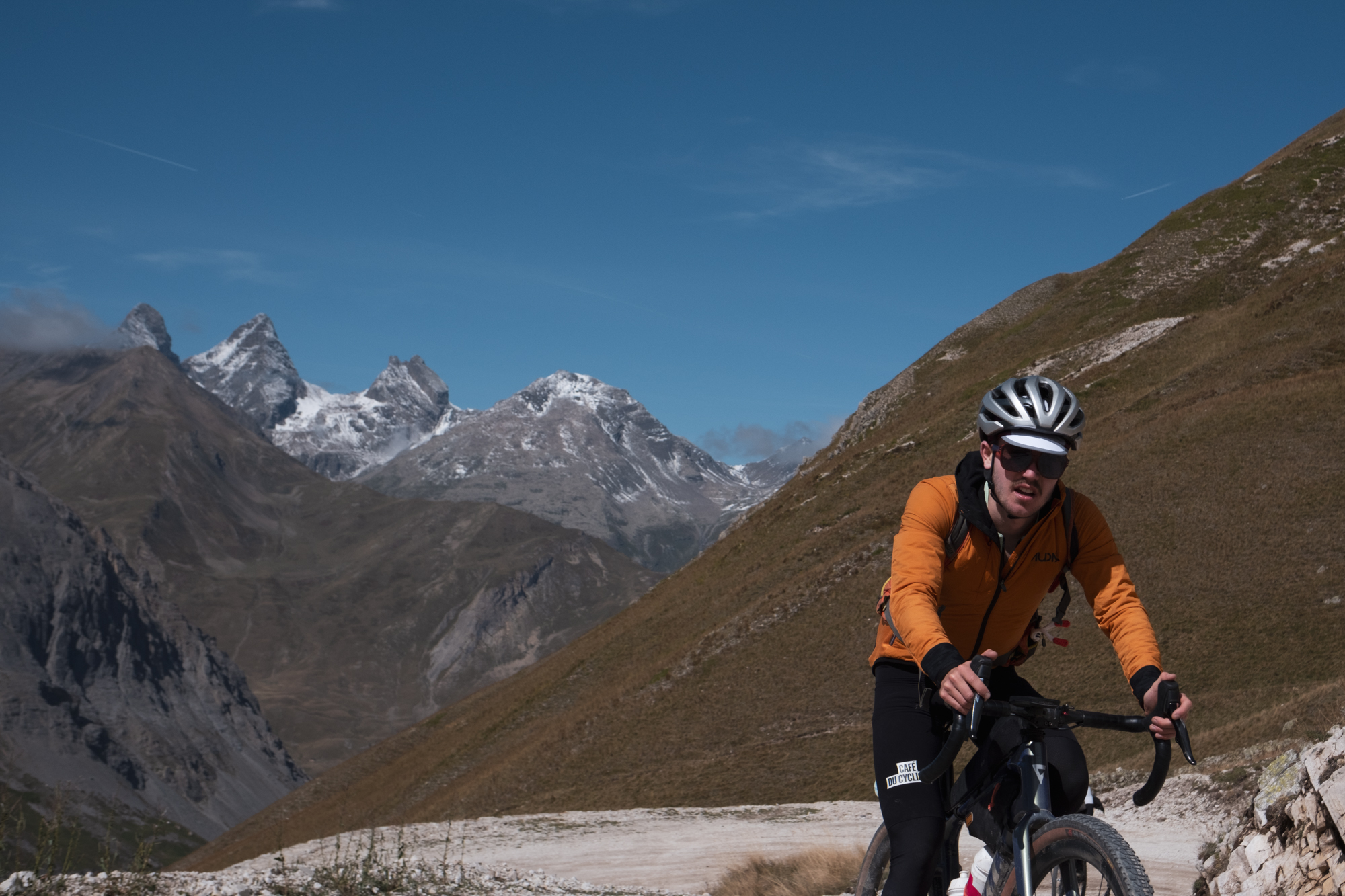
The route was designed so that the participants were exposed to the real Colombia, the most geographically complex country in the world with one of the greatest biodiversity. One of the highlights was the queen stage (seventh stage, or second for those of the short version), where the participants climbed up to 4,000 m above sea level to cross the largest páramo in the world, the Sumapaz. Just before that, they went through the Toche region in the department of Tolima, in the middle of the most populated forest of Palmas de Cera (palm trees) in the world.
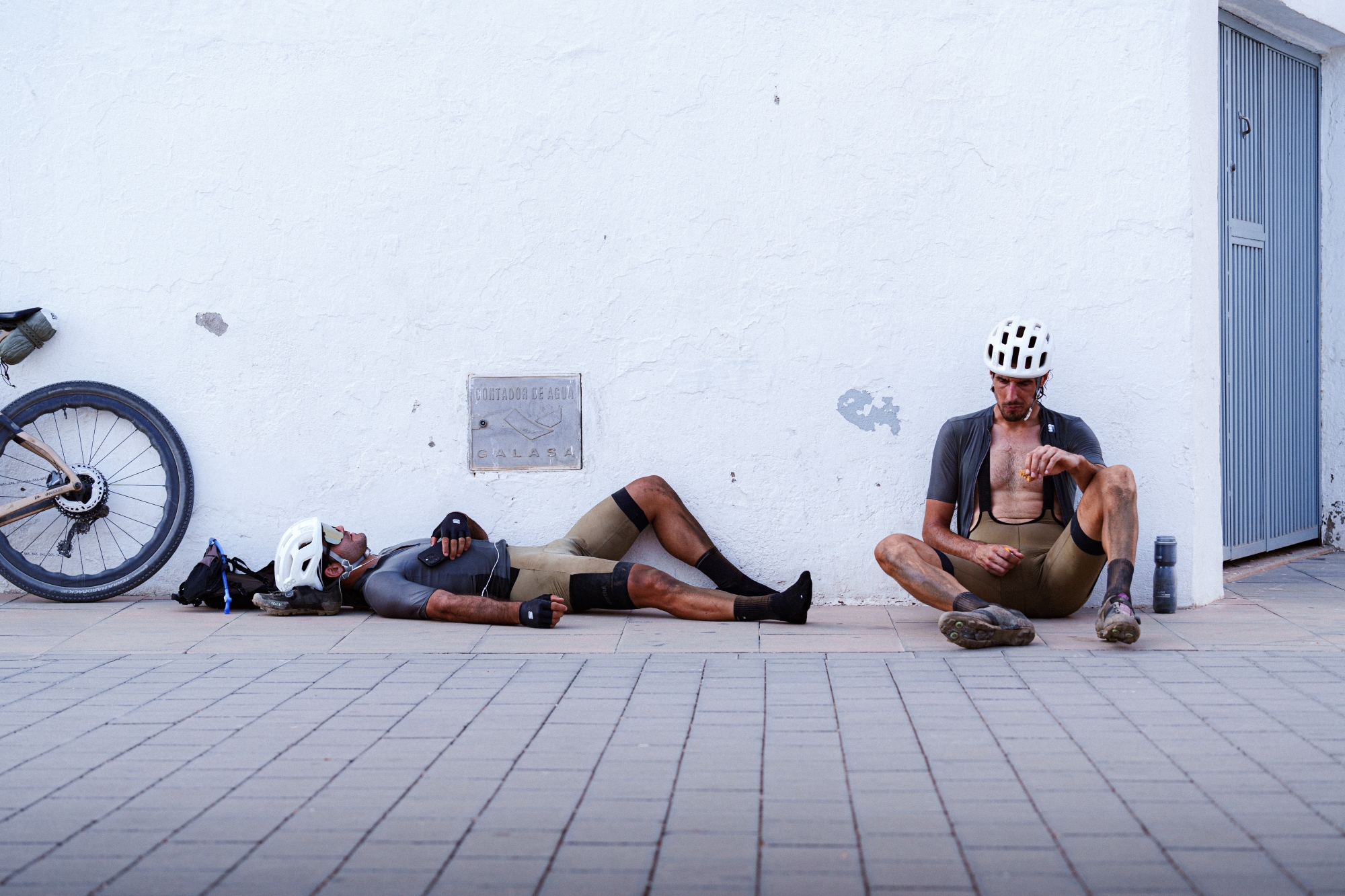
In addition, there is not only one discipline to participate in, but four, since the event is designed so that the participants can discover the country and each one of the regions the course passes through in the way that best fits their preferences. The traditional version consists of eight self-supported stages (individual and mixed categories), where each rider is responsible for their material and food, but must stop at designated towns to start the next day together. Then there is the non-stop version for the most adventurous ones (individual or mixed), where you are forced to go through certain checkpoints but you manage everything, including the route. For first-timers, there is a short version of three stages, in which riders join the rest of the participants for the last stages. Finally, a more randonneur version consists of riding the eight stages but in a fully supported manner where your luggage is taken from point to point.
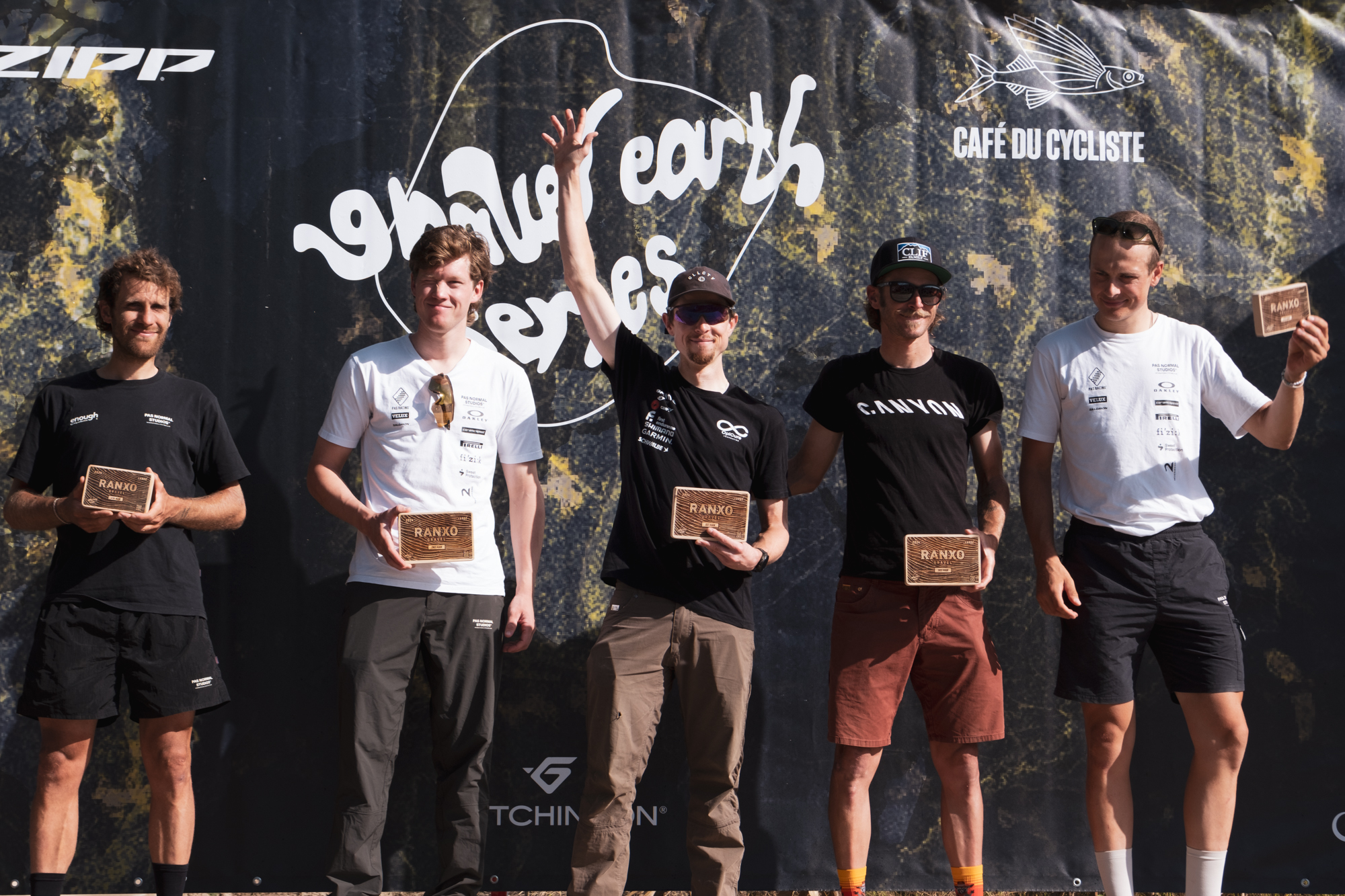
The first to arrive at Guasca was Julián Manrique, where the boys from Scarab, Terradosa, and Safetti were welcoming everyone. The Colombian took 3 days and 13 hours to cross the three mountain ranges, covering 896 km and 21,000 m of elevation gain. Unlike the staged version, everyone chose their own path, only having to go through certain checkpoints. Six hours later arrived Cynthia Frazier, the first female rider to win the women’s non-stop event with a great result.
In the self-supported 8-stage version, the Dutchman Laurens ten Dam took the win. Being one of the most experienced participants with a past in the professional peloton, his role was essential, controlling the pace in every stage, deciding when to stop and take breaks, and launching attacks when necessary. Among other participants, we would like to highlight the level of some Colombian riders such as Ardila, Restrepo, Chavez, or Gutierrez, and the international participation with Dekker, Vermeulen, or Wintermantel. In the short version of three stages, putting the cherry on the cake for those who had already been racing for five days, Camilo Salazar took the win.
Regarding the women, Carlie Lamke was the overall winner, taking the owl home after a rather bumpy journey, with food poisoning, seven punctures, and almost hypothermia in the paramo. In the short version of three stages, the Chilean Susan Barranza won, so she might consider the long version for next year.
In non-stop mixed pairs, the Spanish Santi Val and Ada Xinxo were the first to arrive. The general classification of the 8-day mixed version was won by Jimena López and Pablo Barbier who won the general of the 8 stages, and Mauricio Ordonez and Maria Paola Hernández who won the short version.
Apasionado de la bici y de la competición, Pol, siempre está preparado para una nueva aventura. Le encanta la sensación de ponerse un dorsal y es un auténtico adicto al ciclocros. Passionate about bikes and racing, Pol is always ready for a new adventure. He loves the feeling of pinning a number and he is truly addicted to cyclocross. View all posts by Pol Sopeña
 Javi Angulo
 Javi Angulo
 Javi Angulo
 Javi Angulo
 Javi Angulo
 Javi Angulo
 Javi Angulo
 Javi Angulo
 Pavel Novotný
 Pavel Novotný
 Javi Angulo
 Javi Angulo
Receive our monthly selection of the best articles, news, exclusive content and giveaways only for subscribers, subscribe to OUR NEWSLETTER
Receive our monthly selection of the best articles, news, exclusive content and giveaways only for subscribers, subscribe to OUR NEWSLETTER
Receive our monthly selection of the best articles, news, exclusive content and giveaways only for subscribers, subscribe to OUR NEWSLETTER
Receive our monthly selection of the best articles, news, exclusive content and giveaways only for subscribers, subscribe to OUR NEWSLETTER