- News
- Reviews
- Travel & Adventure
- Interviews
- Inside Industry Players
- Community
Bikes
Reviews
Components
Reviews
Cycling
Apparel


[raw_mobile_menu]
[wpml_language_switcher_down]


Just over a year ago, we were presenting what would be the first edition of Transcordilleras, a stage gravel race through the three Andes mountain ranges that divide Colombia. The success was such that at the end of the same year they organized another edition, although shorter and only focusing on the central mountain range.

These two events had a great impact and attracted the attention of international riders who did not hesitate for a second to register for the 2022 edition, thus establishing Transcordilleras as one of the essential events on the calendar. Once all set, between February 20 and 27, the crossing of the Colombian Andes took place again, this time with greater participation and more race formats.


As in the last edition, the main event consisted of eight fixed stages, in which each day participants rode from point A to B, always moving from the interior to the Pacific Ocean (from east to west). With this, the participants covered a total of 1,100 km and accumulated 25,000 m of positive ascent from Yopal Casanare, to Santafé de Antioquia.
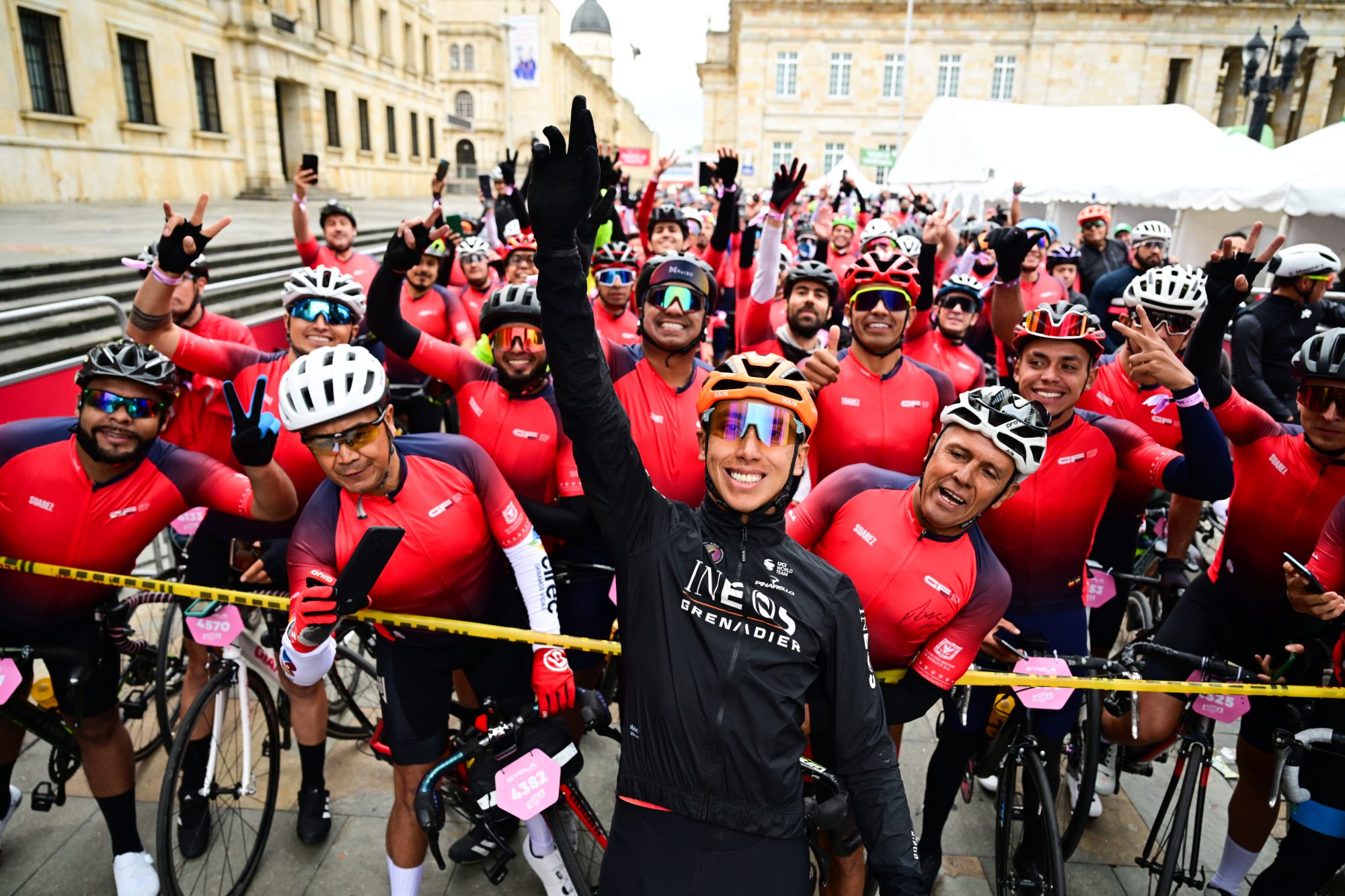
The most interesting thing about this format is that every day the participants went out together. So the first kilometers were normally covered in a peloton. However, that did not imply a calm pace, as everyone wanted to be at the front and to win at least one of the stages. This resulted in attacks from the first minute and a hard rhythm throughout the race.


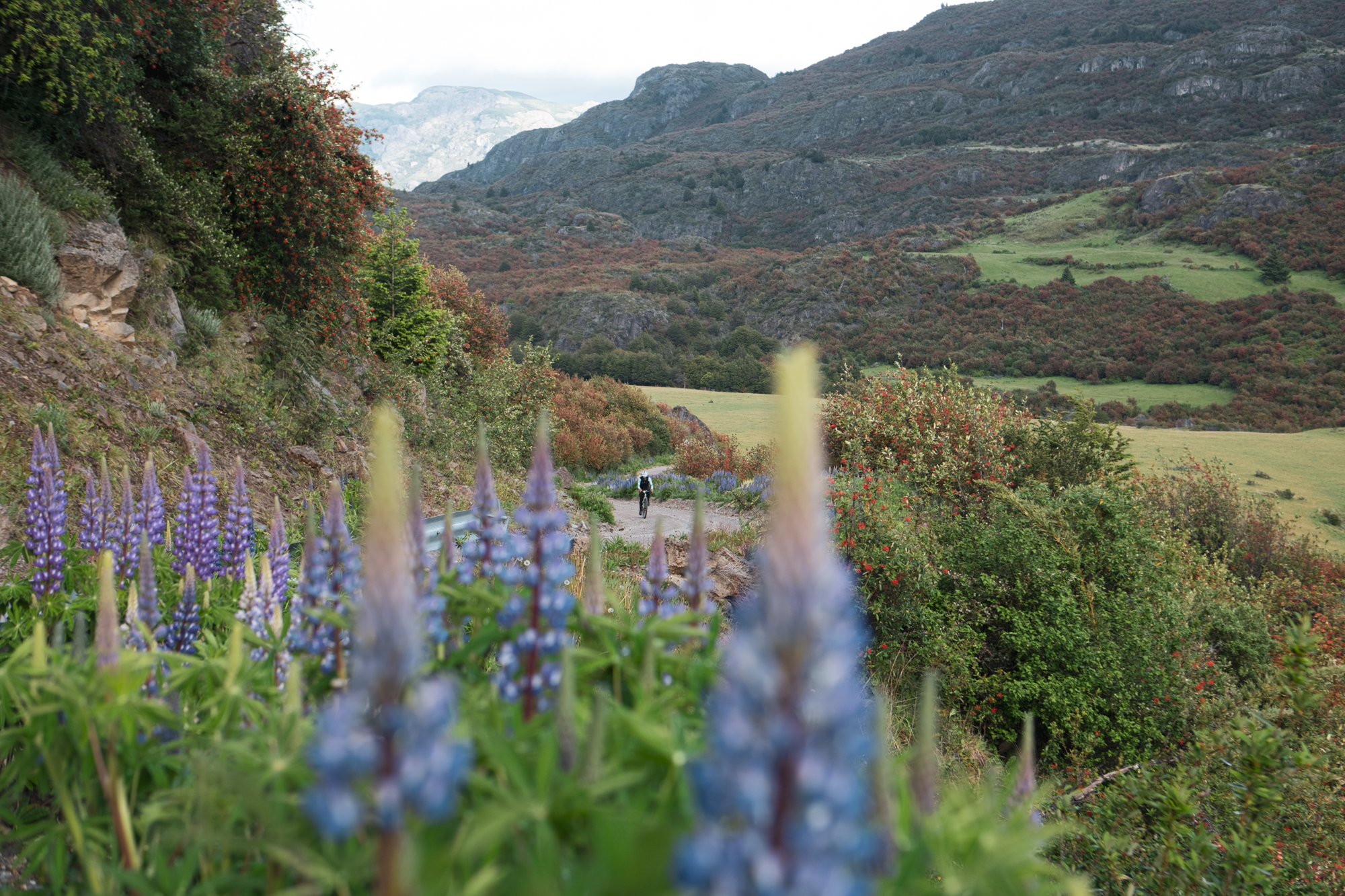
One of the highlights of Transordilleras is the change of mountainside, going from the eastern mountain range to the western one. This means reaching 3,000 m above sea level very often, putting physical capacities to the limit, although with a certain advantage for the locals. In this way, the riders fought as best as they could in an ever-changing landscape, going from dense and humid jungles to forests of Palmas de Cera such as “La Samaria” (the symbol of Colombia), and high plateaus of frailejones in the ‘páramos’ above 3,000 m.


The final podium at the finish, like any stage race, was the sum of the times of each day. Still battling for victory, the Colombian Mauricio Ardila, winner of the last edition, could not take home the Toucan, a stuffed totem that the leader of the race should carry during every stage such as the yellow jersey. It was the American Peter Stetina who took the victory ahead of Laurens ten Dam and Brayan Chaves (brother of professional Estevan Chaves).

In this edition, there were also two extra categories. On the one hand, there was the non-stop version in self-sufficiency, in which the Colombian Omar Rubiano won by arriving before the main pack, completing the route in 6 days and 8 hours. On the other hand, there was a short version of the first three stages for those who wanted to get started in this type of event.


The A-Burrá collective from Colombia, more specifically from Medellín, has been involved in the world of cycling for a long time. As fans of the sport and cyclists, they try to convey their passion through images with stories, landscapes, and routes to follow. Some of its members are professional photographers and, in order to bring Colombian cycling to the rest of the world, they have undertaken initiatives to capture the most intimate details of cycling.


On this occasion, David Jara (photo) together with Paco (motorcycle rider and video) got on the motorbike to follow the group of riders throughout the 8 stages of Transcordilleras. For them, just like the participants, each day was an adventure. Every day they started with the peloton, one day following those behind to then catch up with those in front, or vice versa, so they could see the high pace that was imposed at the head, opening gaps of several hours. Even if they rode a motorcycle, they could not go through all the sections of the route, since on some occasions it passed through trails that could only be used by bicycles, either due to its technical difficulty or steep slope.


Transcordilleras is not a challenge suitable for everyone, and a witness to this is the anecdote that David told us that, even if he was on a motorbike. From the second stage, the motorcycle began to have a short circuit in the headlights, so they loaded with 20 fuses that they routinely changed and also had to reach the end of the stage before nightfall. They succeeded in all stages except the sixth one. That day, when facing the descent to Jardín, a heavy rain caught them. They could not see anything because of the downpour of rain and the gradual loss of light by the night (they only had a flashlight to illuminate). Between puddles, mud, rocks, and holes, they stopped to find a solution, and, out of nowhere, a peasant appeared on a motorcycle who was going in the same direction. He saved them since he lit their way until they reached the town about 40 minutes later. As they told us, ‘it was like a guardian angel for us, that day was one of the most difficult, we traveled around 240 km and reached the finish line around 8 at night’. Thus, we can see the difficulty of the test, in which any unforeseen event requires a solution and knowing how to adapt, all becoming part of the adventure.


Apasionado de la bici y de la competición, Pol, siempre está preparado para una nueva aventura. Le encanta la sensación de ponerse un dorsal y es un auténtico adicto al ciclocros. Passionate about bikes and racing, Pol is always ready for a new adventure. He loves the feeling of pinning a number and he is truly addicted to cyclocross. View all posts by Pol Sopeña
 Javi Angulo
 Javi Angulo
 Javi Angulo
 Toni de la Torre
 Javi Angulo
 Javi Angulo
 Javi Angulo
 Javi Angulo
 Javi Angulo
 Javi Angulo
 Pavel Novotný
 Pavel Novotný
Hace poco más de un año os estábamos presentando lo que sería la primera edición de Transcordilleras, una carrera de gravel por etapas a través de las tres cordilleras de los Andes que dividen Colombia. El éxito fue tal que a finales del mismo año ya organizaron otra edición, aunque más corta y solamente centrándose en la cordillera central.
Estos dos eventos sirvieron como trampolín para tener una gran repercusión y llamar la atención de corredores internacionales que no dudaron ni un segundo en inscribirse en la edición de 2022 y convertirse así en uno de los eventos indispensables del calendario. Así, entre el 20 y 27 de febrero tuvo lugar de nuevo la travesía de los Andes colombianos, contando esta vez con mayor participación y más formatos.
Como en la edición pasada, el evento principal consistía en ocho etapas definidas, en las que cada día se enlazaba del punto A al B siempre avanzando del interior hacia el océano Pacífico (de este a oeste). Con esto, los participantes cubrieron un total de 1.100 km y acumularon 25.000 m de ascenso positivo desde Yopal Casanare, hasta Santafé de Antioquia.
Lo más interesante de este formato es que cada día los participantes salían juntos. De modo que los primeros kilómetros normalmente se recorrían en pelotón. Sin embargo, eso no implicó un ritmo tranquilo, ya que todo el mundo quería estar delante y poder al menos ganar una de las etapas. Esto resultó en ataques desde el primer minuto y un ritmo duro que se hizo sentir a lo largo de los días.
Uno de los aspectos a destacar de Transordilleras es el cambiar de vertiente pasando de la cordillera oriental hasta la occidental. Esto significa alcanzar muy a menudo los 3.000 m sobre el nivel del mar poniendo las capacidades físicas al límite, aunque con cierta ventaja para los locales. De este modo, los corredores se batieron como mejor pudieron en un paisaje siempre cambiante pasando de selvas densas y húmedas, a bosques de Palmas de Cera como “La Samaria” (el símbolo de Colombia), y altiplanos de frailejones en los páramos a más de 3.000 m de altura.
El podio final en la llegada, como toda carrera por etapas, fue la suma de los tiempos de cada día. Aún y batallar por la victoria, el colombiano Mauricio Ardila vencedor de la pasada edición no pudo llevarse el Tucán a casa, un tótem de peluche que debía llevar el líder de la carrera tal maillot amarillo. Fue el americano Peter Stetina que se llevó la victoria por delante de Laurens ten Dam y Brayan Chaves (hermano del profesional Estevan Chaves).
En esta edición hubo además dos modalidades extras. Por un lado estuvo la versión non-stop en autosuficiencia, en la que el colombiano Omar Rubiano ganó llegando antes que el pelotón principal haciendo el recorrido en 6 días y 8 horas. Por otro lado, hubo una versión corta de las tres primeras etapas para aquellos que querían iniciarse en este tipo de eventos.
El colectivo A-Burrá de Colombia, más en concreto de Medellín, hace tiempo que está involucrado en el mundo del ciclismo. Como aficionados y practicantes del deporte, intentan transmitir su pasión a través de imágenes con historias, paisajes y rutas por recorrer. Algunos de sus integrantes son fotógrafos profesionales y, con tal de hacer llegar el ciclismo colombiano al resto del mundo, han emprendido iniciativas captando los detalles más íntimos del ciclismo.
En esta ocasión David Jara (fotografía) junto a Paco (piloto de la moto y vídeo) se subieron a la motocicleta para seguir al grupo de corredores a lo largo de las 8 etapas de Transcordilleras. Para ellos, igual que los participantes cada día fue una aventura. Cada día empezaban con el pelotón, algún día siguiendo a los de atrás para luego alcanzar a los de adelante, o viceversa, con lo que pudieron ver el exigente ritmo que se impuso en cabeza, abriendo huecos de varias horas. Aún yendo en moto no pudieron pasar por todos los tramos de la ruta, ya que en algunas ocasiones esta transcurría por senderos sólo practicables en bicicleta ya sea por su dificultad técnica o elevado pendiente.
Transcordilleras no es un reto apto para todo el mundo, y testigo de esto es la anécdota que nos cuenta David que, aún yendo en moto, sufrieron lo suyo. Desde la segunda etapa la moto empezó a tener un cortocircuito en los faros, de modo que cargaron con 20 fusibles que iban cambiando y tenían que llegar a final de etapa antes del anochecer. Así lo consiguieron en todas las etapas excepto la sexta. Ese día, al afrontar el descenso hacía Jardín, una fuerte lluvia les alcanzó. No podían ver nada por la tromba de agua que caía y la falta gradual de luz de la noche (solo tenían una linterna de mano para iluminar). Entre charcos, lodo, rocas y agujeros, se pararon para encontrar una solución y, de la nada, apareció un campesino en moto que iba en la misma dirección. Este les salvó, ya que les iluminó el camino hasta llegar al pueblo unos 40 minutos después. Como nos cuentan, ‘fue como un ángel de la guarda para nosotros, ese día fue de los más difíciles, recorrimos alrededor de 240 km y llegamos a eso de las 8 de la noche a meta’. Así, podemos ver la dificultad de la prueba, en la que cualquier imprevisto requiere de una solución y saberse adaptar, formando todo parte de la aventura.
Apasionado de la bici y de la competición, Pol, siempre está preparado para una nueva aventura. Le encanta la sensación de ponerse un dorsal y es un auténtico adicto al ciclocros. Passionate about bikes and racing, Pol is always ready for a new adventure. He loves the feeling of pinning a number and he is truly addicted to cyclocross. View all posts by Pol Sopeña
Receive our monthly selection of the best articles, news, exclusive content and giveaways only for subscribers, subscribe to OUR NEWSLETTER
Receive our monthly selection of the best articles, news, exclusive content and giveaways only for subscribers, subscribe to OUR NEWSLETTER
Receive our monthly selection of the best articles, news, exclusive content and giveaways only for subscribers, subscribe to OUR NEWSLETTER
Receive our monthly selection of the best articles, news, exclusive content and giveaways only for subscribers, subscribe to OUR NEWSLETTER