- News
- Reviews
- Travel & Adventure
- Interviews
- Inside Industry Players
- Community

Bikes
Reviews
Components
Reviews
Cycling
Apparel






[raw_mobile_menu]
[wpml_language_switcher_down]

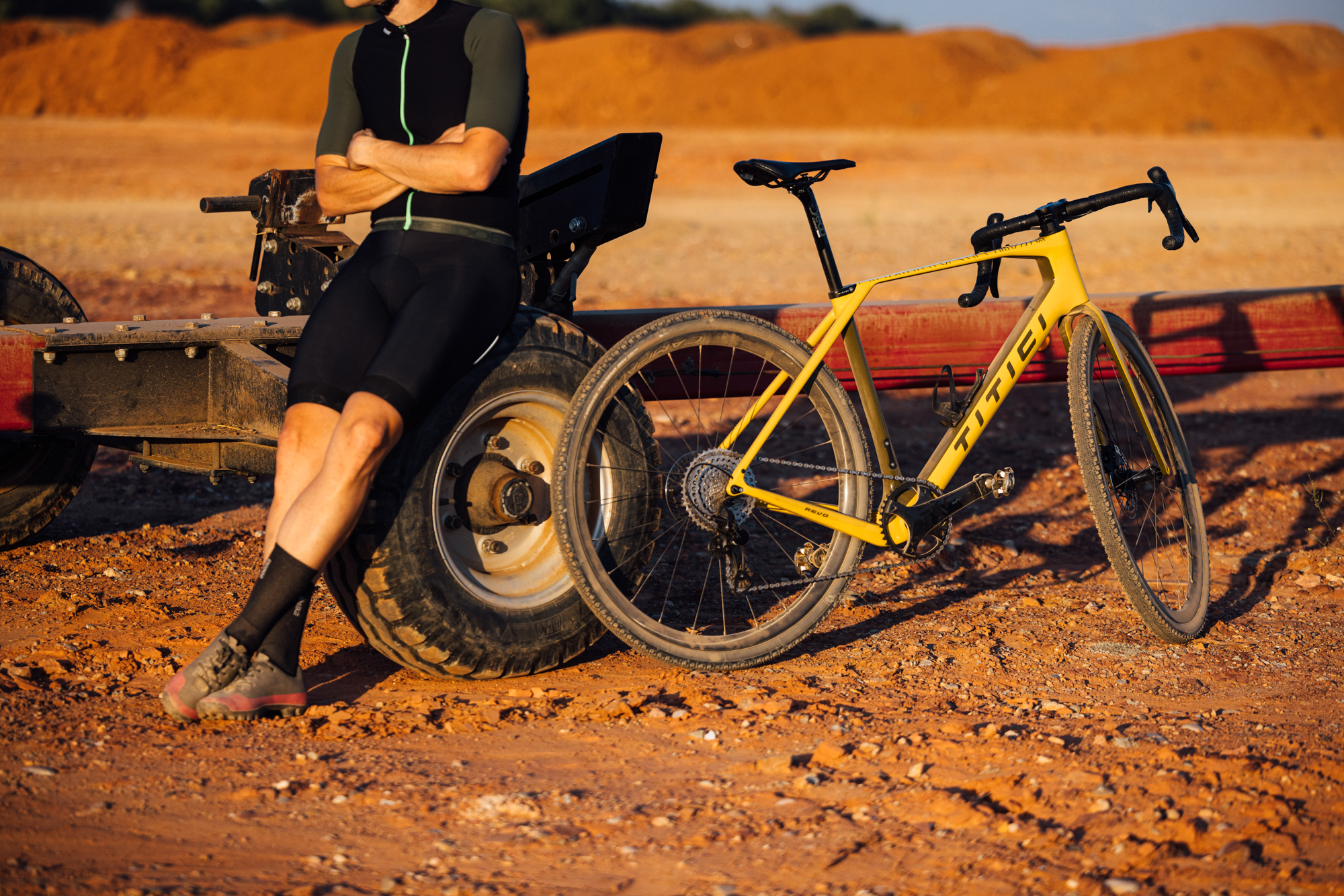
If we analyze the current cycling situation, one of the most relevant aspects is the great diversity of disciplines and the variety of bicycle models the big brands are putting on the market.
The Italian firm Titici and its gravel range offer several models, including the Relli, which is more focused on performance and competition; the Sterrato, produced in Columbus steel and for very versatile use; or the Alloi model, made with Dedacciai custom tubing. Recently, they presented a new model, the Revo.
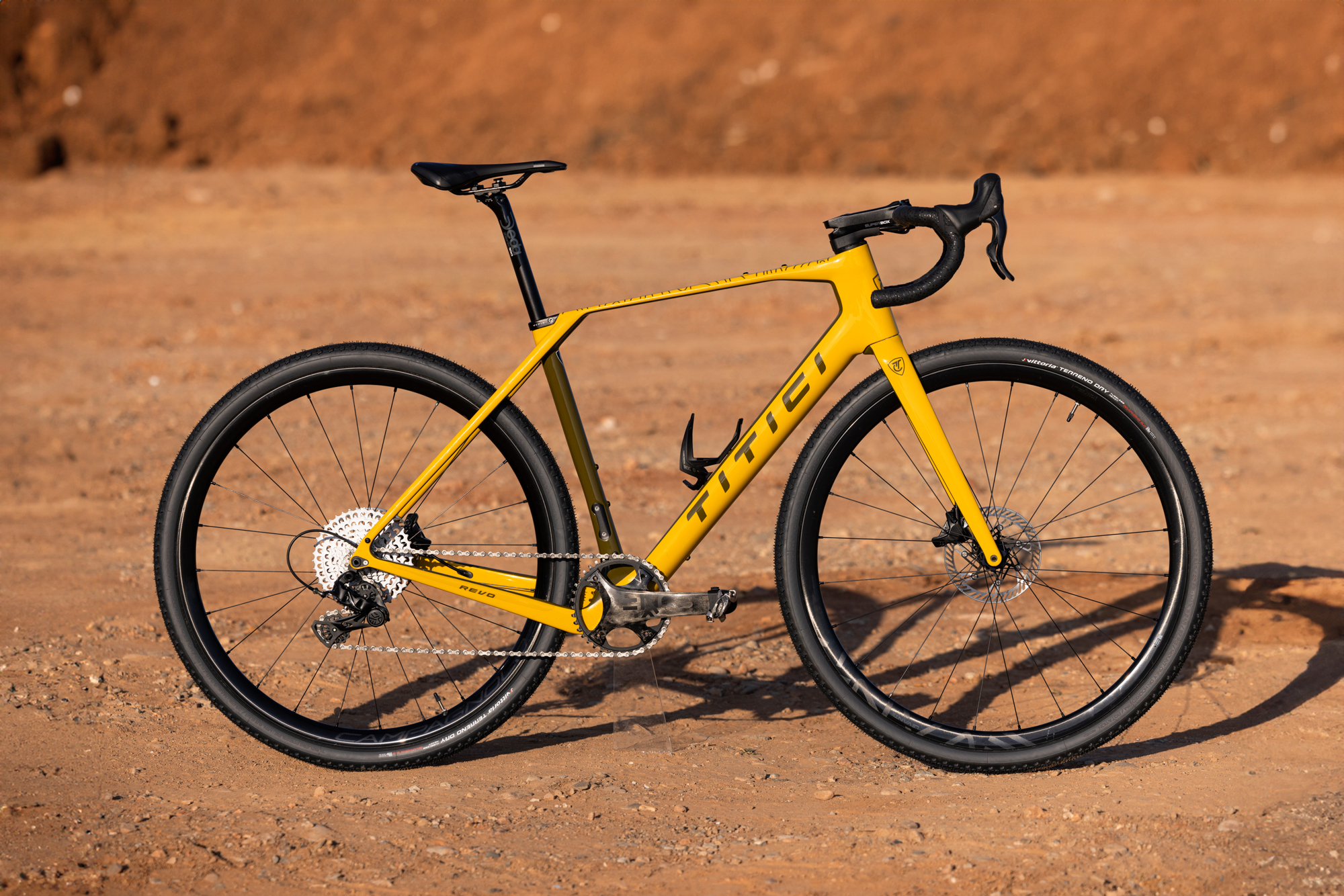
We have been lucky enough to ride this latest unit for several weeks, and we have not constrained ourselves when it comes to testing it.
Creating a new bicycle model always represents a significant challenge for the engineers, and this case was not different. They had the advantage that it was clear to them what they were looking for a bicycle that would allow the rider to enjoy gravel in all its versions, preserving a competitive edge. Starting from that basis and after many hours of work, the Revo was born.


The bicycle is perfectly designed to enjoy a great day of gravel riding with friends, tackle technical trails without great difficulties for the most daring, or explore unknown spots during a multi-day trip thanks to its countless attachments, which allow you to install bags or accessories.
The unit we tested had a striking paint job, with a mustard yellow base with olive green details, representing the bicycle’s character and spirit very well.

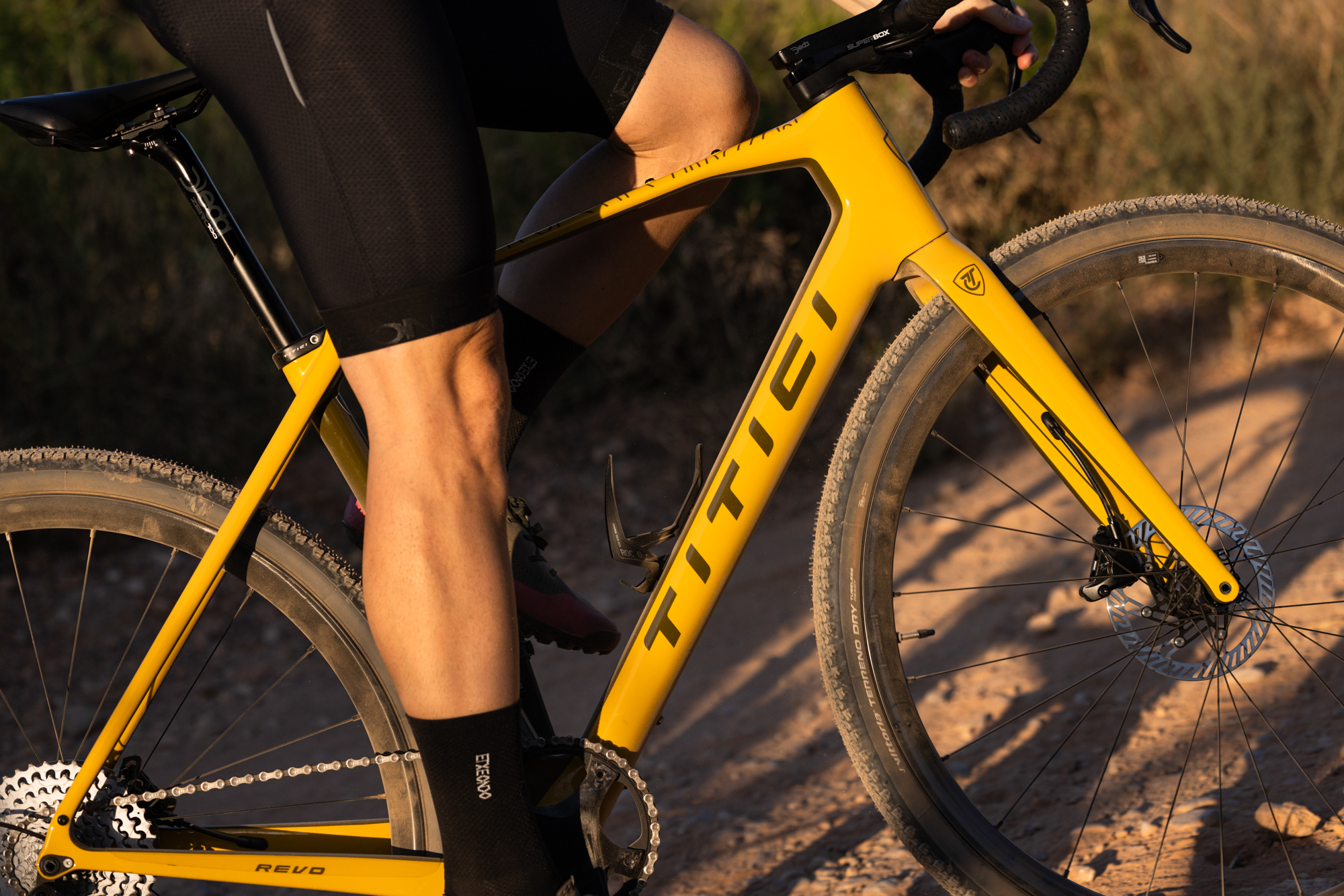
The frame is a carbon monocoque manufactured using the EPS (Sintered Expanded Polystyrene) system with the primary objective of guaranteeing the highest quality of construction and finishing. Obviously, its horizontal tube includes the PAT (Plate Absorber Technology) technology, which is already part of the brand’s DNA. In this model, they have used the new PAT10 (10 mm thick) instead of the traditional system they used until now (8 mm). In this way, they ensure that the UCI certifies that the bicycle complies with all the standard measurements that the entity stipulates. Despite this increase, the system continues allowing vibration absorption up to 18% more than any other traditional frame without compromising its rigidity. Without a doubt, one of the differentiating values of Titici with respect to its competitors.
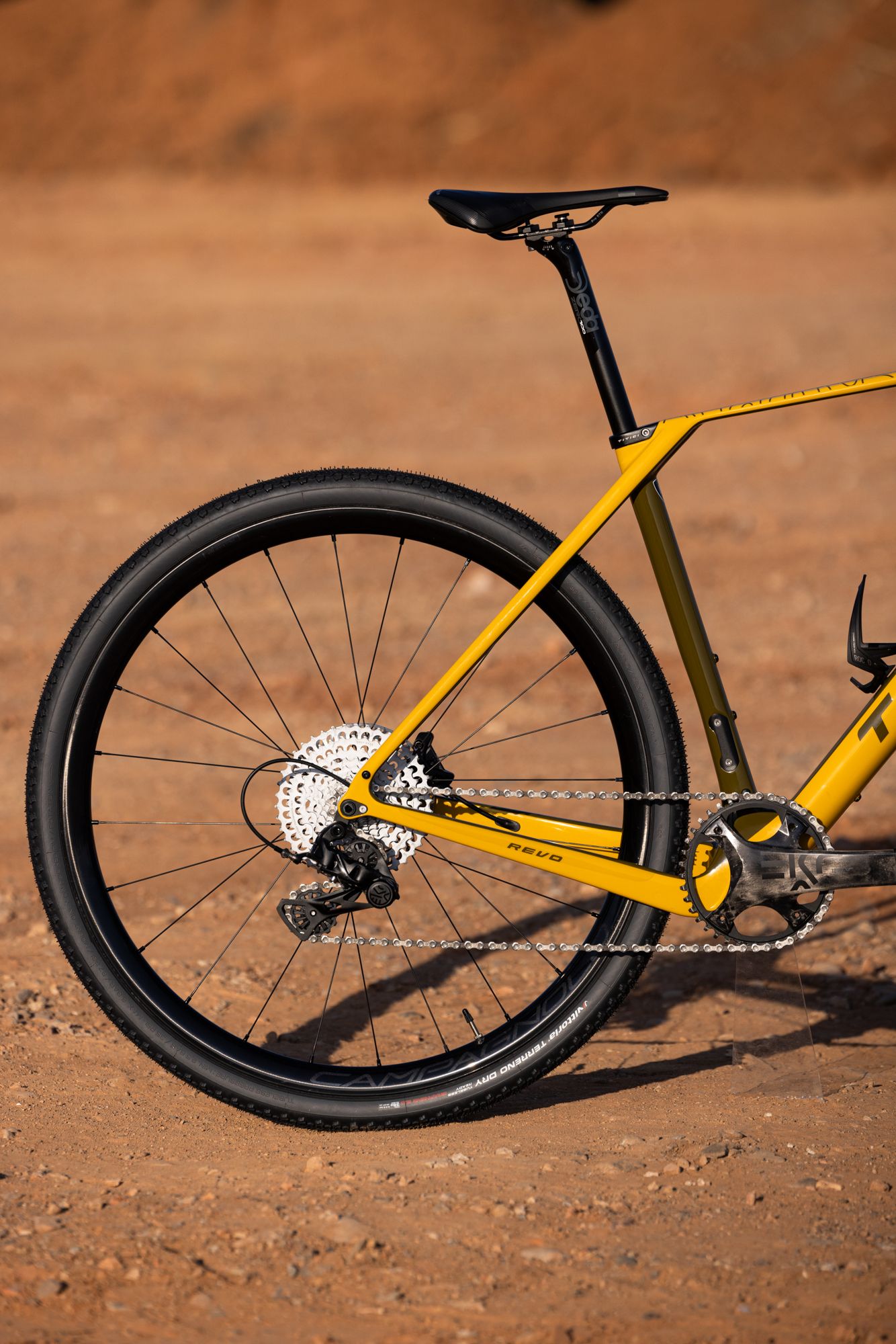
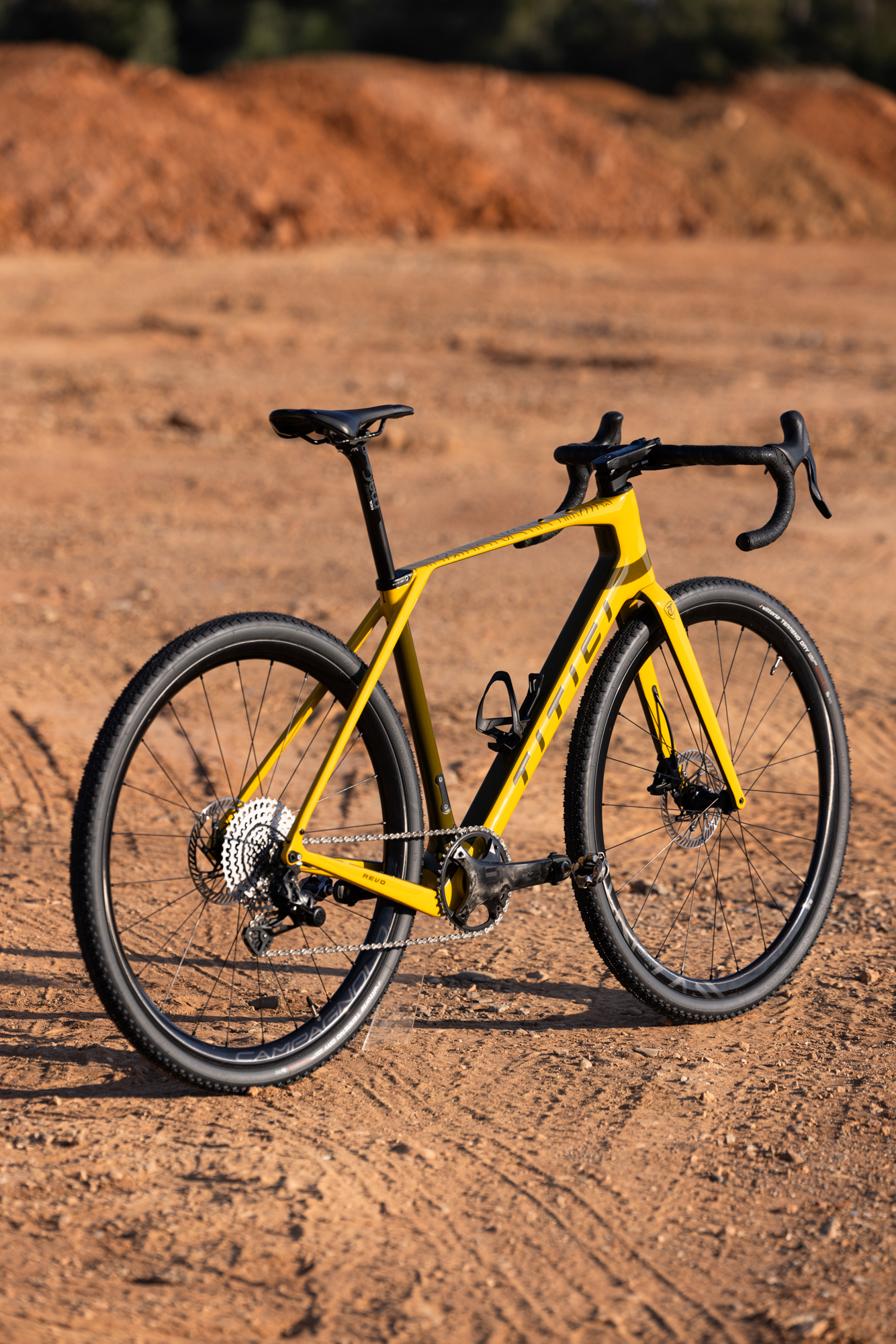
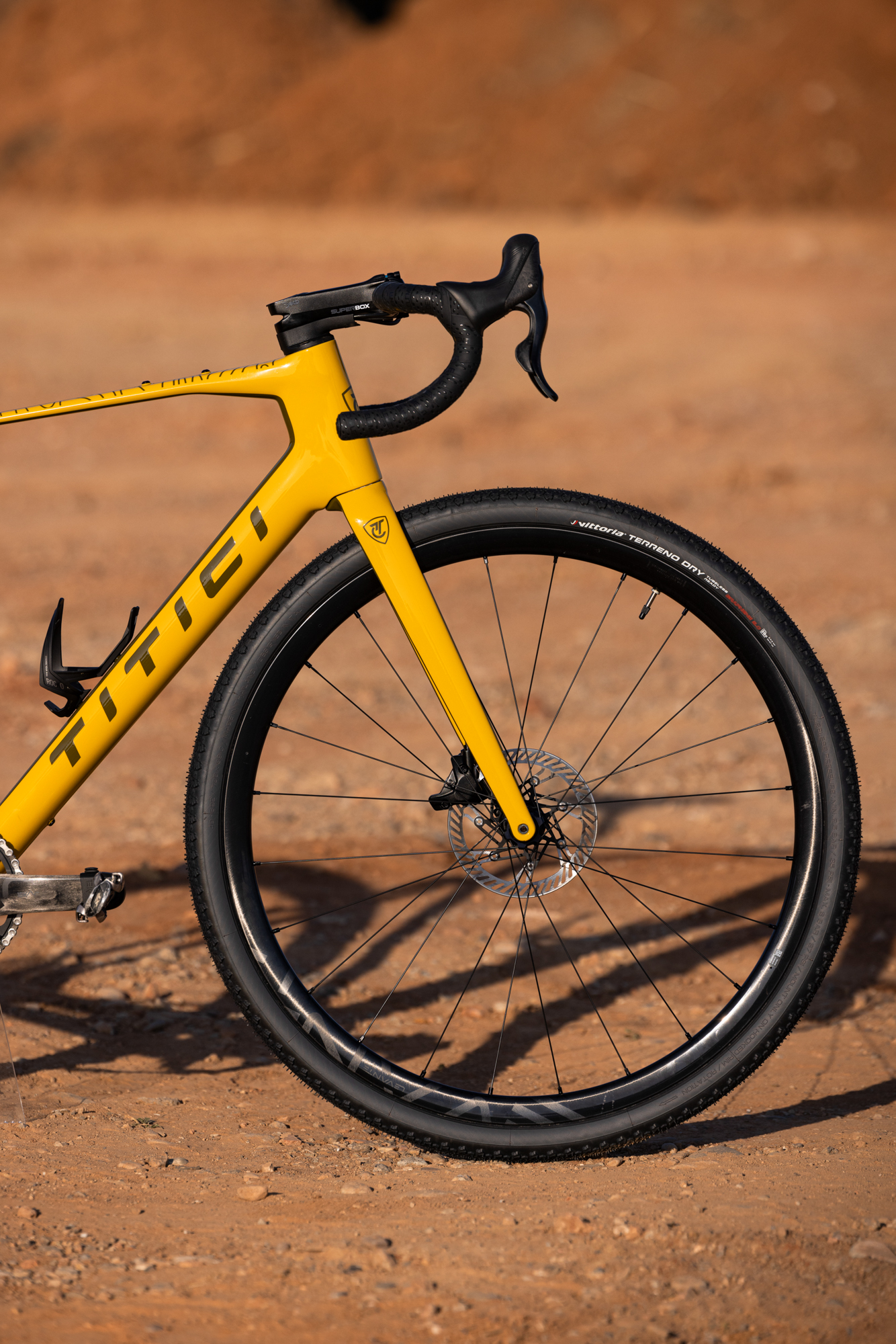
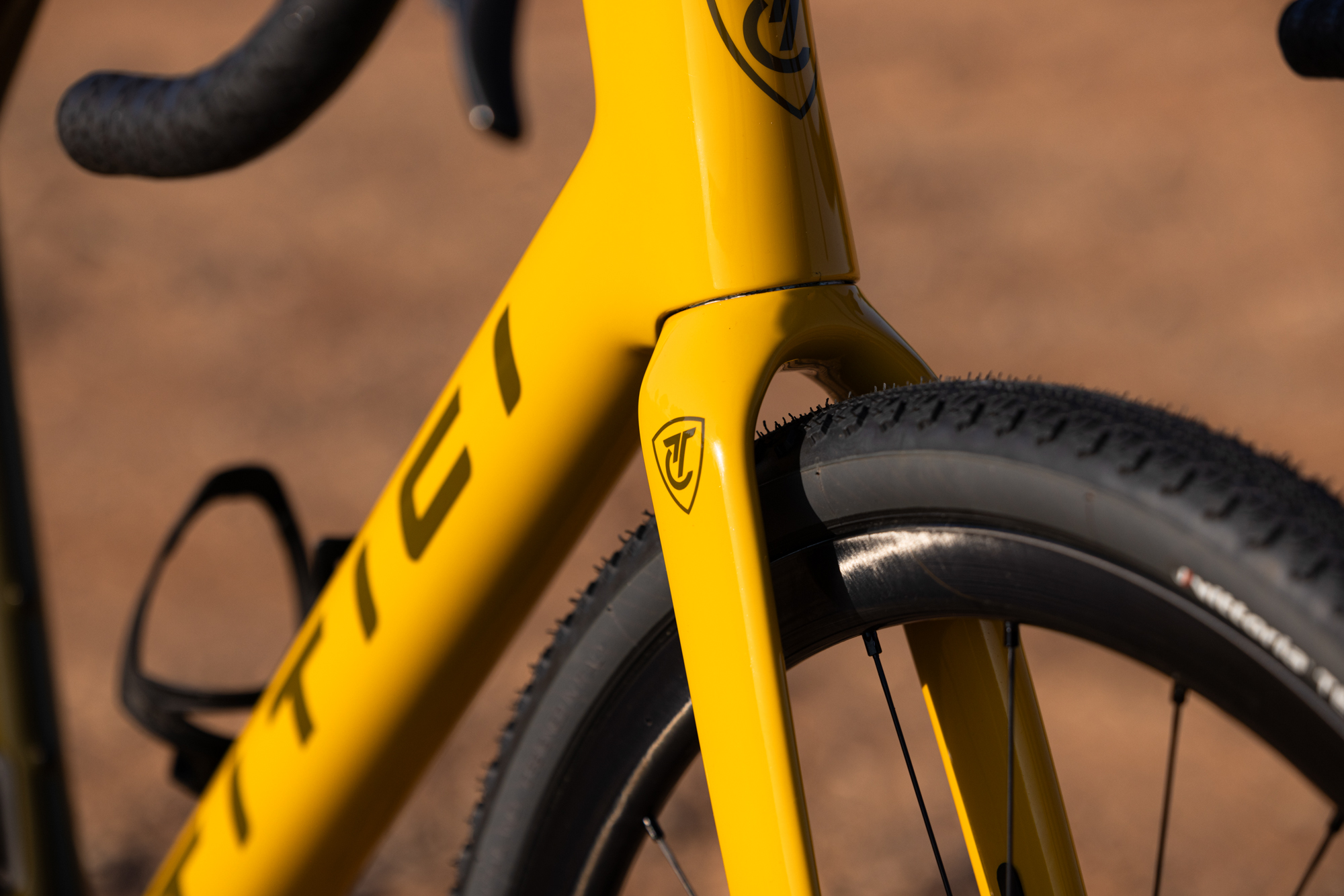
Looking at the front part, we find a wider head tube that allows complete integration and thus achieves a clean aesthetic without visible cables. As for the fork, it has been redesigned to have greater stability, especially on the descents, and has a certain asymmetry to counteract the force exerted by the brake system. Optionally, and as Titici tells us, we could choose a version of the fork with three anchor points on each side that offer many possibilities to those with a bikepacking trip in mind.
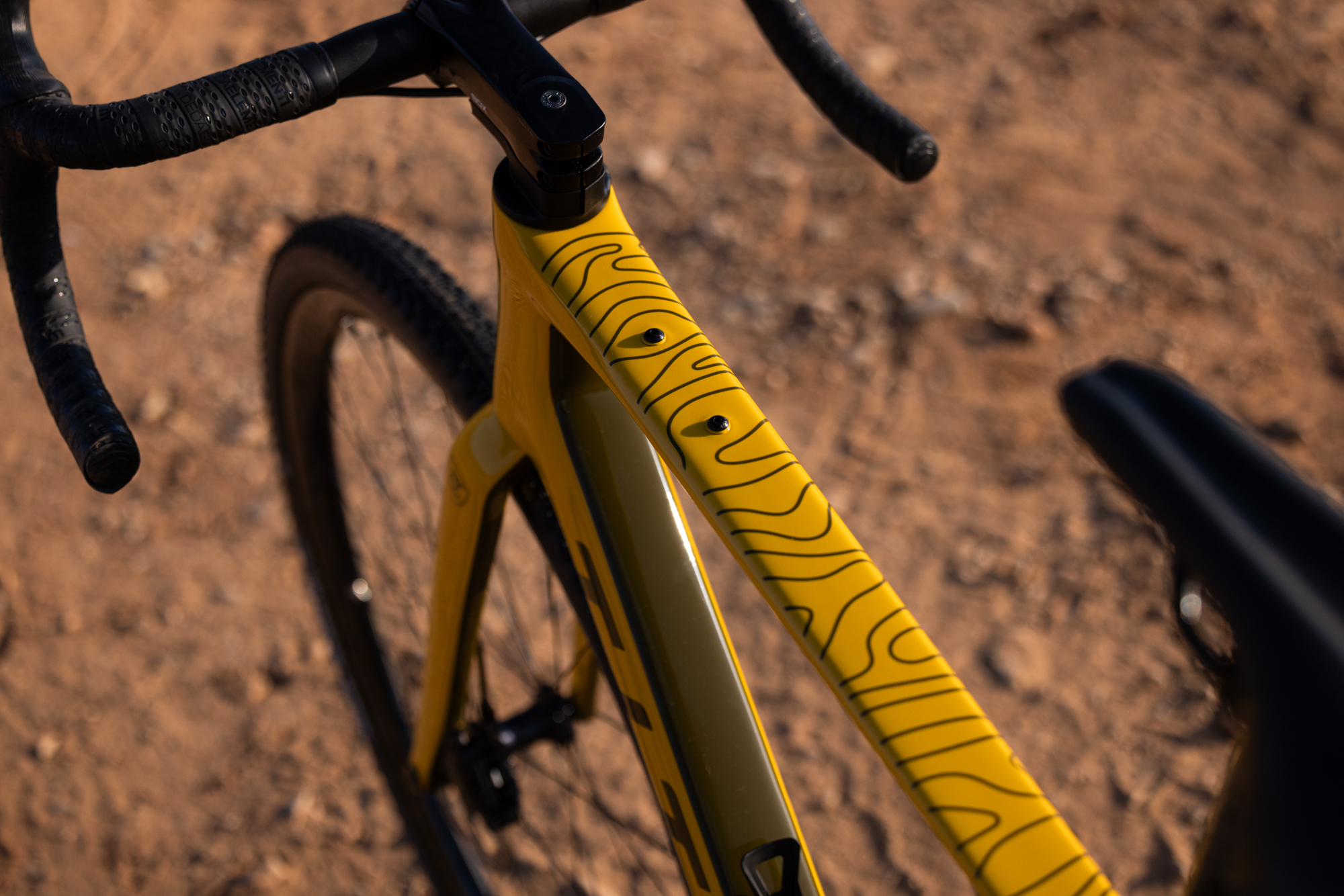
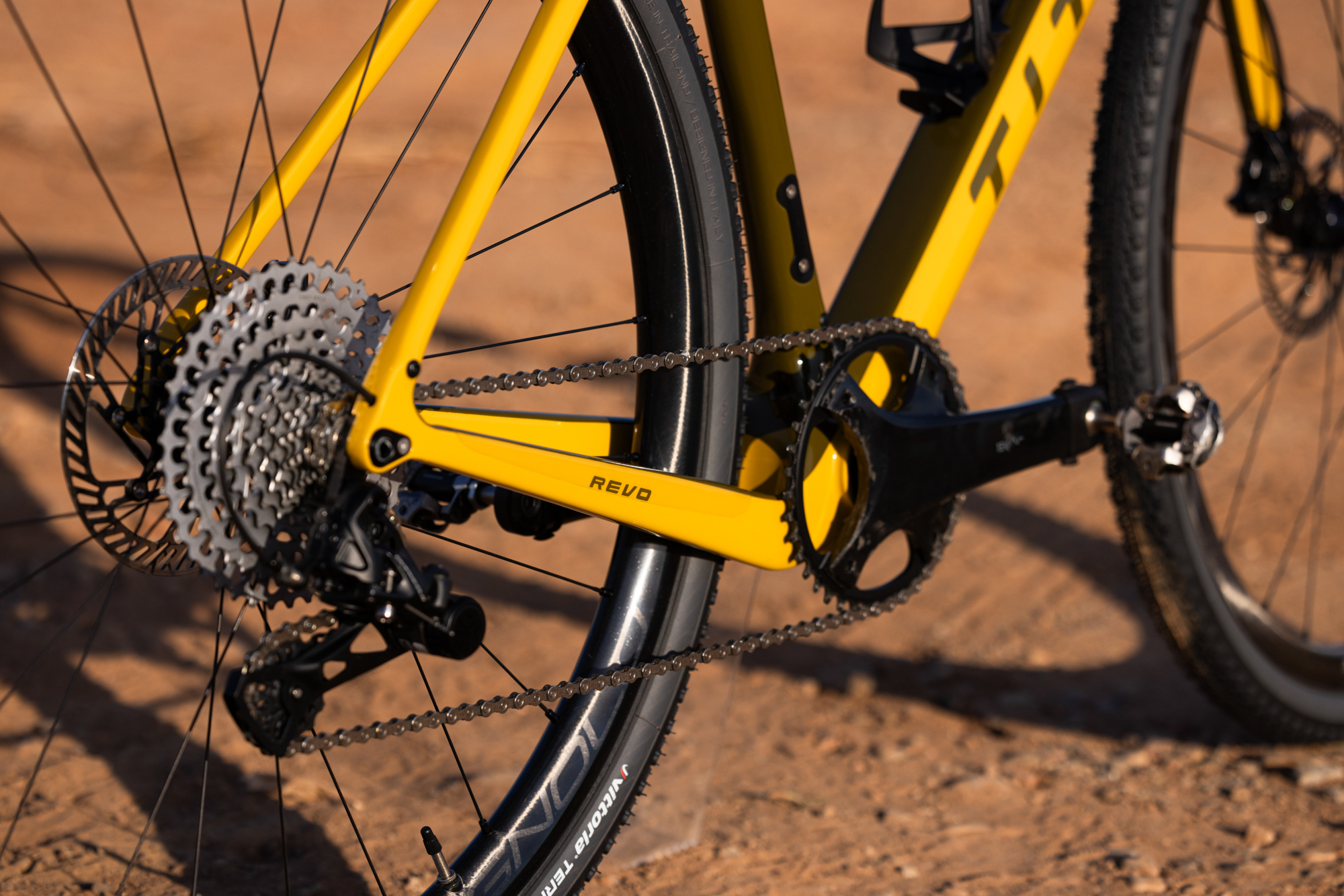
At the back, we find several aspects that catch our attention. Instead of attaching to the vertical tube, the chainstays engage directly to the horizontal tube. According to the brand, this reinforces one of the points where forces are concentrated and benefits the resistance and stability of the frame. The tire clearance offered by the Revo allows tires up to 700c x 50mm (or 650b x 2.1”), which guarantees fun and ensures that it is prepared for the most demanding terrain.
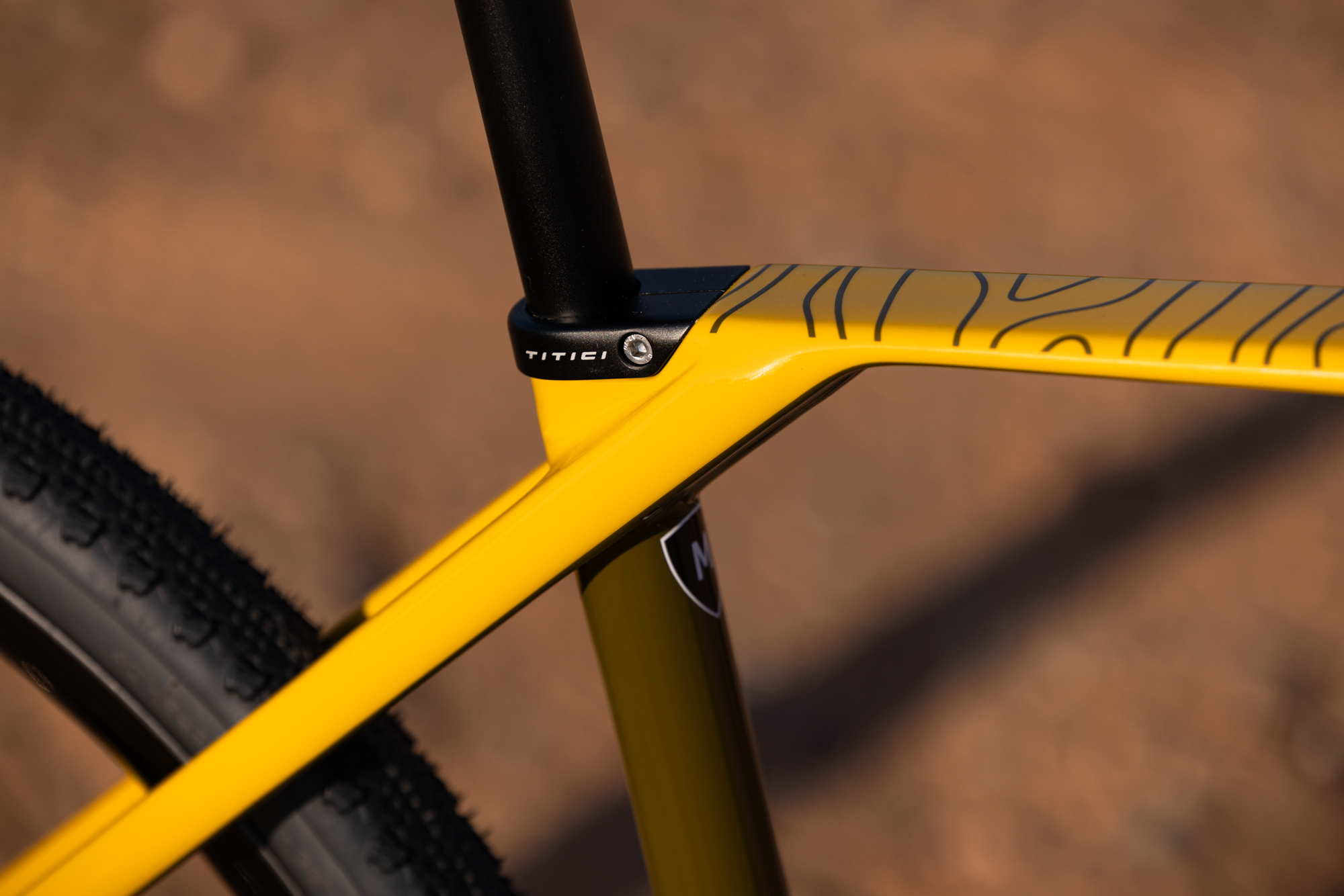
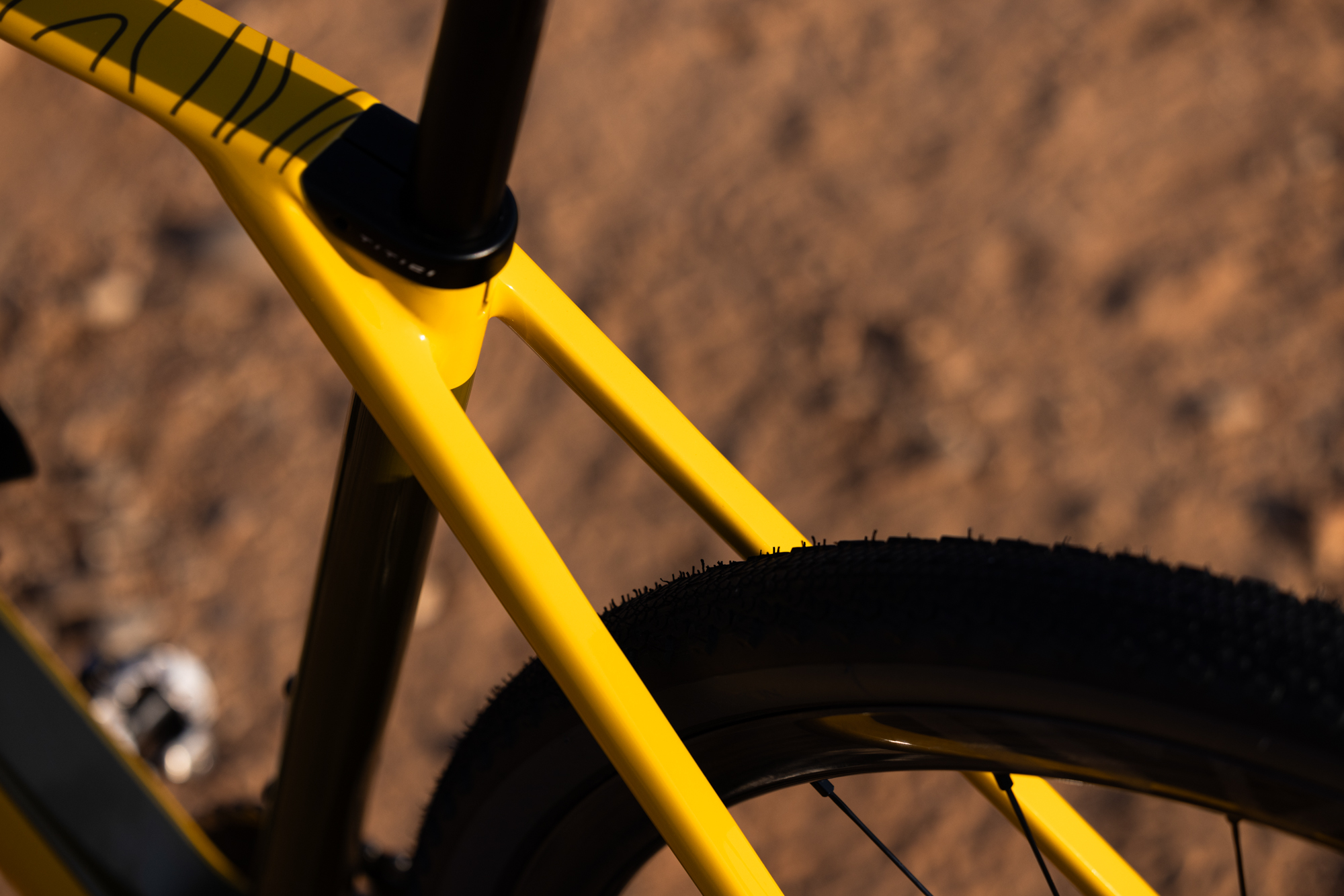
Titici completely designed the seatpost clamp so that it perfectly integrated with the frame’s design. These changes are not just aesthetic; each has a mission, and together, they offer a better riding experience.
Finally, if we focus on the drivetrain, the frame can mount 1x or 2x, whether electronic or mechanical. In the case of choosing a single chainring, we have the option of hiding the hole where the front derailleur is installed, thus ensuring that it is well hidden. On a related note, the brand offers many possibilities with SRAM, Shimano, and Campagnolo groupsets. Another detail we want to share with you is that the frame is fully compatible with the SRAM universal hanger (UDH), something we always value positively, especially in the event of an unexpected fall or breakdown.
Considering that we have had the opportunity to participate in racing events with the Relli model and that the Revo is designed for a less demanding user, we have to admit that our feedback after riding all these days with this new Titici model is very satisfying.
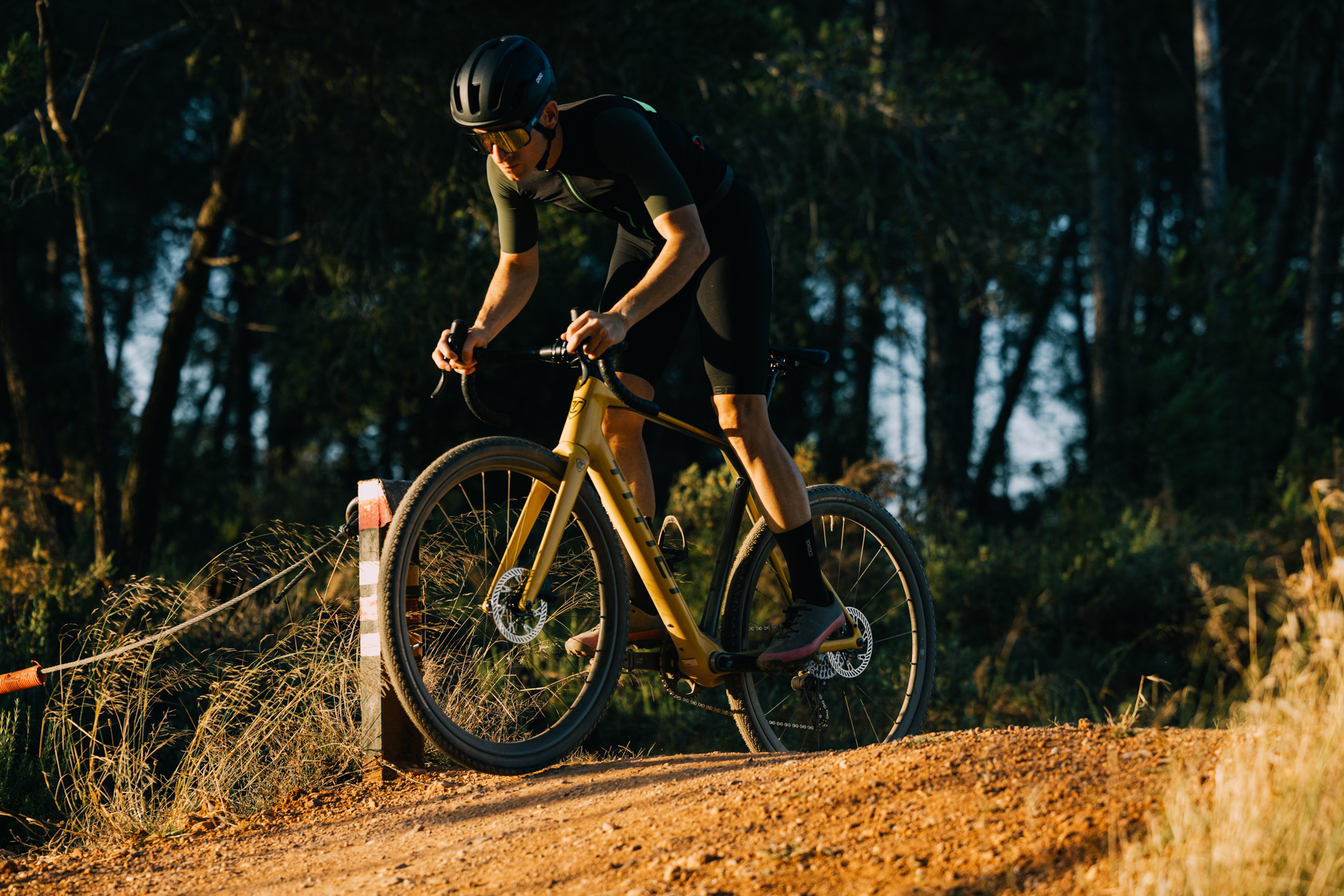
As the brand promises, the bike behaves very well on irregular terrain and is very comfortable. Obviously, the size of the wheels you mount plays a crucial role, but in this case, with 38mm tires on, the frame’s performance was still dominant. We really liked the frame design and geometry they achieved for the Revo.


When it comes to suggested improvements, it could be good to include an internal storage box, something we can see lately in the more adventurous models of other brands, or improve the front derailleur cover by painting it the same base color as the bicycle. In this way, it would be even more camouflaged.
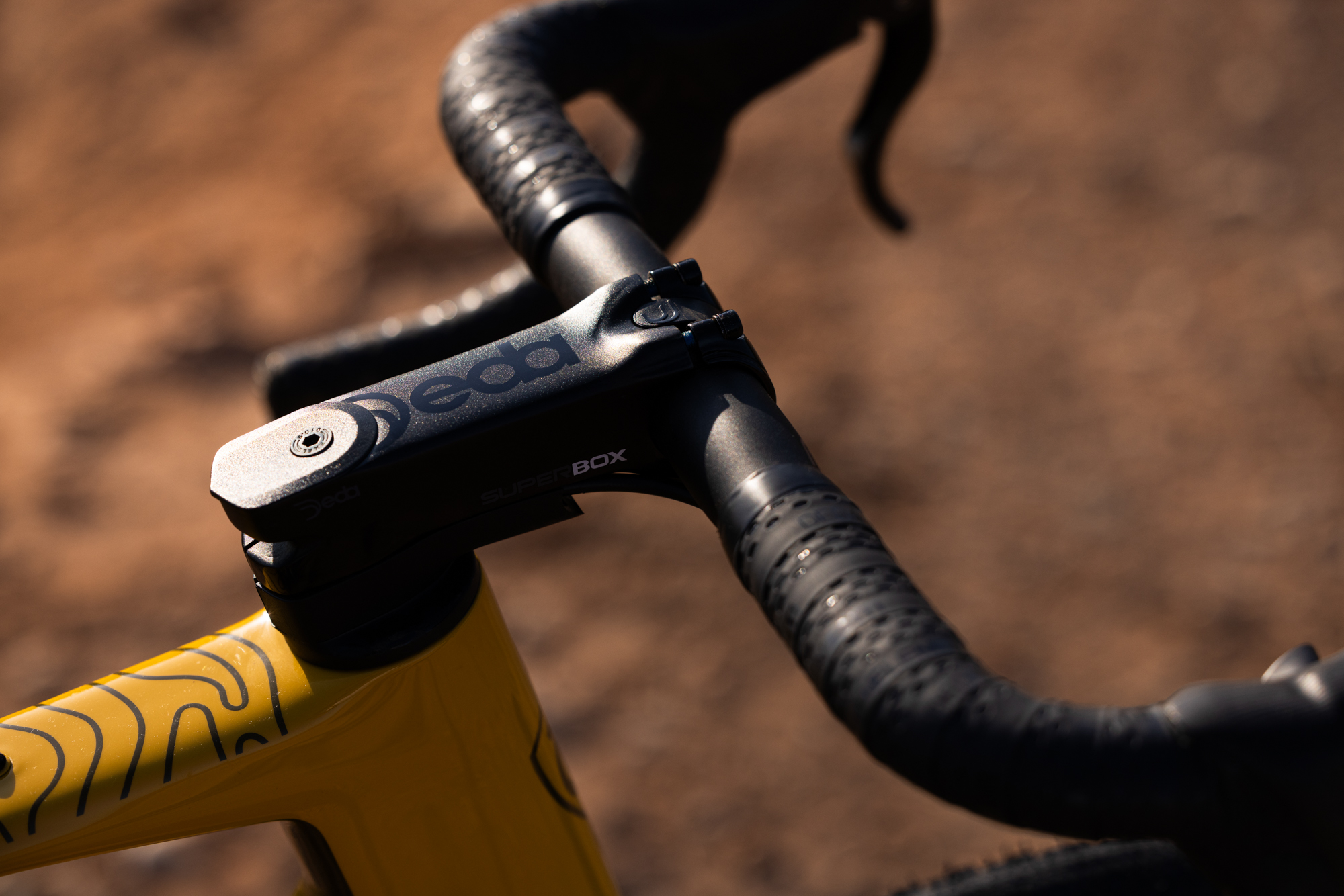
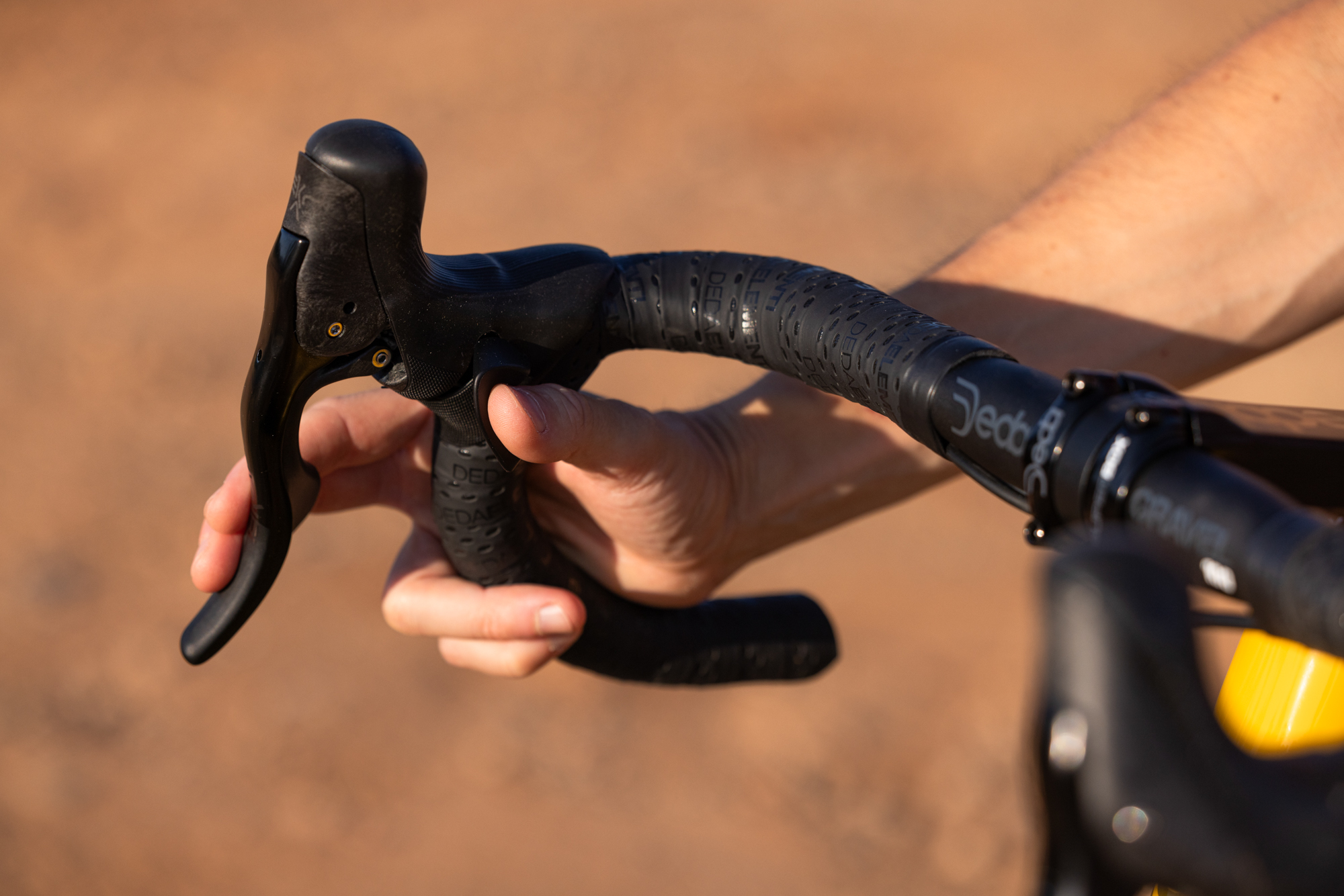
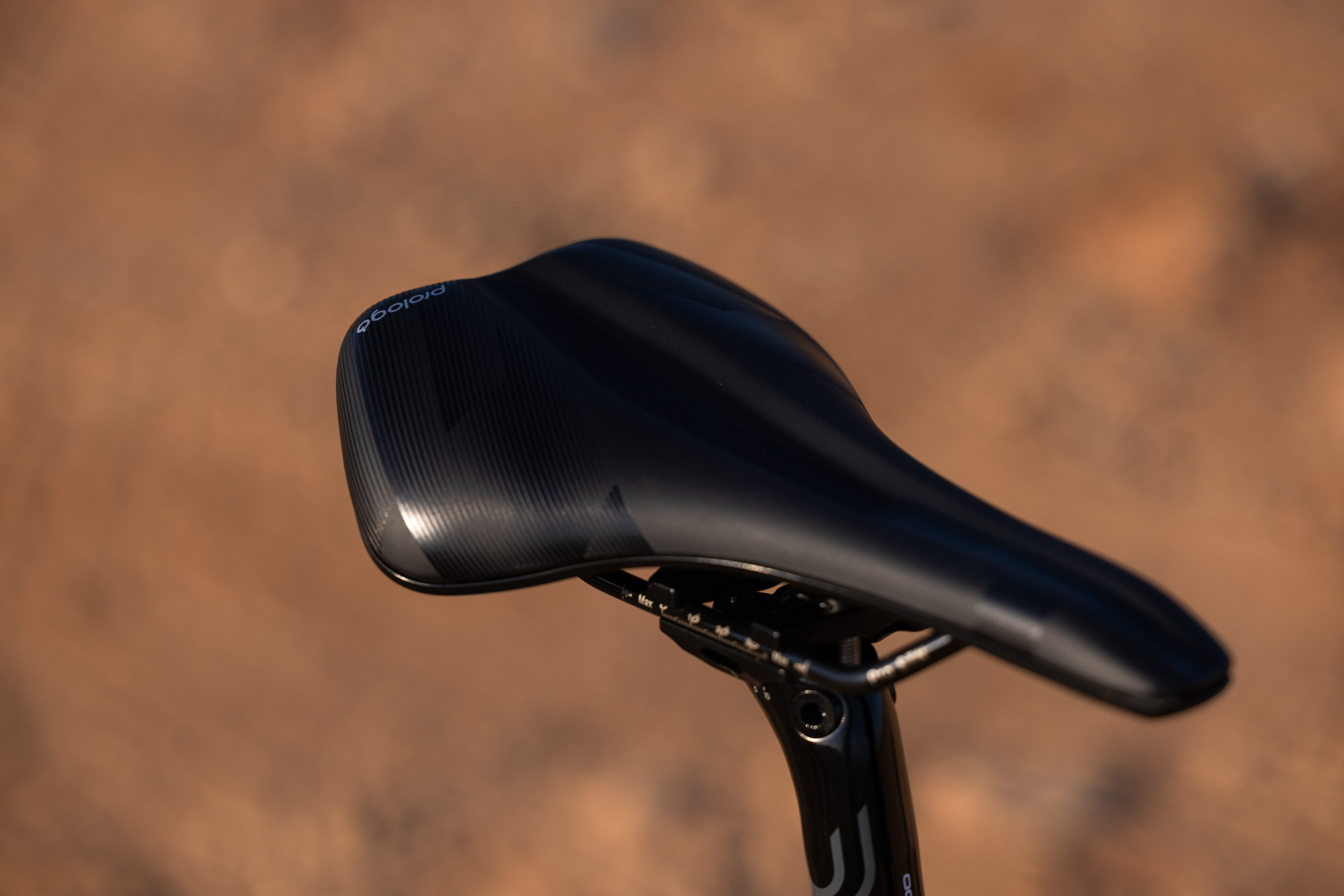
On an informative level, the unit we tested these days is assembled with a Campagnolo Ekar 1×13 and the new Campagnolo Levante wheels with 700c x 38mm Vittoria Terreno Dry tires. As for the components, they were mainly from the Italian firm Deda, except for the saddle, which was a Prologue Akero AGX. This is a bike with an authentic made-in-Italy spirit, and, of course, we love it.

Es el motor y el combustible de todos los proyectos que crea, desarrolla y finaliza. Toni es cofundador del magazine, y es metódico y trabajador como ninguno, parece tener una extraña adicción a implicarse en proyectos ciclistas. He is the engine and the fuel of each of the projects he creates, develops, and completes. Toni is the co-founder of the magazine, he is methodical and worker as few, and he seems to have a strange addiction to being involved in cycling projects. View all posts by Toni de la Torre

 Pavel Novotný
Si por algo se caracteriza el momento que está viviendo el mundo del ciclismo, es por la gran diversidad de disciplinas que existen y la variedad de modelos de bicicletas que ofrecen las grandes marcas.
En el caso de la firma italiana Titici y su vertical de gravel, encontramos varios modelos entre los que destacan la Relli, como modelo más enfocado a rendimiento y competición; la Sterrato, producida en acero Columbus y para un uso muy versátil; o el modelo Alloi con tubería custom de Dedacciai. Recientemente se ha introducido otro modelo, la Revo.
Hemos tenido la suerte de poder usar este último modelo durante varias semanas y no nos ha temblado el pulso a la hora de ponerla a prueba.
Diseñar un modelo nuevo de bicicleta siempre supone un gran reto para los ingenieros y, en este caso, no iba a ser menos. A su favor tenían la ventaja de que tenían muy claro lo que buscaban: una bicicleta que permitiera disfrutar al ciclista del gravel en todas sus versiones y que siguiera siendo competitiva. A partir de esas bases y muchas horas de trabajo, nace la Revo.
La bicicleta está perfectamente diseñada para poder disfrutar de un gran día de gravel con amigos, afrontar senderos técnicos sin grandes dificultades para los más atrevidos, o aventurarse a explorar rincones desconocidos durante un viaje de varios días gracias a los innumerables anclajes que dispone para la instalación de bolsas y/o accesorios.
La unidad que probamos contaba con una pintura de lo más llamativa, con una base amarillo mostaza con detalles en verde oliva, pero que, a la vez, creemos que representa muy bien el carácter y espíritu de la bicicleta.
El cuadro es un monocasco de carbono fabricado mediante el sistema EPS (Sintered Expanded Polystirene) con el principal objetivo de garantizar la mayor calidad de construcción y acabados. Como es obvio, su tubo horizontal incluye la tecnología PAT (Plate Absorber Technology), que ya forma parte del ADN de la marca. En este modelo justamente, han usado el nuevo PAT10 (10 mm de grosor) en lugar del tradicional sistema que usaban hasta ahora (de 8 mm). De esta forma se aseguran que la UCI certifique que la bicicleta cumple con todas las medidas estandard que la entidad estipula.
Todo y este aumento, el sistema sigue permitiendo una absorción de las vibraciones de hasta un 18% más que cualquier otro cuadro tradicional y sin comprometer la rigidez del mismo. Sin lugar a dudas, uno de los valores diferenciales de Titici con respecto a sus competidores.
En la parte frontal, encontramos una pipa de dirección más amplia que permite una integración completa, para conseguir así una estética límpia y exenta de cables. En cuanto a la horquilla, ha sido rediseñada para conseguir una mayor estabilidad, especialmente en las bajadas, y cuenta con cierta asimetría para contrarrestar la fuerza ejercida por el disco de freno. Opcionalmente y, según nos comentan desde Titici, podremos escoger una versión de la horquilla con tres puntos de anclaje a cada lado, lo que ofrece muchas opciones en caso de un viaje de bikepacking.
Si revisamos la parte trasera, encontramos varios aspectos que llaman nuestra atención. Las vainas, en lugar de unirse al tubo vertical, se unen directamente al tubo horizontal. Según la marca, esto refuerza uno de los puntos dónde se ejerce mucha fuerza y beneficia a la resistencia y estabilidad del cuadro. El paso de rueda que ofrece la Revo, permite la instalación de neumáticos de hasta 700c x 50mm (o 650b x 2.1”), lo que garantiza la diversión encima de la bici y una mayor seguridad a la hora de afrontar terrenos de los más exigentes.
El cierre de sillín ha sido totalmente diseñado por Titici para que quedara integrado perfectamente con el diseño del cuadro. Todos estos cambios no son solo estéticos, sino que cada uno de ellos tiene una misión y en conjunto han sido diseñados para ofrecer una mejor experiencia a la hora de rodar con esta bicicleta.
Por último, si nos centramos en la transmisión, el cuadro con diseño asímetrico permite montar grupos de 1x o 2x, ya sea electrónico o mecánico. En el caso de optar por monoplato, tenemos la opción de ocultar el hueco dónde se instala el desviador delantero y así conseguimos que quede bien disimulado. Siguiendo con la transmisión, la marca ofrece un gran abanico de posibilidades entre SRAM, Shimano y Campagnolo. Otro detalle que no queríamos dejar atrás es que el frame es totalmente compatible con la patilla universal de SRAM (UDH), cosa que siempre valoramos positivamente, especialmente, en el caso de tener una caída o un avería inesperada.
Teniendo en cuenta que, en ocasiones anteriores hemos tenido la oportunidad de probar en carrera con el modelo Relli, y que la Revo está pensada para un usuario menos exigente, tenemos que reconocer que las sensaciones tras rodar todos estos días con este nuevo modelo de Titici han sido muy satisfactorias.
La bici, tal y como promete la marca, se comporta muy bien sobre terreno irregular, y rodar con ella es realmente cómodo. En la mayoría de casos el tamaño de las ruedas que monta siempre juega un papel crucial pero, en este caso que llevábamos 38 de ancho, no restó protagonismo a las prestaciones del cuadro a la hora de probarlo. El resultado es que el diseño del cuadro y la geometría que han conseguido para la Revo son muy acertados.

Si buscamos algún punto de mejora, creemos que podría ser bueno incluir algún tipo de almacenamiento interno como últimamente podemos ver en los modelos más aventureros de otras marcas, o mejorar la tapa del desviador delantero pintándola del mismo color base de la bicicleta, ya que de esta forma quedaría aún más camuflado.
A nivel informativo, destacar que la unidad que hemos testeado durante estos días estaba montada con un Campagnolo Ekar 1×13 y las nuevas ruedas Campagnolo Levante, con neumáticos Vittoria Terreno Dry de 700c x 38mm. En cuanto a componentes, todos de la firma italiana Deda a excepción del sillín que era un Prologo Akero AGX. Lo que viene siendo un montaje full made in Italy, y que, por supuesto, nos encanta.
Es el motor y el combustible de todos los proyectos que crea, desarrolla y finaliza. Toni es cofundador del magazine, y es metódico y trabajador como ninguno, parece tener una extraña adicción a implicarse en proyectos ciclistas. He is the engine and the fuel of each of the projects he creates, develops, and completes. Toni is the co-founder of the magazine, he is methodical and worker as few, and he seems to have a strange addiction to being involved in cycling projects. View all posts by Toni de la Torre
Receive our monthly selection of the best articles, news, exclusive content and giveaways only for subscribers, subscribe to OUR NEWSLETTER
Receive our monthly selection of the best articles, news, exclusive content and giveaways only for subscribers, subscribe to OUR NEWSLETTER
Receive our monthly selection of the best articles, news, exclusive content and giveaways only for subscribers, subscribe to OUR NEWSLETTER
Receive our monthly selection of the best articles, news, exclusive content and giveaways only for subscribers, subscribe to OUR NEWSLETTER