- News
- Reviews
- Travel & Adventure
- Interviews
- Inside Industry Players
- Community
Bikes
Reviews
Components
Reviews
Cycling
Apparel


[raw_mobile_menu]
[wpml_language_switcher_down]


Last weekend a new edition of The Traka took place in Girona, and it was very special for several reasons. First and foremost, the long-awaited return of competitive events, which allowed us to test ourselves again. On the other hand, we have pinned a number again, a simple action that nonetheless excited us after so many months of restrictions. And finally, the satisfaction of facing a new challenge in the long-distance discipline and finishing it successfully.
For this occasion, we were present in the first person together with our friend Ismael López, with whom we have already shared some adventures before (and many more to come). Although he has a lot of racing experience, it wasn’t until last weekend that he faced his first endurance test, The Traka 360. The event takes place mostly off-road and runs through some of the most beautiful places in the province of Girona, which was covered almost in its entirety after 360 km.
The great organization by Klassmark and its entire team, has been key to successfully carrying out an event of this magnitude, consisting of four races of 60, 100, 200, and 360 km spread over the weekend. All this is remarkable taking into account the global situation that unfortunately, we are still facing.
I had never ridden for more than eight and a half hours. Nonetheless, during The Traka I spent more than sixteen hours on the bike.
Everything was different. Used to preparing competitions of little more than four hours on the road, everything was new. Weeks before the race, I started managing everything I would need: bicycle, bags, tools and spare parts, food… I am lucky to be surrounded by people who, with a single phone call, did not hesitate to help me with the preparation process.


I spoke with Toni, who has experience in this type of events, and he gave me some really necessary tips to face a challenge of such a considerable distance. Let’s not deny it, in order to be able to ride the 360 km you have to have everything under control, minimize risks, and have all the necessary to be able to fix any mechanical issues, or overcome a situation of physical and even mental crisis.
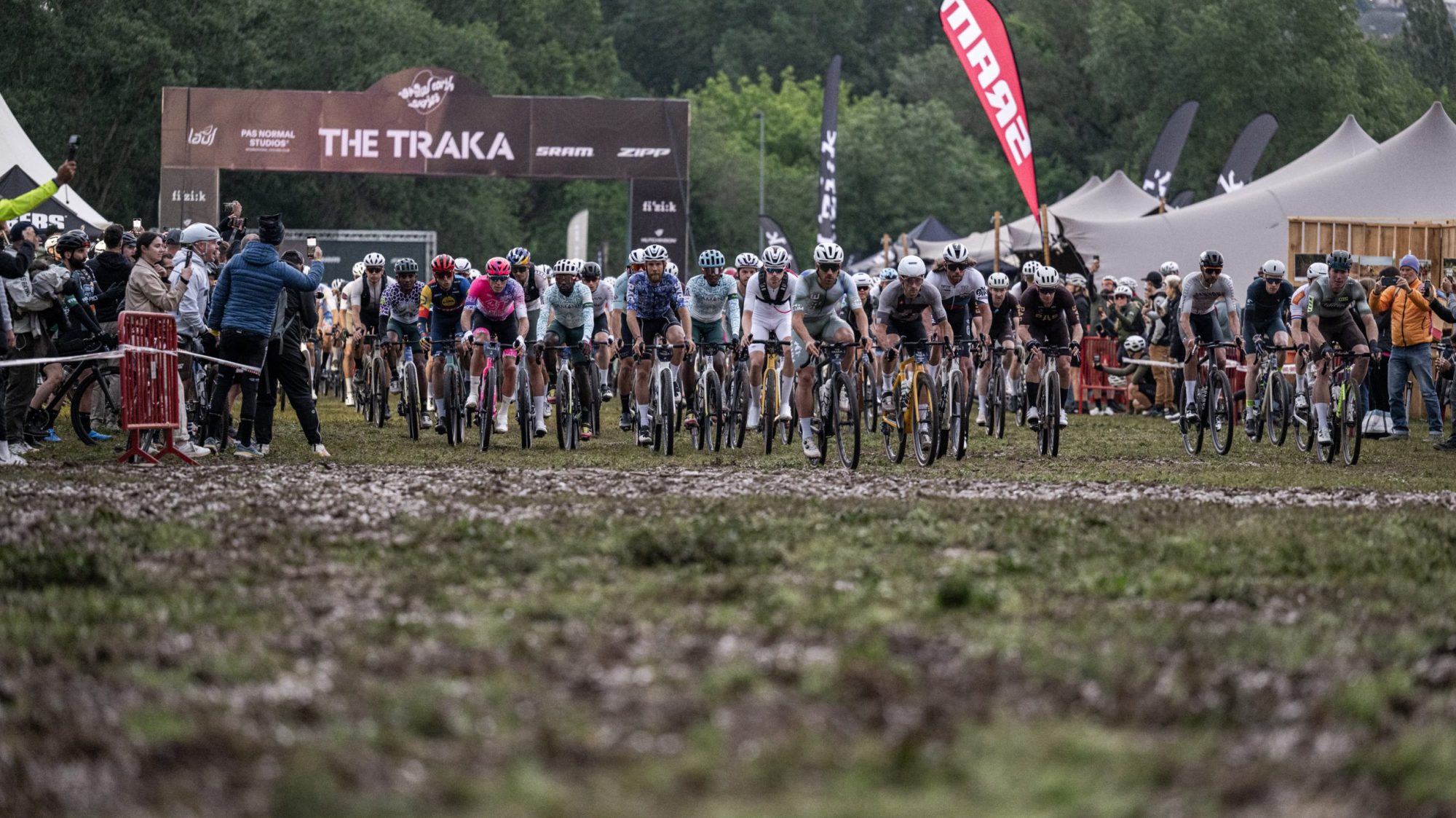
I had everything ready. At six in the morning and still in the dark, the longest version of The Traka began. A long day ahead of navigation in which we would end up accumulating almost 5,000 meters of elevation gain.


During the first kilometers, the group was still big and it was easy to be covered, but I decided to position myself at the head of the race to avoid risks, always relying on my navigation and seeing, first-hand, the terrain. I did not want failures or surprises, but everything had just begun.
Around kilometer 70, Freddy Ovett of the Legion of L.A. team decided to increase the pace at the start of a short road climb of just over two kilometers, which caused the first group to reduce to only seven riders.

At kilometer 100, we came across the first serious climb, and there is where I realized I had to slow down a bit and let the lead group go. From that moment on, the real adventure began. We headed into the Serra de l’Albera in the direction of Cap de Creus. The terrain became more rocky and technical, so I had to be cautious to avoid a puncture or even worse mechanical problems.
As I write and review the track, I realize that at the top of the climb where I started to feel the pain in the legs there is a rustic villa called Mas Patiràs, “patiràs” being the Catalan translation of “you will suffer”.


Around kilometer 125 I felt that the tank was starting to empty. I had to slow down and even set foot on the ground to fill a bottle with mineral salts that I drank in two gulps in order to avoid an imminent and feared bonk. Luckily, I managed to rebuild myself and headed towards Cap de Creus, reaching the sea through Llançà and following the coastline to Port de la Selva, and stepping into the natural park along its paths until we reached the emblematic town of Cadaqués. Once there, the route continued to Roses along the seashore, always side by side with the Mediterranean Sea. Without a doubt, those 40 km of tracks and paths were spectacular, with unique views that I would recommend to everyone.
We left the hilly area behind and we switched to a flat terrain full of fast trails that, with a touch of wind, were not entirely comfortable to ride in. Even so, I found myself fine trying to push as much as possible in order to discount kilometers, riding through Els Aigüamolls de l’Empordà, Sant Pere Pescador, l’Escala, Torroella de Montgrí and heading towards La Bisbal de l’Empordà to find the beginning of the ascent to Les Gavarres.


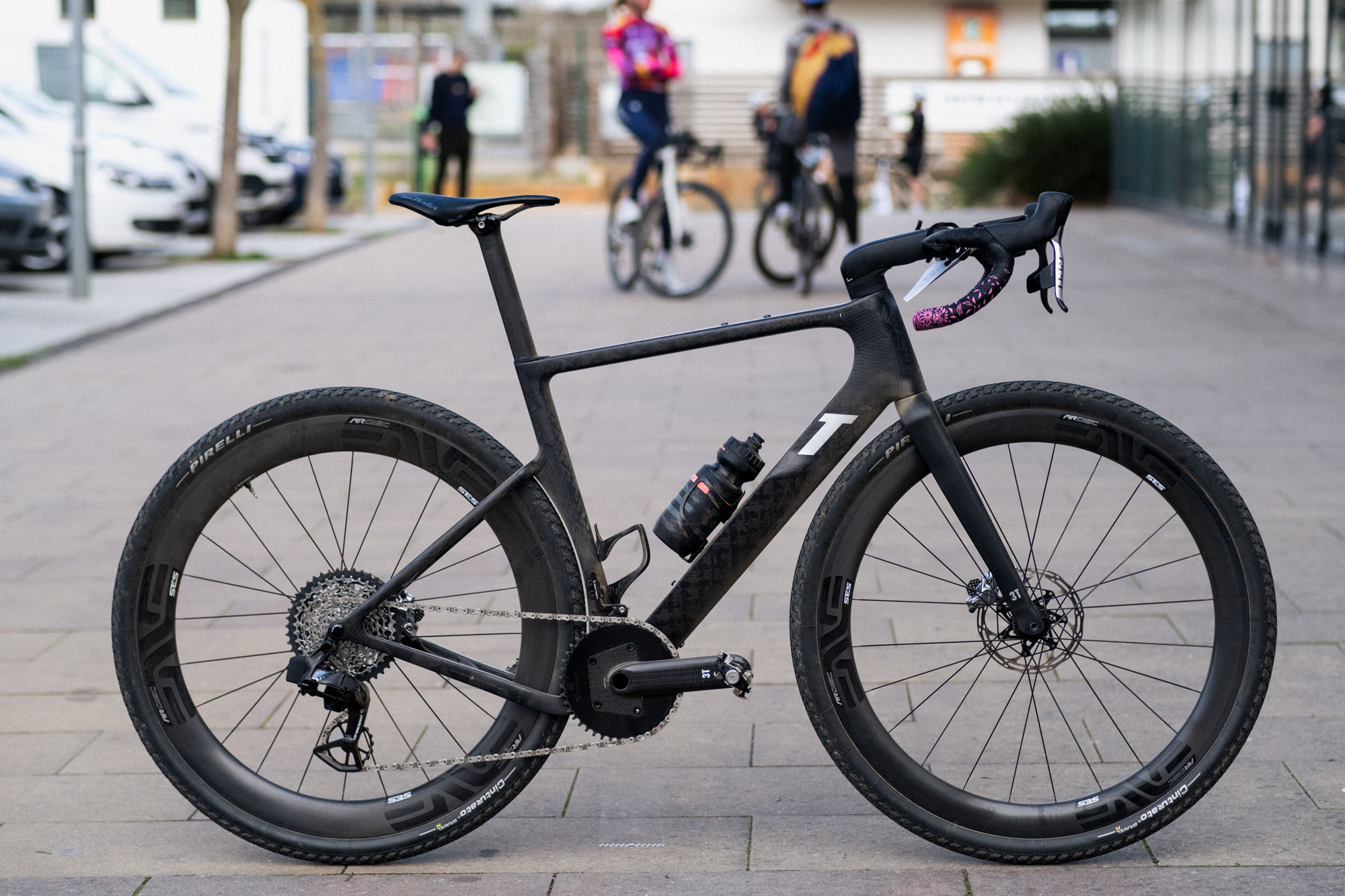
During the 8 kilometers of the “als Metges” climb, I had my second down moment. The gradients forced me to go beyond the desired effort. I felt like I was running out of gears, even if I had a 42 tooth big sprocket with a 44 tooth chainring in the front. There was only one option: squeeze whatever left there was in me and overcome that rough patch in any way.

I managed to reach the top and then there were “only” 80 kilometers left to reach the finish line. I had two glasses of Coke and checked the profile of the last part. When I saw that there was a relatively comfortable segment coming up I suddenly felt refreshed, like starting the day again. The body was responding and I could feel again the power in my legs. The most difficult part was already behind me and it was time to finish the day in the best way.
It was time to turn on the lights and try to be more focused on the terrain in front. The reflexes were barely acceptable and any mistake could have big consequences. Nobody wants to have a problem at any point of a race, but at this point, with more than three hundred kilometers on the legs, any unforeseen event would have been a hard blow.


It was almost over and the desire to arrive was enormous. The darkness arrived, and some rides still had a few hours of riding ahead of them. It was 10:07 pm on Saturday when I finally crossed the finish line.

When crossing the line, Júlia and Albert, who had spent all day following me at different points along the route to document this story, were there waiting for me with a big smile. Our hug felt like glory. They are also heroes.
I would like to thank all those who have helped me in this adventure, especially Júlia, my partner, who has supported me at all times. To my friends, Brazo de Hierro who did not hesitate for a second to join me in this challenge, and to the chef Mario Martínez who, thanks to the varied and quality fuel that he carefully prepared, made was key to nail the nutrition plan throughout the race, something that my stomach will always thank you.
I would not want to forget about the entire Klassmark organization, with Gerard as the leader, who did, as they had already done in the past and will continue doing in the future, an excellent job.

This is my first experience in an ultra-distance event. I have enjoyed it and I am happy to be able to tell you this story through RAW Cycling Mag.

Es el motor y el combustible de todos los proyectos que crea, desarrolla y finaliza. Toni es cofundador del magazine, y es metódico y trabajador como ninguno, parece tener una extraña adicción a implicarse en proyectos ciclistas. He is the engine and the fuel of each of the projects he creates, develops, and completes. Toni is the co-founder of the magazine, he is methodical and worker as few, and he seems to have a strange addiction to being involved in cycling projects. View all posts by Toni de la Torre
 Toni de la Torre
 Javi Angulo
 Javi Angulo
 Toni de la Torre
 Javi Angulo
 Javi Angulo

 Juliana Reis
 Javi Angulo
 Javi Angulo
 Javi Angulo
 Javi Angulo
 Javi Angulo
El pasado fin de semana se ha celebrado una nueva edición de The Traka, en Girona, y ha sido muy especial por varios motivos. El primero y más destacado, el regreso de los eventos, las competiciones, y nuevos retos. Por otro lado, nos hemos vuelto a poner un dorsal, cosa que nos encanta y nos emociona tras tantos meses de restricciones y confinamiento. Y, por último, la satisfacción de afrontar un nuevo reto en la disciplina de larga distancia y completarlo con éxito.
Para esta ocasión, estuvimos presentes junto a nuestro amigo Ismael López, con el cual ya hemos compartido algunas aventuras antes (y las que quedan por venir). A pesar de que tiene una gran experiencia compitiendo, afrontaba su primera prueba de resistencia: The Traka 360. Un evento que transcurre en su mayor parte por pistas y que recorre algunos de los parajes más bonitos de la provincia de Girona gracias a sus 360 km de distancia.
La gran organización, de manos de Klassmark y todo su equipo, ha sido clave para poder llevar a cabo satisfactoriamente un evento de esta magnitud (cuatro carreras distintas con distancias de 60, 100, 200 y 360 km, durante todo el fin de semana) en un escenario en el que, desafortunadamente, a día de hoy, aún vivimos.
A continuación, Isma nos relata en primera persona cómo fue su experiencia de principio a fin, afrontando un gran reto tanto físico como mental.
Nunca había pedaleado más de ocho horas y media. En The Traka pasé más de dieciséis horas encima de la bicicleta.
Todo fue distinto. Acostumbrado a preparar competiciones de poco más de cuatro horas en carretera, todo era una novedad. Semanas previas a la carrera, empecé a gestionar todo lo que necesitaría: bicicleta, bolsas, herramientas y recambios, comida… Tengo la suerte de estar rodeado de personas que, con una sola llamada, no dudaron en ayudarme con el proceso de preparación.
Hablé con Toni, quien cuenta con experiencia en este tipo de pruebas y me dio varios consejos realmente necesarios a la hora de afrontar una distancia tan respetuosa. Y es que para recorrer los 360 km hay que tenerlo todo bajo control, minimizar los riesgos, y tener las herramientas para poder resolver cualquier averia mecánica, o sobreponerse a una situación de crisis física e, incluso, mental.
Lo tenía todo listo. A las seis de la mañana y todavía a oscuras, daba inicio la prueba reina. Un largo día por delante de ruta y navegación, en el que acabaríamos sumando casi 5.000 metros de desnivel positivo.
Durante los primeros kilómetros el grupo aún era grande y era fácil resguardarse dentro de él, pero decidí buscar una posición en la cabeza de carrera y evitar riesgos, confiando siempre en mi navegación y viendo, de primera mano, el terreno. No quería fallos ni sorpresas, todo acababa de empezar.
Cerca del kilómetro setenta, Freddy Ovett del equipo Legion of L.A., en un pequeño puerto de carretera de poco más de dos kms, decidió incrementar el ritmo lo que provocó que el primer grupo se redujera hasta dejar solo siete participantes.
En el kilómetro cien, nos encontramos con la primera ascensión seria, y es ahí donde me di cuenta de que tenía que coger mi ritmo y dejar el grupo de cabeza marcharse. A partir de ese momento, empezó la aventura de verdad. Nos adentramos en la Serra de l’Albera en dirección al Cap de Creus. El terreno pasó a ser más rocoso y técnico con lo que anduve con más cuidado para evitar un pinchazo o, aún peor, rajar el neumático.
“Mientras escribo este relato y reviso el mapa, me doy cuenta de que la subida donde tuve el primer bajón físico acababa en una finca llamada “Mas Patiràs”. Patiràs, traducido del catalán al castellano, sufrirás.“
Alrededor del kilómetro ciento veinticinco sufrí mi primera crisis. Tuve que bajar el ritmo e incluso poner pie a tierra para rellenar un bidón con sales minerales que me bebí en dos tragos por tal de evitar una inminente y temida ‘pájara’. Por suerte, conseguí rehacerme y puse dirección al Cap de Creus, llegando al mar por Llançà, siguiendo la costa hasta el Port de la Selva y adentrándonos al parque natural por sus pistas para llegar hasta el emblemático pueblo de Cadaqués. Una vez allí, la ruta continuaba hasta Roses a través de la costa y acompañados siempre por el mar mediterraneo. Sin lugar a dudas, esos 40 kms de pistas y caminos fueron espectaculares, con unas vistas únicas y que recomendaría a cualquier persona.
Dejábamos la zona montañosa atrás y pasábamos a un terreno llano repleto de pistas rápidas que, con un punto de viento, no se hicieron del todo cómodas. Aún así, me encontré bien tratando de avanzar lo máximo posible y quitarme kilómetros de encima, en solitario, pasando por Els Aigüamolls de l’Empordà, Sant Pere Pescador, l’Escala, Torroella de Montgrí y encarar dirección la Bisbal de l’Empordà para buscar el inicio de la ascensión a Les Gavarres.
Subiendo los 8 kilómetros de la subida “als Metges”, llegó la segunda crisis del día. Cada rampa que me encontraba me suponía un esfuerzo fuera de lo habitual. Me empezaba a faltar desarrollo, monté un plato de cuarenta y cuatro dientes y mi piñón grande era de cuarenta y dos. Buscaba ese piñón extra, pero ya no había más y solo quedaba una opción: retorcerse y pasar ese momento como fuese.
Conseguí coronar y ya “solo” quedaban ochenta kilómetros para llegar a meta. Dos vasos de Coca-cola y revisé el perfil del último sector. Al ver que quedaba un tramo relativamente cómodo, me vine arriba, fue como volver a empezar el día. El cuerpo se rehizo y las piernas volvieron a tener fuerza. Lo complicado estaba hecho y tocaba rematar el día de la mejor manera.
Tocaba encender luces y tratar de estar más atento al terreno. Los reflejos eran los justos y cualquier despiste se podía pagar caro. Ningún momento era bueno para tener fallos, pero a esas alturas, con más de trescientos kilómetros en el cuerpo, cualquier imprevisto hubiera sido un golpe duro.
Ya estaba todo prácticamente hecho y las ganas de llegar eran enormes. Sobrepasamos la noche, por suerte fue poca en mi caso y pude llegar a meta a las 22h 07m del mismo sábado.
Al cruzar el arco de llegada, me esperaban Júlia y Albert que, después de estar todo el día siguiéndome en diferentes puntos del recorrido para poder documentar esta historia a través de imágenes, allí estaban para recibirme con una gran sonrisa y un abrazo que supo a gloria. Ellos también son héroes.
Me gustaría agradecer a todos aquellos que me han ayudado en esta aventura, en especial, a Júlia, mi pareja, que me ha apoyado en todo momento. A mis amigos, Brazo de Hierro que no dudó ni un segundo en apuntarse y acompañarme en este reto, y al chef Mario Martínez que gracias a las ingestas variadas y de calidad que cuidadosamente me preparó amenizaron el plan de nutrición durante toda la carrera y mi estómago se lo agradecerá siempre.
Sin olvidar a toda la organización de Klassmark, con Gerard a la cabeza, que hicieron, hacen y harán un trabajo de diez.
Esta es mi primera experiencia en una prueba de ultra distancia. La he disfrutado y estoy feliz por poder contaros esta historia a través de RAW Cycling Mag.
Es el motor y el combustible de todos los proyectos que crea, desarrolla y finaliza. Toni es cofundador del magazine, y es metódico y trabajador como ninguno, parece tener una extraña adicción a implicarse en proyectos ciclistas. He is the engine and the fuel of each of the projects he creates, develops, and completes. Toni is the co-founder of the magazine, he is methodical and worker as few, and he seems to have a strange addiction to being involved in cycling projects. View all posts by Toni de la Torre
Receive our monthly selection of the best articles, news, exclusive content and giveaways only for subscribers, subscribe to OUR NEWSLETTER
Receive our monthly selection of the best articles, news, exclusive content and giveaways only for subscribers, subscribe to OUR NEWSLETTER
Receive our monthly selection of the best articles, news, exclusive content and giveaways only for subscribers, subscribe to OUR NEWSLETTER
Receive our monthly selection of the best articles, news, exclusive content and giveaways only for subscribers, subscribe to OUR NEWSLETTER