- News
- Reviews
- Travel & Adventure
- Interviews
- Inside Industry Players
- Community
Bikes
Reviews
Components
Reviews
Cycling
Apparel


[raw_mobile_menu]
[wpml_language_switcher_down]

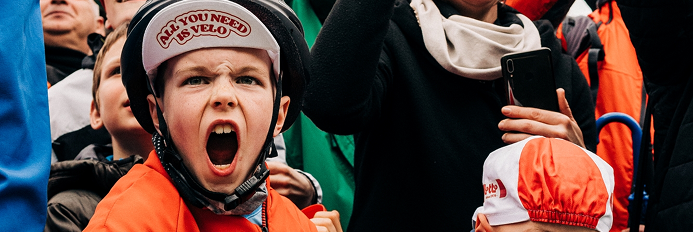
Girona is one of those regions where there is no need to take a look at the weather forecast before going for a ride, because you can usually take for granted that the weather will be pleasant. This was not the case during the week leading to The Traka 2024, and during those days riders and organizers looked up to the sky more than ever.
The circumstances put the event in a difficult situation, as the 3.200 registered participants from 77 distinct nationalities faced some hurdles they were not expecting. Brands had also invested heavily in The Traka, and there were a lot of question marks around the races and the parallel events that were planned during the whole week.
It was going to be a real test of fire for the biggest gravel race in Europe, and required extra work among all those responsible for making sure that the event keeps growing year after year. All those efforts, together with favorable weather conditions just in time for the racing to start, allowed The Traka to take place and pass the test with flying colors, setting an even stronger infrastructure for years to come.
Most of the warm-up rides and events were modified or canceled, but the attendance at each of them was still remarkable. For example, the hill-climb race organized by Pas Normal Studios was substituted by a popular paella at the start venue, and the Rapha x SRAM ride on Tuesday was instead an event at Casa Athletic in which we were introduced to the Frodeno Fund project, and the people behind AMANI provided an update on the team.
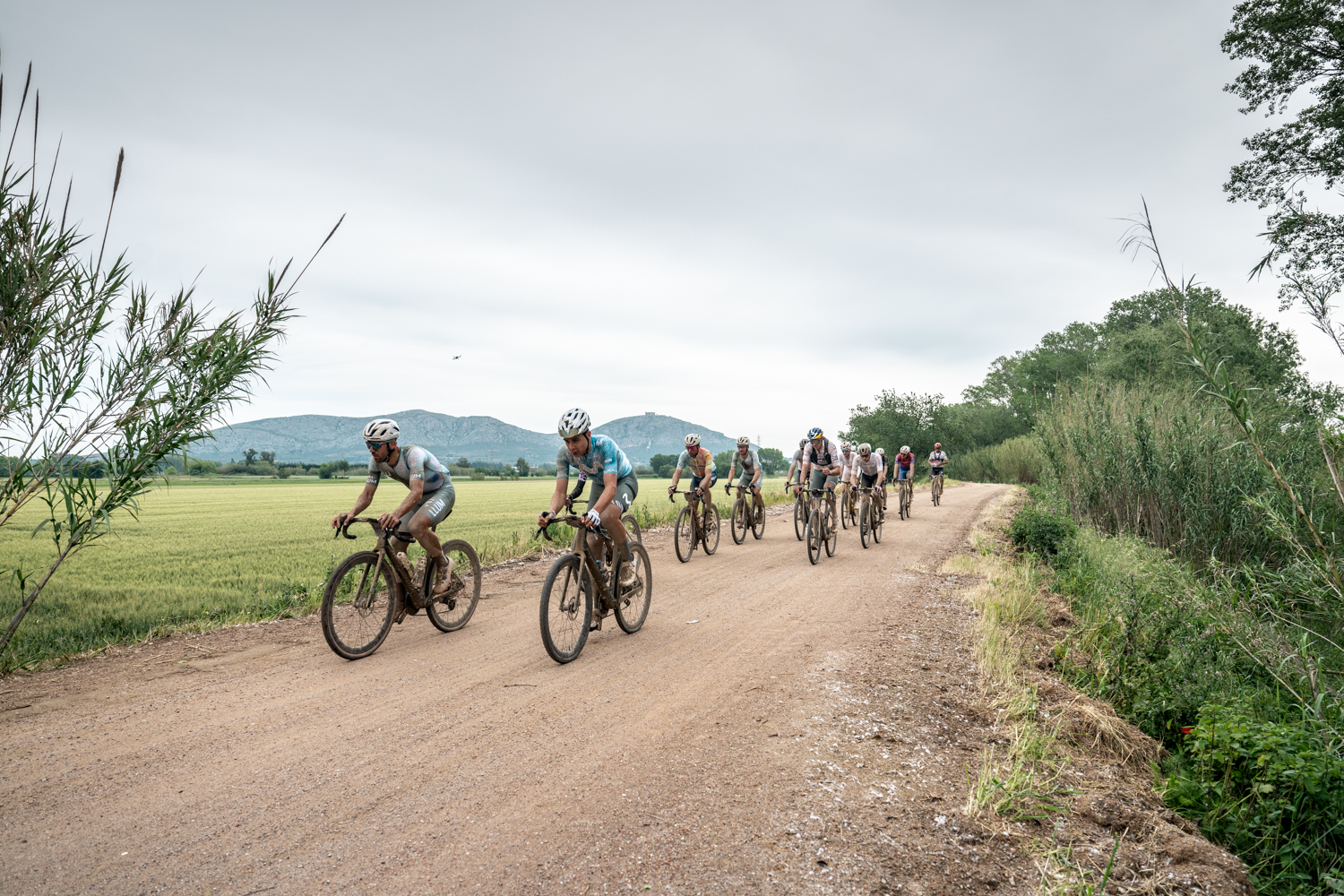
Well-known locations like El Pont de Pedra or La Comuna were the common starting points for the dozens of rides organized every day, so you could simply pass by at any time of the day, no matter the weather, and join one of them. Several bike shops were open even on Labour Day to address the needs of the riders getting ready for their event, and many non-cycling local businesses embraced the arrival of people from all over the world.
One of the novelties for this year was the introduction of The Traka Adventure. The original track was very promising, with a route of 560 km and over 10.000 m of elevation gain as riders headed to the Pyrenees and then in eastern direction towards the Mediterranean, before finishing in similar fashion as the 360 km course.
The start was planned for Wednesday, May 1st, but during the days leading to it rained a lot. It was needed and welcome given the drought period the region was experiencing, but it was expected to truncate the plans of the 200 riders looking for an entry-level bikepacking event.
We were one of the individuals registered for this adventure, so we followed the developments from close. The organizers were in constant contact with the Meteorological Services and local authorities, and all decisions were taken with common agreement. On Tuesday we were notified that the start was initially delayed for a day and that the course had been modified to avoid the high-mountain areas, where the fresh snow was a clear obstacle for anyone trying to ride past. As we were getting ready for the rescheduled version, an email confirmed that The Traka Adventure was canceled for good, and we were allowed to join the The Traka 360 distance instead.
It was time to change our bike setup, as you don’t need the same gear if you are no longer planning on spending one full night riding your bike and you can rely on the feed stations of The Traka 360 race instead of doing it in a self-sufficient way. We kept our new Tailfin Wedge Frame Bag on, in which we would store all the tools and food, but the Top Tube Bag and Down Tube Bag were put aside.
We would also like to highlight the courage of all those who, despite the cancellation of The Traka Adventure, defied the weather and did the route on their own, with Quinda Verheul as the best example.
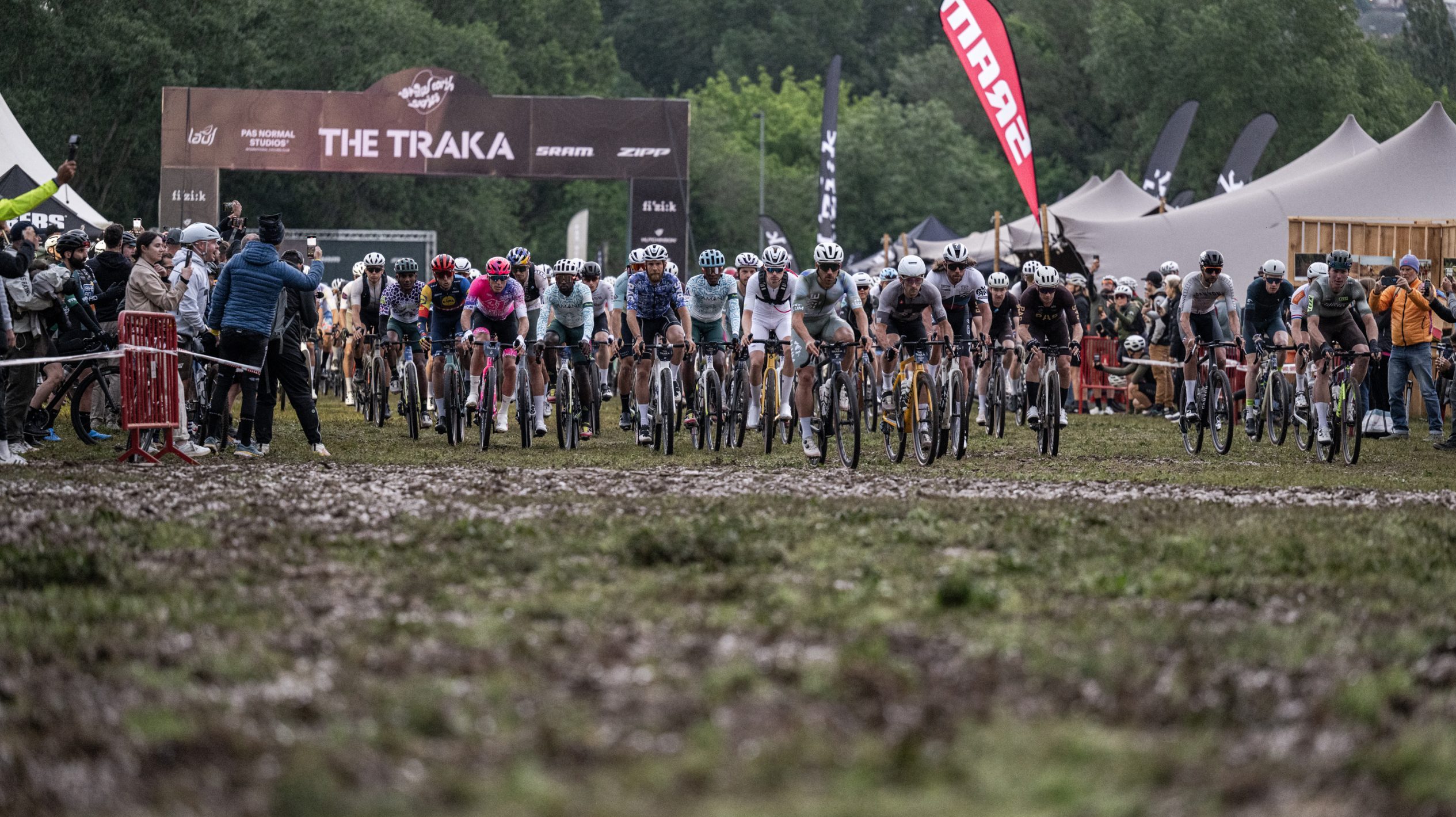
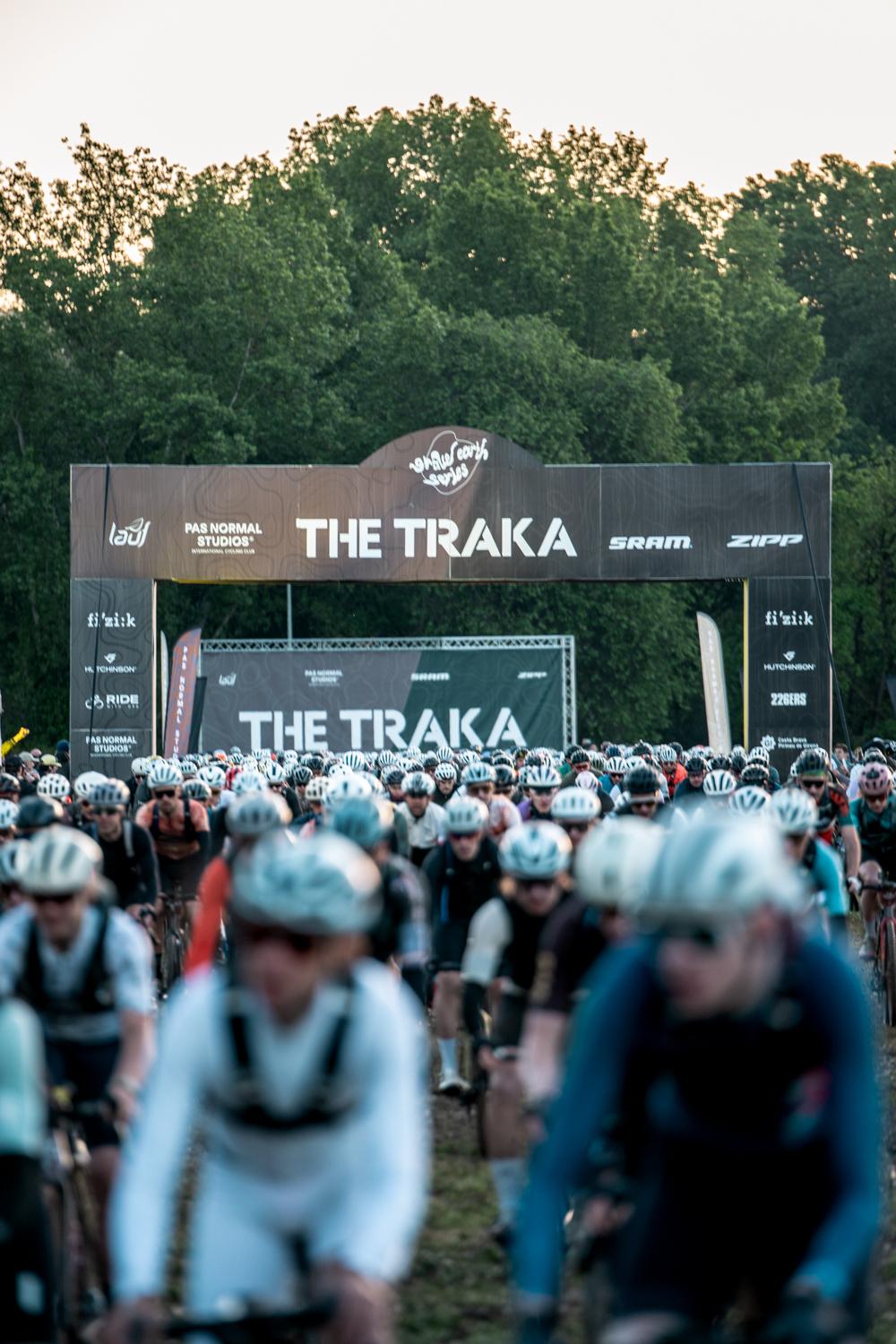
After three consecutive days of carb-loading, two of them halted after the different news we were receiving, it was time to line up for the start of The Traka 360, together with +850 other participants from all over the globe. Originally planned at 6 AM, the start was, in the end, one hour later given that the course was also slightly shorter (344km) in order to skip the unrideable parts. We were all excited, and Gerard’s message just before the start was truly emotional.
“Today is the day. Today is your day. A long day. Respect the mountains. Respect nature. Welcome to The Traka 2024” – Gerard Freixes, organizer of The Traka
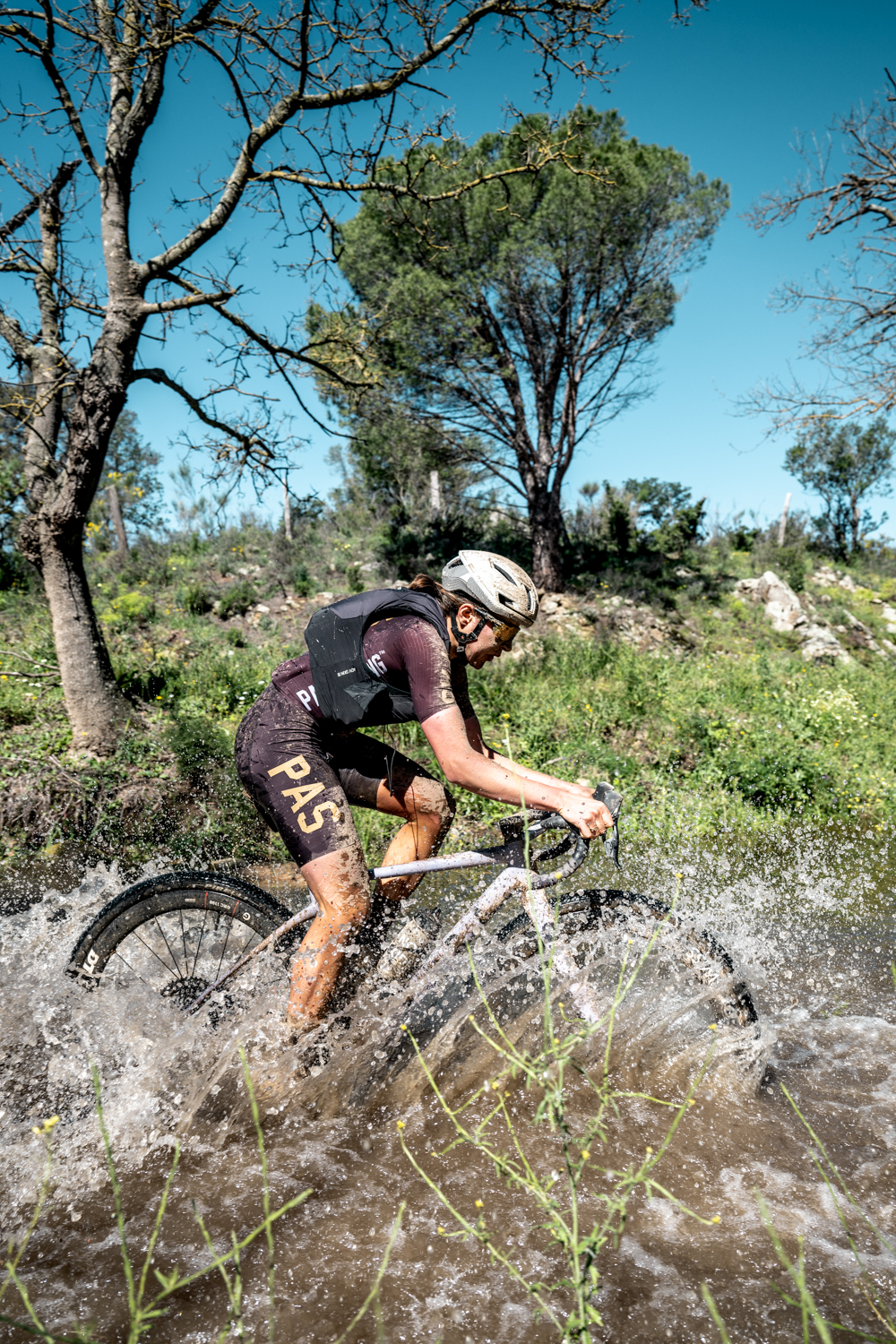
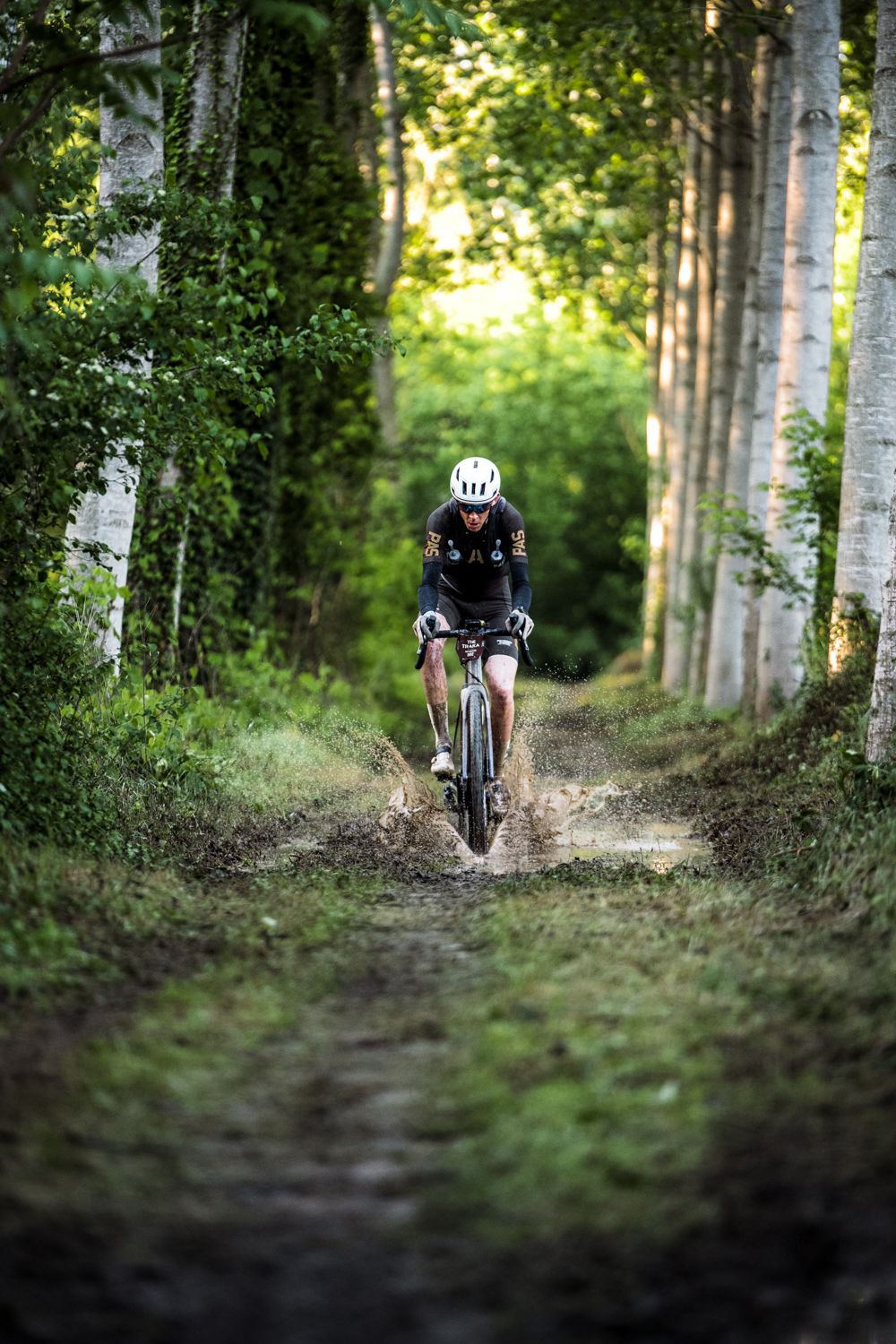
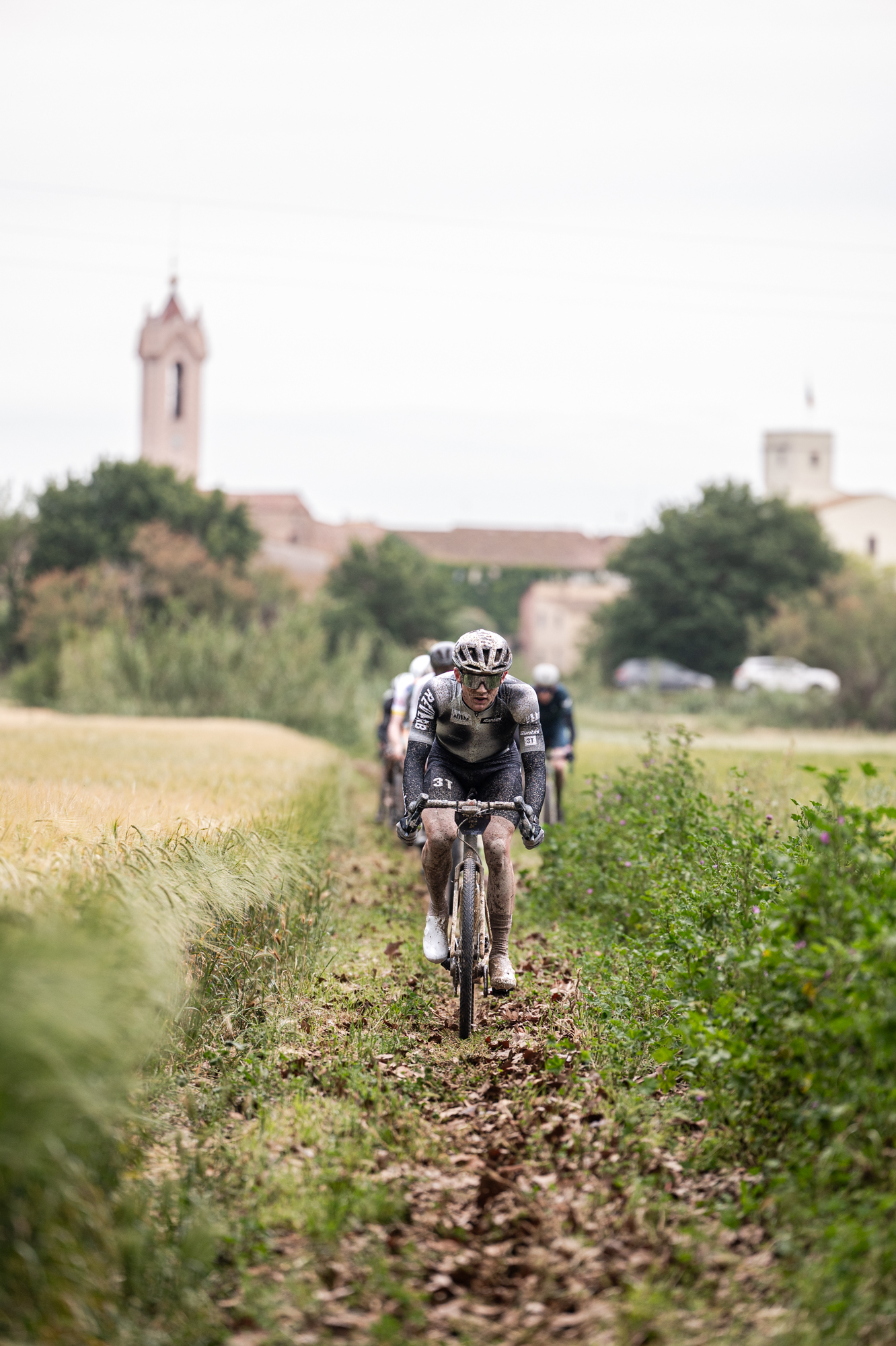
We were already aware of it, so we were not surprised by the exceptionally high level of competition, nor by the amount of mud we had to tackle. The first 10 kms were on tarmac, and by the time we hit the first off-road section, we were already located in a group riding at the pace we considered was the best for the day. It was better to be at the front of the group, so you could choose your own line and take a look a few meters in front to avoid the different puddles.
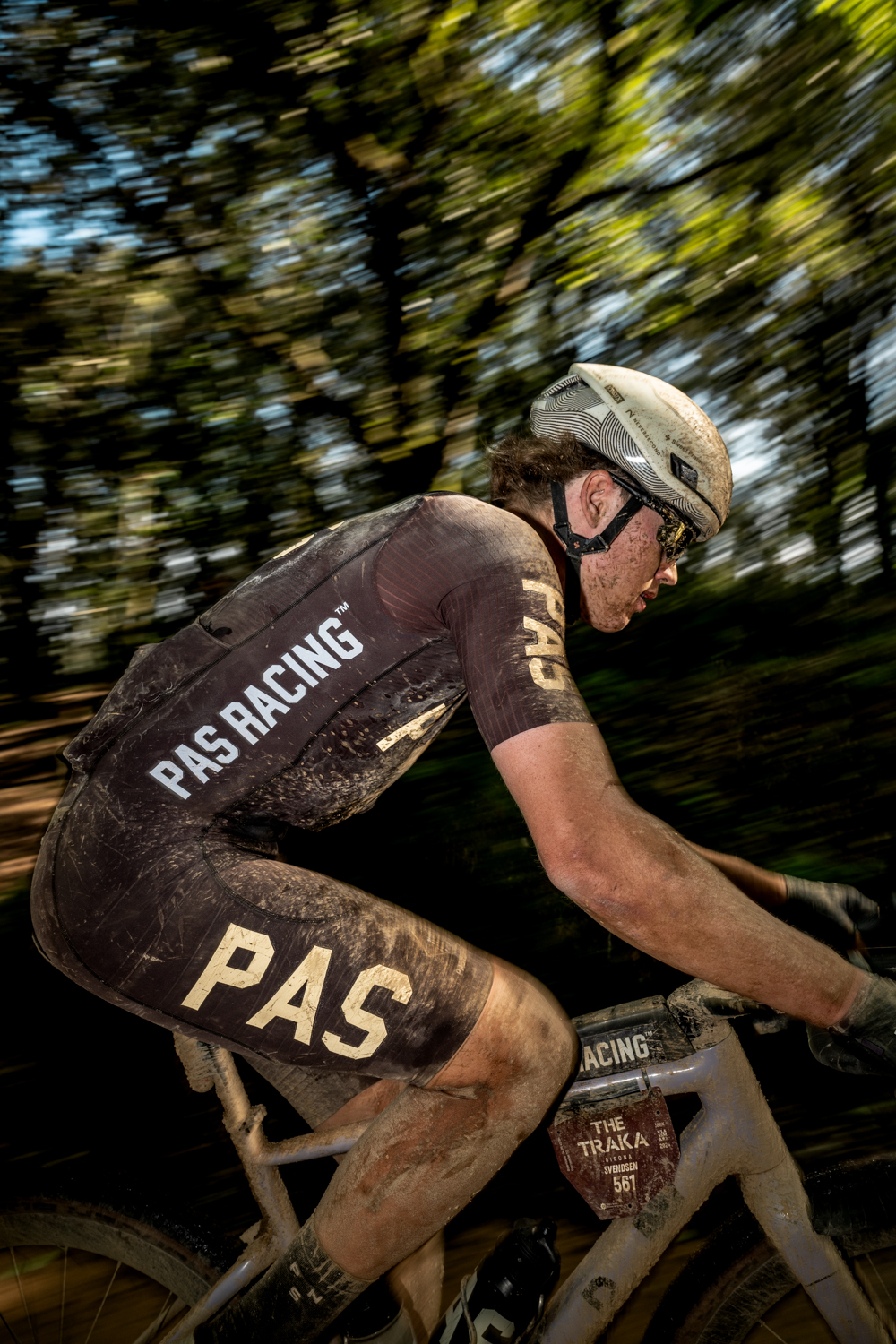
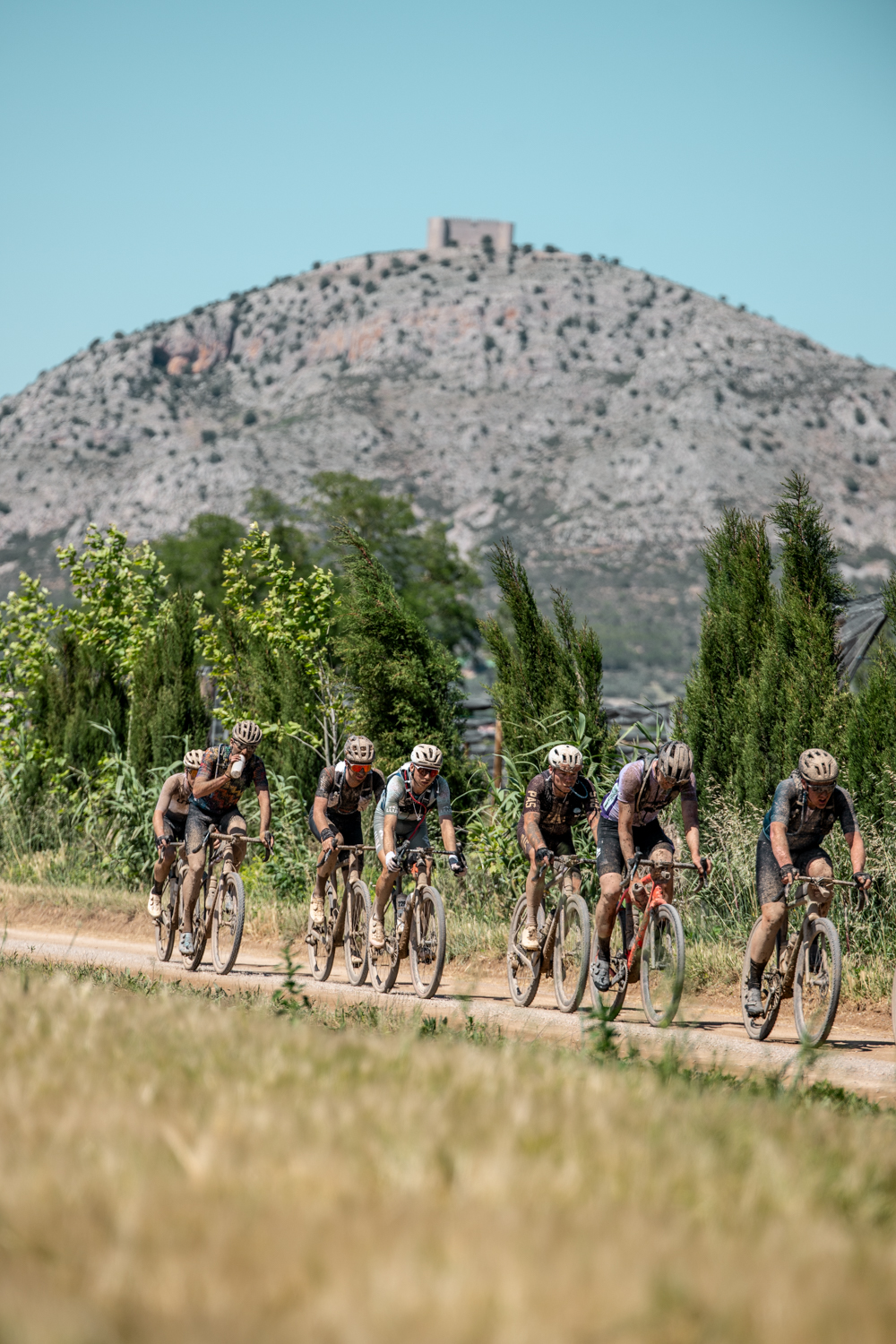
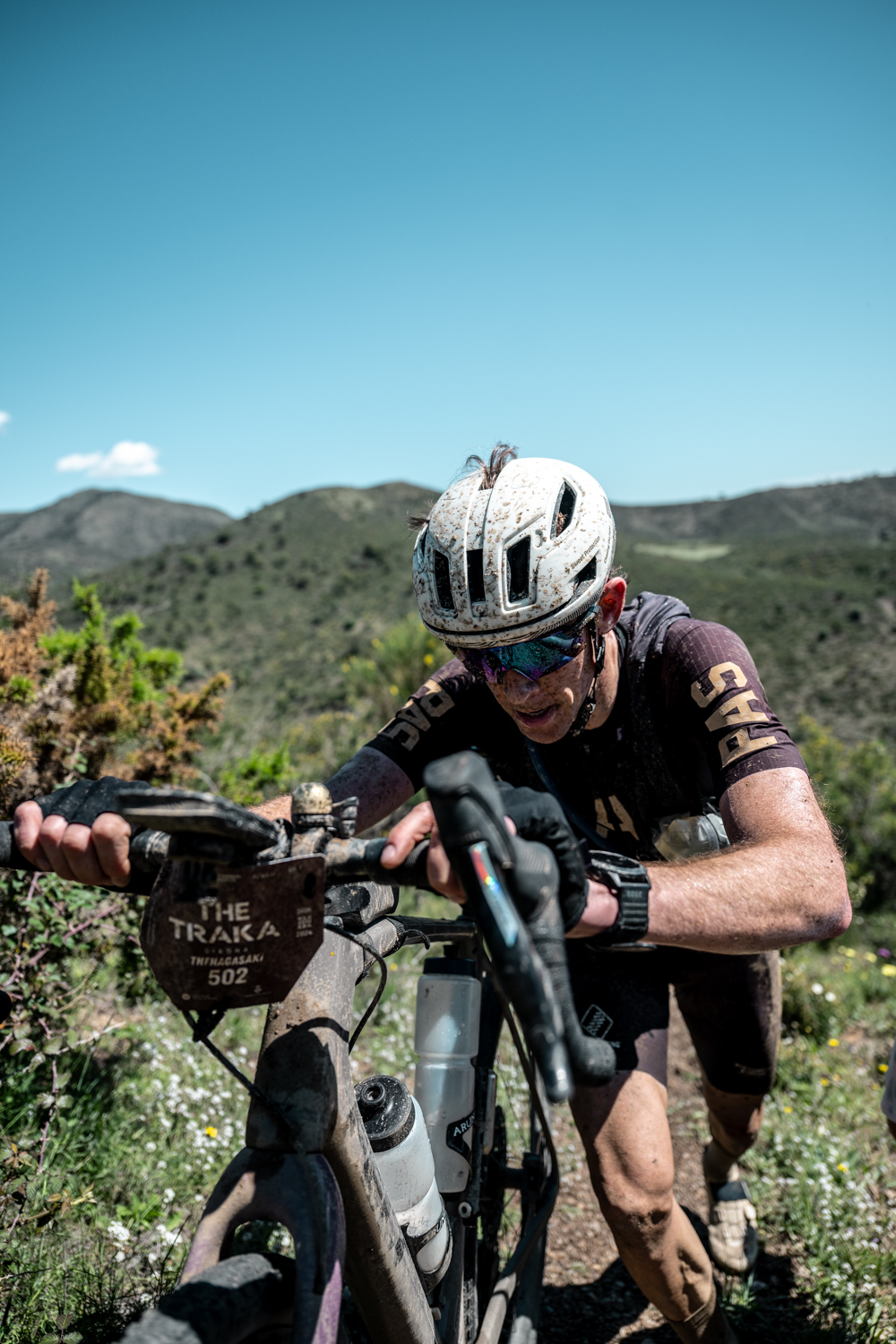
A layer of mud covered our bike and legs by the end of the first hour, and we are glad we packed some lube to stop the unpleasant noises of a dry drivetrain. While the ones at the front passed by the feed stations in F1 style, we took our time and resumed our effort only after our stomach was full of the varied food the organizers had prepared for us.
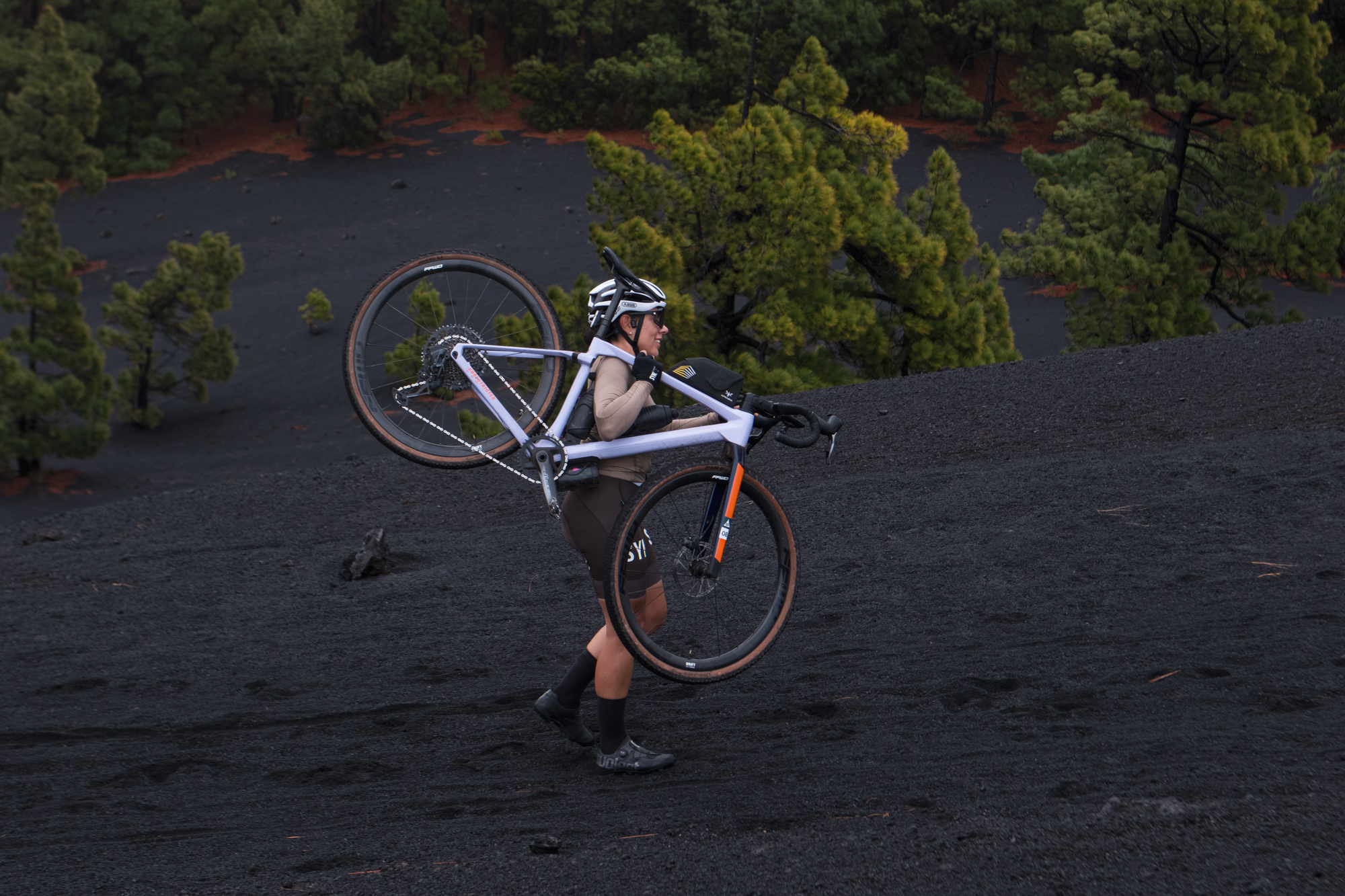
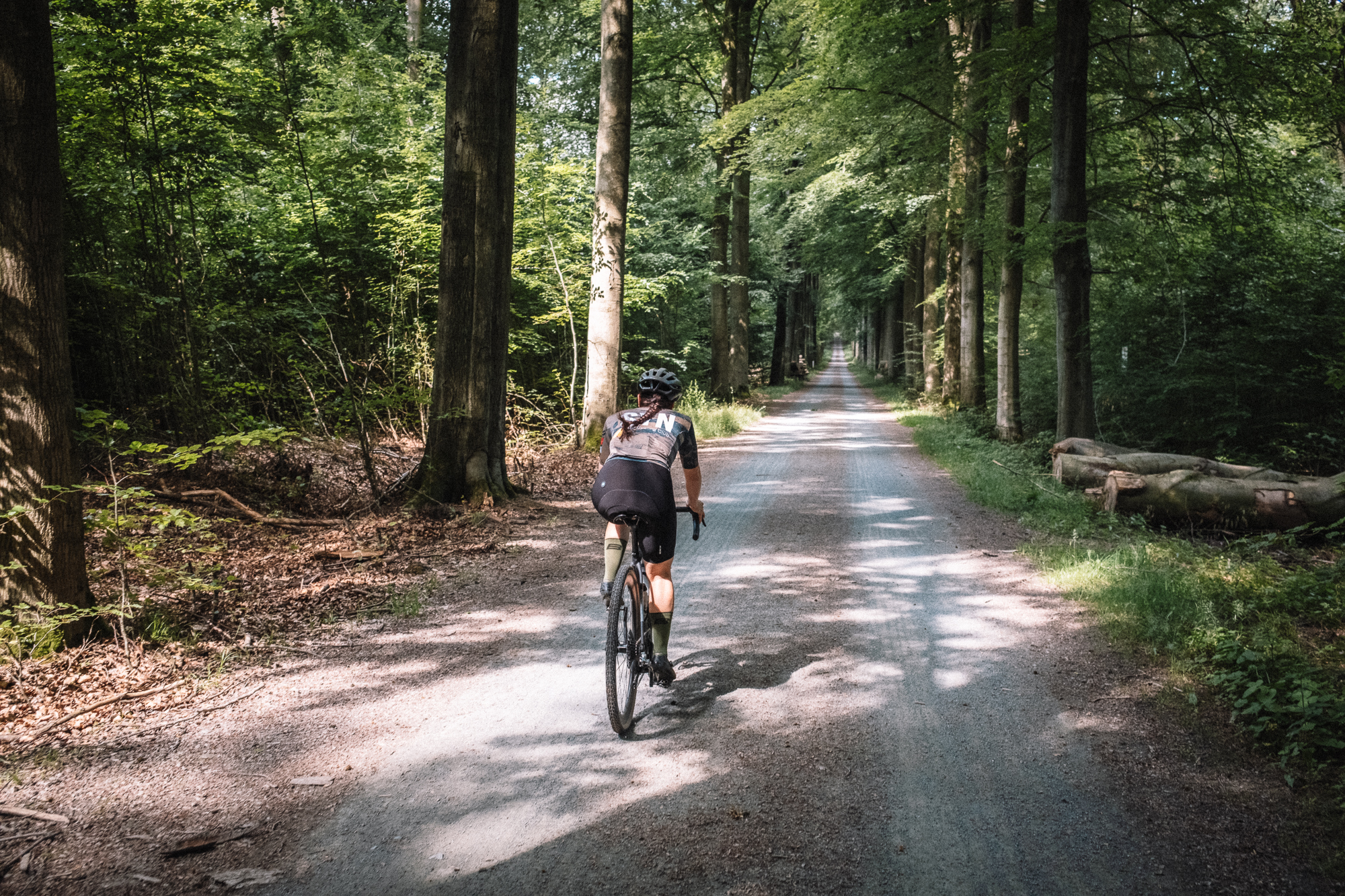
Regarding the beauty of the route, we still remember the moment we had the snow-covered Pyrenees in sight while riding over a perfectly smooth gravel path. More than three-quarters of the race were on off-road surfaces and that is very difficult to find in any race of similar distance without relying on small loops. We consider that the best section was the 50 km we did along the Massís de l’Albera, with a tough but beautiful climb followed by impressive views of the Mediterranean Sea and a nice descent back to sea level.
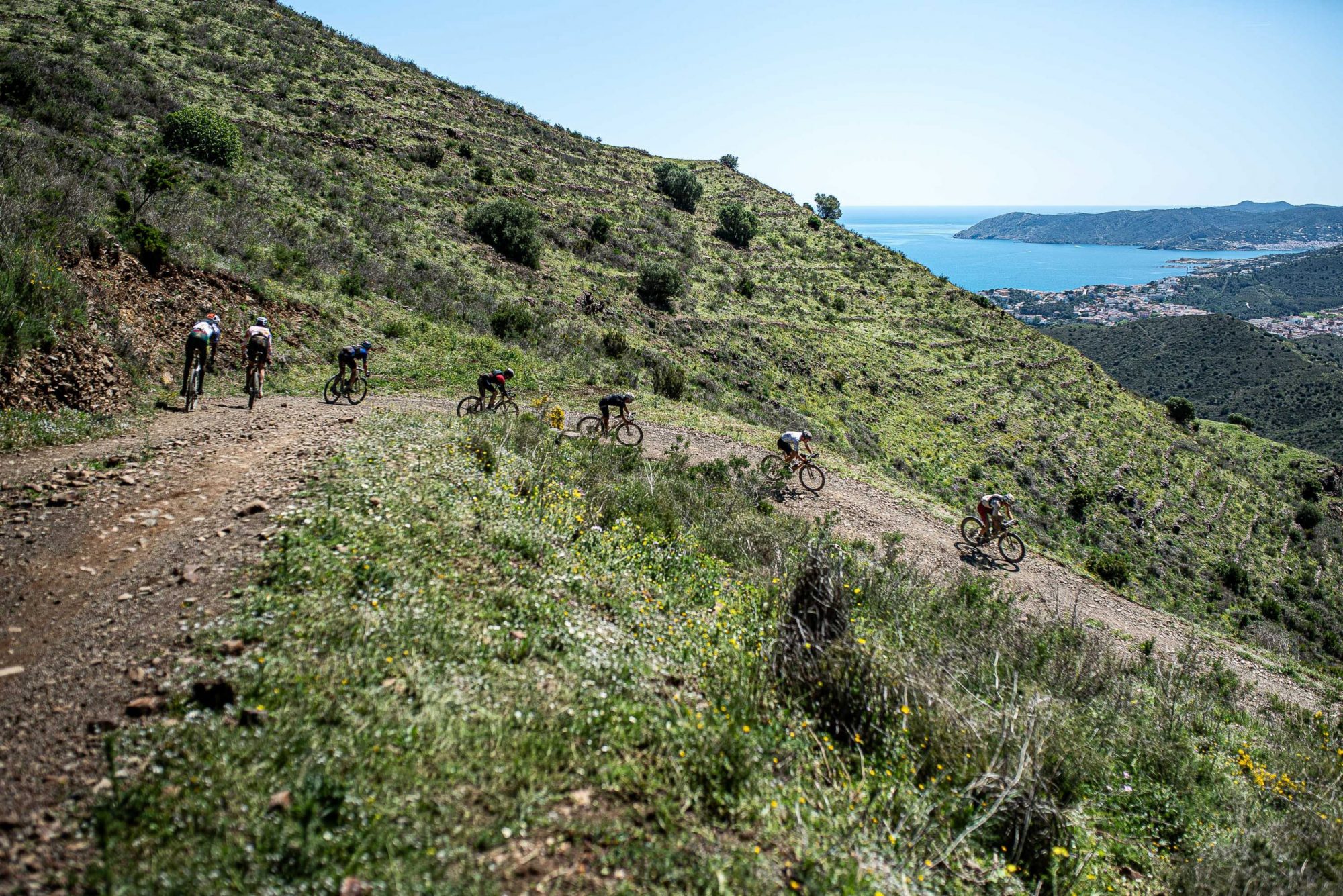
That section finished at around the 160 km mark, and the following 100 km until the last feed station were completely flat. We were heading in southern direction and it was block headwind, so it was the perfect moment to ride with a group. Guess what? We were completely on our own, and we lost years of life pushing against the wind and looking behind every other minute hoping any rider would catch us.
An oasis is something typically associated with the desert, but the last feed station was also an oasis for us. There we stuffed our belly with a bowl of rice and sat down for two minutes before tackling the last big climb of the day, Les Gavarres.
By the time we reached the top, with 70 km left, Peter Stetina had already crossed the finish line in Girona after 11 hours, 42 minutes, and 23 seconds of elapsed time, 17 seconds faster than Rob Britton. Chad Haga would round up a full American podium. Mattia De Marchi had been in contention for a fourth win in a row, but a mechanical problem frustrated the dreams of the Enough CC rider.
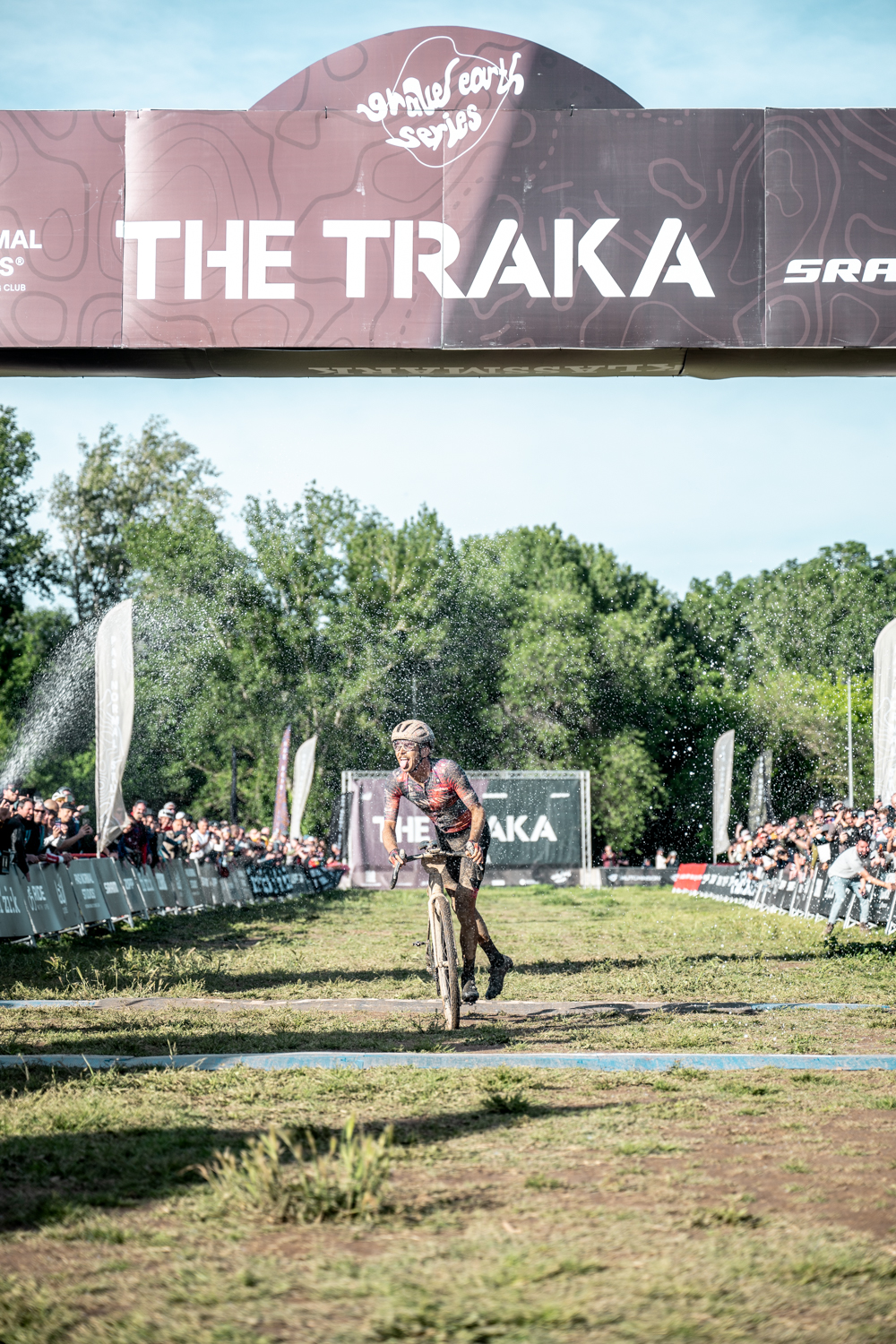
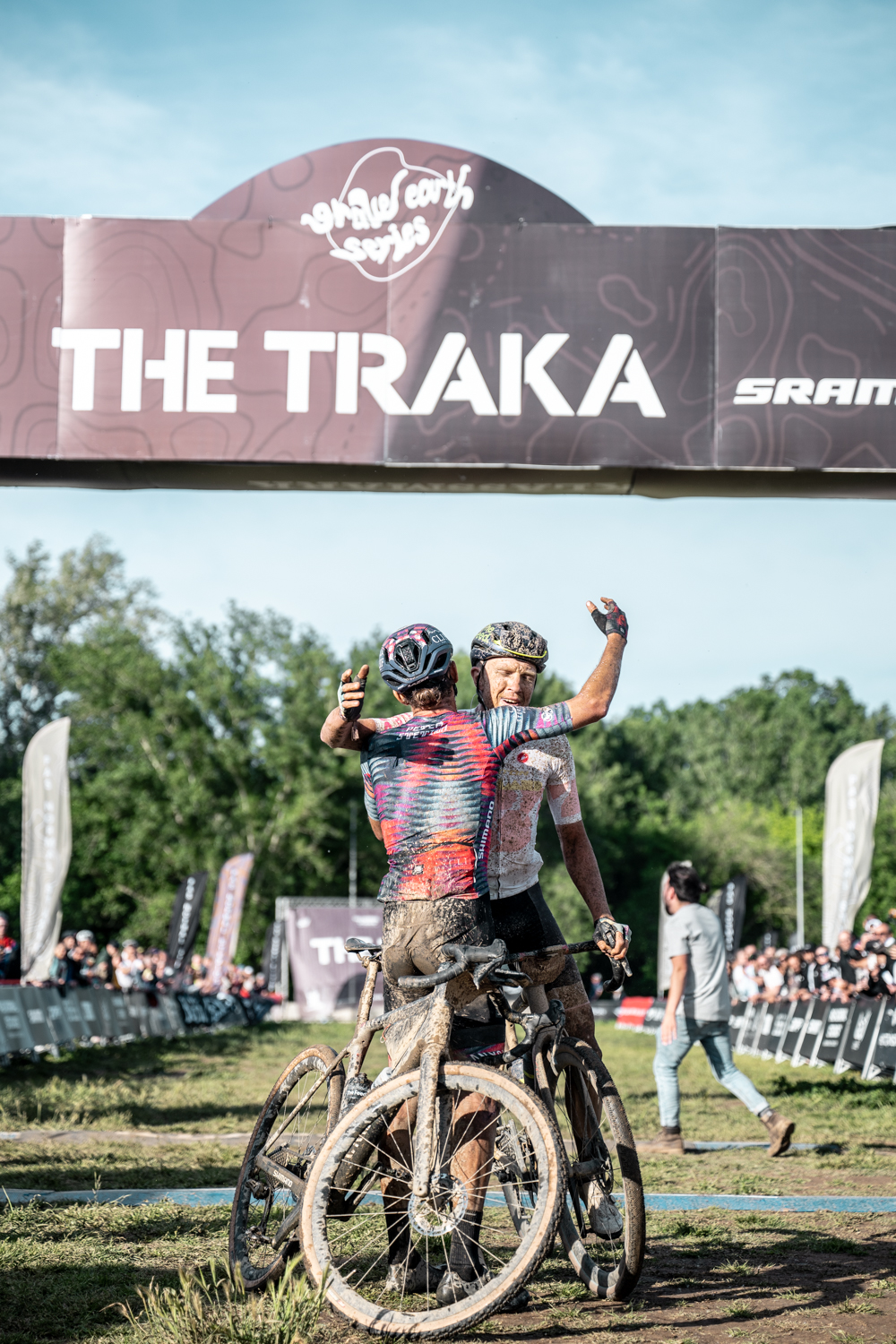
While we were racing the sunset, the top riders started populating the finish venue after their impressive efforts. Karolina Migon, the Polish rider of PAS Racing, got the win ahead of the Dutch but semi-local Geerike Scheurs. In the women’s field the gaps were bigger, as Karolina created a 20-minute gap to the second during the day and most riders arrived more than ten minutes apart.

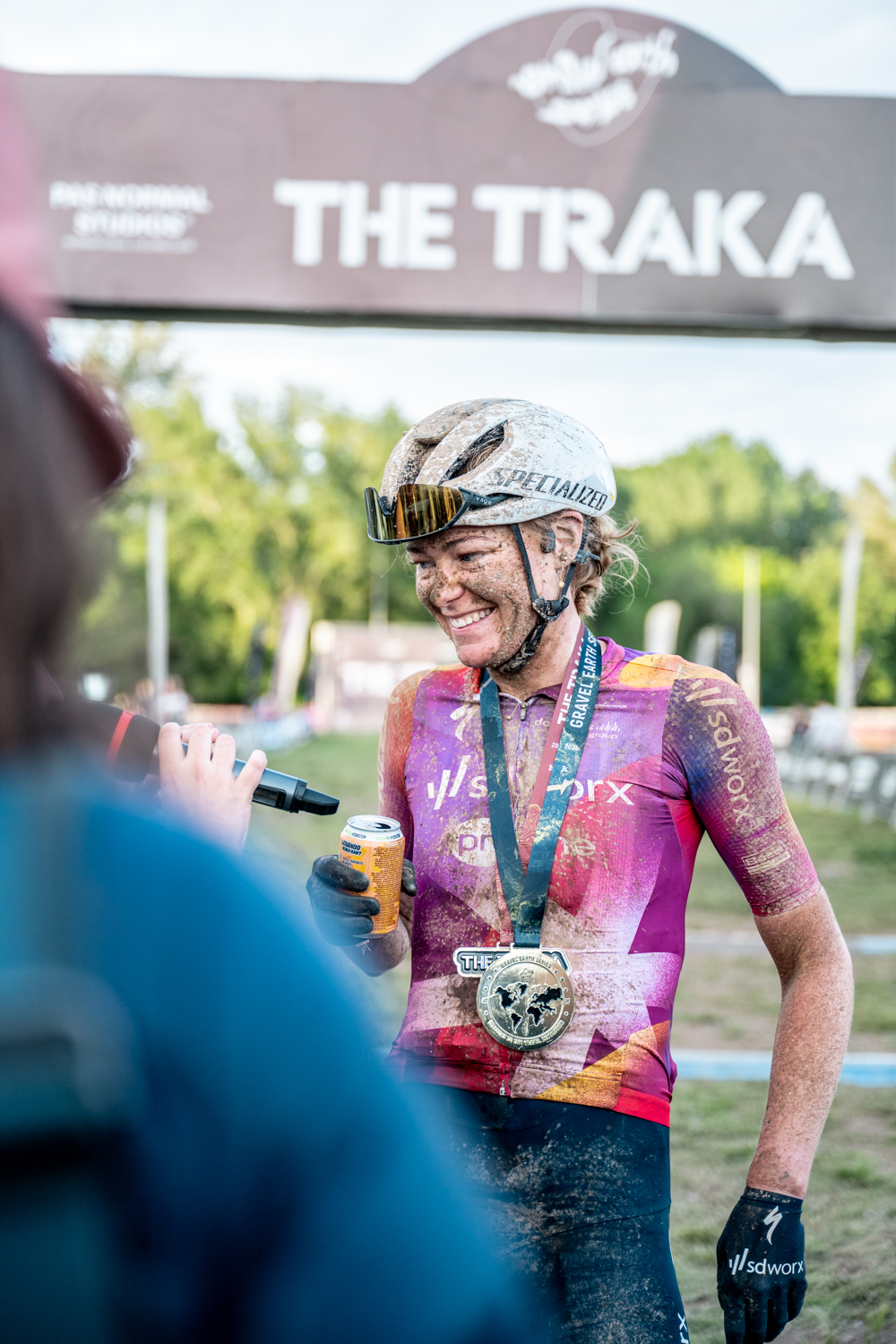
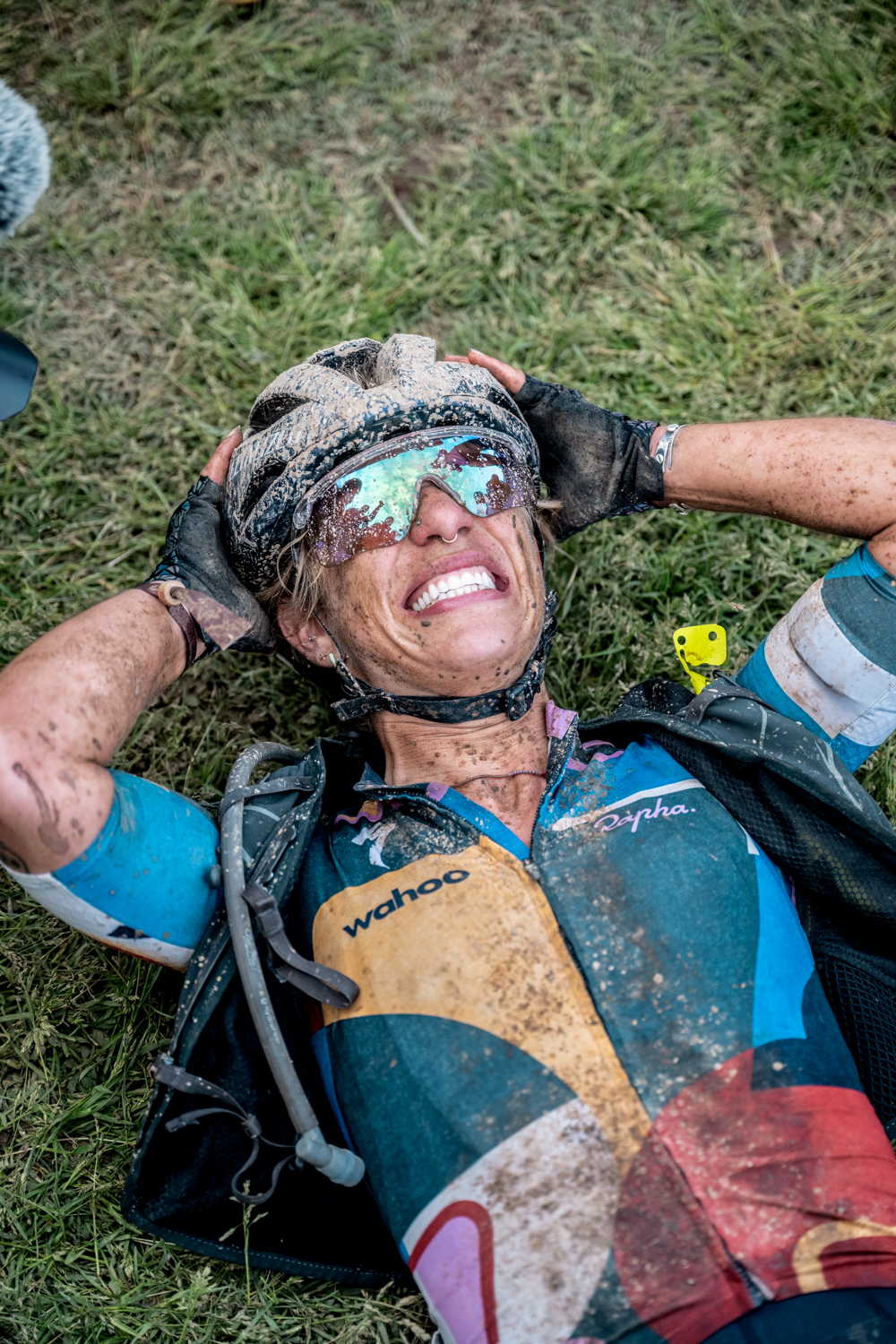
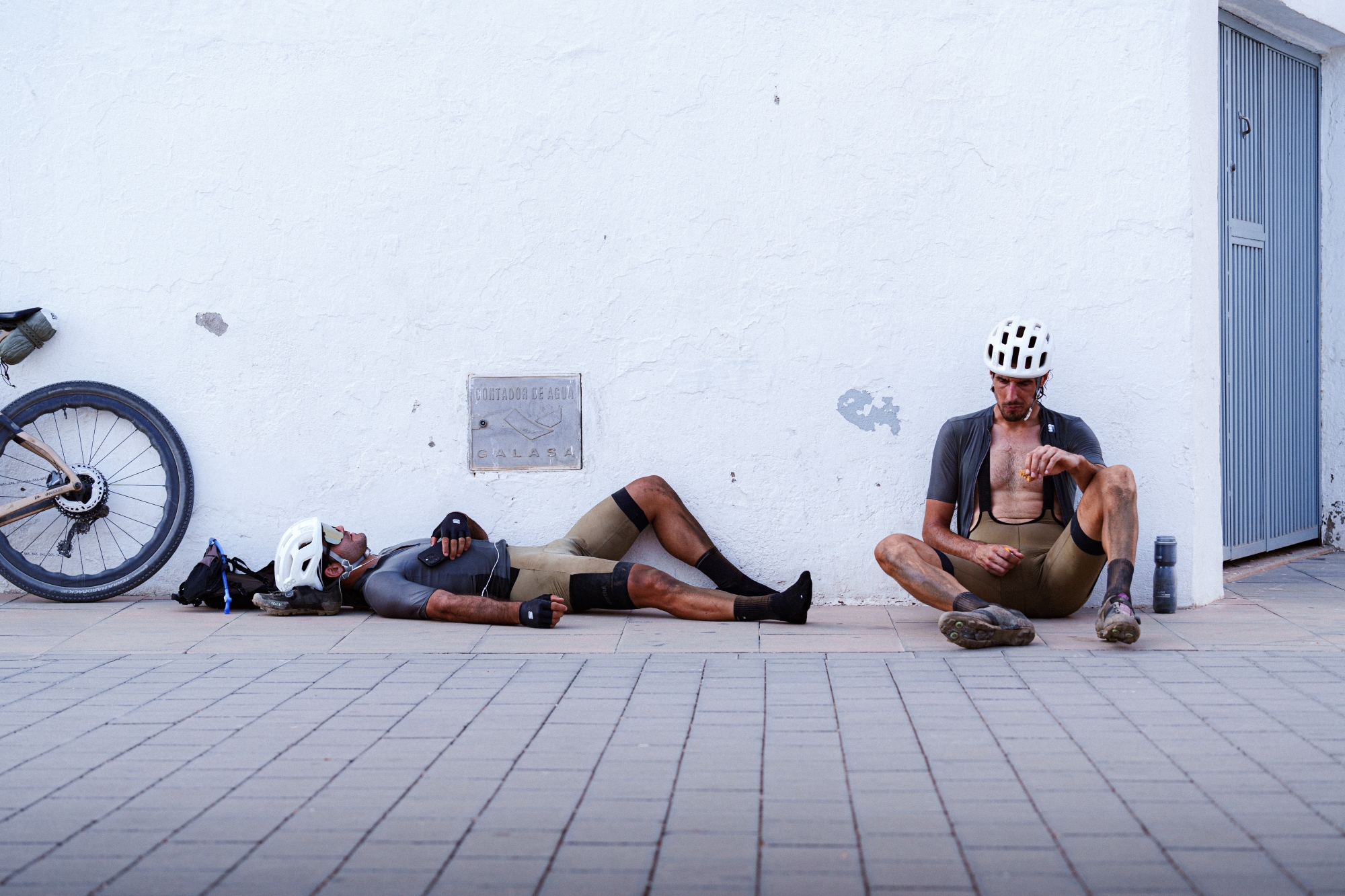
The night arrived and the photographers were gone by the time we reached the finish line, but given the race circumstances, arriving before 10 PM can be considered a decent achievement. We wanted to stay at the venue and wait for others to arrive, but our feet had been soaking wet during the whole day and we were starting to be very cold. Kudos to everyone who arrived back in Girona late at night with a smile on their face.
While some riders were still covering the last section of The Traka 360, others were already taking a spot at the startline for the 200 km version of the race. It was not going to be as long, but it was still going to be long. It was not going to be as muddy, but it was still going to be muddy.
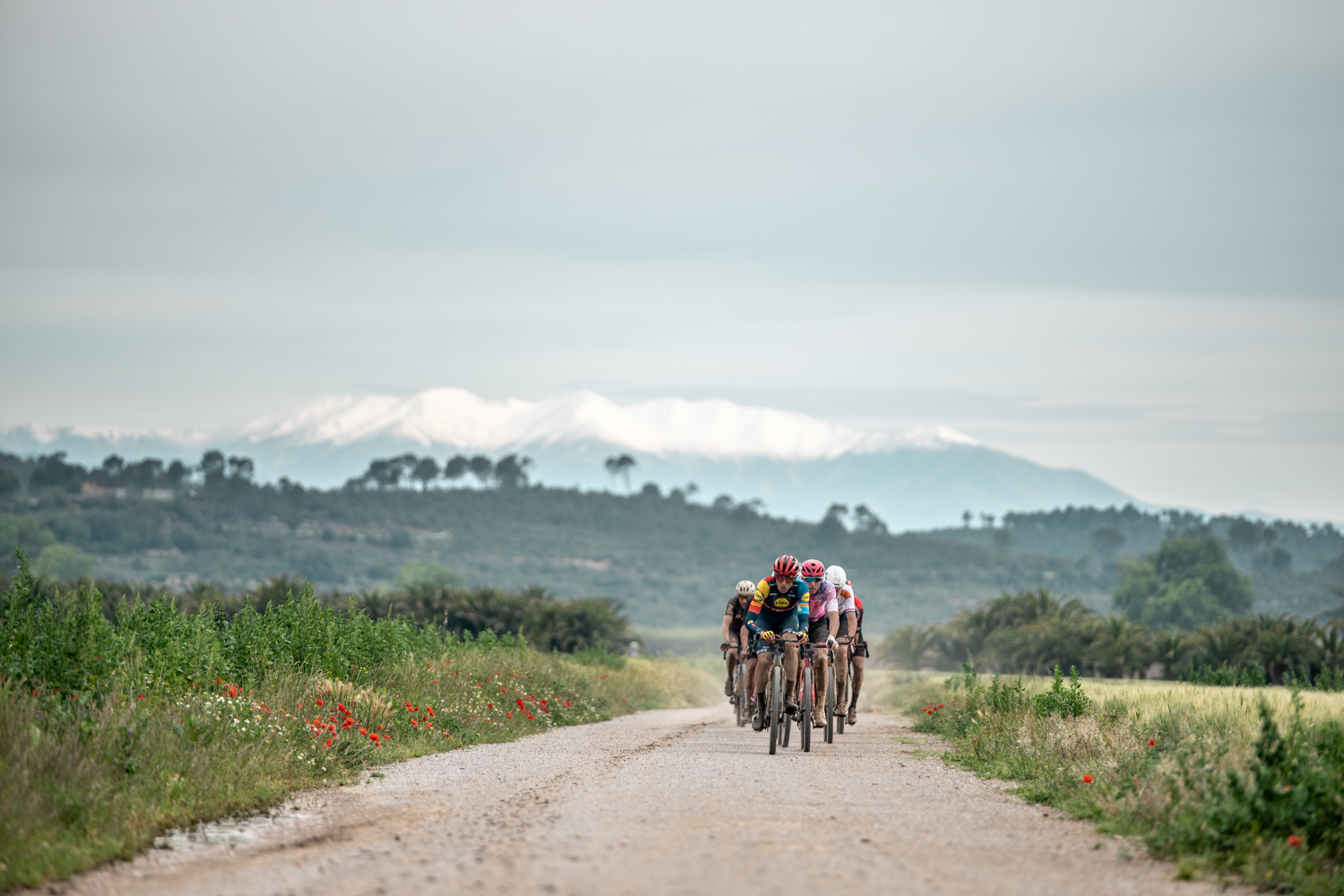
One of the constants was the prestige of riders. Some of the most in-form specialists in the discipline, together with professional road and mountain bike cyclists, populated the first rows, eagerly waiting for the start.
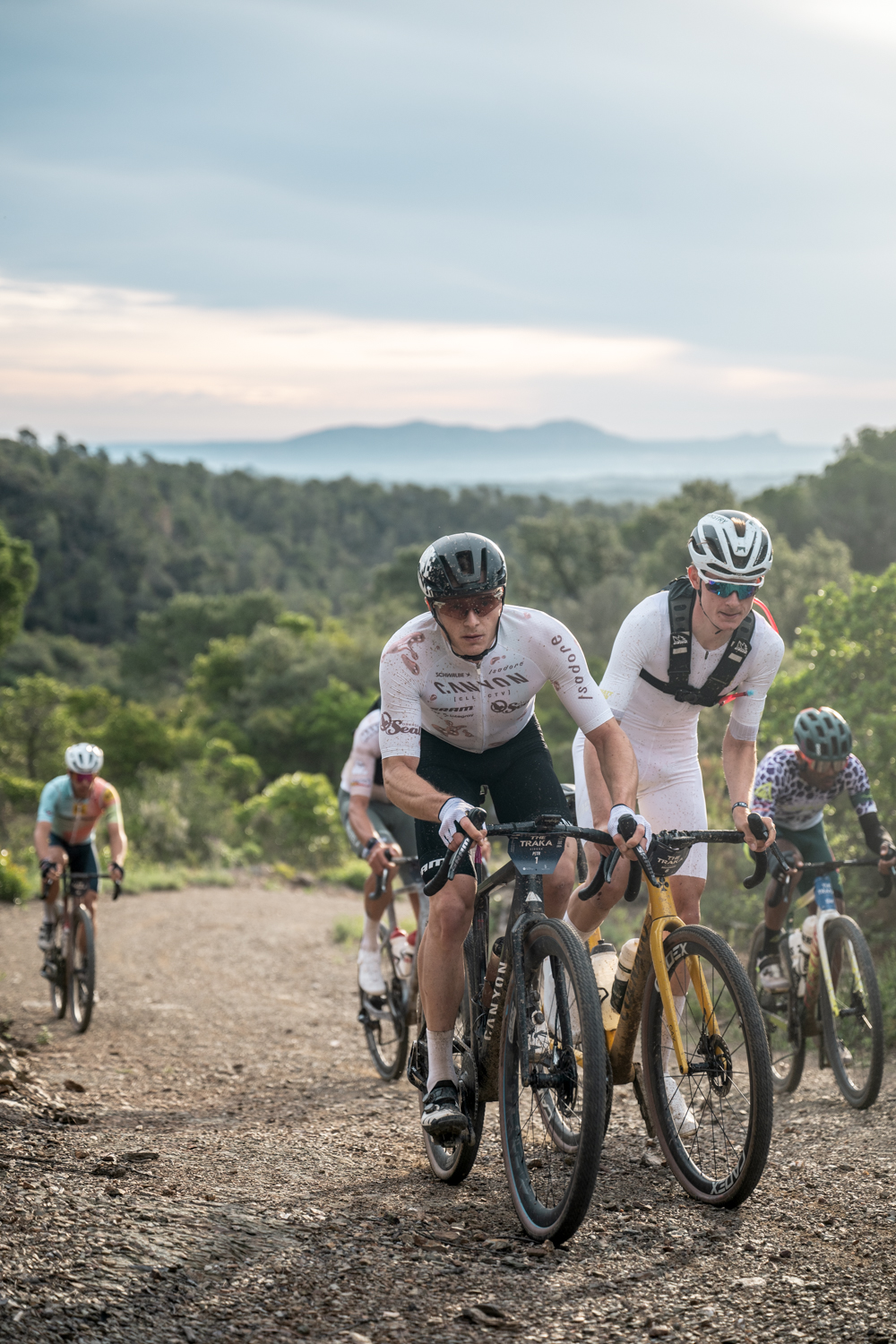
The early part of the race was very tough, accumulating over 1.000 meters of elevation gain in the first 40 kilometers. The last 125 kilometers were exactly the same as The Traka 360 course, but even if riders tackled that rolling terrain with fresher legs, everyone had to grind their teeth to make it to the finish line.
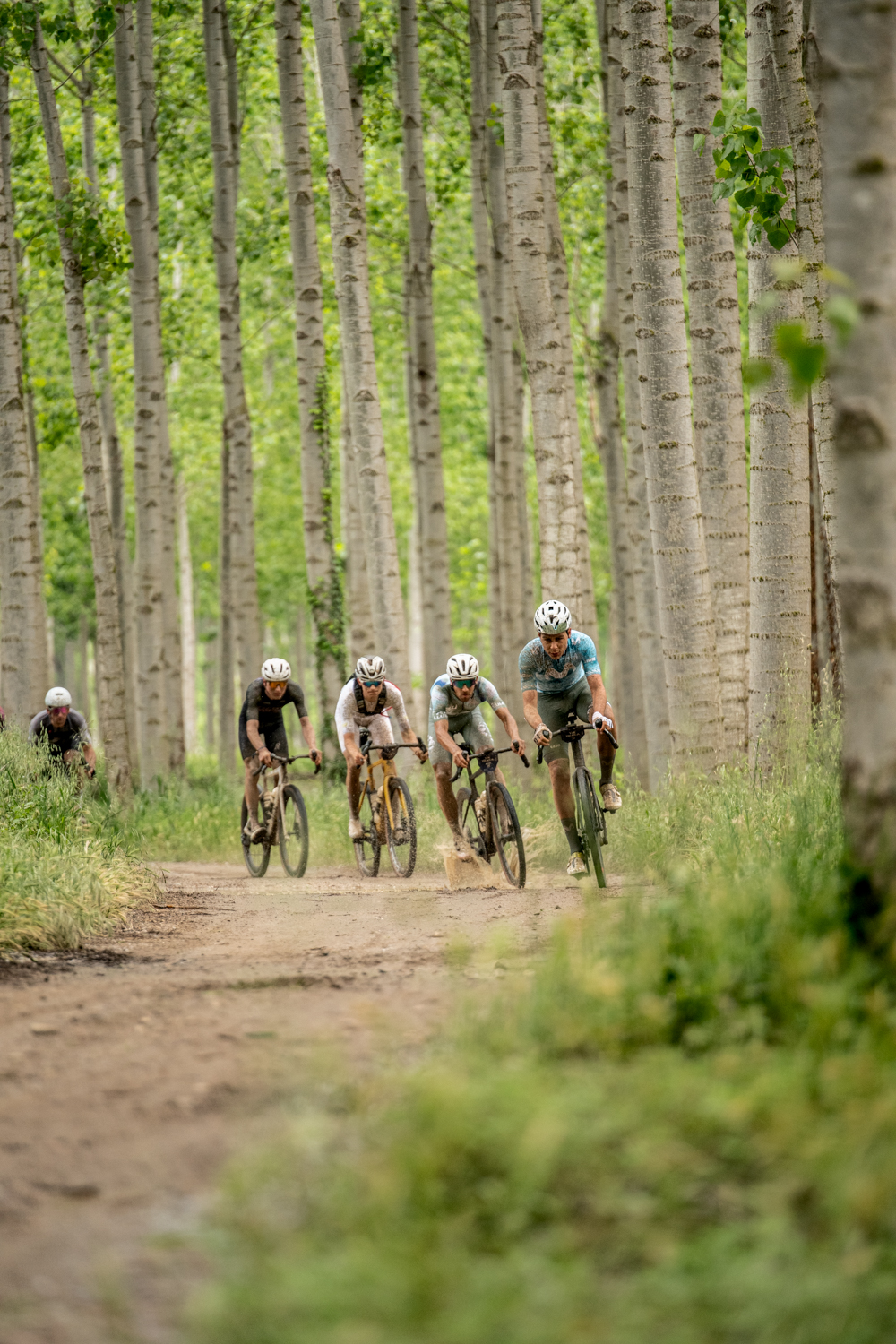
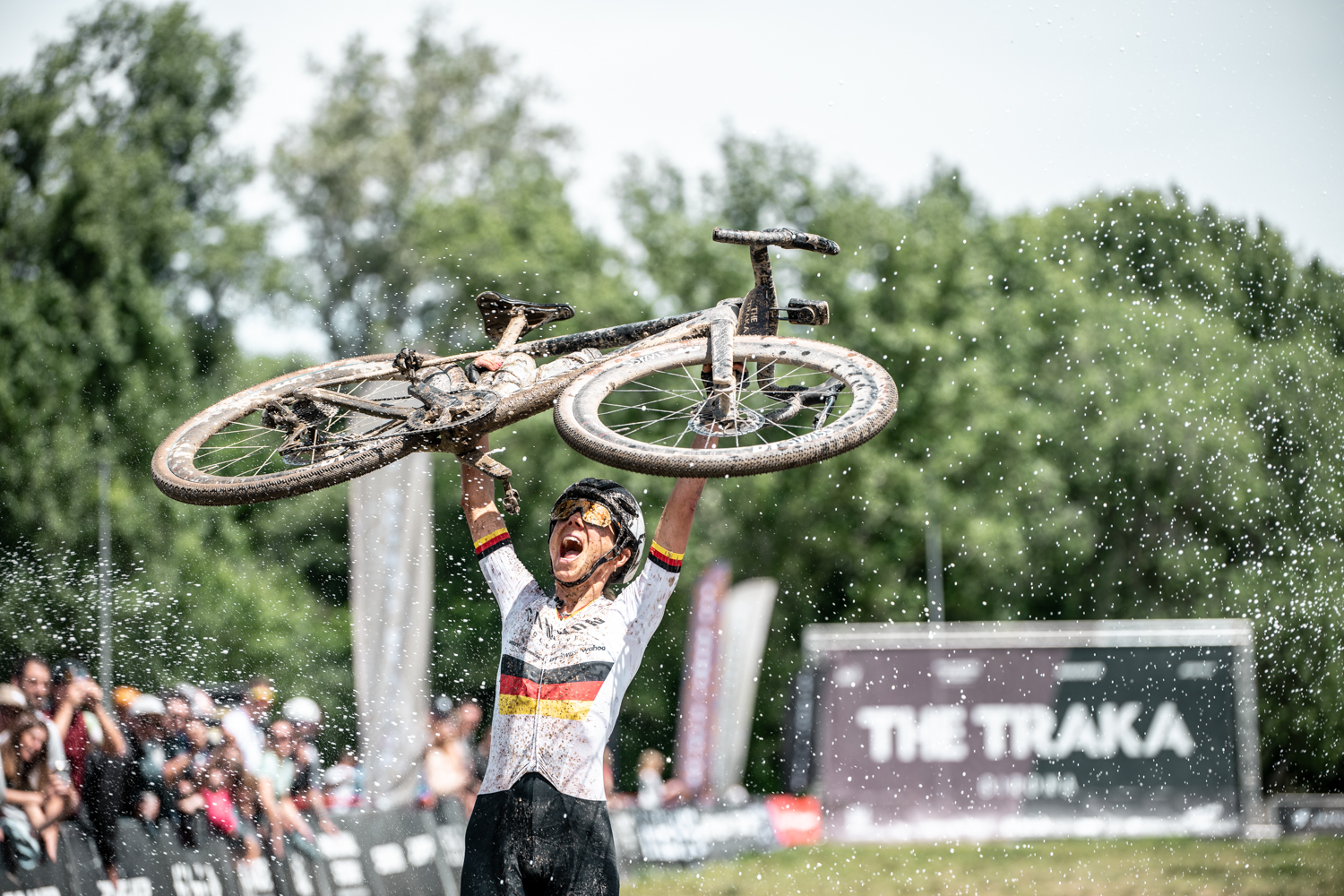
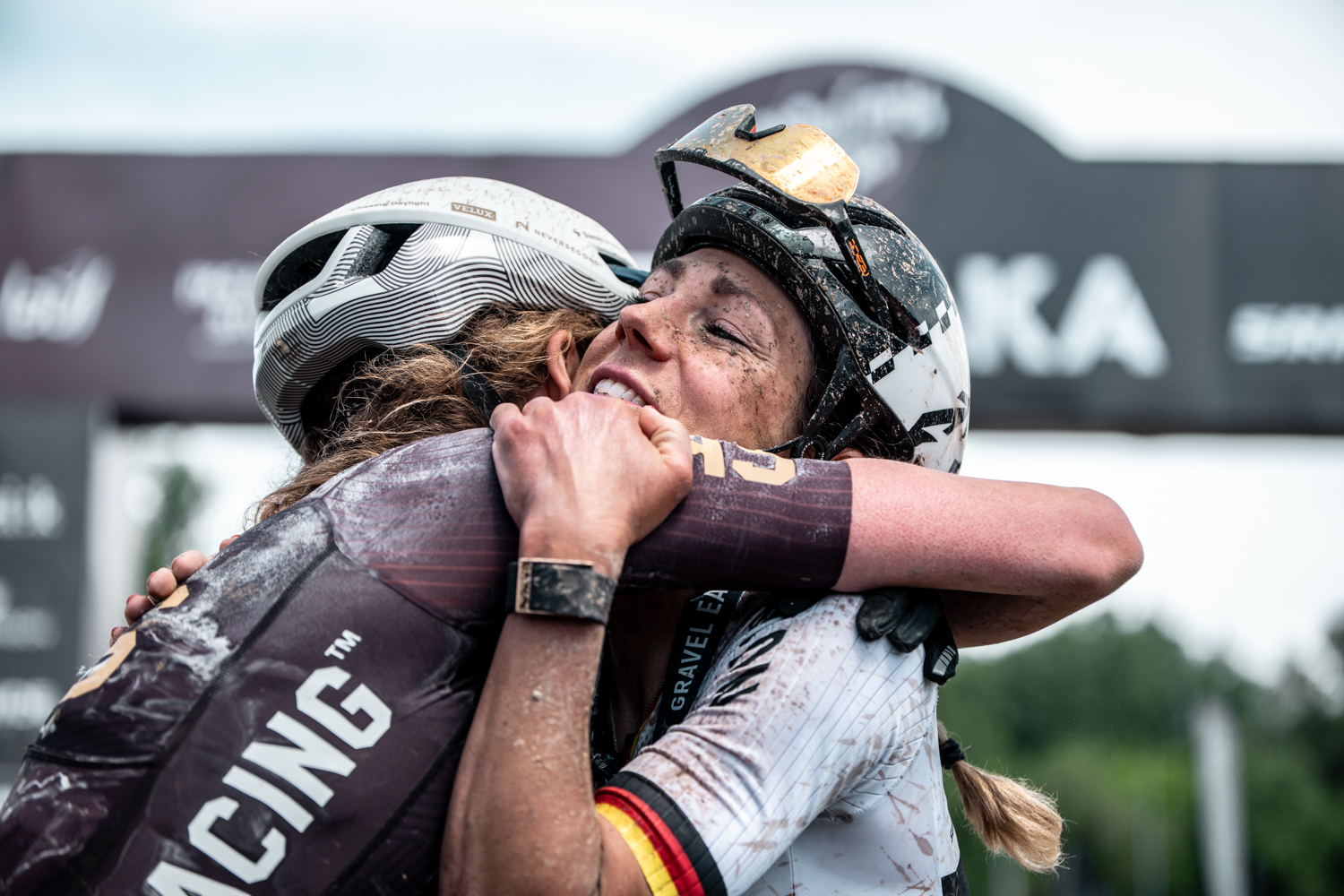
Focusing on the women’s race, three riders fulfilled the pre-race expectations and distanced themselves. The reigning champion Caroline Schiff, the rising star Klara Sofie Skovgard, and the underdog Morgan Aguirre were mostly together until the second third of the race, but a crash for the American rider and the race experience of the German decided the outcome. Caroline retained her crown, the Danish finished second, and Rosa Maria Kloser came third.
Waiting at the Parc de les Ribes del Ter for the men to arrive, we heard that a big group was still together in the lead with only a few kilometers remaining, so we were curious to see who was going to appear on the horizon in first position. It was a group of three riders sprinting for the win, and among them, the fastest was Frederik Rassman, of Rose Racing Circle. Gerard went to congratulate him and hand him a deserved bottle of cava, but not long after we started hearing whispers of a possible sanction because he received a hydration pack outside the feed station, something which is not allowed in The Traka.
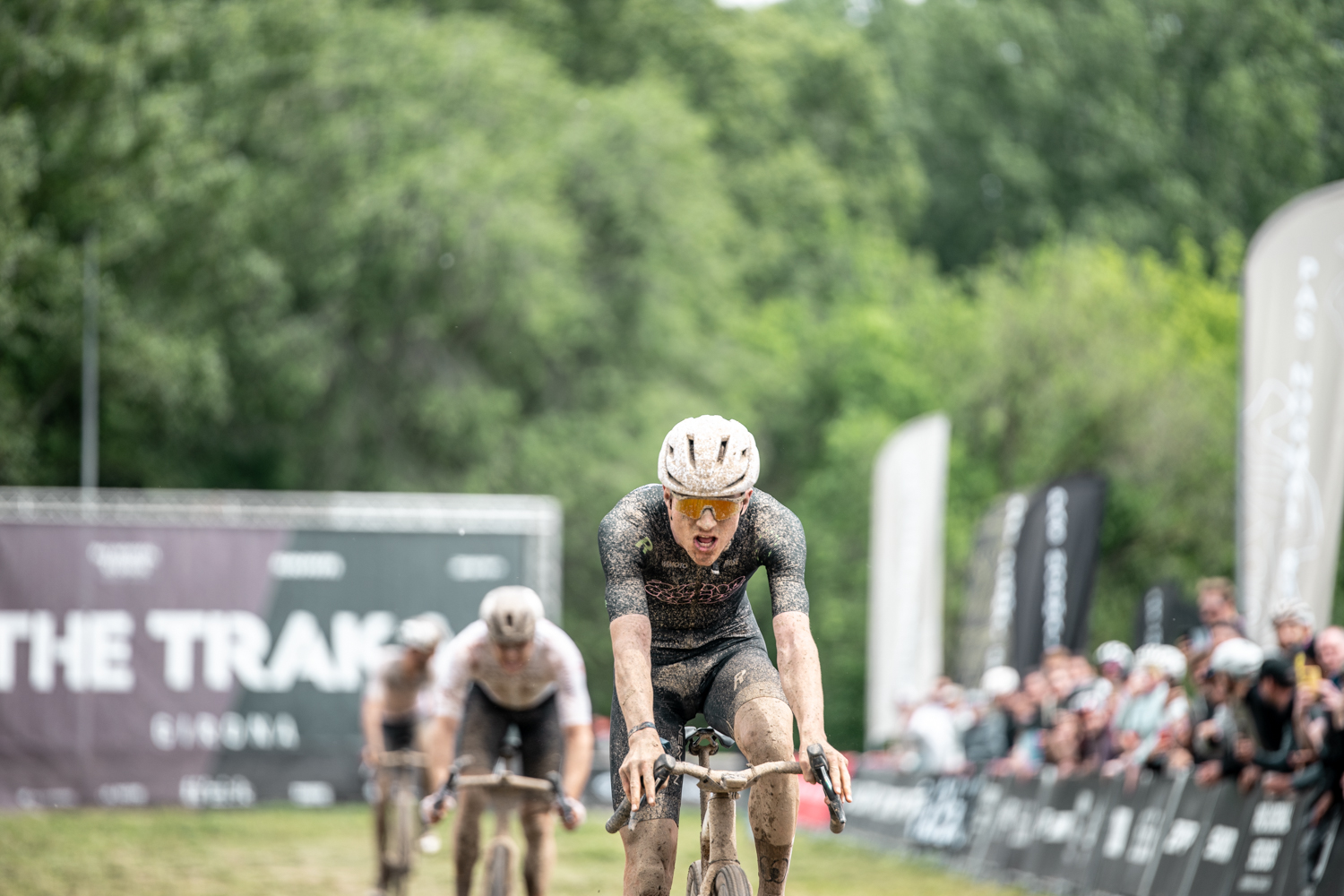
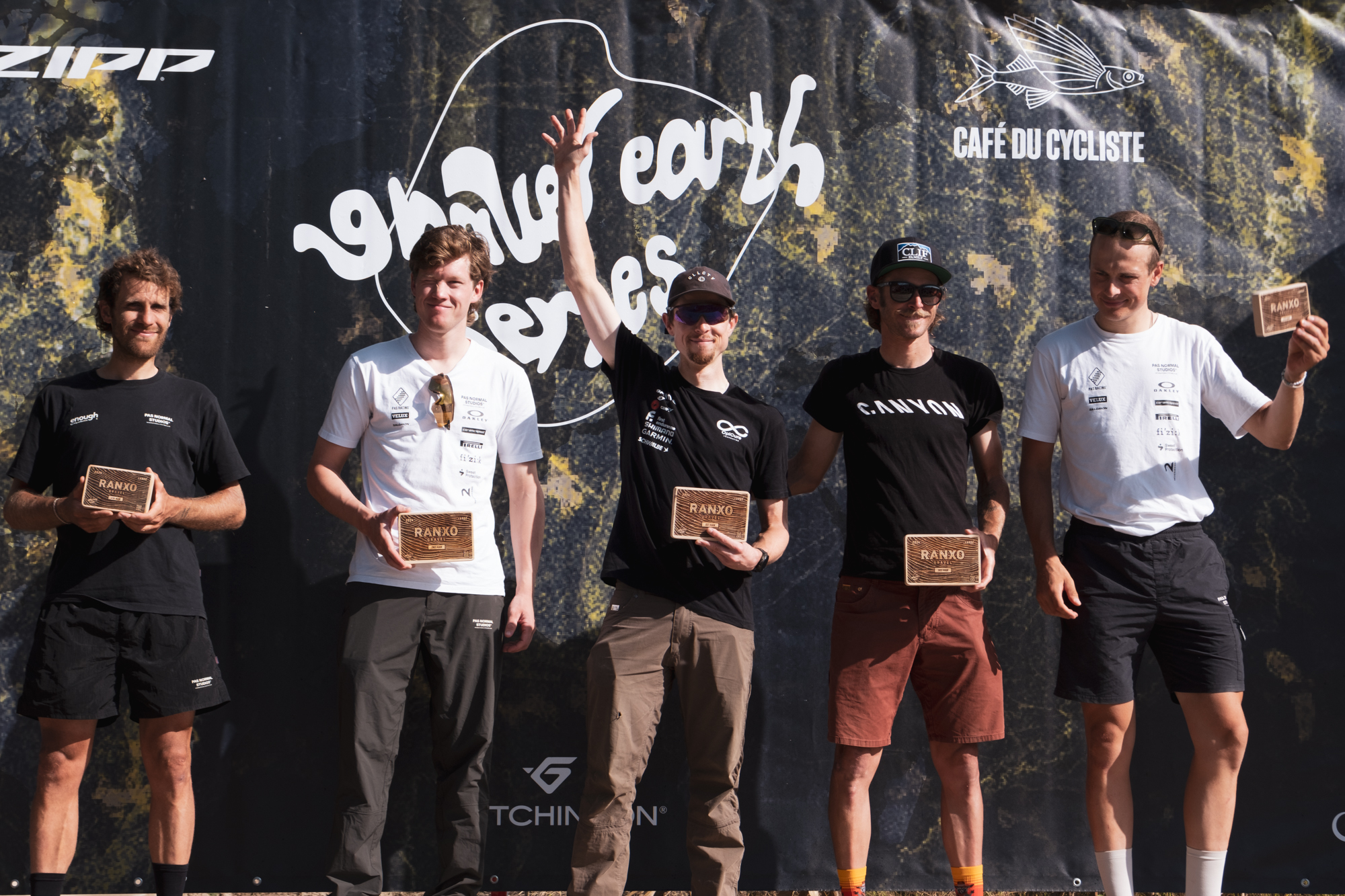
The decision was made and Frederik was given a five-minute sanction, placing him outside the top 10 given that the first ones arrived less than 30 seconds apart. This also meant that the second to cross the line, Petr Vakoc, would be awarded the victory of the race. Petr had already won the GC of Santa Vall earlier in the year, which in addition to his recent results collected in Europe and the United States, put him as the rider to beat for the races to come. Jasper Ockeloen and Johan Jacobs were next to him on the podium, marking a perfect weekend for Canyon and their riders.
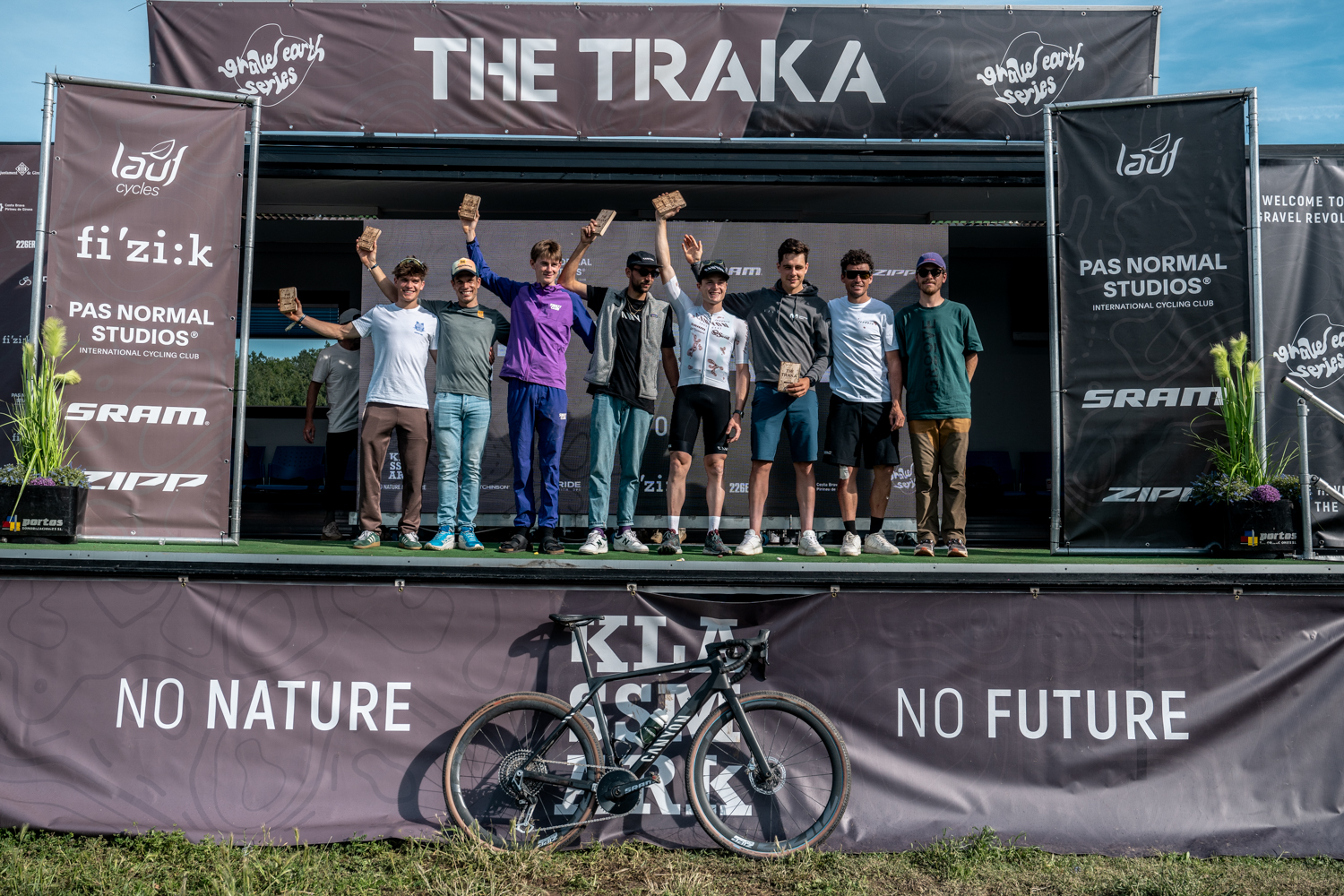
Sunday, May 4th, was the last day of The Traka week. Some riders were at the startline of the 100 km and 50 km races looking for a less-taxing day out, while others had already raced earlier in the week and wanted to make the most of their current shape. The mud finally turned into dust, and the vibe at the Parc de les Ribes del Ter was once again admirable.
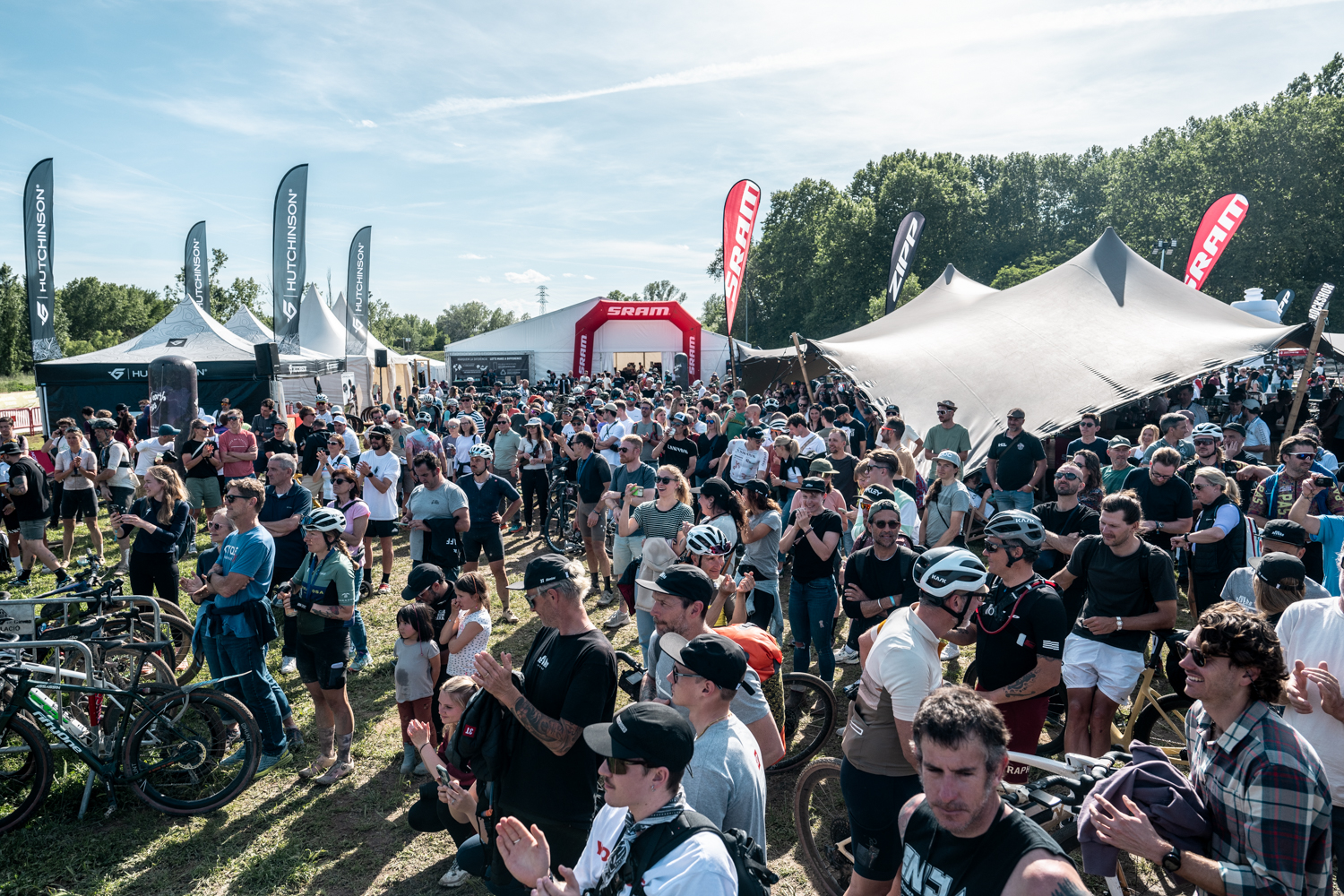
Alexis Brunel and Hugo Drechou, from Groove Gravel, arrived together at the finish line and decided with a rock, paper, scissors, who would cross the line as the winner of the 100 km male race. The female race was also a team affair as three riders of the professional road team SD Worx finished on the podium, with Marie Schreiber getting the win. The Germans Kathrin Hammes and Luis Neff won the women’s and men’s versions of the 50 km race, respectively. A completely different effort when compared to the longer distances of the event but a remarkable achievement nonetheless.
Over the following days, riders headed home with a smile on their face, ending their stay in Girona on a high after the uncertainty at the start of the week. This edition had its obstacles, but the organizers behind the biggest gravel event in Europe showed once again that their level is on par with the quality of the riders they persuaded to spend a great week in the Catalan region.

Javi es nuestro corresponsal en Bélgica, y trata de contrarrestar su obsesiva pasión por el análisis de datos con la relajante acción (o eso es lo que dice) de crear contenido para la revista. Javi is based in Belgium and tries to compensate for his obsessive passion for data analytics with the relaxing action (that's what he says) of creating content for the magazine. View all posts by Javi Angulo
 Javi Angulo
 Javi Angulo
 Javi Angulo
 Javi Angulo
 Javi Angulo
 Javi Angulo
 Pavel Novotný
 Pavel Novotný
 Javi Angulo
 Javi Angulo
 Javi Angulo
 Juliana Reis
Girona es una de esas regiones en las que no es necesario mirar la previsión meteorológica antes de salir en bici, porque normalmente se puede dar por hecho que el tiempo será favorable. Este no fue el caso durante la semana previa a The Traka 2024, y durante esos días corredores y organizadores miraron al cielo más que nunca.
Las circunstancias pusieron el evento en una situación difícil, ya que los 3.200 participantes inscritos de 77 nacionalidades distintas se enfrentaron a algunos obstáculos que no esperaban. Las marcas también habían invertido mucho dinero en The Traka, y había múltiples interrogantes en torno a las carreras y los eventos paralelos que se habían planificado para toda la semana.
Iba a ser una auténtica prueba de fuego para la carrera de gravel más grande de Europa, y requirió trabajo extra por parte de todos los responsables que garantizan que la prueba siga creciendo año tras año. Todos esos esfuerzos, junto con las condiciones climáticas favorables justo a tiempo para que comenzaran las carreras, permitieron que The Traka se llevara a cabo y pasara la prueba con gran éxito, estableciendo una infraestructura aún más sólida de cara a los años venideros.
La mayoría de las salidas de calentamiento y eventos paralelos fueron modificados o cancelados, pero la asistencia a cada uno de ellos fue notable. Por ejemplo, la cronoescalada organizada por Pas Normal Studios fue sustituida por una paella popular en la zona de salida, y la salida de Rapha x SRAM del martes fue en su lugar un evento en Casa Athletic en el que conocimos el proyecto Frodeno Fund y la gente del Team AMANI nos puso al día de las novedades del equipo.
Lugares tan conocidos como El Pont de Pedra o La Comuna fueron el punto de partida habitual de las decenas de rutas que se organizaban cada día ya fuera de forma organizada o esporádica, por lo que simplemente podías pasar a cualquier hora del día, sin importar el clima, y unirte a una de ellas. Varias tiendas de bicicletas estuvieron abiertas incluso el Día del Trabajador para atender las necesidades de los ciclistas que se preparaban para su evento, y muchos negocios locales no relacionados con el ciclismo acogieron con agrado la llegada de personas de todo el mundo.
Una de las novedades de este año fue la introducción de The Traka Adventure. El trazado original era muy prometedor, con un recorrido de 560 km y más de 10.000 m de desnivel positivo en el que los corredores se dirigían a los Pirineos y luego en dirección este hacia el Mediterráneo, antes de terminar de forma similar al recorrido de 360 km.
La salida estaba prevista para el miércoles 1 de mayo, pero durante los días previos llovió mucho. Era necesario y bienvenido dado el período de sequía que estaba experimentando la región, pero era de esperar que iba a truncar los planes de los 200 ciclistas que buscaban un evento de bikepacking de nivel introductorio.
Éramos una de las personas inscritas para esta aventura, por lo que seguimos de cerca los acontecimientos. Los organizadores estuvieron en contacto constante con los Servicios Meteorológicos y las autoridades locales, y todas las decisiones se tomaron de común acuerdo. El martes nos avisaron que inicialmente la salida se retrasaba un día y que el recorrido había sido modificado para evitar las zonas de alta montaña, donde la nieve fresca era un claro obstáculo para cualquiera que intentara pasar. Mientras nos preparábamos para la versión reprogramada, un correo electrónico confirmó que The Traka Adventure se canceló definitivamente y que, en su lugar, se nos permitía unirnos a The Traka 360.
Era hora de cambiar la configuración de nuestra bicicleta, ya que no necesitas el mismo setup si ya no planeas pasar una noche completa montando en bicicleta y puedes depender de las zonas de avituallamiento de The Traka 360 en lugar de ir en modo autosuficiente. Mantuvimos nuestra Tailfin Wedge Frame Bag, en la que guardaríamos todas las herramientas y alimentos, pero dejamos de lado la bolsa para el tubo superior y la bolsa para el tubo inferior.
También queremos destacar la valentía de todos aquellos que, a pesar de la cancelación de Traka Adventure, desafiaron el clima e hicieron el recorrido por su cuenta, con Quinda Verheul como gran ejemplo.
Después de tres días consecutivos de carga de carbohidratos, dos de ellos parados por las diferentes noticias que íbamos recibiendo, llegó el momento de hacer fila para el inicio de The Traka 360, junto a otros +850 participantes de todo el mundo. Originalmente prevista para las 6 de la mañana, la salida finalmente se dio una hora más tarde, dado que el recorrido también era un poco más corto (344 km) para evitar las partes no transitables. Todos estábamos con ganas, y el mensaje de Gerard justo antes de la salida fue realmente emotivo.
”Hoy es el día. Hoy es tu día. Un largo día. Respeta las montañas. Respeta la naturaleza. Bienvenidos a The Traka 2024” – Gerard Freixes, organizador de The Traka
Ya estábamos mentalizados, así que no nos sorprendió el nivel excepcionalmente alto de competición ni la cantidad de barro que tuvimos que afrontar. Los primeros 10 km fueron sobre asfalto, y cuando llegamos al primer tramo sin pavimentar ya estábamos ubicados en un grupo que rodaba al ritmo que considerábamos el adecuado. Era mejor estar delante del grupo, así podías elegir tu propia línea y mirar unos metros más adelante para evitar los diferentes charcos.
Una capa de barro cubrió nuestra bicicleta y nuestras piernas ya al final de la primera hora, y estamos contentos de haber traido con nosotros un poco de lubricante para silenciar los ruidos desagradables de una transmisión seca. Mientras los de delante pasaban por los avituallamientos al estilo F1, nosotros nos tomamos nuestro tiempo y retomamos el esfuerzo sólo después de que nuestro estómago estuviera lleno de la variada comida que los organizadores nos habían preparado.
Respecto a los lugares destacados del recorrido, aún recordamos el momento en que tuvimos a la vista los Pirineos nevados mientras circulábamos por un camino de gravel perfectamente liso. Más de las tres cuartas partes de la carrera transcurrieron sobre superficies sin pavimentar, algo muy difícil de encontrar en cualquier carrera de distancia similar. Consideramos que el mejor tramo fueron los 50 km que hicimos por el Massís de l’Albera, con una subida dura pero bonita seguida de unas vistas impresionantes del mar Mediterráneo y un bello descenso de vuelta al nivel del mar.
Ese tramo finalizaba en torno al km 160, y los siguientes 100 km hasta el último avituallamiento eran completamente llanos. Íbamos en dirección sur y había mucho viento en contra, por lo que era el momento perfecto para rodar en grupo. ¿Adivina qué? En ese momento estábamos completamente solos y perdimos años de vida empujando contra el viento y mirando hacia atrás cada dos minutos con la esperanza de que algún ciclista nos alcanzara.
Un oasis es algo típicamente asociado con el desierto, pero el último avituallamiento también fue un oasis para nosotros. Allí llenamos el estómago con un plato de arroz y nos sentamos durante dos minutos antes de afrontar la última gran subida del día, Les Gavarres.
Cuando llegamos a la cima, a falta de 70 km, Peter Stetina ya había cruzado la meta en Girona tras 11 horas, 42 minutos y 23 segundos de tiempo transcurrido, 17 segundos más rápido que Rob Britton. Chad Haga completaría un podio americano completo. Mattia De Marchi aspiraba a su cuarta victoria consecutiva, pero un problema mecánico frustró los sueños del ciclista de Enough CC.
Mientras intentábamos batir el atardecer, los mejores corredores comenzaron a poblar la meta tras sus impresionantes esfuerzos. Karolina Migon, la ciclista polaca del PAS Racing, consiguió la victoria por delante de la holandesa pero considerada semilocal Geerike Scheurs. En el grupo femenino las diferencias fueron mayores, ya que Karolina creó una diferencia de 20 minutos con la segunda durante el día y la mayoría de las corredoras llegaron con más de diez minutos de diferencia.
Llegó la noche y los fotógrafos se habían ido cuando llegamos a la meta, pero dadas las circunstancias de la carrera, llegar antes de las 22:00 horas puede considerarse un logro decente. Queríamos quedarnos en el lugar y esperar a que llegaran otros finishers, pero nuestros pies habían estado empapados durante todo el día y empezábamos a tener mucho frío. Muy meritorio lo conseguido por todos los que llegaron a Girona a altas horas de la noche con una sonrisa de oreja a oreja.
Mientras algunos corredores aún cubrían el último tramo de The Traka 360, otros ya estaban ocupando un lugar en la salida para la versión de 200 km de la carrera. No iba a ser tan larga, pero aún así iba a ser larga. No iba a estar tan embarrada, pero seguiría estando embarrada.
Una de las constantes fue el prestigio de los participantes. Algunos de los especialistas más en forma de la disciplina, junto con ciclistas profesionales de bicicleta de carretera y de montaña, ocuparon las primeras filas, esperando ansiosos la salida.
La primera parte de la carrera fue muy dura, acumulando más de 1.000 metros de desnivel positivo en los primeros 40 kilómetros. Los últimos 125 kilómetros fueron exactamente iguales al recorrido de Traka 360, pero incluso si los ciclistas afrontaron ese terreno ondulado con las piernas más frescas, todos tuvieron que apretar los dientes para llegar a la línea de meta.
Centrándonos en la carrera femenina, tres corredoras cumplieron las expectativas previas y rápidamente se distanciaron. La actual campeona Caroline Schiff, la prometedora Klara Sofie Skovgard y la underdog Morgan Aguirre estuvieron prácticamente juntas hasta el segundo tercio de la carrera, pero una caída de la ciclista estadounidense y la experiencia en carrera de la alemana decidieron el resultado. Caroline retuvo su corona, la danesa terminó segunda y Rosa Maria Kloser quedó tercera.
Esperando en el Parc de les Ribes del Ter a que llegaran los hombres, escuchamos que todavía quedaba un grupo numeroso en cabeza a falta de pocos kilómetros para el final, por lo que teníamos curiosidad por ver quién iba a aparecer en el horizonte en primera posición. Fue un grupo de tres corredores quienes iba a esprintar por la victoria, y entre ellos el más rápido fue Frederik Rassman, de Rose Racing Circle. Gerard fue a felicitarlo y entregarle una merecida botella de cava, pero poco después empezamos a oír rumores de una posible sanción porque recibió una mochila de hidratación fuera del avituallamiento, algo que no está permitido en The Traka.
La decisión fue tomada y Frederik recibió una sanción de cinco minutos, lo que lo dejó fuera del top 10 dado que los primeros llegaron con menos de 30 segundos de diferencia. Esto también significó que el segundo en cruzar la meta, Petr Vakoc, se llevaría la victoria de la carrera. Petr ya había ganado la general de Santa Vall a principios de año, lo que sumado a los recientes resultados conseguidos en Europa y Estados Unidos, le sitúan como el corredor a batir en las próximas carreras. Jasper Ockeloen y Johan Jacobs estuvieron a su lado en el podio, marcando un fin de semana perfecto para Canyon y sus corredores.
El domingo 4 de mayo fue el último día de la semana de The Traka. Algunos corredores estaban en la línea de salida de las carreras de 100 km y 50 km buscando un día menos agotador, mientras que otros ya habían corrido en días anteriores y querían aprovechar al máximo su forma actual. El barro finalmente se convirtió en polvo y el ambiente en el Parc de les Ribes del Ter volvió a ser admirable.
Alexis Brunel y Hugo Drechou, del Groove Gravel, llegaron juntos a la meta y decidieron con un piedra, papel y tijeras quién cruzaría primero como ganador de la carrera de 100 km masculina. La carrera femenina también fue cosa de un solo, ya que tres ciclistas del equipo profesional de ruta SD Worx subieron al podio y Marie Schreiber se llevó la victoria. Los alemanes Kathrin Hammes y Luis Neff ganaron las versiones femenina y masculina de la carrera de 50 km, respectivamente. Un esfuerzo completamente diferente en comparación con las distancias más largas del evento, pero aun así un logro notable.
Durante los días siguientes, los corredores regresaron a casa con una sonrisa en la cara, cerrando con broche de oro su estancia en Girona tras la incertidumbre del inicio de semana. Esta edición tuvo sus obstáculos, pero los organizadores de la mayor prueba de gravel de Europa demostraron una vez más que su nivel está a la altura de la calidad de los corredores a los que convencieron para pasar una gran semana en la región catalana.
Javi es nuestro corresponsal en Bélgica, y trata de contrarrestar su obsesiva pasión por el análisis de datos con la relajante acción (o eso es lo que dice) de crear contenido para la revista. Javi is based in Belgium and tries to compensate for his obsessive passion for data analytics with the relaxing action (that's what he says) of creating content for the magazine. View all posts by Javi Angulo
Receive our monthly selection of the best articles, news, exclusive content and giveaways only for subscribers, subscribe to OUR NEWSLETTER
Receive our monthly selection of the best articles, news, exclusive content and giveaways only for subscribers, subscribe to OUR NEWSLETTER
Receive our monthly selection of the best articles, news, exclusive content and giveaways only for subscribers, subscribe to OUR NEWSLETTER
Receive our monthly selection of the best articles, news, exclusive content and giveaways only for subscribers, subscribe to OUR NEWSLETTER