- News
- Reviews
- Travel & Adventure
- Interviews
- Inside Industry Players
- Community
Bikes
Reviews
Components
Reviews
Cycling
Apparel

[raw_mobile_menu]
[wpml_language_switcher_down]


The eyes don’t only look. The eyes tell. They speak for themselves. They never lie. In the midst of a pandemic, where masks have become a basic before going outside, the gaze has become even more important.
The eyes of the 26-year-old American don’t lie. His passion for the bike is at the same level as his passion for life. Without false pretensions, Sepp Kuss is getting ready for his fourth season in the Pro Tour.
Surrounded by the best in the world, he’s still learning without forgetting that, 3 years and a half ago, he was still competing as a semi-professional in his hometown.
His roots already foreshadowed an idyll within the sports world. Son of the US Olympic ski team coach, but it was his mother the one that introduced him to the world of cycling. As a publicist graduate, and quoting David Ogilvy, he knows that “Where people aren’t having any fun, they seldom produce good work”. And that’s what motivated him every day. Something as simple as a gaze. Having fun.


Let’s go to the beginning of everything, Sepp. Who are you and where do you come from?
I was born and raised in Durango, Colorado, there it’s normal to do every sport. For me, I grew up skiing, mountain biking in the summers, kayaking, rock climbing, everything. Until I was about 17 skiing was my main sport and I used cycling in the offseason just to stay in shape. As years went on I realized that the time I was spending on the bike was more enjoyable for me than the time I was spending on the skis, so then I decided I wanted to focus more on cycling, which was mountain biking at that point, and yeah, it went from there.
When did road cycling begin then?
Even when I was mountain biking I was interested in watching road races, but I never had any opportunities to start road racing on teams or things like that, and then when I went to university, in Boulder, it’s more of a road biking town compared to Durango so, there I was more exposed to the road biking scene and that’s when I had more opportunities to try road biking on amateur teams.
Let’s talk about your university years. In what major did you graduate?
In advertising.
How many languages do you speak, by the way?
English and Spanish and a very little bit of German, and a few words in Dutch of course.
Was it difficult to manage studying and cycling?
At the time I didn’t think about it too much because I never imagined being a professional, and I enjoyed having both lives and for me the time I spent in university was the highlight of my life, doing different things, meeting a lot of people, having a lot of fun… but like I said, it was different because I never had my mind switched on cycling so much. It was my passion, I loved cycling but I never said “I can’t go out to this party this weekend because I have to train” it was like, whatever I don’t care, I was just enjoying life and cycling was part of that and being a normal human being was also a part of it too.
[sc name=”postads1″]
Then, at what point do you realize that cycling could become your job?
I think when I started with Rally Cycling Team, before that I had a few decent results in amateur races and they signed me. And immediately with them, I progressed really fast and I thought, “okay maybe there’s some talent here that I should pursue”.
Did you have any idols or referents at that time that you looked up to?
For me, they were mostly from Mountain Biking, on the road I guess at that time I didn’t really trust it. It was another time but I was always entertained by them.
Maybe that’s why you were not afraid of anybody in the bunch.
Yeah. I enjoyed the history of cycling and I like knowing about the different races, different climbs… and in terms of the riders I have respect for the big riders. But at the same time, everybody is trying to do their job and do their best. Everybody is only human.
Let’s go back three years. California Tour of 2017. There, something changed for you, isn’t it?
Looking back at that point I really didn’t know much about road racing, how to really race, how to move into the bunch, the tactics… In that stage I won, there were 10 guys left and I was still there, with all the big names like Majka, Gesink, Bennett, and I realized “What am I doing here?” After that I thought “Maybe I should keep pursuing this because I can be with some of the best guys”.
You didn’t know how to race, how to move, so what was that learning process like?
It was just learning from people that are more experienced, not being afraid to ask questions, always looking after every day “What did I do wrong?” “How do you do this?” I was never afraid of asking the silly questions that somebody that had been racing for 10, 20 years would be obvious to. I would be like “How do you get bottles from the car?” or “How do you ride in the crosswinds?” Things that I didn’t learn when I was young.
And suddenly, the Jumbo-Visma Team appears. How do you remember that change?
For them, cycling is a religion and you can see it in the way they race, they always know where to be in the bunch, they know how to handle the wind… for them it’s more of a way of life than it was for me growing up, so being on a dutch team is one of the best teams to learn on because they know all the little things that make a big difference in cycling. And they are really easy people to speak with and they are honest people that you can get advice from.

Let’s jump to 2018, Tour of Utah. That’s where we all met you… Were you expecting the level you achieved there?
Not so much, because at the beginning of that year I was struggling so much in my first year in the World Tour and I was okay mentally but the races were too hard physically for me. I came back home, to Colorado, for a few months and I trained really, really hard. I knew Utah would be a perfect race for me because it’s at high altitude, it’s not quite as nervous as the ones in Europe, so it suits me a bit better. After the second stage that I won, I felt really amazing, so that was a unique experience because when you have that much confidence it’s a really nice feeling.
And with that famous celebration, that you don’t see much in road cycling…
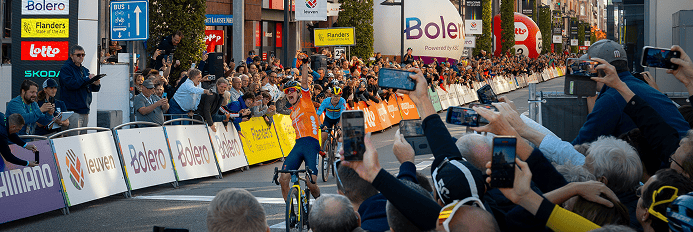
Yeah, it’s one of the great things about cycling, it’s such an interactive sport and the fans can be so close to the riders. My best memories of racing in Spain, for example, are the fans, how excited they are on the climbs, you hear this noise around you all the time, it’s special, and you think “All these people are here to encourage us”.
Let’s talk about climbing. Is it genetic or is it something you’ve worked on?
First of all you have to enjoy it. It’s kind of a pain but it’s also a flow, some people don’t find the flow when they are climbing. For me, I think it’s special when you’re the first on top of a big climb or a mountain, and that is something that gives me the motivation to climb.
The previous moment to the attack, those first meters attacking. Can you explain it in words?
It’s difficult. It’s a feeling. It’s kind of a gamble, you have to know when it’s the right moment but that is also what separates the people that win the races from those that don’t. They have the instinct. It’s adrenaline, and you have to reassure yourself that you have to keep going, because if you hesitate then you can’t make the gap, so you have to commit. It’s always in your mind and you have to convince yourself “They can’t catch me, they can’t catch me”. If you look back and you only put 80% then maybe it’s not enough.
Let’s talk about the present. Do you feel like this is an important year for you? Let’s talk about your 2021 plans.
As a starting point it’s a good area to see how I handle the idea of going for the GC and later in the year maybe in La Vuelta I’ll have more chances. But I don’t think I need to be going to a race where I’m the only leader. As long as I have the opportunity to try, that’s enough for me.
What do you think you should improve to get to the GC?
I think the TT is the most workable aspect just because I hadn’t worked on it that much before, but there’s a lot I can do to improve just a little bit and if I can have it be less of a weakness then that’s great. Also just handling every day, making sure I’m not caught behind gaps and just managing the stress of the stages where you have to be really focused… I think every year I get better at that.
If you talk about getting into the GC there are a lot of names that you have to fight against. How do you see cycling in the future? The Pogacar, Evenepoel, Van der Poel, Bernal, Van Aert…
Now the training and everything is so advanced that young riders that are 18- 20 years old can already be at such a high level. Every year from now on it’ll keep going like that, with riders that instantly make an impact. We also don’t know how much room for improvement they have from where they are now. There are so many young riders that don’t have fear of attacking.


If we look back on 2020, it has probably been one of the weirdest years for everyone. How has it been for you?
For me, it was okay because I didn’t worry so much about racing or training super specifically, I just rode because I like riding. It was definitely unpredictable because you put in the training but you don’t know for certain if all the hard work you’re doing will be worth it in the end. For example a week before the tour they could say, “sorry we can’t do the race” and all the sacrifice you made, it’s not for nothing, but it’s not for the race. But just because we weren’t racing I wouldn’t take a year off of training just as hard.
This year it must have been difficult to race without an audience…
It goes both ways, in a way, it’s nice to have peace and quiet so you can concentrate and there are not people running dangerously on the road and you always have space to ride. But at the same time, it takes away that emotion of the race and they definitely give you an energy boost. Overall I would rather have more fans than less.
Let me ask you about 2020, about the last dinner in France after what happened with Primoz and Tadej. How do you remember it?
It was interesting because we were satisfied with what we had done but it was also a different feeling because in all our minds we imagined it differently. And you never convince yourself completely that you will win. When everything is going your way you can at least start to think about it. That makes it a bit of a strange thing.
If somebody looks at your Strava profile, they will see that you try to avoid main roads. Is that something you plan ahead of?
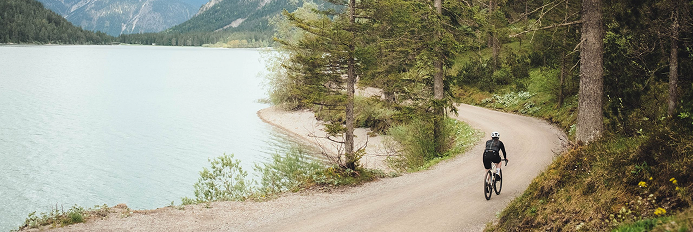
I like to explore whenever I can, if I have a long ride I always wanna go somewhere completely different, to go to the furthest point possible. I like to get out of my comfort zone and try the hardest climb I can in the area. It makes the ride go by so much faster when you go somewhere completely different and get lost, in a good way.
If your Durango friends came here, what zone you usually ride would you suggest to ride?
I really like riding in the Berguedà area, it’s a really beautiful area, you can see all these really small towns tucked away in the mountains, in the hills, it’s really nice. But overall anywhere in Catalonia is really beautiful because there are so many hidden areas, it’s really diverse.
Let me ask you about your new Cervélo. First impressions, sensations…
It’s really stiff, you feel the power go forward and with the disk brakes they made a bike that’s light. I really like how it handles the descends, it’s a really stable bike but not slow. I like bikes where you feel every movement but it’s also secure.


Do you have any strange habits, some personalization in the bike? Something special?
I’m quite normal. I have a bad habit of adjusting my saddle position a lot. This year I need to find my position and stick to it. In a race, your muscles are always changing. Sometimes my body feels completely different than another day.
I read in a magazine a sentence that was “The cyclist who eats burgers”. Is that true? Or do you have a special diet?
Nothing too special. I really like food and I will never say “I’m in the season I can’t eat cake” or “I can’t have a beer”. Everything in moderation. After a race, I will have a beer just to relax and get some carbs in. Nothing is forbidden. If we have the team chef I can get the right amount of everything in, but at home I just enjoy eating like a normal person.
Last one. How do you see yourself 10 years from now?
(Thinks) I will be 36… as things are going now I hope to still be cycling as a pro, or not, either way, I’ll always be riding a bike in some way. Hopefully, I can still have the same motivation, otherwise, it’s too hard of a sport to keep pushing. Hopefully, at that point, I can look back and be happy with what I’ve achieved or what I’ve done, not necessarily only in results, but experiences and living the life I guess. It’s a nice job, a nice way of life.


Periodista deportivo, apasionado de su trabajo y, como no, adicto al ciclismo. Siempre aportando nuevas propuestas e ideas y buscando entrevistas con grandes monumentos del deporte. Sports journalist, passionate about his work and, of course, cycling addict. Alex is always contributing to new proposals and ideas and looking for interviews with great sports people. View all posts by Alex Lebrón

 Toni de la Torre
Los ojos no solo miran. Dicen cosas. Hablan por sí solos. Nunca mienten. En tiempos de pandemia, con las mascarillas convertidas en un básico antes de salir de casa, la mirada ha ganado todavía más relevancia.
Los ojos de este joven americano de 26 años, no pueden ser más transparentes. Su pasión por las dos ruedas es equivalente a la que tiene por la vida. Sin dobleces, sin intenciones interesadas, Sepp Kuss se prepara para su cuarta temporada en el pelotón profesional.
Rodeado de los mejores del mundo, sigue con su proceso de aprendizaje sin olvidar que, hace apenas 3 años y medio, todavía corría como semiprofesional en su tierra natal.
Sus raíces ya hacían presagiar un idilio con el mundo del deporte. Hijo del seleccionador estadounidense de esquí olímpico, su madre fue quien realmente le introdujo en el mundo del ciclismo. Como buen graduado en publicidad, y parafraseando a David Ogilvy, sabe que “sin diversión no se puede producir buena publicidad”. Y eso, es lo que le mueve a diario. Un acto tan puro como una mirada. La diversión.
Vayamos al principio de todo, Sepp, ¿quién eres y de dónde vienes?
Soy un chico de Durango, Colorado, una zona donde se practican muchos deportes y yo no fui ajeno a ello. Crecí haciendo esquí en invierno, bicicleta de montaña en verano, así como kayak o escalada. Cuando tenía 17, el esquí era el deporte que practicaba principalmente y el ciclismo se limitaba a ser un deporte que realizaba fuera de temporada. El tiempo pasó y me di cuenta de que disfrutaba más sobre la bicicleta que sobre los esquís y es cuando decidí centrarme más en el ciclismo. Me focalicé más en el ciclismo de montaña, es cierto. Así fueron mis inicios.
¿Cuándo llegó el ciclismo de carretera entonces?
Siempre estuve interesado en el ciclismo de carretera, pero no había tenido la oportunidad de estar metido en un equipo y trabajar en ello de verdad. Una vez llegué a la universidad, en Boulder, todo cambió. Boulder es una ciudad donde el ciclismo de carretera es más popular que en mi Durango natal. Ahí estaba más expuesto al mundo de la carretera, así que lo probé en ese momento.
Paremos en tu época universitaria. ¿Qué estudiaste?
Me gradué en publicidad.
¿Cuántas lenguas hablas, por cierto?
Inglés, español, algo de alemán y obviamente algunas palabras en holandés.
¿Fue difícil compaginar tus estudios con el ciclismo?
En ese momento, ni imaginaba el hecho de llegar a ser profesional. Simplemente disfrutaba. Estar en la universidad fue una gran época, conocer a tanta gente, tan diferente… amaba el ciclismo, pero nunca me dije “no puedo ir a esta fiesta el fin de semana, porque tengo que entrenar”, no me importaba. Solo quería disfrutar de la vida y el ciclismo formaba parte de ello.
[sc name=”postads1″]
Entonces, ¿en qué momento te das cuenta de que el ciclismo podría convertirse en tu trabajo?
Cuando empecé en el equipo Rally Cycling. Había tenido algunos buenos resultados como amateur y me ficharon. Progresé muy rápido, sinceramente, y ahí pensé: “quizás tengo un talento que debo explotar”.
¿Tenías ídolos o referentes en ese momento en los que fijarte?
Mis referentes tenían que ver con el ciclismo de montaña. Disfrutaba del ciclismo de carretera, pero era difícil de creer. Eran otros tiempos, era difícil…
Quizás eso ha hecho que no le tengas miedo a nadie en el pelotón.
Seguro. Disfruté y disfruto al saber grandes historias del ciclismo, me gusta conocer las carreras, los puertos y tengo un gran respeto por los grandes ciclistas del pelotón, pero todos intentamos hacer nuestro trabajo lo mejor posible y al final del día, todos somos iguales. Todos somos humanos.
Vayamos tan solo tres años para atrás. Tour de California 2017. Ahí cambió algo para ti, ¿cierto?
Fue un momento muy especial. No sabía apenas como correr, como moverme en el pelotón, qué táctica seguir… Recuerdo que quedábamos 10 corredores, gente como Majka, Gesink, Bennett y me decía a mí mismo “¿qué estoy haciendo aquí?”. Tras ese día pensé “quizás debería seguir trabajando en esto, porque puedo estar con los mejores.”
Dices que no sabías cómo correr, cómo moverte, ¿cómo fue ese proceso de aprendizaje?
Simplemente aprendí de gente mejor que yo, pero tenía claro que debía preguntar. Preguntar sin miedo cómo hacer las cosas. Para gente con diez o doce años de experiencia, eran cosas obvias, pero no para mí. Cosas como bajar a buscar bidones al coche, como correr con abanicos, entre otras.
Y de repente, aparece el equipo Jumbo-Visma. ¿Cómo recuerdas aquel cambio?
Para ellos, el ciclismo es una religión. Lo puedes ver en la forma en la que corren, en cómo se mueven… es una forma de vida. Llegar a un equipo holandés es lo mejor que te puede pasar para aprender. Además, son gente muy fácil en el trato, muy honesta.
Saltemos a 2018, Tour of Utah. Ahí te conocimos todos, ¿esperabas ese rendimiento?
A ese nivel, no. Desde principio de temporada estaba sufriendo muchísimo en todas las carreras. Era mi primer año en el World Tour y noté muchísimo el cambio. Recuerdo que volví a casa y entrené muchísimo. Entrené muy duro. Sabía que el Tour of Utah era una carrera perfecta para mí, por la altitud, por ser una carrera menos nerviosa que en Europa. Tras la etapa que gané, sentí algo único, sentí muchísima confianza en mí mismo.
Y con aquella famosa celebración, que no se ve demasiado en ciclismo de carretera…
Sí, es una de las cosas que más me gustan del ciclismo. La interacción con el aficionado, pueden estar muy cerca del corredor. Mis mejores recuerdos, por ejemplo, son al correr en España. Ese ruido de los fans en los puertos es muy especial y piensas “esta gente ha venido a darnos su apoyo”.
Hablemos del oficio del escalador. ¿Es algo genético, has trabajado en ello?
Lo primero que debes hacer es disfrutarlo. Hay que encontrar el “flow” en cada puerto y mucha gente no lo consigue. Para mí, el hecho de llegar el primero arriba es lo que me mueve. Lo que me motiva.
Háblame del momento previo al ataque, de esos primeros metros atacando. ¿Se puede explicar con palabras?
Es difícil. Tienes que sentir el momento, es una especie de juego. Tienes que saber cuando es el momento correcto y eso es lo que diferencia al ganador del resto. Tener ese instinto para salir en el momento idóneo. El momento del ataque es una mezcla de adrenalina y una conversación contigo mismo. Hay un instante en el que si dudas, no abres el hueco. Te debes convencer de que no te pueden atrapar. Es una especie de diálogo contigo mismo de que si miras atrás y das el 80% no va a ser suficiente.
Vayamos al presente. ¿Sientes que es un año importante para ti? ¿Qué tienes en mente?
El punto de partida es ver como me desarrollo peleando por la clasificación general y a partir de ahí, si todo va bien, La Vuelta puede ser un buen objetivo. Lo que tengo claro es que no debo ir como único líder, ya que así tendremos más oportunidades.
¿En qué crees que debes mejorar para optar a una clasificación general?
Posiblemente la contrarreloj sea el ámbito en el que tengo más margen de mejora y donde más puedo trabajar. Si consigo ser menos vulnerable en ese aspecto, será un gran paso. Hay otros aspectos, como estar todos los días concentrado, correr bien situado, etc.
Si hablamos de optar a una general, hay muchos nombres con los que tendrás que pelear. ¿Cómo ves el ciclismo del futuro? Los Pogacar, Evenepoel, Van der Poel, Bernal, Van Aert…
Creo que el ciclismo ha cambiado y ahora hay ciclistas con 18 o 20 años que ya están a un nivel altísimo. Cada año que pase va a ser así. Lo que no sabemos es cuánto margen de mejora van a tener a partir de ahora, pero es cierto que ahora los corredores más jóvenes no tienen miedo a atacar.
Si le pegamos un vistazo al pasado 2020, seguramente haya sido el año más extraño para todos. ¿Cómo ha sido para ti?
Yo lo he llevado bien, sinceramente. Me centré en disfrutar sobre la bicicleta. Me encanta salir en bicicleta, así que hice eso. No podía pensar demasiado en las carreras, porque no estaba nada claro. Es cierto que las carreras luego han sido muy impredecibles, porque nadie sabía realmente cómo estaba físicamente.
Habrá sido difícil este año correr sin público…
Mucho. Lo cierto es que tiene dos puntos de vista. Por un lado, el hecho de correr sin ese ruido, sin gente corriendo por las carreteras te ayuda a concentrarte, pero le quita mucha emoción a la carrera y ese extra, ese subidón de adrenalina que te dan. Si lo pones en una balanza, prefiero que haya gente, claro.
Hablando de 2020, déjame preguntarte por la última cena en Francia tras lo sucedido con Primoz y Tadej. ¿Cómo la recuerdas?
Es interesante. Por un lado estábamos satisfechos porque lo habíamos dado todo, pero por otro lado fue duro. Todos nos imaginábamos otro tipo de cena. Es cierto que nadie dentro del equipo daba por hecho que estaba ganado, pero cuando todo ha ido tan bien, inevitablemente piensas en ello. Fue extraño, la verdad.
Si uno investiga en tu cuenta de Strava verá que intentas evitar las carreteras principales. ¿Es algo que planeas?
Sí, siempre que salgo a entrenar intento explorar nuevas zonas e intento visitar sitios en los que nunca he estado. Me gusta salir de mi zona de confort y buscar el lugar más lejano posible o el puerto más duro de la zona, por ejemplo. Eso hace que un entreno largo se pase más rápido y que si te pierdes, sea incluso divertido.
Si viniesen tus amigos de Durango, ¿qué zona de las que frecuentas les recomendarías para salir?
En Catalunya hay muchísimas zonas impresionantes, que apenas se conocen, que están prácticamente escondidas, pero quizás me quedo con el Berguedà. He entrenado mucho ahí y hay puertos preciosos y pueblos pequeños con mucho encanto.
Déjame preguntarte por tu nueva Cervélo. Las primeras impresiones, sensaciones…
En estas primeras semanas he notado su rigidez. Notas como toda la potencia que aplicas hace que la bicicleta corra. Pese a los frenos de disco, no ha perdido ligereza. Me encanta como baja, porque es muy estable, pero no por eso lenta. Me siento muy seguro bajando.
Tienes alguna manía, alguna personalización en la bicicleta… ¿algo especial?
Soy bastante normal, la verdad. Lo único especial es que voy regulando la altura del sillín a lo largo de la temporada, incluso durante una vuelta por etapas. Muchas veces noto que mi cuerpo y mis músculos van cambiando, tengo esa sensación, así que voy regulando la altura del sillín.
Leía en una entrevista un titular que decía “El ciclista que come hamburguesas”. ¿Es cierto?
Sí, pero como de todo. Eso sí, con moderación. Si fuese por mí, me tomaría una cerveza después de cada entrenamiento y un buen plato de carbohidratos. Durante las carreras, con los cocineros del equipo, sí cuido más lo que como, pero en casa no tengo nada prohibido.
La última: ¿Cómo te imaginas en 10 años?
(Piensa) Es muchísimo. Tendré 36 años, y tal y como me están yendo las cosas, espero seguir corriendo. Ojalá tenga la motivación para correr. Sin motivación este es un deporte muy duro. Lo que quiero poder mirar atrás y estar feliz con lo conseguido. Y no hablo de resultados, hablo de experiencias y vivencias. Quiero vivir la vida y disfrutar de este trabajo que es mi forma de vida.
Periodista deportivo, apasionado de su trabajo y, como no, adicto al ciclismo. Siempre aportando nuevas propuestas e ideas y buscando entrevistas con grandes monumentos del deporte. Sports journalist, passionate about his work and, of course, cycling addict. Alex is always contributing to new proposals and ideas and looking for interviews with great sports people. View all posts by Alex Lebrón
Receive our monthly selection of the best articles, news, exclusive content and giveaways only for subscribers, subscribe to OUR NEWSLETTER
Receive our monthly selection of the best articles, news, exclusive content and giveaways only for subscribers, subscribe to OUR NEWSLETTER
Receive our monthly selection of the best articles, news, exclusive content and giveaways only for subscribers, subscribe to OUR NEWSLETTER
Receive our monthly selection of the best articles, news, exclusive content and giveaways only for subscribers, subscribe to OUR NEWSLETTER