- News
- Reviews
- Travel & Adventure
- Interviews
- Inside Industry Players
- Community
Bikes
Reviews
Components
Reviews
Cycling
Apparel


[raw_mobile_menu]
[wpml_language_switcher_down]

Santa Vall was originally a mountain bike one-day race called Gironès MTB Challenge, with local riders and some international figures ripping the singletracks around Sant Gregori, Catalonia. In 2021 gravel came into the picture, and that year the event organized two different races in parallel to accommodate those willing to discover this alternative version of cycling, but also the ones loyal to flat bars. They coexisted until last year, but in 2024 it was all about gravel.
In the same way that road racers say that there are no longer warm-up races on the calendar, we could also see that riders from all over the world arrived to Sant Gregori in top shape and willing to show their skills already in what was the first race of the year for most of them. No place to hide if you didn’t do your homework during winter.
More than 400 participants from all over the world lined up last Friday, February 16th, for the first of the three stages of the event. The format was new as, in addition to the timed segments stage of the previous year, a hill climb kickstarted the weekend, and a mass start circular loop stage wrapped things up.
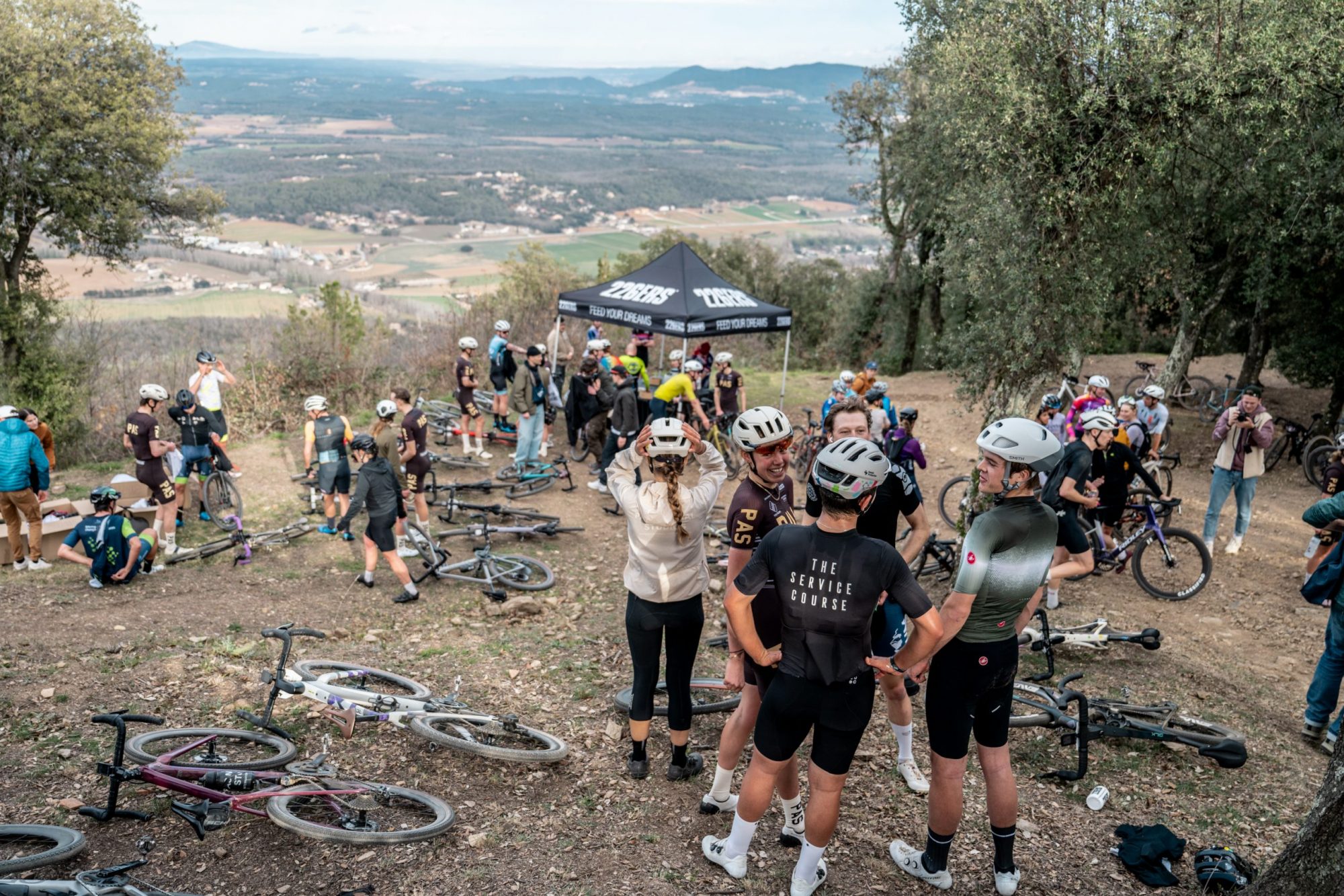
Multi-day races are cool because they allow you to spend more time with fellow participants. The basecamp in Sant Gregori also was the perfect setting to spend a lengthy amount of time after each stage debriefing what happened while stuffing your belly with the varied available food and drinks.
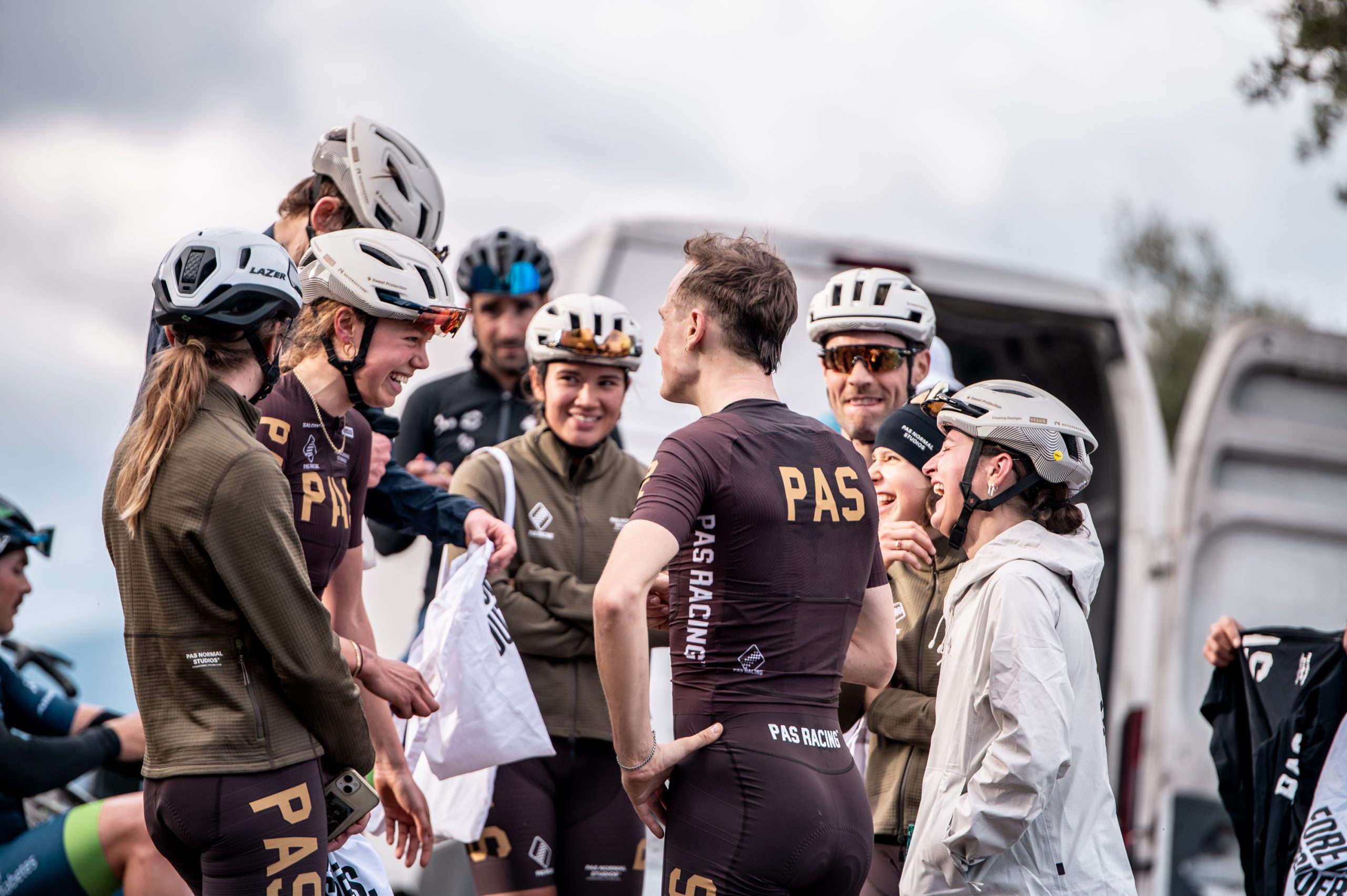
We checked the registration list beforehand so we were already aware of the world-class riders that would battle for the overall win, but seeing them together on the startline was still impressive. From the women’s side, we first focused on the presence of current Unbound winner Carolin Schiff and top international riders like Annabel Fisher and Amity Rockwell. Nonetheless, some underdogs would eclipse them and put their own names in the word of mouth of gravel enthusiasts. Regarding the men, let’s simply name a few of the starters so you can get an idea of the overall level: Mattia De Marchi, Jasper Ockeloen, Payson McElveen, Petr Vakoc, Hans Becking.
A short but steep hill climb started things off. 6,3 kilometers including 362 meters of elevation gain separated the start in Sant Gregori from the top of Sant Grau. Even if selected riders had their own starting slot, positioning during the initial couple of kilometers on tarmac before hitting the off-road section was key. It was a hectic, cyclocross-style start rather than a chill one.
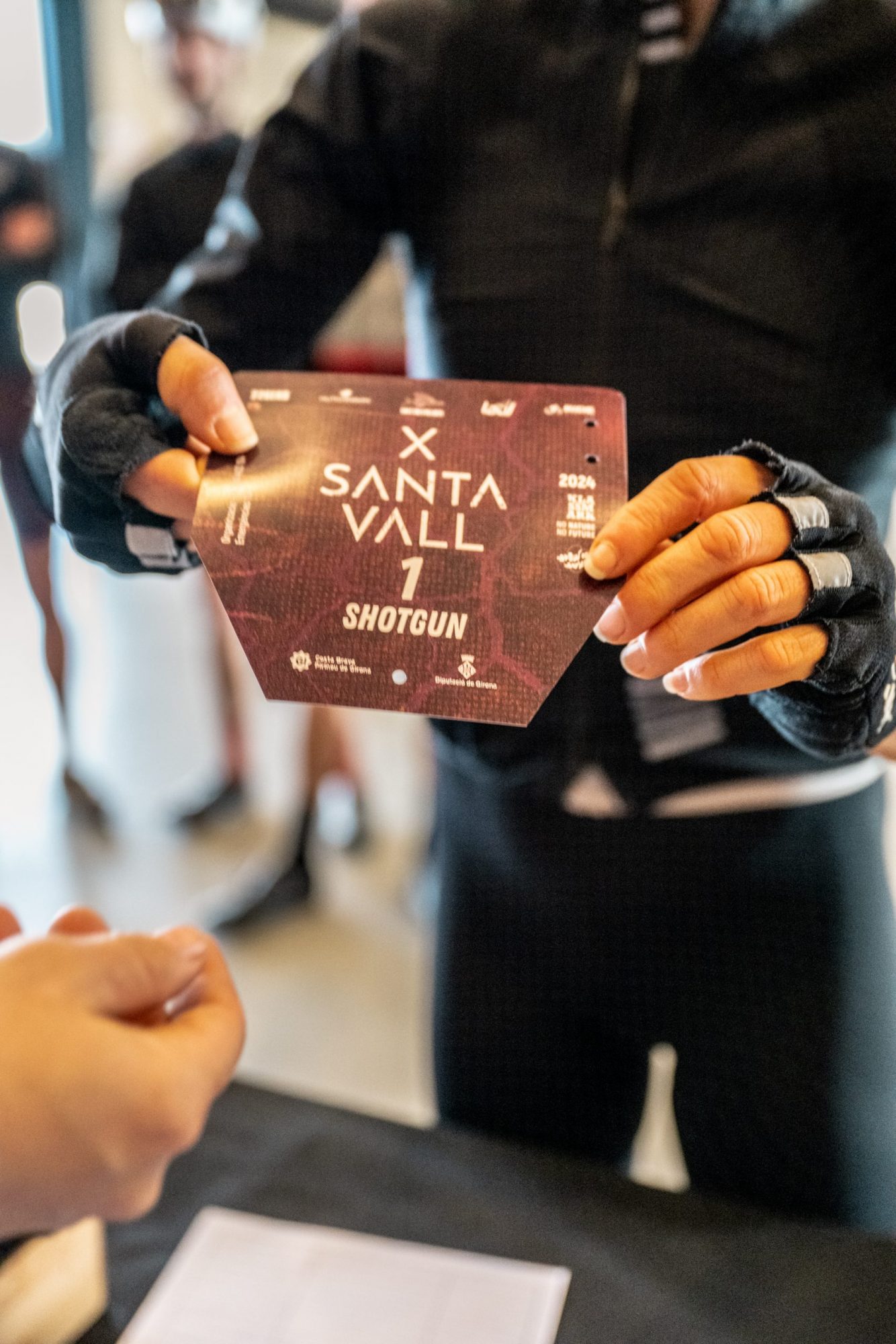
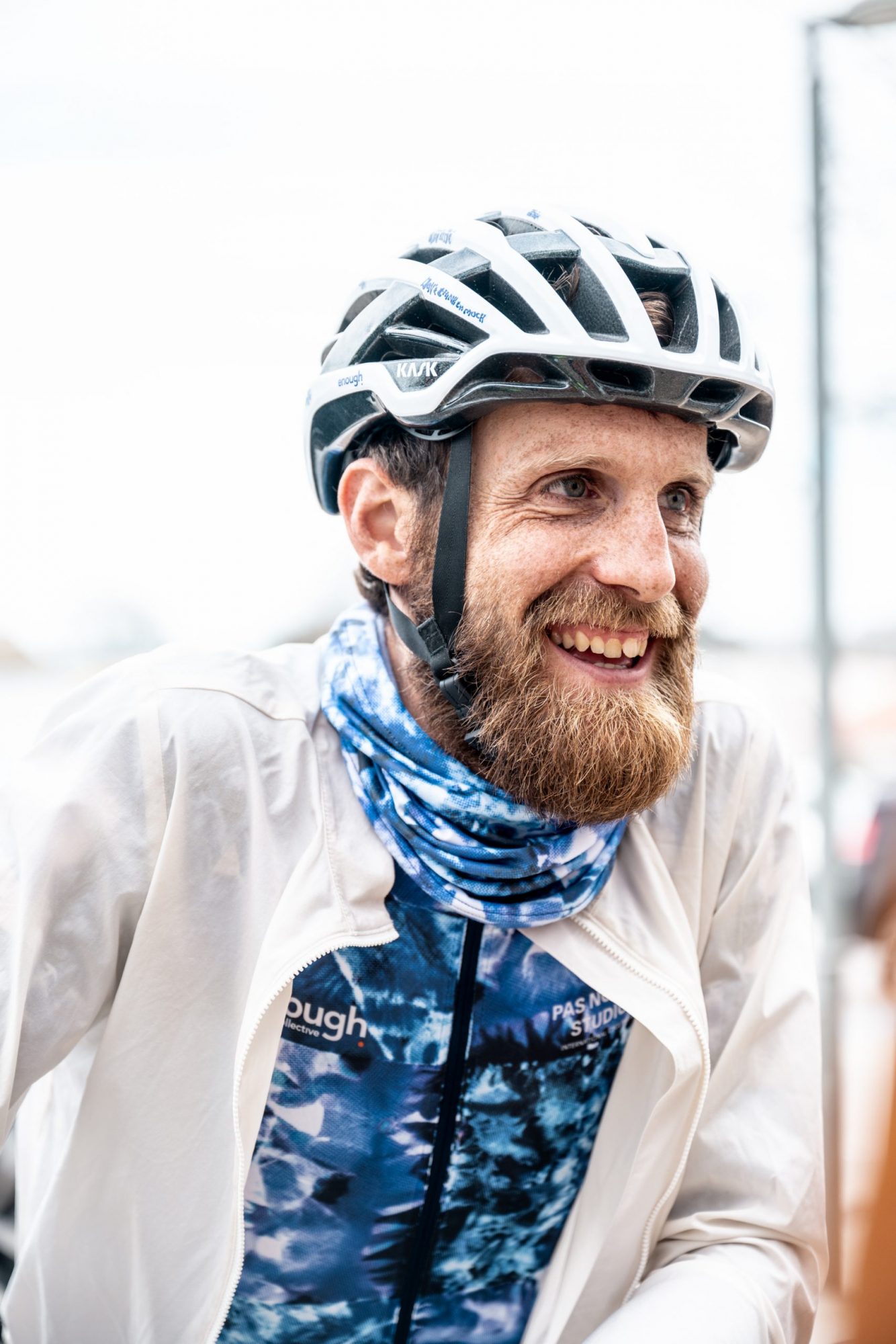
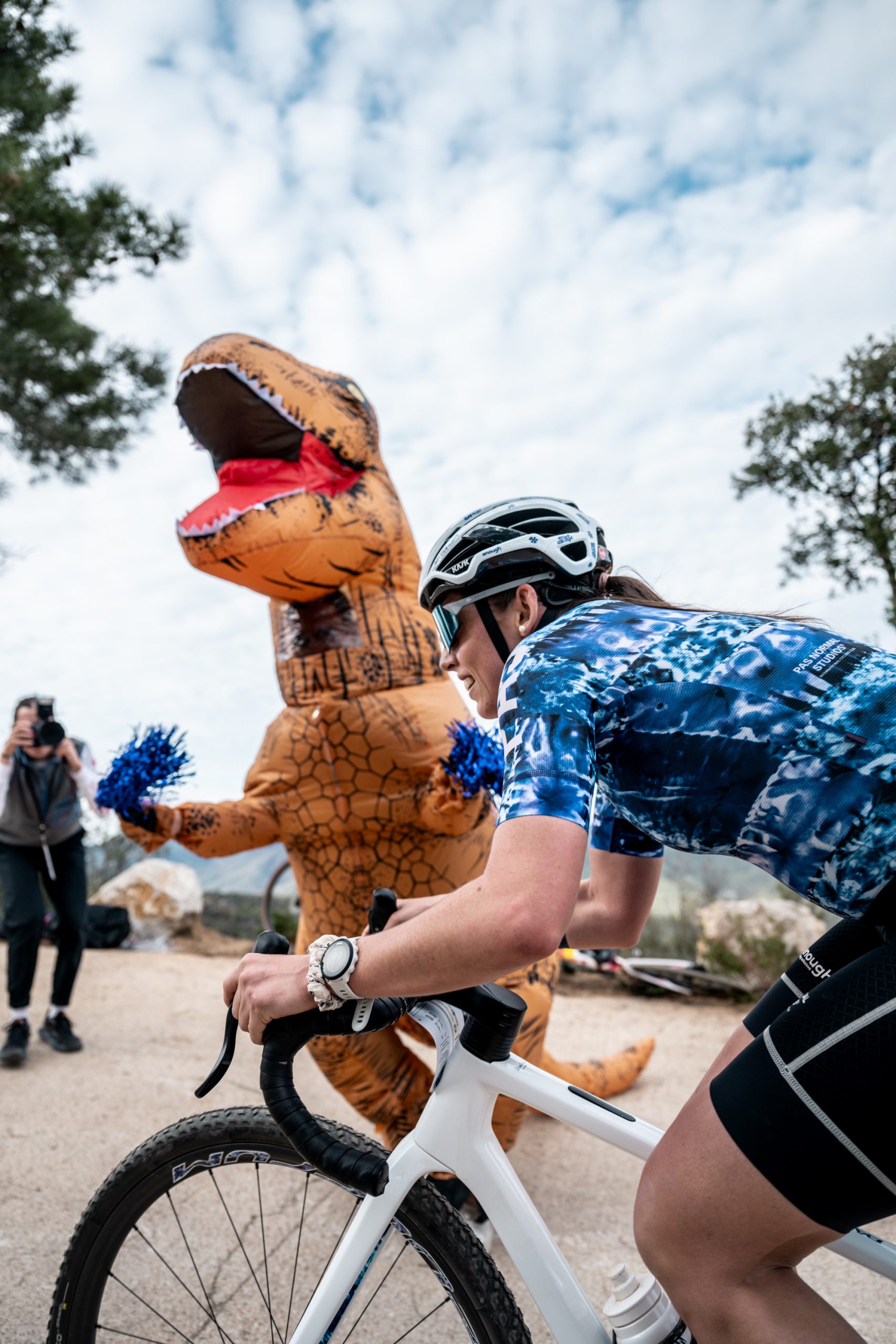
The climb was far from constant, making it hard to maintain a specific power output. Riders tackled on their way to the top some extremely steep slopes and a technical rocky finish, so the finish line was a spectacle of exhaustion faces.
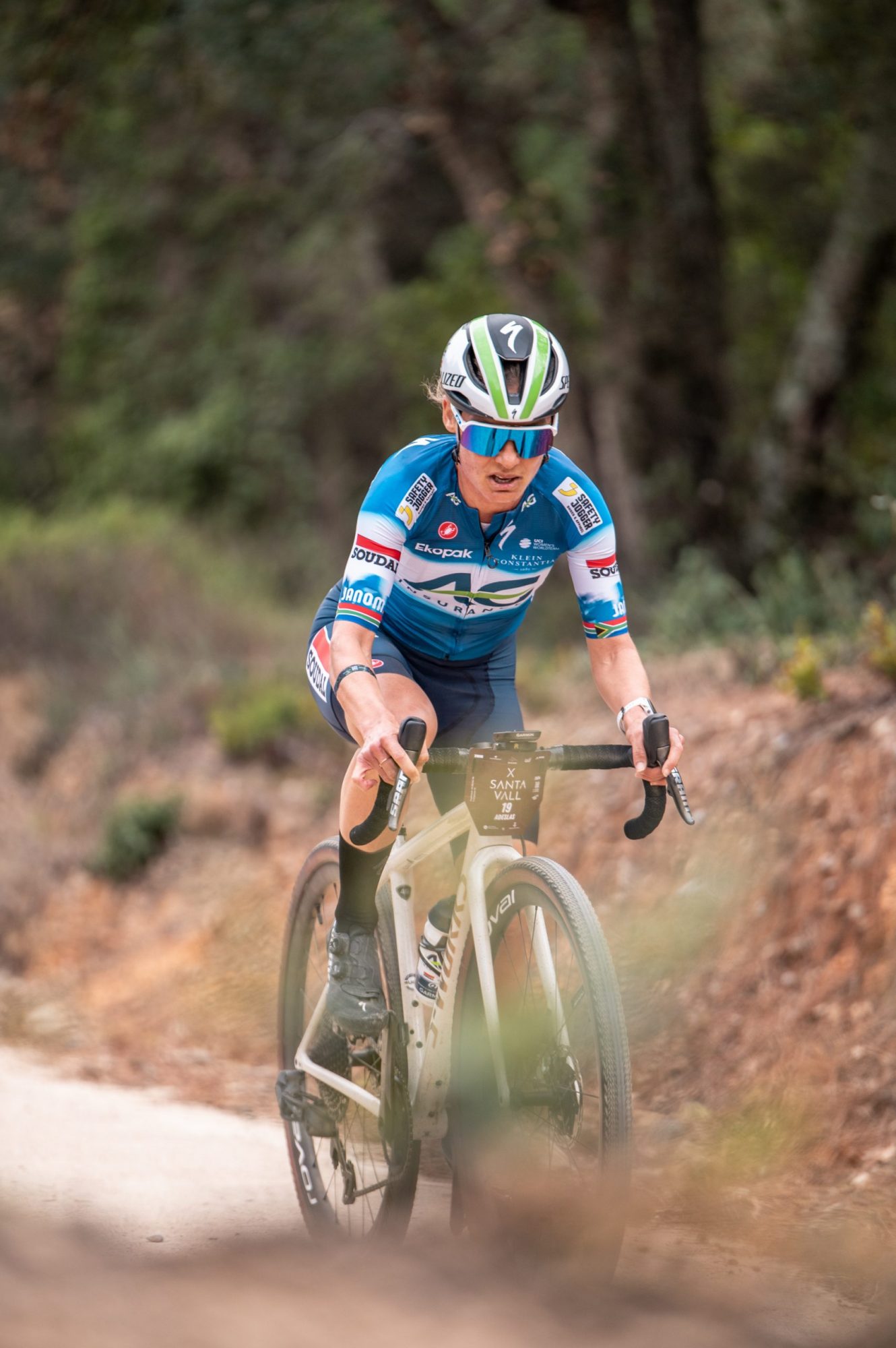
The women were the first ones to start and among them, Ashleigh Moolman Pasio was the fastest to reach the top. Klara Sofie Skovgard and Morgan Aguirre would also finish on the podium of the first stage, with a couple of other riders missing out by a handful of seconds.
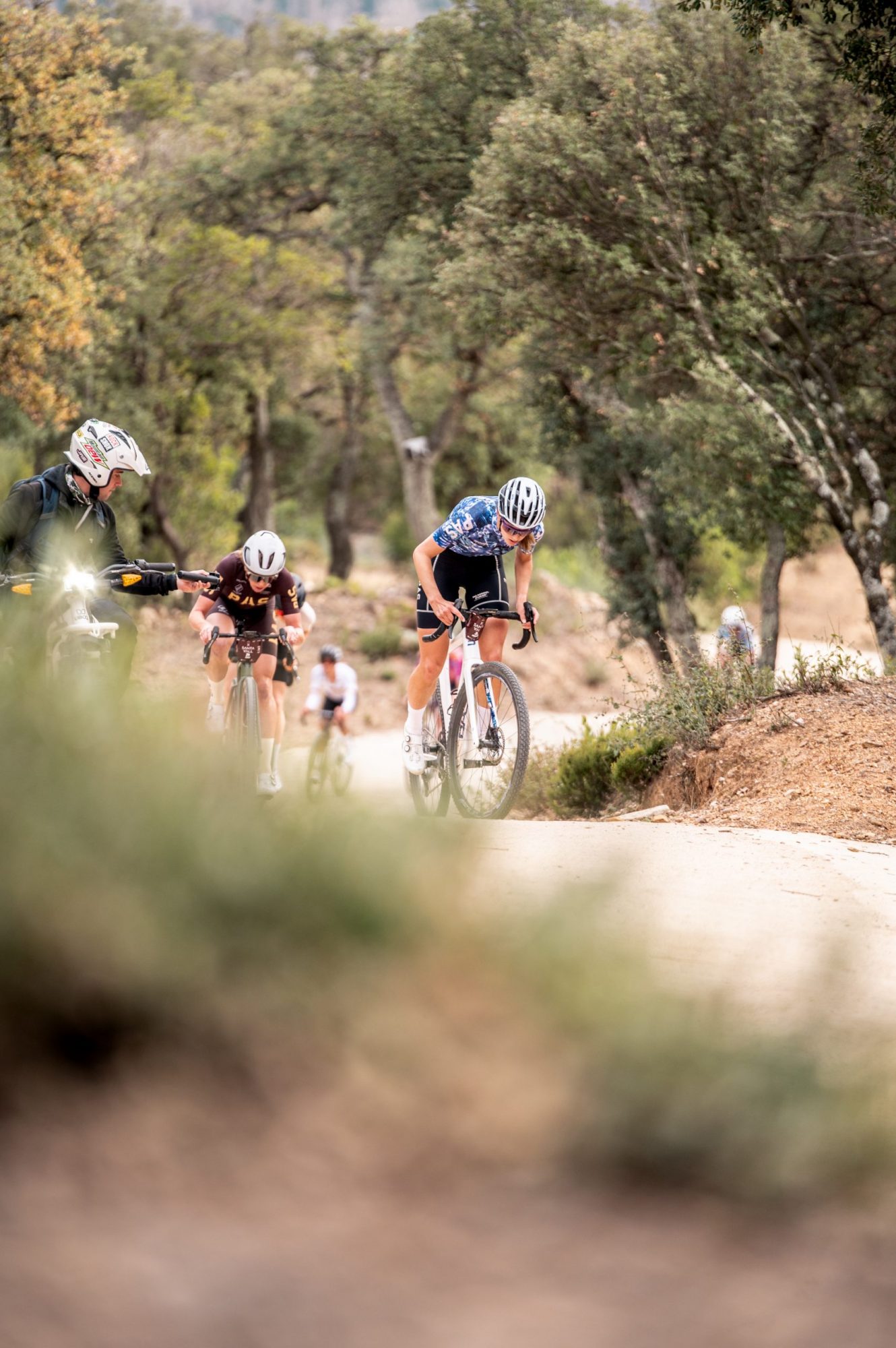
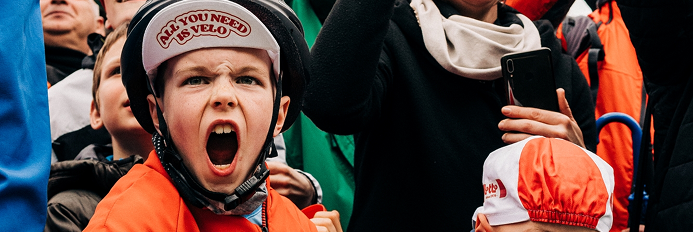
Not long after, Petr Vakoc crossed the line as the first male rider. Joe Laverick was second after leading the race for most of the climb, and Asbjorn Hellemose was third. The three of them share a road background, and it is probably not by chance. They have raced many time trials and they proved they can pace such a max effort. Also inherited from their previous cycling life, Joe and Asbjorn went looking for marginal aero and weight gains by removing bottle cages and wearing skinsuits and aero socks. It is also worth highlighting the atmosphere at the top of Sant Grau, with riders cheering up those who arrived later.
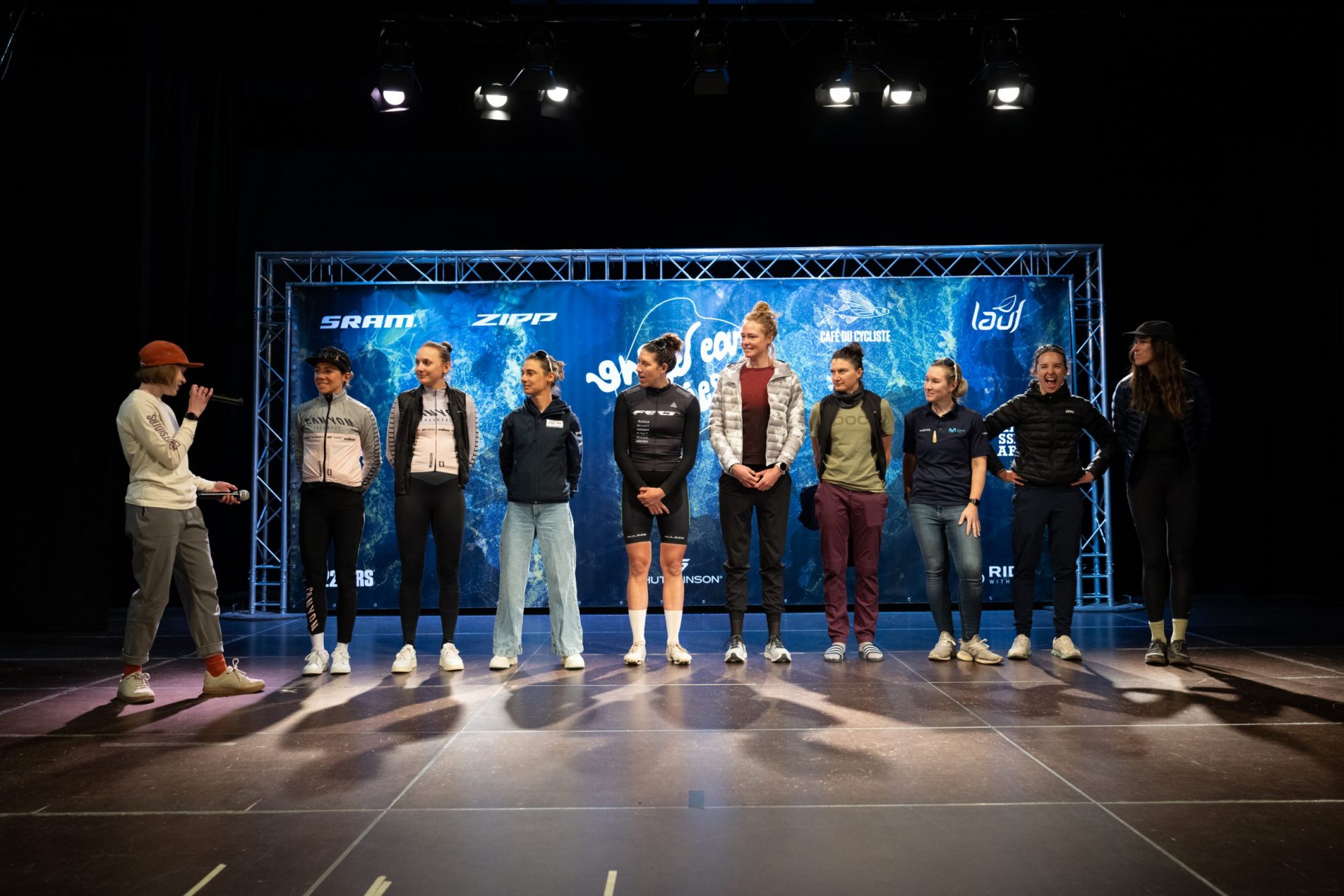
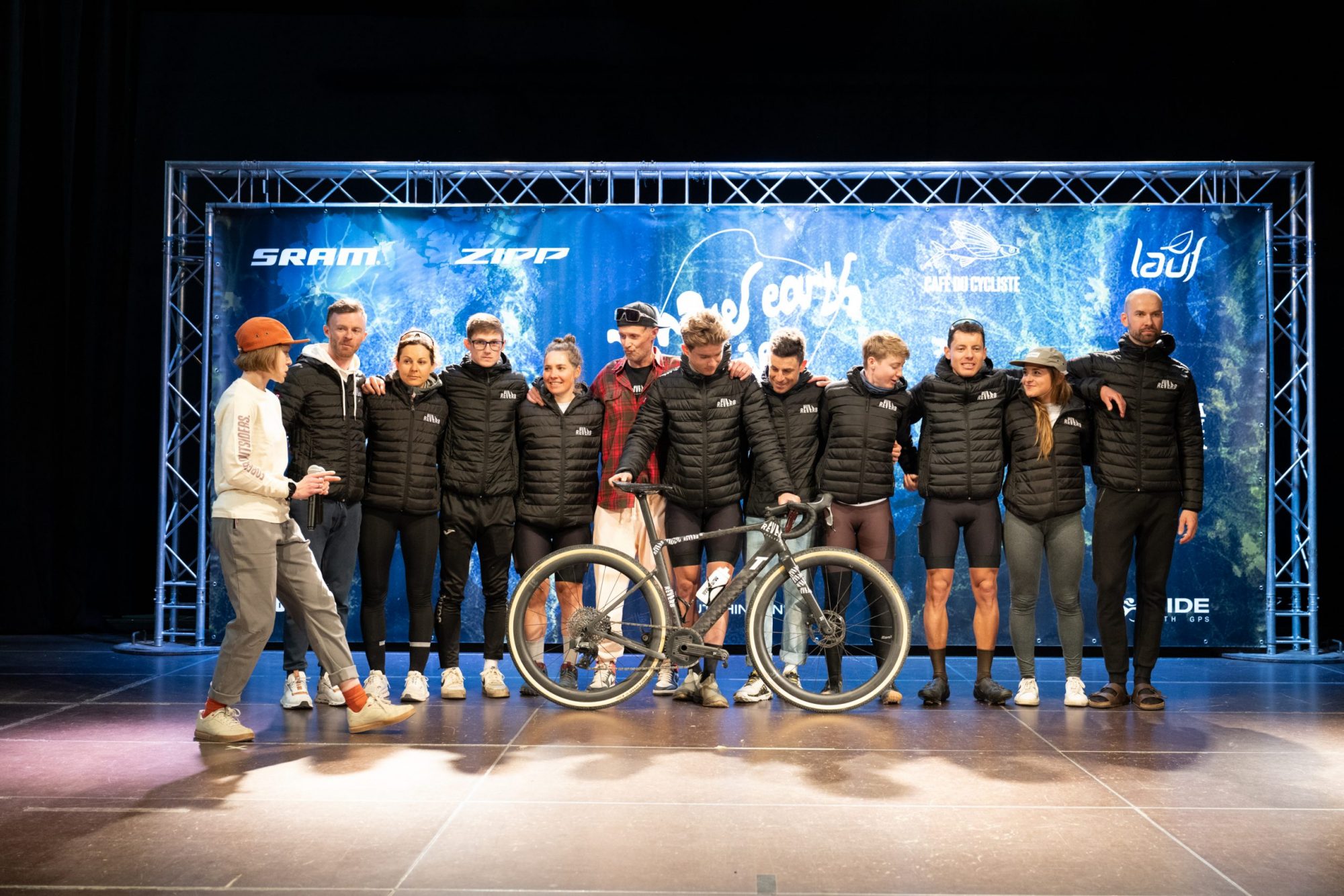
Once everyone cooled down, they descended back to Sant Gregori for the official presentation of the Gravel Earth Series. Santa Vall is one of the 14 events of the Gravel Earth group (there is also a ‘Gravel Earth Global’ group composed of 5 races with more points at stake) and the winners will walk away with 750 points. The final classification includes the two best scores of the year plus the points of the grand final. The teams and individuals who are expected to lead the Gravel Earth Series were also on stage to share their thoughts about this second edition of the series and their goals for the year.
Taking into account that most riders only got back to the accommodation after 7 PM, it was a matter of recovering as much as possible for the second stage, which started at 9 AM.
The route on Saturday was 72,6 kilometers long with 830 meters of elevation gain. Out of those kilometers, only a part was timed, more concretely two segments of 23 and 25 km in length, respectively. The stage classification was determined by the sum of the two aforementioned segments.
In theory, it was an open start, with the riders outside the top 50 being able to choose to start at any point between 9.15 AM and 10 AM. However, most of them initiated their effort as soon as the gate was open.
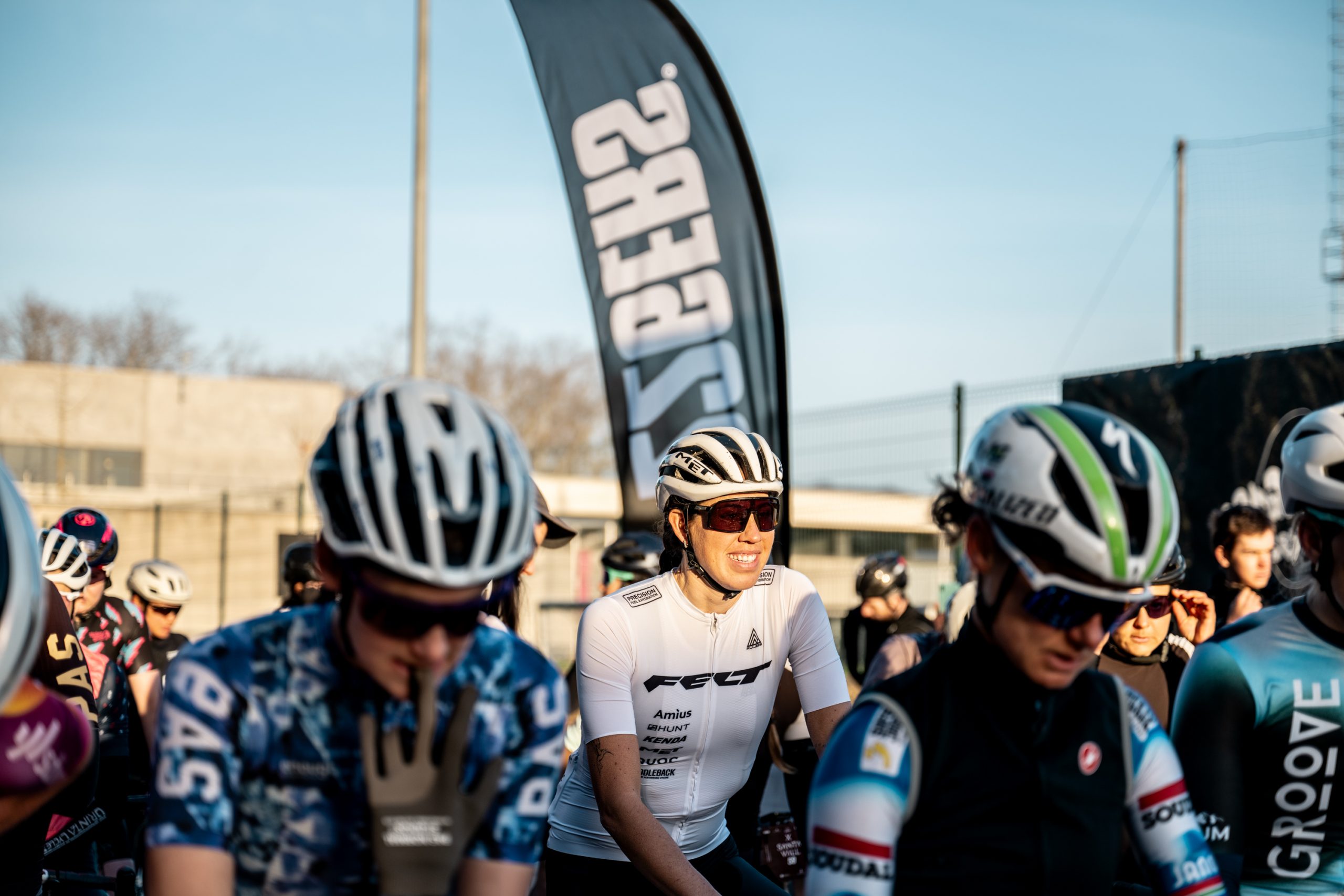
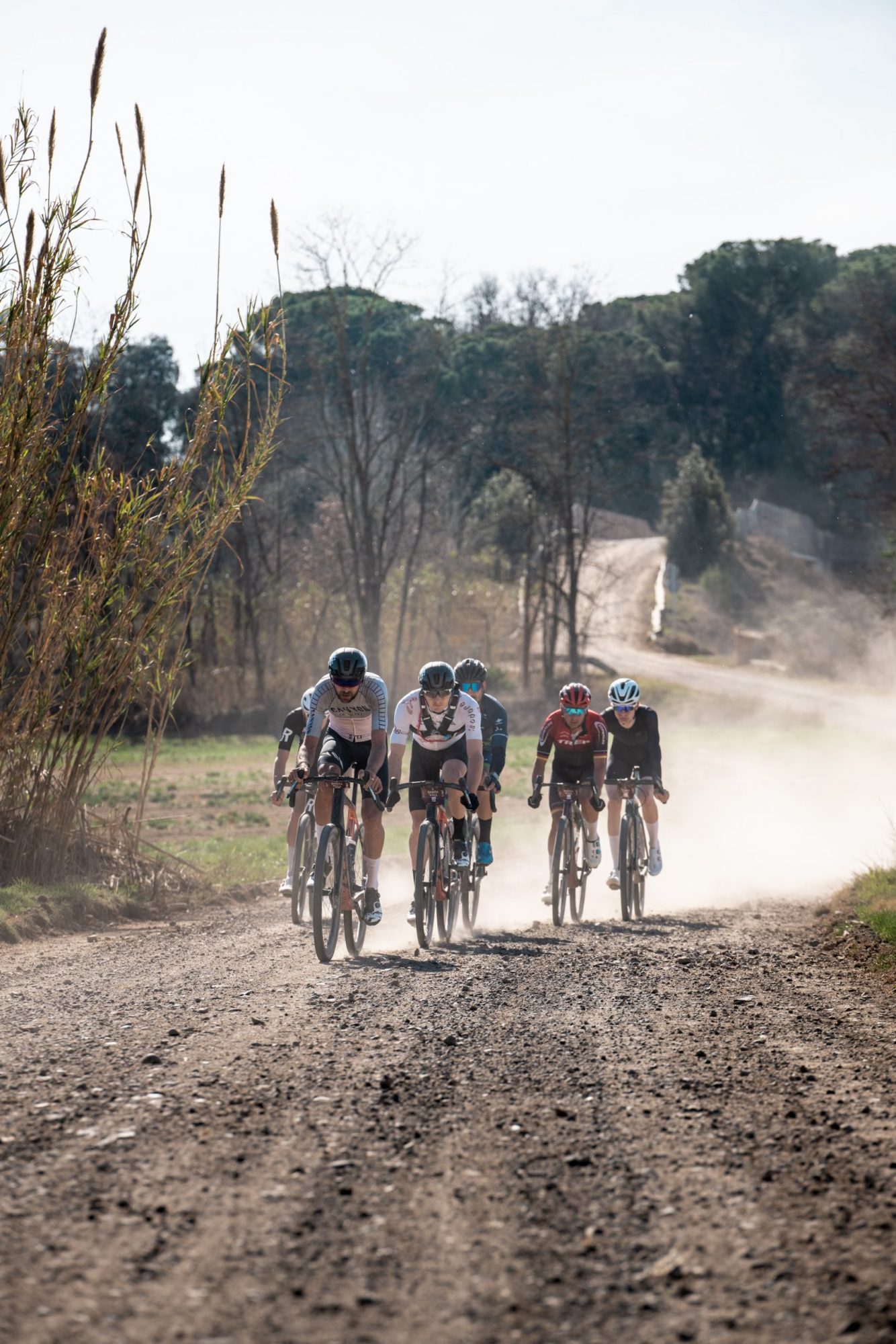
The approach to the first segment was mainly flat and part of it followed the famous Via Verde, open to the traffic of local cyclists and hikers. The pace in the top-50 male group was conservative but a big group of riders coming from the open start really pushed through the neutralised section and, not long after the start of the first segment, they caught part of the elite peloton. In contrast, we could also see how Asbjorn Hellemose, third on stage one, let the front group go to initiate the effort on his own, hoping for a clean run.
As you can read, riders followed different strategies, some pushing only on the segments and others barely pressing the brakes in between. That led to a big regroup before the start of the second segment, and riders found it difficult to know where they were in the standings at that moment.
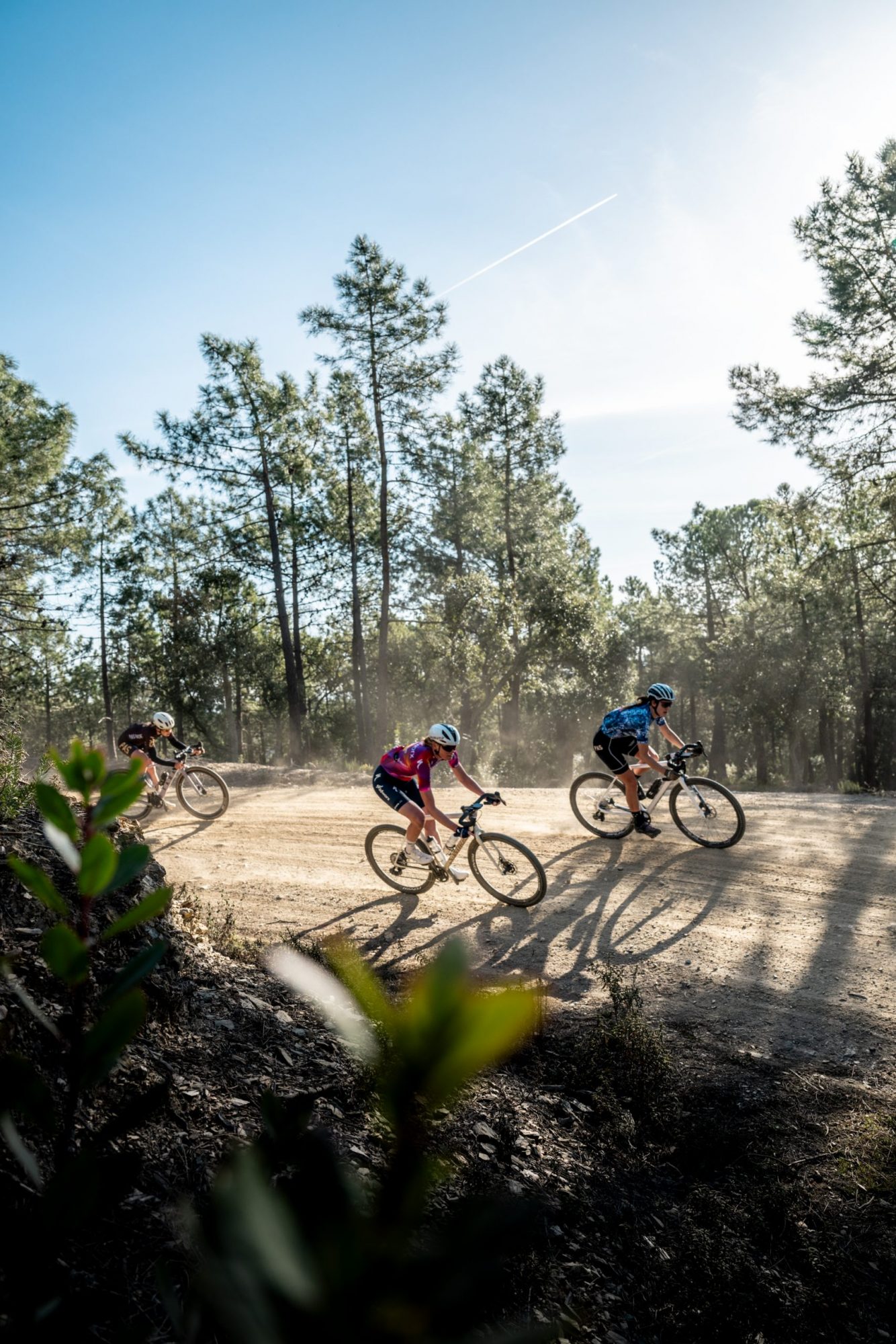
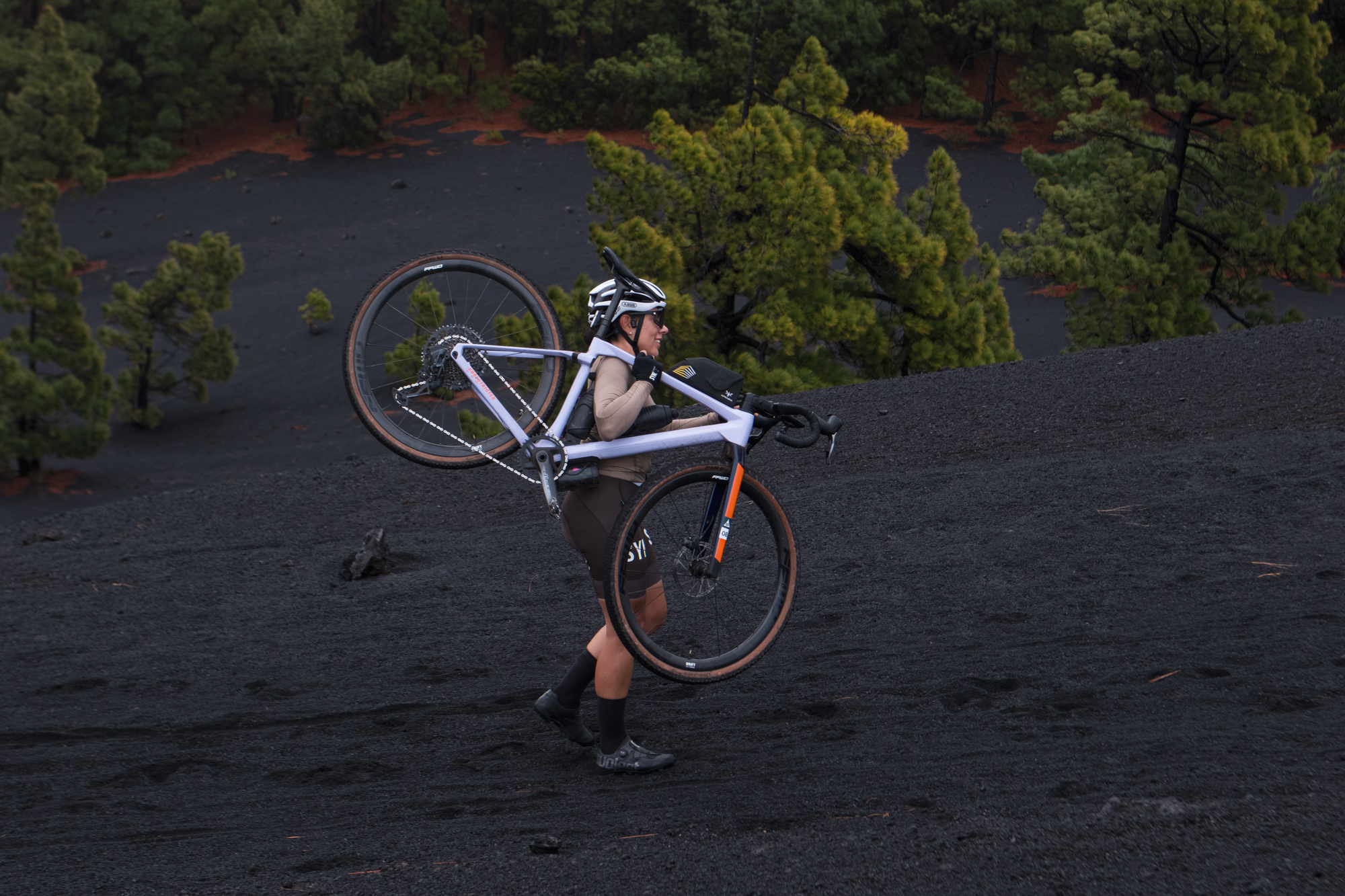
Those who signed up for the race expecting smooth gravel paths for three days in a row were caught by surprise, and some of the climbs and descents were quite technical. There were even a couple of spots in which there was no other option but to jump off the bike and push it up the narrow, steep slopes. On the one hand, those racing with road shoes struggled and reconsidered their choice for the next day. On the other hand, some riders, either because they are Girona residents or they arrived to Catalonia with enough time in advance to reccon the race, were already aware of some of the ‘traps’ that the organizers included in the route.
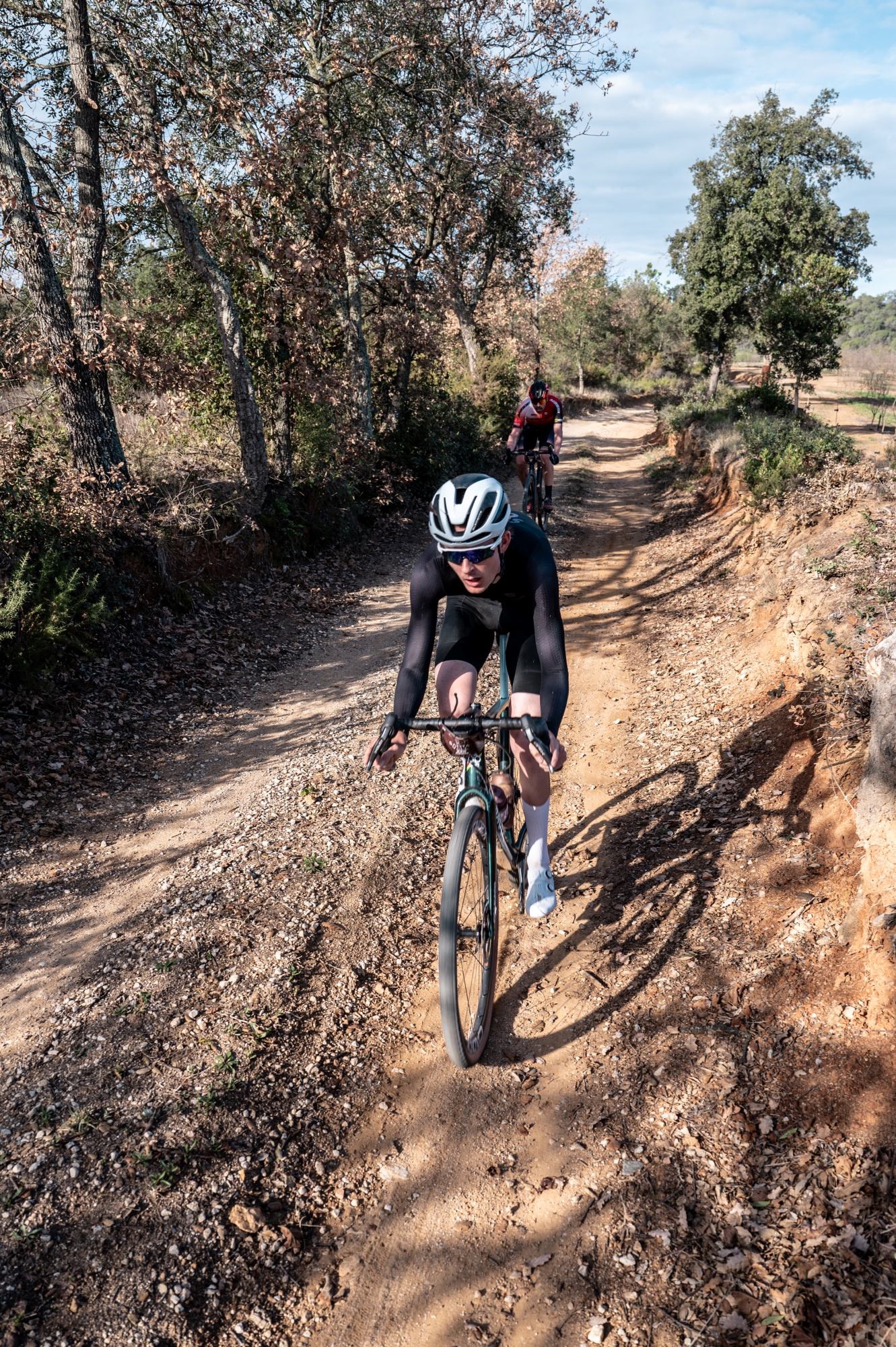
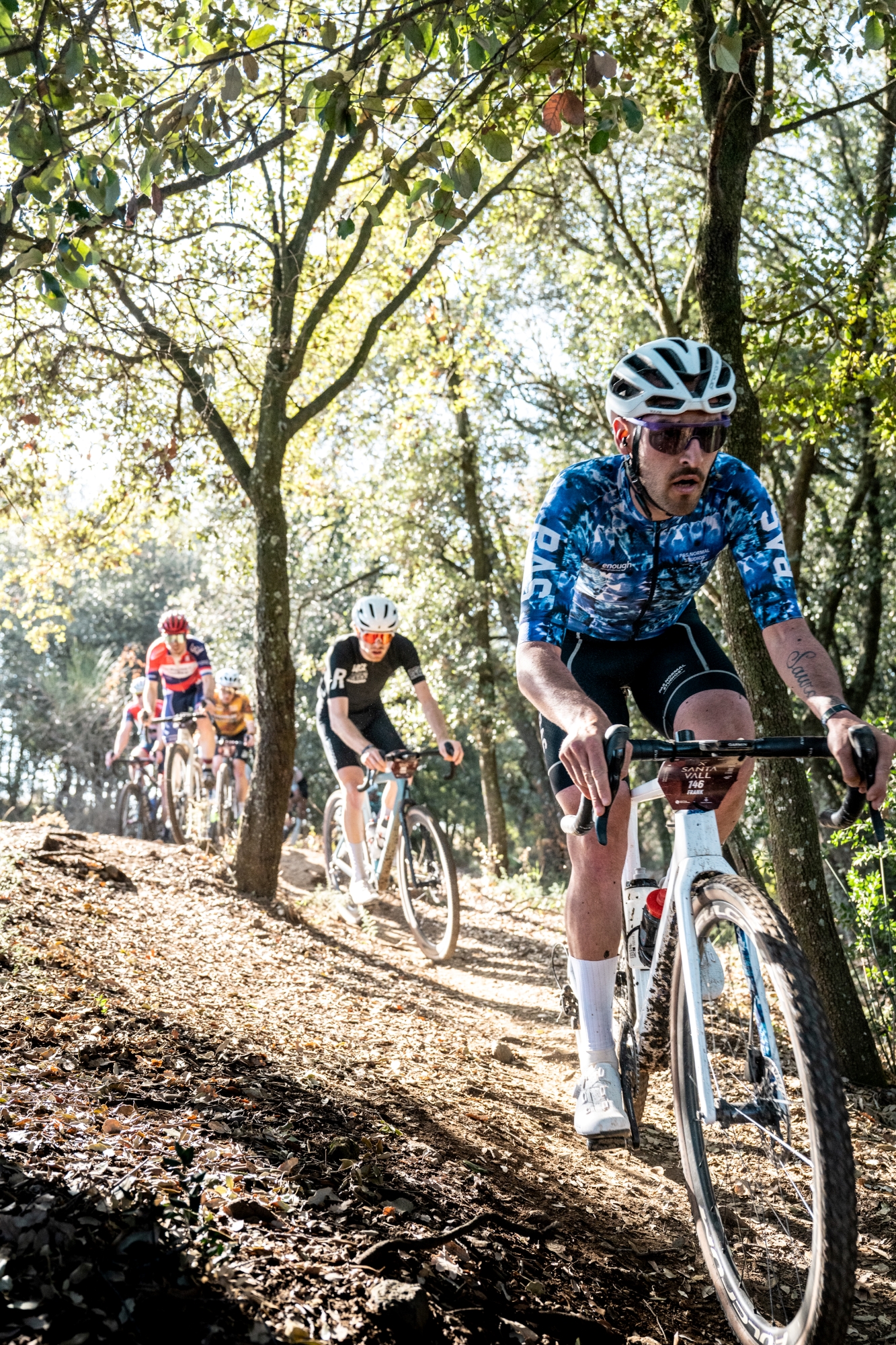
At the finish line, we saw several riders approach Gerard and say “thank you” to him for spicing up the course. It is also possible, very possible, that others thought completely the opposite. The other topic of conversation was the exceptionally high level of the riders taking part in the race. They even had to start with the awards ceremony almost an hour earlier than planned because the riders arrived much earlier than expected.
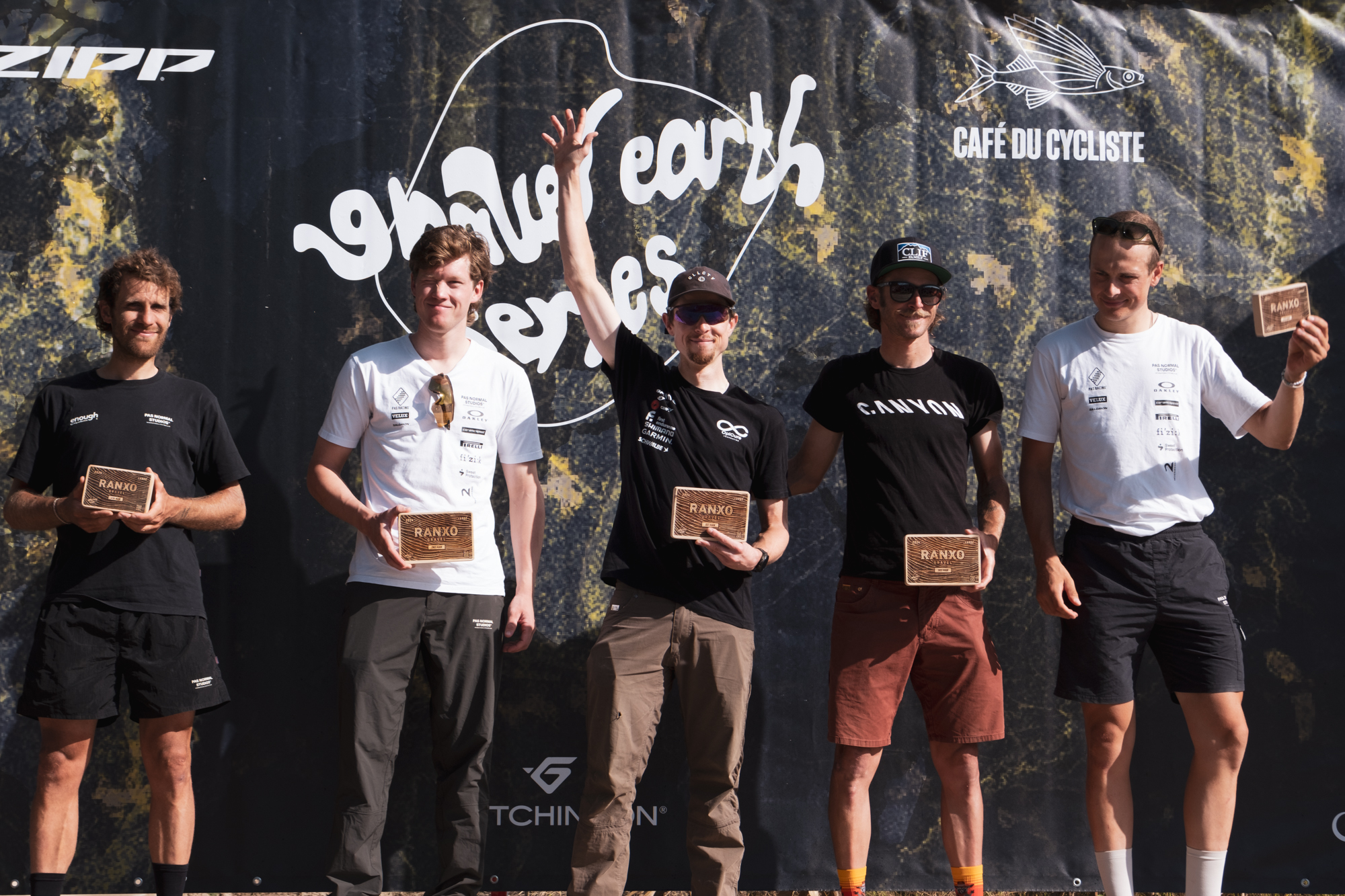
The time of the segments was added up and the stage classification was set, so it was time to call on the podium the fastest three riders per category. Hans Becking was the fastest across the segments and reduced his deficit in the general classification to four mere seconds. David Lozano and the leader of the overall, Petr Vakoc, rounded up the podium of the day. Morgan Aguirre also threatened the lead of Ashleigh Moolman by covering the two timed segments in the fastest time, but Ashleigh, who finished third on the stage, would start the last day as the one to beat.
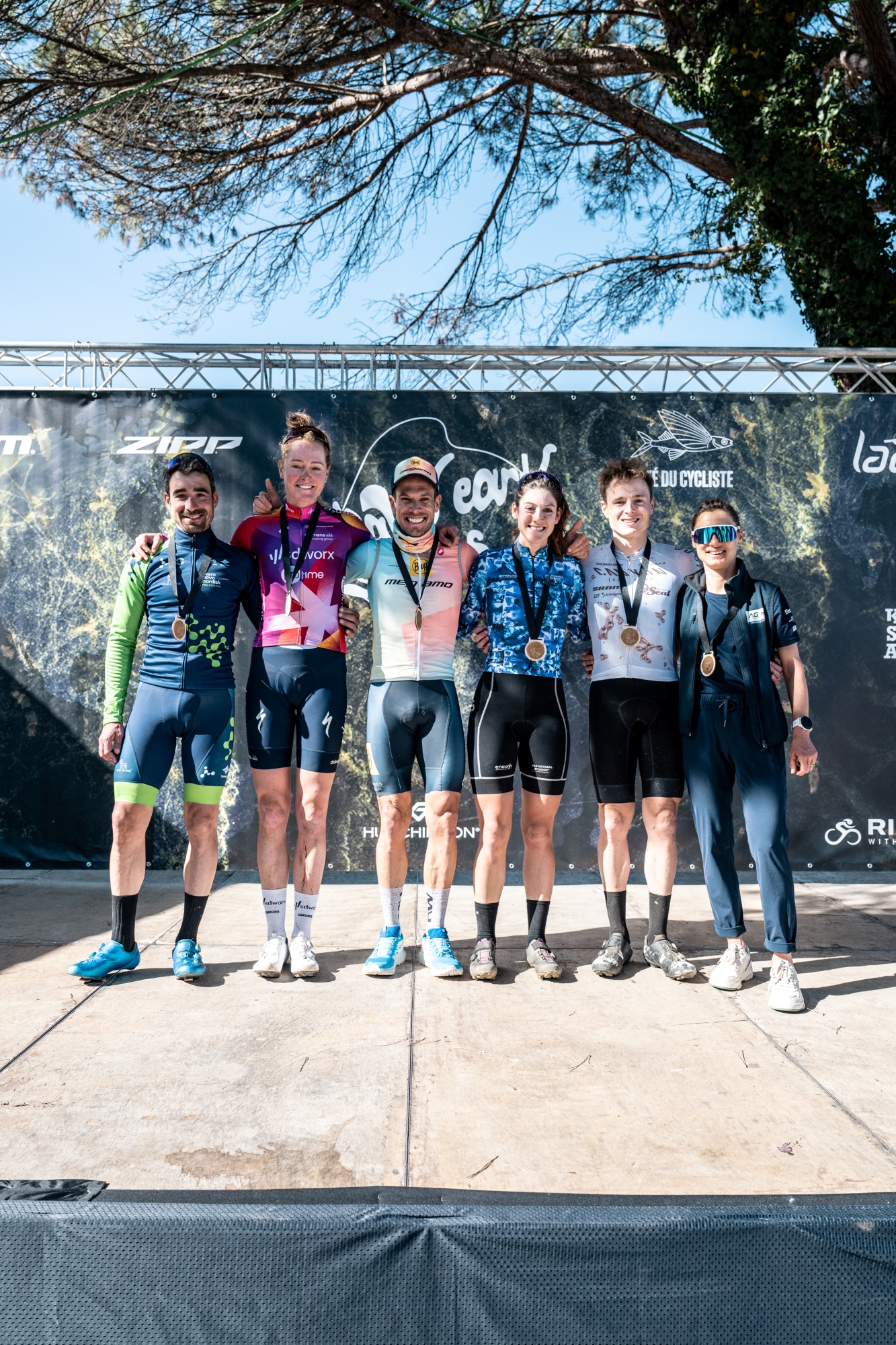
The last of the three stages was a 115 km loop in which most of the elevation gain was in the first third. Multiple climbs, some of them on tarmac, were immediately followed by some technical descents that tested the skills of the riders, creating the splits that would be decisive for the stage and overall win. Many participants went over the limit trying to follow those at the front and ended up on the ground.
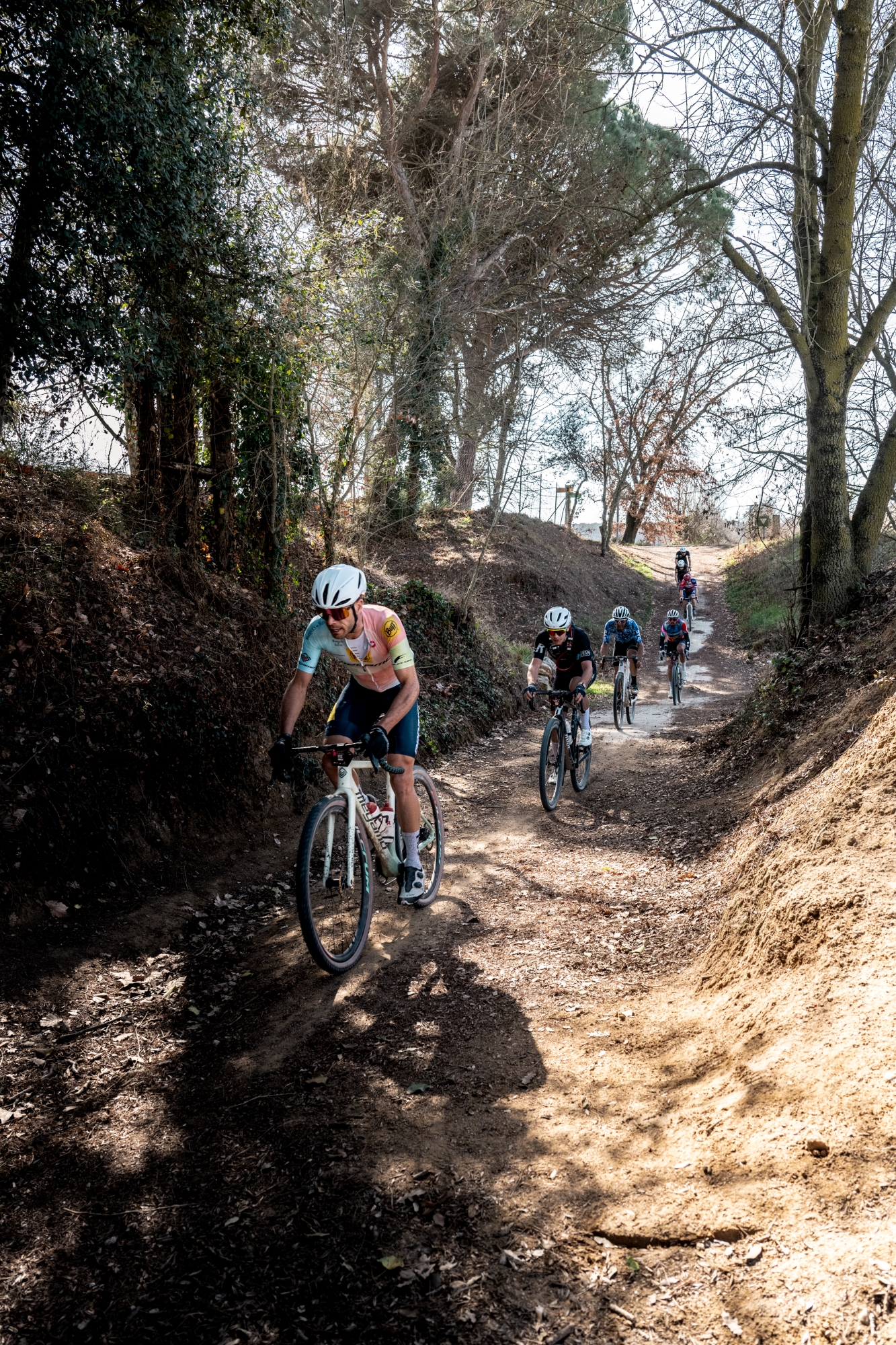
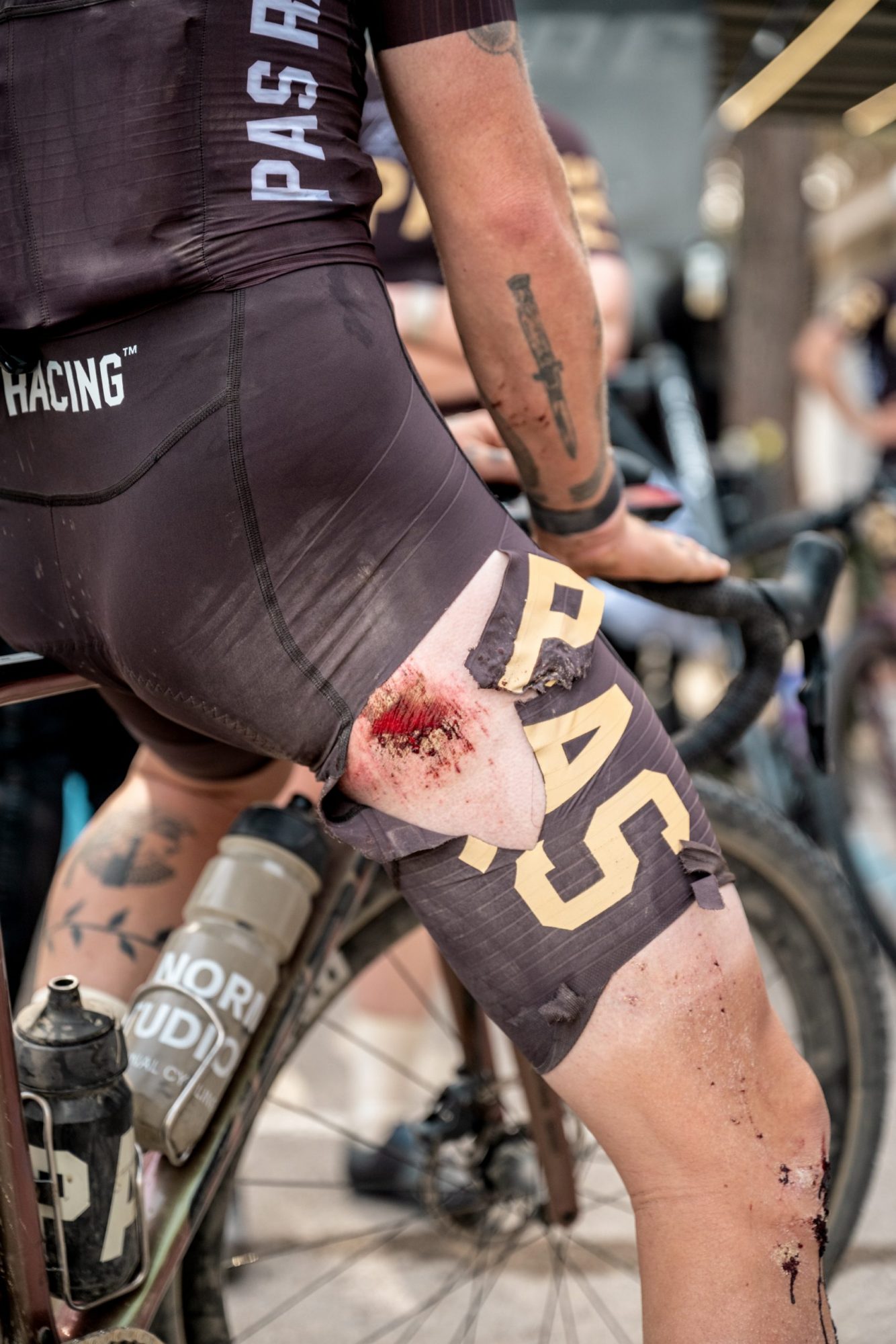
Riders linked the well-known climbs of Els Àngels and Santa Pellaia via wide gravel paths, and then descended to Cassà de la Selva. They would then ride on an exposed, flat area for several kilometers before tackling the last hurdles ahead of the finish in Sant Gregori.
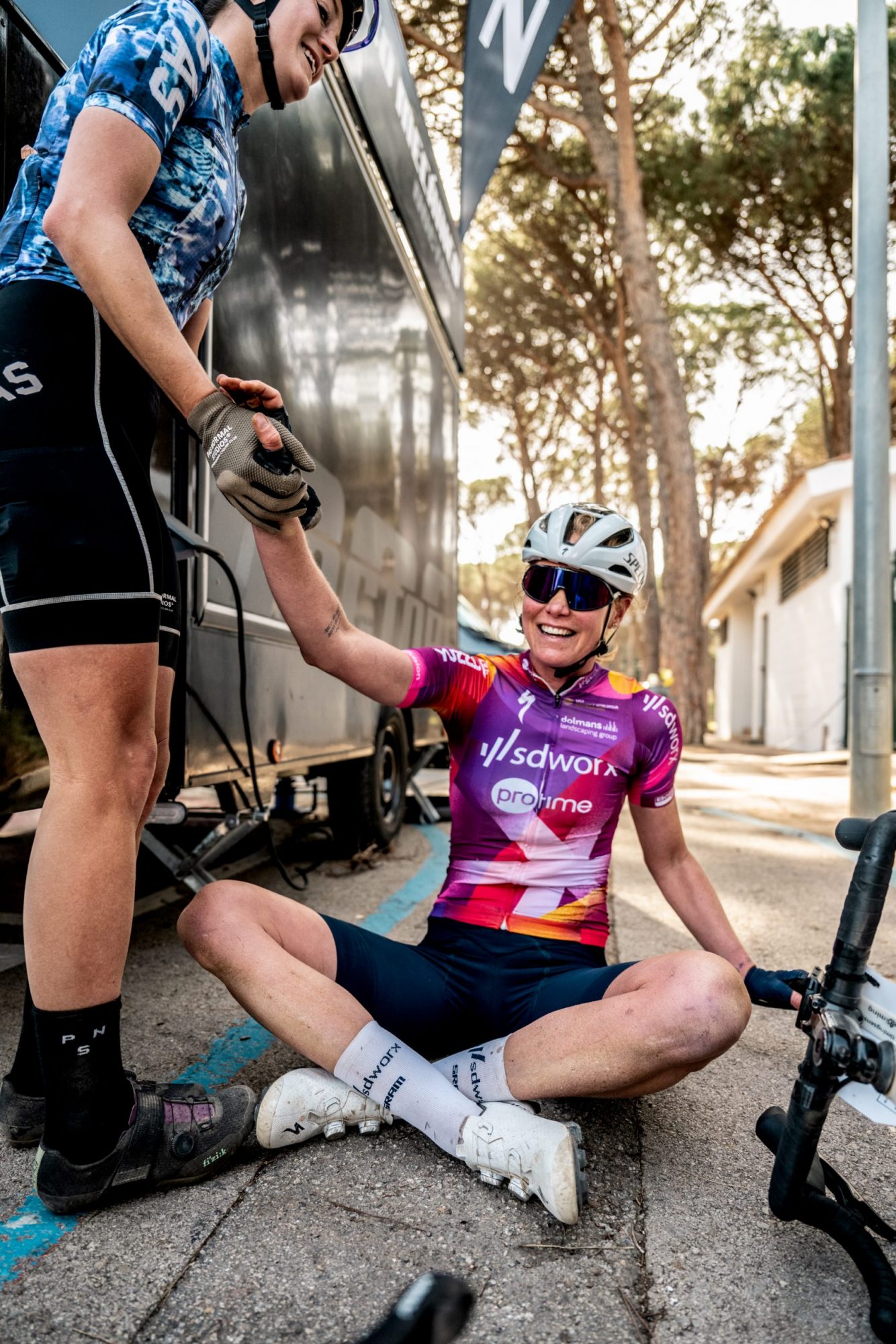
The women started at 8.30 AM, one hour before the men, and the leading group held a big part of their gap, while the others were caught by the fastest men at some point during the race. That allowed us to cover the finishing moments of the top finishing women, record their impressions about the day, and fix our attention back to the finish line ahead of the men’s arrival.
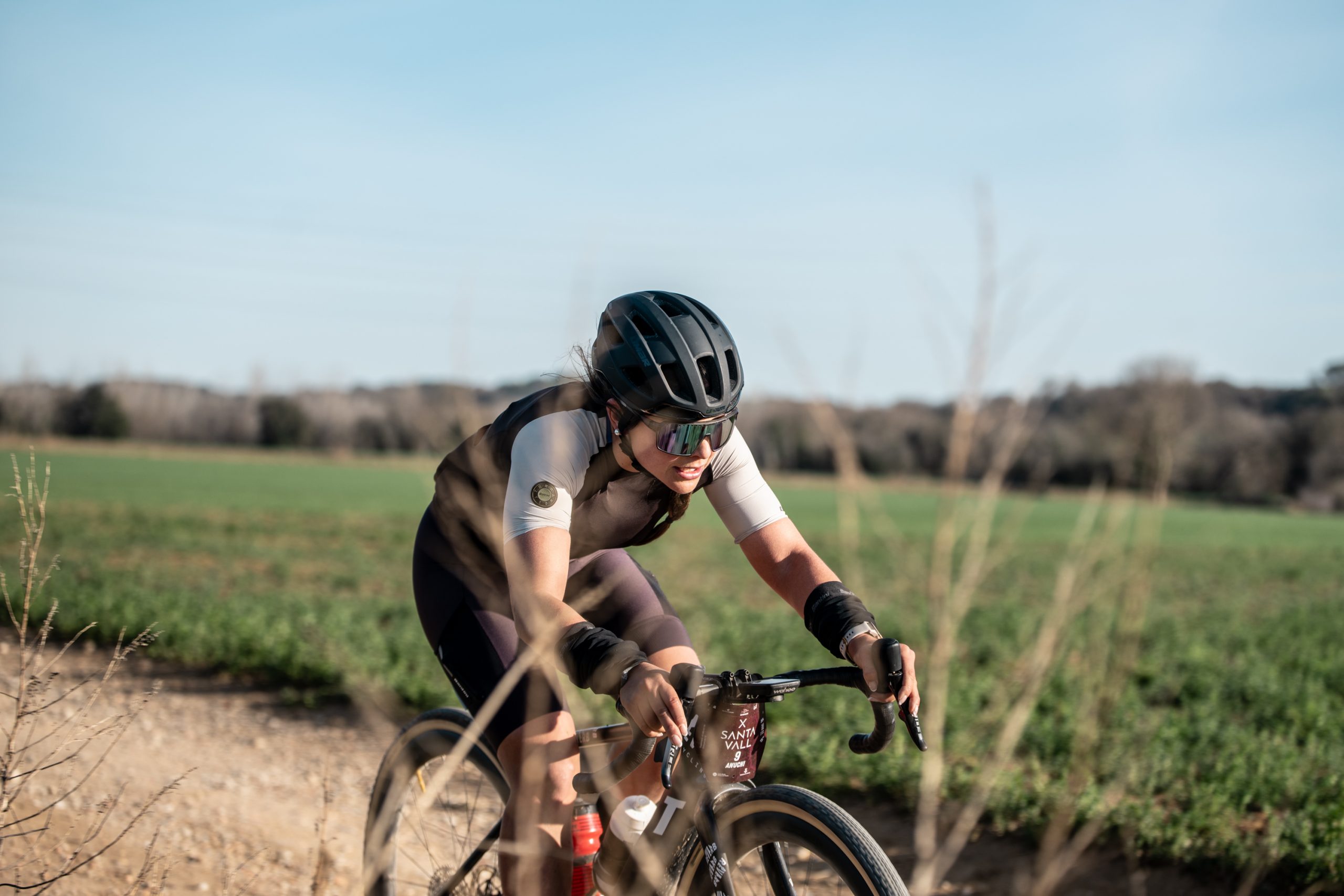
Both races went down to the wire. Ashleigh Moolman and Petr Vakoc, who started the day as the leaders of the general classification, knew that by staying with the leading group they would seal the overall win, but all the others had to try something if they wanted to leave Santa Vall with at least a stage win in the bag.
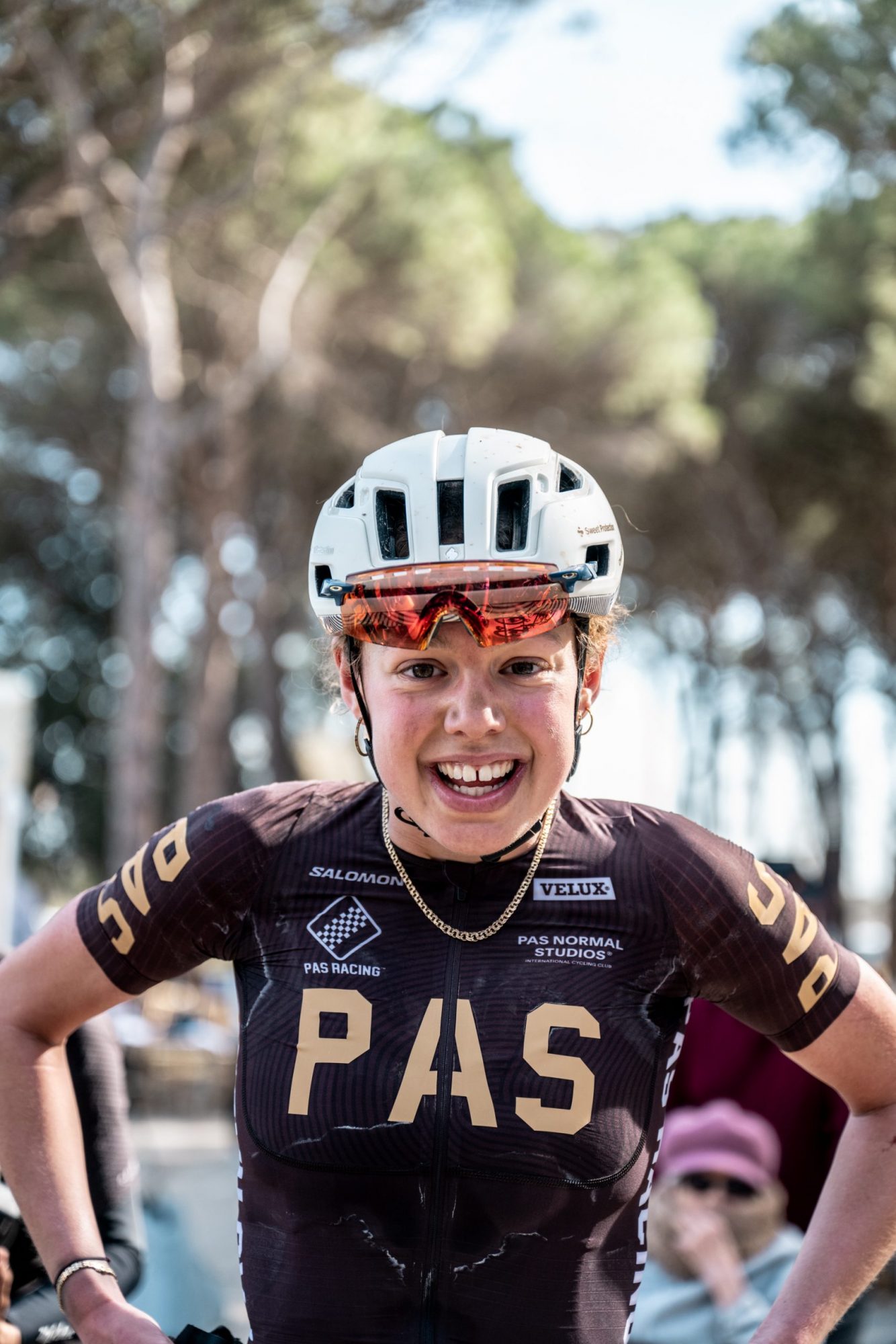
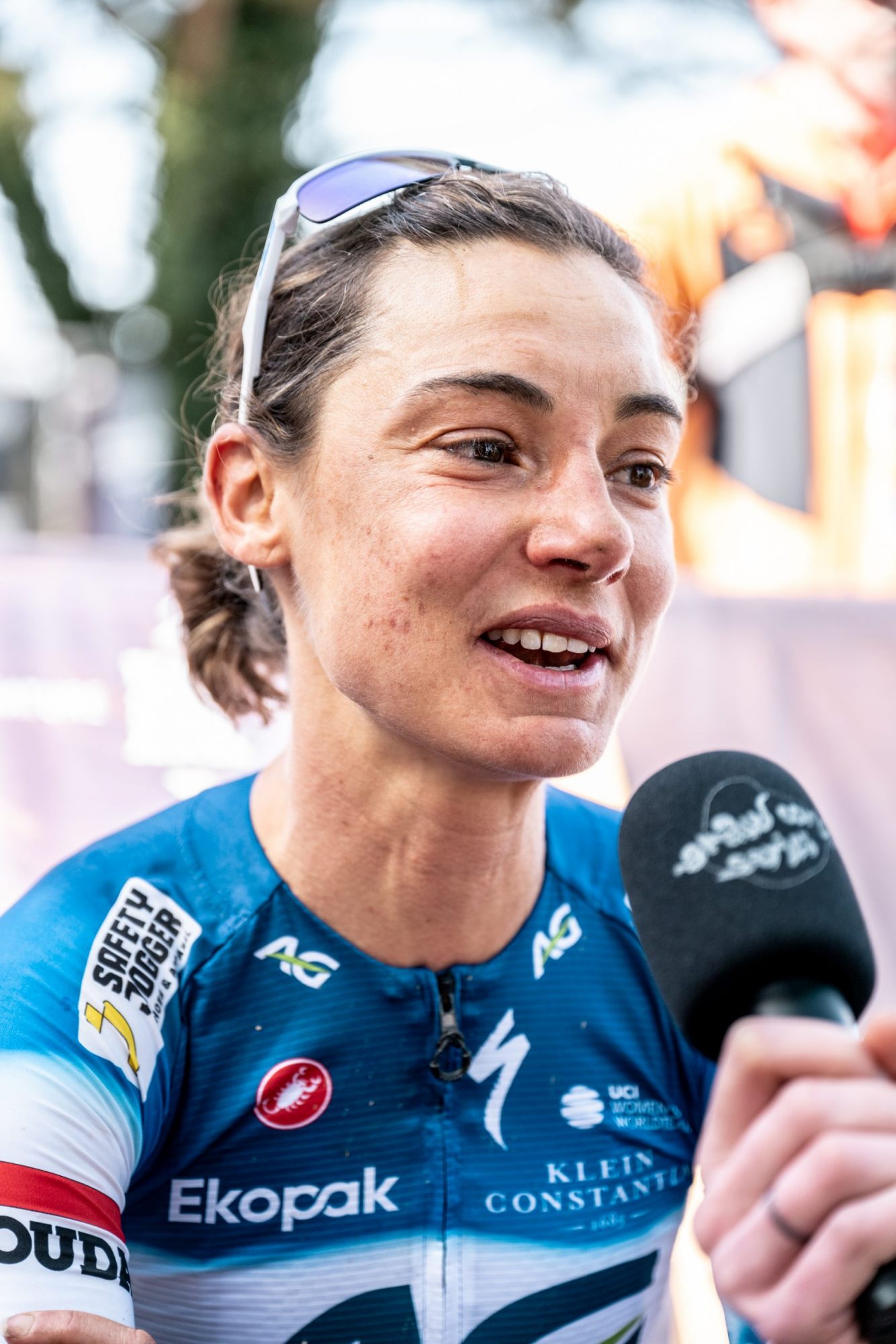
Ashleigh was feeling so good that she even tried going solo, and at km 43 she had a comfortable gap. She was caught on the long flat stretch by the chasing group of four riders, and the five of them cooperated as if they were teammates. Then it was all about tactics and Geerike Schreurs managed to create a gap in the last few hundred meters that she was able to hold until the line. It was really inspiring to see them congratulating each other and sharing a laugh.
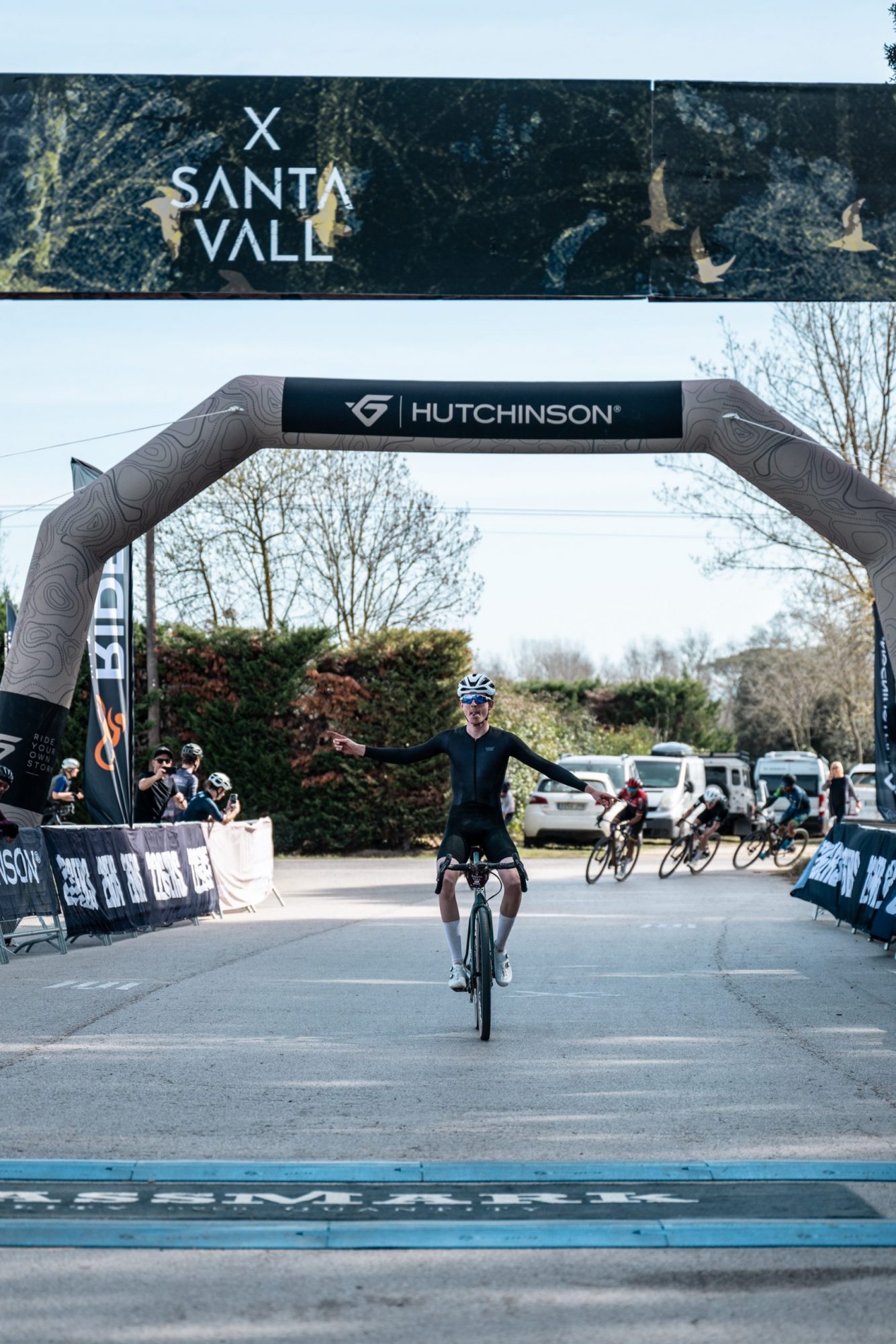
At around 1 PM, the speaker announced that the leading men were approaching the finish line. From the distance, we saw Asjborn Hellemose with just a small gap to the chasers, and he barely had time to raise his hands in the air and celebrate the win. Behind him, Jasper Ockeloen won the bunch sprint and Sascha Weber rounded up the podium.
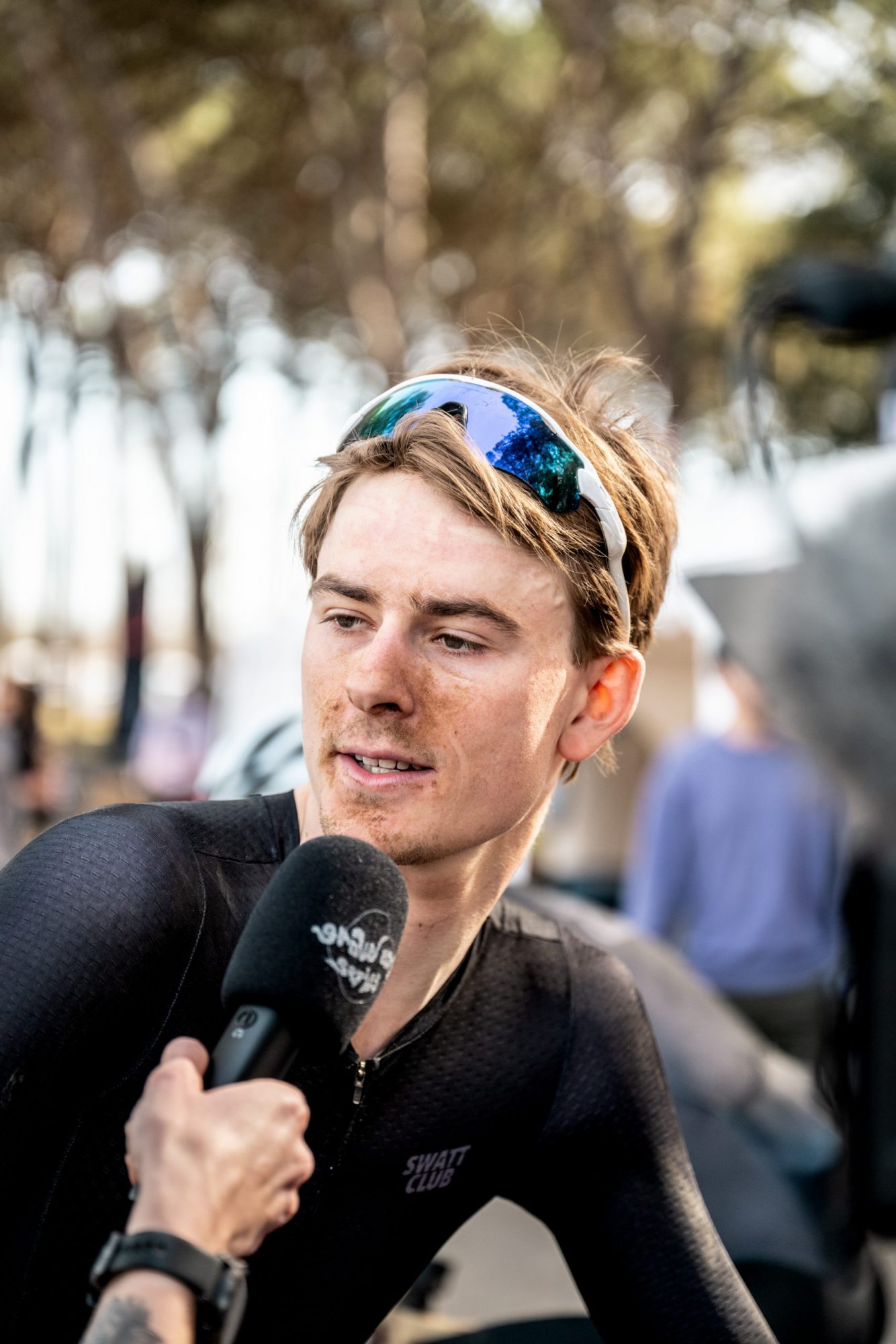
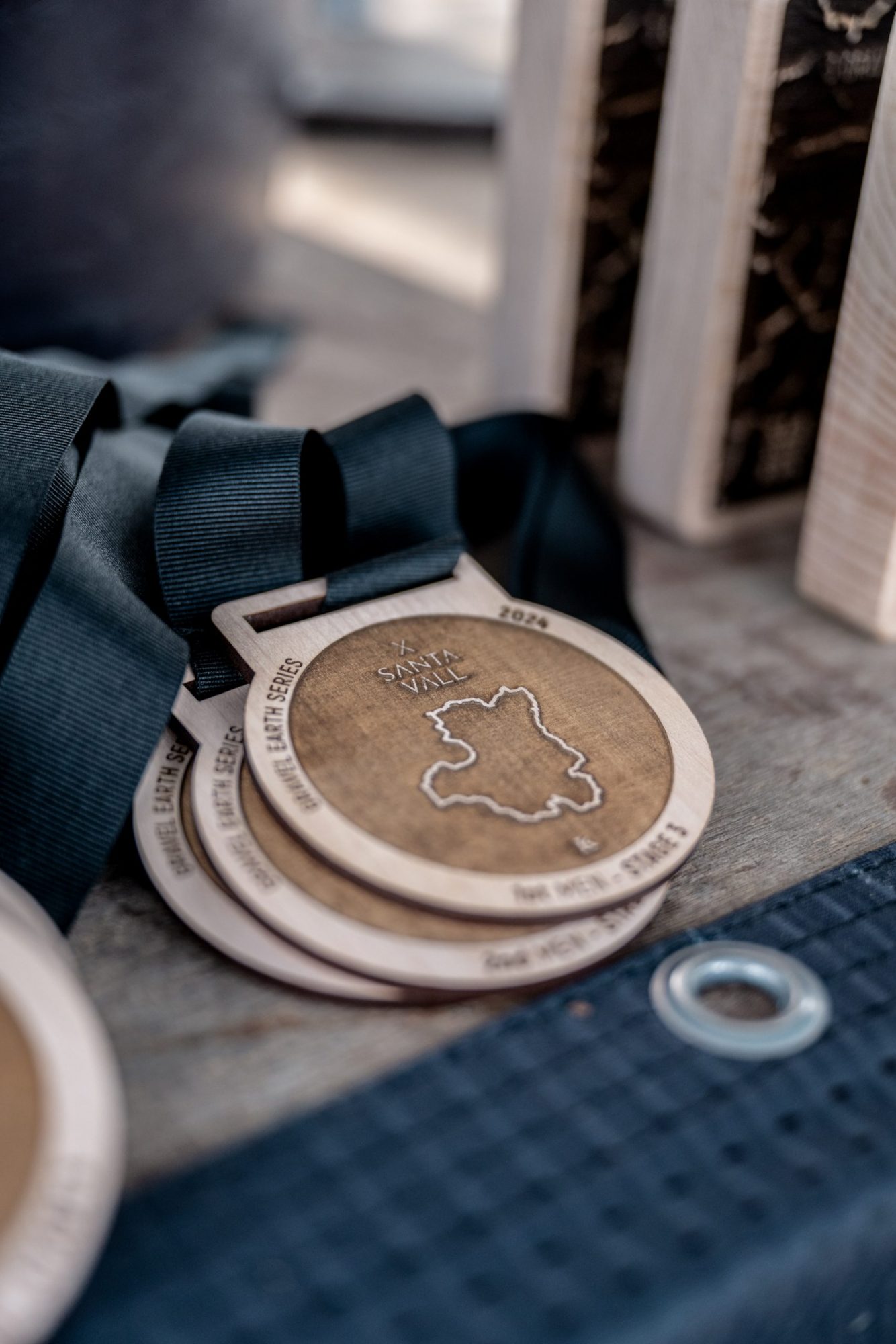
Over the next couple of hours, the venue in Sant Gregori was populated by riders finishing their remarkable effort, and the friends and relatives who wanted to feel part of the big gravel community fostered during the weekend.
After the final podium ceremony, which awarded Ashleigh Moolman and Petr Vakoc as the winners of Santa Vall, everyone started heading back to Girona. By the end of the weekend, those staying in the European cycling mecca would know the 5 km commute from the city to Sant Gregori like the top of their hand.
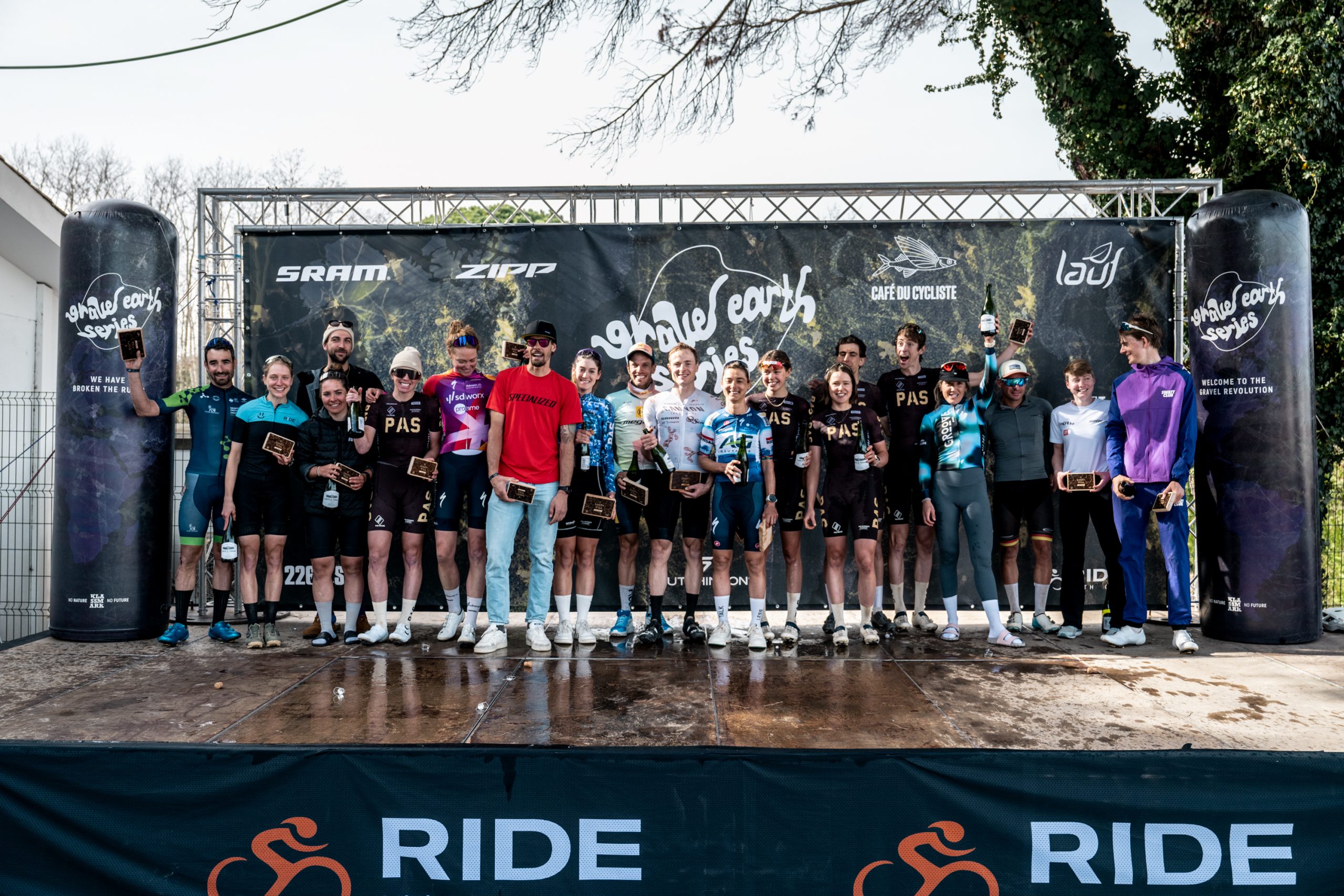
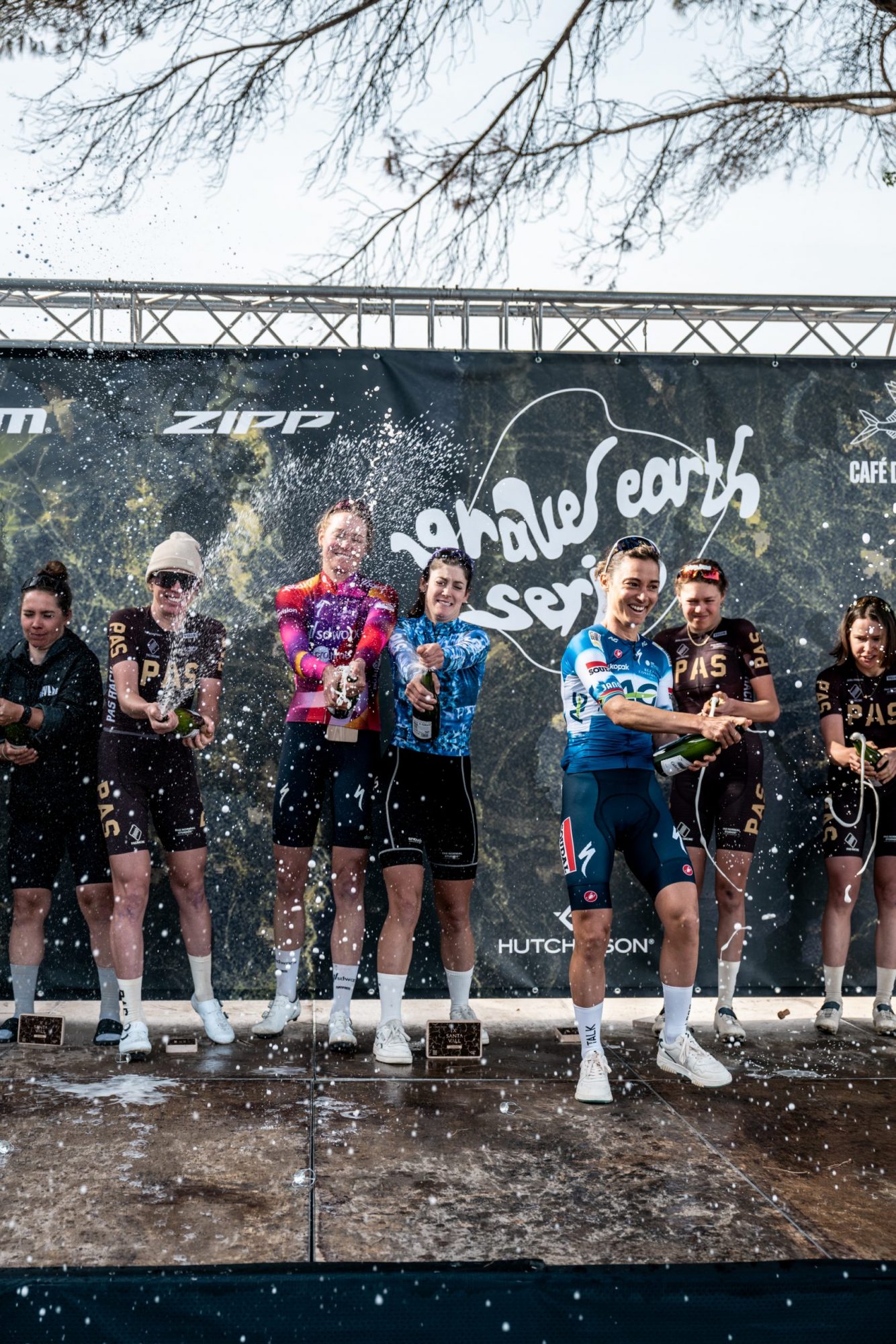

All in all, riders returned home with a good dose of racing in the bag and, given that the major events will only resume in late April, they will fine-tune their preparations and return to competition as fit as possible. Brace yourselves, as these gravel racers are very, very strong.

Javi es nuestro corresponsal en Bélgica, y trata de contrarrestar su obsesiva pasión por el análisis de datos con la relajante acción (o eso es lo que dice) de crear contenido para la revista. Javi is based in Belgium and tries to compensate for his obsessive passion for data analytics with the relaxing action (that's what he says) of creating content for the magazine. View all posts by Javi Angulo
 Javi Angulo
 Javi Angulo
 Javi Angulo
 Javi Angulo
 Javi Angulo
 Javi Angulo
 Javi Angulo
 Javi Angulo
 Pavel Novotný
 Pavel Novotný
 Javi Angulo
 Javi Angulo
Santa Vall fue originalmente una carrera de un día para BTT llamada Gironès MTB Challenge, con ciclistas locales y algunas figuras internacionales recorriendo los senderos alrededor de Sant Gregori, Cataluña. En 2021 el gravel entró en escena, y ese año el evento organizó dos carreras diferentes en paralelo para dar cabida tanto a aquellos que quisieran descubrir esta versión alternativa del ciclismo, como también a los fieles a los manillares planos. Convivieron hasta el año pasado, pero en 2024 todo ha girado entorno al gravel.
Del mismo modo que los corredores de ruta dicen que ya no hay carreras de preparación en el calendario, pudimos ver que corredores de todo el mundo llegaban a Sant Gregori en plena forma y con ganas de demostrar sus habilidades ya en la primera carrera del año para la mayoría de ellos. No había lugar donde esconderse si no se hicieron los deberes durante el invierno.
Más de 400 participantes de todo el mundo se congregaron el pasado viernes 16 de febrero para la primera de las tres etapas del evento. El formato era nuevo ya que, además de la etapa de segmentos cronometrados del año anterior, el fin de semana comenzó con una cronoescalada, y una etapa circular con salida masiva cerró el telón.
Las carreras de varios días son interesantes porque te permiten pasar más tiempo con los demás participantes. El campo base de Sant Gregori también fue el escenario perfecto para pasar un buen rato después de cada etapa, contando lo sucedido mientras uno se atiborra de la variada comida y bebida disponible.
Revisamos la lista de inscritos de antemano, por lo que ya conocíamos a los corredores de clase mundial que lucharían por la victoria general, pero aun asi verlos juntos en la línea de salida fue impresionante. Desde el lado femenino, nos centramos inicialmente en la presencia de la actual ganadora de Unbound, Carolin Schiff, y de algunas las mejores especialistas en la disciplina como Annabel Fisher y Amity Rockwell. No obstante, algunas corredoras hasta ahora desconocidas pondrían sus propios nombres en el boca a boca de los entusiastas del gravel. En cuanto a los hombres, simplemente nombremos algunos de los titulares para que puedas hacerte una idea del nivel general: Mattia De Marchi, Jasper Ockeloen, Payson McElveen, Petr Vakoc, Hans Becking.
Una subida corta pero empinada dio el pistoletazo de salida a la Santa Vall. 6,3 kilómetros con 362 metros de desnivel separaban la salida en Sant Gregori del alto de Sant Grau. Incluso si determinadors corredores, debido a su histórico de resultado, tenían su propia posición de salida, la posición durante los primeros kilómetros sobre asfalto antes de llegar a la sección todoterreno era clave. Fue un comienzo frenético, al estilo ciclocross.
La ascensión era de todo menos constante, lo que dificultó mantener una potencia marcada. Los corredores afrontaron en su camino hacia la cima unos repechos muy pronunciados y un final técnico rocoso, por lo que la meta fue un espectáculo de caras de cansancio.
Las mujeres fueron las primeras en largar y entre ellas, Ashleigh Moolman Pasio fue la más rápida en llegar a la cima. Klara Sofie Skovgaard y Morgan Aguirre también terminarían segund y tercera de la primera etapa, con un par de ciclistas más dejando escapar el podio por unos pocos segundos.
Poco después, Petr Vakoc cruzó la meta como el primer corredor masculino. Joe Laverick fue segundo después de liderar la carrera durante la mayor parte de la subida, y Asbjorn Hellemose fue tercero. Los tres comparten experiencia en la carretera y probablemente no sea por casualidad. Han corrido muchas contrarreloj y demostraron que son capaces de dominar un esfuerzo máximo como este. También, heredado de su vida ciclista anterior, Joe y Asbjorn, apostaron por los marginal gains en cuanto a aerodinámica y peso al quitarse los portabidones y usar monos y calcetines aerodinámicos. Cabe destacar el ambiente que se vivió en la cima de Sant Grau, con los corredores animando a los que luchaban por cruzar la meta.
Tras el esfuerzo, descendieron de regreso a Sant Gregori para la presentación oficial de las Gravel Earth Series. Santa Vall es una de las 14 pruebas del grupo Gravel Earth (también hay un grupo ‘Gravel Earth Global’ compuesto por 5 carreras con más puntos en juego) y los ganadores se iban a llevar 750 puntos. La clasificación final incluye las dos mejores puntuaciones del año más los puntos de la gran final. Los equipos y ciclistas individuales llamados a liderar las Gravel Earth Series también subieron al escenario para compartir sus pensamientos sobre esta segunda edición de la serie y sus objetivos para el año.
Teniendo en cuenta que la mayoría de los corredores regresaron a sus respectivos alojamientos pasadas las 19:00, la recuperación de cara a la segunda etapa, que arrancaba a las 9:00 horas, era primordial.
El recorrido del sábado contaba con 72,6 kilómetros y 830 metros de desnivel positivo. Sólo se cronometró una parte, más concretamente dos tramos de 23 y 25 kilómetros de longitud, respectivamente. La clasificación de etapa quedó determinada por la suma de los dos segmentos antes mencionados.
En teoría era una salida abierta, ya que los corredores fuera del top 50 de la etapa anterior podían elegir comenzar en cualquier momento entre las 9:15 y las 10:00. Sin embargo, la mayoría de ellos iniciaron su esfuerzo en cuanto abrieron la valla.
La aproximación al primer tramo fue mayoritariamente llano y parte del mismo siguió la famosa Via Verde, abierta al tráfico de ciclistas y excursionistas locales. El ritmo en el grupo de los 50 mejores hombres fue conservador, pero un gran grupo de corredores que venían de la salida abierta realmente apretaron en la sección neutralizada y, poco después del inicio del primer segmento, alcanzaron a parte de los élite. Por el contrario, también pudimos ver cómo Asbjorn Hellemose, tercero en la primera etapa, dejaba ir al grupo de cabeza para iniciar él solo el esfuerzo y poder elegir la mejor trazada.
Como puedes leer, los ciclistas siguieron diferentes estrategias, algunos apretando solo en los segmentos y otros apenas pisando el freno en todo el día. Eso llevó a un gran reagrupamiento antes del inicio del segundo segmento, y a los corredores les resultó difícil saber dónde estaban en la clasificación en ese momento.
Aquellos que se inscribieron en la carrera esperando caminos de gravel suaves durante tres días seguidos fueron pillados por sorpresa, ya que algunas de las subidas y descensos fueron bastante técnicos. Incluso hubo un par de sitios en los que no quedó otra opción que bajarse de la bicicleta y empujarla por las estrechas y empinadas cuestas. Por un lado, los que competían con zapatillas de carretera tuvieron dificultades y reconsideraron su elección para el día siguiente. Por otro lado, algunos corredores, bien por ser residentes en Girona o por haber llegado a Cataluña con tiempo suficiente para hacer un reconocimiento la carrera, ya conocían algunas de las ‘trampas’ que los organizadores pusieron en el recorrido.
En la meta, vimos a varios corredores acercarse a Gerard y decirle “gracias” por amenizar el recorrido con esos segmentos más técnicos. También es muy posible que otros pensaran completamente lo contrario. El otro tema de conversación fue el nivel excepcional de los corredores que participaron en la carrera. Incluso tuvieron que empezar la entrega de premios casi una hora antes de lo previsto porque los corredores llegaron mucho antes de lo previsto.
Se sumaron los tiempos de los segmentos y se elaboró la clasificación de etapa, por lo que llegó el momento de convocar al podio a los tres corredores más rápidos por categoría. Hans Becking fue el más rápido y redujo su déficit en la clasificación general a unos escasos cuatro segundos. David Lozano y el líder Petr Vakoc redondearon el podio. Morgan Aguirre also acechó el liderato de Ashleigh Moolman al ser la más rápida en los segmentos cronometrados, pero Ashleigh, que quedó tercera en la etapa, comenzaría el último día como la mujer a batir.
La última de las tres etapas fue un circuito de 115 km en el que la mayor parte del desnivel se concentró en el primer tercio. Múltiples subidas, algunas de ellas sobre asfalto, fueron seguidas inmediatamente por algunos descensos técnicos que pusieron a prueba las habilidades de los corredores, creando las diferencias que serían decisivas para la etapa y la general. Muchos participantes fueron más allá de sus límites intentando seguir a los de delante y acabaron en el suelo.
Los ciclistas unieron las conocidas subidas de Els Àngels y Santa Pellaia a través de amplios caminos de grava y luego descendieron hasta Cassà de la Selva. Luego rodarían por una zona llana y expuesta durante varios kilómetros antes de afrontar los últimos obstáculos que les separaban de la meta en Sant Gregori.
Las mujeres empezaron a las 8:30, una hora antes que los hombres, y el grupo de cabeza mantuvo gran parte de su ventaja, mientras que las demás fueron alcanzadas por los hombres más rápidos a lo largo de la manana. Eso nos permitió cubrir los momentos finales de las mujeres que terminaron primero, registrar sus impresiones sobre el día y fijar nuestra atención de nuevo en la línea de meta para la llegada de los hombres.
Ambas carreras se decidieron en los últimos momentos. Ashleigh Moolman y Petr Vakoc, que empezaban el día como líderes de la clasificación general, sabían que manteniéndose en el grupo de cabeza conseguirían la victoria absoluta, pero todos los demás tenían que intentar algo si querían irse de Santa Vall con al menos una victoria de etapa en el bolsillo.
Ashleigh se sentía tan bien que incluso intentó irse en solitario, y sobre el kilómetro 40 tenía una cómoda ventaja. Fue atrapada en el largo tramo llano por el grupo perseguidor de cuatro ciclistas, y las cinco cooperaron como si fueran compañeras de equipo. Luego llegó el momento de las tácticas y Geerike Schreurs logró crear una brecha en los últimos cientos de metros que pudo mantener hasta la línea. Fue realmente inspirador verlas felicitándose y riendo como un grupo unido, algo que no se ve en otros deportes o disciplinas.
Alrededor de las 13.00 horas, el speaker anunció que los líderes se acercaban a la meta. Desde lejos vimos a Asjborn Hellemose a poca distancia de sus perseguidores, y apenas tuvo tiempo de levantar las manos en el aire y celebrar la victoria. Detrás de él, Jasper Ockeloen ganó el sprint del grupo y Sascha Weber completó el podio.
Durante las siguientes horas, el recinto de Sant Gregori se llenó de ciclistas que terminaban su notable esfuerzo y de amigos y familiares que querían sentirse parte de la gran comunidad gravel fomentada durante el fin de semana.
Tras la ceremonia del podio final, que premió a Ashleigh Moolman y Petr Vakoc como ganadores de Santa Vall, los participantes emprendieron el camino de regreso a Girona. Al final del fin de semana, quienes se alojasen en la meca europea del ciclismo conocerían el trayecto de 5 kilómetros que separa la ciudad de Sant Gregori como si fuera la palma de su mano.
En definitiva, los corredores regresaron a casa con una buena dosis de competición bajo el brazo y, dado que las pruebas de mayor relevancia no se reanudarán hasta finales de abril, todos ellos afinarán sus preparativos y volverán a la competición lo más en forma posible. Prepárense, ya que ha quedado demostrado que hoy en día hay que estar muy, muy ferte, para ser competitivo en un evento de gravel como este.
Javi es nuestro corresponsal en Bélgica, y trata de contrarrestar su obsesiva pasión por el análisis de datos con la relajante acción (o eso es lo que dice) de crear contenido para la revista. Javi is based in Belgium and tries to compensate for his obsessive passion for data analytics with the relaxing action (that's what he says) of creating content for the magazine. View all posts by Javi Angulo
Receive our monthly selection of the best articles, news, exclusive content and giveaways only for subscribers, subscribe to OUR NEWSLETTER
Receive our monthly selection of the best articles, news, exclusive content and giveaways only for subscribers, subscribe to OUR NEWSLETTER
Receive our monthly selection of the best articles, news, exclusive content and giveaways only for subscribers, subscribe to OUR NEWSLETTER
Receive our monthly selection of the best articles, news, exclusive content and giveaways only for subscribers, subscribe to OUR NEWSLETTER