- News
- Reviews
- Travel & Adventure
- Interviews
- Inside Industry Players
- Community
Bikes
Reviews
Components
Reviews
Cycling
Apparel



[raw_mobile_menu]
[wpml_language_switcher_down]

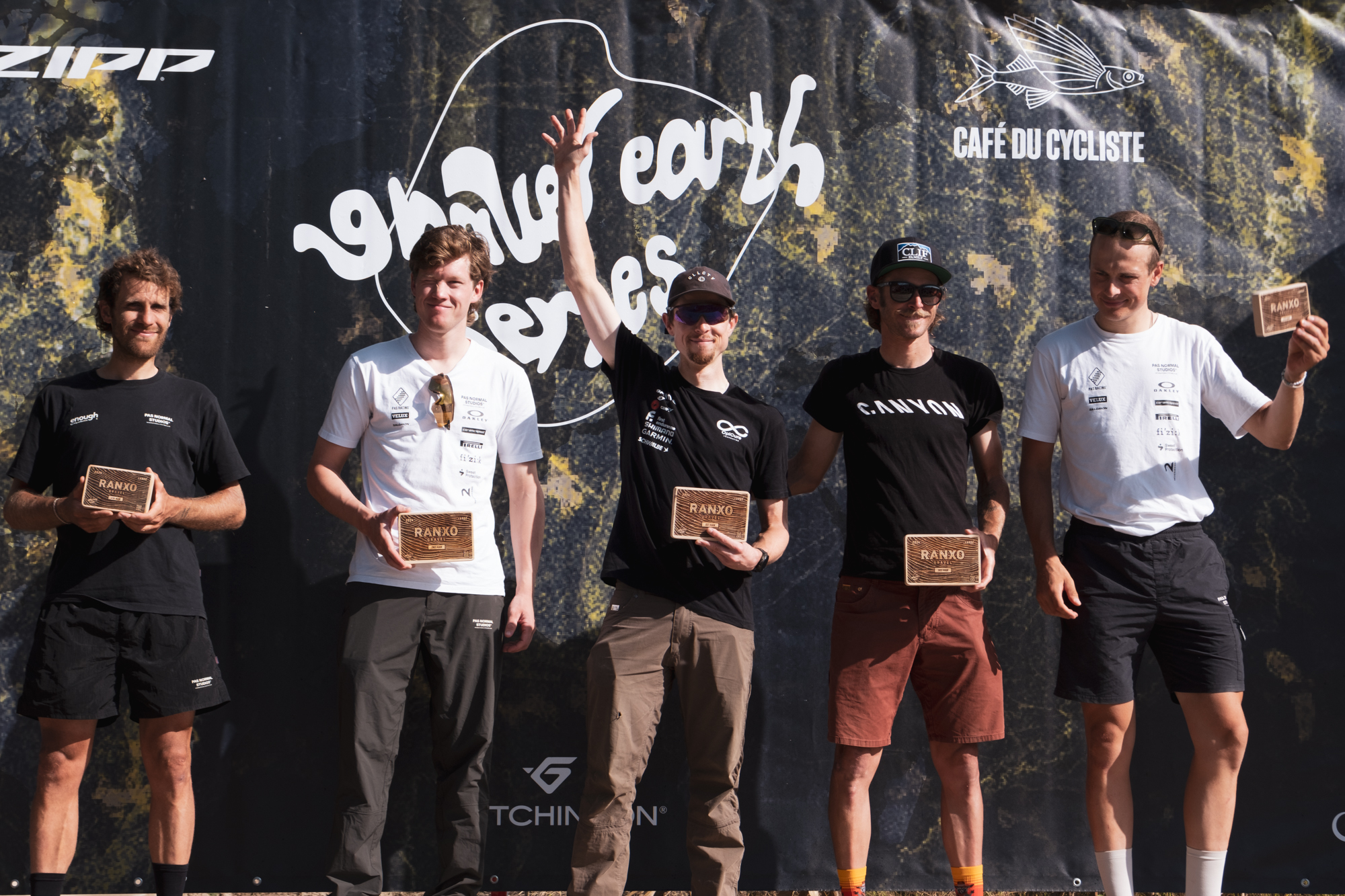
The second season of the Gravel Earth Series concluded last Sunday with the Ranxo Gravel. While last year the racing series featured 5 events, in 2024, the number has grown to 20 events spread across 13 countries, allowing all gravel enthusiasts to discover some of the most spectacular corners in the world for cycling.
Due to the attractiveness of the Ranxo Gravel, not only for the route but for the points up for grabs, 700 participants gathered in Points, Lleida, to tackle one of the three distances offered by the organizers. These points were going to be decisive in finishing the victory in the final general classification, since the scoring scale for this race left the door open to last-minute surprises. Up to seven riders depended on themselves to take home this year’s Gravel Earth Series.
It was the fourth edition of the race, with illustrious champions such as Valverde or Verona in its history of results. The first year, it was organized as an independent race, not associated with any series or league. During the last two editions, it was part of the UCI Gravel Series, and for 2024, it was incorporated into the Gravel Earth Series as the final event.
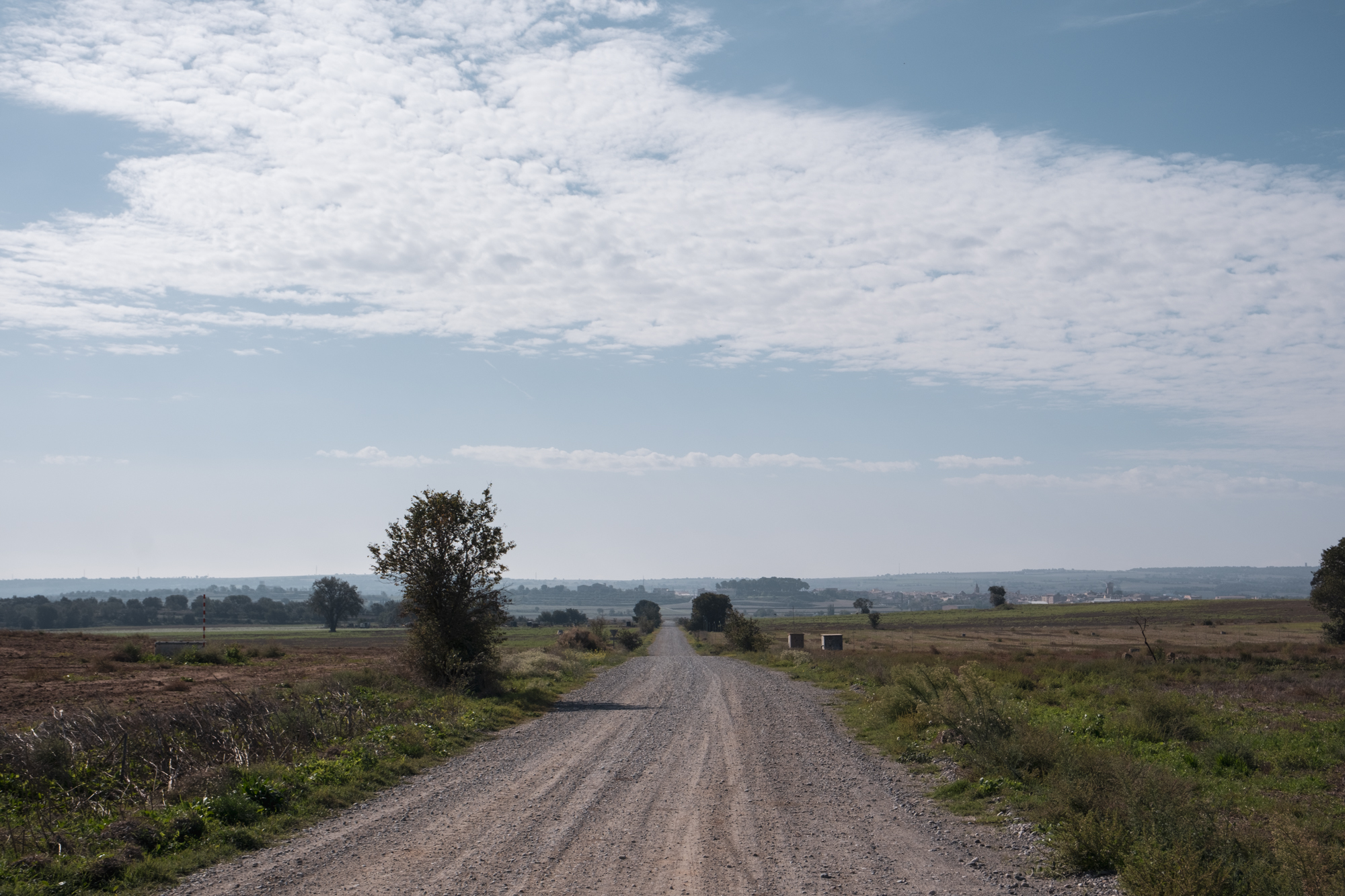
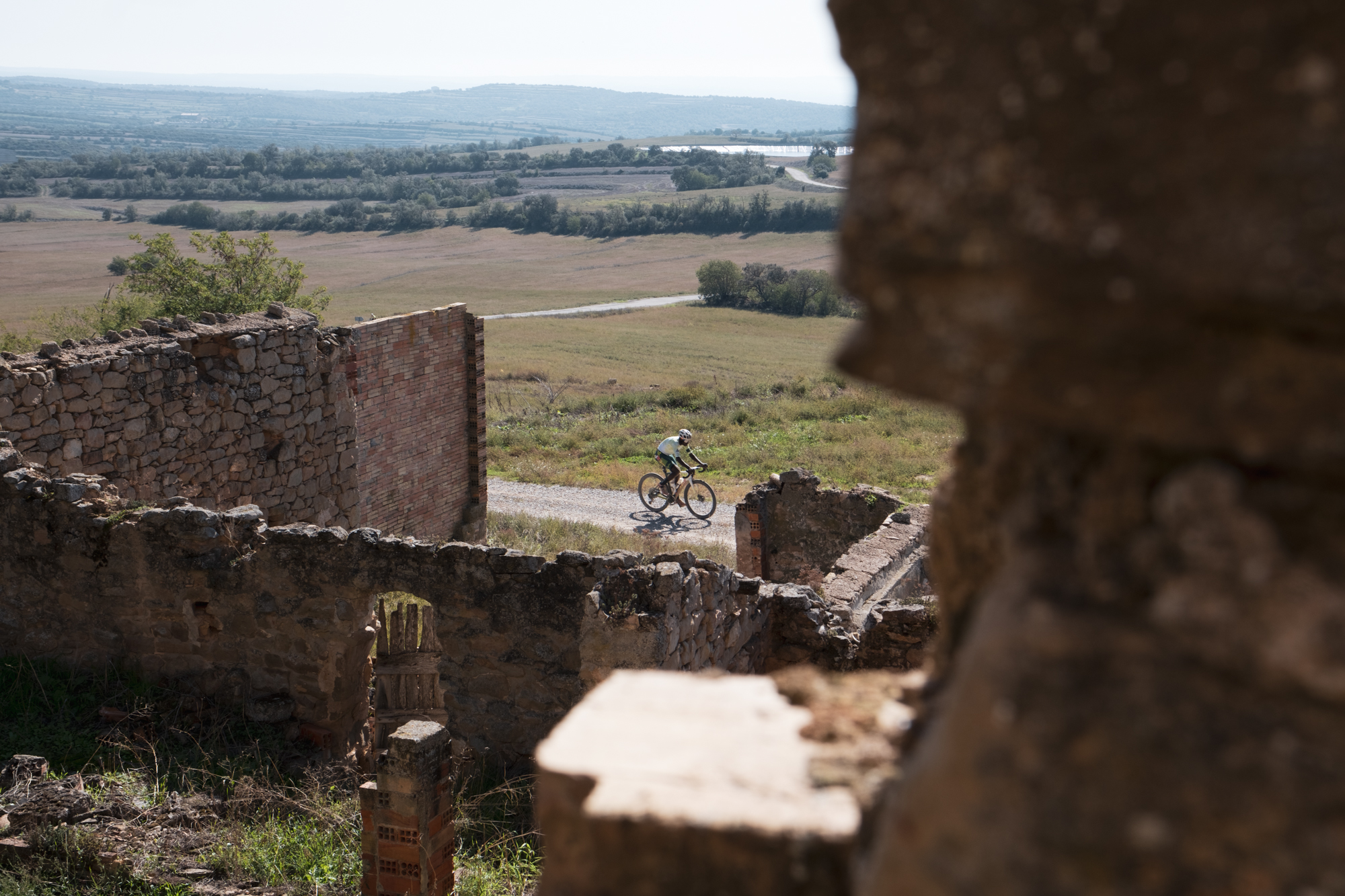
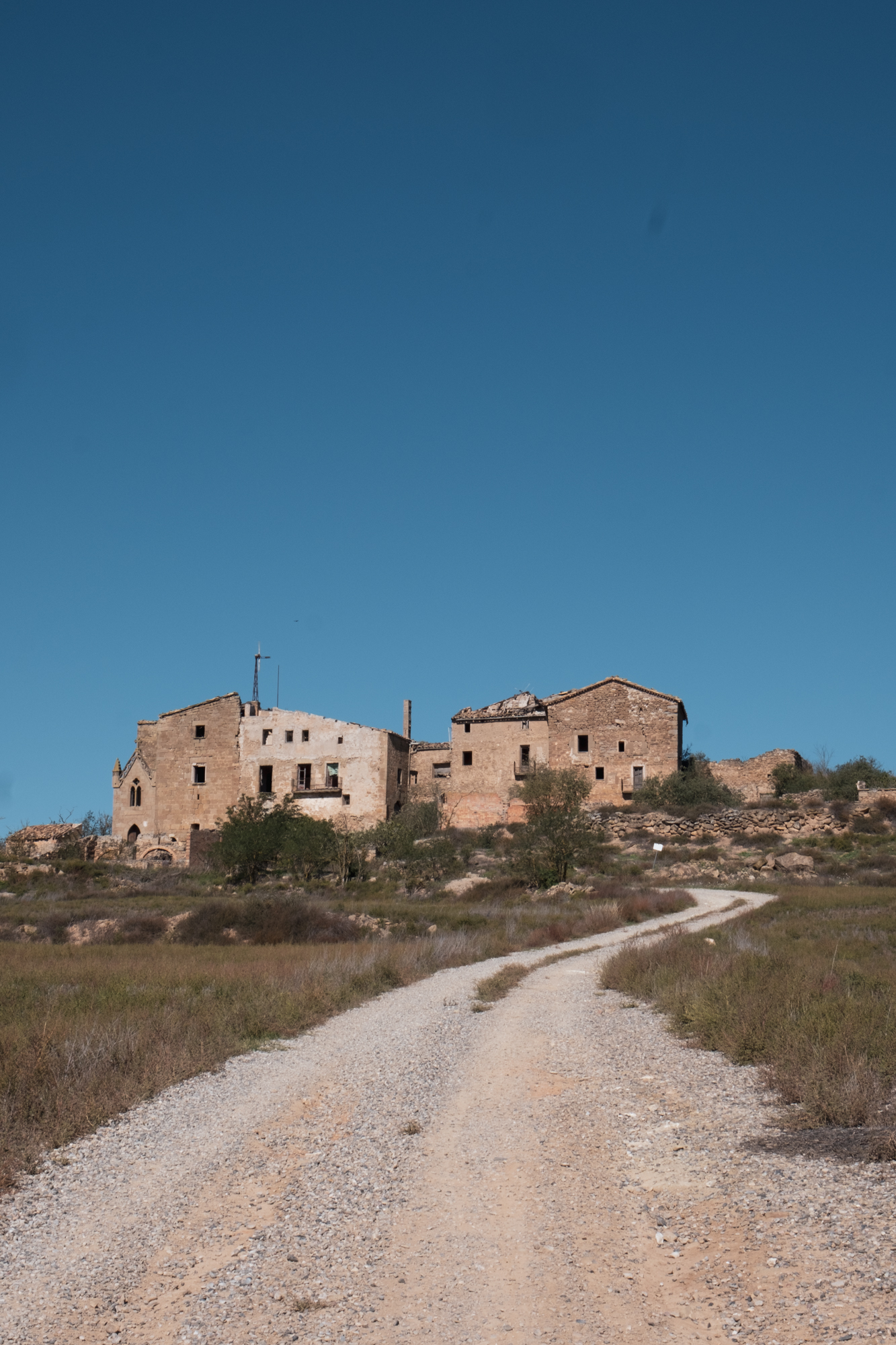
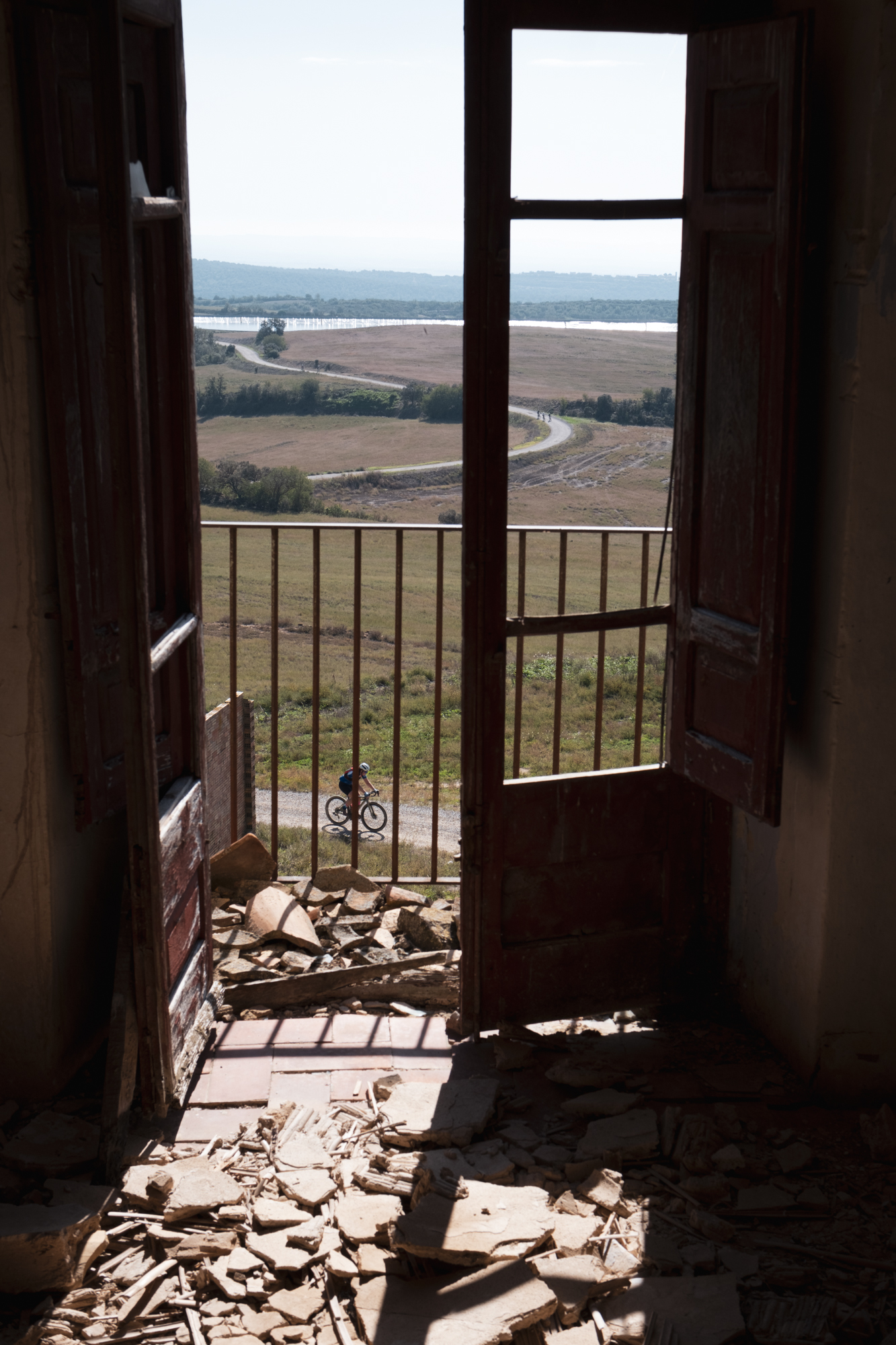
While in other circumstances the organizers have to scratch their heads to design a route with a considerable percentage of gravel, the network of agricultural paths that surround the villages of the Noguera and Segarra regions provided a perfect setting for a race with top-level participants, even when the European Championship of the discipline was taking place on the same weekend.
The appeal of the Ranxo Gravel triggered many of the cyclists who had initially set the World Championship as their final goal, to extend their competition season for one more week. The level was exceptional, and Klassmark took the right measures to ensure a race in which women could compete against each other without interference. Her start was at 7.45 AM on Sunday 13 October, an hour before the rest of the participants in the long distance – 160 kilometers and 1,700 meters of elevation gain – and it was forbidden to draft behind the men in case of being overtaken by them.
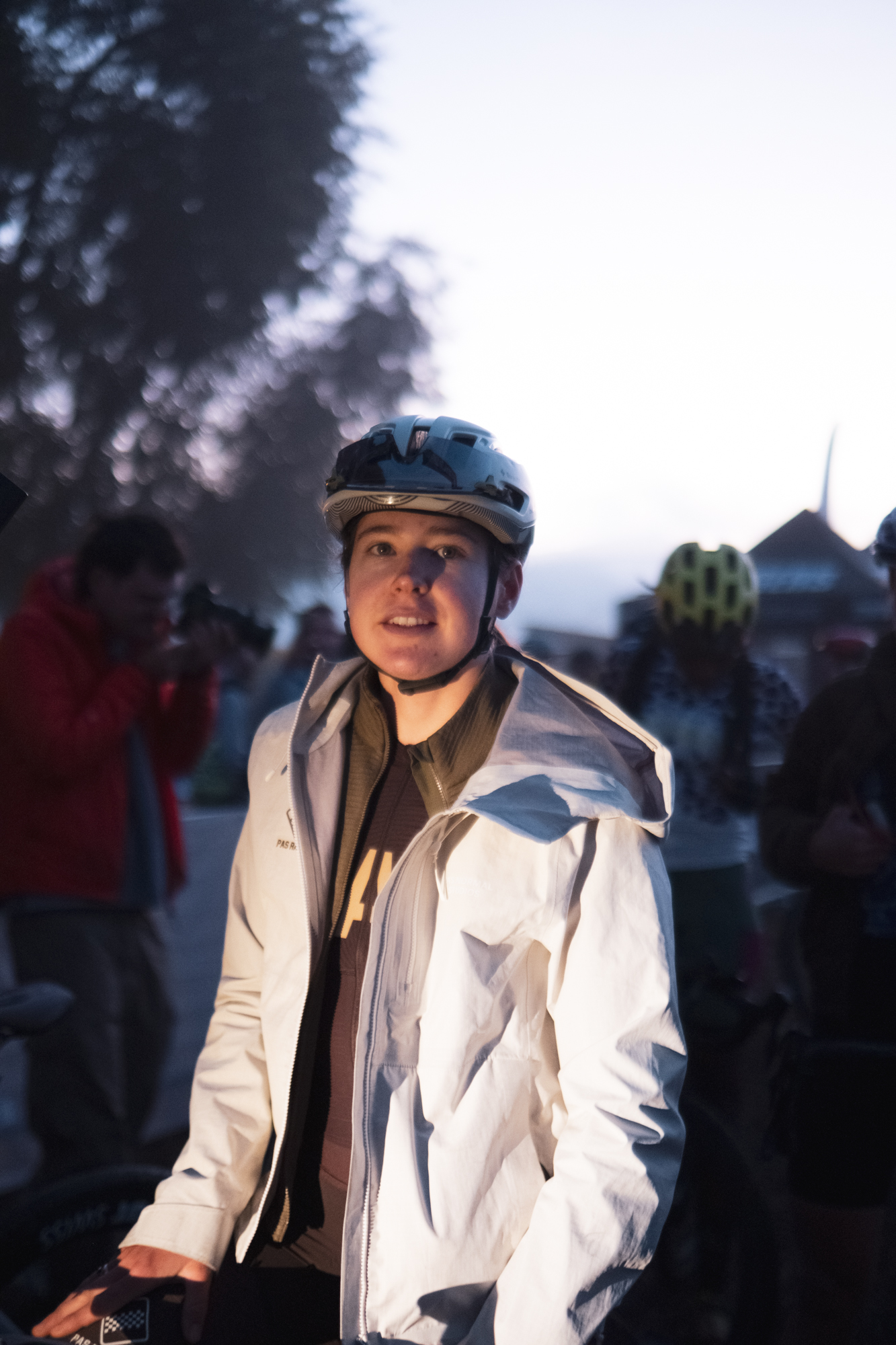
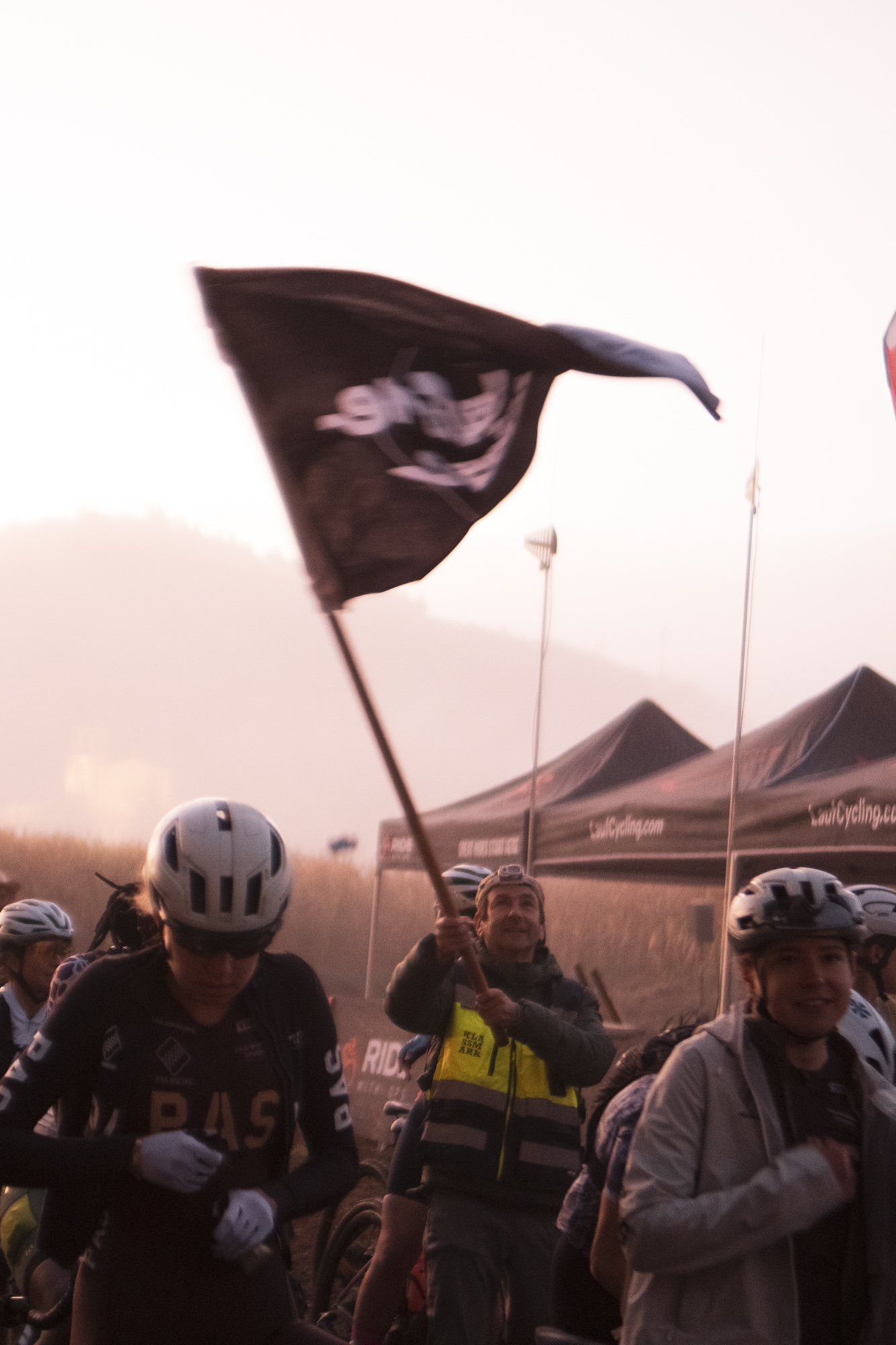
Dawn took longer than desired to make an appearance, and given how cold it was in the early morning, most participants took shelter in their accommodation, camper or tent, until only a few minutes before the start. The rain of the previous night, in contrast to the high temperatures of the day of the race, left the terrain in perfect conditions, minimizing the dust in the air and providing a better grip on an extremely fast circuit.
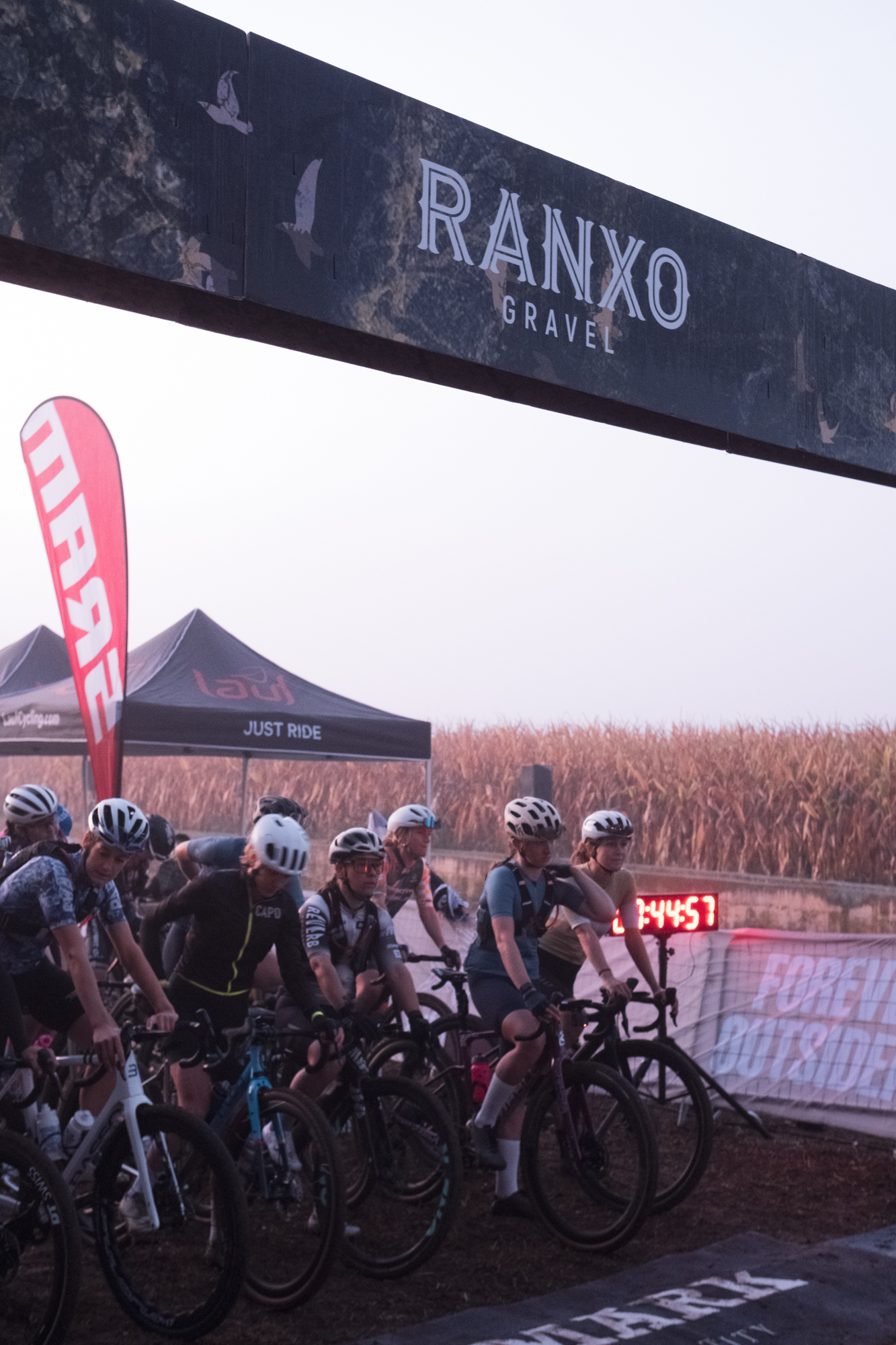
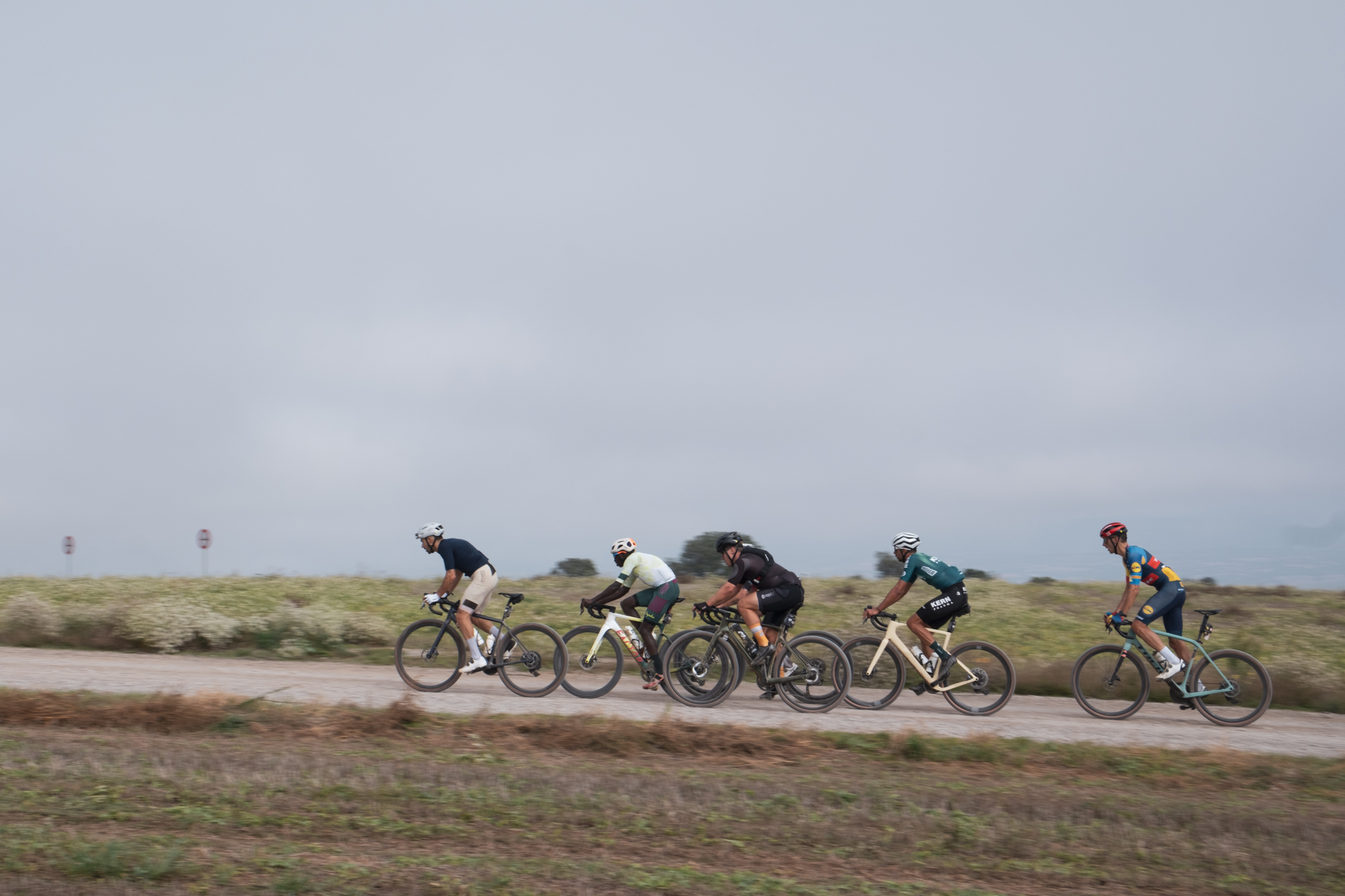
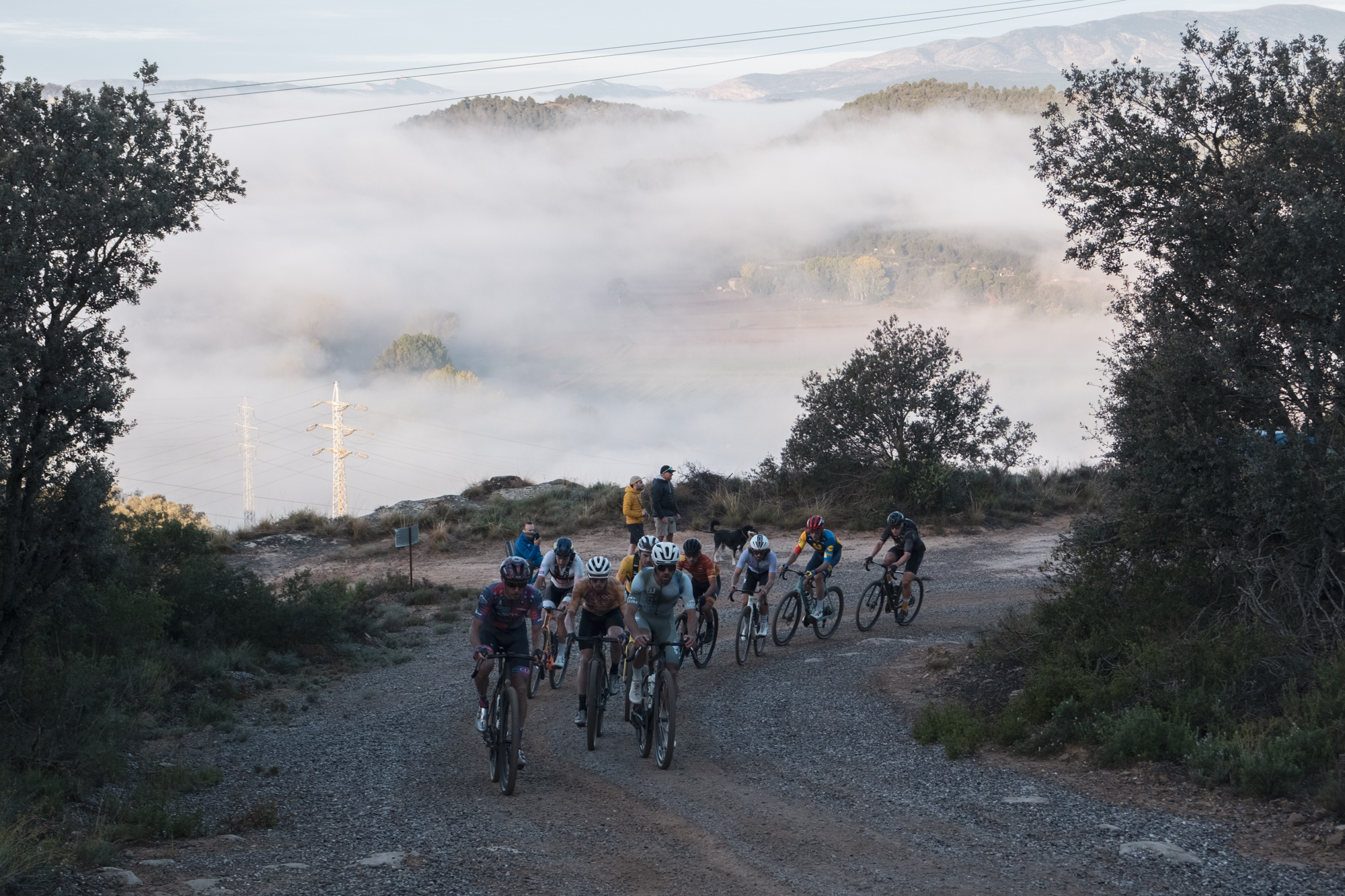
We were captivated by the landscapes and the gravel paths in perfect condition in the area. The longest climb was at the start of the race, and since the fog characteristic of the province of Lleida was low at that time, it looked like the cyclists were riding above the clouds. On that first climb, the most physiologically gifted athletes managed to open a gap on the rest, but some of the specialists in the discipline took advantage of the more technical sections to rejoin the leading group.
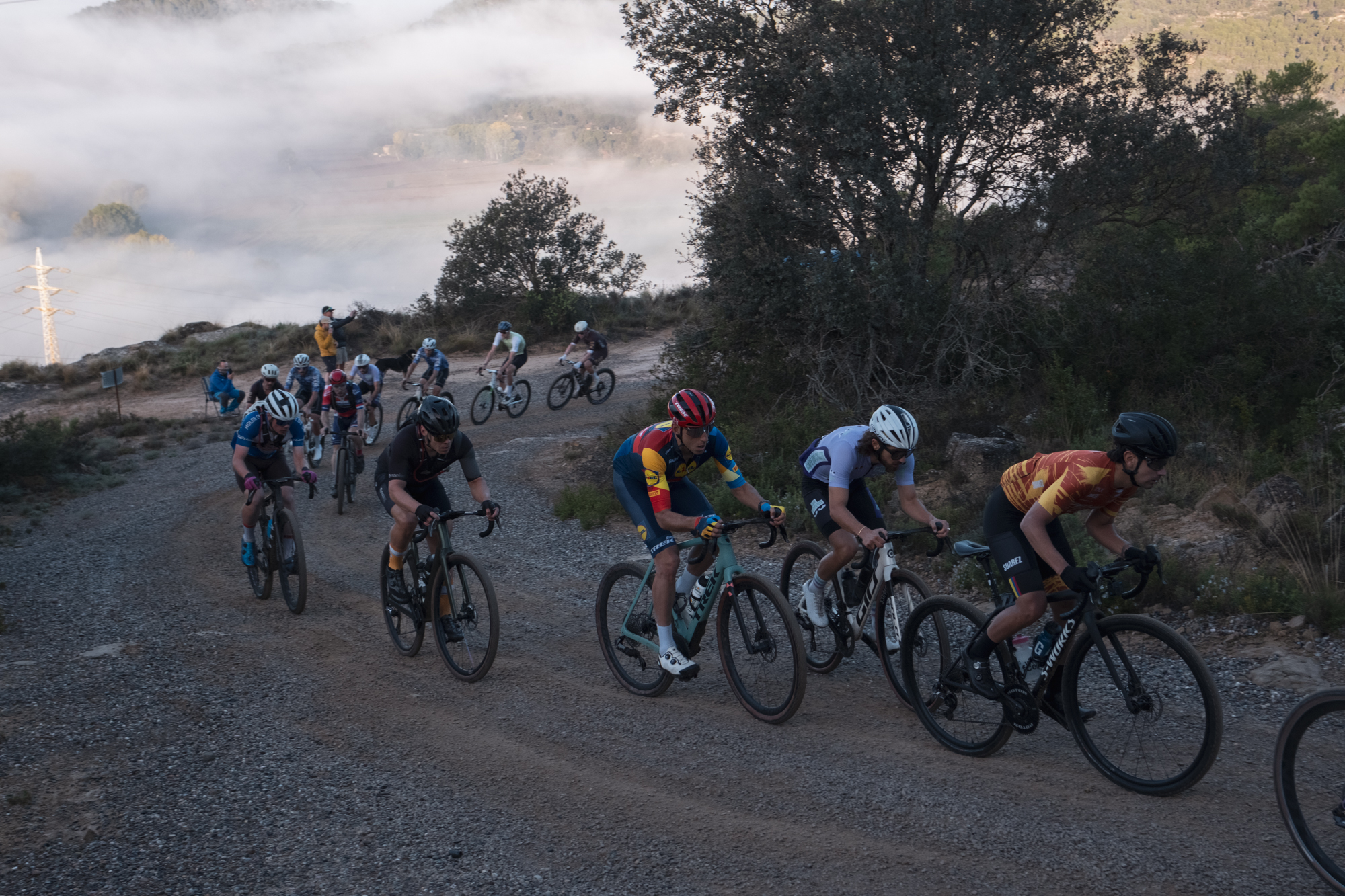
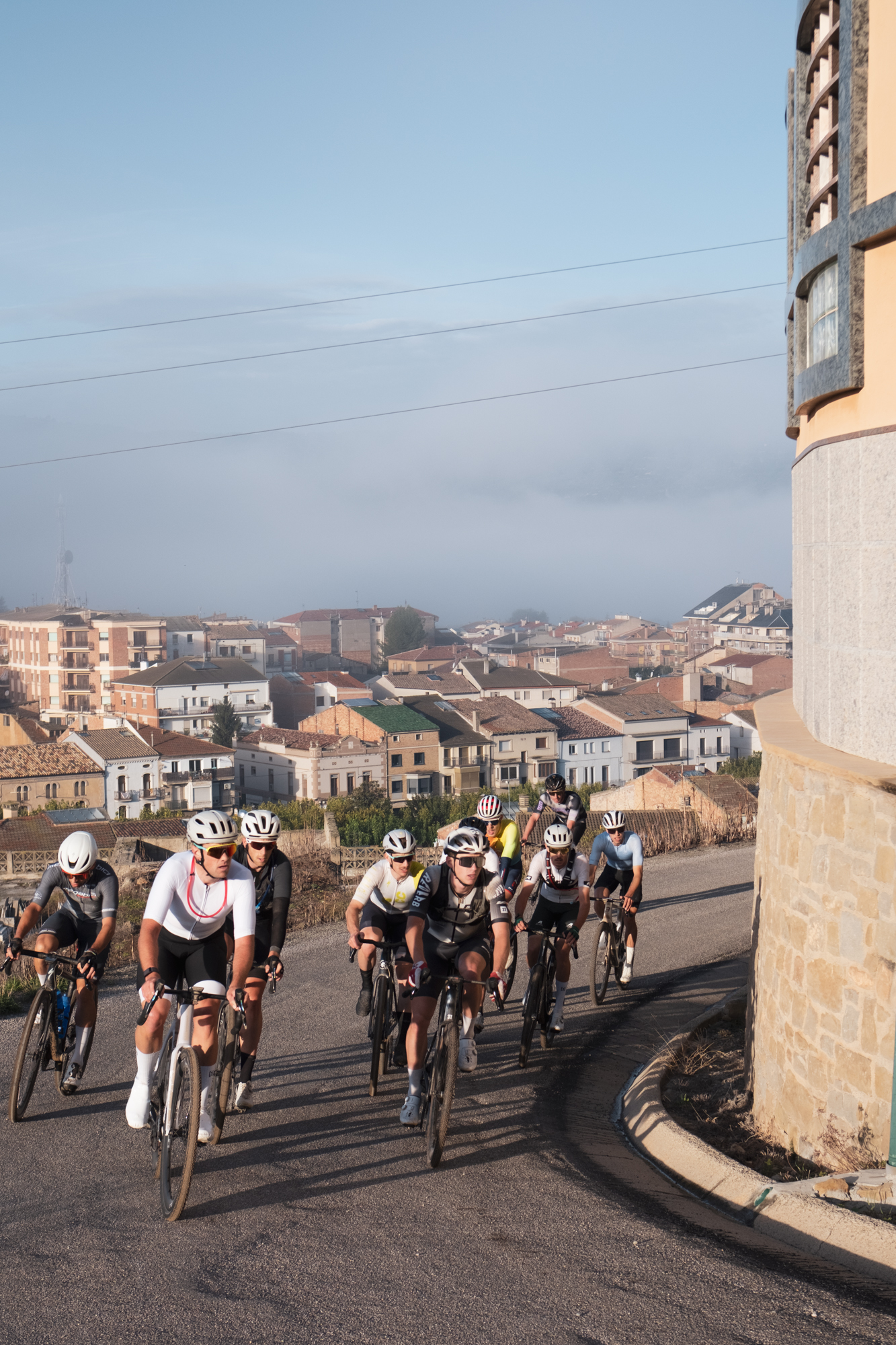
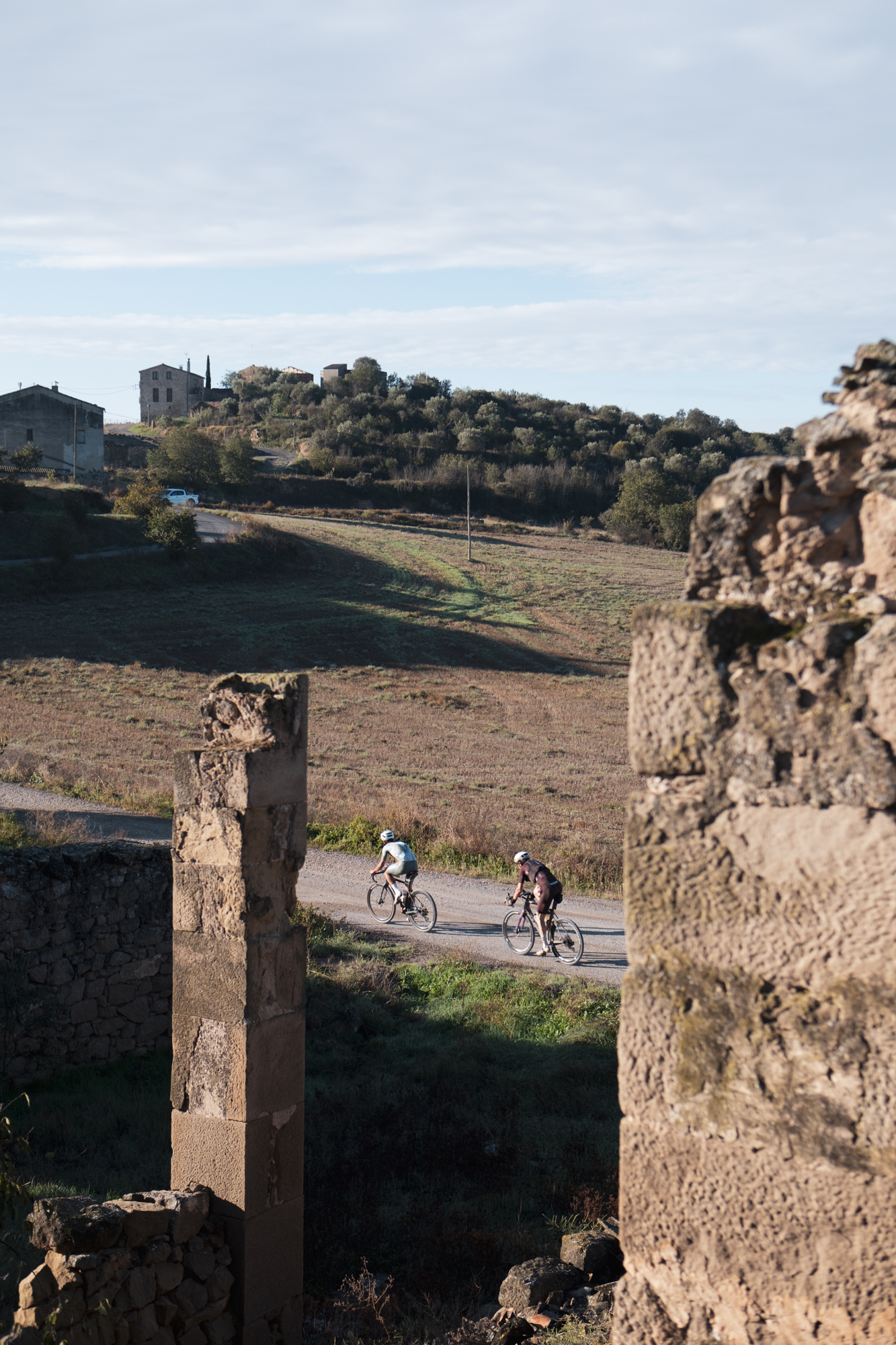
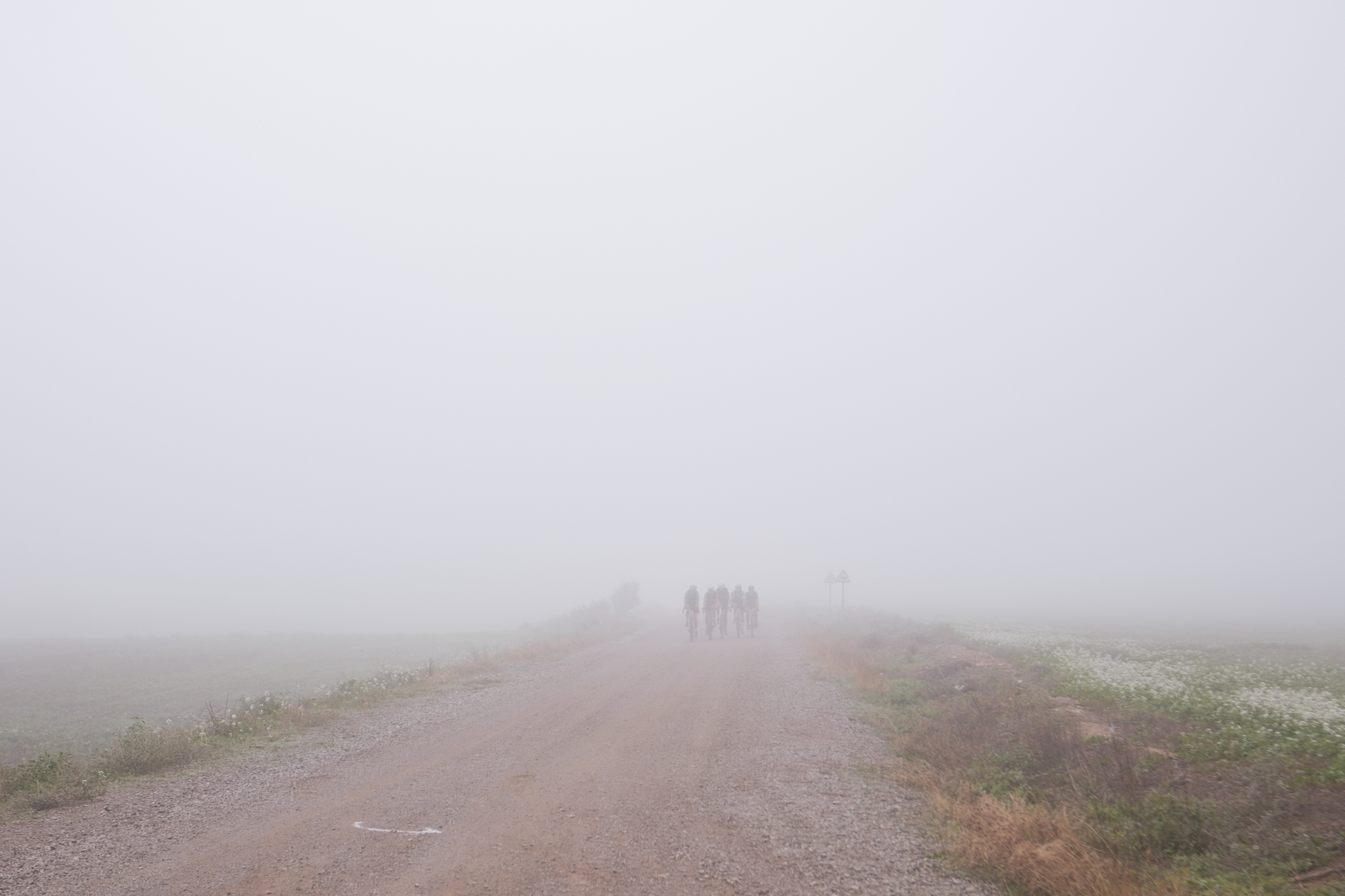
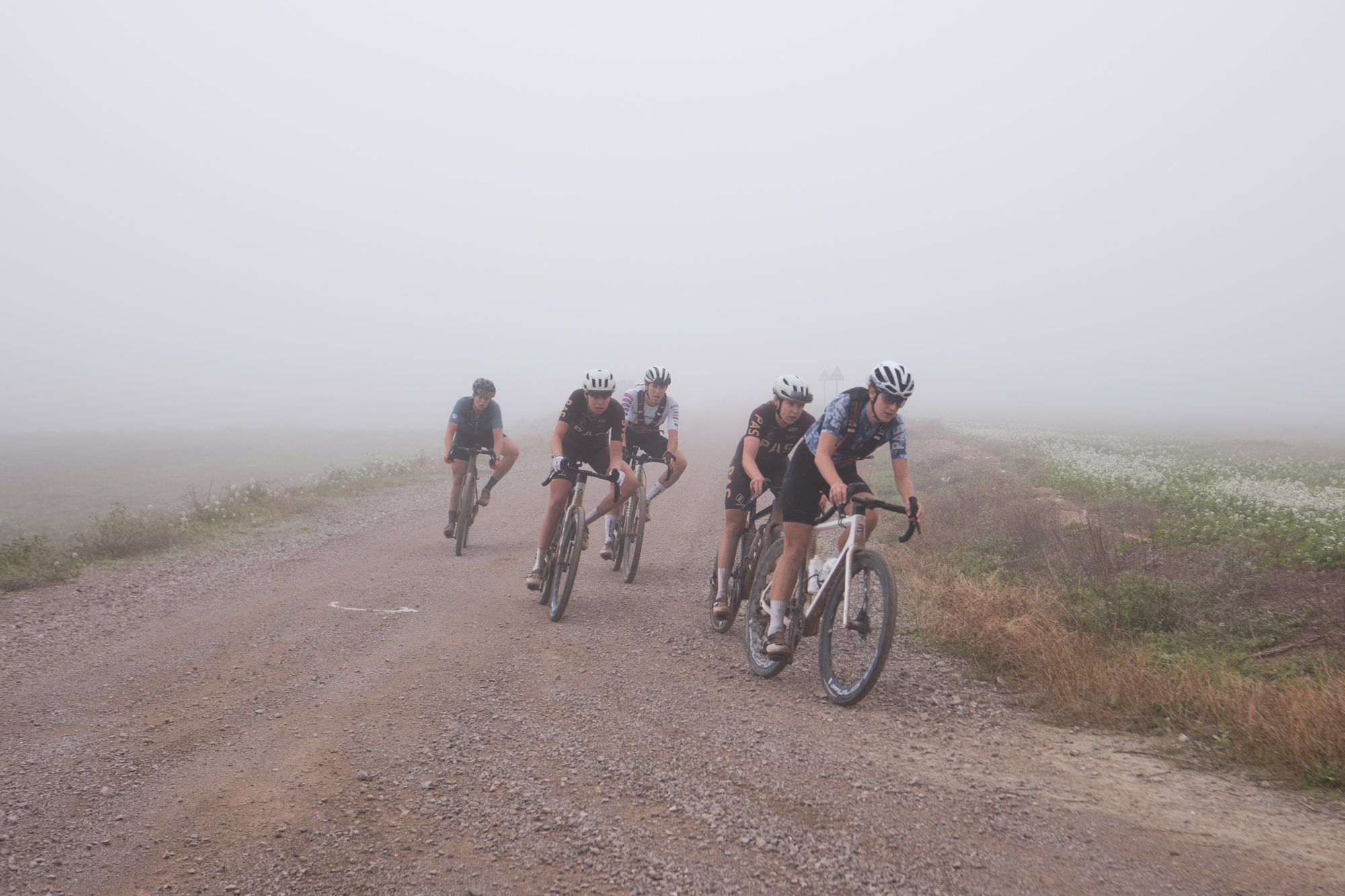
The fog appeared again during the morning, adding a mystical touch and making it so that, on the long gravel straights in remote areas similar to the landscapes of Kansas, riders could only see what was a couple of meters ahead. The locals told us that it was the first day of dense fog of the year and that normally the conditions are ideal for gravel riding. We have serious doubts about the first, but from what we saw last weekend, the Noguera region is a highly recommended place to ride a bike without worrying about cars.
Both races had a similar narrative. Once they had left the longest single track of the day behind, the ones in the lead, with the vast majority of favorites among them, worked with each other and maintained a high pace. It was the mechanical problems, and not so much a lack of strength, that caused these groups to gradually lose members.
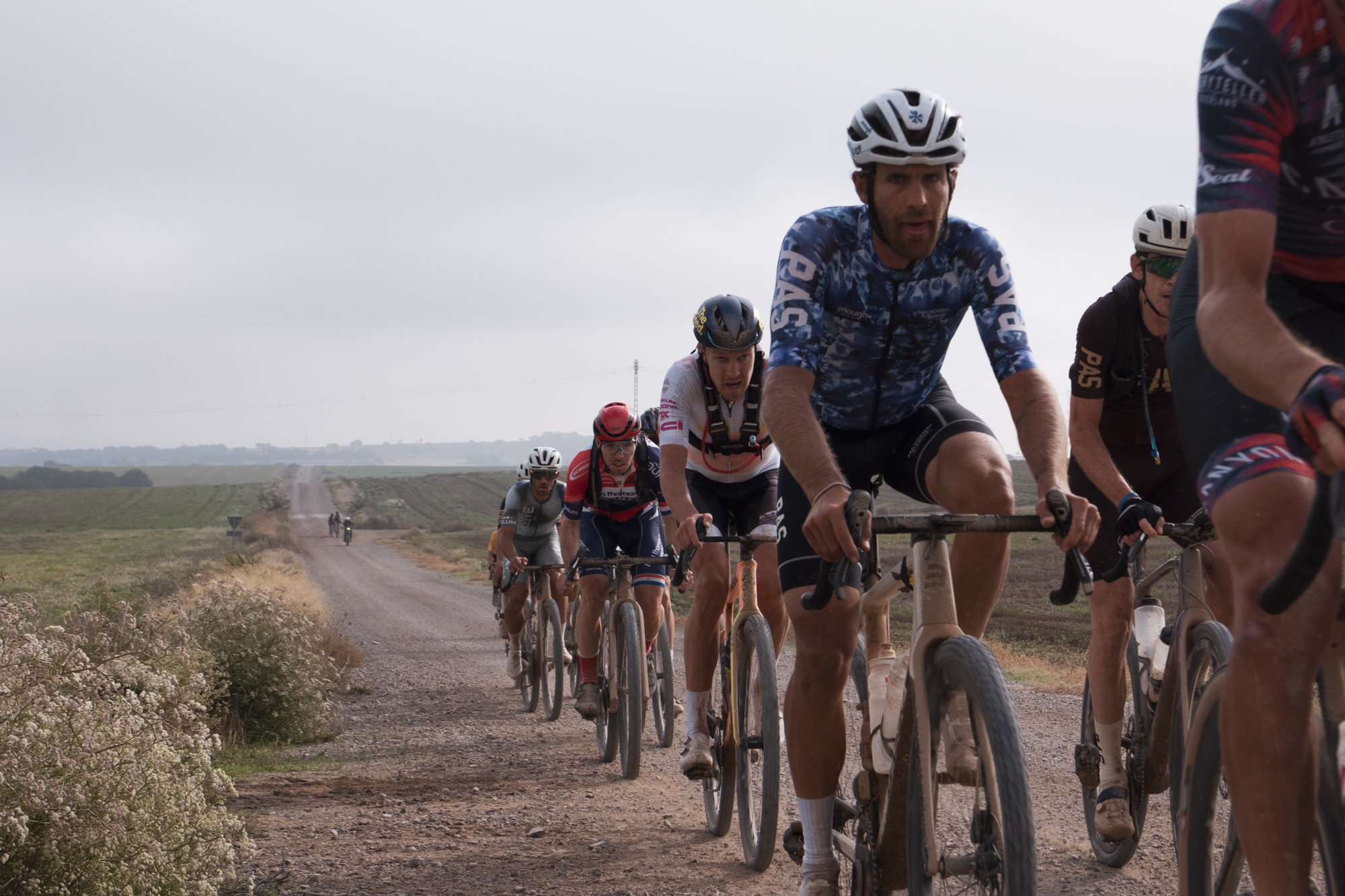
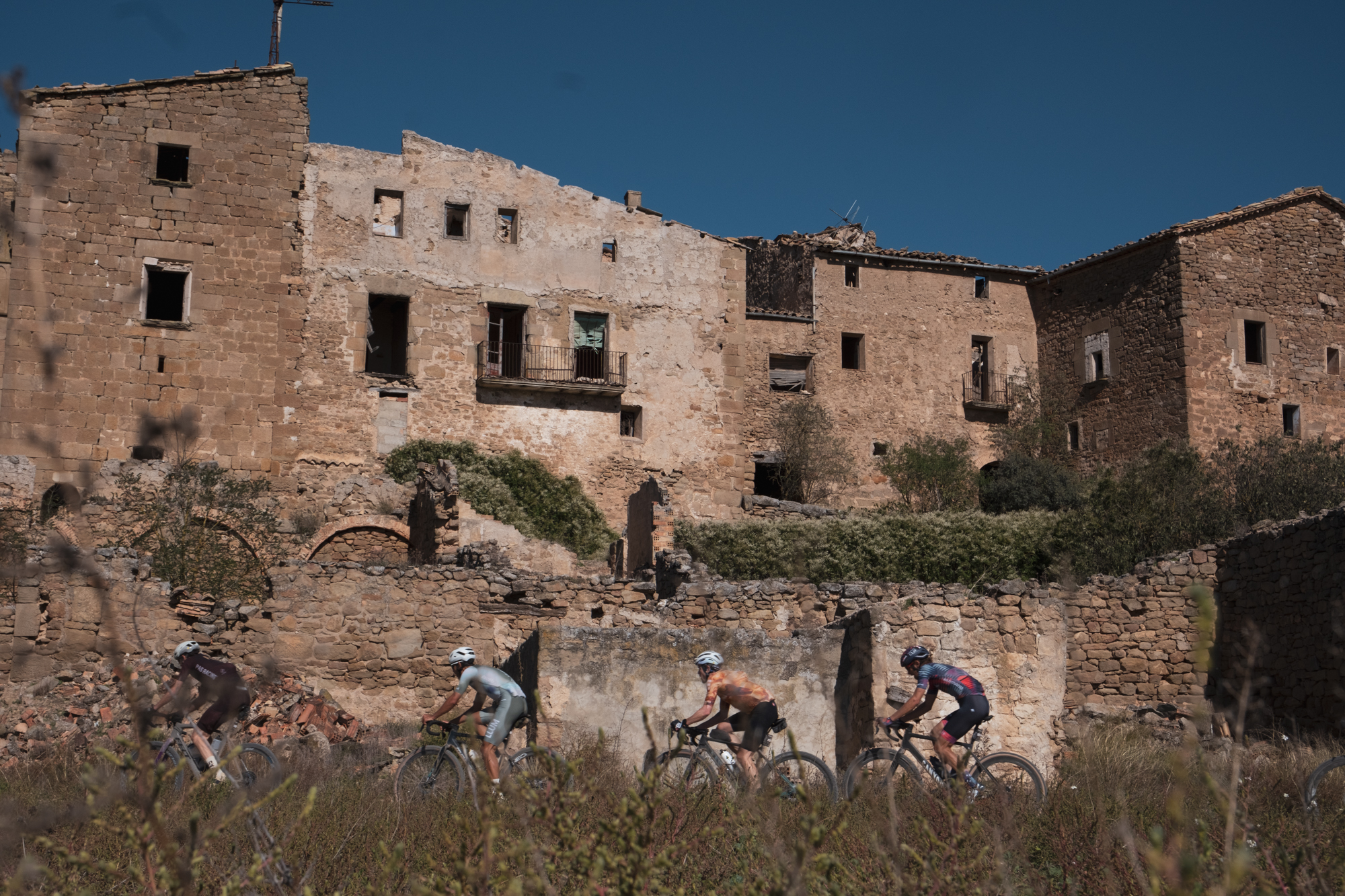
At the only feed point where external assistance was allowed, at kilometer 105, the men’s race was led by a group of nine cyclists, and in the case of the women, there were four of them set to contest the victory. Karolina Migon seemed to have everything under control to settle her lead in the Gravel Earth Series, and after three-quarters of the race riding cohesively with Morgan Aguirre, Danni Shrosbree, and Klara Sofie Skovgard, she accelerated and left her rivals behind, crossing the finish line alone after an effort of 5h44min.
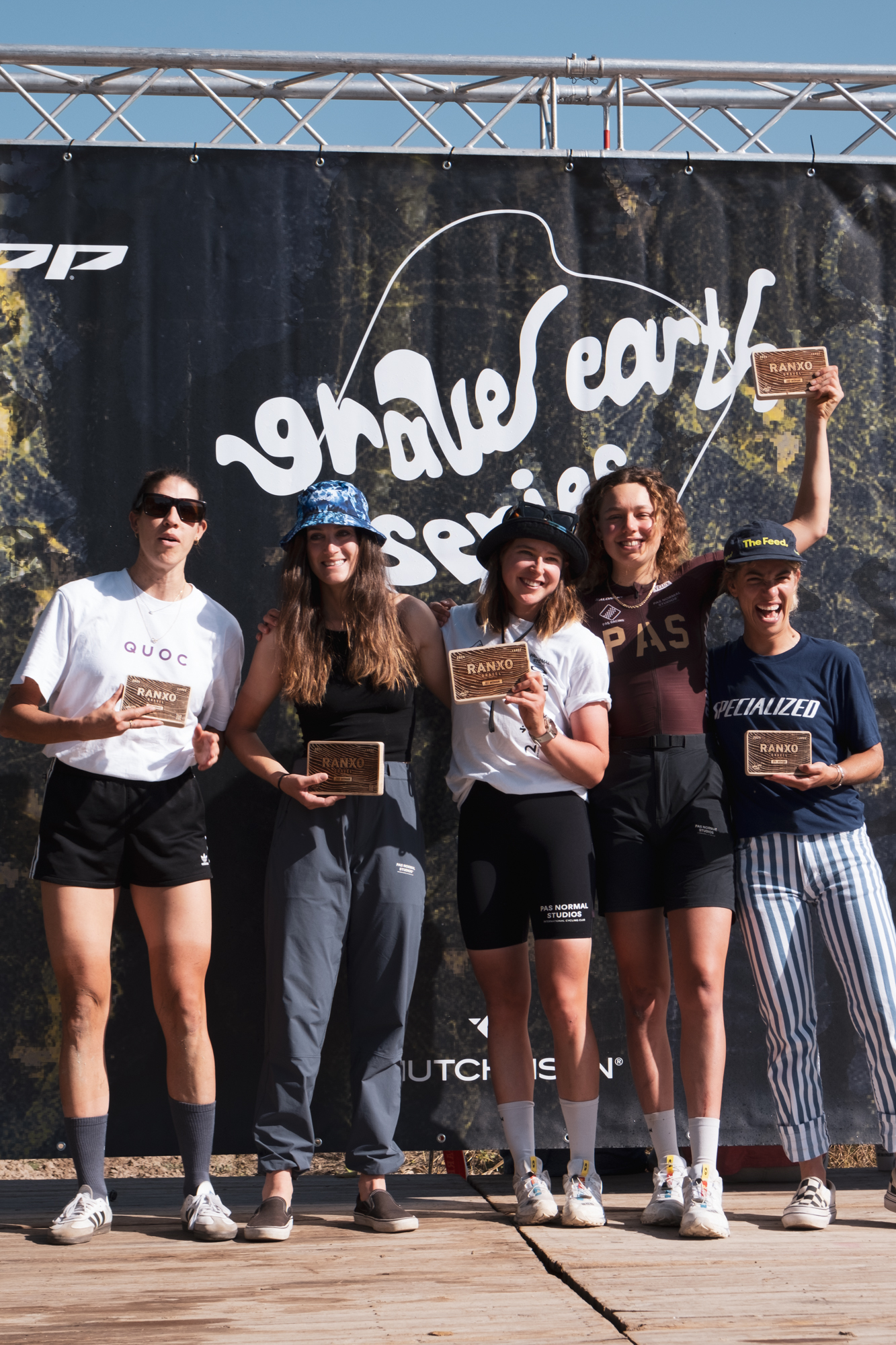
The Polish rider from PAS Racing achieved the double win, and was accompanied on the podium of the race by Morgan and her teammate Klara. Sarah Sturm, winner of the Migration Gravel Race, was unlucky as she had a puncture in the first hour of the race, but her competitive mindset and great form were rewarded with a second place in the overall standings.
Shortly afterward, highlighting Klassmark’s perfect time management, everyone present in the finish area was informed that in the men’s race, the American Griffin Easter had managed to open a small gap on his rivals and within the last kilometer of the race. He arrived in a time of 4h51min, and in less than three minutes, nine more riders made it to the finish in Ponts. The victory of the day was clear, but at first, it was not clear who had won the overall classification, as several of the contenders finished together.
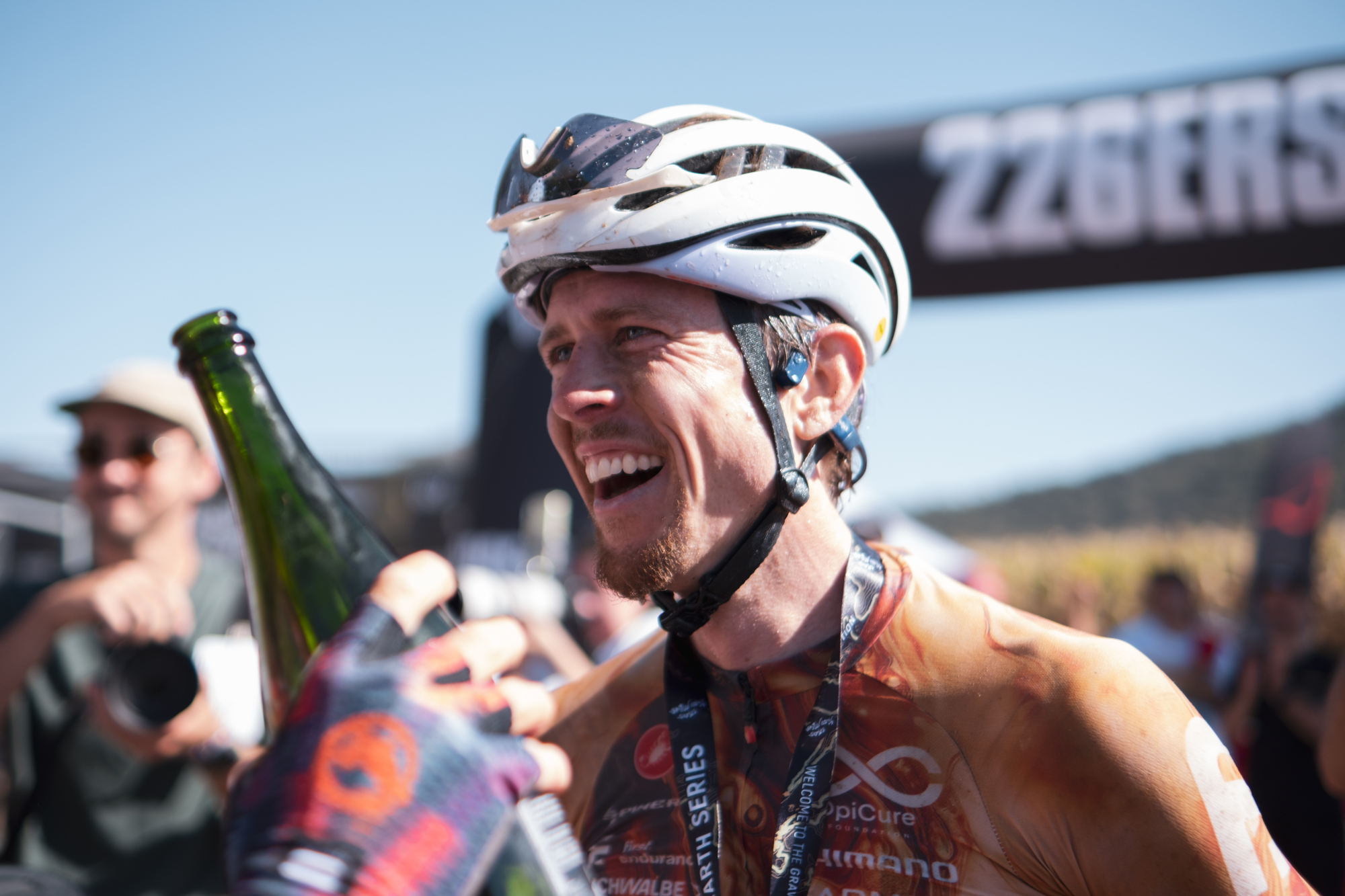
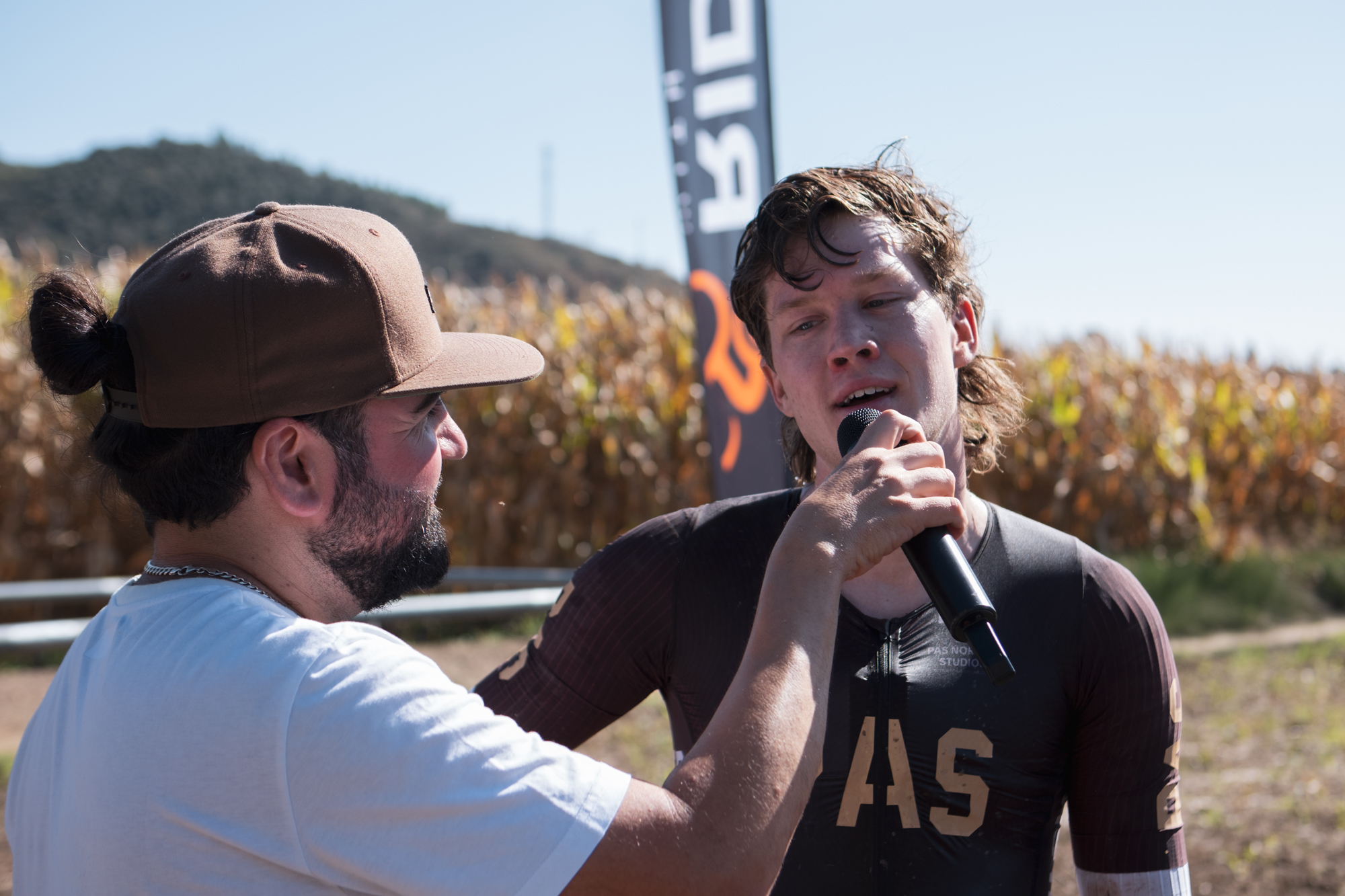
In the end, it was the Norwegian Simen Nordahl Svendsen who, thanks to his second position in Ranxo Gravel, took the final classification of the Gravel Earth Series. Griffin himself moved up to second in the series, and Peter Stetina finished third in both the race and overall.
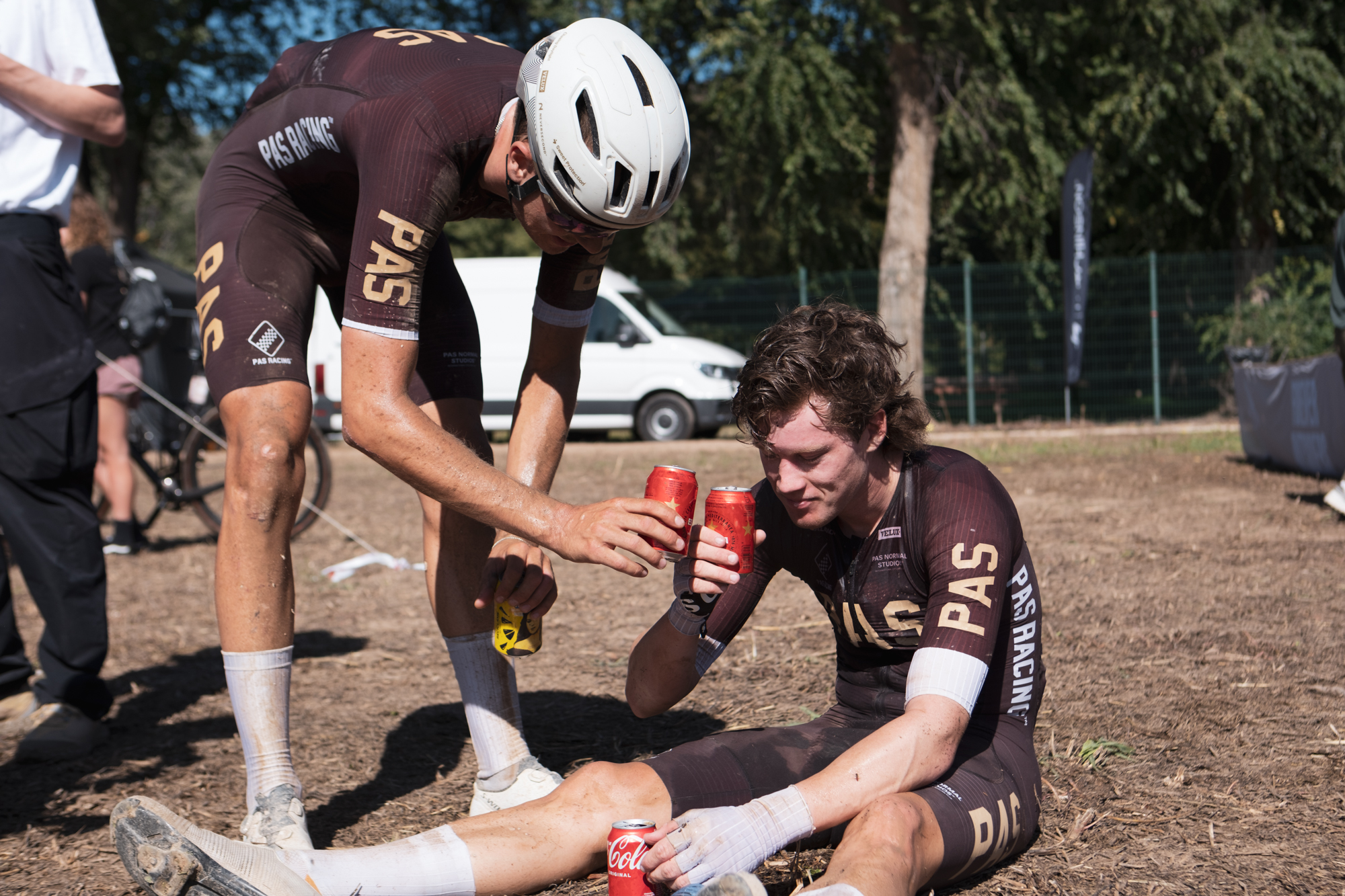
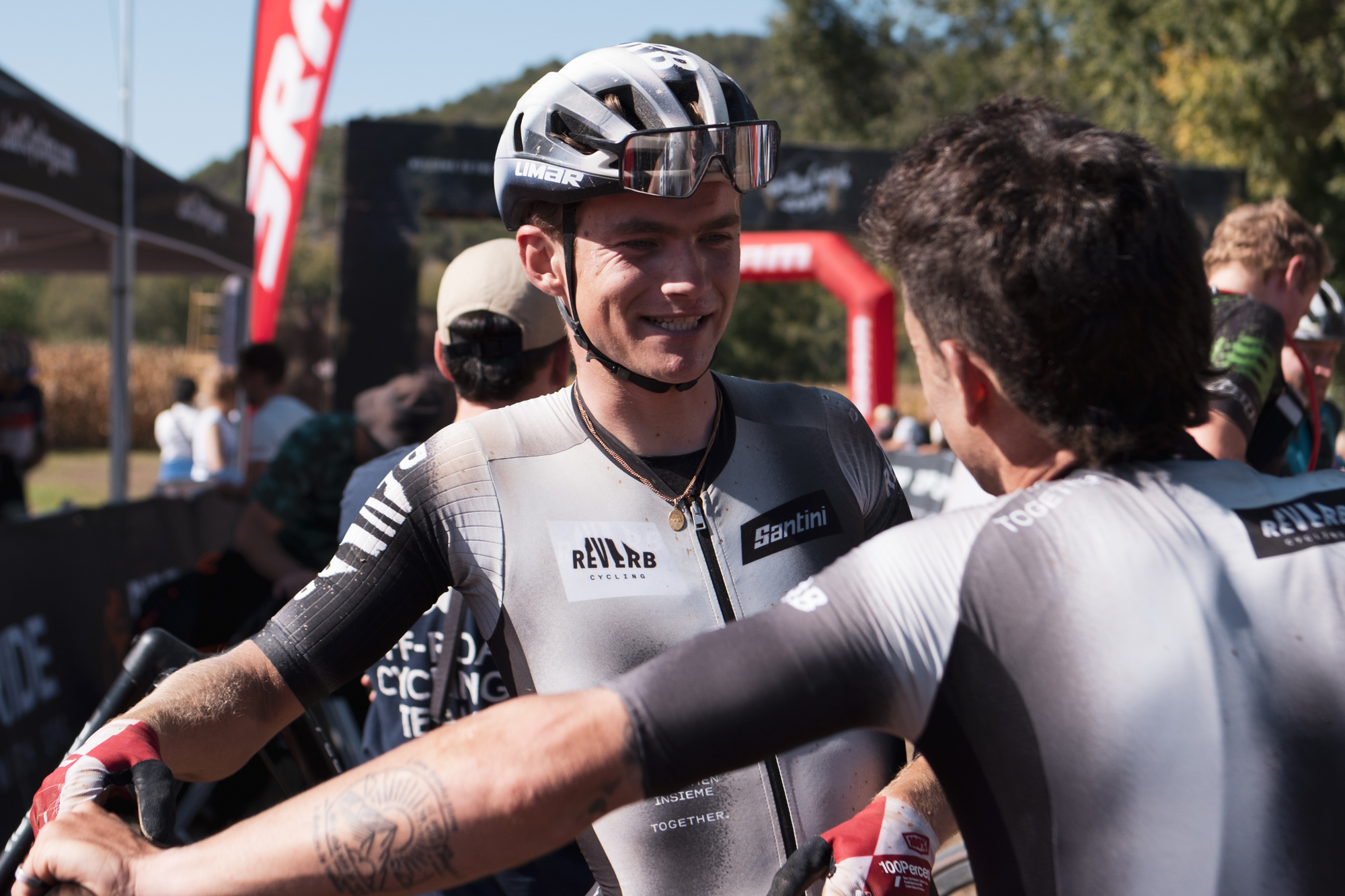
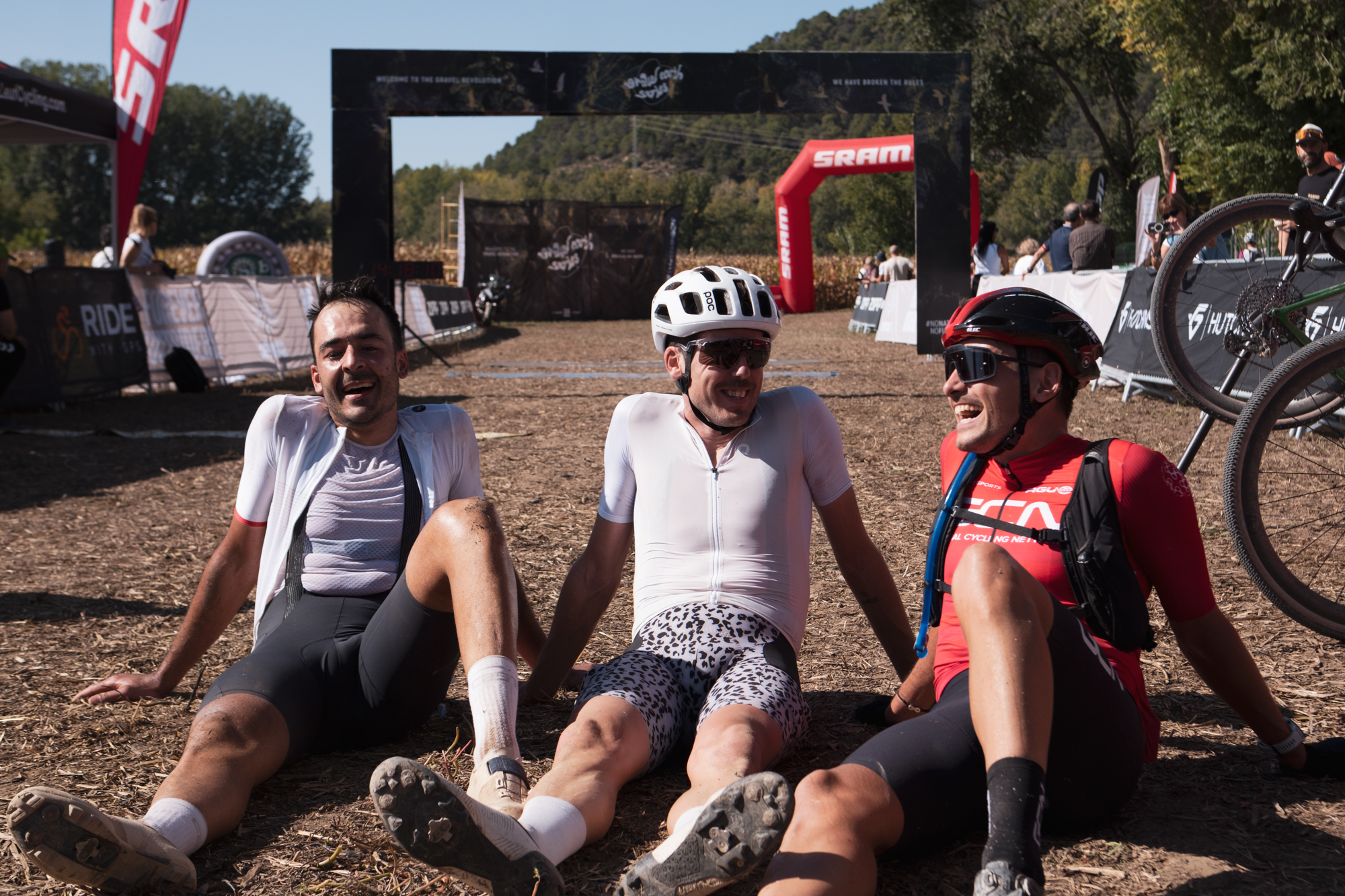
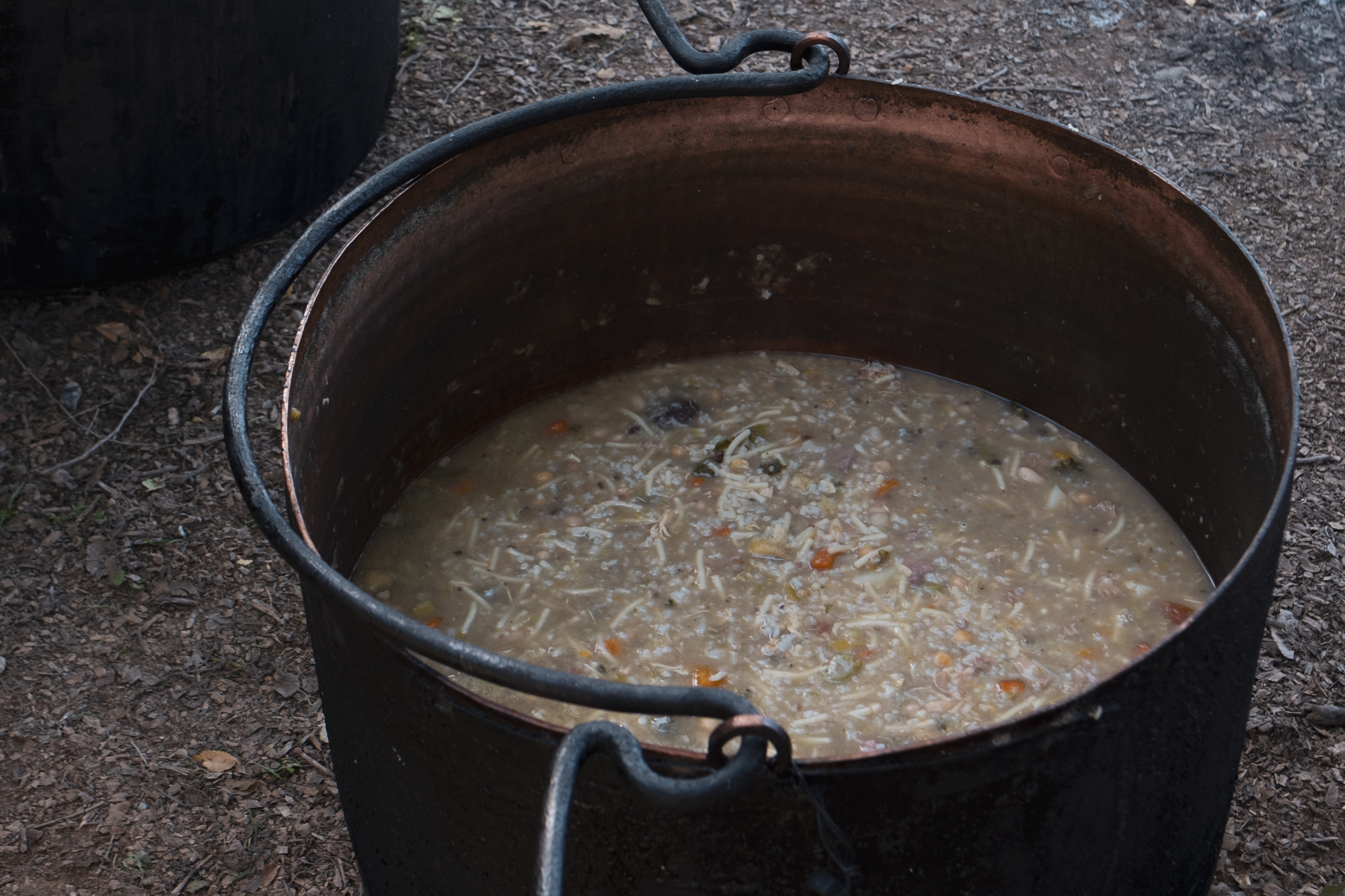
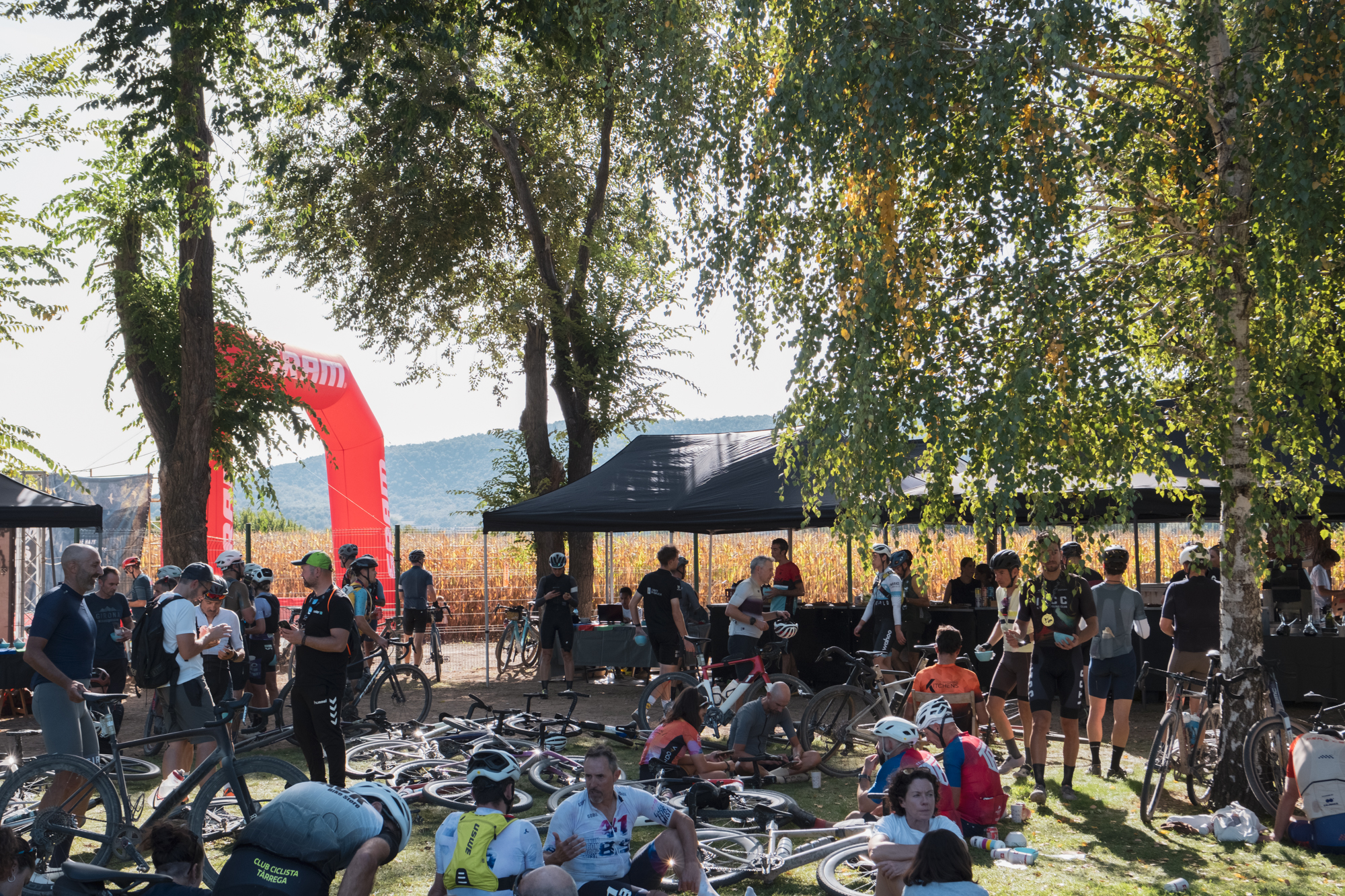
Once again, the vibes at the finish line were enviable. Cyclists cheering each other on, reliving racing moments, and enjoying that first beer that marked the end of the season. The Gravel Earth Series has managed, beyond the undeniable success in the strictly sporting aspect, to form a group of passionate gravel riders who travel and race together to discover the most impressive corners of the planet on a bike.

Javi es nuestro corresponsal en Bélgica, y trata de contrarrestar su obsesiva pasión por el análisis de datos con la relajante acción (o eso es lo que dice) de crear contenido para la revista. Javi is based in Belgium and tries to compensate for his obsessive passion for data analytics with the relaxing action (that's what he says) of creating content for the magazine. View all posts by Javi Angulo
 Javi Angulo
 Javi Angulo
 Javi Angulo
 Javi Angulo
 Javi Angulo
 Javi Angulo
 Pavel Novotný
 Pavel Novotný
 Javi Angulo
 Javi Angulo
 Javi Angulo
 Javi Angulo
La segunda temporada de las Gravel Earth Series ha concluido este domingo con la Ranxo Gravel. Si bien el año pasado la serie de carreras contaba con 5 eventos, en 2024 la cifra ha crecido hasta un total de 20 pruebas repartidas en 13 países, brindando la oportunidad a todo apasionado del gravel de descubrir algunos de los rincones más espectaculares del planeta para la práctica del ciclismo.
Debido al atractivo de la Ranxo Gravel, ya no solo por el recorrido sino por los puntos en disputa, 700 participantes se congregaron en Points, Lleida, para afrontar una de las tres distancias ofrecidas por los organizadores. Estos puntos iban a ser decisivos para terminar la victoria en la clasificación general final, ya que la escala de puntuación para esta carrera dejaba la puerta abierta a sorpresas de última hora. Hasta siete corredores dependían de sí mismos para llevarse las Gravel Earth Series de este año.
Era la cuarta edición de la prueba, con ilustres campeones como Valverde o Verona en el histórico de resultados. En su primer año fue organizada como carrera independiente, sin estar asociada a ninguna serie ni liga. Durante las pasadas dos ediciones formó parte de las UCI Gravel Series, y en 2024 ha sido incorporada a las Gravel Earth Series como evento final.
Mientras en otras localizaciones los organizadores e tienen que rascar la cabeza para diseñar un recorrido con un porcentaje considerable de gravel, la telaraña de caminos agrícolas que rodean los pueblos de las comarcas de la Noguera y la Segarra facilitó un escenario perfecto para la disputa de una carrera con participantes del más alto nivel, incluso cuando el mismo fin de semana tenía lugar el Campeonato Europeo de la disciplina.
El atractivo de la Ranxo Gravel hizo que muchos de los ciclistas que en un primer momento se habían marcado el Campeonato Mundial como objetivo final, alargaran su temporada de competición una semana más. El nivel fue excepcional, y Klassmark tomó las acertadas medidas para garantizar una carrera en la que las mujeres pudieran competir entre ellas sin interferencias. Su salida fue a las 7:45 del domingo 13 de octubre, una hora antes que el resto de participantes de la distancia larga – 160 kilómetros y 1.700 metros de desnivel -, e ir a rueda en caso de ser adelantadas por los hombres no estaba permitido.
El amanecer se hizo de rogar, y ante el frío de buena mañana, la mayoría participantes apuraron refugiados en su alojamiento, caravana o tienda de campaña, hasta pocos minutos antes de la salida. La lluvia de la noche anterior, en contraste con las altas temperaturas del día de carrera, dejó el terreno en condiciones ideales, evitando polvaredas y proporcionando mayor agarre en un circuito de por sí extremadamente rápido.
Quedamos cautivados por los paisajes y las pistas en perfecto estado de la zona. La subida más pronunciada estaba colocada al principio de carrera, y dado que en ese momento la niebla característica de la provincia de Lleida estaba baja, parecía que los ciclistas rodaban por encima de las nubes. En esa primera ascensión los ciclistas más dotados fisiológicamente lograron abrir un hueco sobre el resto, pero algunos de los especialistas en la disciplina sacaron ventaja de los tramos más técnicos para reengancharse al grupo cabecero.
La niebla fue haciendo acto de presencia durante la mañana, aportando un toque místico y haciendo que, en las largas rectas de gravilla en zonas remotas similares a los paisajes de Kansas, solo se apreciara lo que había un par de metros por delante. Los locales nos dijeron que era el primer día episodio de niebla densa del año y que normalmente las condiciones son idoneas para la práctica del gravel. De lo primero tenemos serias dudas, pero por lo que vimos el pasado fin de semana, la comarca de la Noguera es un sitio muy recomendable para montar en bicicleta con total tranquilidad.
Ambas carreras tuvieron una narrativa similar. Una vez dejaron atrás el sendero más largo del día, los ciclistas que salieron en cabeza, con la gran mayoría de favoritos entre ellos, se entendieron entre ellos y mantuvieron un ritmo alto. Fueron los problemas mecánicos, y no tanto la falta de fuerzas, los que hicieron que estos grupos fueran perdiendo integrantes poco a poco.
Al paso por el único avituallamiento en el que estaba permitido asistencia externa, en el kilómetro 105, la carrera masculina estaba liderada por un grupo de nueve ciclistas, y en el caso de las mujeres, eran cuatro las que parecía que se iban a jugar la victoria. Karolina Migon lo tenía todo a su favor para confirmar su liderato en las Gravel Earth Series, y tras tres cuartas partes de la carrera rodando cohesionadamente con Morgan Aguirre, Danni Shrosbree, y Klara Sofie Skovgard, puso una marcha más y fue descolgando a sus rivales hasta llegar en solitario a meta tras un esfuerzo de 5h44min.
La polaca del PAS Racing logró la doble corona, y fue acompañada en el podio de la carrera por Morgan y su compañera de equipo Klara. Sarah Sturm, vencedora de la Migration Gravel Race, no tuvo suerte al pinchar en la primera hora de carrera, pero su mentalidad competitiva y el gran estado de forma mostrado fueron recompensados con una segunda posición en la general final.
Poco después, recalcando el perfecto manejo de los tiempos por parte de Klassmark, todos los presentes en la zona de llegada fuimos avisados de que en la carrera masculina el estadounidense Griffin Easter había conseguido abrir un pequeño hueco ante sus rivales y se disponía a encarar el último kilómetro de carrera en solitario. Llegó en un tiempo de 4h51min, y en menos de tres minutos, nueve corredores más cruzaron la meta en Ponts. La victoria del día estaba clara, pero en un primer momento no se sabía quién había ganado la clasificación general, ya que varios de los contendientes entraron prácticamente juntos.
Finalmente fue el noruego Simen Nordahl Svendsen quien, gracias a su segunda posición en Ranxo Gravel, se llevó la clasificación final de las Gravel Earth Series. El propio Griffin subió hasta la segunda posición en las series, y Peter Stetina finalizó tercero tanto en la carrera como en la general.
Una vez más, el ambiente en la línea de meta fue envidiable. Ciclistas animándose los unos a los otros, reviviendo momentos de carrera, y disfrutando de esa primera cerveza que marcaba el final de temporada. Las Gravel Earth Series han logrado, más allá del innegable éxito en lo estríctamente deportivo, formar un grupo de apasionados por el gravel que viajan y compiten juntos donde sea con tal de descubrir los rincones más impresionantes del planeta encima de la bicicleta.
Javi es nuestro corresponsal en Bélgica, y trata de contrarrestar su obsesiva pasión por el análisis de datos con la relajante acción (o eso es lo que dice) de crear contenido para la revista. Javi is based in Belgium and tries to compensate for his obsessive passion for data analytics with the relaxing action (that's what he says) of creating content for the magazine. View all posts by Javi Angulo
Receive our monthly selection of the best articles, news, exclusive content and giveaways only for subscribers, subscribe to OUR NEWSLETTER
Receive our monthly selection of the best articles, news, exclusive content and giveaways only for subscribers, subscribe to OUR NEWSLETTER
Receive our monthly selection of the best articles, news, exclusive content and giveaways only for subscribers, subscribe to OUR NEWSLETTER
Receive our monthly selection of the best articles, news, exclusive content and giveaways only for subscribers, subscribe to OUR NEWSLETTER