- News
- Reviews
- Travel & Adventure
- Interviews
- Inside Industry Players
- Community
Bikes
Reviews
Components
Reviews
Cycling
Apparel


[raw_mobile_menu]
[wpml_language_switcher_down]

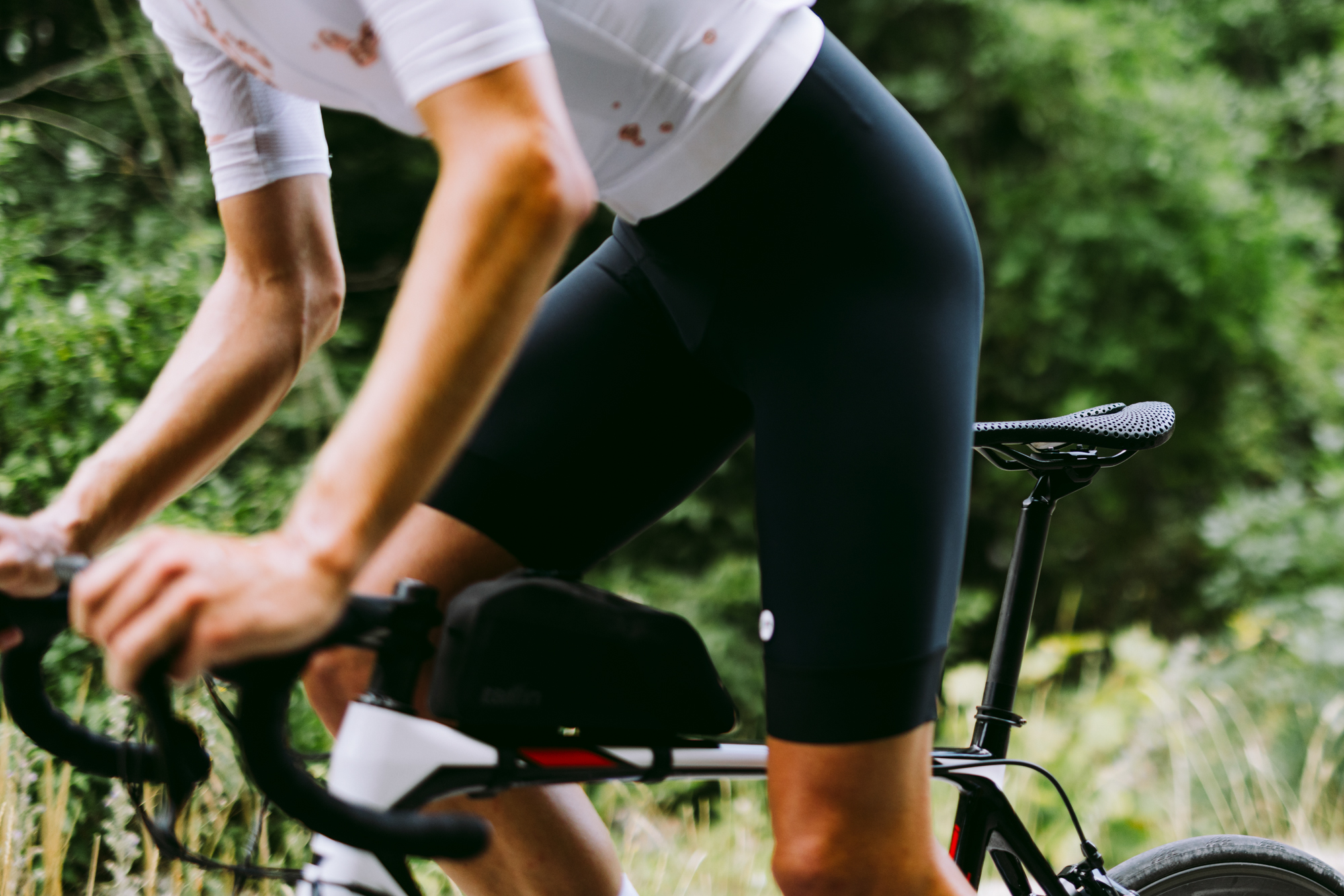
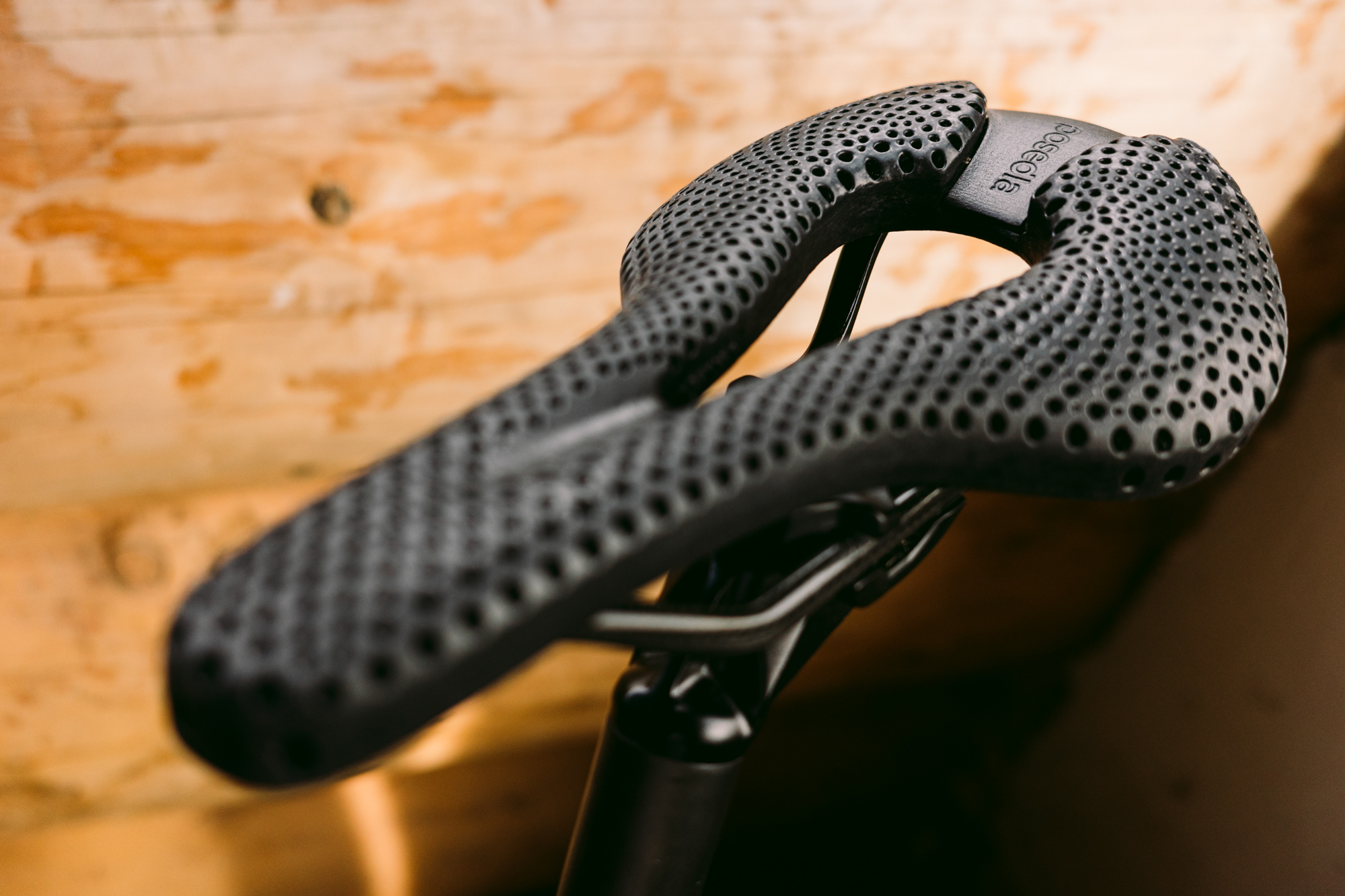
We visited the Posedla factory last year to interview their founders. Later we also briefly introduced the upgraded Joyseat 2.0 bike saddle. Now, having been riding the most recent model and gathering data for half a season, it’s time to look deeper into what the saddle actually feels like and how it differs from its predecessor.
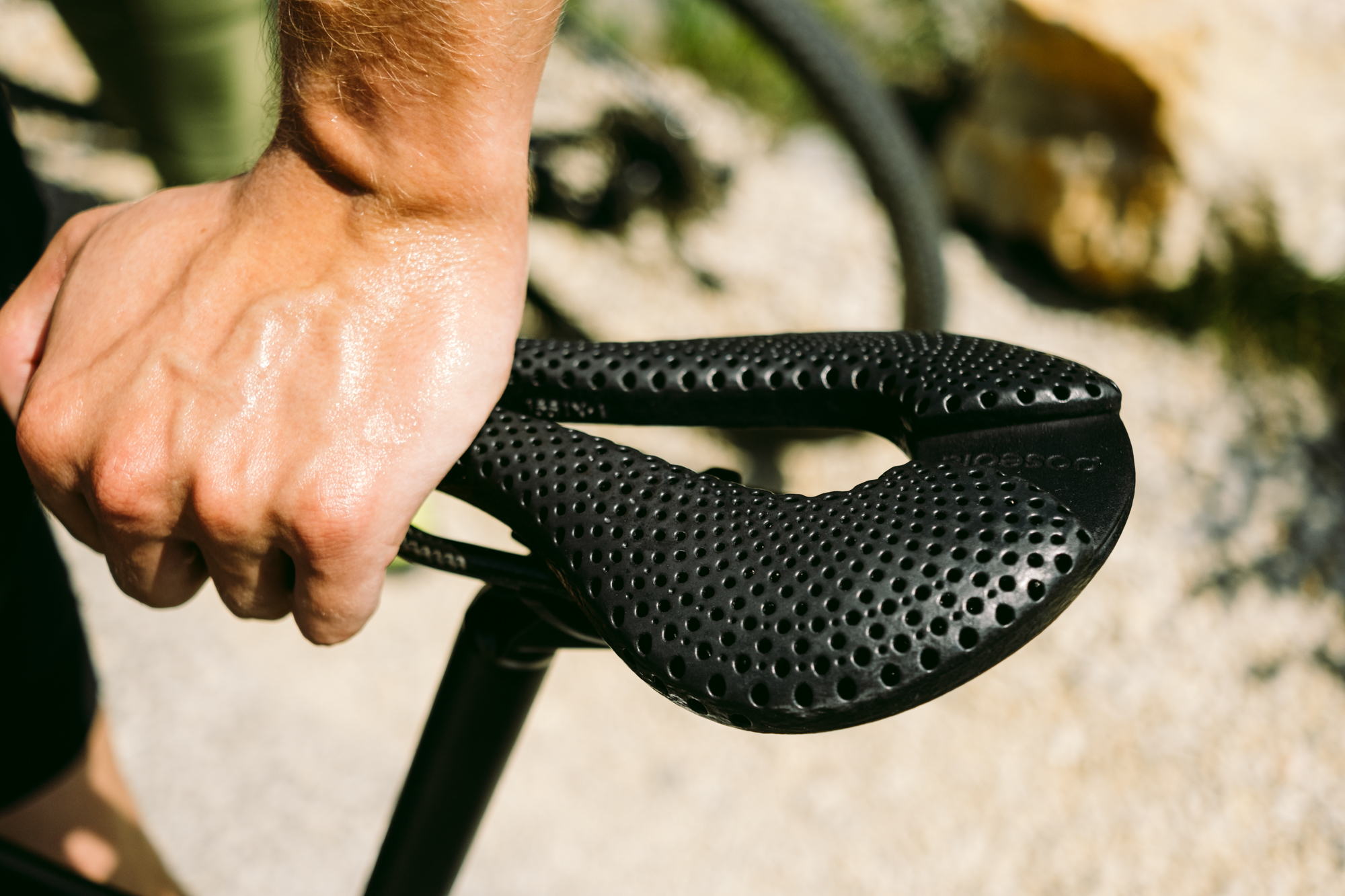
In the current times when other competitors are arriving to the market with customized options for their saddles, we also think it’s fair to highlight some differences. The biggest one is probably in the continuous scale of offered widths, ranging from 130mm to 170mm, and fully custom saddle shape. Both aspects are currently still a unique feature on the market, as the competition chooses a different strategy with admittedly less customization aspects offered.
The purchase process starts with an online configuration of the rider’s parameters. A few days after filling in our data into the configurator questionnaire, we received the Smiling Butt Kit, an imprint foam in which the rider has to sit into and then upload photos of the resulting imprint to the configurator. That means all the steps are done from home. The company claims that the process accuracy is within 1mm. We don’t have the means to test that, but from our own experience, we can at least state that we did not encounter any issues with the imprinting process and found it quite straightforward. It is also quite well instructed in Posedla’s FAQ videos, which is encouraging for those in doubt.
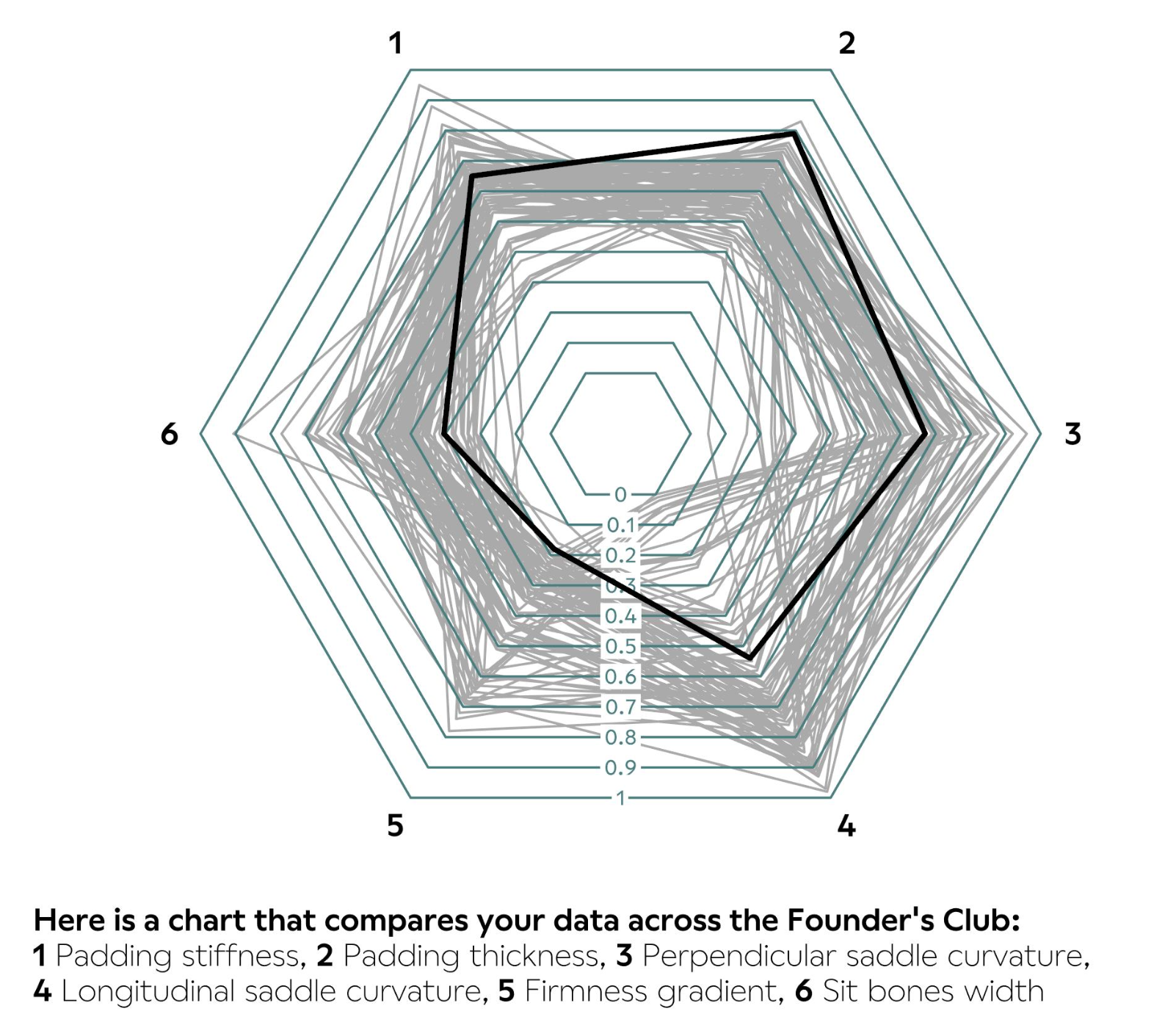
These were the resulting parameters of our Joyseat saddle, now let’s have a look into the on-bike experience.
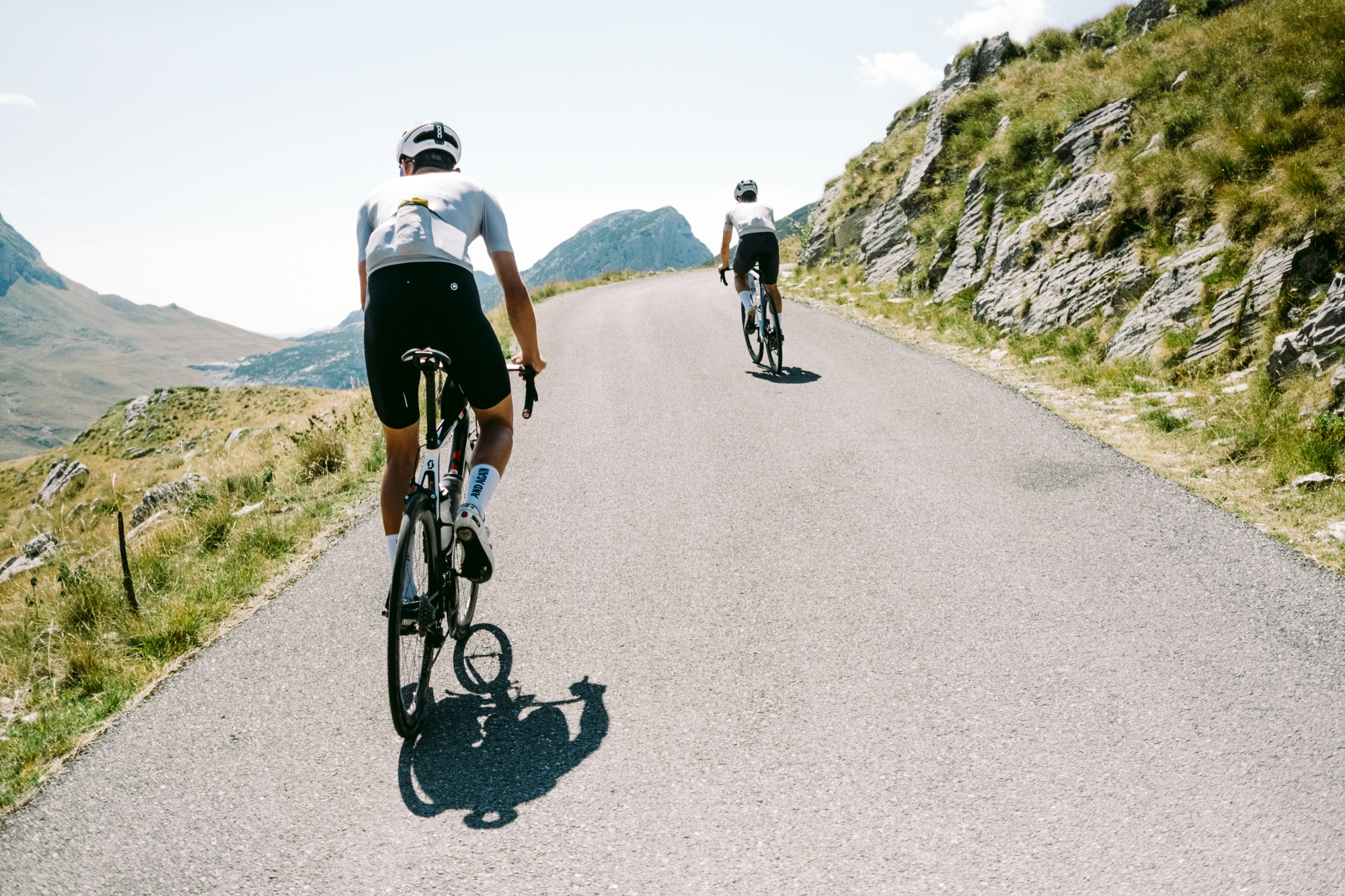
We spent the entire past season riding the first generation Joyseat model, and we upgraded to the 2.0 model soon after its release this spring. Having ridden a couple of thousands of kilometers on both saddles on a road bike, we are now bringing our review of what it feels like and where we see the major upgrade.
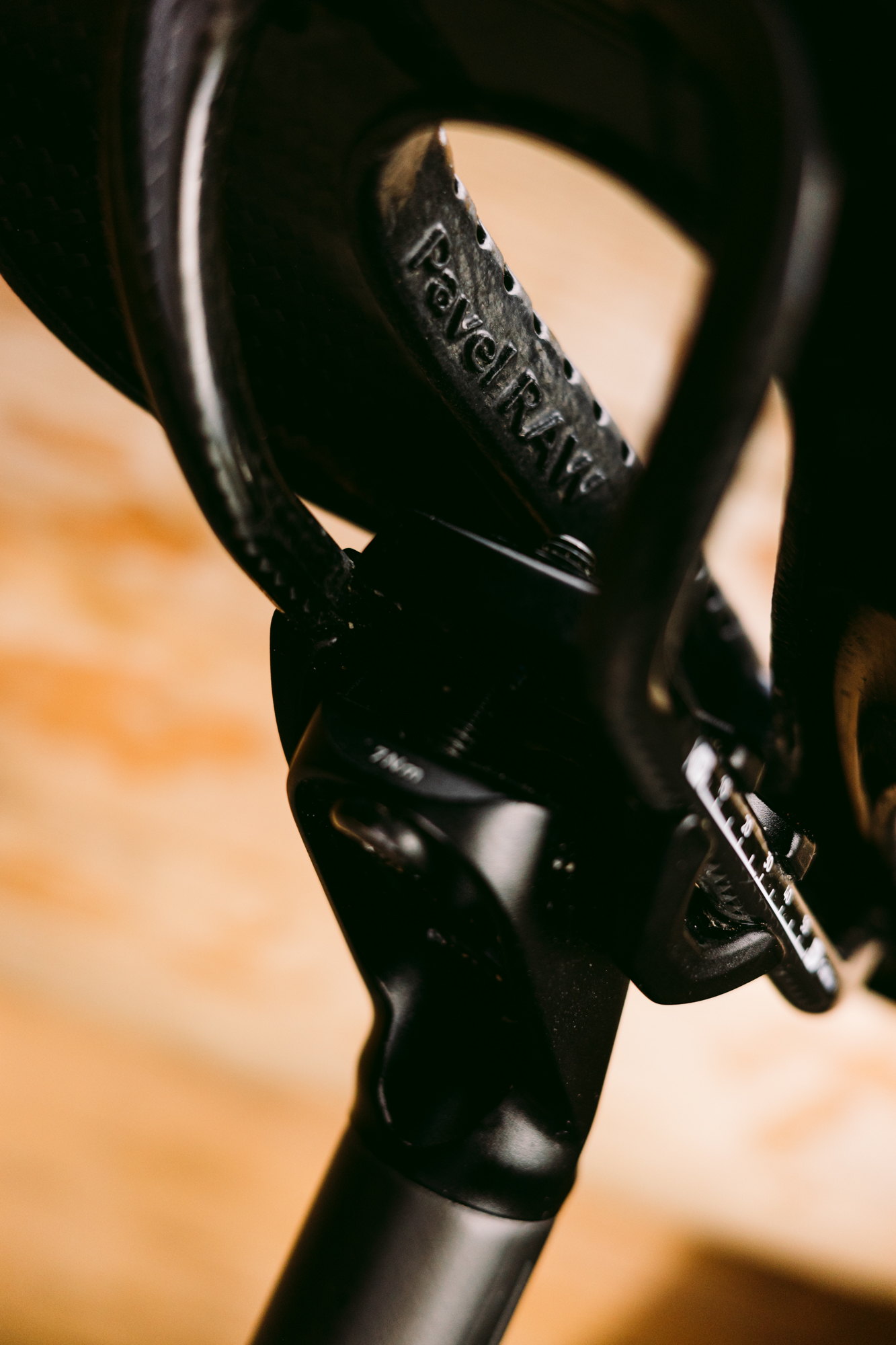
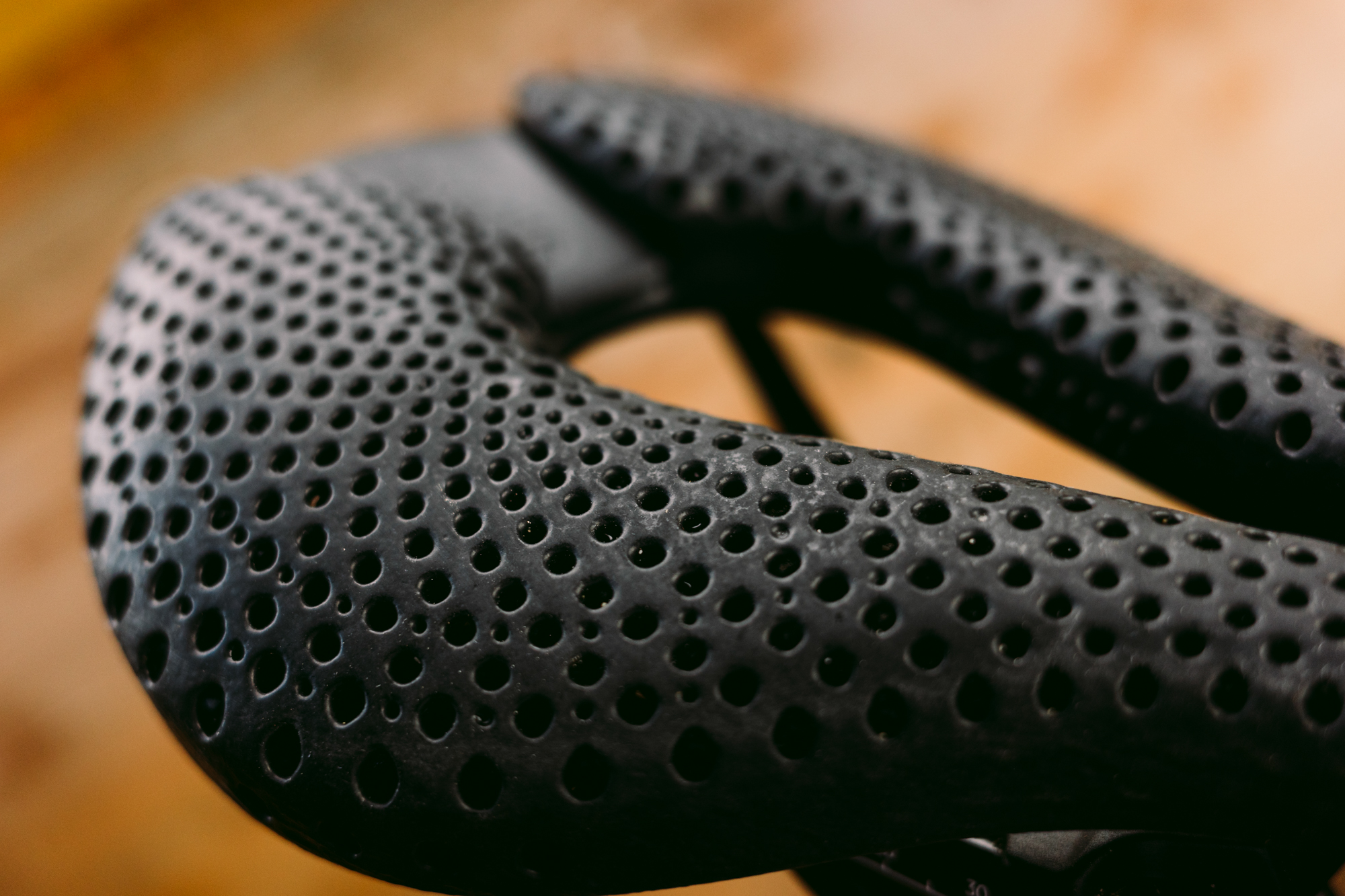
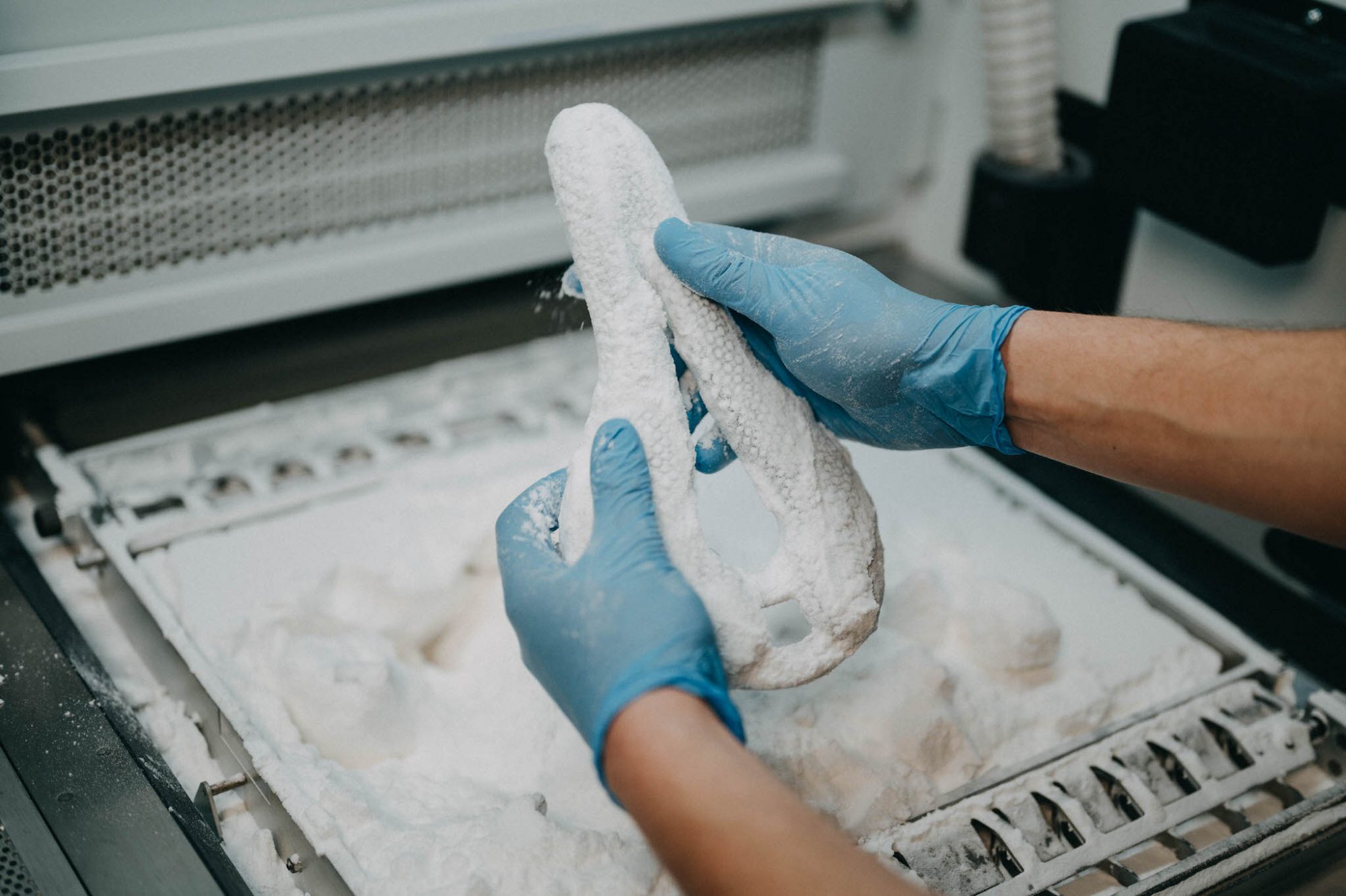
To start off, we can now clearly confirm that we haven’t experienced any quality decrease or signs of material wear after the full season, which is, of course, something you would not expect to happen with a saddle of this price end, but we want to stress that the Joyseat holds up to the promise. The saddle is also easy to maintain, including the inner side of the 3D-printed top layer.
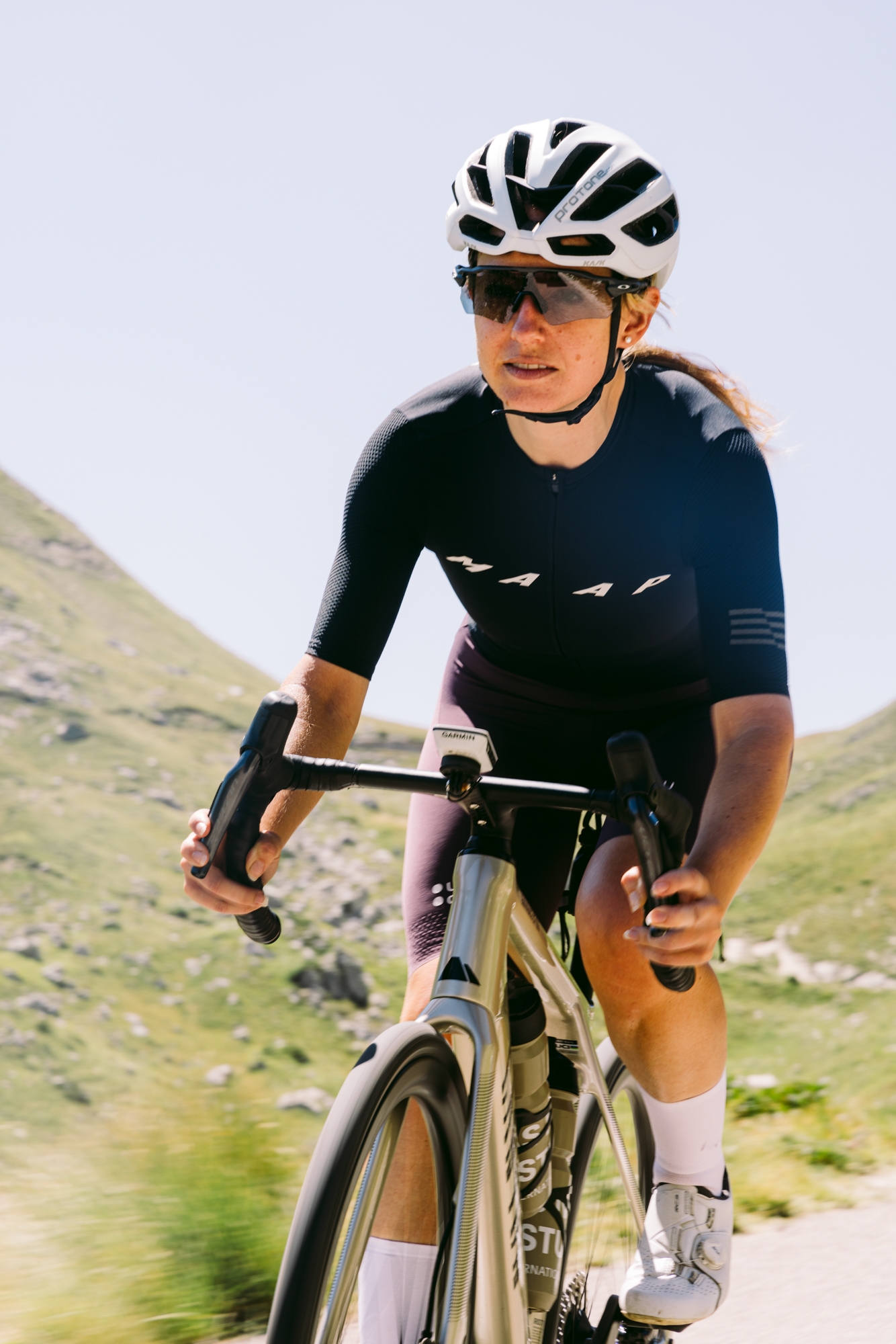
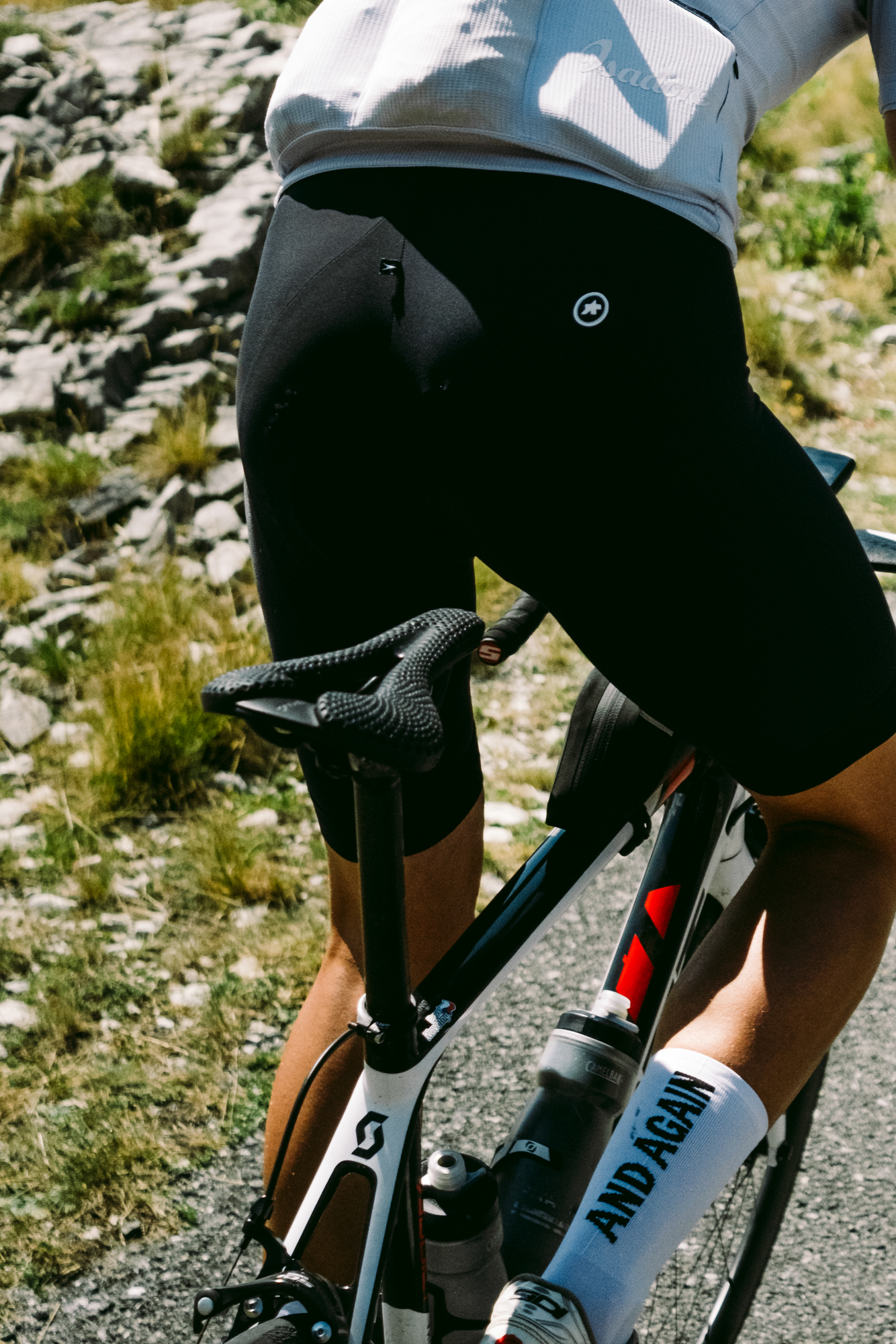
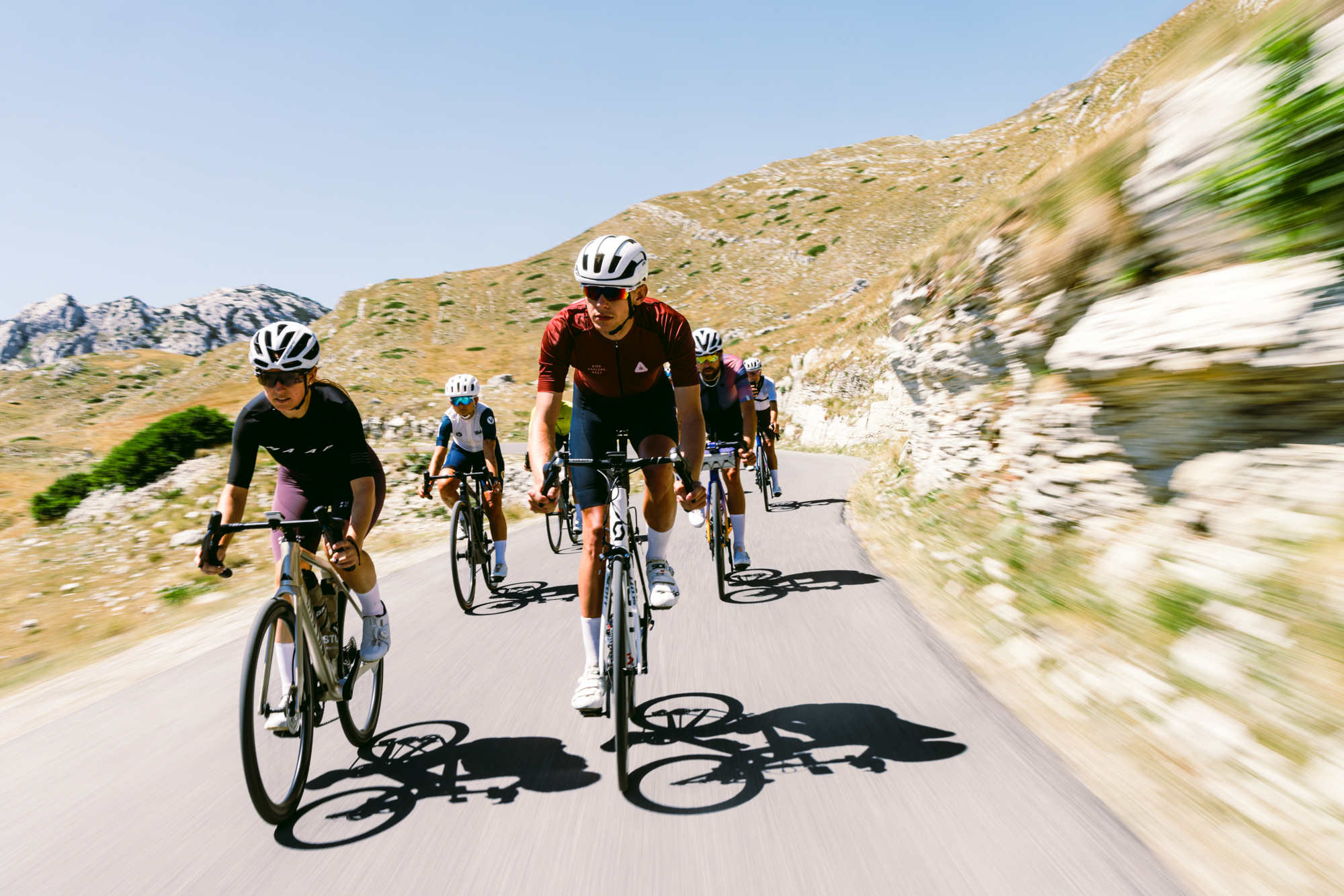
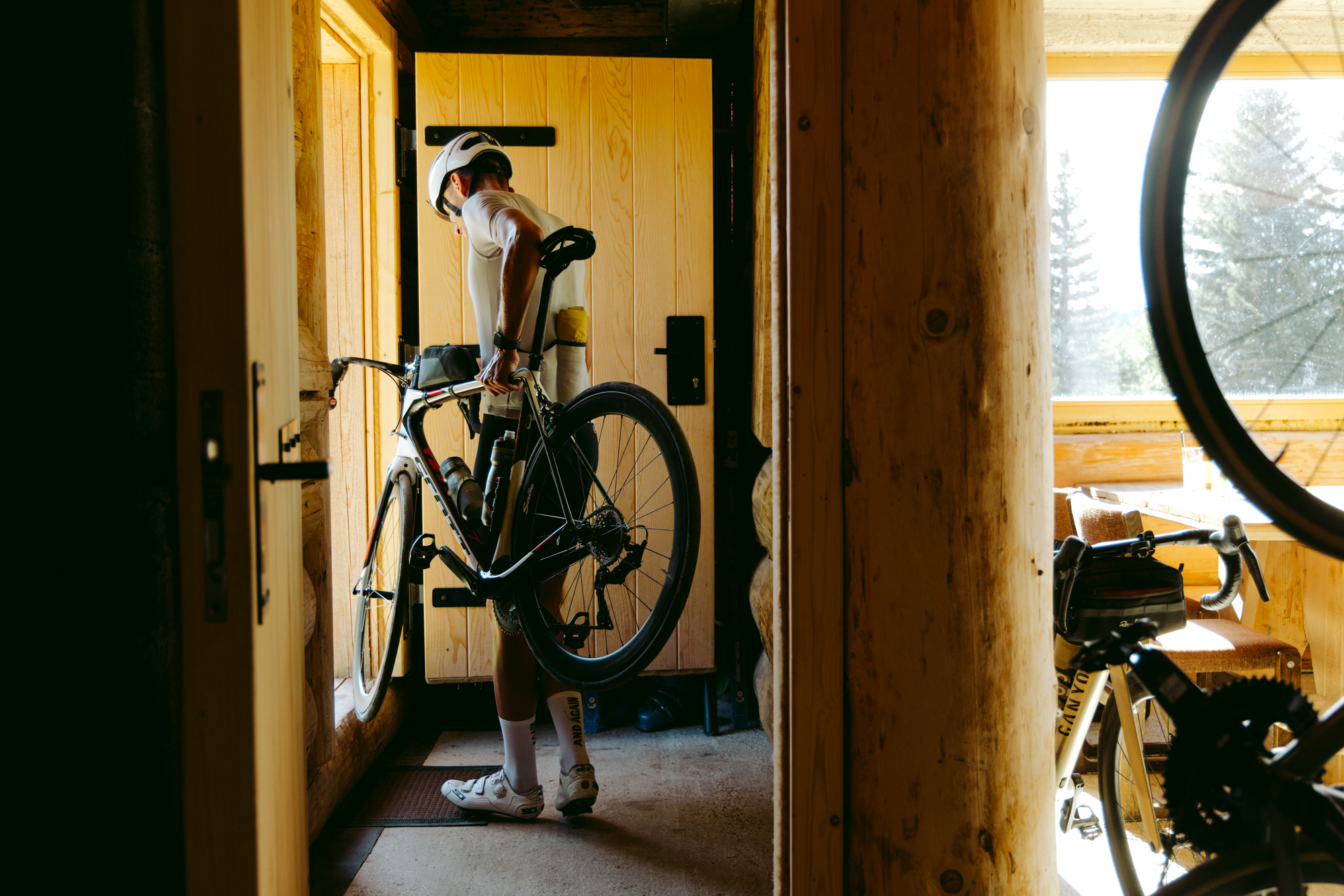
When it comes to the ride feel, we must say that it is rather gradual, but yet a positive feeling, which is growing with each ride more and more sensibly, rather than an immediate wow effect. Of course, we were delighted to put on the saddle, but your body adaptation has to be taken into consideration. It took around three rides before we could fully acknowledge the first benefits slowly start appearing.
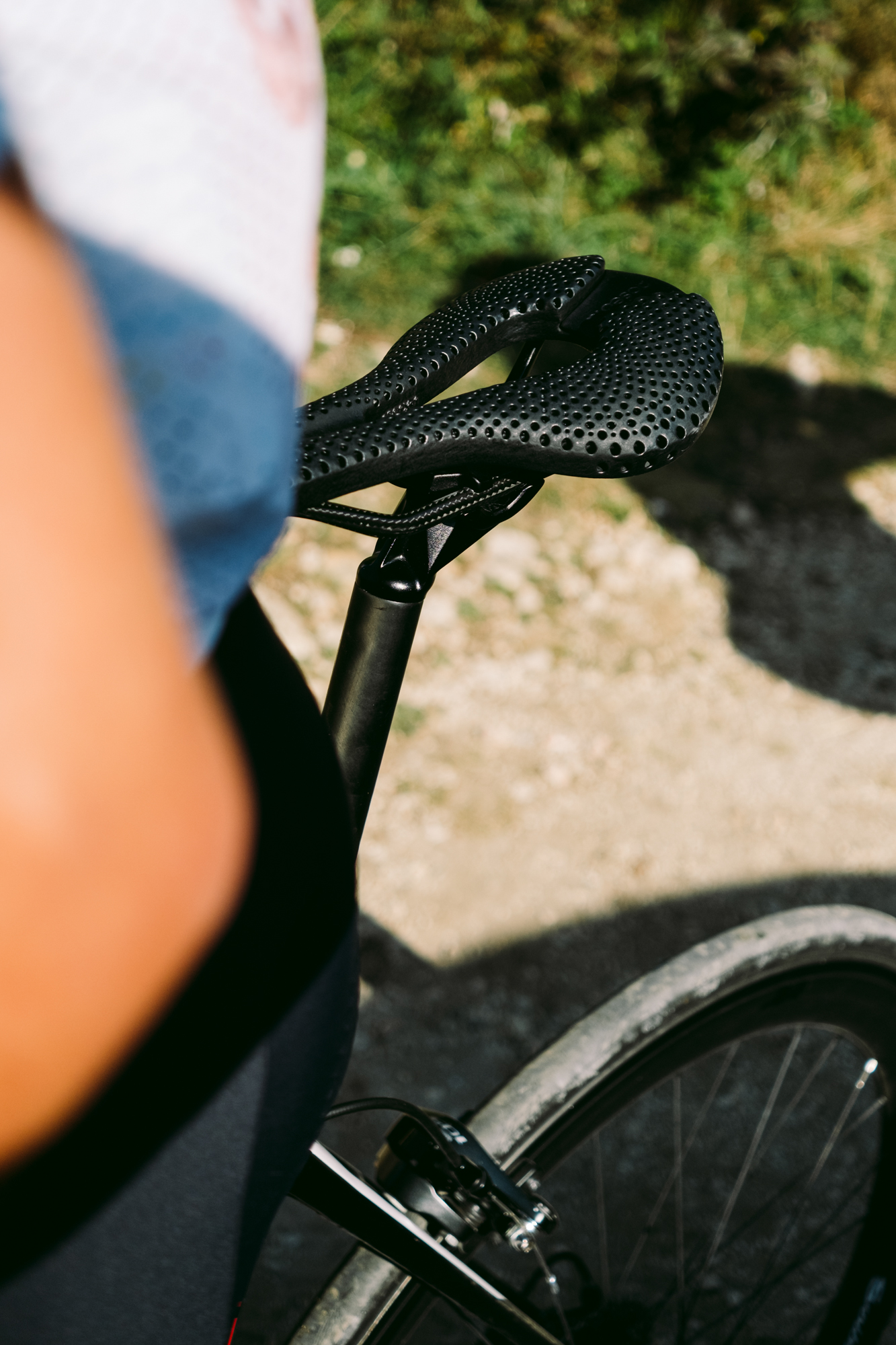
Nevertheless, one remark was clear from the very first ride, and that was the well-defined sitting position on the saddle. We just felt nicely locked into the sitting sweet spot, without any sliding around to find the right position on the saddle. This feeling was very similar with both generations of the saddle.
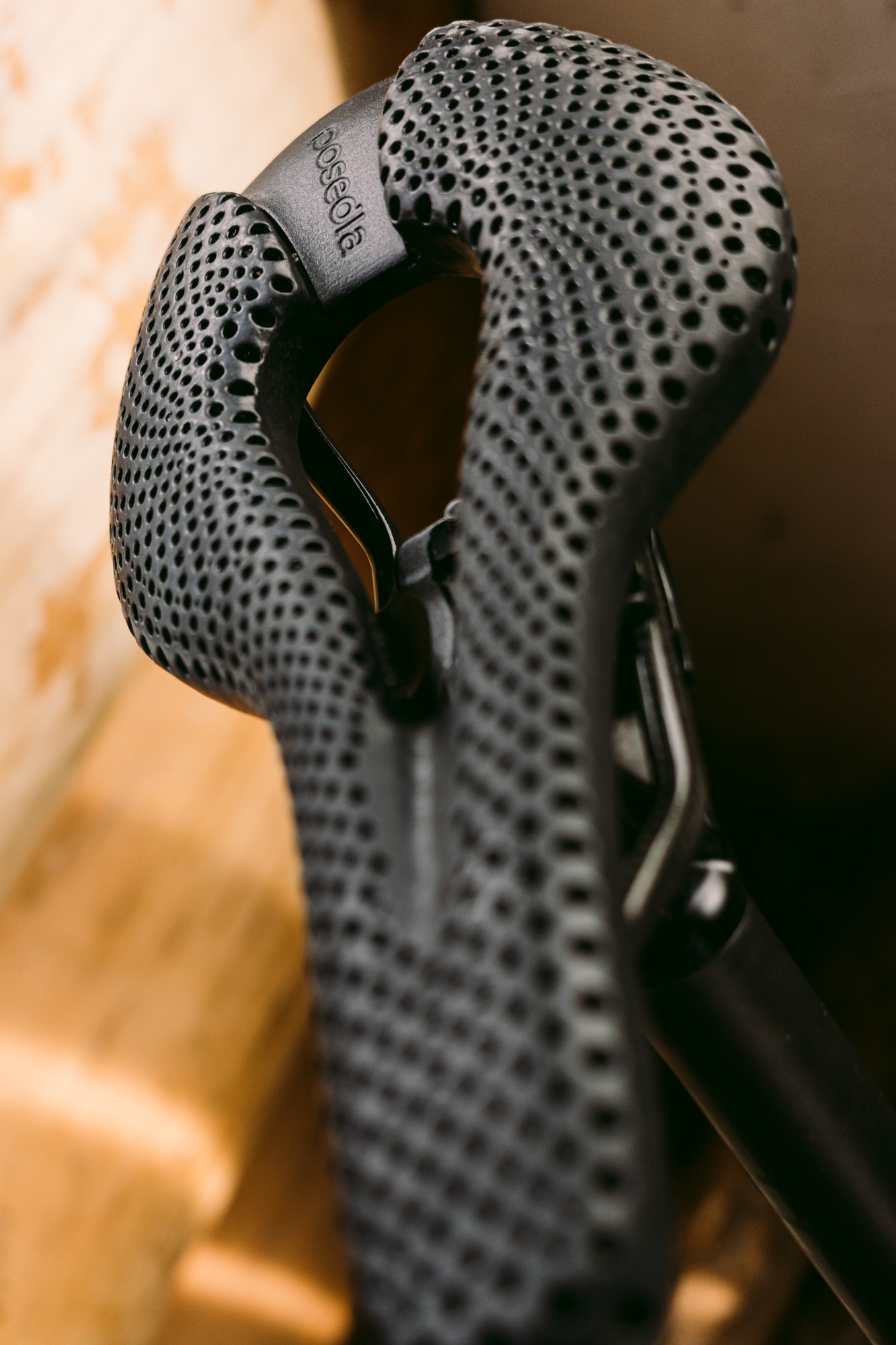
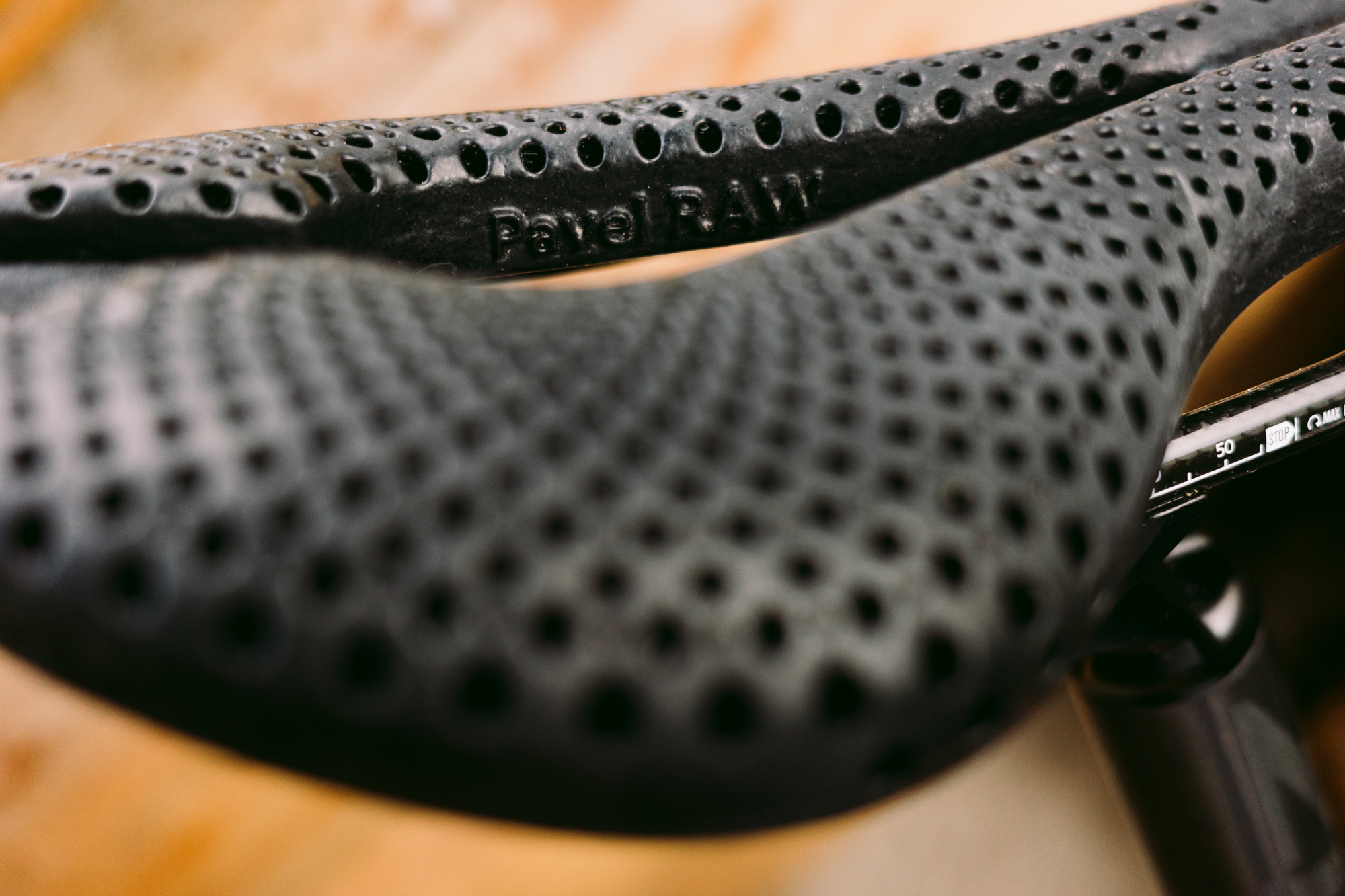
What we saw as the major improvement from the first generation to the Joyseat 2.0, was the broader stiffness variability of different saddle zones. This can be felt most sensibly in seated efforts in steep climbs, once the rider’s weight shifts towards the saddle nose. Since the 2.0 version provides a softer and shorter nose then its predecessor, it was something that we happily welcomed.
When it comes to the overall stiffness of the saddle, from our own subjective experience, the first generation Joyseat was rather stiff. The exact stiffness configuration formula is Posedla’s secret know-how, but our input was made for the weight of 70 kg, 190 cm height, 5 000 km yearly distance and riding style slightly leaning towards performance rather than endurance (but not drastically). The same configuration data was used for the 2nd generation build, with the information from the makers that the revisioned formula should result in a slightly softer saddle.
Posedla addressed our request, and the difference can be felt by simply touching the upper part of the saddle or by linking long rides. In fact, this was the only situation when the saddle sore on the first generation with such configuration started to come in; after the fifth day of a week riding in Mallorca. Compared to that, the Joyseat 2.0 now feels just right even when it comes to repeated long days out in the saddle without a rest day.
Consider the following as our personal insight. Looking at the chart above which indicates that the stiffness of our saddle was around the mean, we think that not overestimating your riding style and probably configuring rather towards the endurance end is a safer choice. However, this of course comes down to each rider’s preference and intended use. If in doubt, definitely consult the saddle configuration with their customer support, they were very helpful with us.
The Joyseat 2.0 performs very reliably, and with the revised shape, width range and stiffness variability of different sitting zones from its predecessor, we think the product delivers for those who are looking for a premium saddle product. Given its €490 price tag, it indeed isn’t justifiable to everyone, but we see that the main benefits lie in a very personalized customer experience and support, both while consulting the configuration or 60-day money guarantee warranty, and most importantly in the fully customized process, which sets Posedla apart from its competitors.

Cayó en la trampa del ciclismo durante su época de estudiante en Bélgica, y ahora no hay carrera o evento del que no esté al tanto. Desde la República Checa, Pavel está expandiendo las fronteras de RAW Cycling Magazine y aportando un punto de vista diferente a nuestra comunidad. He fell into the trap of cycling during his time as a student in Belgium, and now there is no race or event that he is not aware of. From the Czech Republic, Pavel is expanding the borders of RAW Cycling Magazine and bringing a different point of view to our community. View all posts by Pavel Novotný
 Pavel Novotný
 Javi Angulo
 Toni de la Torre
 Javi Angulo
 Pol Sopeña
 Pavel Novotný
 Javi Angulo
 Toni de la Torre
 Javi Angulo
 Pavel Novotný
 Pavel Novotný
 Pol Sopeña
Visitamos la fábrica de Posedla el año pasado para entrevistar a sus fundadores. Más tarde, también presentamos brevemente la versión mejorada del sillín de bicicleta Joyseat 2.0. Ahora, después de haber montado el modelo más reciente y recopilado datos durante media temporada, es momento de profundizar en cómo se siente realmente el sillín y cómo se diferencia de su predecesor.
En la actualidad, cuando otros competidores están llegando al mercado con opciones personalizadas para sus sillines, creemos que es justo destacar algunas diferencias. La más importante es probablemente la escala continua de anchos ofrecidos, que van desde 130 mm hasta 170 mm, y la forma completamente personalizada del sillín. Ambos aspectos son características únicas en el mercado, ya que la competencia elige una estrategia diferente con menos aspectos de personalización.
El proceso de compra comienza con una configuración en línea de los parámetros del ciclista. Unos días después de completar nuestros datos en el cuestionario del configurador, recibimos el “Smiling Butt Kit”, una espuma de impresión en la que el ciclista debe sentarse y luego subir fotos de la impresión resultante al configurador. Esto significa que todos los pasos se realizan desde casa. La empresa afirma que la precisión del proceso es de 1 mm. No tenemos los medios para comprobarlo, pero, basándonos en nuestra propia experiencia, podemos al menos afirmar que no encontramos ningún problema con el proceso de impresión y lo consideramos bastante sencillo. También está bien explicado en los videos de preguntas frecuentes de Posedla, lo cual es alentador para aquellos que tengan dudas.
Estos fueron los parámetros resultantes de nuestro sillín Joyseat, ahora echemos un vistazo a la experiencia en la bicicleta.
Pasamos toda la temporada pasada montando el modelo de primera generación Joyseat, y actualizamos al modelo 2.0 poco después de su lanzamiento esta primavera. Habiendo recorrido un par de miles de kilómetros en ambos sillines en una bicicleta de carretera, ahora presentamos nuestra revisión sobre cómo se siente y dónde vemos la mayor mejora.
Para empezar, ahora podemos confirmar claramente que no hemos experimentado ninguna disminución en la calidad ni signos de desgaste del material después de toda la temporada, lo cual, por supuesto, no es algo que uno esperaría que ocurriera con un sillín de este precio, pero queremos destacar que el Joyseat cumple con su promesa. El sillín también es fácil de mantener, incluida la parte interior de la capa superior impresa en 3D.
En cuanto a la sensación de conducción, debemos decir que es más bien gradual, pero positiva, que va creciendo con cada paseo de manera más perceptible, en lugar de un efecto de sorpresa inmediato. Por supuesto, estábamos encantados de usar el sillín, pero hay que tener en cuenta la adaptación de tu cuerpo. Nos tomó alrededor de tres paseos antes de poder reconocer completamente los primeros beneficios que empezaron a aparecer lentamente.
Sin embargo, hubo una observación clara desde el primer paseo, y fue la posición bien definida al sentarse en el sillín. Nos sentimos cómodamente anclados en el punto dulce para sentarse, sin deslizarnos alrededor para encontrar la posición correcta en el sillín. Esta sensación fue muy similar en ambas generaciones del sillín.
Lo que vimos como la mayor mejora de la primera generación al Joyseat 2.0 fue la mayor variabilidad de rigidez en las diferentes zonas del sillín. Esto se siente más notablemente en esfuerzos sentados en subidas empinadas, cuando el peso del ciclista se desplaza hacia la punta del sillín. Dado que la versión 2.0 tiene una punta más suave y corta que su predecesora, fue algo que recibimos con agrado.
En cuanto a la rigidez general del sillín, según nuestra experiencia subjetiva, la primera generación Joyseat era bastante rígida. La fórmula exacta de configuración de rigidez es un secreto de Posedla, pero nuestros datos de entrada fueron para un peso de 70 kg, altura de 190 cm, distancia anual de 5,000 km y un estilo de conducción ligeramente inclinado hacia el rendimiento más que la resistencia (pero no drásticamente). Se utilizaron los mismos datos de configuración para la construcción de la segunda generación, con la información de los fabricantes de que la fórmula revisada debería dar como resultado un sillín ligeramente más suave.
Posedla atendió nuestra solicitud, y la diferencia se puede sentir simplemente tocando la parte superior del sillín o vinculando paseos largos. De hecho, esta fue la única situación en la que comenzaron a aparecer rozaduras en la primera generación con esa configuración; después del quinto día de una semana montando en Mallorca. En comparación, el Joyseat 2.0 ahora se siente justo en cuanto a comodidad incluso en días repetidos largos en el sillín sin un día de descanso.
Considera lo siguiente como nuestra percepción personal. Al observar la tabla anterior que indica que la rigidez de nuestro sillín estaba alrededor del promedio, creemos que no sobrestimar tu estilo de conducción y probablemente configurar hacia el lado de resistencia es una opción más segura. Sin embargo, esto, por supuesto, depende de la preferencia de cada ciclista y del uso previsto. Si tienes dudas, consulta definitivamente la configuración del sillín con su servicio de atención al cliente, fueron muy útiles con nosotros.
El Joyseat 2.0 se desempeña de manera muy confiable, y con la forma revisada, el rango de anchos y la variabilidad de rigidez en diferentes zonas de asiento respecto a su predecesor, creemos que el producto cumple para aquellos que buscan un sillín de primera calidad. Dado su precio de €490, ciertamente no es justificable para todos, pero vemos que los principales beneficios residen en una experiencia y soporte al cliente muy personalizados, tanto al consultar la configuración como en la garantía de devolución de dinero de 60 días, y en el proceso completamente personalizado, que distingue a Posedla de sus competidores.
Cayó en la trampa del ciclismo durante su época de estudiante en Bélgica, y ahora no hay carrera o evento del que no esté al tanto. Desde la República Checa, Pavel está expandiendo las fronteras de RAW Cycling Magazine y aportando un punto de vista diferente a nuestra comunidad. He fell into the trap of cycling during his time as a student in Belgium, and now there is no race or event that he is not aware of. From the Czech Republic, Pavel is expanding the borders of RAW Cycling Magazine and bringing a different point of view to our community. View all posts by Pavel Novotný
Receive our monthly selection of the best articles, news, exclusive content and giveaways only for subscribers, subscribe to OUR NEWSLETTER
Receive our monthly selection of the best articles, news, exclusive content and giveaways only for subscribers, subscribe to OUR NEWSLETTER
Receive our monthly selection of the best articles, news, exclusive content and giveaways only for subscribers, subscribe to OUR NEWSLETTER
Receive our monthly selection of the best articles, news, exclusive content and giveaways only for subscribers, subscribe to OUR NEWSLETTER