- News
- Reviews
- Travel & Adventure
- Interviews
- Inside Industry Players
- Community
Bikes
Reviews
Components
Reviews
Cycling
Apparel


[raw_mobile_menu]
[wpml_language_switcher_down]


France, in cycling terms, is a country especially known for hosting the biggest of the three Grand Tours on the calendar, the Tour de France. Although the majority of the toughest and most emblematic mountain climbs of this race are located in the Alps or the Pyrenees, the country has also other incredible places to ride your bike.
On this occasion, we would like to introduce you to Nice, a coastal city located in the south-east of the country, within the Alpes-Maritimes department. Like Girona, it has become one of the favorite destinations for professional and amateur cyclists.
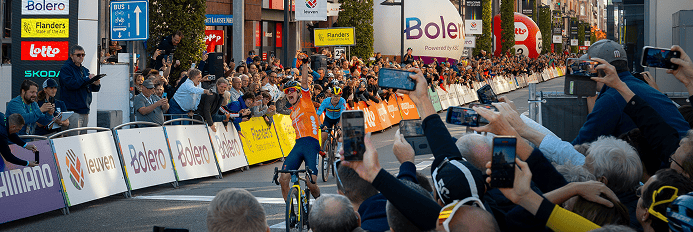
Last weekend we had the opportunity to visit the city while being able to watch Paris-Nice live, and we were able to see first-hand everything about this beautiful city and realize why it has become a destination for many cyclists.

In addition to being a very important tourist attraction, especially during summer, Nice is a city visited annually by thousands of cycling enthusiasts.
It has its own airport just a few kilometers from the city center and a great connection by public transport. This aspect may not seem very relevant, but when it comes to a cycling trip and you travel with multiple pieces of luggage and a bike suitcase, being able to reach your accommodation in a few minutes after landing, without the need to make transfers or long journeys, is greatly appreciated.


As with Girona, the Mediterranean climate and gastronomy are other strong points of this city. On the one hand, being a coastal city, the temperature is pleasant during most of the year. On the other hand, its proximity to Italy means that Nice has an important and quality gastronomic variety.
Nowadays, drinking good coffee while cycling has become a habit, whether before, during or after the bike ride. And of course, in Nice we can also find very good options to enjoy a good coffee and, if necessary, also a sweet treat.


During our stay there, we had the opportunity to visit The Service Course, which was celebrating one of its bike-experiences for clients and also the first anniversary of its opening in Nice. We shared a few kilometers with them during their well-known Sunday Salida, we had coffee, we talked about cycling and we were even able to enjoy the emotion of the last stages of the Paris-Nice in the first person. Without a doubt, TSC is one of the favorite places for many professional and amateur cyclists who come to Nice in search of specialty coffee.
Another great option, either looking for good coffee or cycling essentials, is the Café du Cycliste concept store. Located in Port Lympia, the store offers a wide variety of services for bike enthusiasts: cafeteria, rental bikes, tours, cycling apparel, etc. Without a doubt, these two points are one of the highlights of Nice if you ever have the opportunity to visit the city.
Behind the image of a coastal city focused on tourism, there is a wide range of routes to get into the Alpes-Maritimes area. Regardless of where you are located in the city, once you start your route you will highly likely start climbing right away, since a few meters from the center we have the start of some of the best-known climbs in the surroundings, such as Eze or Mont Chauve. However, we will not have the feeling of being out of it until we get a little further away, since villas and chateaux surround us as we go up, only allowing us to see the Mediterranean from time to time.
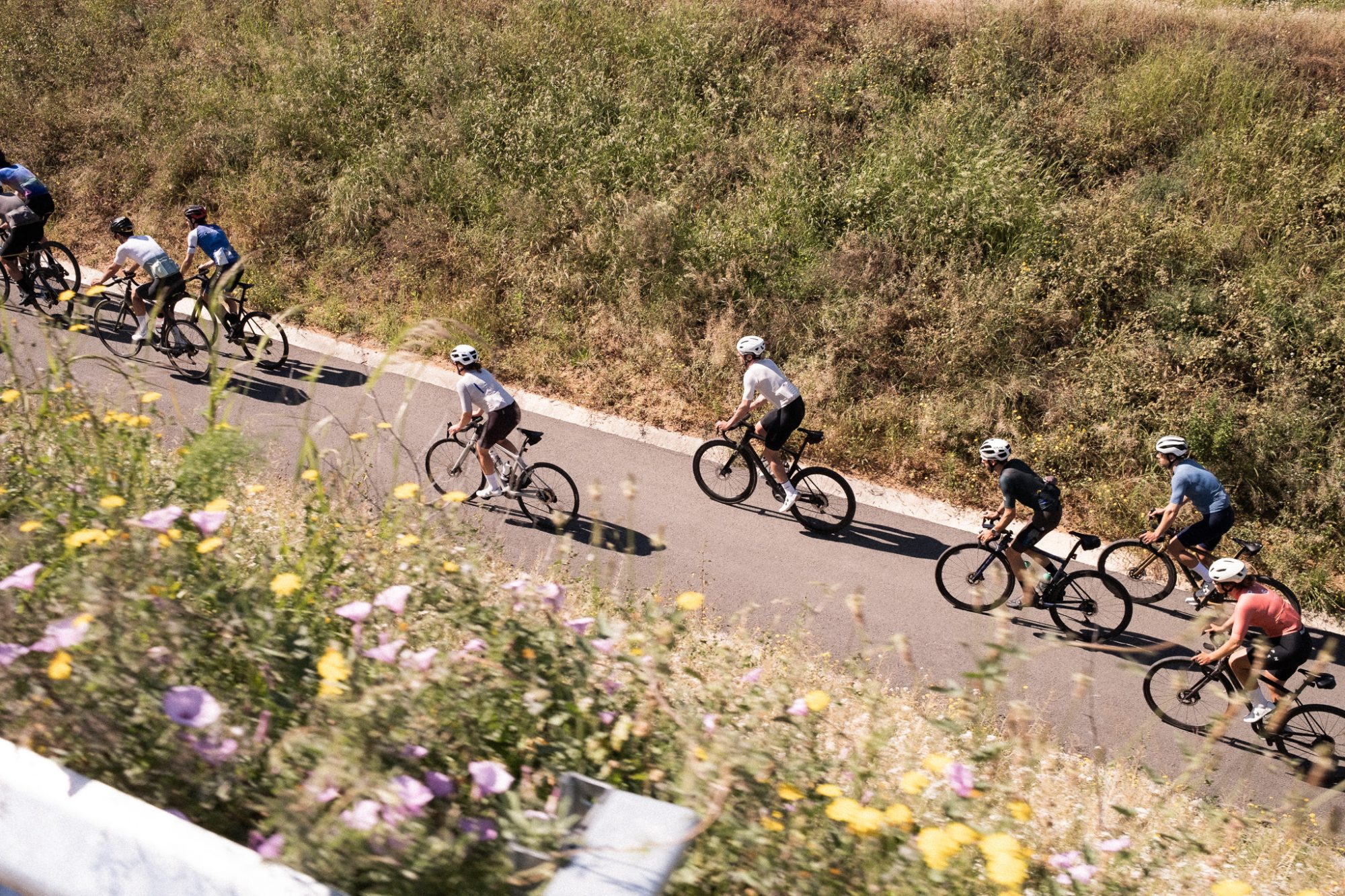
Another faster alternative to avoid traffic and hilly terrain is to head west, taking a wide bike path that will take us to the mouth of the Var river. From there we can quickly access further and longer climbs of the Alpes-Maritimes heading inland without having to overcome all the hills around Nice. Once we leave the urban area behind, and just before tackling the major climbs themselves, most of the roads run through the gorges of rivers, making us feel small and at the same time enjoy a landscape of rock and green and foreshadowing the gradients that we will have to face to reach the top.


One of the best ways to find out about the most important ascents and the most attractive secondary roads is to look at the yearly parcours of Paris-Nice itself. It is usually an early-season test for riders, with tough climbs without the need to fully enter the Alps, thus avoiding surprises since at this time many climbs can still remain closed.
When we refer to the Madone, many of us think only of the climb near Monaco, but further inland from the Maritime Alps is the Madone d’Utelle, a lesser-known but highly recommended ascent.
To get there, we decided to avoid the main road parallel to the Var river as much as possible and approached it through the north of Nice. We first climbed to Aspremont and then followed a winding stretch to Saint-Martin-du-Var. From there, the views of the gorge accompanied us to the first slopes of the climb.
Taking into account the fact that the ascent is not well known and that there are a couple of downhill sections on the way to the top, there is no agreement on the start or the exact length of the climb. The only certain thing is that in 25 km we accumulated nearly 1,500 meters of elevation gain, including countless hairpins and several unpaved sections. The west slope is the least frequented, but we did the right thing by going up that side as the descent would have been too dangerous.
Before reaching the highest point we already saw the snowy peaks of the High Alps, something difficult to comprehend as just a couple of hours before we were at sea level. Once we reached the top, we stopped briefly to appreciate the landscapes around us and began the descent, which in several sections had fresh tarmac, to Saint-Jean La Rivière.
Once the biggest obstacle of the day had been overcome, the desire to get to Nice was accentuated, but even with tired legs, we were able to enjoy the way back. From the town of Levens, the terrain was constantly downhill, and in the last section we had to cover the inevitable unpleasant kilometers typical of large cities, but still with the memory of everything we had enjoyed hours ago.
From the sea to the snow and back in just four hours. This route includes the passage through the Col de Turini, known for its hairpins. None of the slopes feature extreme gradients, and the ascent from the southeast, famous for the Monte-Carlo rally, is really steep, averaging 5.2% over the 24km climb.
This pass is the main link between the Vésubie and Bévéra valleys. The sea can be seen even near the top and the sea current of hot air is noticeable, frequently causing real downpours.
After almost 50 years of absence, the Col du Turini reappeared in the Tour de France in the second stage of the 2020 edition, which started in Nice. Due to its characteristics, views during the ascent, and relative proximity to the coast, the Col du Turini should be a must for local cyclists of the French Riviera and anyone who passes through the area by bike.
To complement the main climb of, we strongly recommend including the Col de Braus to the route, whether in upwards direction on the way to Turini, or when returning to enjoy the descend full switchbacks one after the other.
There are many options to get to the start of the Col de la Madone from Nice, each with its pros and cons. Leaving the city, one can climb the Col d’Èze, minimize the meters of elevation gain by going along the coastal road, or choose the main road which, although usually full of cars, has a good bike path and rewards cyclists with the magnificent views of the hanging village of Èze.
In our case, we went up to the Col de la Madone on a Monday. After climbing the Col d’Èze the day before and being warned that most drivers commute to work via the moyenne corniche, we decided to approach the climb from the coast. We were able to enjoy the views until shortly after arriving in Monaco, where we were thankful for riding our bikes when we saw the traffic jams at the gates of the Principality.
We got lost in the maze of Monaco roads, but finally managed to find our way back towards Menton. We started climbing from sea level, and there was not a meter of rest throughout the ascent until we reached the top of Col de la Madone, located at 922 meters of altitude.
Before starting the route we only look at the length and average slope. Being frequented by so many professional cyclists, we thought that the pass would pass through a wide and busy road, but we can count with one hand the vehicles that we encountered.
Luckily the best views came when we started to run out of energy, encouraging us to keep pushing. We left the views of the sea behind to enter the mountains and feel part of them. We covered the last few kilometers in awe and, if it weren’t for a small monument that was unveiled last year, we would have reached the top of the climb without realizing it. The mountains covered the descent road in the direction of La Turbie, so after the rain last night the asphalt was really wet.
An extra addition for the route can be the ascent to Mont Agel. This cul-de-sac has a high average gradient that your tired legs will feel right away after the previous long descent, but the views of Monaco are worth it.

Es el motor y el combustible de todos los proyectos que crea, desarrolla y finaliza. Toni es cofundador del magazine, y es metódico y trabajador como ninguno, parece tener una extraña adicción a implicarse en proyectos ciclistas. He is the engine and the fuel of each of the projects he creates, develops, and completes. Toni is the co-founder of the magazine, he is methodical and worker as few, and he seems to have a strange addiction to being involved in cycling projects. View all posts by Toni de la Torre
 Pavel Novotný
 Javi Angulo
 Toni de la Torre
 Juliana Reis
 Pol Sopeña
 Pol Sopeña
 Pol Sopeña
 Pol Sopeña
 Javi Angulo
 Toni de la Torre

 Carlos Serra
 Pol Sopeña
Francia, en el mundo del ciclismo, es un país especialmente conocido por albergar la mayor de las tres Grandes Vueltas del calendario: el Tour de Francia. Con la mayoría de los puertos de montaña más duros y emblemáticos de esta carrera ubicados entre los Pirineos y los Alpes más orientales, el país francófono también cuenta con otros lugares increíbles para la práctica de ciclismo.
En esta ocasión, nos gustaría hablaros de Niza, una ciudad costera situada al sureste del país, dentro del departamento de los Alpes Marítimos. Al igual que Girona, se ha convertido en uno de los destinos favoritos para ciclistas profesionales y aficionados. El pasado fin de semana tuvimos la ocasión de visitar la ciudad a la vez que poder asistir a la celebración de la París-Niza y pudimos comprobar en primera persona todo lo que rodea a esta bonita ciudad.
Además de ser un reclamo turístico muy importante, especialmente en verano, Niza es una ciudad visitada anualmente por miles de apasionados del ciclismo.
Dispone de aeropuerto propio a tan solo unos pocos kilómetros del centro de la ciudad y una espléndida conexión por transporte público. Este aspecto no parece muy relevante pero cuando se trata de un viaje ciclista y te desplazas con equipaje y una maleta de bici, poder llegar a tu alojamiento en pocos minutos después de aterrizar, sin necesidad de hacer transbordos ni grandes trayectos, se agradece muchísimo.
Igual que sucede con Girona, el clima mediterráneo y la gastronomía son otros puntos fuertes de esta ciudad. Por un lado, al tratarse de una ciudad costera, goza de una temperatura ideal durante la mayor parte del año. Por otro, su cercanía con Italia, hace que Niza tenga una variedad gastronómica importante y de calidad.
Hoy en día, tomar buen café durante la práctica de ciclismo se ha convertido en todo un hábito, ya sea previo, durante o posterior a la salida en bici. Y como no, en Niza también podemos encontrar muy buenas opciones para disfrutar de un buen café y, si se da el caso, también un capricho dulce.
Durante nuestra estancia allí, tuvimos la ocasión de visitar The Service Course, los cuales justamente celebraban una de sus bike-experience para clientes y también el primer aniversario de su apertura en Niza. Compartimos algunos kilómetros junto a ellos en su ya conocida Sunday Salida, tomamos café , charlamos de ciclismo e incluso pudimos disfrutar de la emoción de las últimas etapas de la París-Niza a pie de carrera. Sin duda, TSC es uno de los lugares favoritos para muchos ciclistas profesionales y aficionados que van a Niza en búsqueda de café de especialidad.
Otra gran opción, ya sea por el buen café o por visitar una de las imprescindibles paradas como ciclista, es la concept store de Café du Cycliste. Situada en el Port Lympia, la tienda nos brinda una gran variedad de servicios para aficionados a la bici: cafetería, alquiler, tours, tienda de ropa, etc. Sin lugar a dudas, estos dos puntos son uno de los highlights de Niza si en alguna ocasión tienes la oportunidad de visitar la ciudad.
Tras la imagen de una ciudad costera enfocada al turismo, se esconde un gran abanico de rutas para adentrarse en la zona de los Alpes-Maritimes. Partir del centro de la ciudad y empezar a escalar es bien fácil ya que a pocos metros del centro tenemos el comienzo de algunas de las subidas más conocidas de los alrededores como el Eze o el Mont Chauve. Sin embargo, no tendremos la sensación de estar fuera de ella hasta que nos alejemos un poco, ya que villas y chateaux nos rodean al subir solo permitiéndonos ver el Mediterráneo de vez en cuando.
Otra alternativa más rápida para evitar el tráfico y desnivel es salir hacia el oeste, cogiendo un ancho carril bici que nos llevará hasta la desembocadura del Var. Desde allí podremos acceder rápidamente a subidas más alejadas y largas de los Alpes-Marítimos con destino hacia el interior sin tener que coronar todas las colinas alrededor de Niza. Una vez dejamos las casas atrás y antes de empezar los puertos en sí la mayoría de carreteras transcurren por las gargantas de ríos, haciéndonos sentir pequeños y a la vez disfrutar de un paisaje de roca y verde y presagiando el desnivel que tendremos que cubrir para llegar a la cima.
Una de las mejores maneras de conocer las ascensiones más relevantes y las carreteras secundarias más atractivas es fijarse en el recorrido anual de la propia Paris-Niza. Esta carrera es capaz de poner a prueba a los corredores en ascensiones de primer nivel sin necesidad de adentrarse plenamente en los Alpes, evitándonos así sorpresas ya que en estas fechas muchos puertos pueden permanecer aún cerrados. Así, destacamos por ejemplo el Col de Turini (+1607 m) o el col de la Madonne (925 m)…
Cuando nos referimos a la Madone muchos pensamos únicamente en el puerto cercano a Mónaco, pero más hacia el interior de los Alpes Marítimos se encuentra la Madone d’Utelle, una ascensión menos conocida pero muy recomendable.
Para llegar hasta ahí, decidimos evitar en la medida de lo posible la carretera principal paralela al río Var y hicimos la aproximación a través del norte de Niza. Primero ascendimos hasta Aspremont para luego seguir por un sinuoso tramo hasta Saint-Martin-du-Var. Desde ahí, las vistas al desfiladero nos acompañaron hasta el inicio del puerto.
Entre que la ascensión no es muy conocida y que hay un par de bajadas de camino a la cima, no hay un acuerdo sobre el inicio ni la longitud exacta del puerto. Lo único certero es que en 25 km ascendimos cerca de 1.500 metros, incluyendo infinidad de curvas de herradura y varios tramos sin asfaltar. La vertiente oeste es la menos frecuentada, pero hicimos bien en subir por ese lado ya que el descenso habría sido demasiado peligroso.
Antes de llegar al punto más alto ya divisamos las cimas nevadas de los Altos Alpes, cuando apenas un par de horas antes estábamos a nivel del mar. Una vez coronamos, nos detuvimos brevemente para apreciar los paisajes a nuestro alrededor e iniciamos el descenso, que en varios tramos contaba con asfalto fresco, hasta Saint-Jean La Rivière.
Una vez el mayor escollo del día había sido superado las ganas de llegar a Niza se acentuaron, pero incluso con piernas cansadas pudimos disfrutar del camino de vuelta. A partir del pueblo de Levens el terreno fue constantemente descentente, y en el último tramo tuvimos que superar los inevitables kilómetros desagradables propios de grandes ciudades, pero aún con el recuerdo de todo lo que habíamos disfrutado horas atrás.
Del mar a la nieve y de vuelta en apenas cuatro horas. Esta ruta incluye el paso por el Col de Turini, conocido por sus curvas de herradura. Ninguna de las vertientes cuenta con pendientes extremas, y el ascenso desde el sureste, famoso por el rally de Monte-Carlo, es realmente tendido ya que promedia un 5,2% durante los 24 km de subida.
Este puerto es el principal enlace entre los valles del Vésubie y el Bévéra. El mar se dislumbra incluso cerca de la cima y la corriente marítima de aire caliente se hace notar, provocando verdaderos diluvios de forma frecuente.
Tras casi 50 años de ausencia, el Col du Turini volvió a a aparecer en el Tour de Francia en la segunda etapa de la edición de 2020, que comenzaba en Niza. Por sus caracteristicas, vistas durante la ascensión, y relativa cercanía a la costa, el Col du Turini debería ser un must para los ciclistas locales de la Riviera Francesa y cualquiera que pase por la zona en bicicleta.
Además del principal puerto del día recomendamos incluir en la ruta el Col de Braus, ya sea en dirección ascendiente a la ida, o para gozar del descenso encadenando una curva de herradura tras otra a la vuelta.
Muchas son las opciones para llegar al inicio del Col de la Madone desde Niza, cada una de ellas con sus ventajas e inconvenientes. Saliendo de Niza, uno puede ascender el Col d’Èze, minimizar los metros de desnivel yendo por la carretera costera, o escoger la carretera principal que, a pesar de que acostumbra a estar repleta de coches, cuenta con un buen carril bici y recompensa a los ciclistas con las magníficas vistas de la villa colgante de Èze.
En nuestro caso subimos hasta el Col de la Madone un lunes. Tras ascender al Col d’Èze el día anterior y ser advertidos de que la mayoría de conductores se desplazan al trabajo por la moyenne corniche, decidimos hacer la aproximación al puerto por la costa. Pudimos disfrutar de las vistas hasta al poco de llegar a Mónaco, donde dimos gracias por ir en bici al ver los atascos a las puertas del Principado.
Nos perdimos por el laberinto de carreteras de Mónaco, pero finalmente conseguimos encontrar de nuevo el camino en dirección a Menton. Iniciamos desde el nivel del mar, y no hubo un metro de descanso en toda la ascensión hasta llegar la cima del Col de la Madone, situada a 922 metros de altitud.
Antes de iniciar la ruta solo nos fijamos en la longitud y pendiente media. Al ser frecuentado por tantos ciclistas profesionales, creíamos que el puerto transcurriría por una carretera amplia y transitada, pero podemos contar con una mano los vehículos que nos encontramos durante la ascensión.
Por suerte las mejores vistas llegaron cuando las fuerzas comenzaron a flaquear, animándonos a seguir pedaleando. Dejamos las vistas del mar atrás para adentrarnos en las montañas y sentirnos parte de ellas. Recorrimos boquiabiertos los últimos kilómetros y, si no fuera por un pequeño monumento que inauguraron el año pasado, habríamos coronado el puerto sin darnos cuenta. Las montañas cubrían la carretera descentiente en dirección a La Turbie, por lo que tras la lluvia durante la noche anterior el asfalto estaba realmente húmedo.
Un pequeño extra para la ruta puede ser la ascensión al Mont Agel. Este cul-de-sac tiene una elevada pendiente media que rápidamente nos hará que las piernas nos vuelvan a doler tras el largo descenso, pero las vistas a Mónaco valen la pena.
Es el motor y el combustible de todos los proyectos que crea, desarrolla y finaliza. Toni es cofundador del magazine, y es metódico y trabajador como ninguno, parece tener una extraña adicción a implicarse en proyectos ciclistas. He is the engine and the fuel of each of the projects he creates, develops, and completes. Toni is the co-founder of the magazine, he is methodical and worker as few, and he seems to have a strange addiction to being involved in cycling projects. View all posts by Toni de la Torre
Receive our monthly selection of the best articles, news, exclusive content and giveaways only for subscribers, subscribe to OUR NEWSLETTER
Receive our monthly selection of the best articles, news, exclusive content and giveaways only for subscribers, subscribe to OUR NEWSLETTER
Receive our monthly selection of the best articles, news, exclusive content and giveaways only for subscribers, subscribe to OUR NEWSLETTER
Receive our monthly selection of the best articles, news, exclusive content and giveaways only for subscribers, subscribe to OUR NEWSLETTER