- News
- Reviews
- Travel & Adventure
- Interviews
- Inside Industry Players
- Community
Bikes
Reviews
Components
Reviews
Cycling
Apparel


[raw_mobile_menu]
[wpml_language_switcher_down]


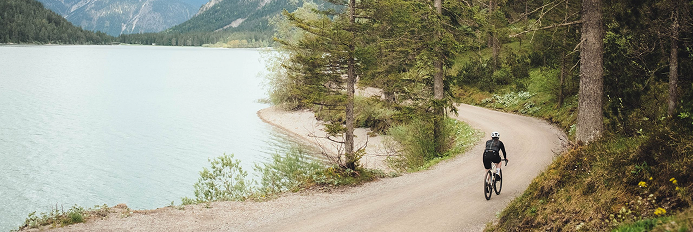
This article is another addition to our Places to Ride series, in which we spot the light on locations that might not be renowned as cycling hotspots but are definitely worth discovering on a bike.
This time our collaborator Pavel Novotný will take you to the Czech Republic, a country you probably would not associate with cycling at first glance. However, it has lately seen a boom of several amateur cycling clubs growing as well as interesting cycling events. On this occasion we are focusing on the eastern Moravia region, differentiating between its two parts: Moravian Wallachia and Jeseniky Mountains.
The region of Moravian Wallachia has historically been the land of shepherds and, although this is largely no longer the case today, you still feel a certain nostalgia once you ride through the region. It mainly consists of rolling hills, forests and rural villages locked in the valleys. Since the closest larger cities Zlin and Ostrava are both around 50 km away, the most convenient way for your stay is either the town of Roznov or a choice of several wellness hotels and apartments in the nearby town Velke Karlovice, right in the heart of the region.
The first suggested route basically loops around most of the Moravian Wallachia region and its dominant mountain range Moravian-Silesian Beskids. With well over 2.000 meters of elevation gain, it is largely a selection of the finest local climbs that can be conquered in a single, challenging ride. The route is therefore tagged as The Wallachian Hell by the local cycling club Okolo.cc.


Before you head out, it is suggested to taste the very local cuisine for breakfast, especially the frgal pastry to boost you into the first couple of hills. The second climb of the day, Pustevny, is the toughest one on the route, peaking at 1.010 m of altitude and averaging around 7% with gradients up to 12%. Recently, the climb hosted the finish of this year’s Sazka Tour stage 2. The top of the mountain provides a variety of refreshment options as well as sightseeing of unique Art Nouveau architecture.


Once you descend down to the valley, it might be time for a coffee stop in the town of Roznov. Our local tip is to stop at Balloo Café if you fancy a specialty coffee. Heading south next, a series of short, but partly steep rolling hills, will take you through the picturesque heart of the Moravian Wallachia region and you may get the feeling of being completely isolated from any civilization.
For the second part of the route, the profile gets flat as you will be headed to the bottom of the last climb of the day: the Kohutka mountain. As the Czech-Slovak border crosses through the top of the hill, our route first takes you to Slovakia from where the climb starts. At this point, you may stretch the route a few kilometers to visit Isadore in the city Puchov (SVK) where it is based. Once at the top of the final climb, you can recharge your batteries with blueberry dumplings, a typical Wallachian dessert, before you enjoy the well-deserved final descent with hairpin turns down to the starting point of the ride.
Picking one climb as the queen mountain is never an easy task, no matter if talking about the local hills or famous Hors Categorie Alpine climbs. When it comes to the Moravian-Silesian Beskids, the Lysa Mountain tops the ranking. Located further northeast from our previous route, and given that its access road begins at the far end, one must bypass the hill first, observing the red tower sitting on the bald mountain top while approaching the foot of the mountain.


The total elevation gain is over 800 m with a summit at 1.324 meters of altitude. The gradient changes throughout the climb quite often, with a few sections of 14%, and it barely goes below 8%. The Lysa Mountain literally stands for “bald mountain” given its sparsely covered peak, although during most of the climb you will be riding through a nice forest until the final kilometer or so. We chose a different path for the descent and return to our starting point, offering nice views of the water reservoir Sance on the way. The mountain as well as the whole region also offers countless mountain bike trails to follow, which would make for another article.
Jeseniky Mountains provide plentiful riding opportunities covering the whole scale from road to downhill enthusiasts. They are located in the northeast of the Moravia region close to the Polish border, yet easily accessible within a 2-hour ride from our original location.

Our last picked route is one primarily on tarmac with a 10 km gravel descent at the end, however, with a slight adjustment, you can avoid the off-road segment too. It starts in the town of Velke Losiny, the home of a renowned thermal spa, which might be a good way to relax after the ride.
There are 3 main climbs on the route: Dlouhe Strane, the favorite choice of several Sazka Tour editions, Cervenohorske Sedlo, and Praded Mountain. Dlouhe Strane is a steady climb on a quiet road with a couple of steep sections. What makes this hill truly special though is for sure its peak: it is a huge water reservoir serving as a pumped storage hydro power plant. With its oval shape and inward incline, it might resemble a giant velodrome. From there you can already spot the tower on the nearby peak of Praded Mountain, our last climb of the day, but first we have to get over other hills.

Cervenohorske Sedlo, or CHS, follows right after you rejoin the main road after the descent. CHS might not be as long nor steep as Dlouhe Strane, but with its beautiful hairpin turns, smooth wide roads, and landscape views, it is a mountain pass we could not ignore. This one is a state road though, so we advise you to save the date for the weekend when the traffic is calm.


Two intermediate climbs via narrow winding forest road follow before we get to the foot of the last climb: Praded Mountain, the highest peak of Moravia. Its altitude of 1.492 m might not sound overly bold, but with the previous climbs already in the legs, it is still 600 m of elevation to gain. On the other hand, it is quite a steady climb so do not get discouraged. The first two thirds of the climb go through the woods, until the scenery finally opens, with the view of the iconic tower at the top.
Now if you choose to ride off-road, stick to the planned route, and enjoy the long final gravel descent down to the main road that will lead you to the starting point. It is time to relax in the spa and have a coffee, being Kafe Pikola our suggested choice for a good specialty coffee.

Cayó en la trampa del ciclismo durante su época de estudiante en Bélgica, y ahora no hay carrera o evento del que no esté al tanto. Desde la República Checa, Pavel está expandiendo las fronteras de RAW Cycling Magazine y aportando un punto de vista diferente a nuestra comunidad. He fell into the trap of cycling during his time as a student in Belgium, and now there is no race or event that he is not aware of. From the Czech Republic, Pavel is expanding the borders of RAW Cycling Magazine and bringing a different point of view to our community. View all posts by Pavel Novotný
 Javi Angulo
 Javi Angulo

 Pavel Novotný
 Pavel Novotný
Este artículo es otra adición a nuestra colección Places to Ride, en la que damos a conocer lugares que pueden no ser afamados como destinos ciclistas por excelencia pero que definitivamente vale la pena descubrir en bicicleta.
Esta vez nuestro colaborador Pavel Novotný te llevará a la República Checa, un país que probablemente no asociarías con el ciclismo de primeras. Sin embargo, últimamente ha visto un auge de varios clubes de ciclismo amateur, así como interesantes eventos ciclistas. En esta ocasión nos centramos en la región oriental de Moravia, diferenciando sus dos partes: Valaquia y las montanas de Jeseniky.
La región de Moravia Valaquia ha sido históricamente la tierra de los pastores y, aunque en gran medida ya no es el caso hoy en día, todavía sientes cierta nostalgia al recorrer la región. Se compone principalmente de colinas, bosques y pueblos rurales encerrados en los valles. Dado que las ciudades grandes más cercanas, Zlin y Ostrava, están a unos 50 kilómetros, el lugar más conveniente para alojarte es la ciudad de Roznov o cualquiera de los varios hoteles y apartamentos en la ciudad cercana Velke Karlovice, justo en el corazón de la región.
La primera ruta sugerida básicamente recorre la mayor parte de la región de Moravia Valaquia y su cadena montañosa dominante, los Beskides de Moravia-Silesia. Con más de 2.000 metros de desnivel positivo, es en gran parte una selección de las mejores subidas locales que se pueden coronar en un solo recorrido. Por este motivo, la ruta está etiquetada como “El infierno de Valaquia” por el club local Okolo.cc.
Antes de salir, se sugiere degustar la cocina local ya desde el desayuno, especialmente la pastelería frgal, para cargar energías de cara a las primeras colinas. La segunda subida del día, Pustevny, es la más dura de la ruta, con un pico a 1.010 m de altitud y una pendiente promedio alrededor del 7% con segmentos al 12%. Recientemente, esta subida acogió el final de la etapa 2 del Sazka Tour de este año. La cima de la montaña ofrece una variedad de opciones de refrescos, así como vistas a arquitectura Art Nouveau.
Una vez que desciendas al valle, puede que sea el momento de hacer una parada para tomar un café en la ciudad de Roznov. Nuestro consejo local es detenerse en el Balloo Café si le apetece un café de especialidad. A continuación, hacia el sur, una serie de colinas onduladas cortas, pero en parte empinadas, te llevarán a través del pintoresco corazón de la región de Moravia Valaquia y tendrás la sensación de estar completamente aislado de cualquier civilización.
Para la segunda parte de la ruta, el perfil se vuelve plano ya que te dirigirás al pie de la última subida del día: la montaña Kohutka. Como la cima actúa como frontera checo-eslovaca, nuestra ruta te lleva primero a Eslovaquia, desde donde comienza la subida. En este punto, puedes alargar la ruta unos kilómetros para visitar Isadore en la ciudad Puchov (SVK) donde tiene su sede. Una vez en la cima de la subida final, puedes recargar tus baterías con albóndigas de arándanos, un postre típico de Valaquia, antes de disfrutar del merecido descenso final con curvas cerradas de vuelta al punto de partida.
Elegir una montaña como la subida más dura de la región nunca es una tarea fácil, sin importar si se trata de las colinas locales o las famosas escaladas alpinas Hors Categorie. Cuando se trata de los Beskids de Moravia-Silesia, la montaña Lysa encabeza la clasificación. Ubicada más al noreste de nuestra ruta anterior, y dado que su carretera de acceso comienza en el otro extremo, uno debe rodear la colina primero, observando la torre roja sentada en la cima de la montaña calva mientras se acerca al pie de la montaña.
El desnivel total supera los 800 m con una cumbre a 1.324 metros de altitud. El desnivel cambia a lo largo de la subida con bastante frecuencia, con algunos tramos del 14%, y apenas baja del 8%. La montaña Lysa literalmente significa “la montaña calva” debido a su pico escasamente cubierto, aunque durante la mayor parte de la subida rodarás a través de un bonito camino forestal hasta el último kilómetro más o menos. Elegimos un camino diferente para el descenso y regresamos a nuestro punto de partida, con bonitas vistas del embalse de agua Sance. La montaña, así como toda la región, también ofrece innumerables senderos para bicicletas de montaña a seguir, lo que daría para otro artículo.
Las montañas Jeseniky brindan variados tipos de ruta, desde ciclismo de carretera a descenso. Están ubicadas en el noreste de la región de Moravia, cerca de la frontera con Polonia, pero partiendo desde nuestra ubicación original se puede llegar a ellas en bicicleta en menos de dos horas.
Nuestra última ruta elegida es principalmente sobre asfalto con un descenso de gravel de 10 km al final, pero con un ligera modificación podemos evitar el segmento sin pavimentar. Comienza en la ciudad de Velke Losiny, hogar de un famoso balneario termal, que puede ser una buena manera de relajarse al acabar.
Hay tres subidas principales en la ruta: Dlouhe Strane, la opción favorita de varias ediciones del Sazka Tour, Cervenohorske Sedlo y Praded Mountain. Dlouhe Strane es una subida constante a través de una carretera tranquila con un par de tramos empinados. Sin embargo, lo que hace que esta colina sea realmente especial es sin duda su pico: es un enorme depósito de agua que sirve como central de bombeo. Con su forma ovalada y su inclinación en los costados adentro, se parece a un velódromo gigante. Desde ahí ya puedes ver la torre en la Praded Mountain, nuestra última ascensión del día, pero primero tenemos que superar otras colinas.
Cervenohorske Sedlo, o CHS, sigue justo después al volver a la carretera principal después del descenso. Es posible que CHS no sea tan largo ni empinado como Dlouhe Strane, pero con sus hermosas curvas cerradas, caminos anchos y suaves y vistas del paisaje, es un paso de montaña que no podemos ignorar. Sin embargo, esta es una carretera estatal, por lo que le recomendamos que circules por ella durante el fin de semana, cuando hay menos tráfico.
Después, dos subidas a través de un camino forestal estrecho y sinuoso prosiguen antes de llegar al pie de la última subida: la Praded Mountain, el pico más alto de Moravia. Su altitud de 1.492 m puede no ser excesivamente impresionante, pero con las subidas anteriores ya en las piernas, todavía quedan 600 metros de desnivel por hacer. Por otro lado, es una subida bastante constante, así que no te desanimes. Los primeros dos tercios de la subida transcurren por el bosque, hasta que finalmente se abre el paisaje, con la vista de la icónica torre en la parte superior.
Ahora, si optas por seguir por terreno sin pavimentar, sigue la ruta planificada y disfruta del largo descenso final a través de pistas de gr avel hasta la carretera principal, que te llevará de vuelta al punto de partida. Es hora de relajarse en el spa y tomar un café, siendo Kafe Pikola nuestra recomendación para un buen café de especialidad.
Cayó en la trampa del ciclismo durante su época de estudiante en Bélgica, y ahora no hay carrera o evento del que no esté al tanto. Desde la República Checa, Pavel está expandiendo las fronteras de RAW Cycling Magazine y aportando un punto de vista diferente a nuestra comunidad. He fell into the trap of cycling during his time as a student in Belgium, and now there is no race or event that he is not aware of. From the Czech Republic, Pavel is expanding the borders of RAW Cycling Magazine and bringing a different point of view to our community. View all posts by Pavel Novotný
Receive our monthly selection of the best articles, news, exclusive content and giveaways only for subscribers, subscribe to OUR NEWSLETTER
Receive our monthly selection of the best articles, news, exclusive content and giveaways only for subscribers, subscribe to OUR NEWSLETTER
Receive our monthly selection of the best articles, news, exclusive content and giveaways only for subscribers, subscribe to OUR NEWSLETTER
Receive our monthly selection of the best articles, news, exclusive content and giveaways only for subscribers, subscribe to OUR NEWSLETTER