- News
- Reviews
- Travel & Adventure
- Interviews
- Inside Industry Players
- Community
Bikes
Reviews
Components
Reviews
Cycling
Apparel


[raw_mobile_menu]
[wpml_language_switcher_down]

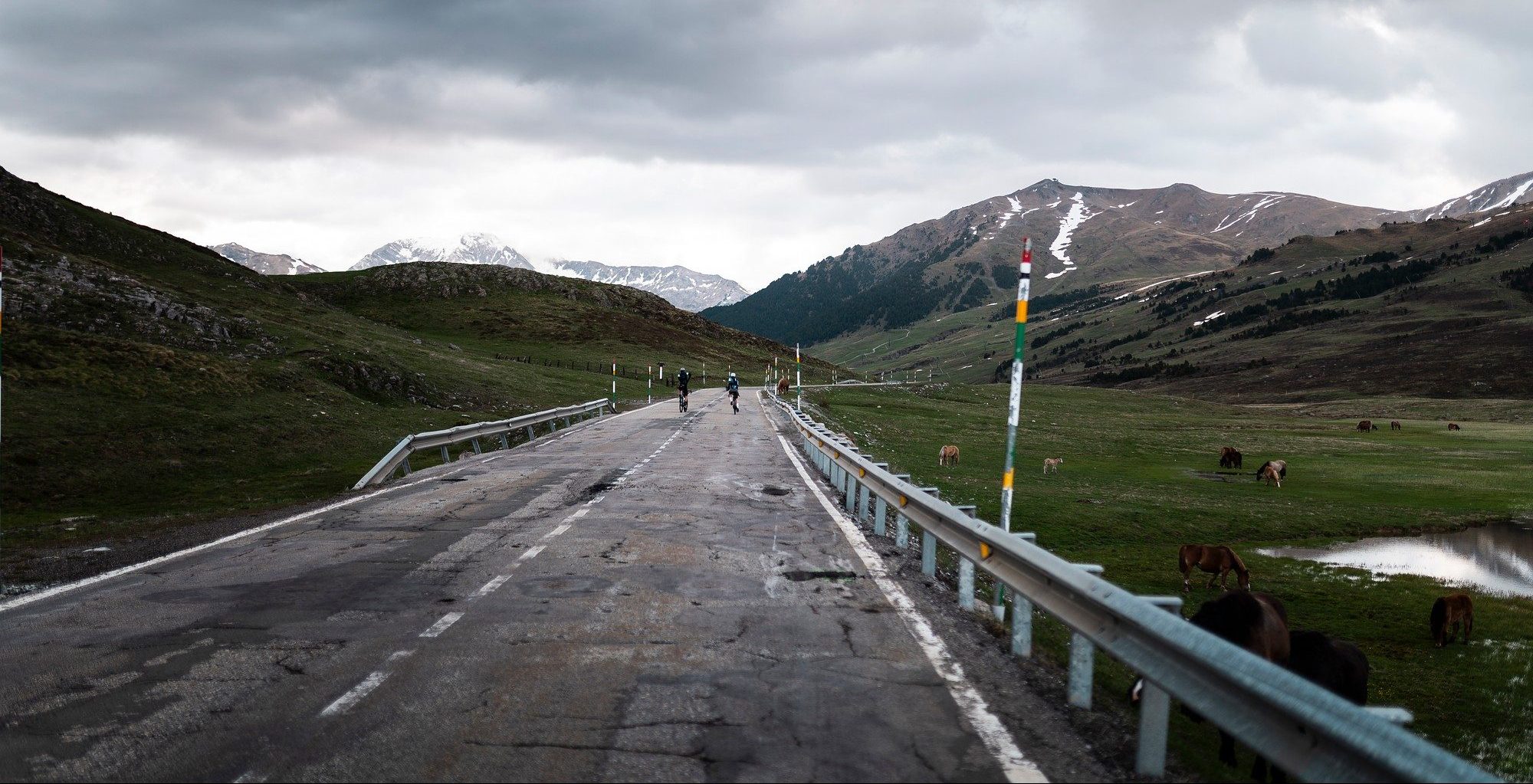
El pasado fin de semana, del 17 al 18 de mayo, nos embarcamos en una aventura de autodescubrimiento a través de algunas de las regiones más remotas pero fascinantes de las montañas catalanas. Participamos en la edición inaugural de M&M Across Catalunya, una prueba de gravel que, como su nombre indica, abarca un amplio recorrido por Cataluña. Lo que diferencia esta prueba es que va de punto A al B, y también un enorme desnivel acumulado en un paisaje siempre cambiante desde los Pirineos del norte en Vielha hasta el cálido sol del Mediterráneo en Santa Susanna.
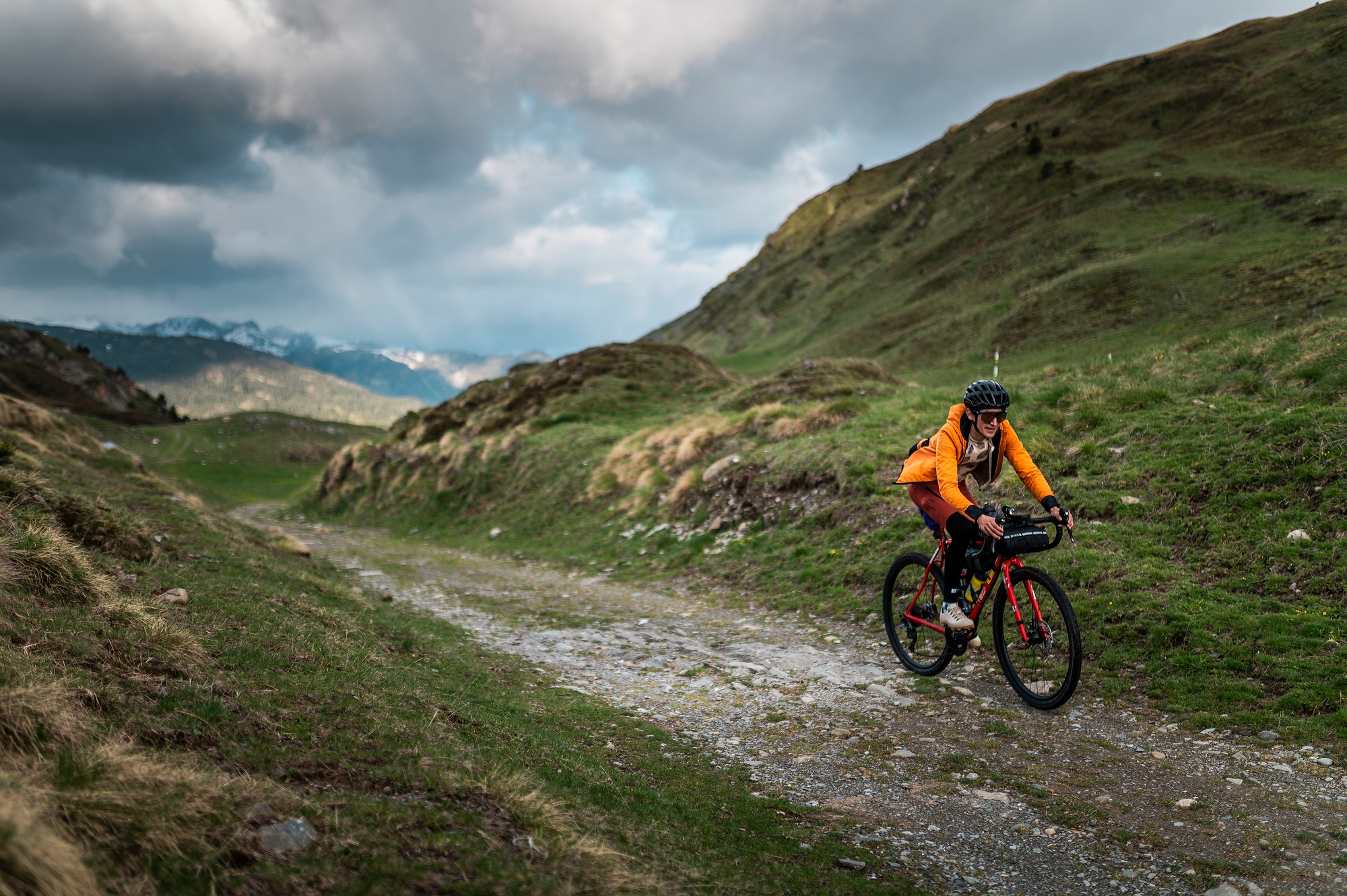
Estamos todavía procesando lo que vivimos durante esos dos días, un viaje de resiliencia que nos hizo descubrir valles, picos, senderos y puertos maravillosos de los que nunca habíamos oído hablar. Incluso los participantes locales más experimentados no podrían haber realizado todo el recorrido sin un GPS. Bernat Buch, el organizador, tiene establecido el lema “bienvenidos los valientes”, y no es un farol. El recorrido de 400 km, +10.000 m fue desafiante en cuanto a terreno, desnivel, aislamiento y climatología, porque aunque no lo creas, en España también llueve.
Bernat, o Berni para sus amigos, siempre ha sido un aficionado del deporte, jugó al balonmano durante mucho tiempo pero no se aficionó al ciclismo hasta hace 7 años. Originario de Calella de Mar, después de un viaje en bicicleta con James Noble por el Pirinexus 360 de la zona de Girona se le ocurrió la idea de una ruta de gravel por el Montseny y el Montnegre i el Corredor, su patio de recreo diario. A pesar de la dureza del trazado imaginado de 200 km +5.000 m, el año pasado organizó la primera edición de M&M Gravel Grinder, una forma de mostrar que el gravel en Cataluña se extiende más allá de Girona y que no siempre es necesariamente en llano.
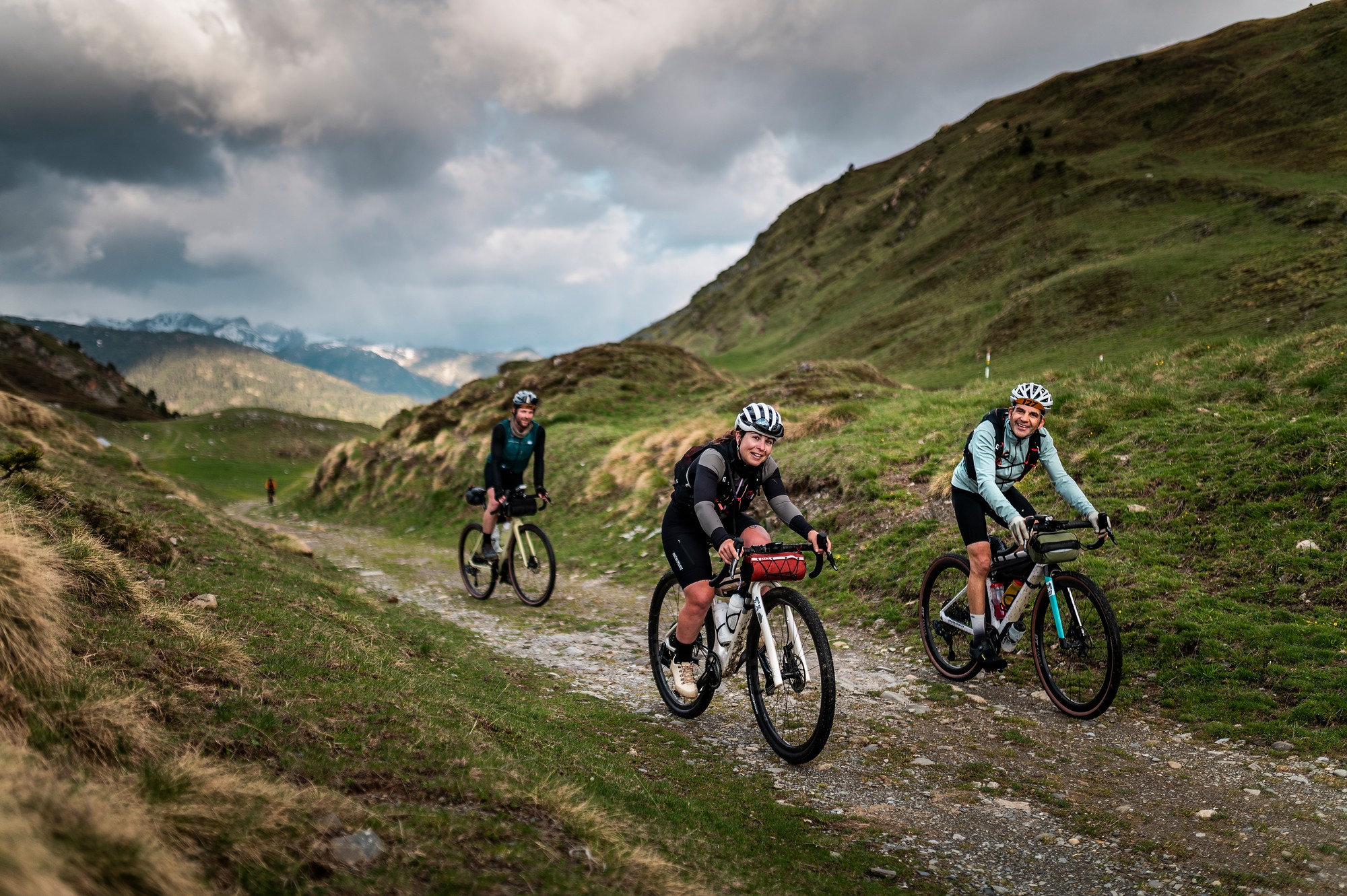
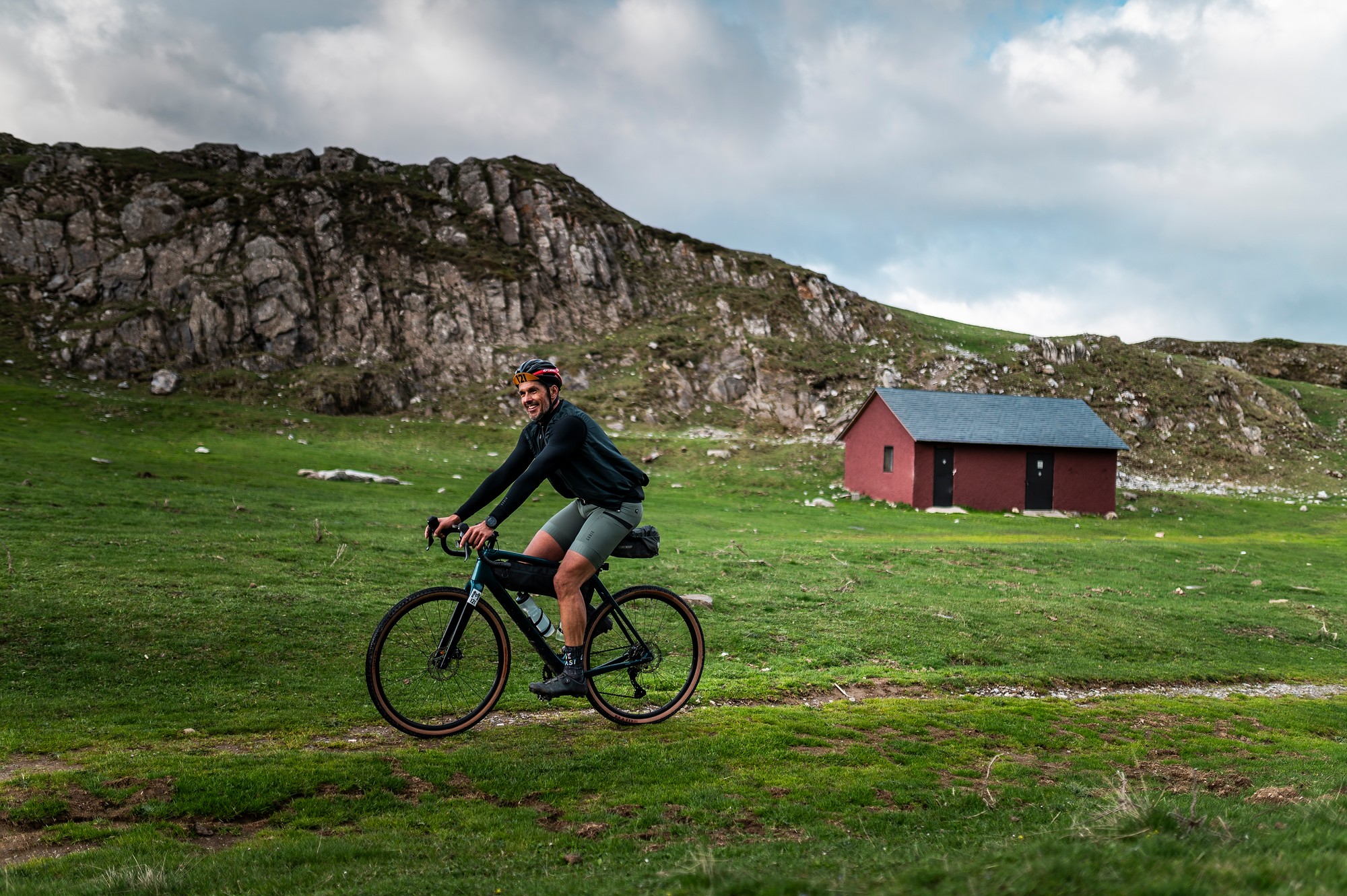
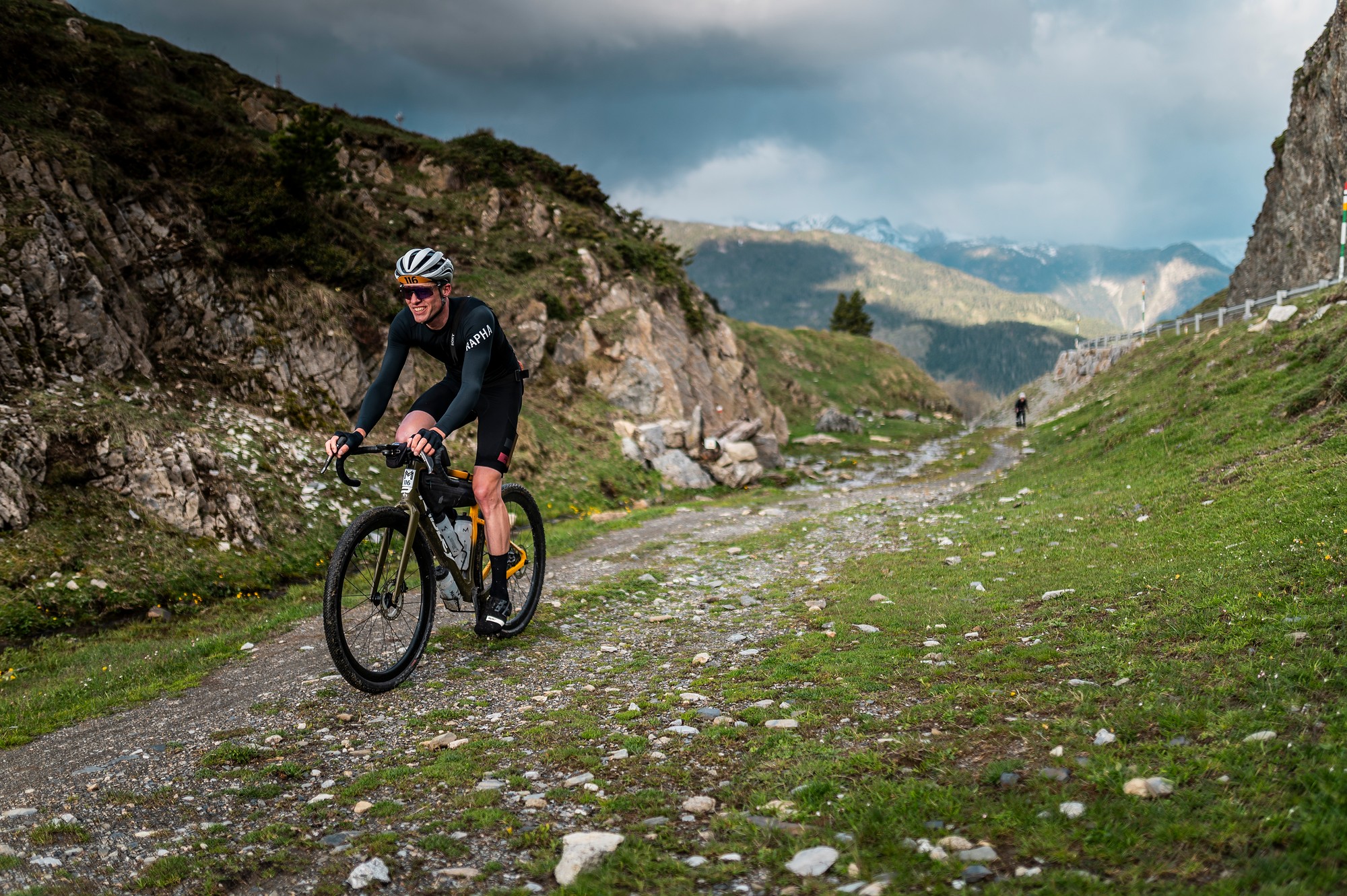
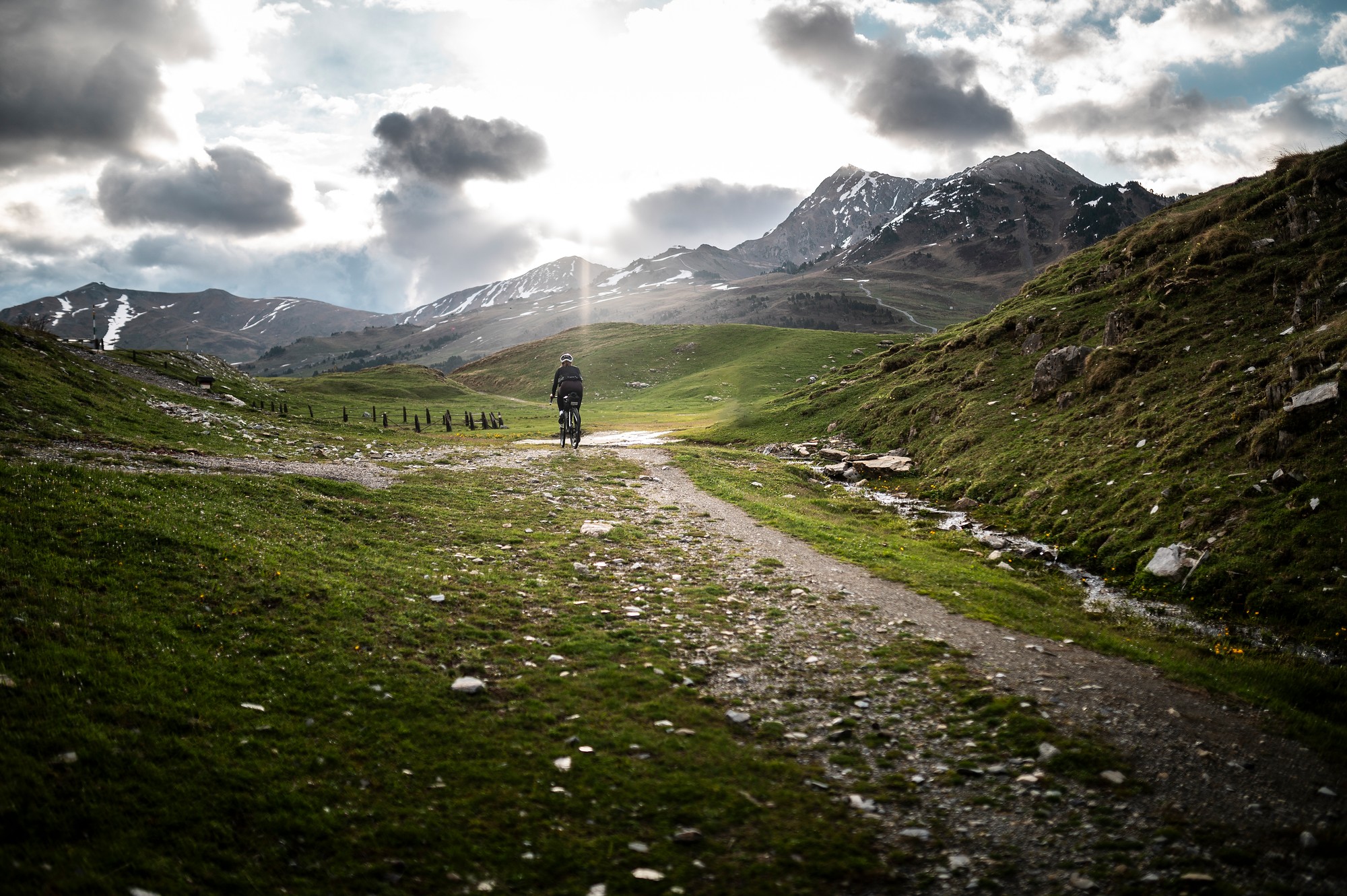
El evento fue un éxito, por lo que estaba ansioso por más. Después de un M&M en invierno, había preparado un loop de 300 km, pero Berni no quedó satisfecho. Fue entonces cuando se convenció de que una ruta no es necesariamente cerrada y que el gravel también es una aventura. Así, aprovechando el evento M&M Gravel Grinder que se celebraba en Santa Susanna, imaginó un recorrido de 400 km y +10.000 m de gravel desde la zona más occidental de los Pirineos catalanes, hacia el este y terminando al nivel del mar junto a M&M Gravel Grinder.
El concepto para él era proporcionar una ruta para descubrir el país, pasando por regiones remotas a 2.000 m sobre el nivel del mar, descendiendo a valles profundos y avanzando siempre en esta montaña rusa sin fin hacia la llegada. M&M Across Catalunya no es una carrera, sino un viaje a través de bosques, puertos de montaña y pueblos a los que sólo se puede acceder por gravel. No obstante, hay un límite de tiempo de 42 horas, así que no te quedes dormido.
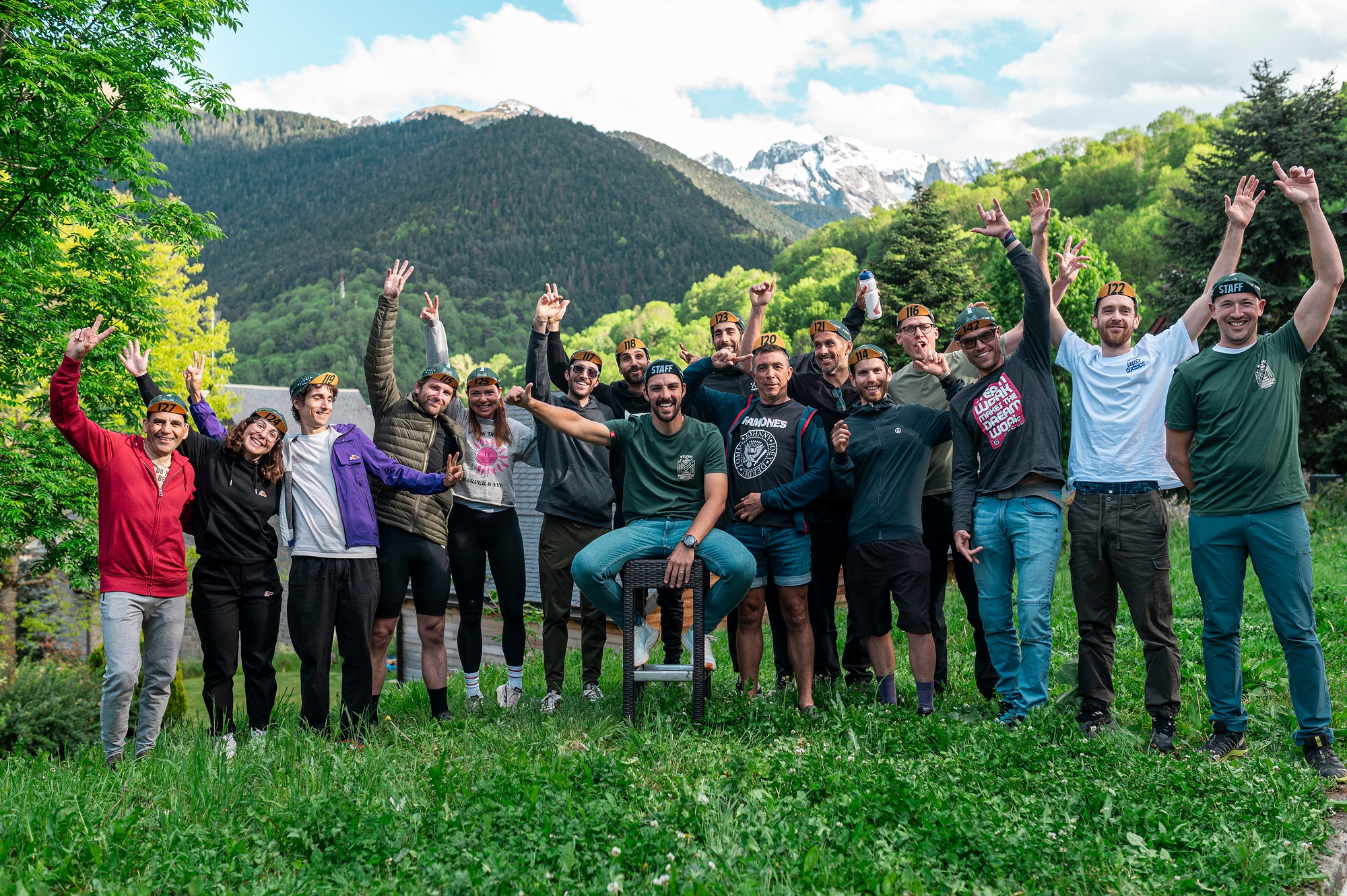
Uno de los aspectos más destacados del M&M Across Catalunya fue el recorrido de un solo sentido. Aunque esto puede resultar algo complicado, la organización se había anticipado a todo para que nosotros, los participantes, tuviéramos la mejor experiencia. El jueves por la mañana nos encontramos en Santa Susanna, donde catorce de nosotros nos subimos a un minibús con nuestras bicicletas y equipaje para llegar 4 horas más tarde a Vielha. La mayoría éramos catalanes, pero había un italiano, un francés y dos holandesas.


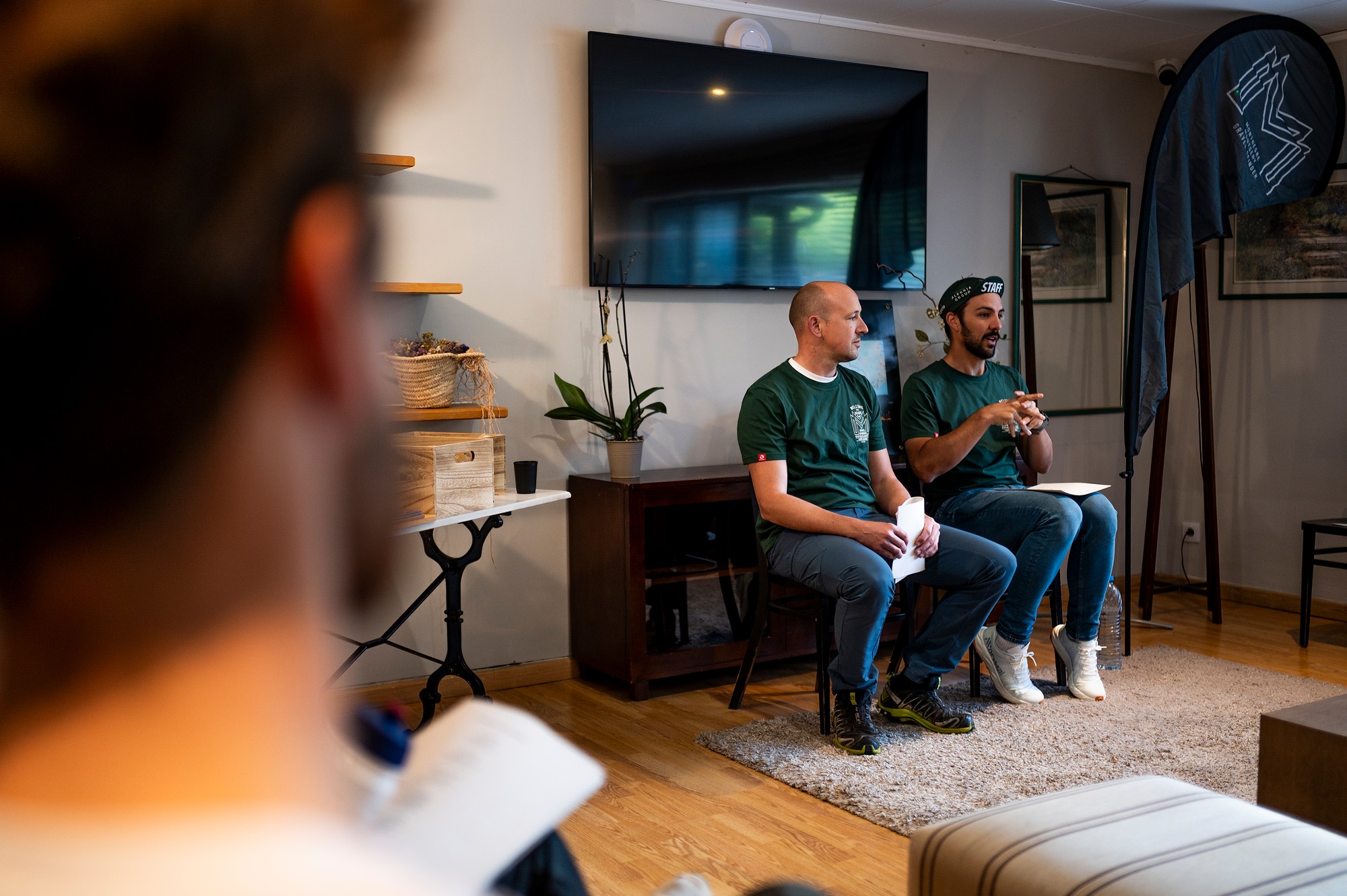
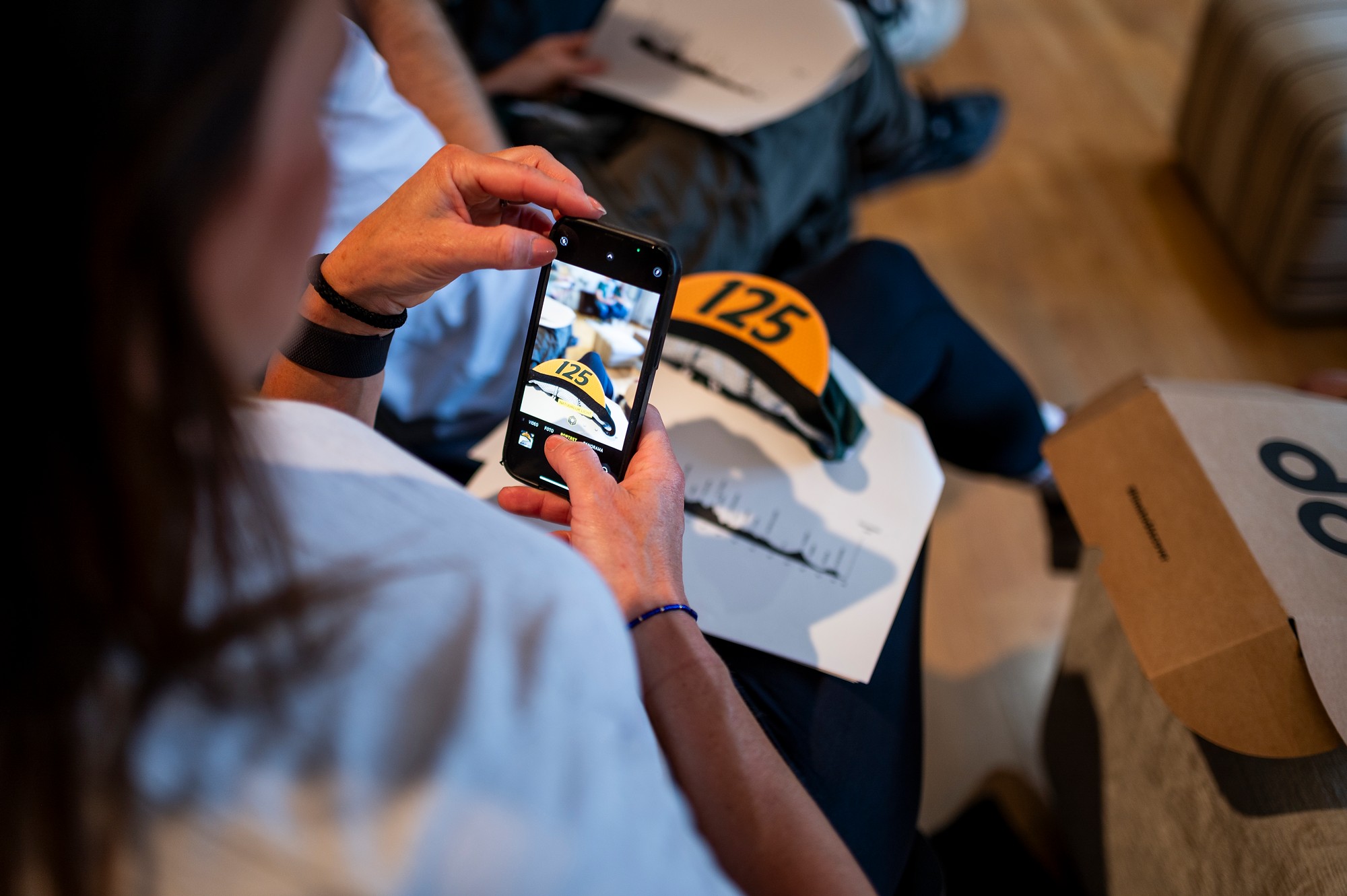
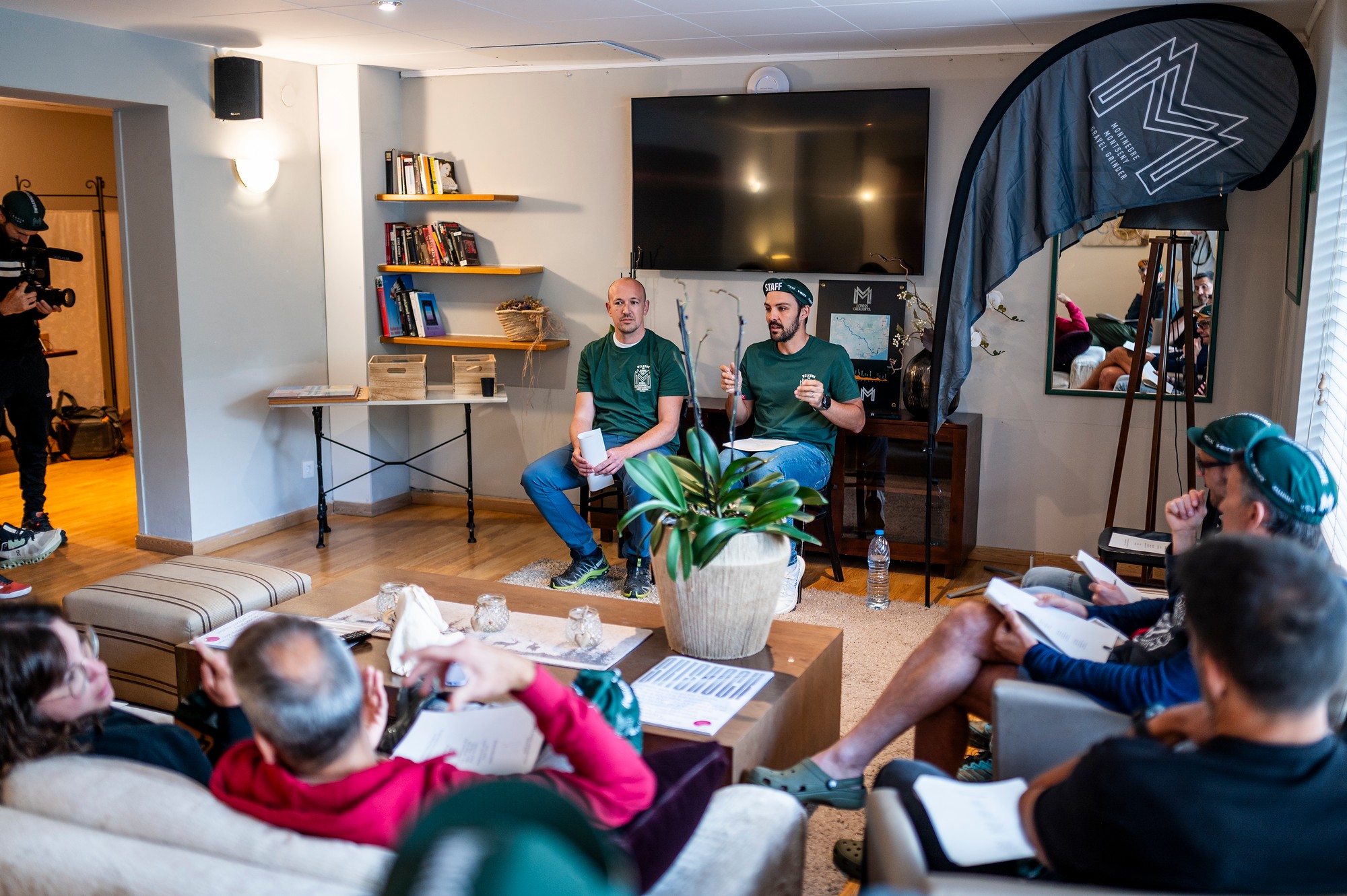
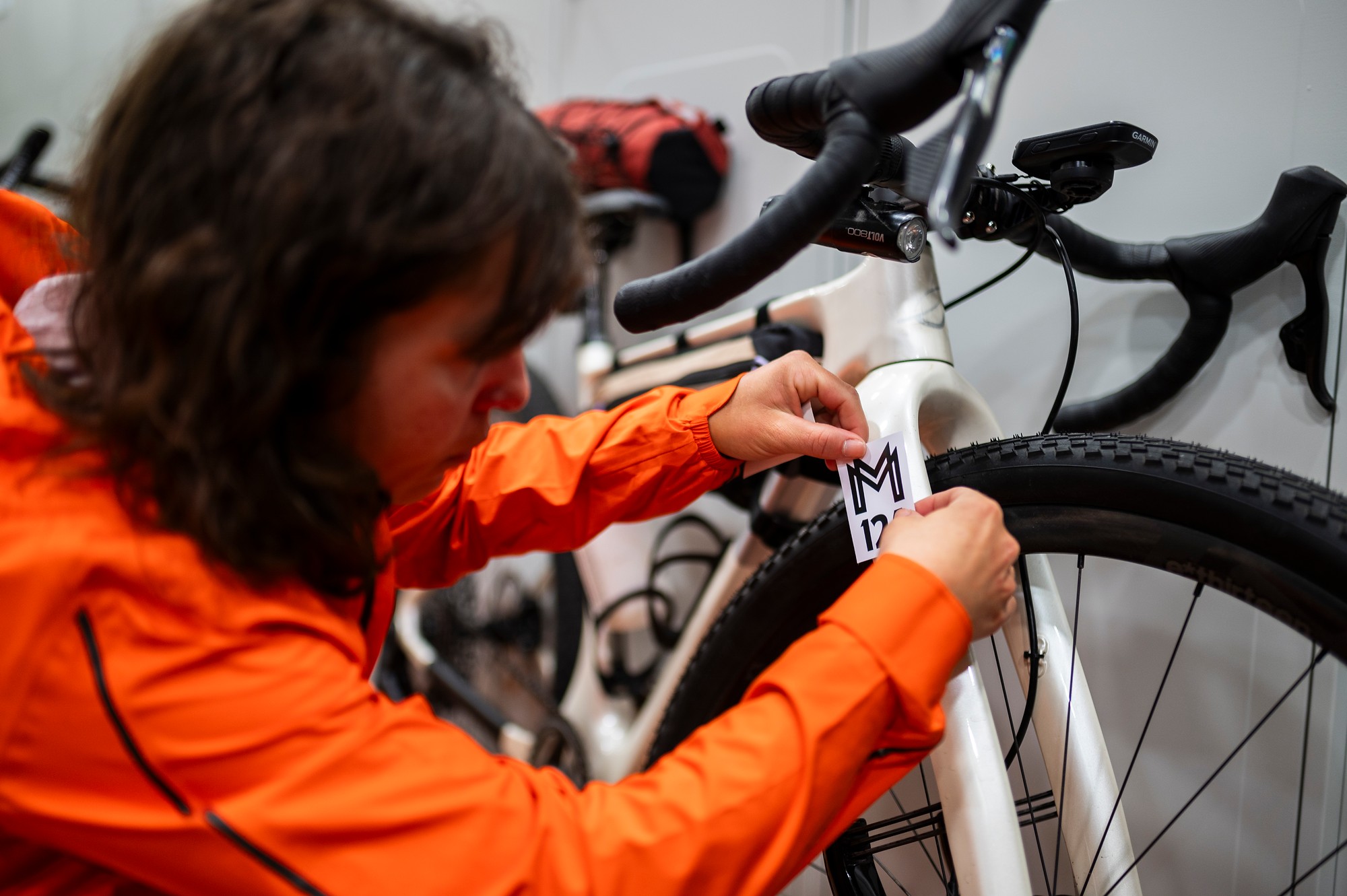
Una vez en el hotel Blu Aran de Vielha, entre risas y dudas, todos revisamos nuestras bicicletas para asegurarnos de que todo estaba perfecto y nos dirigimos al briefing del evento. Bernat nos describió cada una de las subidas, los tramos difíciles, los pueblos donde podíamos pasar la noche y nos animó a, por encima de todo, disfrutar de la ruta que con mucho cariño había preparado. Aunque el 60% del recorrido iba a estar pavimentado, eso no significaba que fuera más fácil. De hecho, lo hizo de tal manera que pudiéramos alternar y afrontar el desnivel más fácilmente. Después de cenar, todos nos acostamos temprano, listos para el día siguiente.
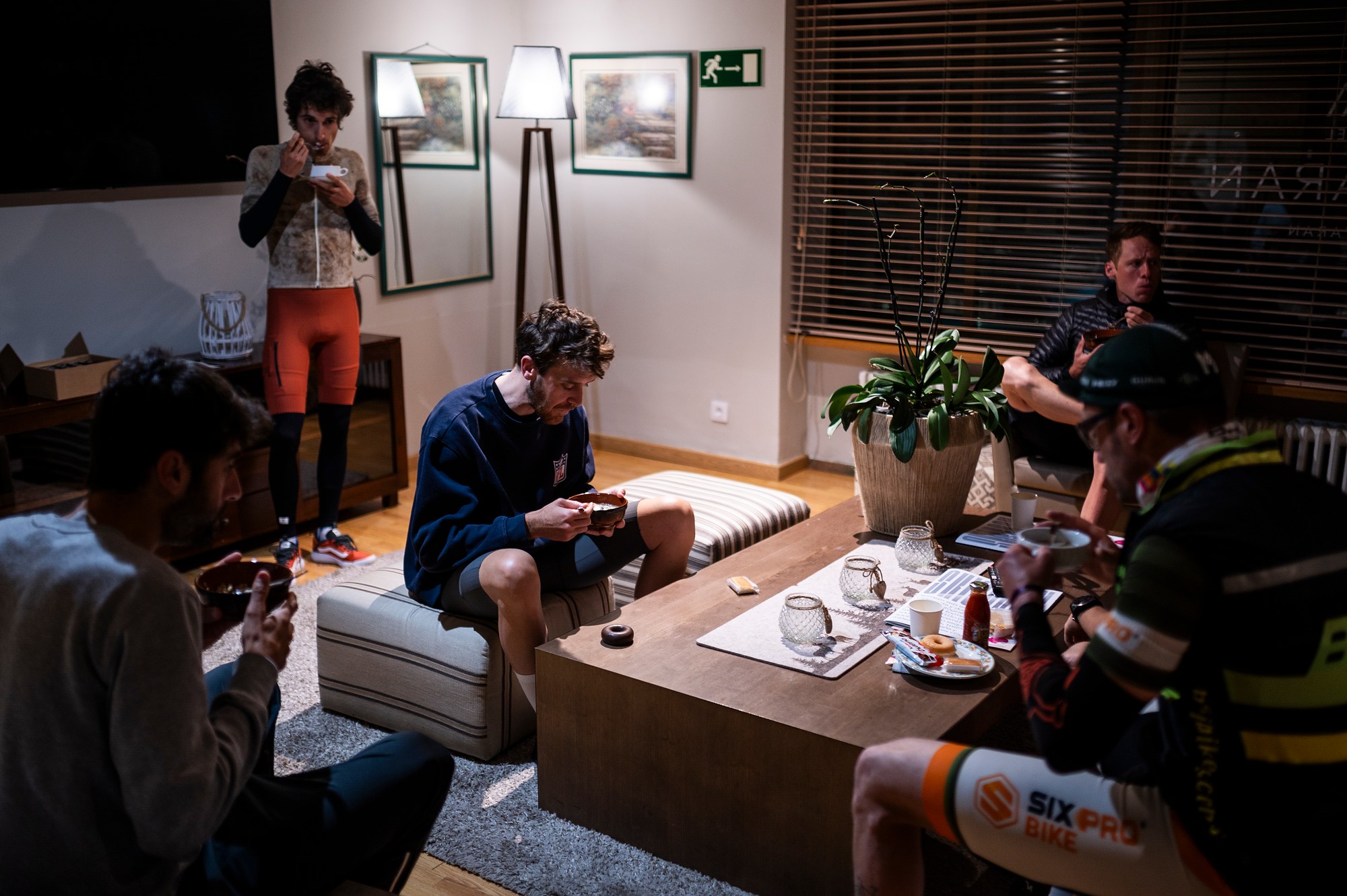
El viernes por la mañana temprano, el desayuno se sirvió a las 5 a.m. El pronóstico del tiempo no era prometedor, pero al menos no llovía a cántaros cuando comenzamos. Sin embargo, se esperaban 0 ºC en varios puertos de montaña a 2.000 m de altura. Para nosotros la estrategia era clara: comer, beber y pedalear a buen ritmo para llegar a la Seu d’Urgell antes de que nos pillara la lluvia.
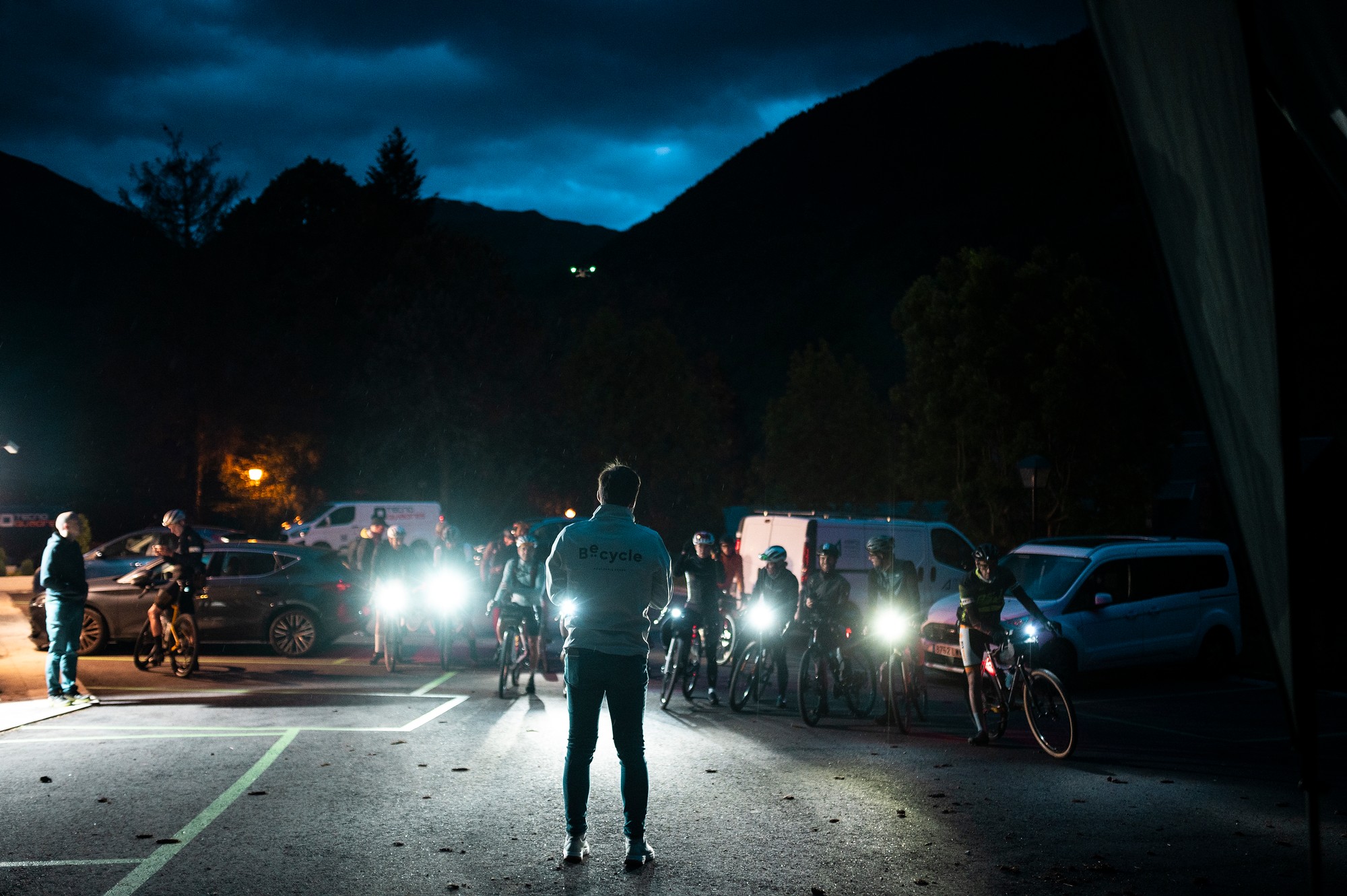
Quince participantes iniciaron el viaje según lo previsto a las 6 de la mañana. El holandés Nol había llegado a Vielha en bicicleta los días anteriores tras participar en la Traka. Todos, con diferentes estrategias, subimos a nuestro propio ritmo el primer puerto de montaña, lo que rápidamente dividió al grupo. A pesar de un comienzo en asfalto, cambiamos inmediatamente a un camino alpino de grava que, a pesar de estar mojado, era perfectamente transitable.
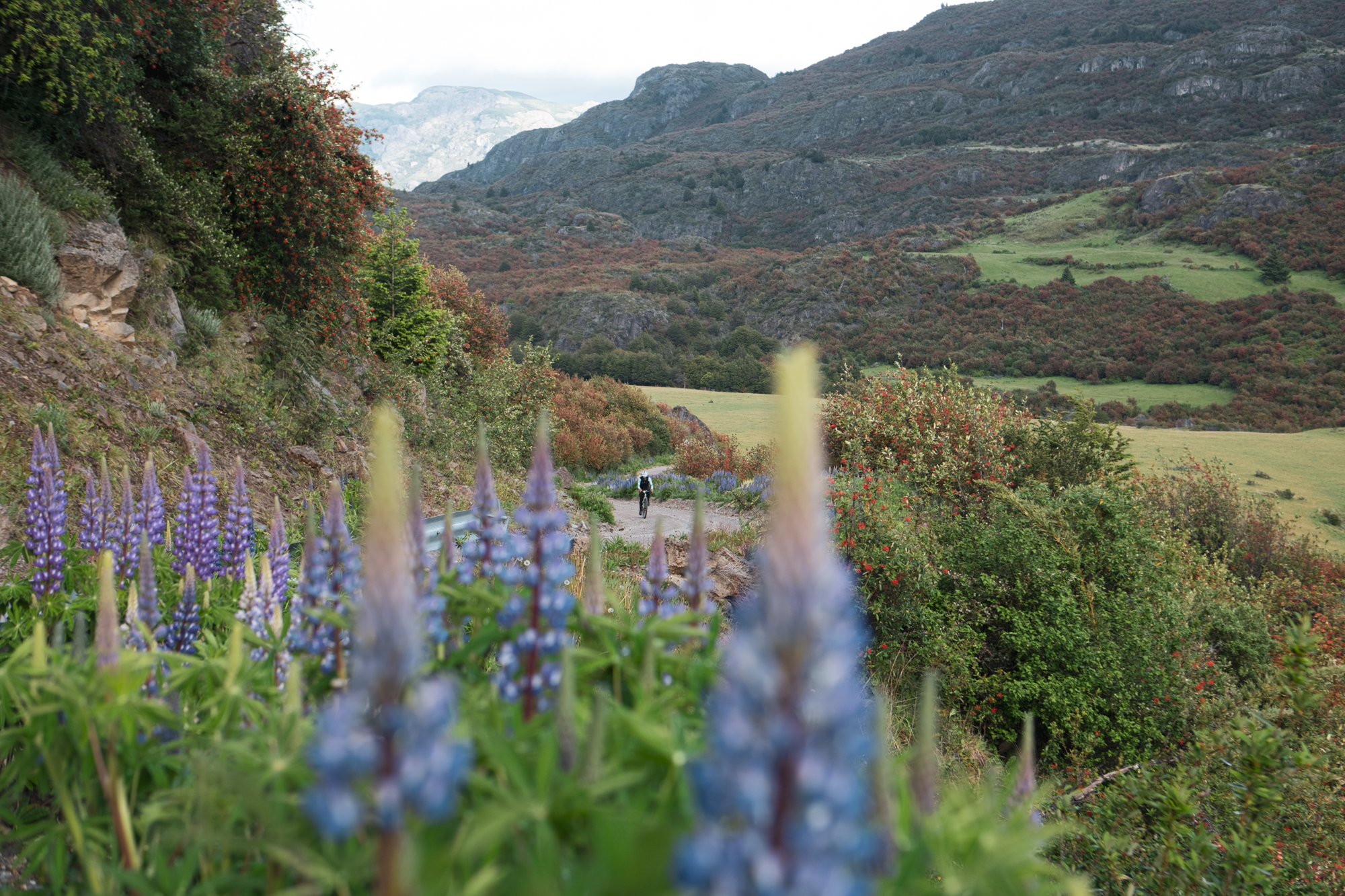
Ya en lo alto, a 1875 m en el Pla de Beret, Bernat y Oriol (el cámara) nos animaron, pero no nos ayudaron, ya que se trataba de un evento de autosuficiencia. Desde allí teníamos una maravillosa bajada de gravel que nos llevó hasta Alós d’Isil donde el asfalto reapareció. A pesar del clima nublado, las vistas eran fascinantes y la niebla de las montañas le daba al paisaje un aspecto misterioso.


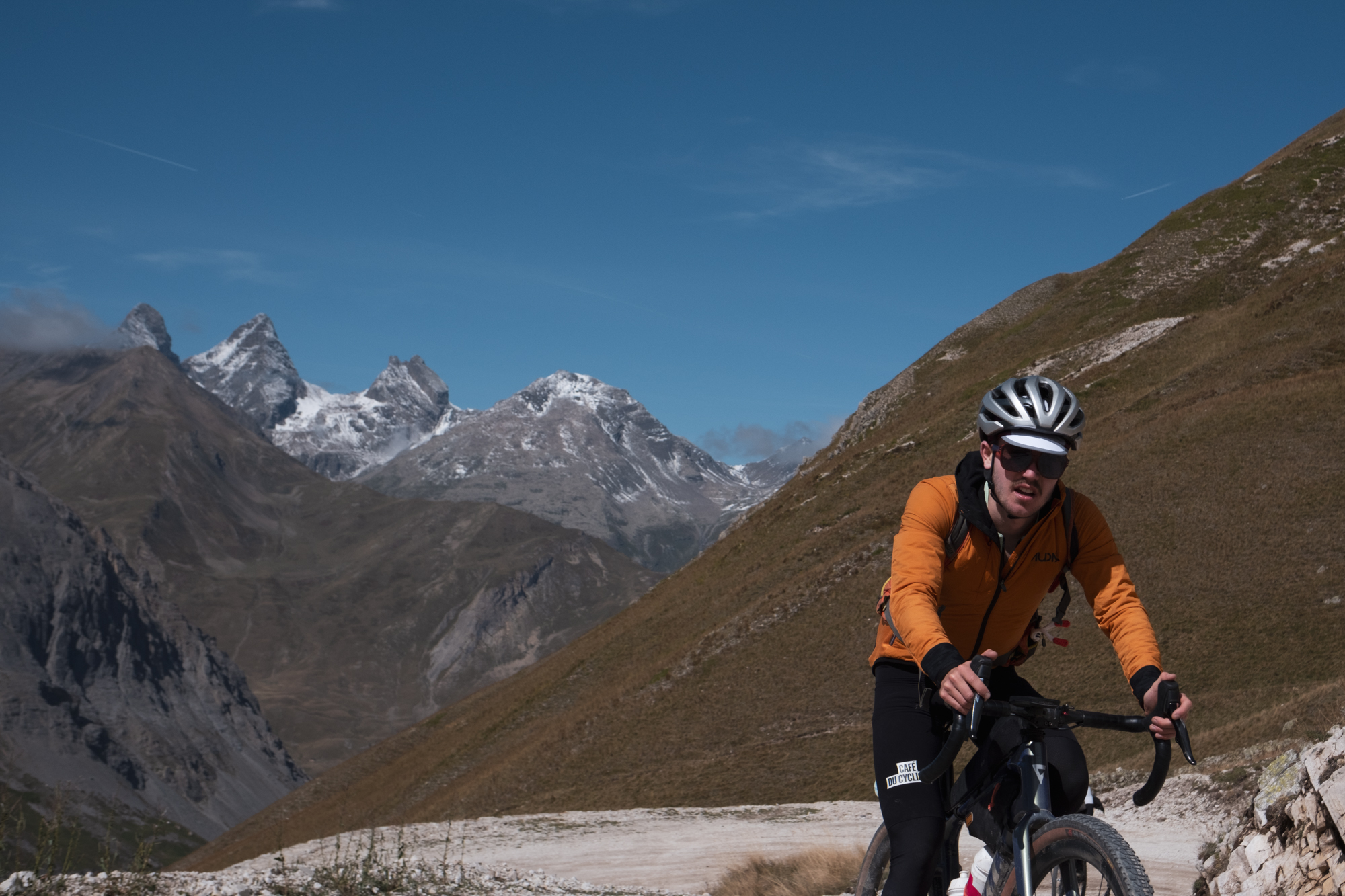
Una vez en Llavorsí comenzó la subida y el tramo más temible de todo el recorrido, tal y como lo describió Bernat. El Coll de So fue una subida de categoría especial, mitad asfalto, mitad tierra, pero siempre con una pendiente superior al 8%. Llegando a la cota de 1.930 m, y rodeados de espesos bosques con vistas a profundos valles, continuamos por un descenso de grava para ascender de nuevo hasta Sant Joan de l’Erm a 1.972 m, el punto más alto de la ruta. Allí arriba, el aire era frío, pero no había señales de lluvia a pesar de las nubes amenazadoras, así que avanzamos hasta la Seu d’Urgell a través de un interminable descenso.
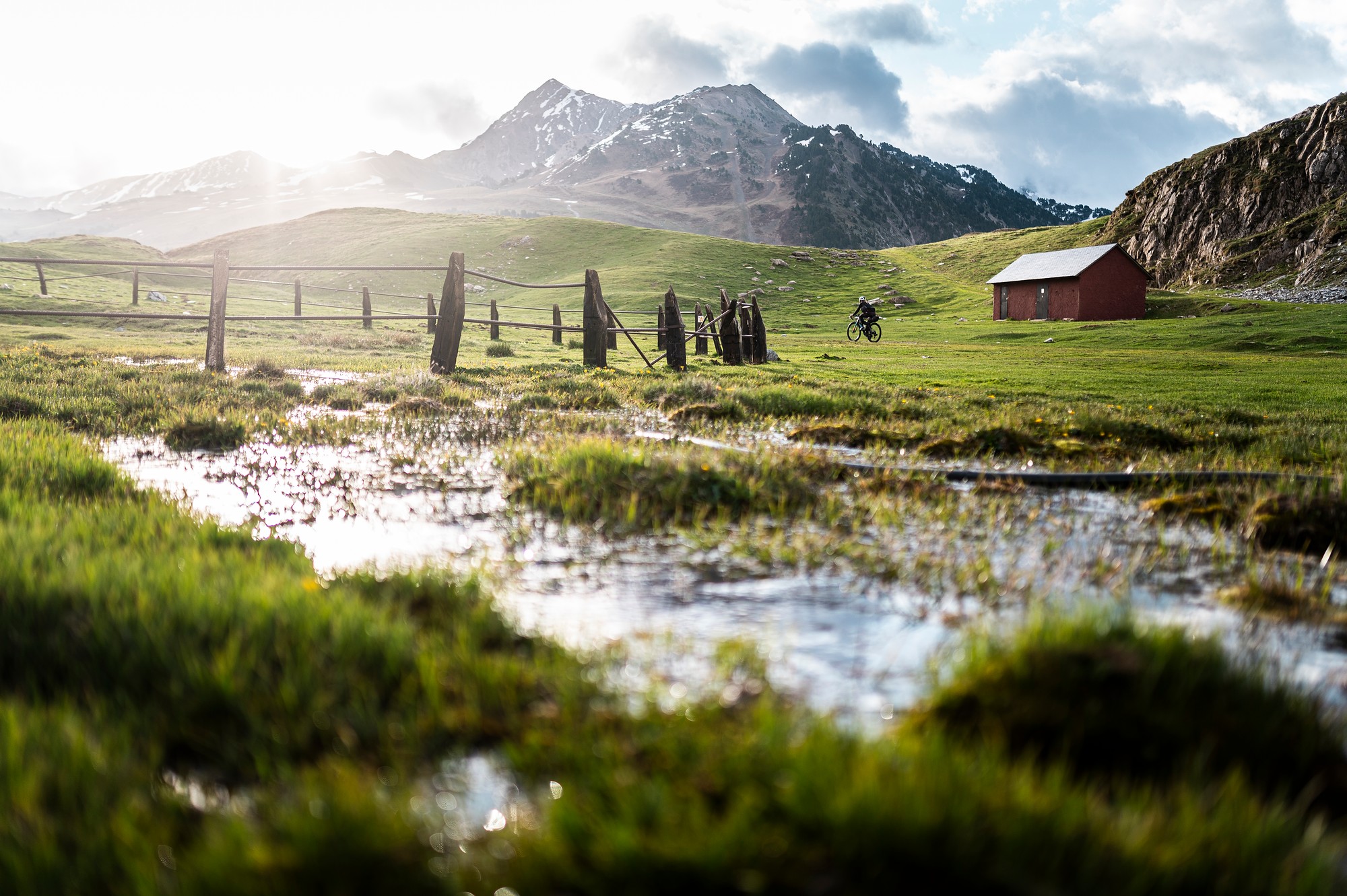
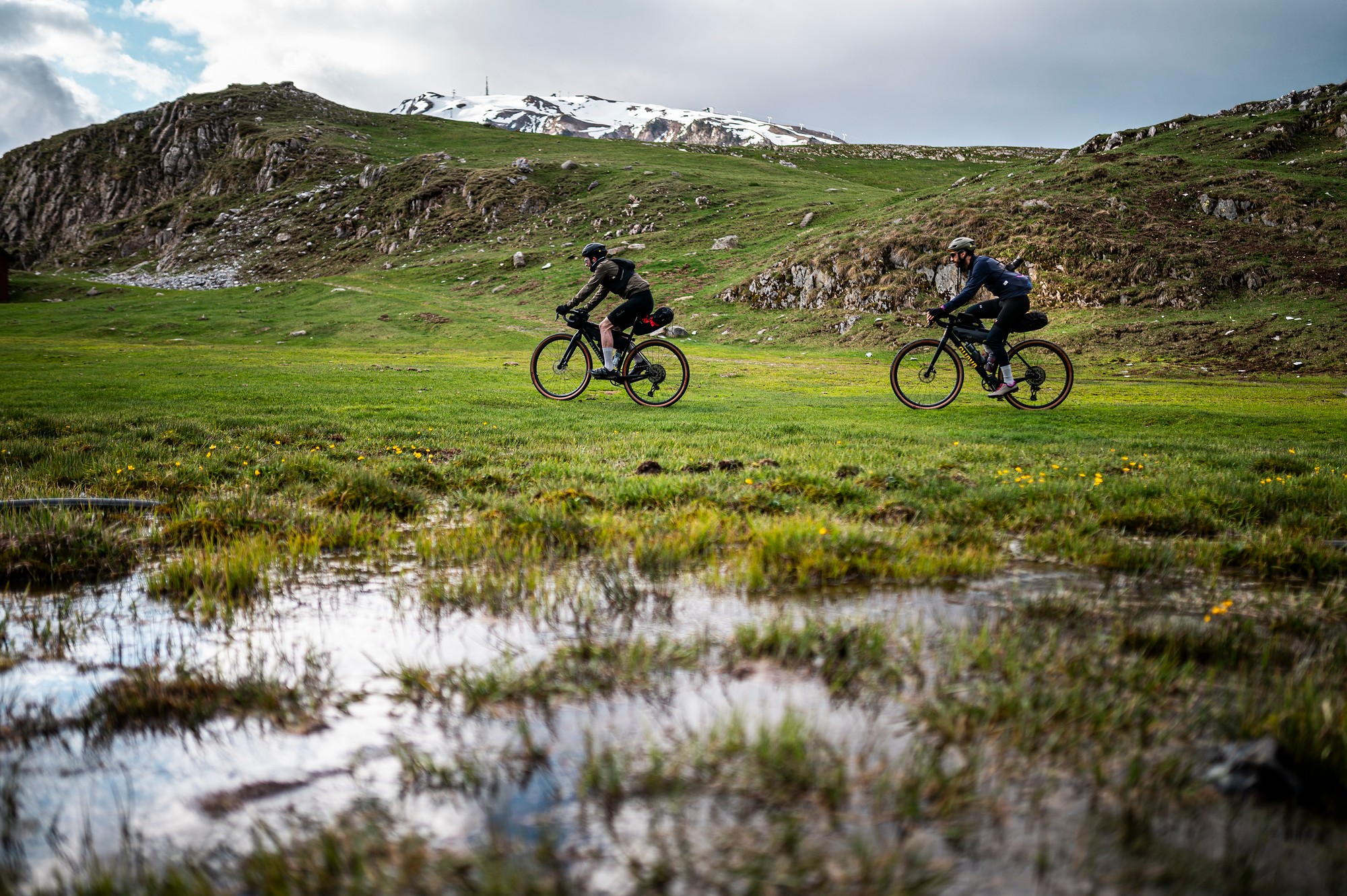
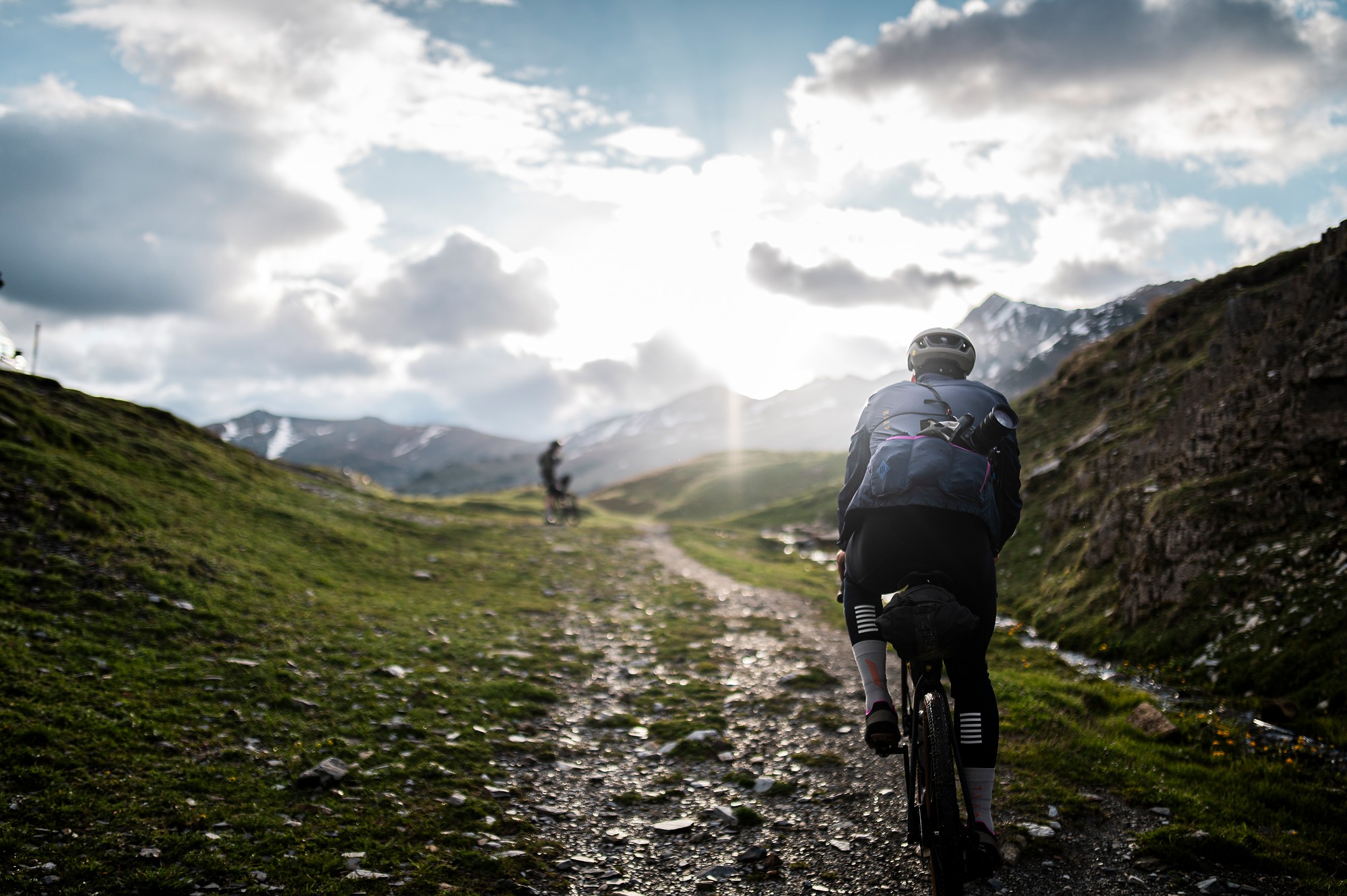
En el kilómetro 130, y con ya +3.200 m de desnivel acumulado, la Seu era el pueblo perfecto para parar a descansar, reponer fuerzas y llenar el estómago. En ese momento nos tomó por sorpresa una pequeña tormenta. Algunos ya estábamos subiendo por la carretera asfaltada del Coll de la Trava, mientras que otros descendían hacia la Seu. Sin embargo eso no nos detuvo y seguimos adelante. Personalmente, el Coll de la Trava, con unas condiciones meteorológicas tan desfavorables, fue la subida más dura de todo el trazado, por lo que la bajada a Fórnols y Tuixent nos resultó muy agradable.


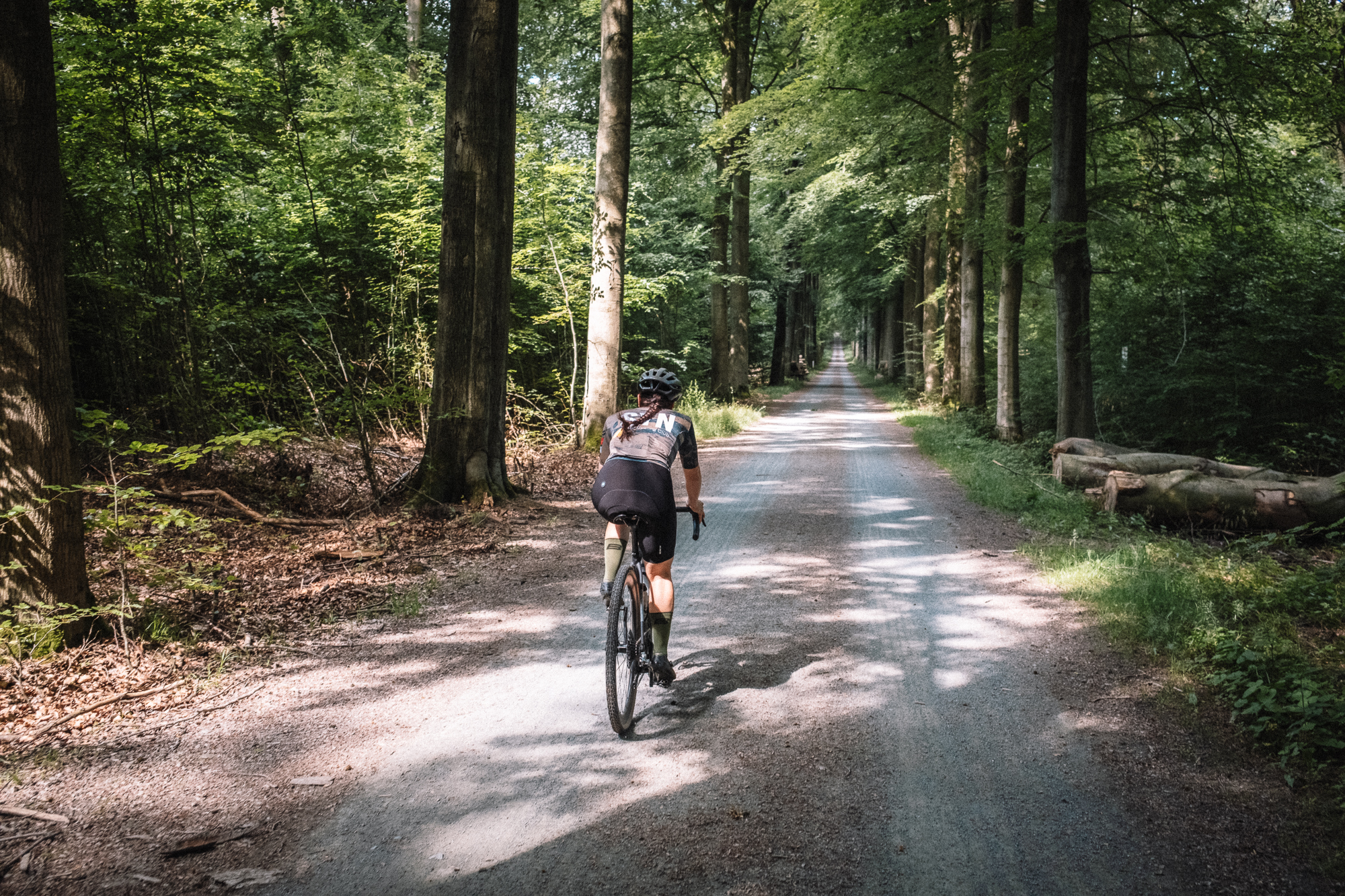
Una vez en el profundo valle, comenzamos el puerto del Coll de Josa, una subida no muy empinada hasta el final, pero sí larga. Un comienzo sobre gravilla y algunos rayos de sol filtrándose entre los altos pinos negros resultó en una experiencia agradable. Ya estábamos a mitad del recorrido total al llegar al Coll de Josa, que era el área de descanso propuesto para aquellos que querían pasar la noche en pequeños pueblos como Tuixent o Gòsol. Aun así decidimos continuar.
Seguimos hasta el Coll de Pradell, la subida más dura de Cataluña, pero la atacamos por la vertiente occidental que, a pesar de ser dura y tener pendientes del 10%, es mucho más fácil. La vista desde allí era preciosa a pesar de no ver el Pedraforca escondido entre las nubes. Hicimos una pausa y nos dimos cuenta de cómo el paisaje había cambiado de las altas montañas alpinas a un ambiente más rocoso y seco a pesar de la gran cantidad de árboles antes de vislumbrar dos rebecos al azar.
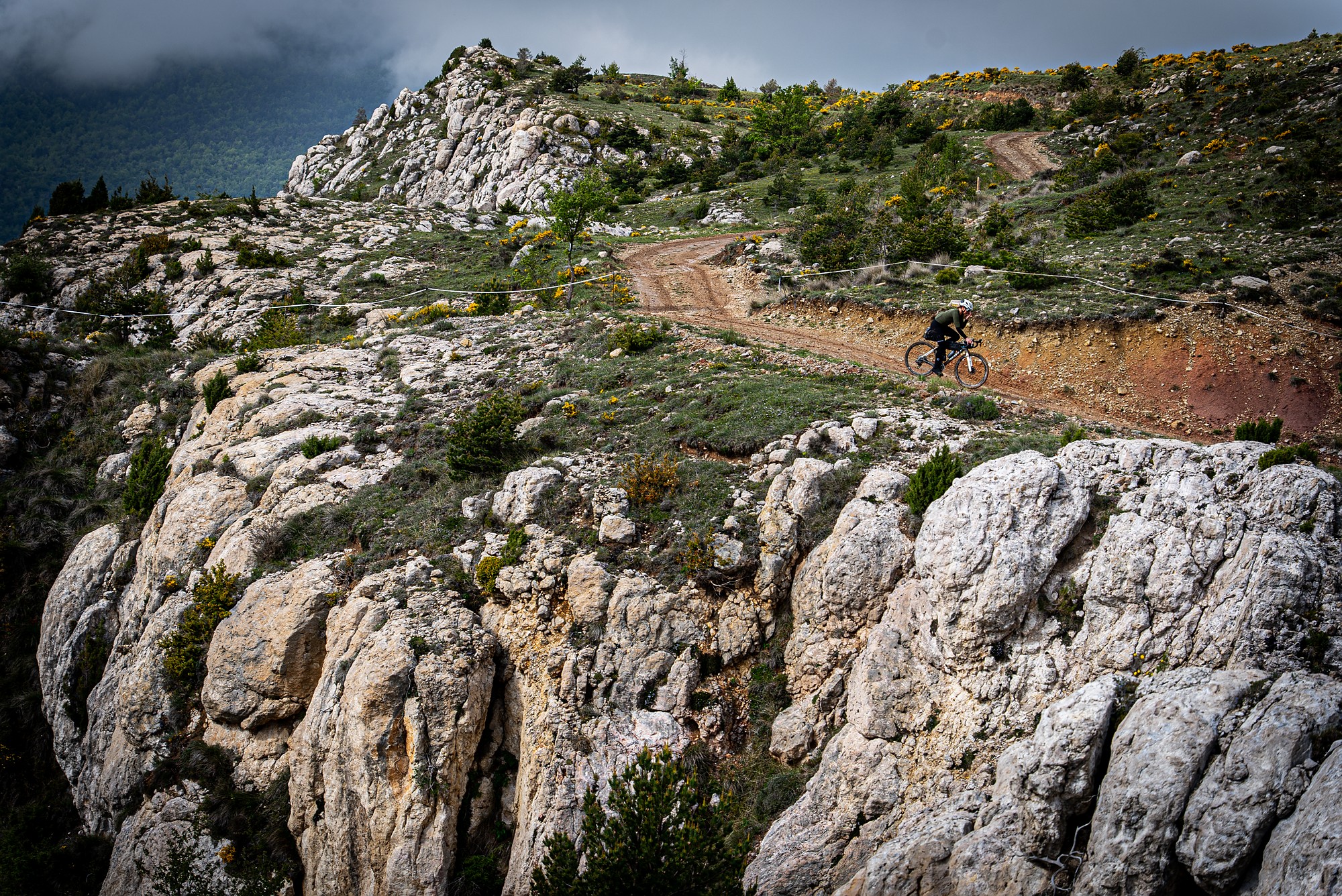
Bajando a Vallcebre y adentrándonos en el valle de Cercs, teníamos una de las vistas más impresionantes de todo el recorrido. Un descenso entre escarpados acantilados que se abren al valle y la presa medio vacía al fondo. Este fue también probablemente uno de los descensos de gravel más técnicos, que resultó muy embarrado para los participantes que lo afrontaron al día siguiente.
El siguiente tramo del recorrido, desde Nou de Berguedà hasta Alpens, fue una especie de montaña rusa sobre asfalto a lo largo del bosque, con conejos y ciervos atravesándolo de vez en cuando. El camino no estaba nada transitado, pero se hizo largo debido al cansancio acumulado.
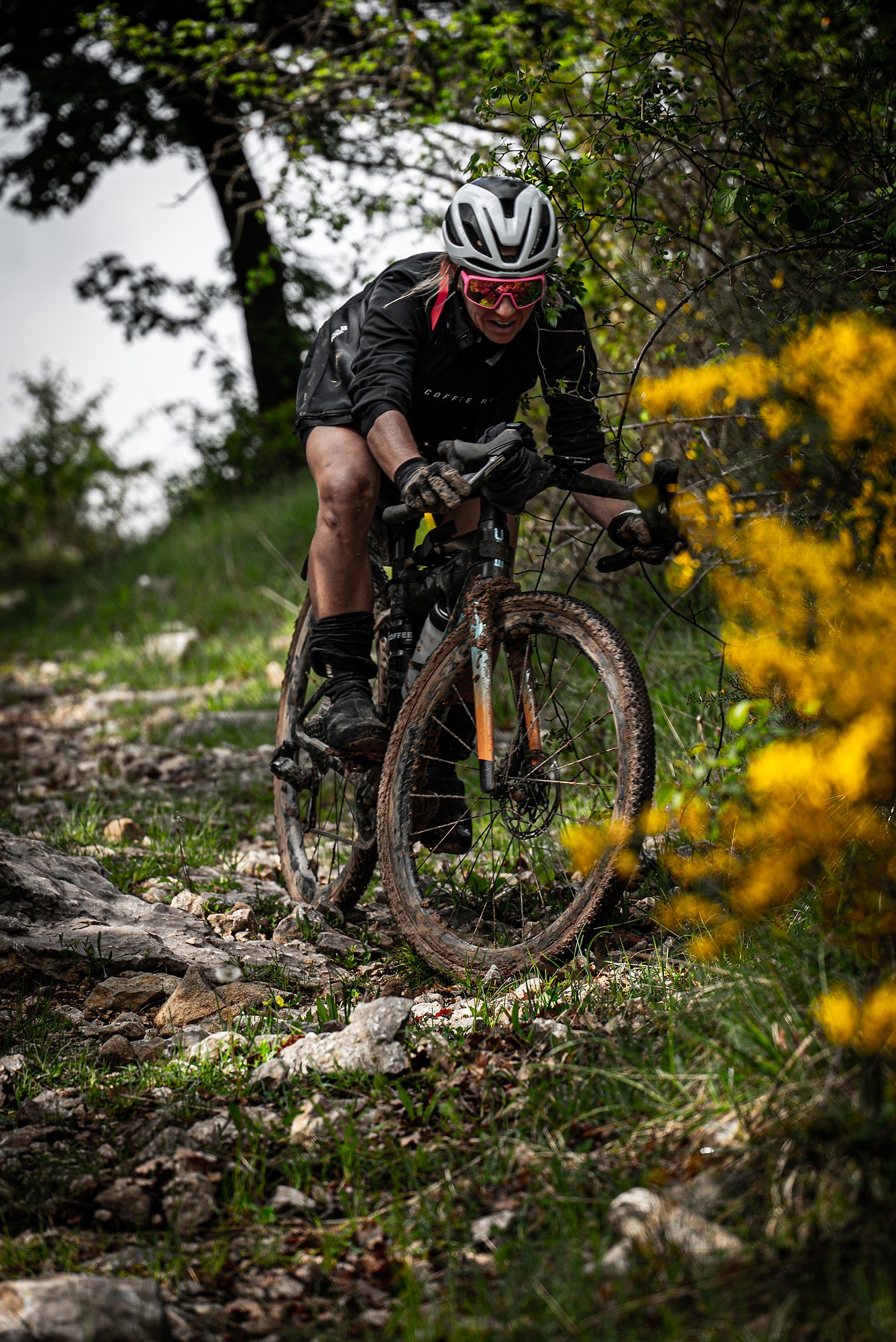
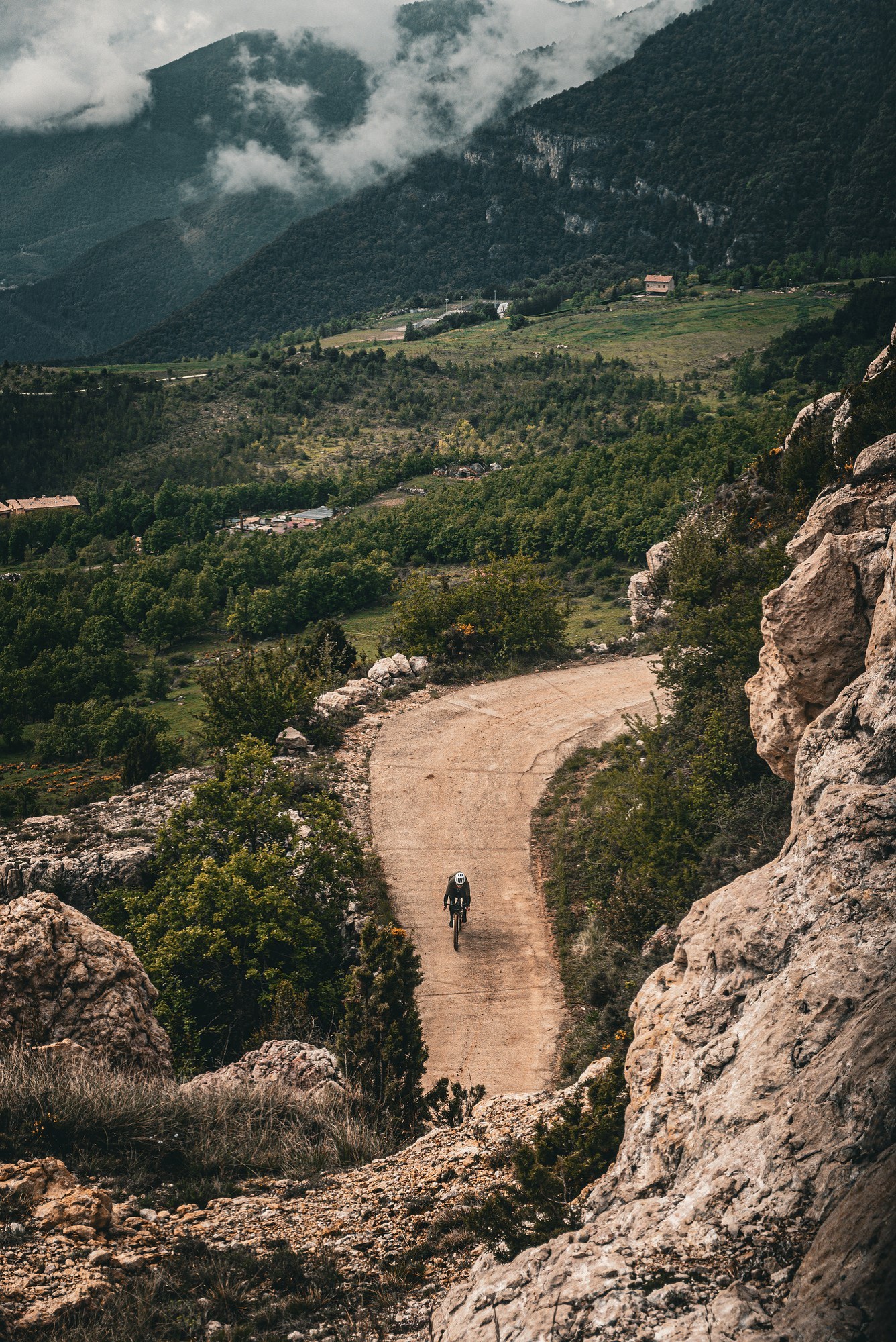
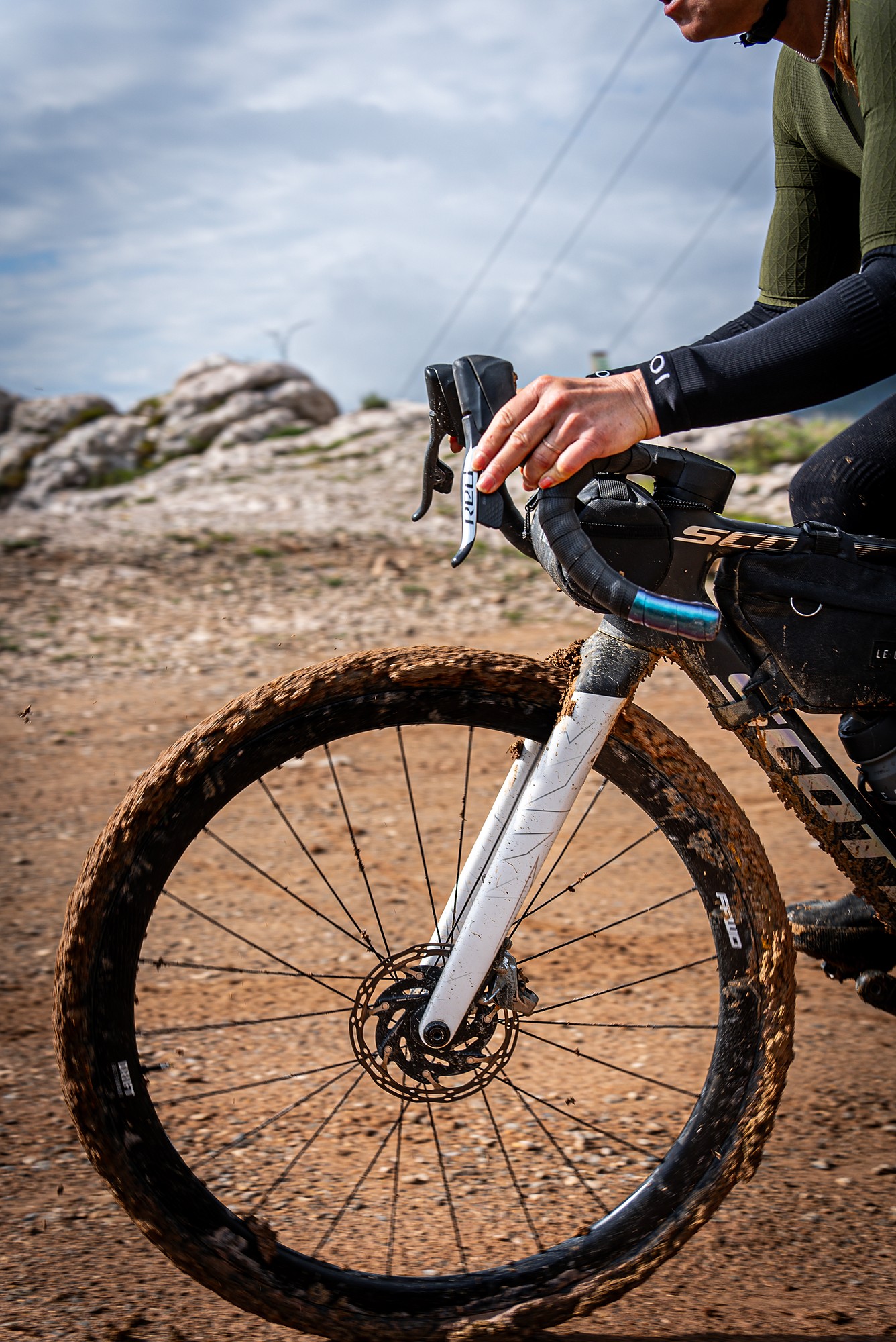
Una vez en Alpens nos adentramos en un camino de gravilla que nos llevó hasta Vic pero no por un camino fácil. Empezamos a escuchar algunos truenos, que poco a poco se convirtieron en una auténtica tormenta. Solo alcanzamos el final, pero algunos corredores detrás de nosotros quedaron atrapados bajo una fuerte lluvia. En una zona donde rara vez ha llovido en los últimos años, comenzaron a aparecer ríos y arroyos por todas partes, por lo que tuvimos que mojar nuestros pies en ellos al menos cinco veces. Sin embargo, nos gusta jugar en el barro, lo que nos recordó las carreras de ciclocross. Ya era de noche cuando llegamos a Vic, otro gran municipio. Así que después de 300 km y +7.000 m decidimos dar por terminada la jornada.


A la mañana siguiente nos levantamos muy frescos y listos para terminar. Algunos corredores habían seguido rodando durante la noche y ya habían terminado, otros se habían detenido a mitad del camino y habían dormido unas horas antes de comenzar temprano en la mañana, pero decidimos tomárnoslo con calma y no correr riesgos innecesarios. El resto de la ruta la conocíamos, por lo que se suponía que sería relativamente fácil.
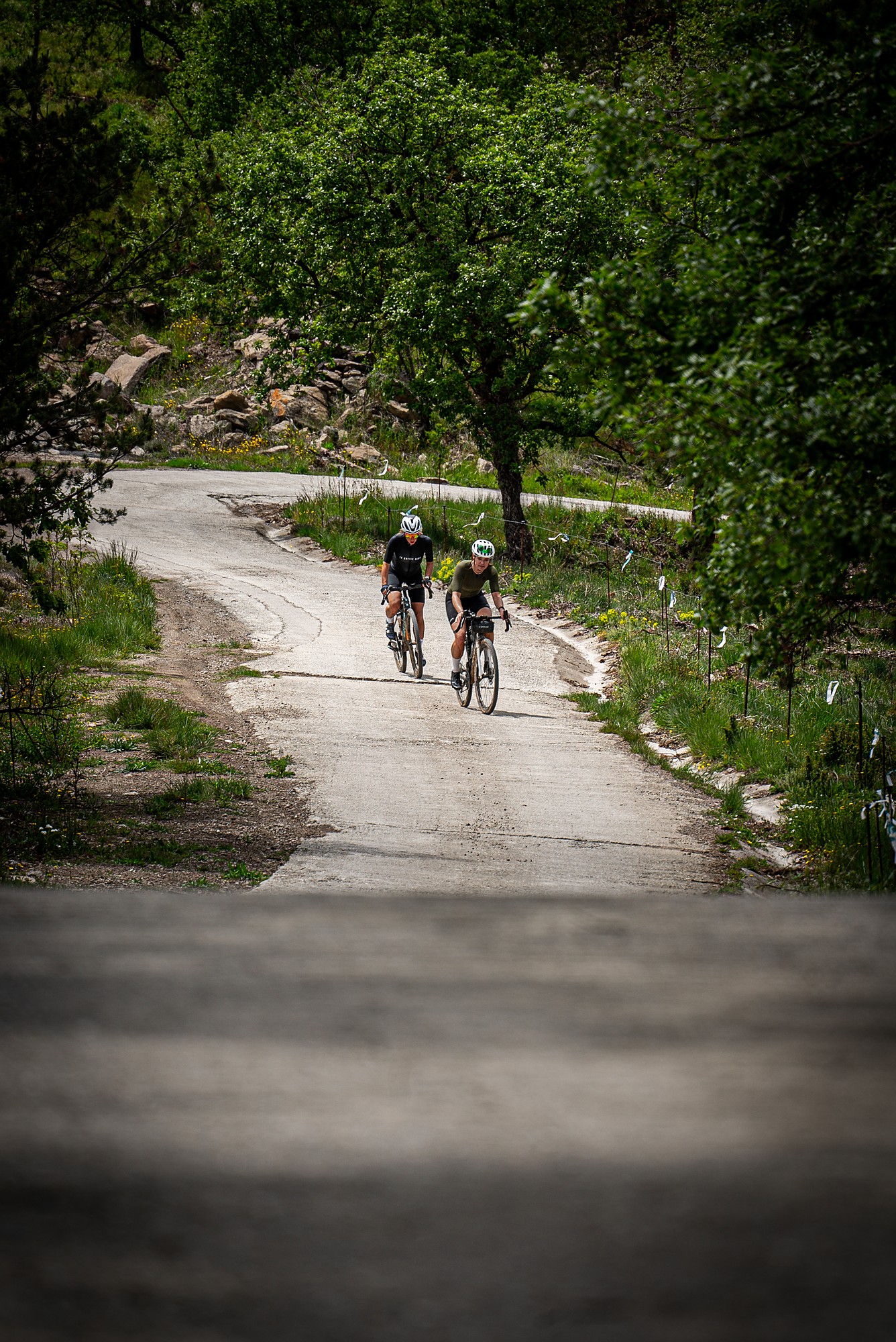
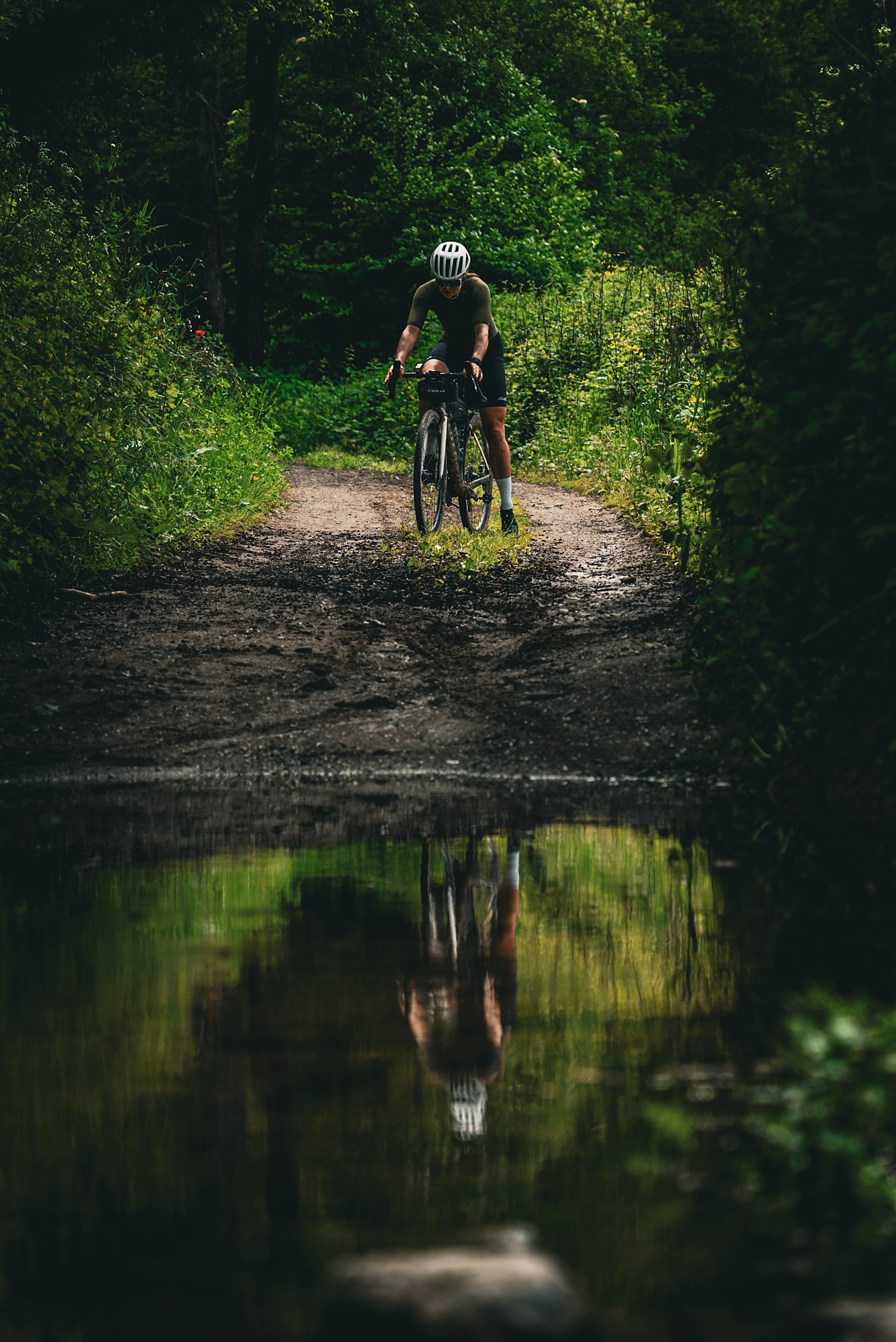
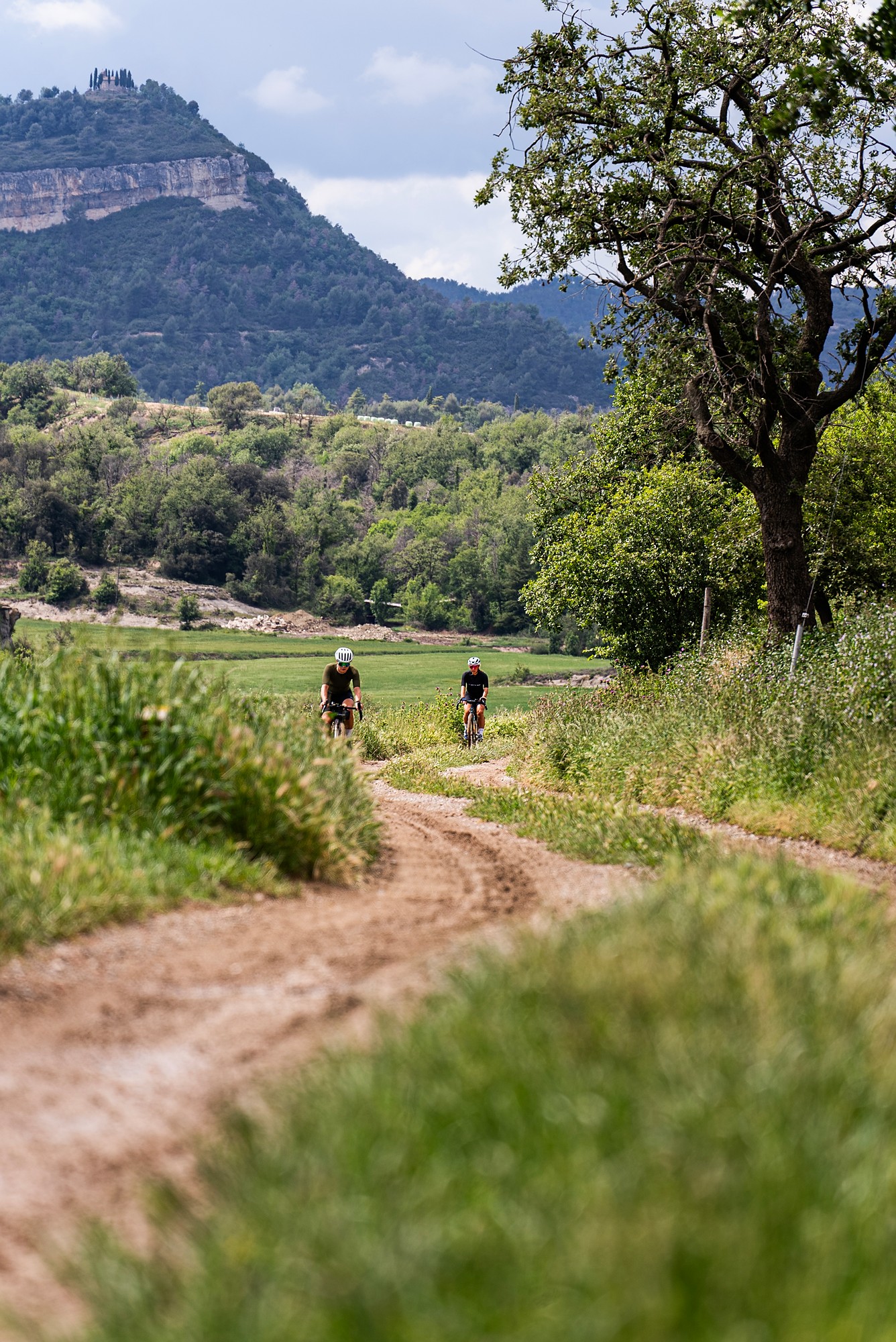
La lluvia de la noche había empapado los caminos de todo el territorio. Además, por la mañana estaba lloviendo en la zona del Montseny y Montnegre, lo que lo hizo más interesante. Después de mirar el radar de lluvia durante unas horas decidimos ponernos en marcha, y subimos por la carretera hacia el puerto de Collformic para bajar hasta Sant Celoni. Esta carretera es preciosa y un destino típico para ciclistas durante todo el año.
Desde Sant Celoni iniciamos la última subida de la ruta. Atravesamos la sierra del Montnegre por un camino completamente en gravel lleno de curvas y subidas. El cansancio se hizo presente y las pendientes superiores al 11% en la subida a Sant Martí de Montnegre no lo pusieron fácil. Sin embargo, valió la pena porque el paisaje había cambiado totalmente desde el Montseny, ahora estábamos rodeados de pinos y empezábamos a ver el horizonte del mar. En esta parte nos cruzamos con algunos participantes del M&M Gravel Grinder, y animándonos unos a otros llegamos a la meta no sin antes superar la subida más pronunciada y corta de todo el recorrido a más del 20%.


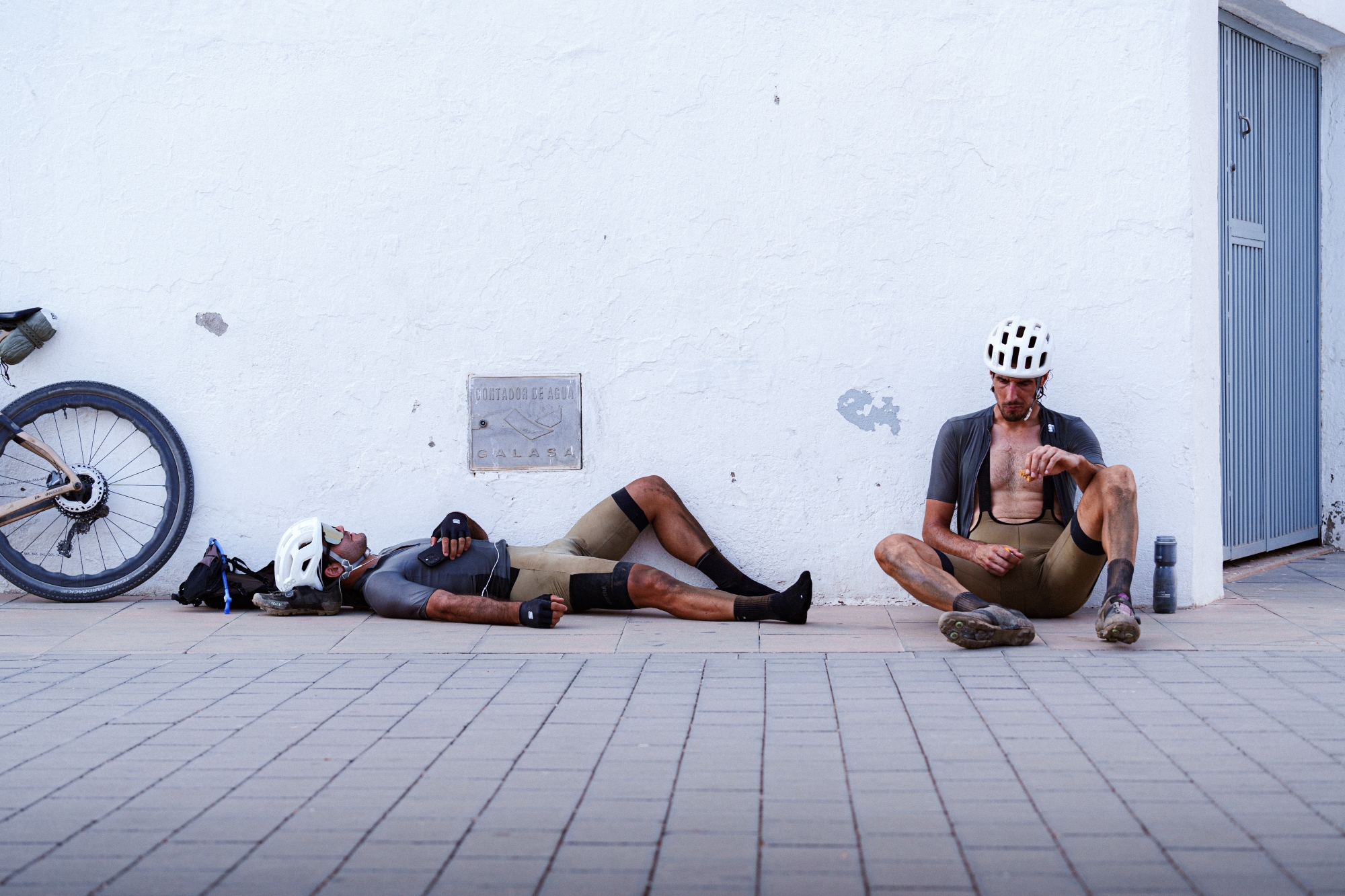
Los primeros corredores del M&M Across Catalunya habían llegado por la noche, con un total de 22 horas y antes de lo previsto por la organización. A partir de ahí llegamos uno a uno antes de medianoche, todos completamente agotados pero con una enorme sonrisa en la cara. La línea de meta fue una fiesta ya que también llegaban todos los corredores del M&M Gravel Grinder. Estos habían completado distancias más cortas de 85, 120 o 200 km, pero con un desnivel proporcional de +1.400, +2.500 y +5.000 m que lo hacía ciertamente complicado dado el terreno y la salida lluviosa. Nos saludamos todos y comimos una merecida hamburguesa justo después de recibir el premio de finalistas. Llegó el momento de relajarse, recuperarse y, sobre todo, limpiar las bicicletas después del largo pero hermoso viaje.


Tras el éxito de esta edición, Bernat ya piensa en la siguiente. Aunque M&M Gravel Grinder fue su primer evento, M&M Across Catalunya lo sintió más como un proyecto personal, ya que el número de participantes también fue menor y creamos un ambiente de amistad desde el principio. Por lo tanto, espera que el evento atraiga más participación en el futuro y pueda presentar más y mejores eventos. Lo recomendamos ampliamente dada el nivel de la organización y la calidad de la ruta, imprescindible si quieres un evento más cercano.
Dentro de la marca M&M, actualmente trabaja en otras pruebas relacionadas con el trail running y el ciclismo en carretera, manteniendo las mismas que ya ha iniciado. Además, ha estado preparando la primera prueba de gravel con salida y meta en Barcelona, la Barcelona Gravel Classic con tres distancias (70, 100 y 150 km) que se disputará el 1 de junio.

Apasionado de la bici y de la competición, Pol, siempre está preparado para una nueva aventura. Le encanta la sensación de ponerse un dorsal y es un auténtico adicto al ciclocros. Passionate about bikes and racing, Pol is always ready for a new adventure. He loves the feeling of pinning a number and he is truly addicted to cyclocross. View all posts by Pol Sopeña
Last weekend, on May 17-18th, we embarked on an adventure of self-discovery through some of the most remote yet mesmerizing spots of the Catalan mountains. We took part in the inaugural edition of M&M Across Catalunya, a gravel event that covers a vast parcours through Catalonia, as the name indicates. What makes this event different is that it goes from point A to B, and also that it features a huge amount of accumulated elevation in an everchanging landscape from the north-facing Pyrenees in Vielha to the the Mediterranean coastline in Santa Susanna.
Right now, we are still processing what we endured during those two days, a journey of resilience that made us discover some wonderful valleys, peaks, paths, and mountain passes we had never heard of. Even the most experienced local participants could not have done the whole track without a GPS. Bernat Buch, the organizer, established the motto ‘welcome the brave’, and he was not bluffing. The 400 km, +10.000 m journey was challenging in terms of terrain, climbing, isolation, and weather, because believe it or not, it also rains in Spain.
Bernat, or Berni for his friends, is originary from Calella de Mar and has always been a sports enthusiast, playing handball for a long time but not getting into cycling until seven years ago. After a bikepacking trip with James Noble around the Pirinexus 360 in the Girona area, he came up with the idea of a gravel route around Montseny and Montnegre i el Corredor, his cycling playground. Despite the imagined 200 km +5.000 m track being tough, last year he organized the first edition of M&M Gravel Grinder, a way to show people that gravel in Catalunya extends beyond Girona and that it is not necessarily always flat.
The event was a success, so he was eager for more. After M&M in winter, he had prepared a 300 km loop, but Berni was not satisfied. This is when he convinced himself that a route is not necessarily a loop, and that gravel is also an adventure. Thus, taking advantage of the event M&M Gravel Grinder taking place in Santa Susanna, he envisioned a 400 km, +10.000 m gravel track from the most western part of Catalonia in the Pyrenees, to the east and finishing at sea level following the last kilometers of the M&M Gravel Grinder.
The aim was to provide a route to discover the country, passing through remote regions at 2.000 m above sea level, descending into deep valleys, and always moving forward in this endless roller-coaster towards the finish line. M&M Across Catalunya is not a race, but a journey through forests, mountain passes, and towns only accessible by gravel paths. Nonetheless, there is a 42-hour time limit, so do not oversleep.
One of the main highlights of M&M Across Catalunya was the one-way track, which meant different departure and finish points. Although this can be somehow burdensome, the organization had anticipated everything so that we, the participants, had the best experience. On Thursday morning we met up at Santa Susanna, where fourteen of us jumped on a minibus with our bikes and luggage to arrive 4 hours later at Vielha. Most of us were Catalan, but there was an Italian, a French, and two Dutch.
Once at the hotel Blu Aran in Vielha, among laughter and hesitation, we all checked our bikes to make sure everything was perfect and headed to the event briefing. Bernat described each one of the climbs, the difficult sections, and the towns where we could spend the night, and encouraged us to, above everything, enjoy the route he had been preparing with love. Although 60% of the route was going to be paved, it did not mean it would be easier. In fact, it was made in such a way that we could alternate and deal with the elevation gain more easily. After dinner, we all went to bed early, ready for the next day.
On Friday early morning, breakfast was served at 5 a.m. The weather forecast was not promising, but at least when we started it was not pouring rain. However, 0 ºC were expected at several mountain passes around 2.000 m above sea level. For us the strategy was clear: eat, drink and ride at a decent pace to make it to la Seu d’Urgell, leaving the high-mountain part behind, before getting caught up in the rain.
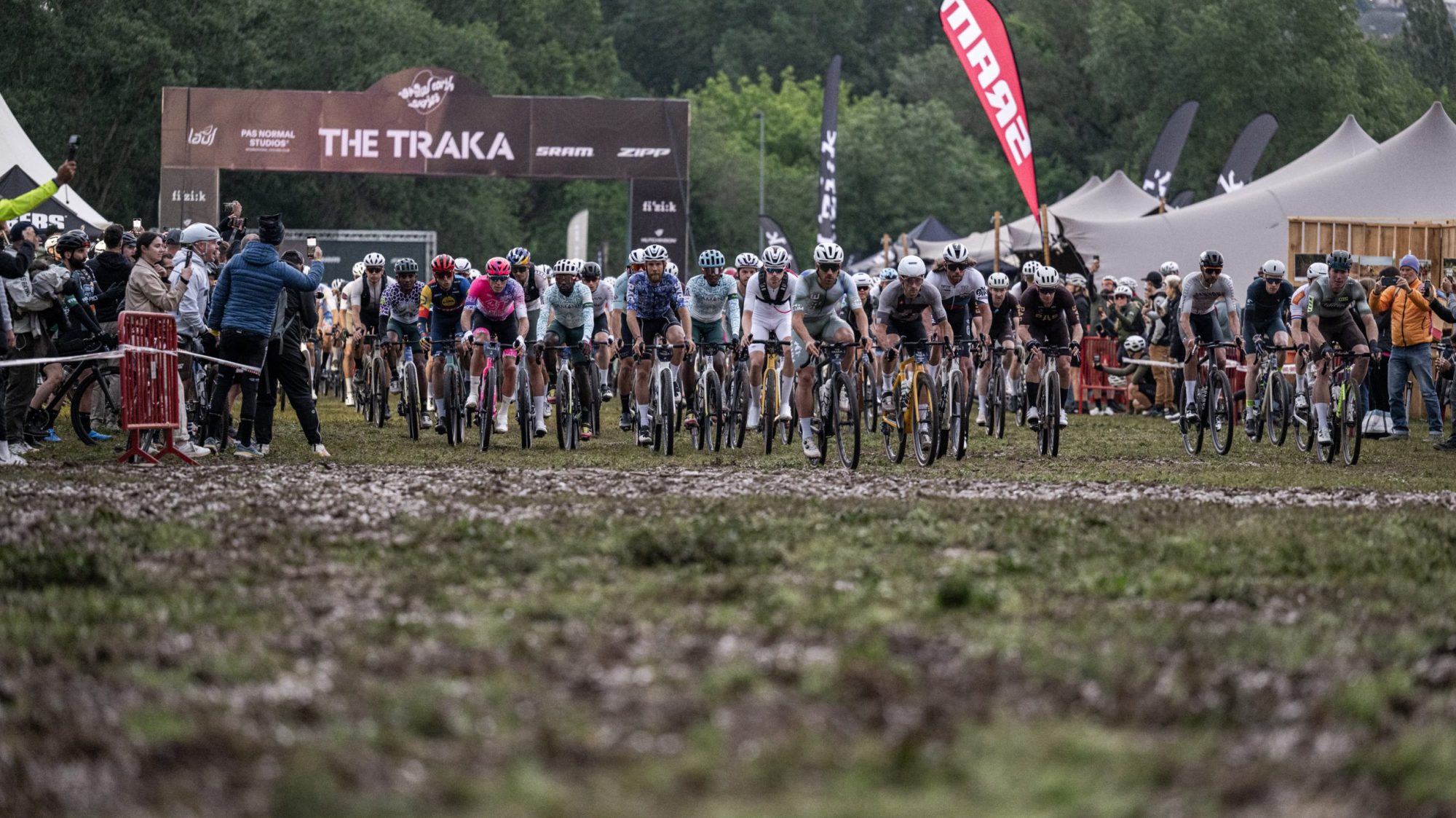
Fifteen participants started the journey as planned at 6 a.m., as Nol from the Netherlands had found his way to Vielha by bike the days before after participating at la Traka. All of us, with different strategies in mind, climbed the first mountain pass at our own pace, which rapidly split the group. The start was on tarmac but we quickly switched to an Alpine gravel path, which despite being wet was perfectly rideable.
Already at the top, at 1.875 m on Pla de Beret, Bernat and Oriol (the cameraman) were encouraging us, but not helping as this was a self-supported event. From there we had a wonderful downhill gravel path that took us to Alós d’Isil and the tarmac started again. Despite the cloudy weather, the views were mesmerizing, and the mist on the mountains gave the landscape a mysterious vibe.
Once at Llavorsí, the most fearsome climb and section of the whole route started, as it was described by Bernat. Coll de So was a hors category climb, half on tarmac, half on gravel, but always with a gradient above 8%. Topping at 1.930 m, and being surrounded by deep forests with glimpses of the deep valleys, we continued on a gravel descent to climb up again to Sant Joan de l’Erm at 1.972 m, the highest point of the route. Up there, the air was cold, but no rain despite the menacing clouds, so we moved forward to la Seu d’Urgell through a never-ending gravel descent.
At kilometer 130, and with already +3.200 m of accumulated elevation gain, la Seu was the perfect town to stop for a rest, recharge batteries, and refill our stomachs. At that point, a little storm caught us by surprise. Some of us were already climbing the paved road up Coll de la Trava, while others were still on the way down to la Seu. However, that did not stop us and we went on. Personally, Coll de la Trava, with these unfavorable weather conditions, was the hardest climb of the whole track, so the descent to Fórnols and Tuixent turned out to be very pleasant.
Once into the deep valley, we started Coll de Josa, not a steep climb until the end, but a long one. A start on the gravel and with some sunrays leaking through the tall black pine trees resulted in a rewarding experience. The top of Coll de Josa was also the halfway mark of the route, and also the initially planned stop which was the proposed for those who wanted to sleep in small villages like Tuixent or Gòsol. Nonetheless, we decided to go on.
We continued to Coll de Pradell, considered the hardest climb in Catalonia, but we climbed the western side, which despite being tough and having 10% gradients, was much easier. The view from there was beautiful despite not viewing the Pedraforca, hidden by the clouds. We took a moment to step back and realized how the landscape had changed from high Alpine mountains to a rockier and arid environment despite the huge quantity of trees.
Down to Vallcebre and into the valley at Cercs, there was one of the most amazing views of the whole track. A descent between steep cliffs that opened up into the valley and the half-empty dam at the bottom. This was also probably one of the most technical gravel descents, which turned out to be very muddy for participants who tackled it the next day.
The following part of the route, from Nou de Berguedà to Alpens, was a kind of roller-coaster on the tarmac along the forest, with rabbits and deers crossing from time to time. The road was not busy at all, but it felt long due to the accumulated fatigue.
Once in Alpens we entered a gravel path that took us to Vic but not in an easy way. We started to hear some thunder, which gradually turned into a proper storm. We only caught the end of it, but some riders behind us were stuck in heavy rain. In an area where it has rarely rained in the last few years, rivers and creeks started to appear everywhere, so we had to soak our feet in them at least five times. However, we like playing in the mud, which reminded us of cyclocross racing. It was already nighttime when we arrived at Vic, so after 300 km and +7.000 m, we decided to call it a day.
The next morning we woke up very fresh and ready to finish it off. Some riders had continued riding during the night and had already finished, others had stopped mid-way and slept a few hours before an early-morning start, but we decided to take it easy and avoid unnecessary risks. The rest of the route was known to us so it was supposed to be relatively easy.
The rain from the night had soaked the gravel paths all over the territory. Besides, it was raining during the morning in the Montseny and Montnegre area, which made things interesting. After looking at the rain radar for a few hours, we decided to start moving, and we climbed the Collformic mountain pass on the road and went down to Sant Celoni. This road is beautiful, and a typical destination for cyclists all over the year.
From Sant Celoni, we started the last climb of the route. We went across the Montnegre mountain range on a full twisting gravel road. The fatigue was present, and gradients above 11% on the Sant Martí de Montnegre climb did not make it easy. However, it was worth it as the landscape had totally changed from Montseny, and we were now surrounded by pine trees and we were starting to see the sea horizon line. In this part, we came across some participants of the M&M Gravel Grinder. This is when we found the motivation to get to the finish line, which also made it easier to overcome a short but steep climb over 20% before the end.
The first riders of M&M Across Catalunya had arrived at night after 22 hours of elapsed time, before the organization’s planned schedule. From then on we all arrived one by one before midnight, all of us completely exhausted but with a huge smile on our face. The finish line was a party as all the riders of the M&M Gravel Grinder were arriving as well. They had completed shorter distances of 85, 120 or 200 km, but with a proportional elevation gain of +1.400, +2.500, and +5.000 m that made it certainly tough given the terrain and rainy start. We all greeted each other, and we ate a well-deserved burger right after receiving the finisher award. It was time to relax, recover, and most of all, clean the bikes after the long but beautiful journey.
After this edition’s success, Bernat is already thinking about the next one. Although M&M Gravel Grinder was his first event, M&M Across Catalunya felt more of a personal project, as the number of participants was also smaller and we created a friendly atmosphere from the start. Thus, he expects the event will attract more participation in the future and that he will be able to introduce more and improved events. We highly recommend it given the level of organization and the quality of the route. A total must if you want a friendlier event.
Within the same trademark of M&M, he is currently working on other events related to trail running and road cycling, while maintaining the same ones he has already started. Moreover, he has been preparing the first gravel event with start and finish line in Barcelona, the Barcelona Gravel Classic with three distances (70, 100, and 150 km) that will take place on June 1st.
Apasionado de la bici y de la competición, Pol, siempre está preparado para una nueva aventura. Le encanta la sensación de ponerse un dorsal y es un auténtico adicto al ciclocros. Passionate about bikes and racing, Pol is always ready for a new adventure. He loves the feeling of pinning a number and he is truly addicted to cyclocross. View all posts by Pol Sopeña
 Javi Angulo
 Javi Angulo
 Javi Angulo
 Javi Angulo
 Javi Angulo
 Javi Angulo
 Pavel Novotný
 Pavel Novotný
 Javi Angulo
 Javi Angulo
 Juliana Reis
 Javi Angulo
Receive our monthly selection of the best articles, news, exclusive content and giveaways only for subscribers, subscribe to OUR NEWSLETTER
Receive our monthly selection of the best articles, news, exclusive content and giveaways only for subscribers, subscribe to OUR NEWSLETTER
Receive our monthly selection of the best articles, news, exclusive content and giveaways only for subscribers, subscribe to OUR NEWSLETTER
Receive our monthly selection of the best articles, news, exclusive content and giveaways only for subscribers, subscribe to OUR NEWSLETTER