- News
- Reviews
- Travel & Adventure
- Interviews
- Inside Industry Players
- Community
Bikes
Reviews
Components
Reviews
Cycling
Apparel


[raw_mobile_menu]
[wpml_language_switcher_down]

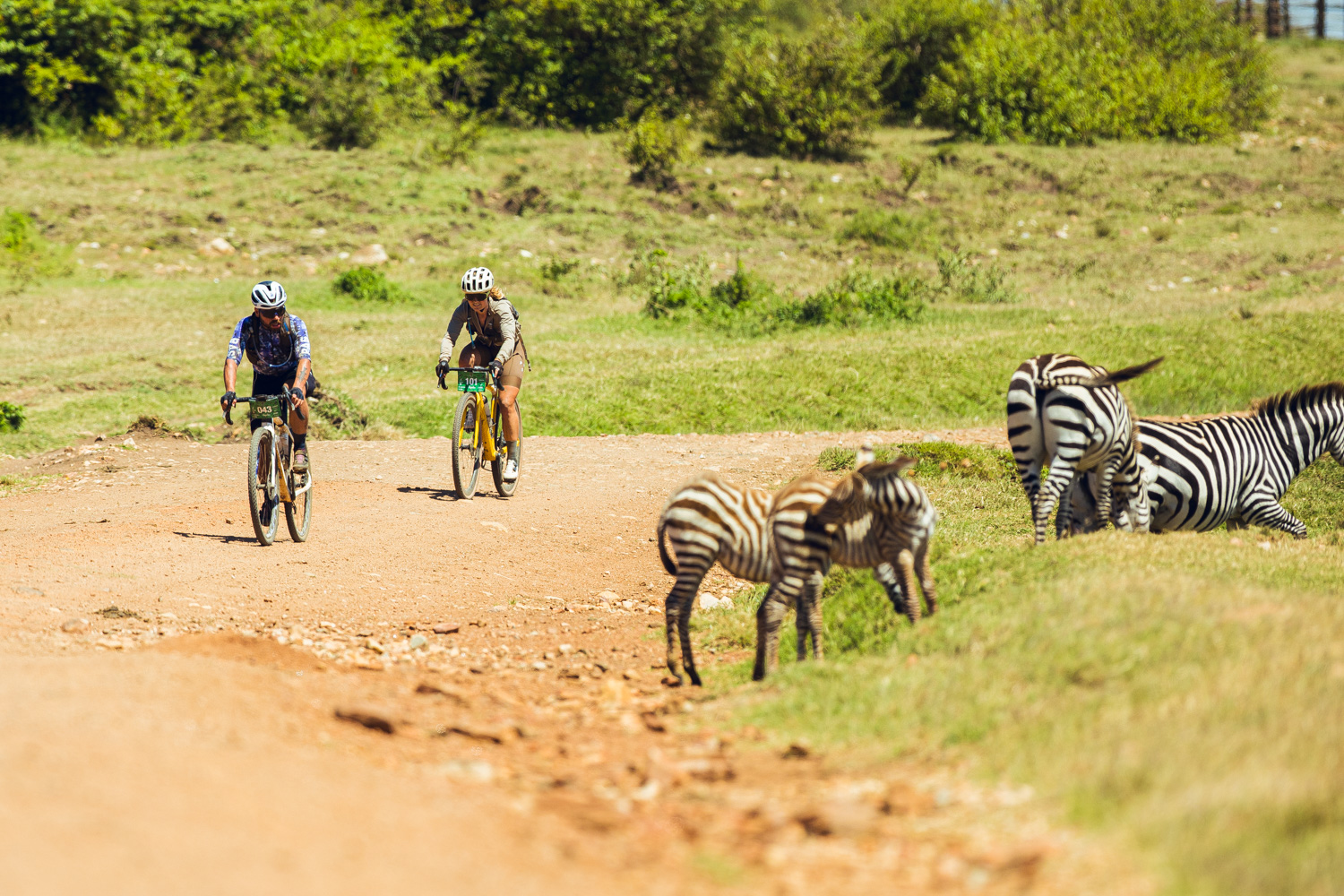
We were warned by previous participants of the toughness of the terrain. Partly because of it, we arrived in Kenya a week beforehand to acclimatize to the altitude and test our gear. Even then, what we had to overcome during the Migration Gravel Race exceeded any prior expectations and required us to empty the tank to make it to the finish after four brutal stages.
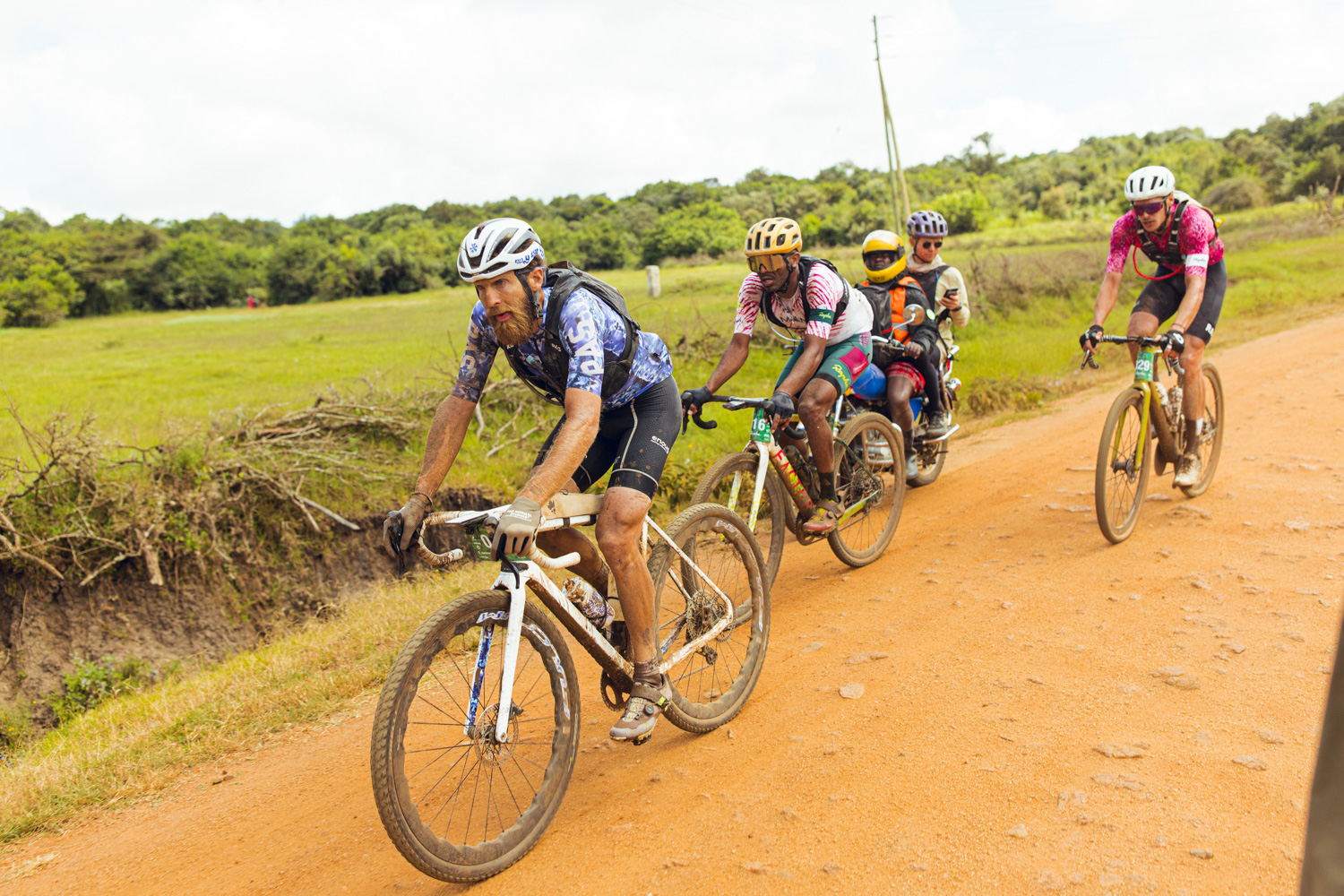
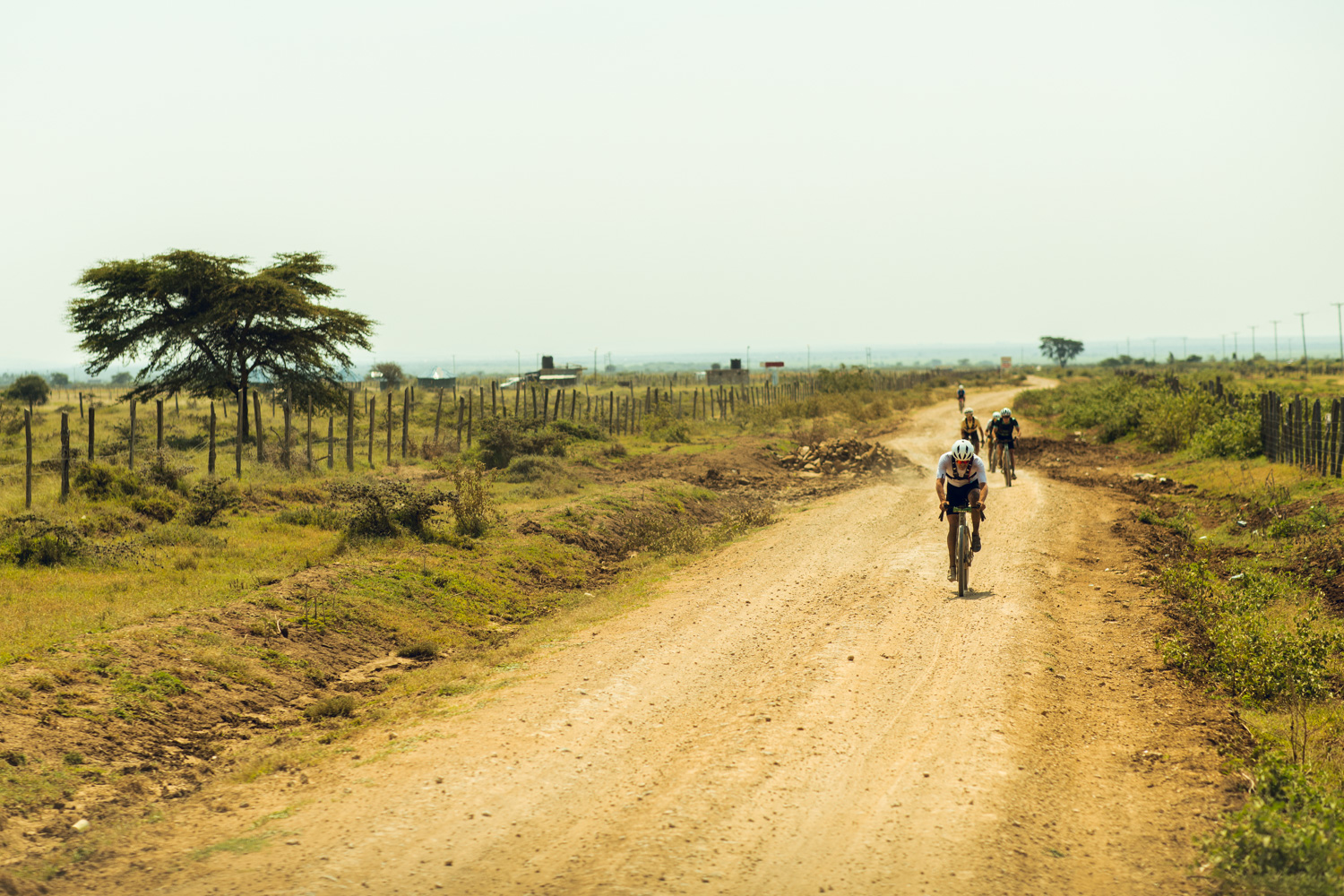
The Migration Gravel Race, which is currently one of the five Global events of the Gravel Earth Series, took place for the first time in 2021, and after three editions following the event from a distance, this year we were at the startline together with another 230 riders. A mix of local talent, gravel enthusiasts, and people willing to embark on an adventure that goes beyond the racing component.
Most of us already got a glimpse of what is like riding in East Africa by participating in the Safari Gravel Race the previous weekend, part of the UCI Gravel World Series. However, while the one-day race took place in Hell’s Gate National Park in Naivasha, where we found a lot of sandy paths, the Migration Gravel Race was contained within the Masai Mara natural reserve, bordering Tanzania. Two places separated by an overland bus drive but so different at the same time.
The aforementioned shuttle gave us an idea of the condition of the terrain in the area. It was so rough and bumpy that the truck containing all the bikes and big suitcases got stuck not once, but twice. We finally made it to the initial camp sitting next to the river Mara. For the next four days, June 18th – 21st, we would put our bike to the biggest test to date.
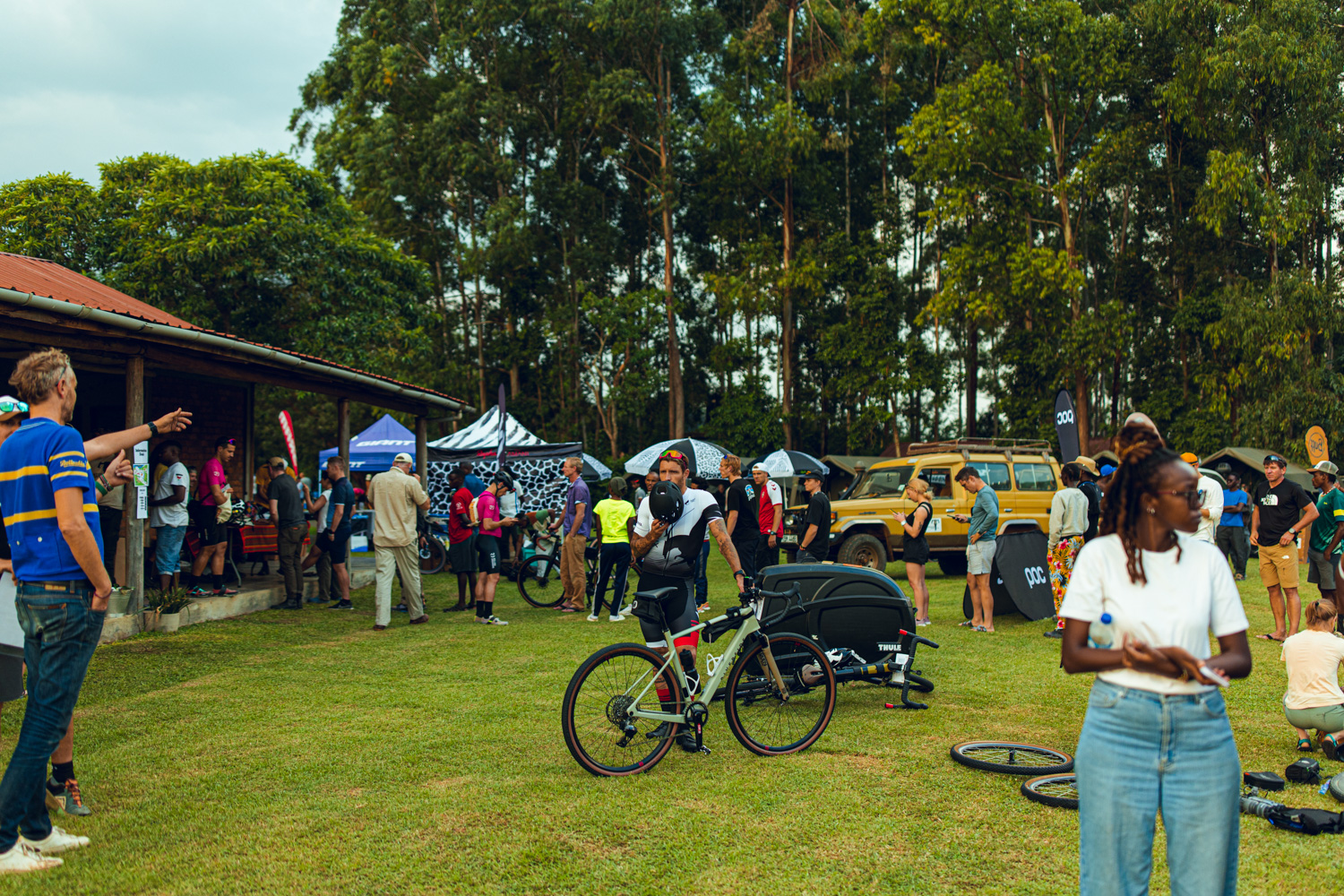
One of the novelties of this year was the introduction of a “Zebra” version of the race. The registered participants who chose to follow the Zebra itinerary would tackle shorter distances, allowing them to spend more time at the camp and broadening the profile of cyclists present in the race. The rest would follow the full or also called “Leopard” version.
Once everyone passed by the registration desk and assembled their bike, the race briefing started. Everything, from the description of the stages to the logistic matters, was clearly explained, and as the organizers started wrapping up their speech, a heavy rain began. We didn’t know the impact it would have, but it was clear that the terrain would not dry on time.
Alarm at 5.15 AM. Queue for breakfast. Fill bidons and hydration pack. Get changed. Warm-up (this part only lasted for a day, as for the following stages we squeezed our time in the tent). 7.30 AM start. And then we push our bikes for an average of 7 hours a day. A healthy routine, eh? We ended up used to it, but at least in the initial stage, we were still trying to figure out where we were. The thick mud we found at around km 20 would put us even more out of our comfort zone.
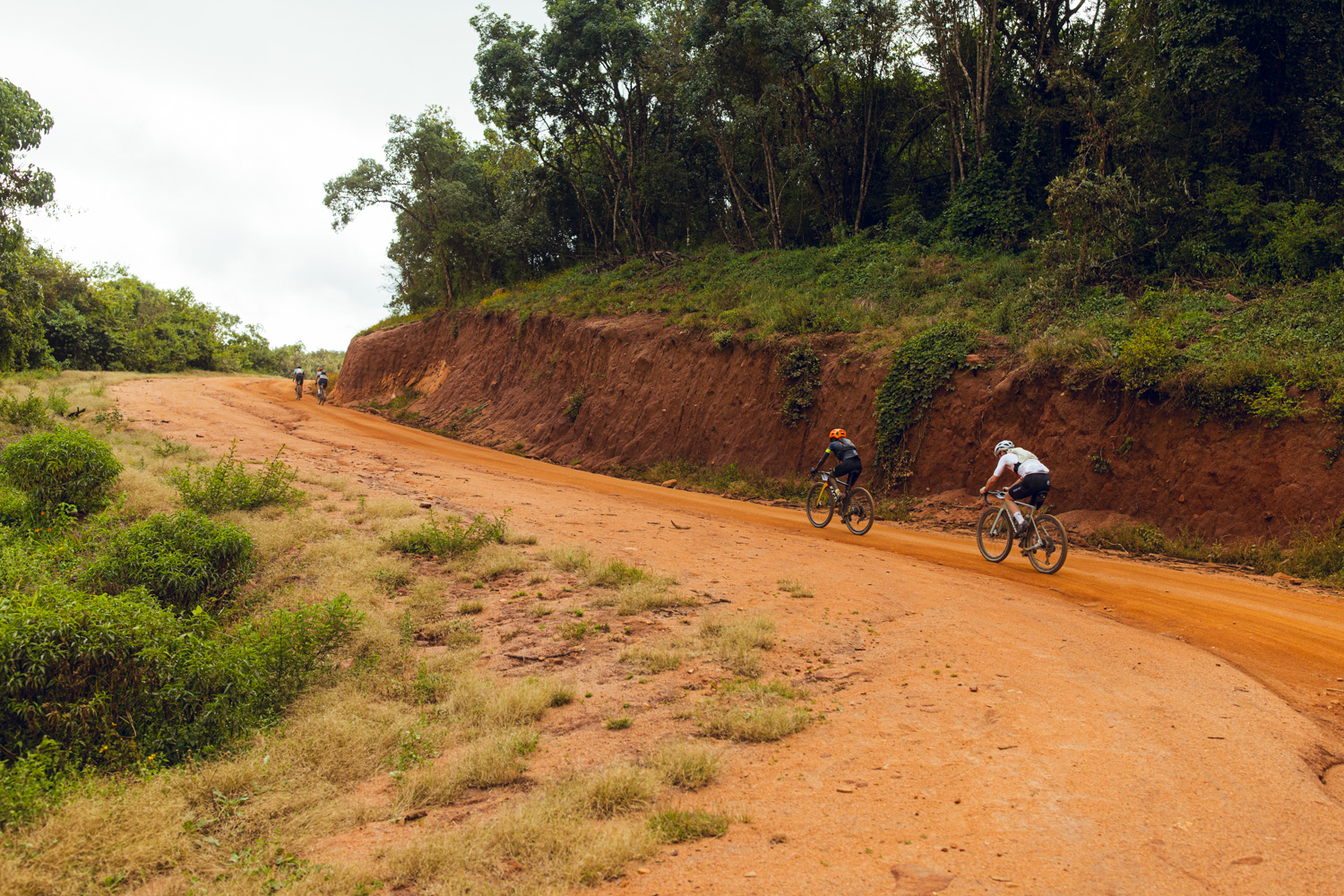
The first patches of mud were ok and could be avoided by choosing a different line. Not long after, there was no possible choice. We had to ride, or walk, through something that was more like clay, with our wheels unable to keep turning. Removing the mud wasn’t effective at all, as what lay ahead was more of the same. “I have never been in this situation, what should I do?”, we thought. Others were more explicit, though. “Porca troia!” shouted next to us Federico Damiani from Enough CC.
We looked at the others to see what they were doing, and apparently, the best choice was to hike a bike, dipping our legs in the mud and trying to make it to the other side, where we would stop for a good handful of minutes for damage assessment.
It was like a videogame, where every level had its challenges. After the mud, it was time for block headwinds, which lasted for more than two hours. Those are the risks of the routes heading in a single direction… Things didn’t change much for the remainder of the stage, and our general thought while ticking off the kilometers, mainly riding on our own, was something like “If I’m already so exhausted before finishing stage 1, how will I make it through the rest of the days?”
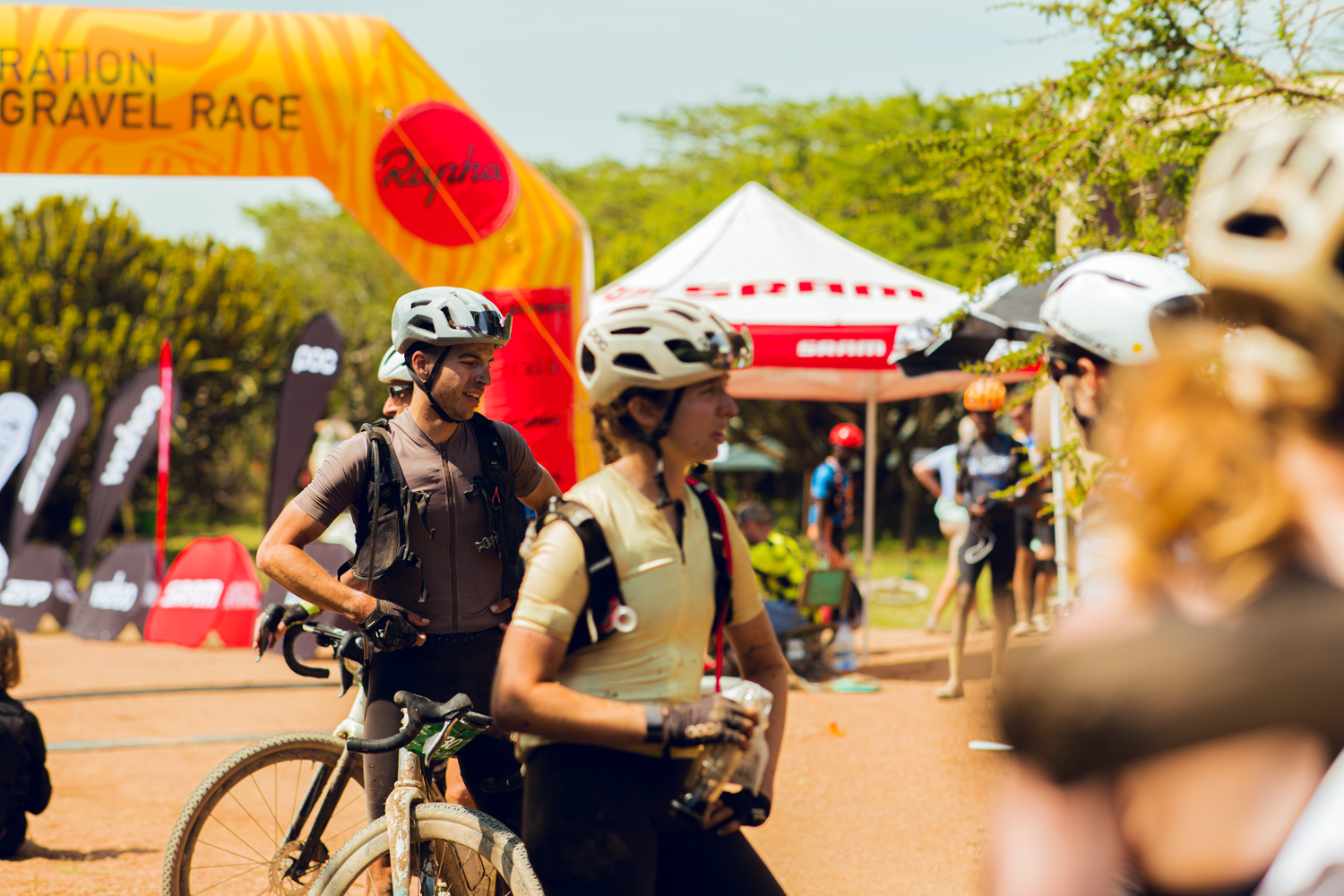
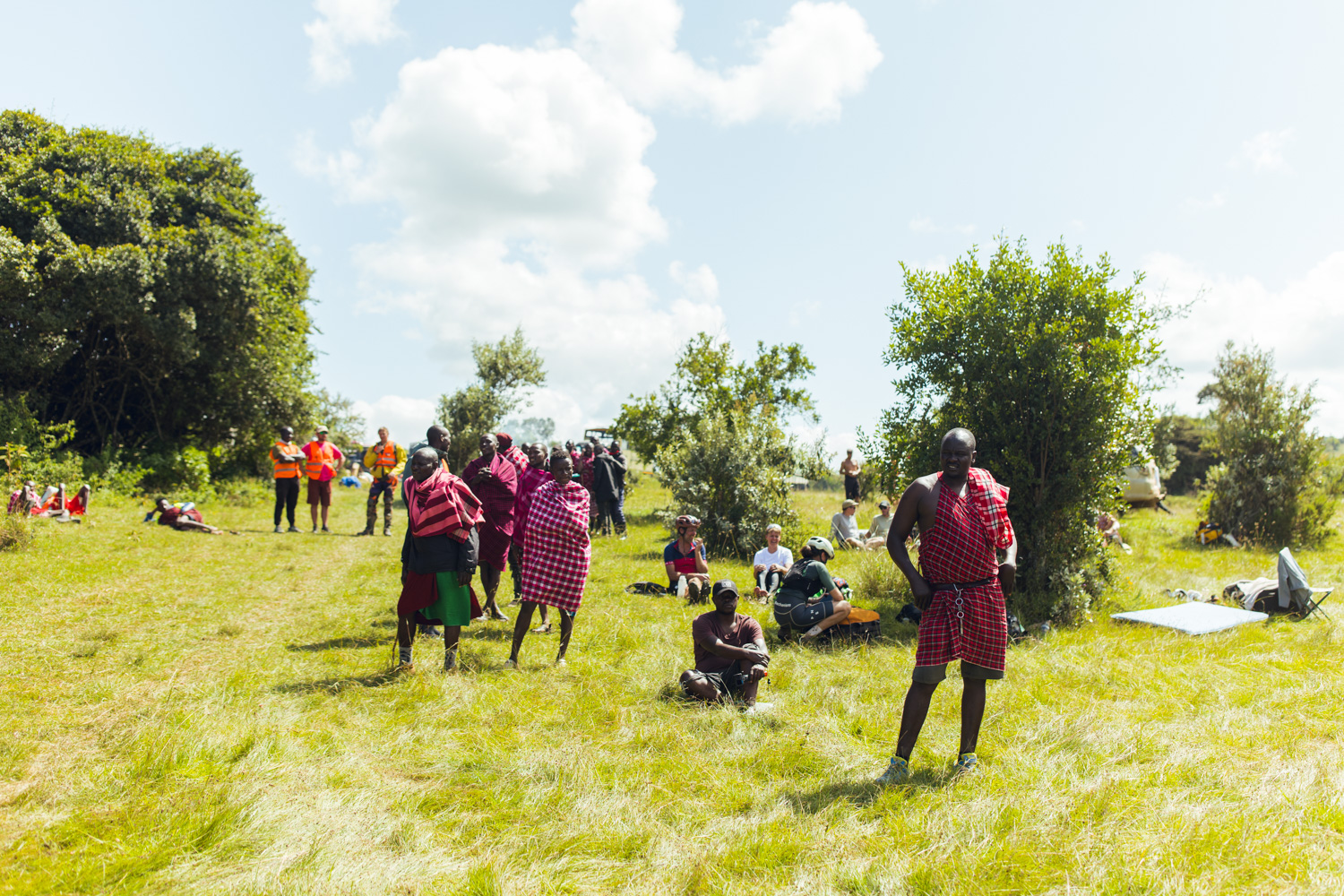
Somehow we made it to the camp, where there was already a big pile of dirty bikes demanding to be cleaned. Mechanics, masseurs and all the local Maasai community involved in looking after us at the camp would spend the rest of the day, and a big share of the night, making sure that we recover as much as possible from the effort exerted. Many books could be written about what we experienced on that day, but remember that it was still stage one out of four.
The initial four kilometers of stage two were neutralised because of the narrow path in descending direction, but as soon as we hit a much wider gravel section, the official start was given.
The following section was characterized by the dust that prevented us from seeing what there was three meters ahead, making us wonder if it was riskier to ride in a group simply relying on the line chosen by the rider in front, or to be on our own so we could have a bit more time to react.
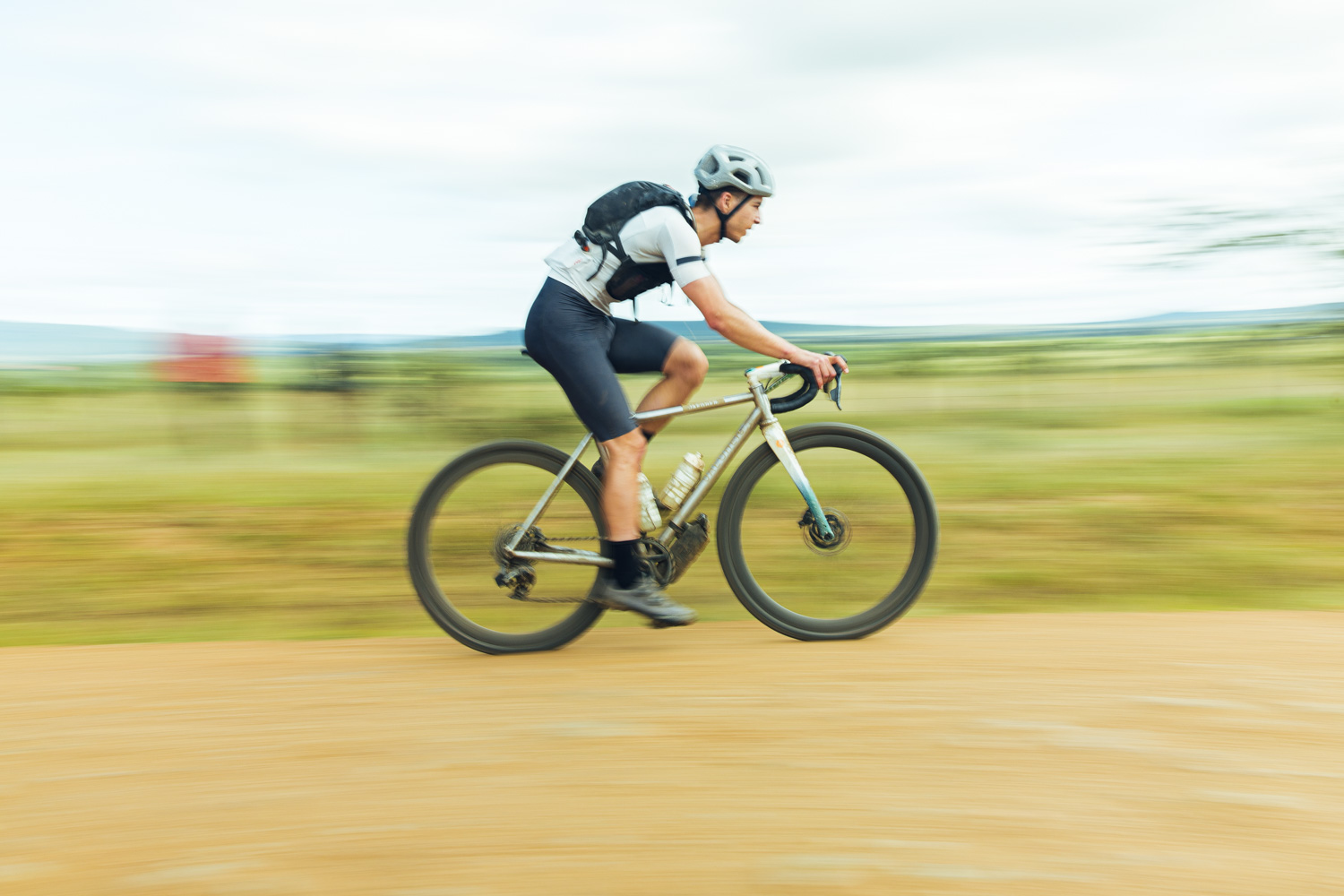
We avoided the different crashes that happened in front of us and started tackling the main climb of the day, with a length of 18 kilometers and a summit at 2.630 meters of elevation. The first half was on smooth gravel and the gradients were mellow, but as soon as we turned right after water stop 1 it got steeper and through narrower paths.
Not long after hitting the top of the climb, we started a 50 km long section of singletracks and double tracks, including several technical segments and water crossings. It was a relentless up and down with barely any moment to recover, and we honestly think it was a bit too much for bikes without suspension.
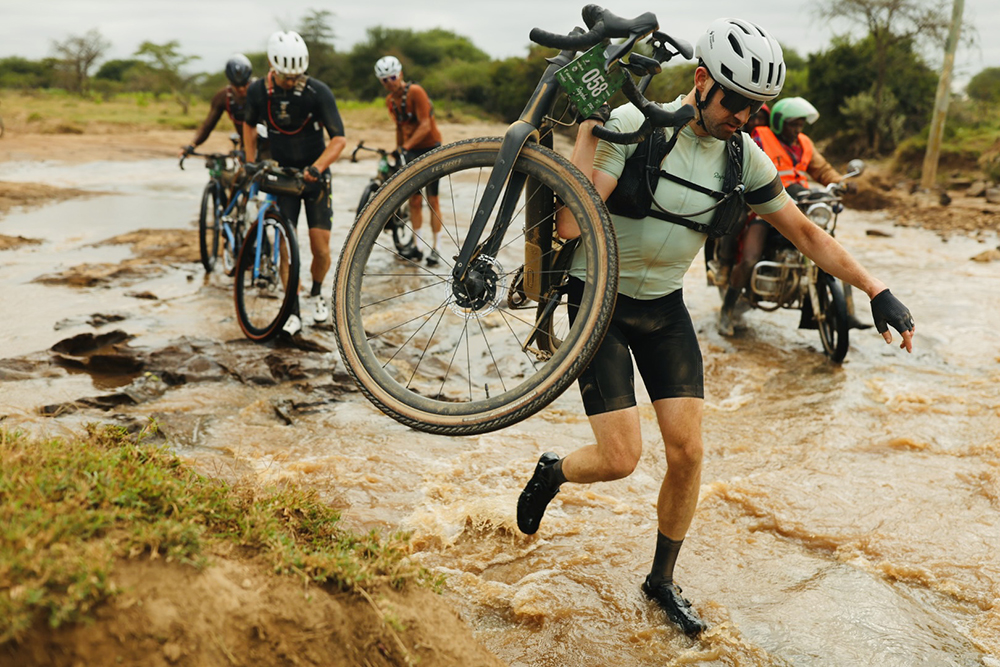
It wasn’t until water stop 2, located at kilometer 114, that we finally found proper gravel paths, but the hurdles did not stop there as this time what prevented us from keeping a constant pace were the many cows and sheep on our way. Not the wildlife that we desired to come across.
With sore back and tired legs, we arrived at the camp where we would spend the following two nights. Many people arrived before us, some because they were simply faster than us and others because they took the escape route that was facilitated by the organizers, aware of the toughness of the stage. We were told that 50% of the Leopard riders followed this escape route.
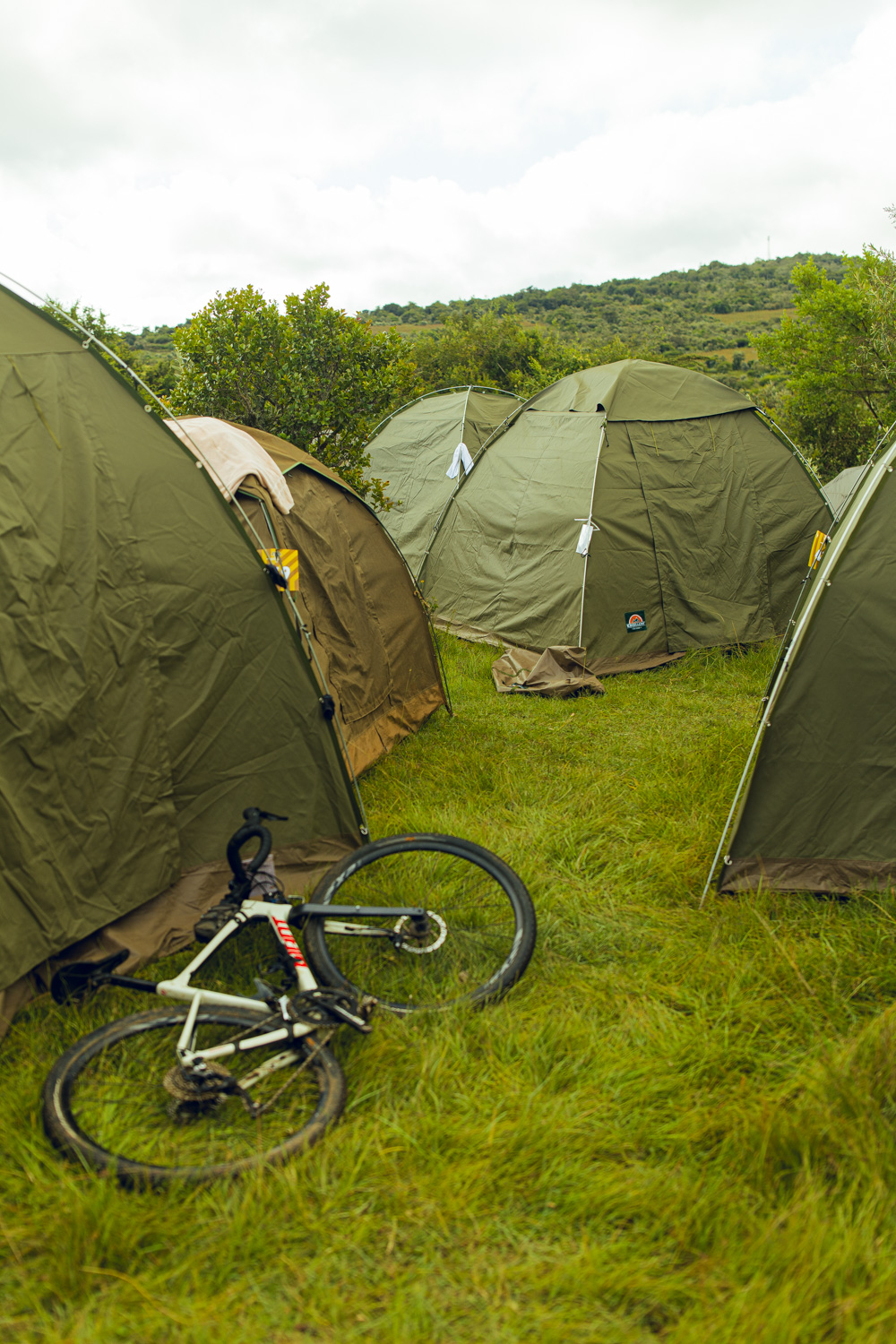
After 9 hours of riding, and taking into account that sunset in Kenya is around 7 PM all year round, it got dark by the time we had our recovery meal and headed to the primitive showers. At least we were a bit relieved when Mikel, who in addition to leading the Amani project was also involved in the organisation of the race, acknowledged during the podium ceremony that this edition was the toughest to date.
We could hear the rain hit our tents during the night before stage 3, and it was only the morning after that we remembered that we left our kit and shoes outside to dry. Not the desired start of the day.
That camp was located at 2.300 meters of elevation, something we should have taken into account when deciding which pieces of clothing to bring to East Africa. It was quite cold, with thick fog that only went away a few minutes before the start.
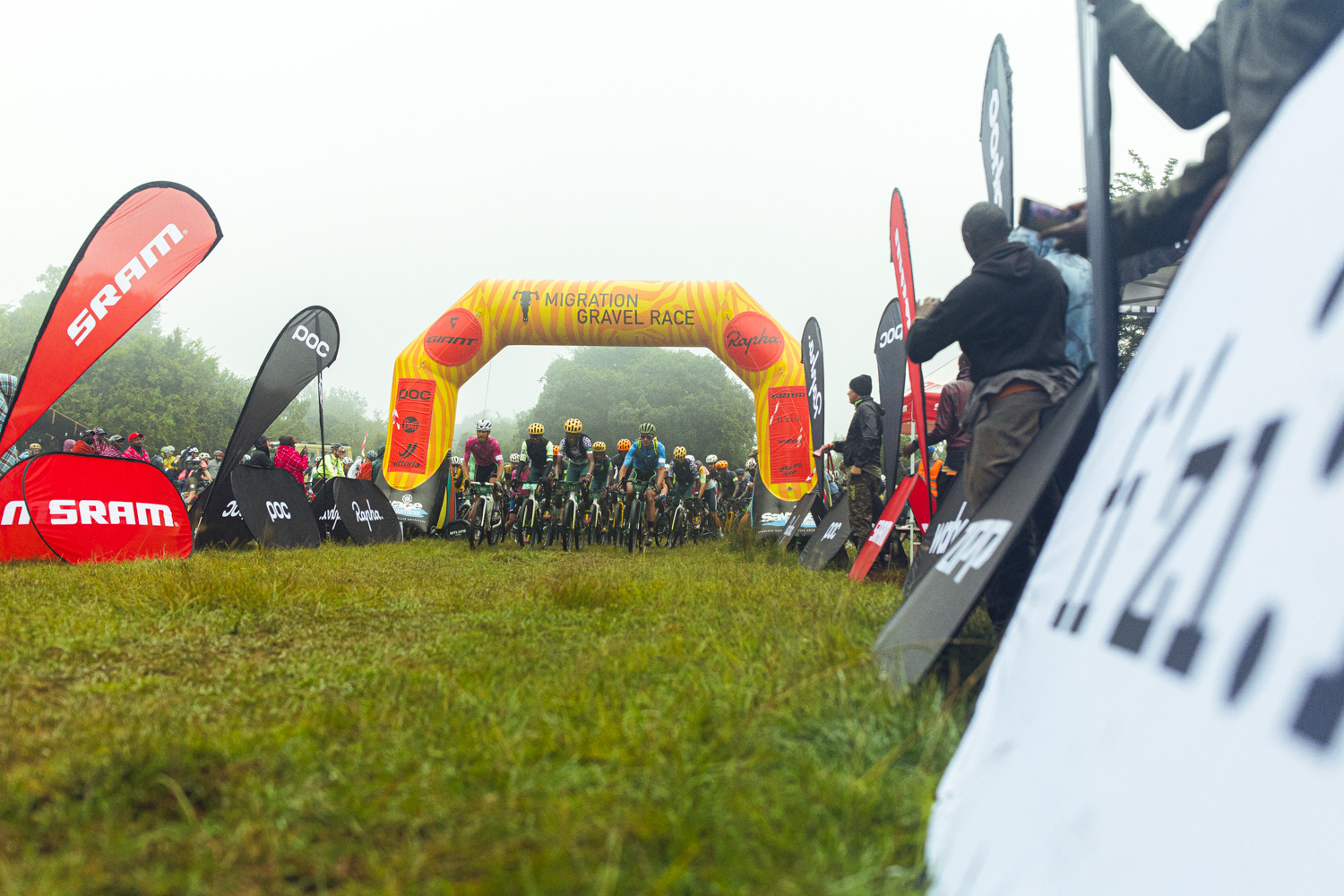
We waited until the very last minute to leave our cosy tent and line up at the start. Given our position in GC, rushing to be at the front did not make any sense, and also many people would not start that day feeling the consequences of the previous two days of racing, so there was space for everyone. Still, we managed to forget our gloves, something you don’t want when there is another bumpy day ahead.
Stage 3 was mainly gravel, the real gravel. That allowed for higher speeds and therefore more smiles during the day, something we all welcomed with open arms. We will forever remember the segment in the earlier part of the day in which, while riding in an exposed area on some sort of plateau, we saw dozens of wildebeest in the never-ending migration from the Masai Mara to the Serengeti and back. In case you did not infer yet, that is where the name of the event comes from.
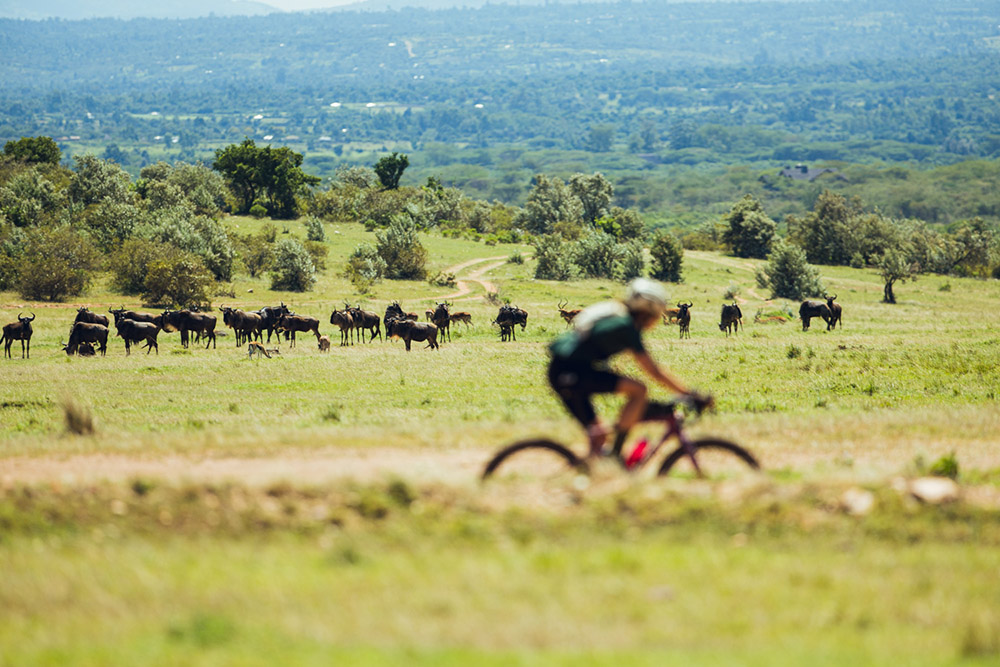
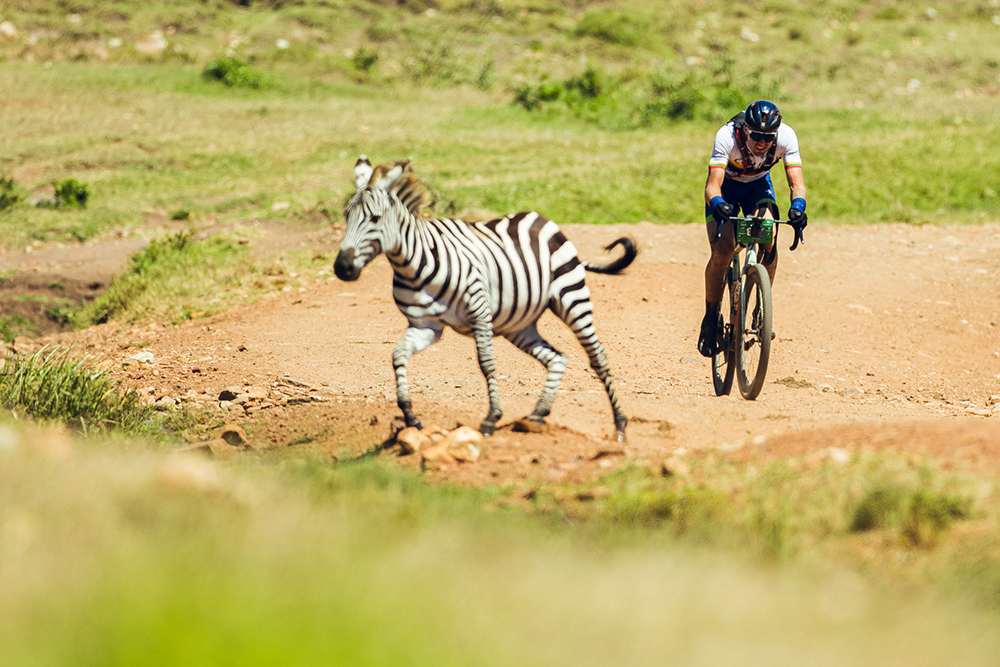
Unlike the other stages, which went from point A to point B, the route for that day was a loop. Aware of it, we went for a conservative approach during the first half of the stage, where we enjoyed some nice tailwind, because we knew that it would later turn into a headwind as we headed back to the camp.
Along the route, there were thousands of kinds shouting “Jambo!”, making our day on the saddle even more pleasant. It was nonetheless still a long effort, and after overcoming several consecutive short climbs in the latter part of the stage, we finished just above the 7 hours of riding time.
The last stage was supposed to be a difficult task for the Zebras (referring to the participants who chose the Zebra version of the event) and those facing the consequences of the accumulated fatigue. There was no possible shortcut. All of us had to do the 140 km that separated us from the last camp. The good thing is that the weather gods were on our side, and the forecast was no clouds, mild temperatures, and a tailwind all the way.
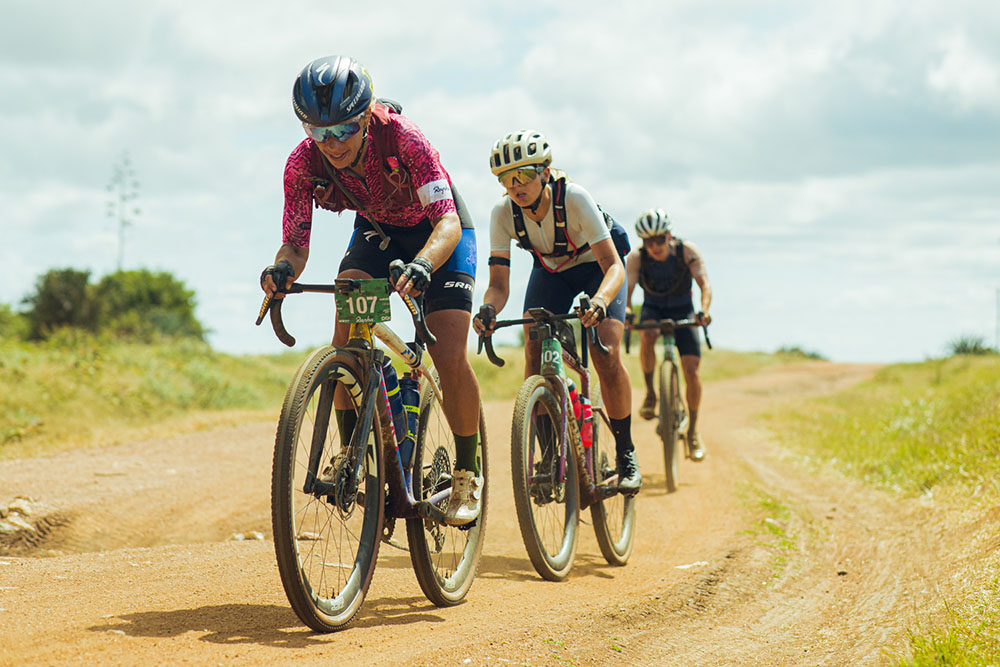
We haven’t talked much about the situation at the top of the General Classification, and the truth is that the situation with one day to go was exciting. Sarah Sturm was the favorite to keep her 1st place, and both Louise Valentin and Maddy Nutt had their position on the podium locked in.
As for the men, the gap between Mattia de Marchi and Hans Becking was 8 minutes. The Dutch mountainbiker had already reduced his time deficit on the previous stage, so he was eager to upset the rider from Enough CC and return home with the overall win in the bag.
In order to do so he found a nice ally in Lukas Baumm, winner of the last edition of the race, who struggled on stage 1 but got the win in the following two stages. They set a furious pace from the gun and managed to distance the leader, who would end up losing the jersey despite pushing hard in the chasing group together with Chad Haga.
A couple of hours later we crossed the line. An easy day on paper turned out to be a nightmare given all the misfortunes we had to overcome. Stomach issues and several flats put our finisher status in jeopardy, but our desire to get the finisher’s belt award offset the frustration we experienced.
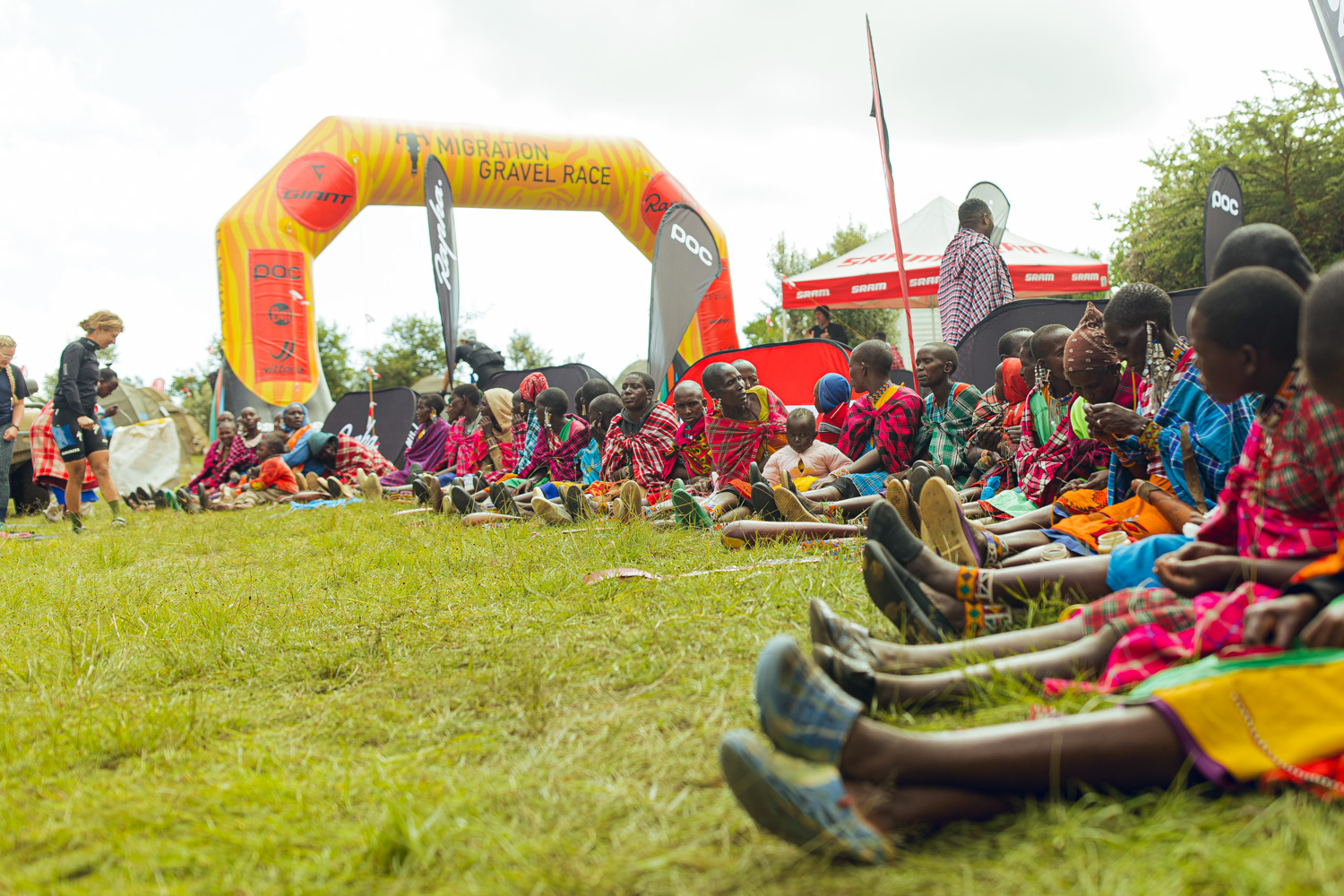
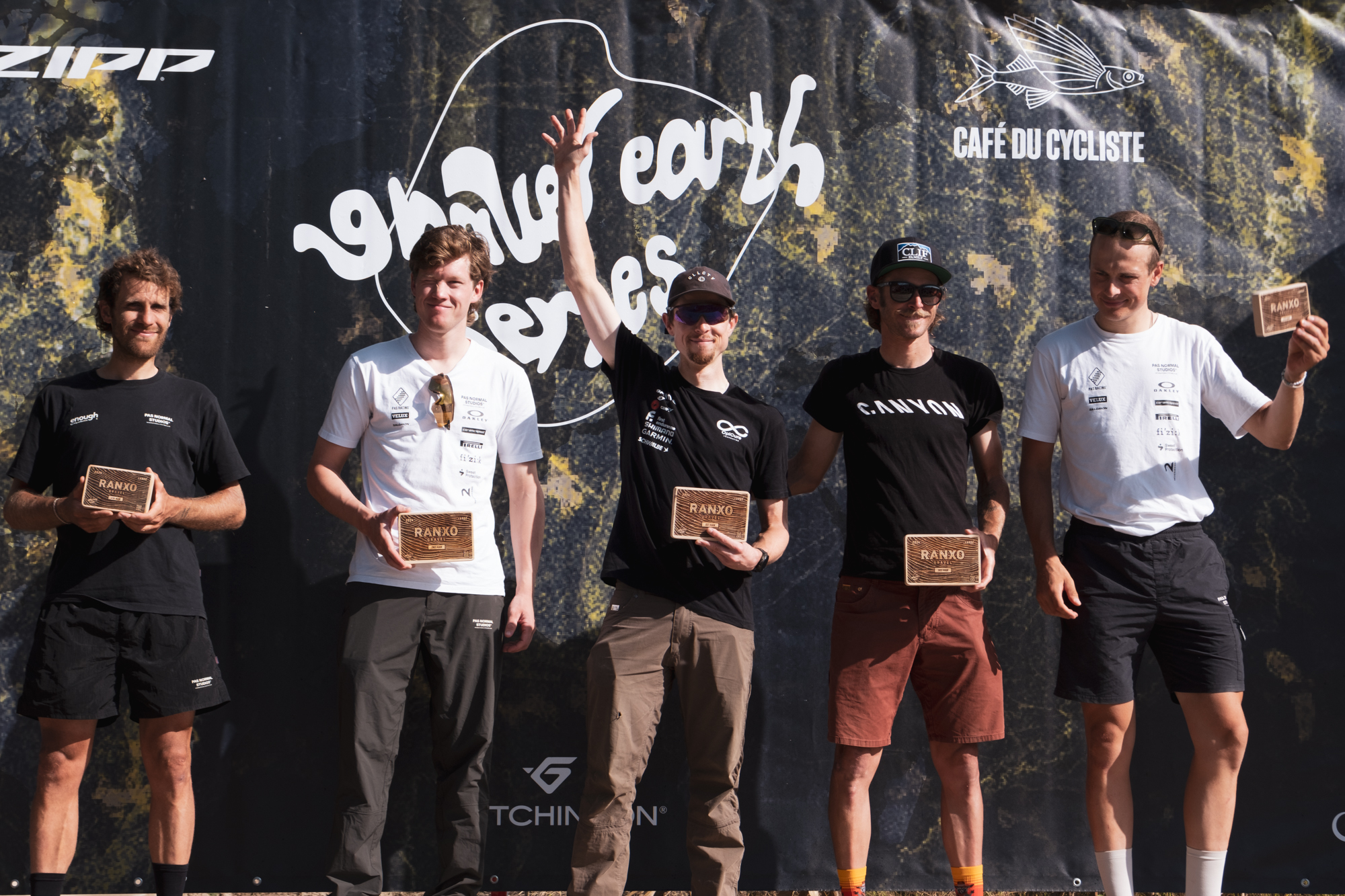
There we were, at the final prize ceremony being honored as one of the 45 participants that did all the stages in their full length. Who would have thought that we would consider “simply” finishing as a remarkable achievement, a victory in relative terms, but the truth is that this edition of the Migration Gravel Race was one of the biggest challenges all registered riders have ever faced.
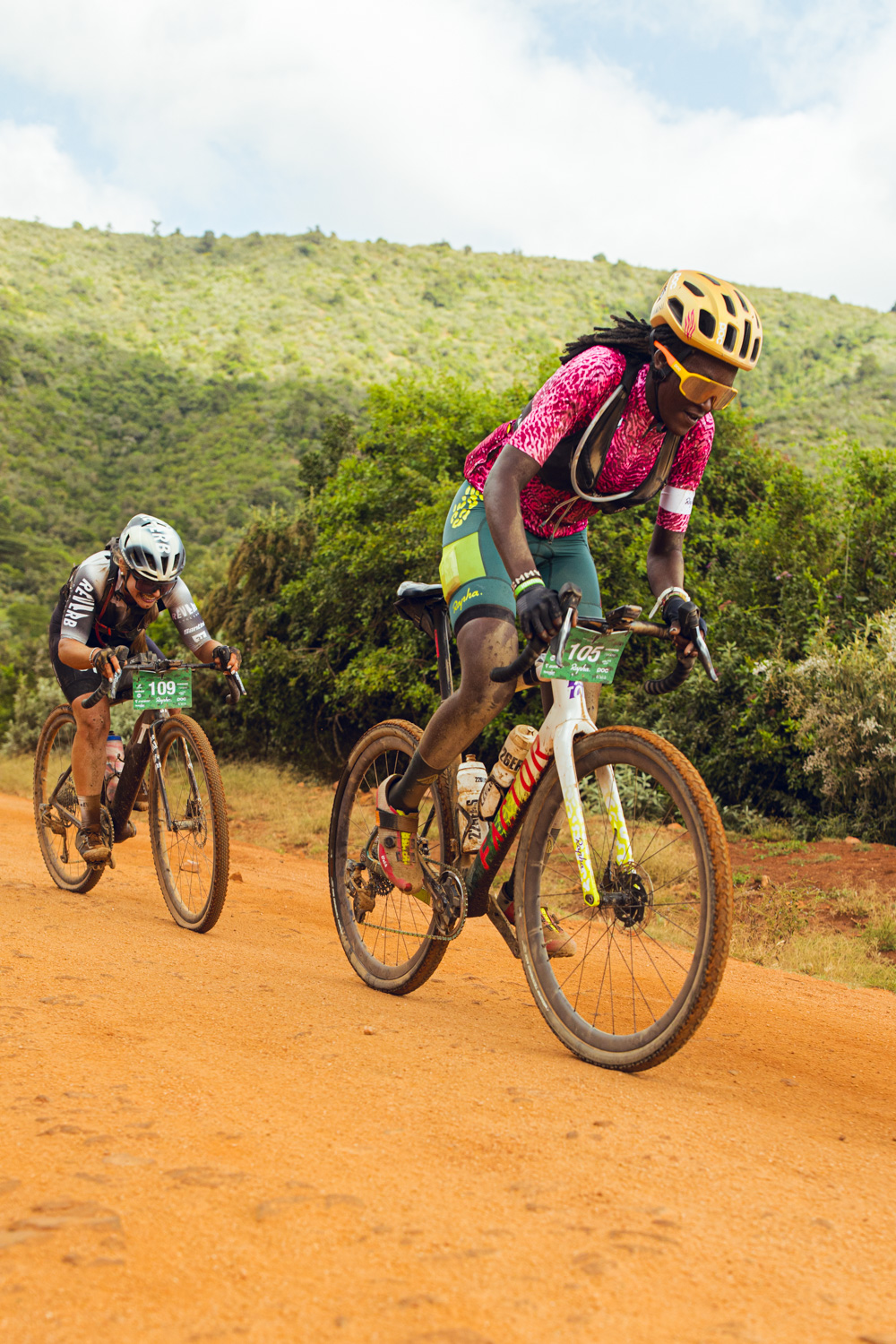
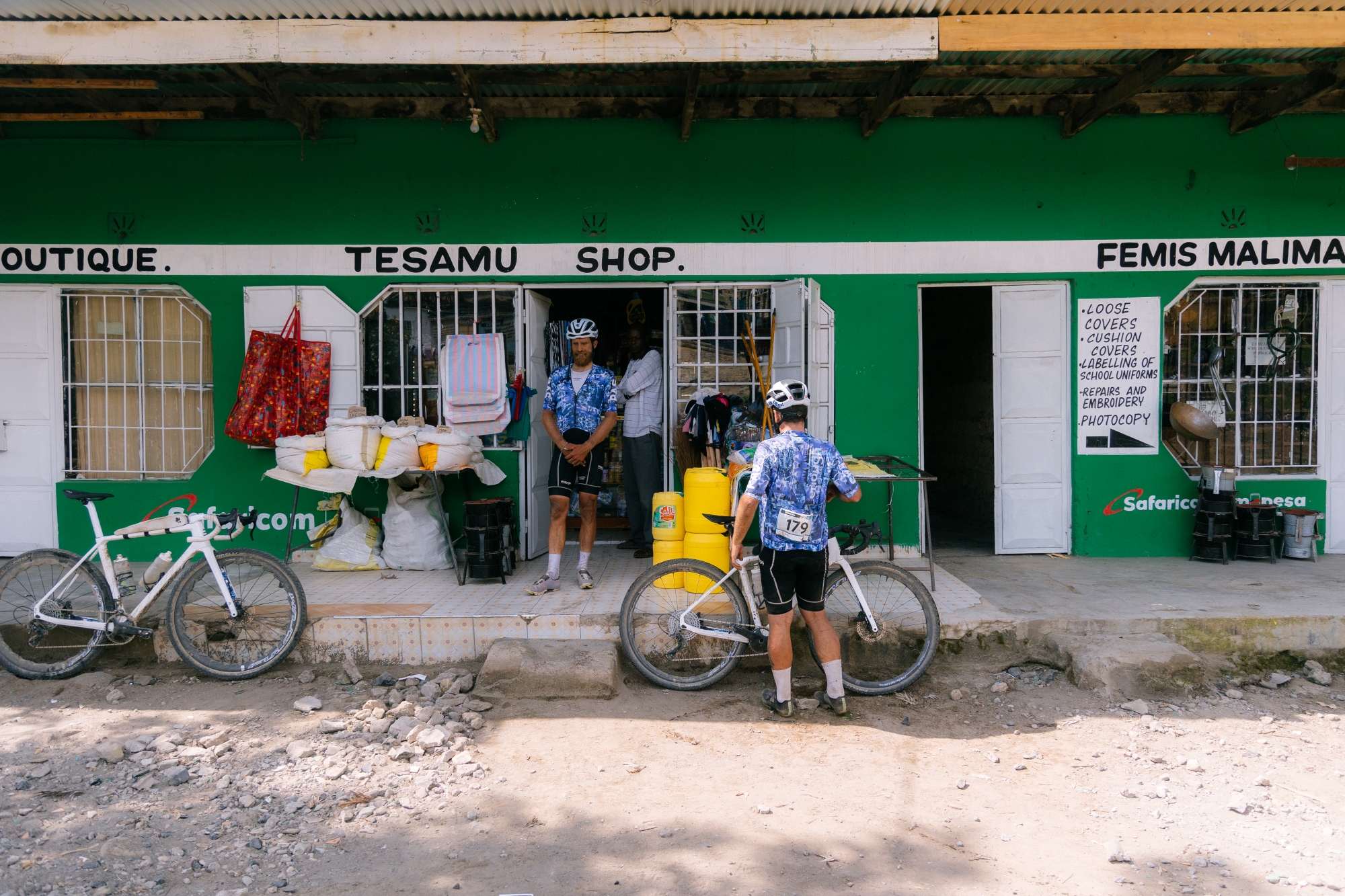
Throughout this piece, we have mainly focused on the riding part, but we want to stress that the event goes beyond what’s competition-related. We got to know like-minded individuals and shared all kinds of moments with them. We can also consider ourselves lucky because we saw some of the most beautiful animals on the globe while practicing the sport we love. We discovered the East African culture, with some similarities but many, many differences when compared to what we are used to. This event pushed us out of our comfort zone, and we liked that feeling.

Javi es nuestro corresponsal en Bélgica, y trata de contrarrestar su obsesiva pasión por el análisis de datos con la relajante acción (o eso es lo que dice) de crear contenido para la revista. Javi is based in Belgium and tries to compensate for his obsessive passion for data analytics with the relaxing action (that's what he says) of creating content for the magazine. View all posts by Javi Angulo
 Javi Angulo
 Javi Angulo
 Javi Angulo
 Javi Angulo
 Pavel Novotný
 Javi Angulo
 Javi Angulo
 Javi Angulo

 Pol Sopeña
 Javi Angulo
 Pavel Novotný
 Javi Angulo
Varios participantes de anteriores ediciones nos advirtieron de la dureza del terreno. Llegamos a Kenia una semana antes del evento para, en parte, aclimatarnos a la altitud y poner nuestro material a prueba. Aun así, lo que tuvimos que afrontar durante la Migration Gravel Race superó cualquier expectativa y nos obligó a darlo todo para cruzar la meta tras cuatro etapas brutalmente duras.
La Migration Gravel Race, que actualmente es uno de los cinco eventos de la categoría Global de las Gravel Earth Series, tuvo lugar por primera vez en 2021, y después de tres ediciones siguiendo el evento a distancia, este año estuvimos en la salida junto con otros 230 corredores. Una mezcla de talento local, entusiastas del gravel y gente con ganas de embarcarse en una aventura que va más allá del componente deportivo.
La mayoría de nosotros ya pudimos comprobar qué se siente al rodar en bicicleta en África Oriental al participar en la Safari Gravel Race el fin de semana anterior, parte de la UCI Gravel World Series. Sin embargo, mientras que la carrera de un día tuvo lugar en el Parque Nacional Hell’s Gate en Naivasha, donde encontramos muchos senderos arenosos, la Migration Gravel Race se desarrolló dentro de la reserva natural de Masai Mara, en la frontera con Tanzania. Dos lugares separados por un viaje en autobús pero a la vez muy diferentes.
Ese shuttle nos dio una idea de las condiciones del terreno. Era tan accidentado y con tantos baches que el camión que transportaba las bicicletas y maletas voluminosas se quedó encallado no una sino dos veces. Después del agitado viaje, llegamos al campamento inicial situado junto al río Mara. Durante los próximos cuatro días, del 18 al 21 de junio, someteríamos nuestra bicicleta a la mayor prueba hasta la fecha.
Una de las novedades de este año fue la introducción de una versión “Zebra” de la carrera. Los participantes inscritos en el itinerario Zebra afrontarían jornadas más cortas en bicicleta, lo que les permitiría pasar más tiempo en el campamento y ampliar el perfil de los ciclistas presentes en la carrera. El resto seguiría la versión completa o también llamada “Leopard”.
Una vez que todos pasamos por el punto de inscripción y montamos nuestras bicicletas, comenzó la sesión informativa de la carrera. Todo, desde la descripción de las etapas hasta los aspectos logísticos, fue claramente explicado, y cuando los organizadores iban a acabar su discurso, comenzó una fuerte lluvia. No sabíamos el impacto que tendría, pero estaba claro que el terreno no se secaría a tiempo.
Alarma a las 5.15 a.m. Hacer cola para desayunar. Llenar bidones y mochila de hidratación. Cambiarnos. Calentar (esta parte sólo duró un día, ya que para las siguientes etapas exprimimos al máximo nuestro tiempo dentro de la tienda de campaña). Salida a las 7.30 horas. Y luego montar en bicicleta durante un promedio de 7 horas al día. Una rutina saludable, ¿eh? Terminamos acostumbrándonos, pero en la etapa inicial todavía estábamos tratando de descubrir dónde estábamos. El barro espeso que encontramos sobre el km 20 nos sacaría aún más de nuestra zona de confort.
Los primeros charcos estaban bien y se podían evitar eligiendo una trazada diferente. Poco después, no había elección posible. Tuvimos que montar o caminar sobre algo que se parecía más a arcilla, sin que nuestras ruedas pudieran seguir girando. Quitar el barro no fue realmente efectivo, ya que lo que había más adelante era más de lo mismo. “Nunca he estado en esta situación, ¿qué debo hacer?”, pensamos. Otros, sin embargo, fueron más explícitos. “¡Porca troia!” gritó a nuestro lado Federico Damiani de Enough CC.
Miramos a los demás para ver qué hacían y, al parecer, lo mejor era llevar la bici a cuestas, hundiendo las piernas en el barro e intentando llegar al otro lado, donde pararíamos un buen puñado de minutos para evaluar los daños causados.
Era como un videojuego, donde cada nivel tenía sus propios desafíos. Después del barro, llegó el momento del fuerte viento en contra, que se prolongó durante más de dos horas. Esos son los riesgos de las rutas que van en un solo sentido… Las cosas no cambiaron mucho en el restante de la etapa, y nuestro pensamiento general mientras contábamos los kilómetros, fue algo así como “si ya estoy tan agotado antes de terminar la etapa 1, ¿cómo haré para afrontar el resto de los días?”
Llegamos al campamento, donde ya había un gran montón de bicicletas sucias que exigían ser limpiadas. Los mecánicos, masajistas y toda la comunidad masai local implicada en cuidarnos en el campamento pasarían el resto del día, y gran parte de la noche, asegurándose de que nos recuperáramos lo máximo posible del esfuerzo realizado. Se podrían escribir muchos libros sobre lo que vivimos ese día, y eso que fue la primera de las cuatro etapas.
Los primeros cuatro kilómetros de la segunda etapa eran neutralizados por el estrecho camino en sentido descendente, pero en cuanto llegamos a un tramo de tierra mucho más ancho se dio la salida oficial.
El siguiente tramo se caracterizó por el polvo que nos impedía ver lo que había tres metros delante de nosotros y nos hizo pensar si era más arriesgado ir en grupo confiando nuestra integridad física al ciclista de delante, o ir en solitario para así tener un poco más de tiempo para reaccionar.
Evitamos las diferentes caídas que se sucedieron delante de nosotros y comenzamos a afrontar la subida principal del día, con una longitud de 18 kilómetros y una cima a 2.630 metros de desnivel. La primera mitad fue sobre gravel suave y las pendientes eran asequibles, pero tan pronto como giramos a la derecha después del primer avituallamiento, el camino se volvió más empinado y estrecho.
Poco después de alcanzar la cima de la subida, comenzamos un tramo de 50 km de single- y double-track, incluyendo varios tramos técnicos y cruces de agua. Un sube y baja sin tiempo para recuperar, que sinceramente creemos que fue demasiado para bicis sin suspensión.
No fue hasta el segundo avituallamiento, situado en el kilómetro 114, que encontramos de nuevo caminos ciclables, y esta vez lo que nos impidió mantener un ritmo constante fueron las numerosas vacas y ovejas que tuvimos que sortear. No fue la fauna salvaje que esperábamos encontrarnos.
Con dolor de espalda y piernas cansadas llegamos al campamento donde pasaríamos las siguientes dos noches. Mucha gente llegó antes que nosotros, algunos simplemente porque eran más rápidos que nosotros y otros porque tomaron la vía de escape que les facilitaron los organizadores, conscientes de la dureza de la etapa. Nos dijeron que el 50% de los participantes del itinerario Leopard se decantaron por este atajo.
Después de 9 horas de ruta, y teniendo en cuenta que en Kenia la puesta de sol es alrededor de las 7 de la tarde durante todo el año, la luz del día ya era escasa una vez nos acabamos de asear en las primitivas duchas del campamento. Al menos nos sentimos un poco aliviados cuando Mikel, líder del proyecto Amani y uno de los organizadores del evento, reconoció durante la ceremonia del podio que esta edición estaba siendo la más dura hasta la fecha.
Pudimos escuchar la lluvia golpear nuestras tiendas de campaña durante la noche anterior a la etapa 3, y fue solo a la mañana siguiente que recordamos que habíamos dejado nuestra ropa y zapatos afuera para que se secaran. No fue el comienzo deseado del día.
Ese campamento estaba situado a 2.300 metros de altitud, algo que debimos tener en cuenta a la hora de decidir qué prendas traer a Kenya. Hacía bastante frío, con una espesa niebla que sólo se disipó unos minutos antes de la salida.
Esperamos hasta el último minuto para abandonar nuestra acogedora tienda y colocarnos en la línea de salida. Dada nuestra posición en la general, no hacía falta intentar encontrar un hueco en primera línea. Además mucha gente no empezaría ese día, sufriendo las consecuencias de los dos días anteriores de carrera, así que había espacio para todos. Aún así, logramos olvidarnos nuestros guantes, algo que no deseas cuando se avecina otro día lleno de baches.
La etapa 3 transcurrió principalmente por gravel, el gravel de verdad. Eso facilitó velocidades más altas y mejores sensaciones durante el día, algo que todos recibimos con los brazos abiertos. Siempre recordaremos el segmento en la primera parte del día en el que, mientras rodábamos por una zona expuesta en una especie de meseta, vimos decenas de ñus en su interminable migración desde el Masai Mara al Serengeti y viceversa. En caso de que aún no te hayas dado cuenta, de ahí proviene el nombre del evento.
A diferencia de las otras etapas, que iban del punto A al punto B, el recorrido de ese día era circular. Conscientes de ello, optamos por ser conservadores durante la primera mitad de la etapa, donde disfrutamos de un buen viento de cola, porque sabíamos que luego se convertiría en viento de cara de vuelta al campamento.
A lo largo del recorrido nos cruzamos con centenares de niños gritando “¡Jambo!”, lo que hizo que nuestro día en el sillín fuera aún más agradable. Sin embargo, fue un esfuerzo largo y, después de superar varias subidas cortas consecutivas en la última parte de la etapa, terminamos justo por encima de las 7 horas de pedaleo.
La última etapa iba a ser una tarea difícil para los Zebras (en referencia a los participantes que eligieron la versión Zebra del evento) y para aquellos que afrontaban las consecuencias del cansancio acumulado. No había atajos posibles y todos tuvimos que recorrer los 140 kilómetros que nos separaban del último campamento. Lo bueno es que las condiciones meteorológicas estuvieron de nuestro lado y la previsión era cielo sin nubes, temperaturas suaves y viento de cola durante todo el camino.
No hemos hablado mucho de la situación en la parte alta de la Clasificación General, y la verdad es que la situación a falta de un día para acabar era emocionante. Sarah Sturm era la favorita para mantener su primer lugar, y tanto Louise Valentin como Maddy Nutt tenían asegurada su posición en el podio.
En cuanto a los hombres, la diferencia entre Mattia de Marchi y Hans Becking fue de 8 minutos. El mountainbiker holandés ya había reducido su desventaja en la etapa anterior, por lo que estaba con ganas de arrebatar el trono al corredor de Enough CC y regresar a casa con la victoria general bajo el brazo.
Para ello encontró un buen aliado en Lukas Baum, vencedor en la anterior edición, quien tuvo problemas en la etapa 1 pero consiguió la victoria en las dos etapas siguientes. Impusieron un ritmo vertiginoso desde la salida y consiguieron distanciar al líder, que acabaría perdiendo el maillot distintivo pese a darlo todo en el grupo perseguidor junto a Chad Haga.
Un par de horas más tarde cruzamos la línea. Un día fácil sobre el papel resultó ser una pesadilla para nosotros dadas todas las desgracias que tuvimos que superar. Problemas estomacales y varios pinchazos pusieron en peligro nuestra participación, pero nuestro deseo de obtener el cinturón de finalista fue mayor que la frustración que experimentamos.
Allí estábamos, en la entrega de premios final siendo homenajeados como uno de los 45 participantes que hicieron todas las etapas en su totalidad. Quién hubiera pensado que consideraríamos “simplemente” terminar como un logro notable, una victoria en términos relativos, pero la verdad es que esta edición de la Migration Gravel Race fue uno de los mayores desafíos a los que tanto nosotros como el resto de corredores registrados nos hayamos enfrentado jamás.
A lo largo de este artículo nos hemos centrado principalmente en la parte sobre la bicicleta, pero queremos resaltar que el evento va más allá de lo relacionado con la competición. Conocimos personas con ideas afines y compartimos todo tipo de momentos con ellas. También podemos considerarnos afortunados porque vimos algunos de los animales más bellos del mundo mientras practicamos el deporte que amamos. Descubrimos la cultura del este de África, con algunas similitudes pero muchas, muchas diferencias respecto a lo que estamos acostumbrados. Este evento nos puso fuera de nuestra zona de confort, y es una sensación que realmente nos gustó.
Javi es nuestro corresponsal en Bélgica, y trata de contrarrestar su obsesiva pasión por el análisis de datos con la relajante acción (o eso es lo que dice) de crear contenido para la revista. Javi is based in Belgium and tries to compensate for his obsessive passion for data analytics with the relaxing action (that's what he says) of creating content for the magazine. View all posts by Javi Angulo
Receive our monthly selection of the best articles, news, exclusive content and giveaways only for subscribers, subscribe to OUR NEWSLETTER
Receive our monthly selection of the best articles, news, exclusive content and giveaways only for subscribers, subscribe to OUR NEWSLETTER
Receive our monthly selection of the best articles, news, exclusive content and giveaways only for subscribers, subscribe to OUR NEWSLETTER
Receive our monthly selection of the best articles, news, exclusive content and giveaways only for subscribers, subscribe to OUR NEWSLETTER