- News
- Reviews
- Travel & Adventure
- Interviews
- Inside Industry Players
- Community
Bikes
Reviews
Components
Reviews
Cycling
Apparel






[raw_mobile_menu]
[wpml_language_switcher_down]


We all know that cycling safety is a key and much-needed aspect, and when it comes to protecting our heads, even more so. We currently have reliable and efficient systems that protect us from shocks in the event of a crash, and even if we sometimes think that everything has been invented and that there is no room for improvement we are obviously wrong.
The Lazer Sport team has been manufacturing helmets for more than 100 years and is committed to innovation, technology, and design. Undoubtedly, these aspects have been key in the history of the Belgian firm to consolidate itself as one of the leading companies in the sector.
When rotational impact injuries began to be recognized a decade ago and we became aware of their importance, technologies began to appear in order to reduce brain damage in the event of crashing. For what concerns them, Lazer also got down to work and began to develop their own solution.
On March 30 Lazer KinetiCore was released, an innovative technology that can be included in any helmet in a completely integrated way and without the need to add extra parts or accessories. In order to achieve this, the design team was forced to leave behind all the foundations they knew so far and start from scratch.


The system replaces the current mold used for the interior of ordinary helmets with independent blocks of foam specifically designed and distributed to reduce direct and rotational impact, and redirect the energy of the impact away from the brain.
Undoubtedly, KinetiCore is presented to the world as a new, revolutionary, and promising system that aims to change the rules of the game.
One of the main advantages that KinetiCore provides is that, unlike other systems, it does not increase the weight of the helmets, quite the opposite. This also translates into less use of material, reduced manufacturing costs, and makes the products that implement this solution more environmentally friendly.
On the other hand, by not needing extra parts to implement the system, there are no problems in terms of changing helmet sizes. KinetiCore improves ventilation and can also be applied to any type of helmet, not just cycling and adults.
We would like to point out that the Lazer KinetiCore has achieved the maximum score (5 stars) in the prestigious Virginia Tech security tests at the University of Virginia, matching the MIPS system in terms of recognition.

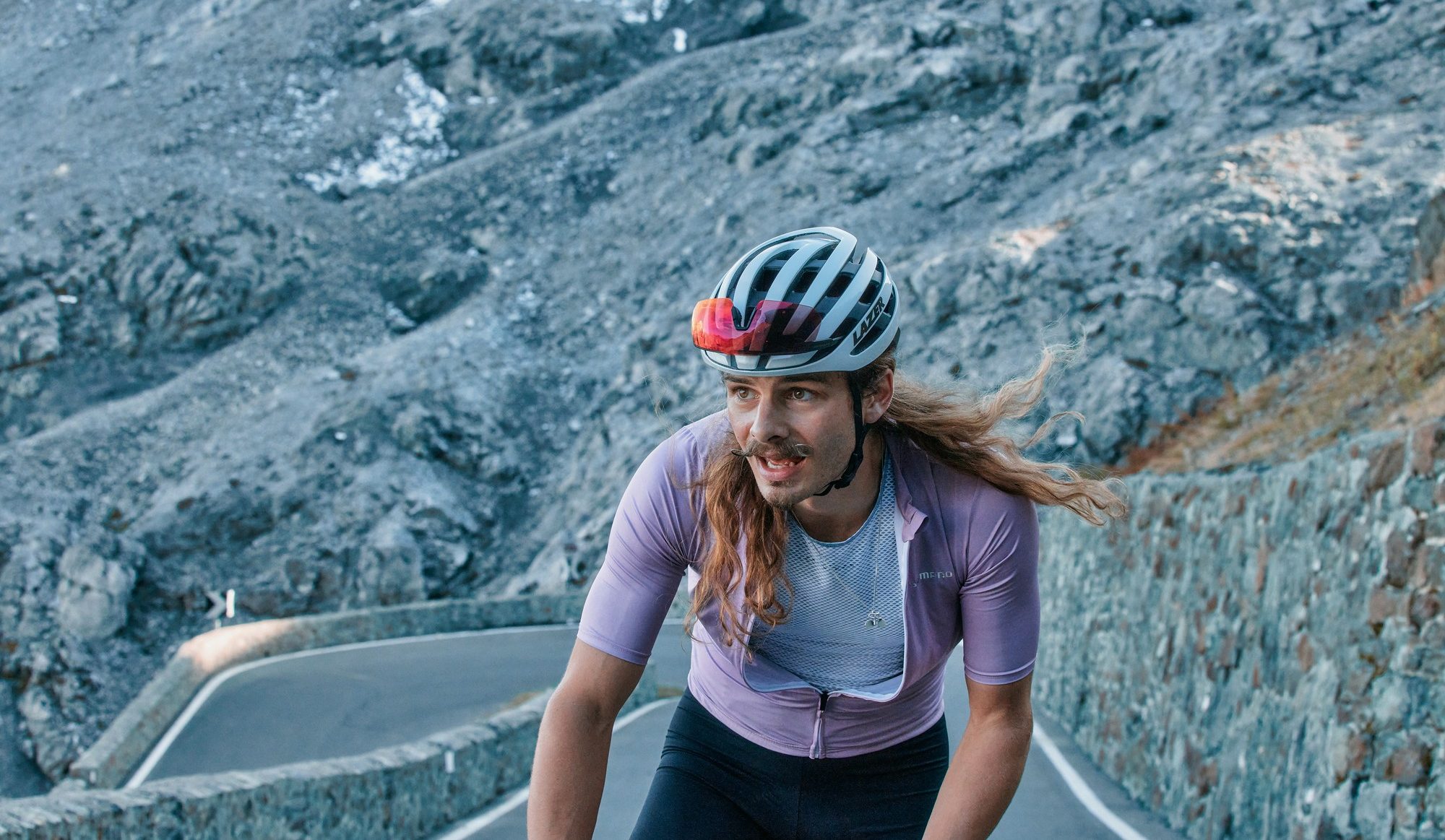
During the past Road Bike Connection, in addition to learning about the new KinetiCore technology, we were able to exclusively see and test the new Lazer Vento, a lightweight helmet (290 g) with an aerodynamic design that does not compromise on comfort.
The new Vento uses the ScrollSys adjustment system that proposes a different way to adapt the helmet to each user and head in a comfortable and simple way. It has an efficient ventilation system (Venturi) and provides better performance from the aerodynamics point of view.


Es el motor y el combustible de todos los proyectos que crea, desarrolla y finaliza. Toni es cofundador del magazine, y es metódico y trabajador como ninguno, parece tener una extraña adicción a implicarse en proyectos ciclistas. He is the engine and the fuel of each of the projects he creates, develops, and completes. Toni is the co-founder of the magazine, he is methodical and worker as few, and he seems to have a strange addiction to being involved in cycling projects. View all posts by Toni de la Torre
 Pol Sopeña
Todos sabemos que la seguridad en el ciclismo es un aspecto clave y muy necesario, y si hablamos de proteger nuestras cabezas, aún más. Actualmente contamos con sistemas fiables y eficientes que nos resguardan de los golpes en caso de caída pero, en ocasiones, pensamos que todo está inventado y que ya no hay margen de mejora. Obviamente, estábamos equivocados.
El equipo de Lazer Sport lleva más de 100 años fabricando cascos y apostando por la innovación, la tecnología y el diseño. Sin lugar a dudas, estos aspectos han sido clave en la historia de la firma belga para consolidarse como una de las empresas líderes del sector.
Cuando hace una década las lesiones por impacto rotacional empezaron a ser reconocidas y fuimos conscientes de la importancia que tenían, comenzaron a aparecer tecnologías que reducen los daños cerebrales ante una situación de caída. Por su parte, Lazer, se puso también manos a la obra y comenzó a desarrollar su propia solución.
El 30 de marzo salió a la luz Lazer KinetiCore, una innovadora tecnología que puede incluirse en cualquier casco de forma completamente integrada y sin necesidad de agregar piezas o complementos extra. Para alcanzar esto, el equipo de diseño se vio obligado a dejar atrás todas las bases que conocía hasta el momento y empezar desde cero.
El sistema sustituye el actual molde que se utiliza para el interior de los cascos corrientes por bloques independientes de foam (un tipo específico de espuma) específicamente diseñados y distribuidos para reducir el impacto directo y rotacional, y redirigir la energía del golpe lejos del cerebro.
Sin duda, KinetiCore se presenta ante el mundo como un sistema novedoso, revolucionario y prometedor que pretende cambiar las reglas del juego.
Una de las principales ventajas que aporta KinetiCore es que, a diferencia de otros sistemas, no incrementa el peso de los cascos sino todo lo contrario. Esto se traduce también en menos uso de material, reducción de costes de fabricación y también hace que los productos que implementan esta solución sean más respetuosos con el medio ambiente.
Por otro lado, al no necesitar piezas extras para implementar el sistema, no hay problemas en cuanto al cambio de talla. KinetiCore mejora la ventilación y, además, puede aplicarse a cualquier tipo de casco, no solo de ciclismo y no solo para adultos.
No nos gustaría dejar en el olvido que Lazer KinetiCore ha obtenido la puntuación máxima (5 estrellas) en los prestigiosos test de seguridad Virginia Tech de la Universidad de Virginia, equiparándose con el sistema MIPS en términos de reconocimiento.
Durante el pasado Road Bike Connection, además de conocer la nueva tecnología KinetiCore, pudimos ver y probar en exclusiva el nuevo Lazer Vento, un casco ligero (290 g) y con diseño aerodinámico que no renuncia al confort.
El nuevo Vento utiliza el sistema de ajuste ScrollSys que propone una forma diferente para adaptar el casco a cada usuario y cabeza de una forma cómoda y sencilla. Dispone de un eficiente sistema de ventilación (Venturi) y aporta un mejor rendimiento desde el punto de vista de la aerodinámica.
Es el motor y el combustible de todos los proyectos que crea, desarrolla y finaliza. Toni es cofundador del magazine, y es metódico y trabajador como ninguno, parece tener una extraña adicción a implicarse en proyectos ciclistas. He is the engine and the fuel of each of the projects he creates, develops, and completes. Toni is the co-founder of the magazine, he is methodical and worker as few, and he seems to have a strange addiction to being involved in cycling projects. View all posts by Toni de la Torre
Receive our monthly selection of the best articles, news, exclusive content and giveaways only for subscribers, subscribe to OUR NEWSLETTER
Receive our monthly selection of the best articles, news, exclusive content and giveaways only for subscribers, subscribe to OUR NEWSLETTER
Receive our monthly selection of the best articles, news, exclusive content and giveaways only for subscribers, subscribe to OUR NEWSLETTER
Receive our monthly selection of the best articles, news, exclusive content and giveaways only for subscribers, subscribe to OUR NEWSLETTER