- News
- Reviews
- Travel & Adventure
- Interviews
- Inside Industry Players
- Community
Bikes
Reviews
Components
Reviews
Cycling
Apparel


[raw_mobile_menu]
[wpml_language_switcher_down]


Ser el mayor productor de bicicletas de Bélgica no es una tarea fácil. Significa mantenerse fiel a sus raíces y, al mismo tiempo, adaptarse para competir con las marcas que luchan por el mismo pedazo de pastel. Requiere, entre muchas cosas, innovación continua en un país caracterizado por su visión tradicional de la bicicleta.
En Ridley Bikes pueden decir con orgullo que han liderado la industria belga de cuadros de bicicletas durante más de veinte años, y sus modelos lanzados recientemente, junto con lo que está por venir, asegurarán que Bélgica se mantenga en la cúspide de la industria del ciclismo mundial.
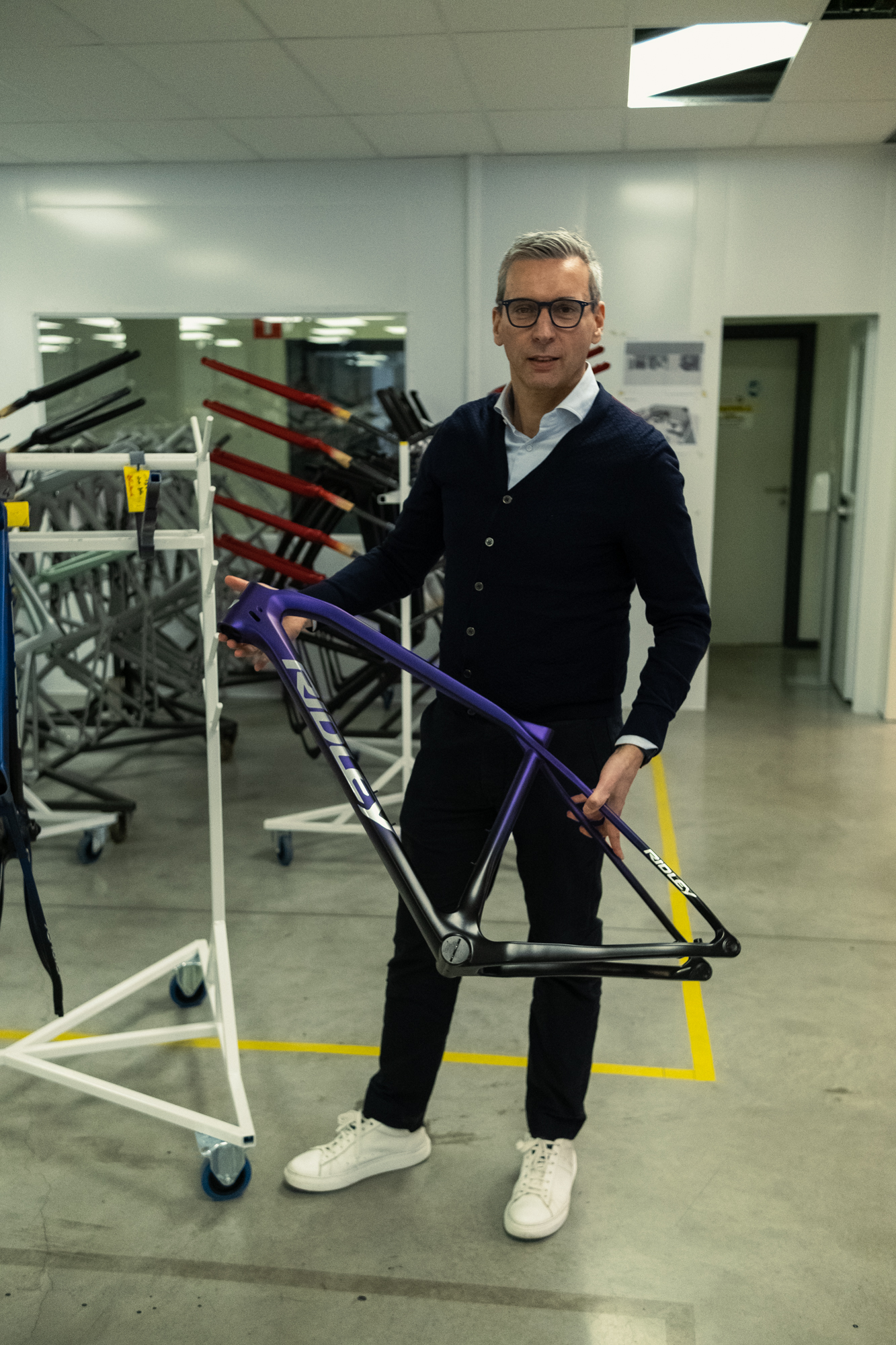
Tuvimos la oportunidad de visitar su sede y pudimos comprobar por qué confían en lograr su objectivo. El orgullo del CEO al mostrarnos su última innovación en pintura de cuadros, el entusiasmo del joven ingeniero aeronáutico al explicar cómo las próximas actualizaciones del túnel de viento lo pondrán a la vanguardia de las pruebas aerodinámicas… Ridley es una empresa familiar y todos tratan a la marca como si fuera su propio hijo.
En la última etapa de su adolescencia, Jochim Aerts se dio cuenta de que su sueño de convertirse en profesional se desvanecía lentamente, pero quería seguir estando involucrado en el nivel más alto del ciclismo. Solía pintar sus propios cuadros y los de los profesionales con los que estaba en contacto, incluido su hermano. Luego hizo lo mismo con Bioracer, que en ese momento también estaba presente en el negocio de cuadros de bicicletas.
Aprendió sobre diseño, geometrías y soldadura de cuadros, y dio un paso adelante y comenzó a encargarse de todo el proceso de producción de una bicicleta. Ridley nació en 1997, y en ese momento todavía operaba en el garaje de su padre. En 2005, las bicicletas Ridley ya estaban presentes en el nivel más alto del ciclismo de carretera, con tres victorias de etapa en el Tour de Francia en el primer año patrocinando a Davitamon – Lotto, el actual equipo Lotto Dstny.
Si te preguntas de dónde viene el nombre de la empresa, piensa en el director de películas como Alien o Blade Runner, Ridley Scott. En ese momento ya existía una marca de bicicletas que usaba el apellido del ídolo de la familia, por lo que optaron por Ridley como nombre de la firma.
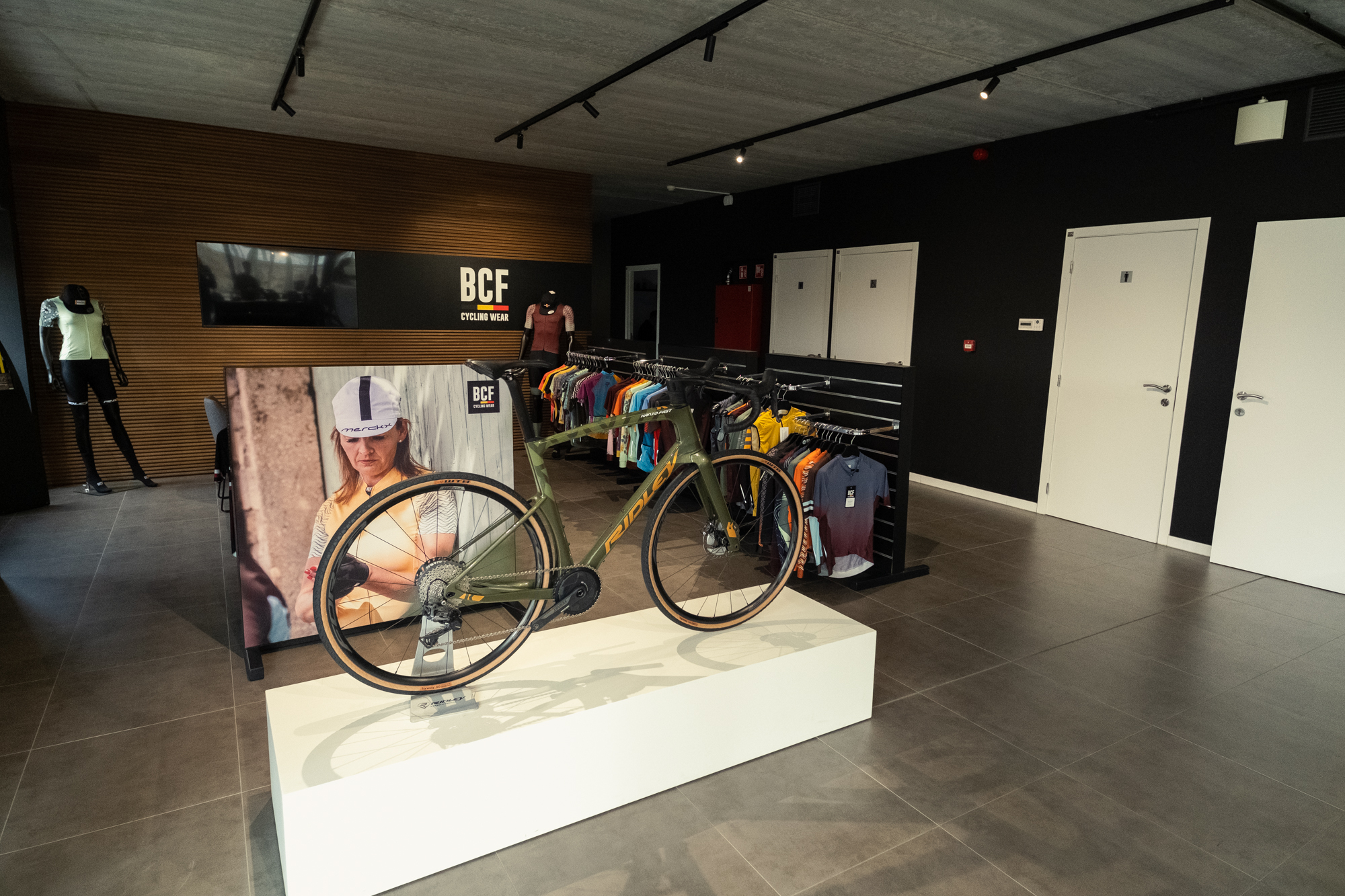
Hoy en día, Ridley es el mayor productor de bicicletas de Bélgica. Forma parte de Belgium Cycling Factory (BCF), un conglomerado que también incluye la marca de bicicletas Eddy Merckx y otras empresas relacionadas con el ciclismo como Corsa, Forza y BCF Cycling Wear.
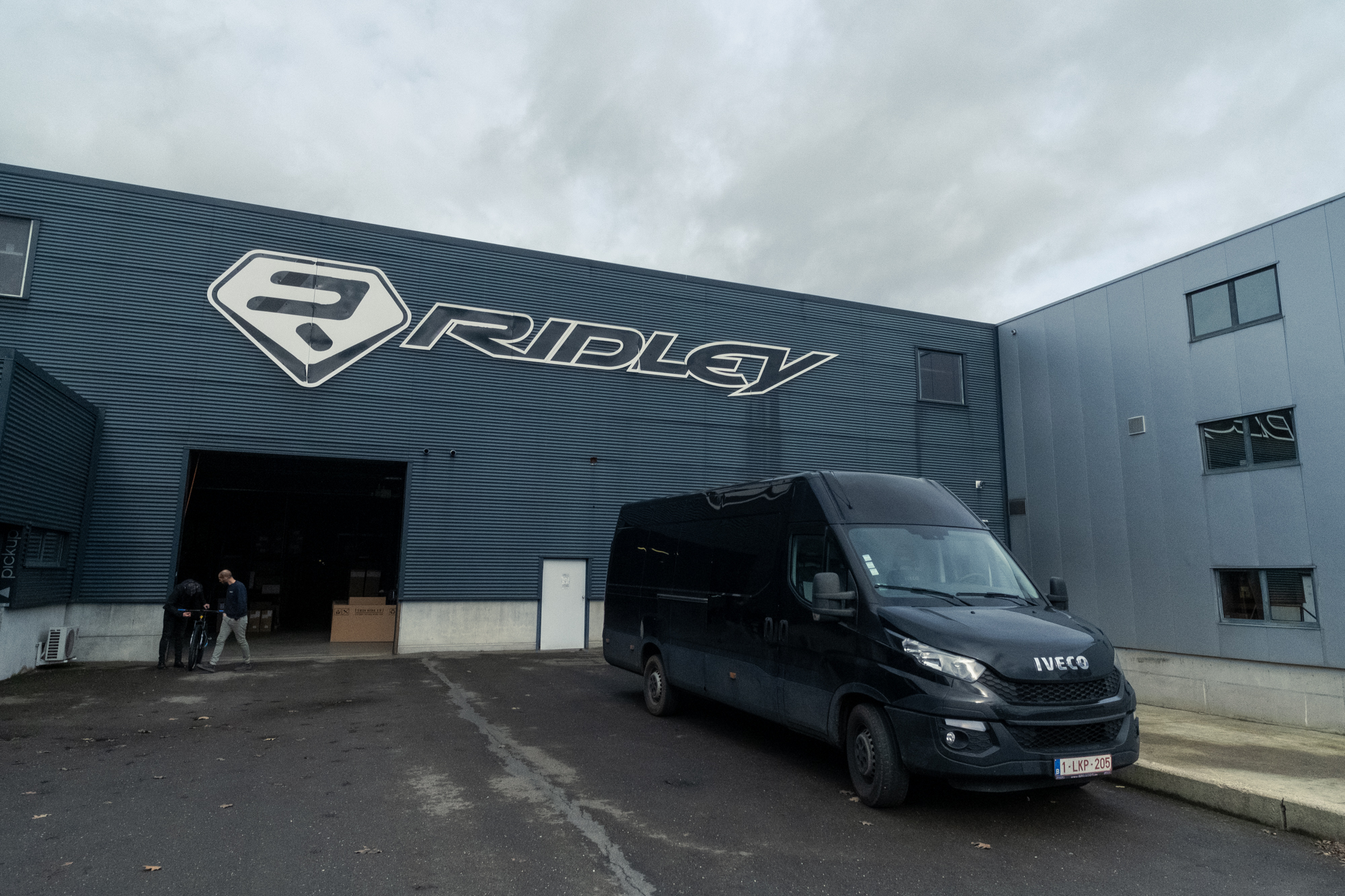
En 2013 el Bike Valley, un edificio primeramente concebido como un centro de innovación que incluye un túnel de viento y una cámara térmica, se construyó junto a la actual fábrica de Ridley. Funcionaron de forma independiente durante varios años, pero en 2020 Bike Valley se incorporó al negocio de Ridley, y desde entonces la combinación de los dos edificios se llama Belgium Cycling Factory. Eso también marcó el momento en que Jochim Aerts se convirtió en el único propietario de Ridley. Tras compartir previamente la propiedad con otros individuos y sociedades de inversión, volvieron a sus orígenes y espíritu de empresa familiar.
En la fábrica de Beringen, Bélgica, actualmente se ensamblan todas las bicicletas para los mercados de Europa. Para los mercados norteamericanos, las bicicletas se ensamblan localmente pero, por supuesto, siguiendo las mismas especificaciones que en la sede central. Lo único que pueden decidir con independencia de la sede central son los colores de los cuadros, para adaptarse a las tendencias locales.
Sin grandes interrupciones o circunstancias imprevistas, Belgium Cycling Factory llegará a vender 65.000 bicicletas este año, y teniendo en cuenta que a día de hoy solo hay un turno de personas trabajando en el proceso de producción, la capacidad máxima de la fábrica es de seis dígitos.
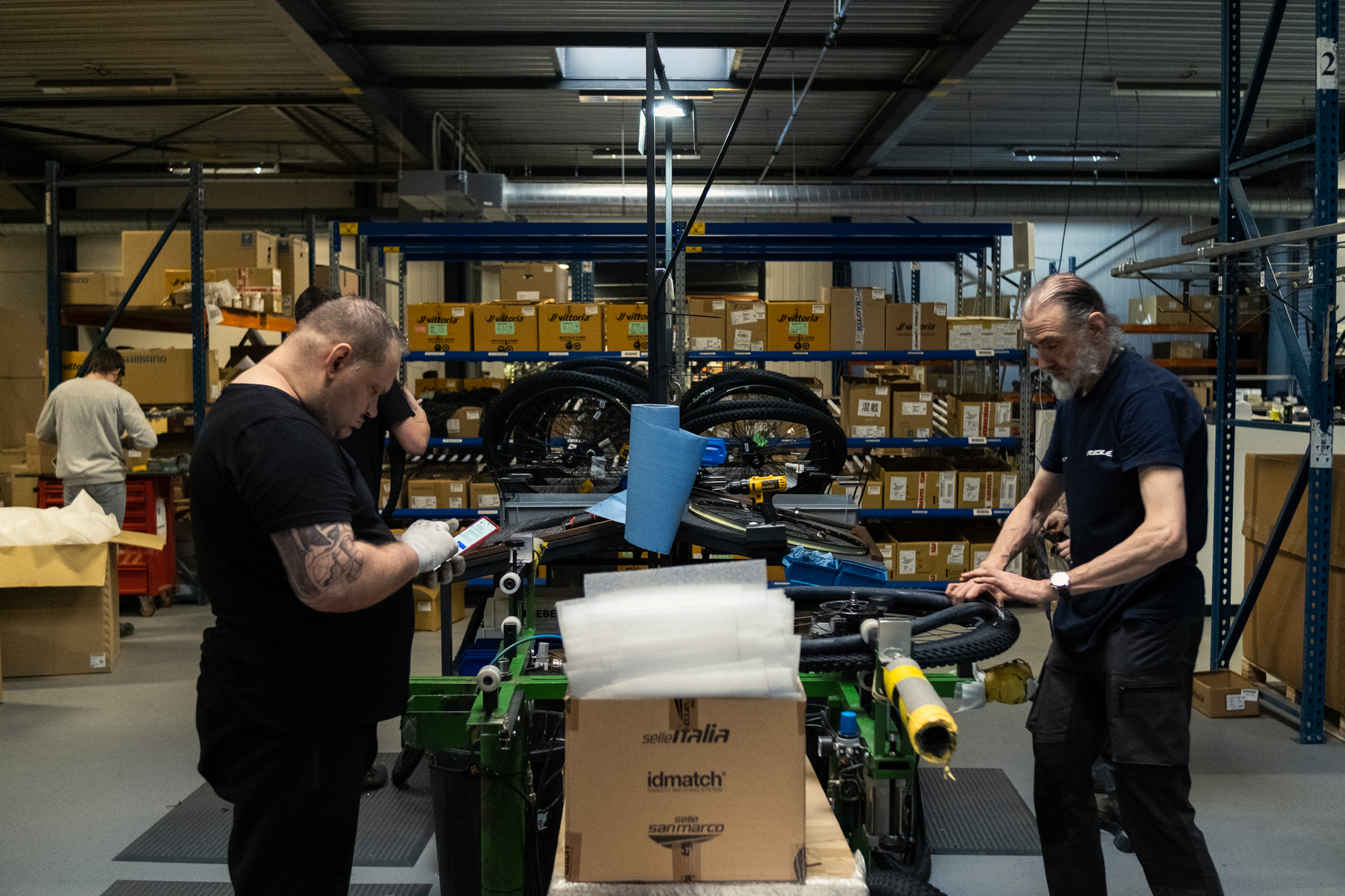
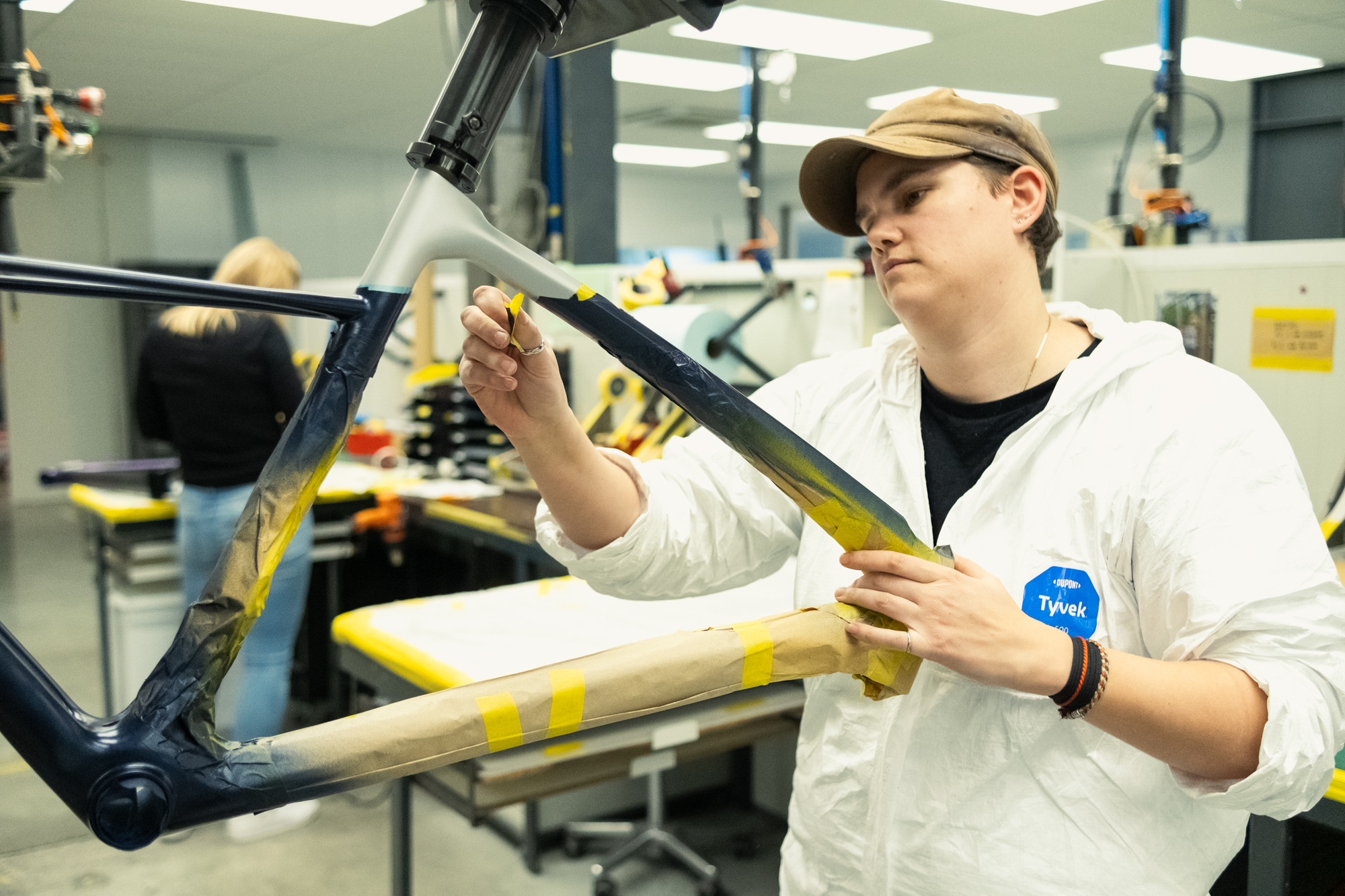
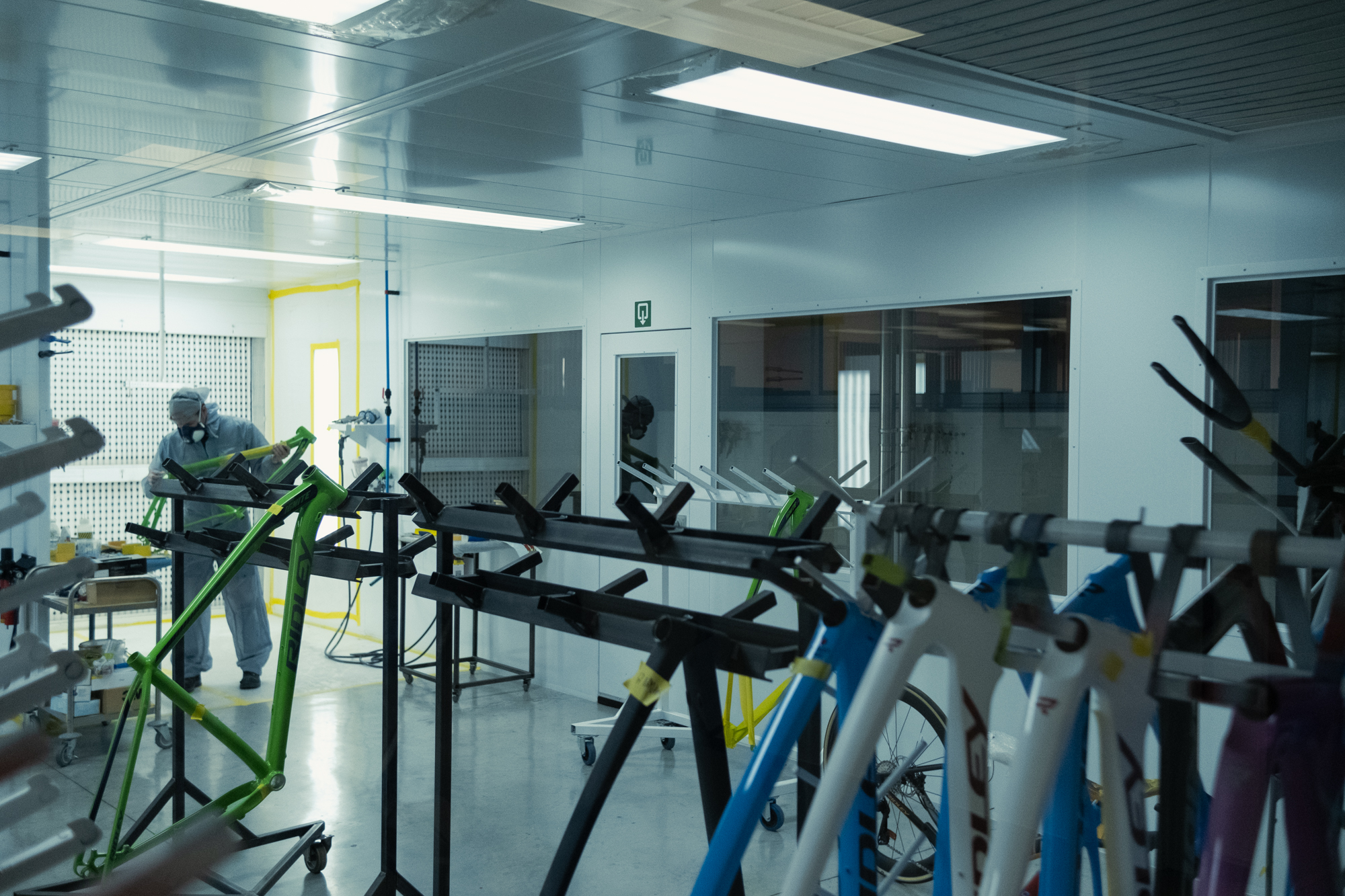
Se tomaron varias decisiones acertadas durante el reciente auge del ciclismo, como no tratar de satisfacer la excesiva demanda de bicicletas sabiendo que no podrían obtener todos los componentes necesarios para construirlas. Otras marcas invirtieron demasiado y luego un componente faltante puso en pausa toda su línea de producción.
Desde entonces están tratando de no depender en exceso de China y Taiwán. Aprendiendo de lo que sucedió durante la escasez de componentes, los cuadros de aluminio de los modelos existentes pronto se obtendrán de los Países Bajos, y todas las versiones diferentes de los dos nuevos modelos de Ridley que se presentarán el próximo año se producirán en Portugal.
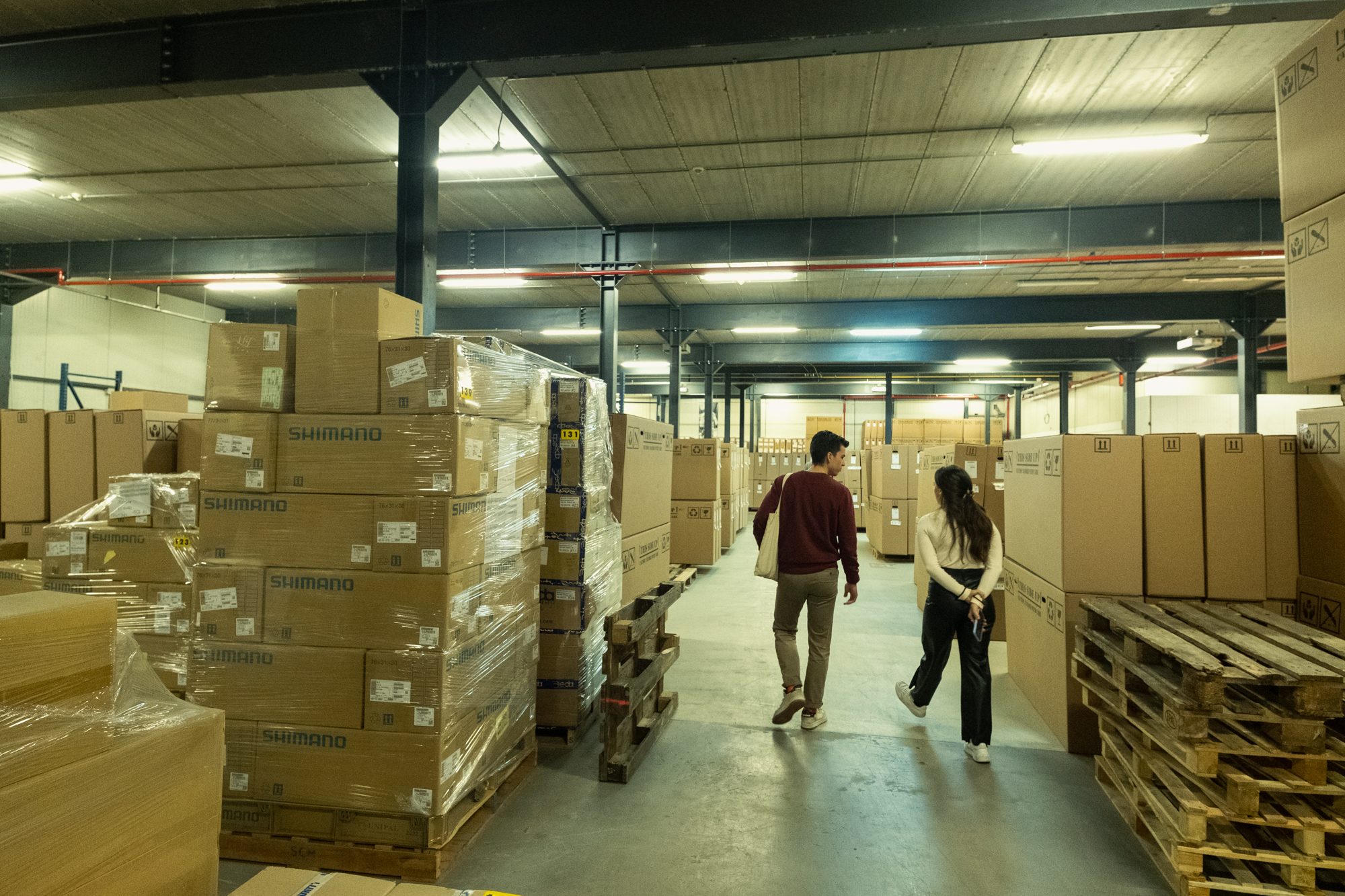
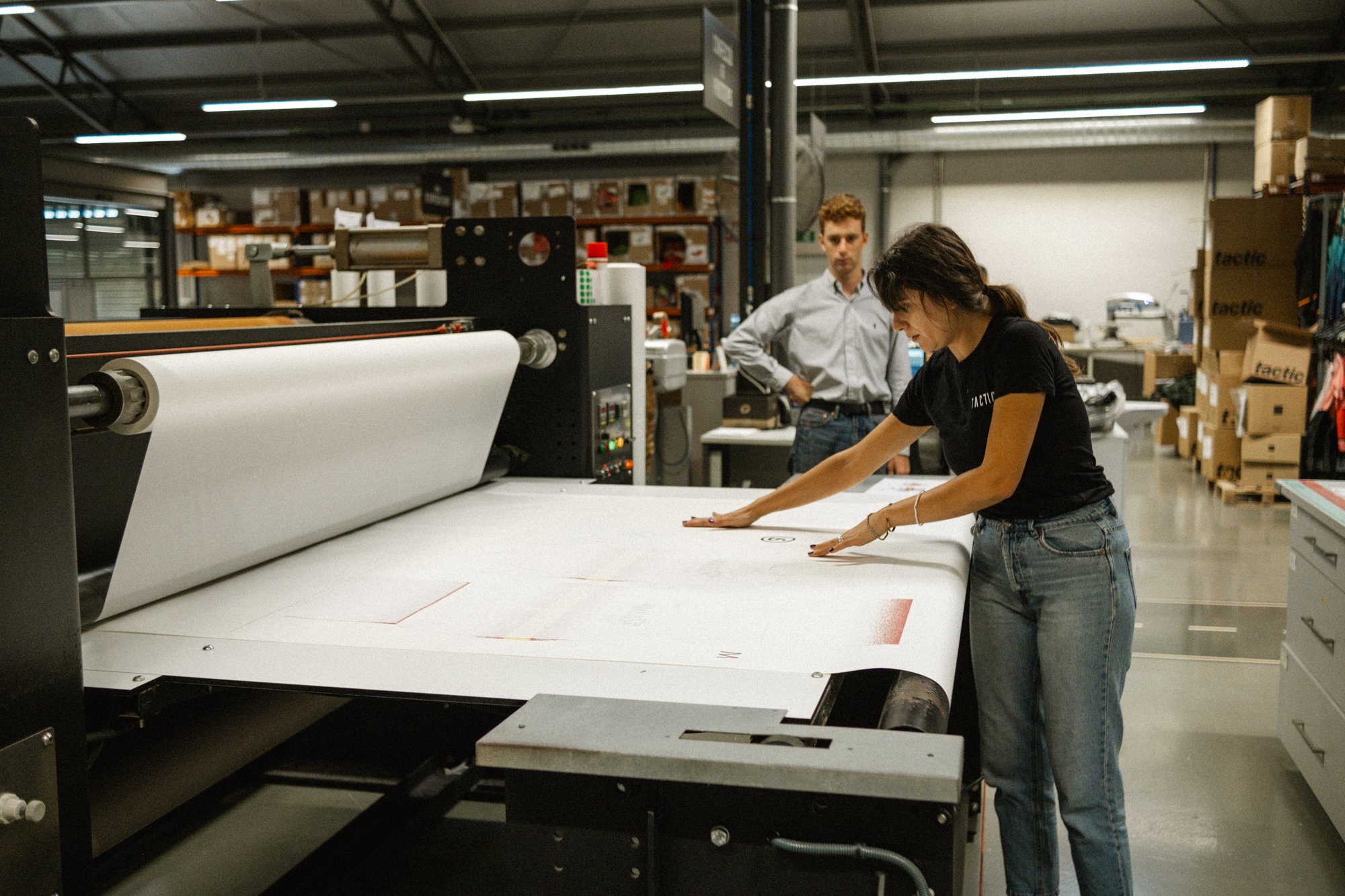
Tras pasar por el almacén, donde vimos bicis completas listas para ser enviadas a países tan dispares como Suecia, Polonia o Nueva Zelanda, nos explicaron todo el proceso de pintado. La mitad de los cuadros están pintados en Bélgica, mientras que la otra mitad en Moldavia.
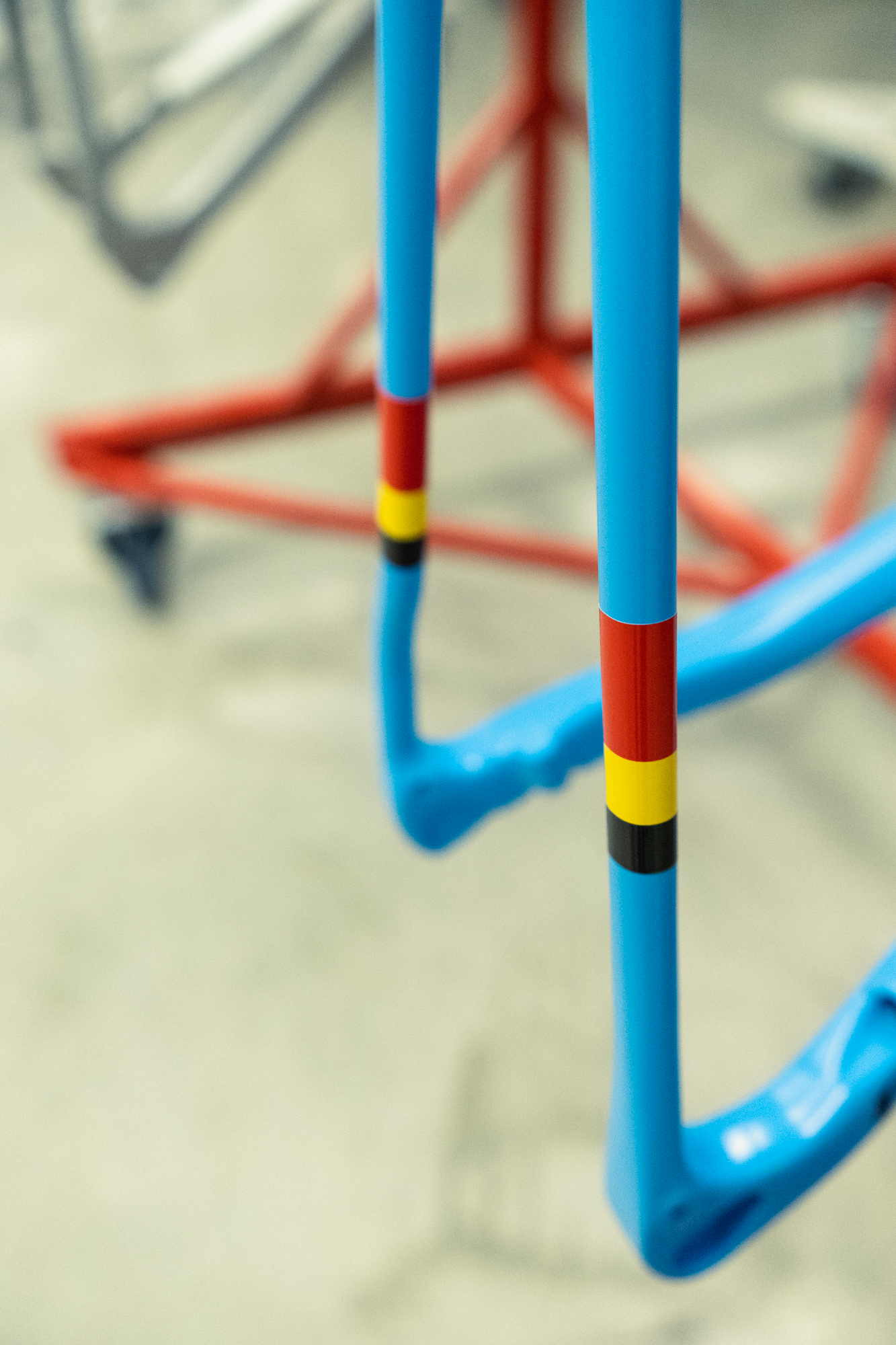
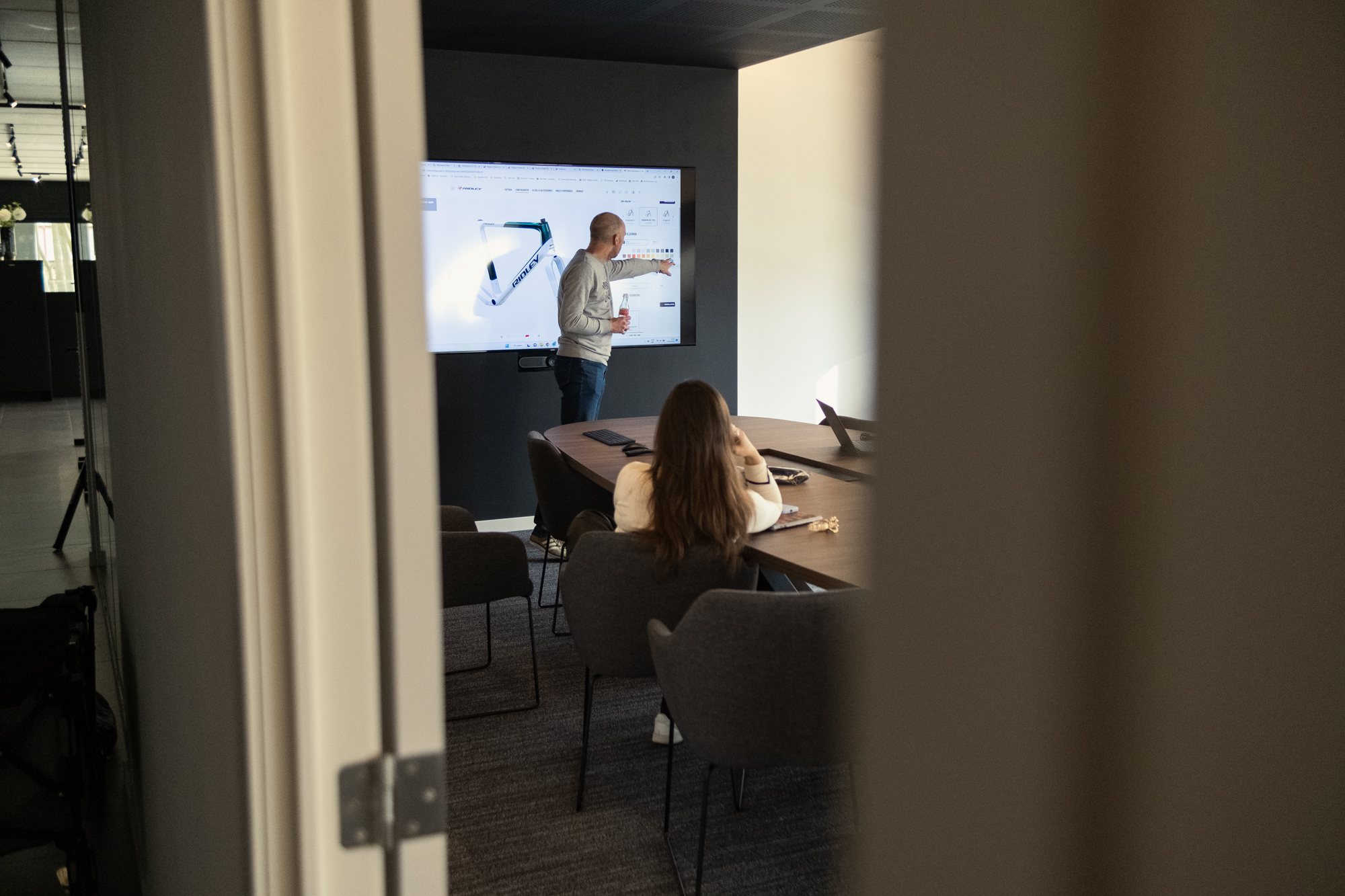
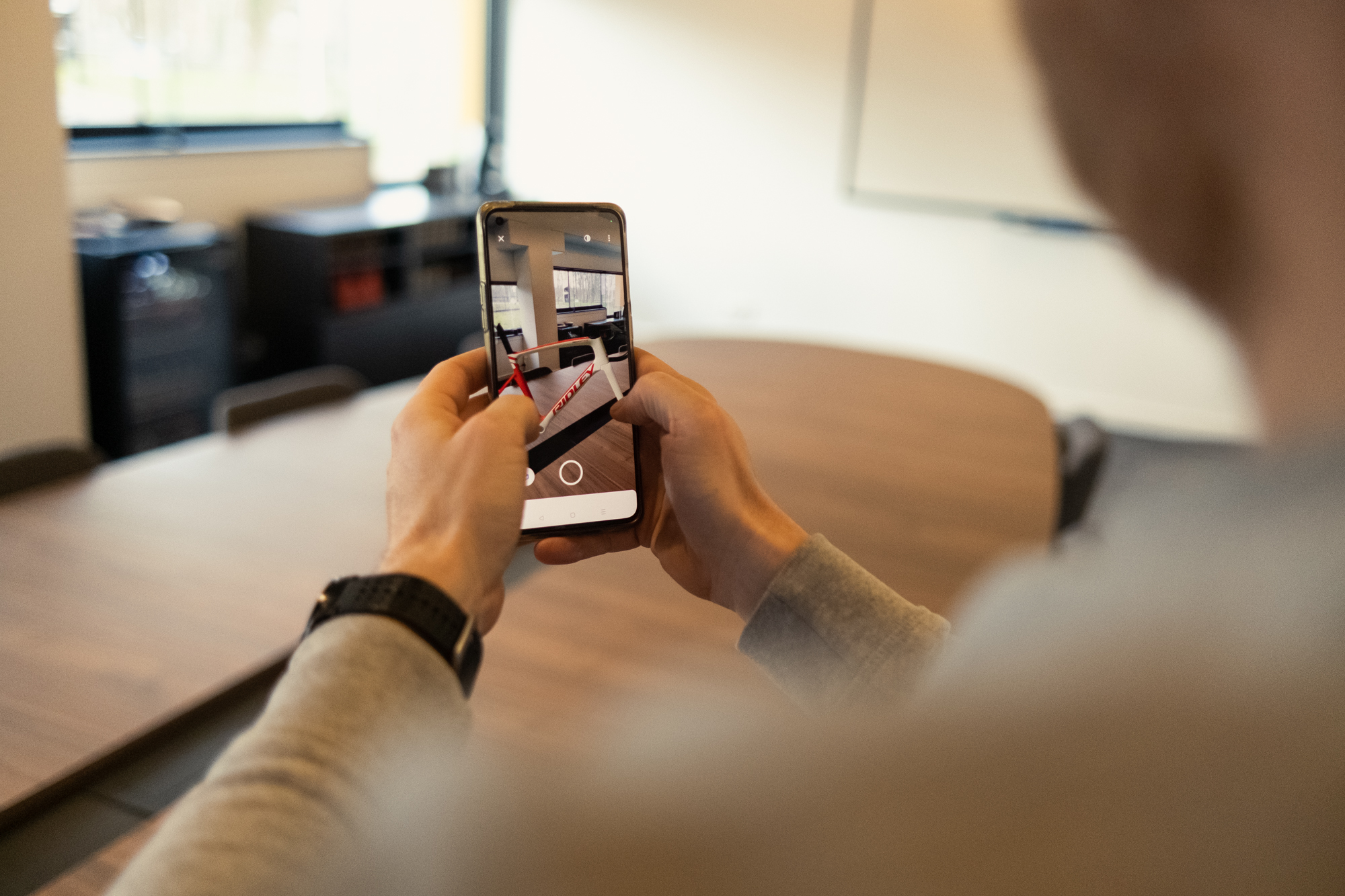
Existe una proporción similar entre las bicicletas personalizadas con pintura y las bicicletas que se venden con los diseños predeterminados. Muchos clientes se animan a seleccionar sus propios colores en el configurador dado el bajo coste adicional que conlleva personalizar una bicicleta Ridley en comparación con otras marcas.
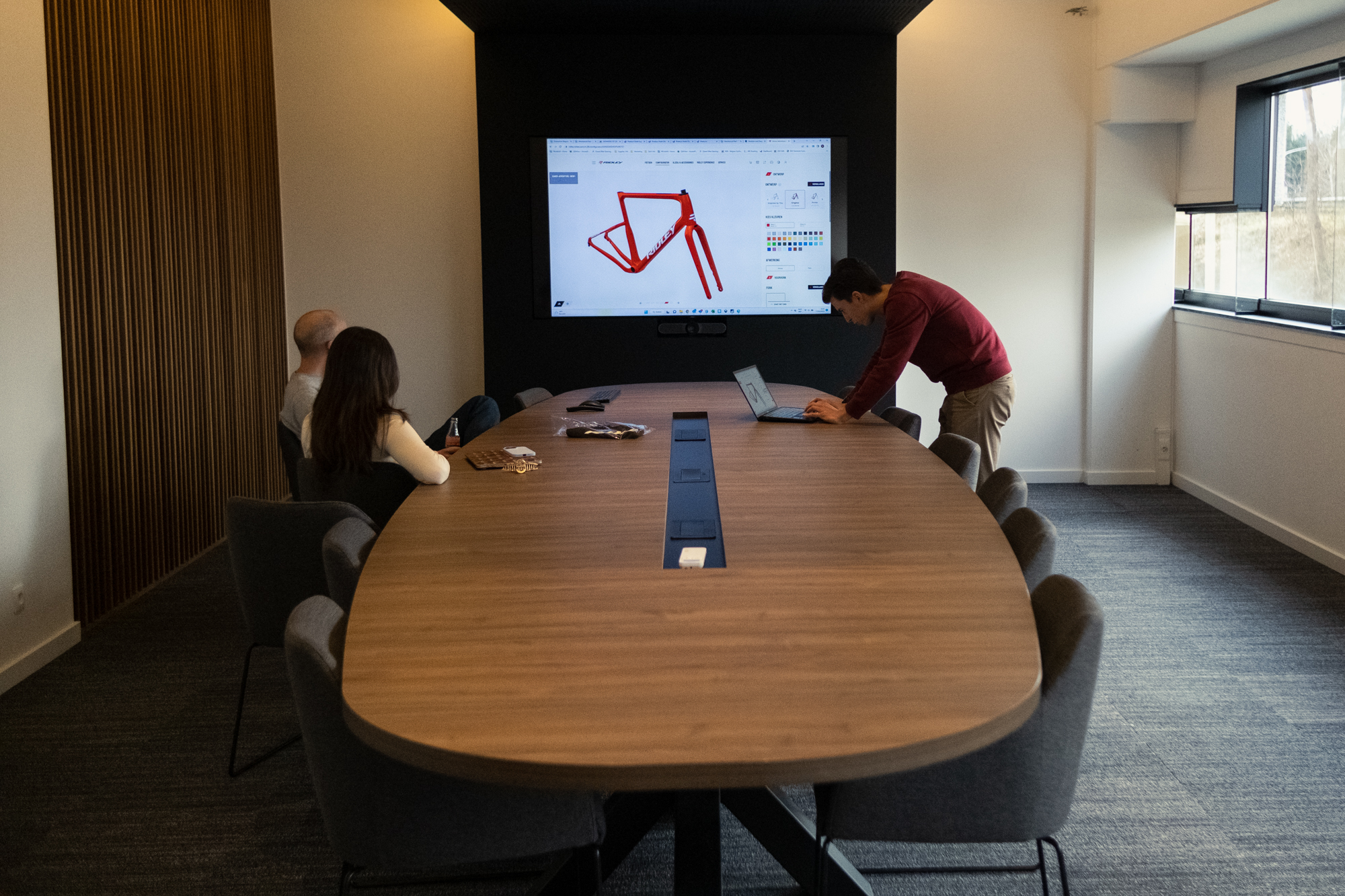
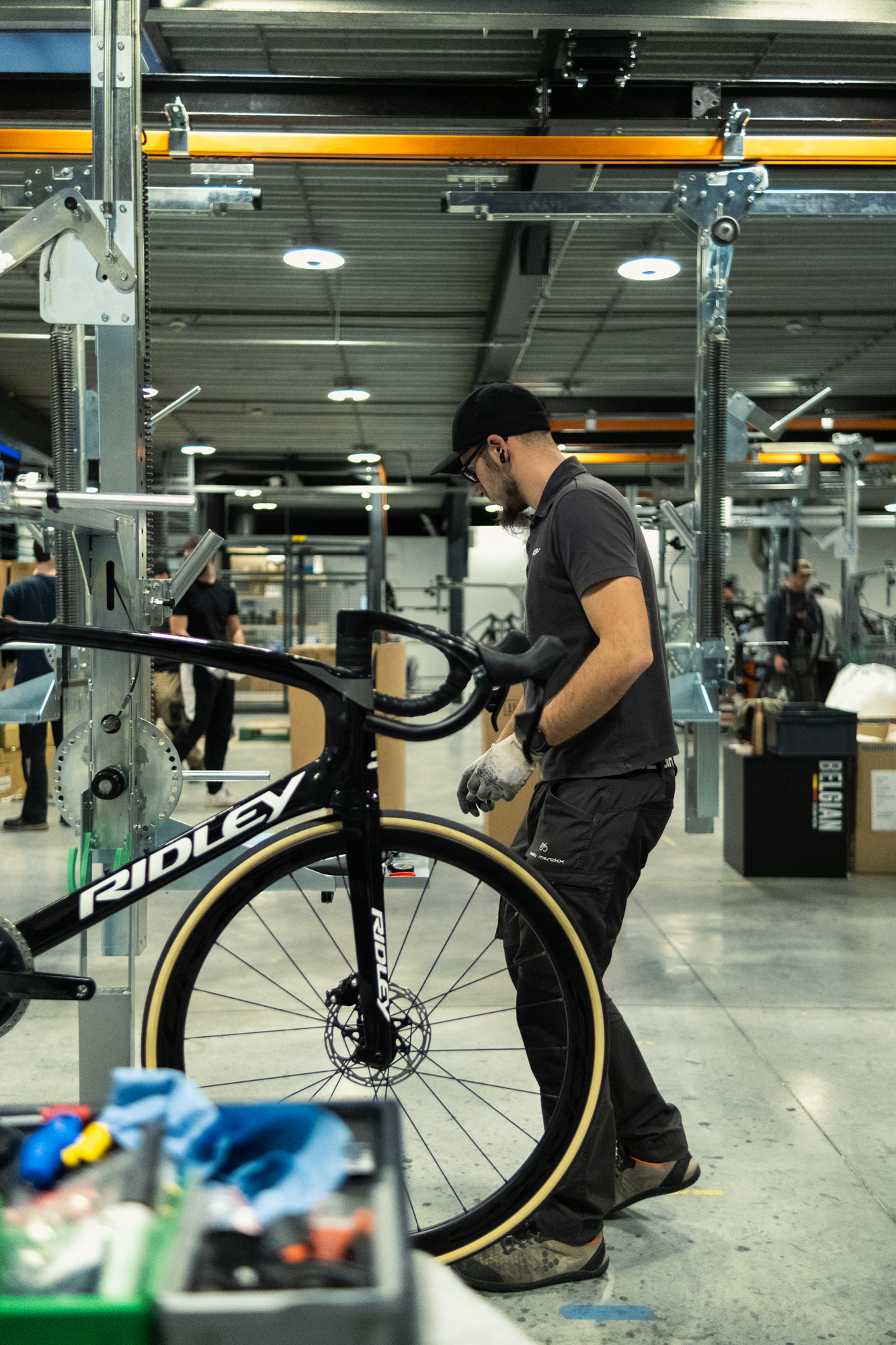
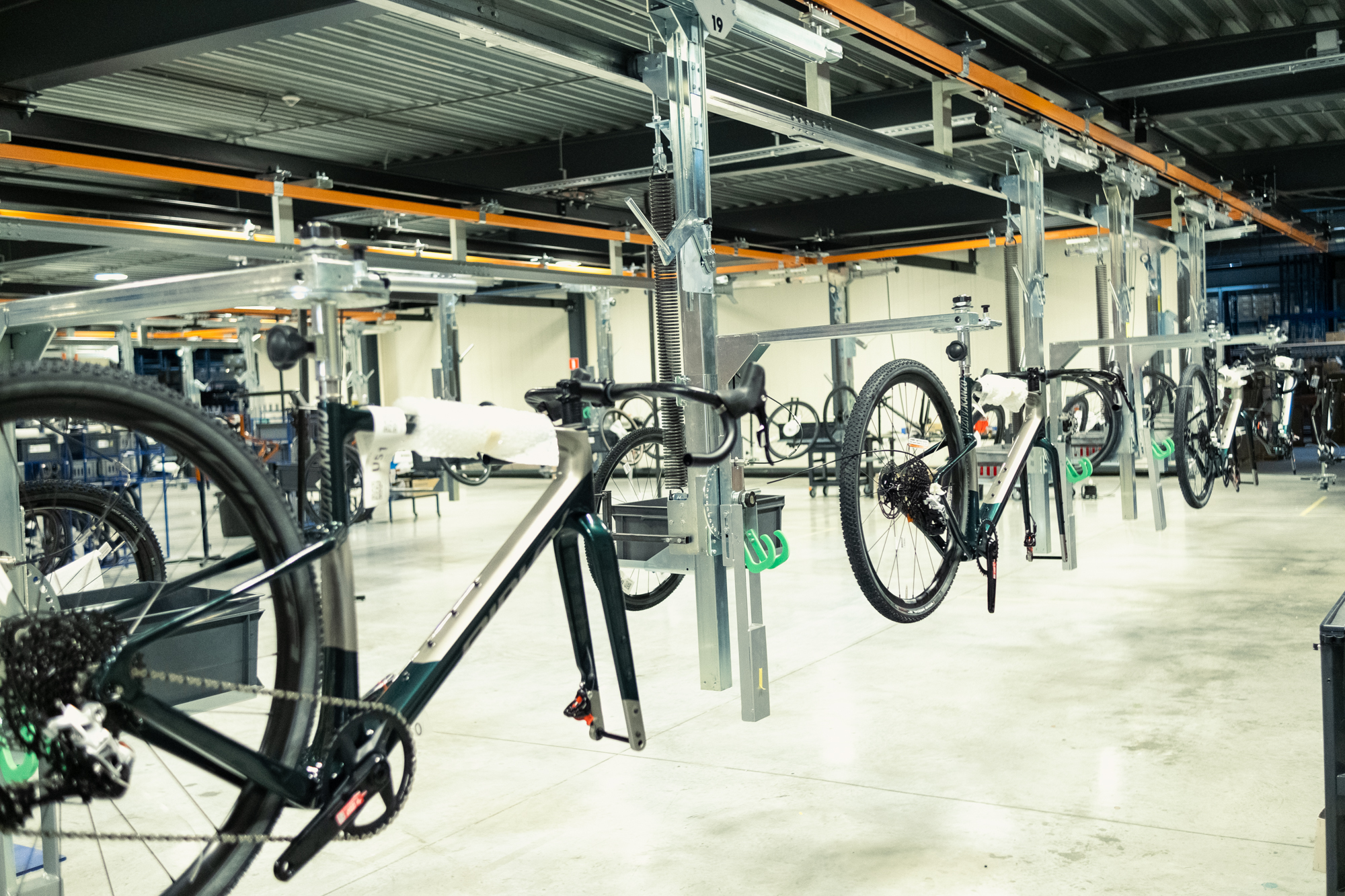
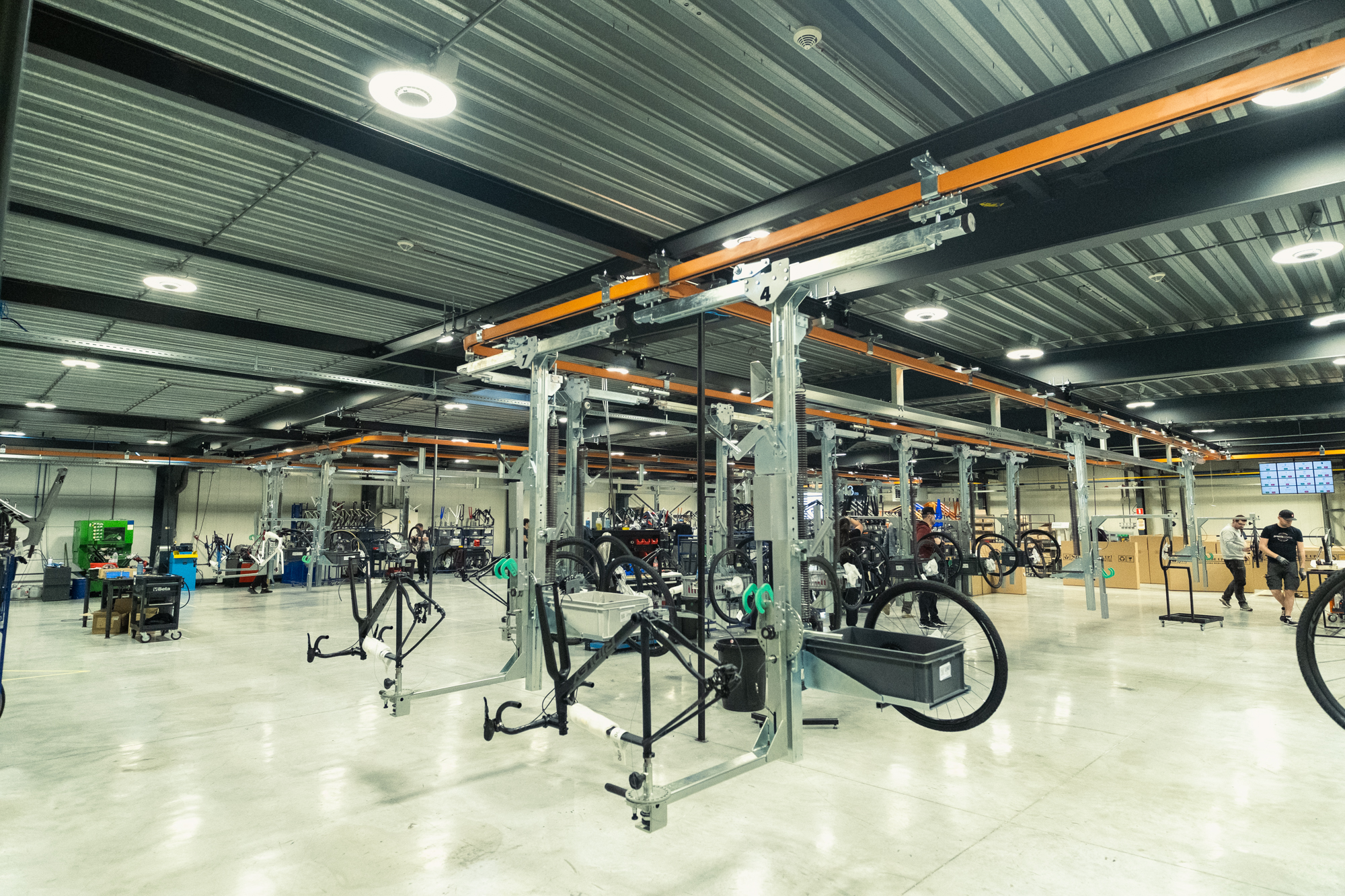
El montaje de bicicletas se divide en dos líneas paralelas. Antes un operario montaba una unidad completa, pero ahora existe una línea de montaje móvil en la que los operarios se especializan en una única tarea que ejecutan una y otra vez. Aun así, para alguien centrado en la parte del desviador, no es lo mismo construir una cambio electrónico que un grupo manual.
Recientemente, BCF realizó una gran inversión en la digitalización de los procesos comerciales. Pro ejemplo, el mismo código QR ubicado en el cuadro que el usuario final escanea para registrar la garantía de la bicicleta se utiliza en una etapa anterior en la fábrica de Ridley para saber qué piezas se le tienen que equipar en cualquier punto de la línea de montaje.
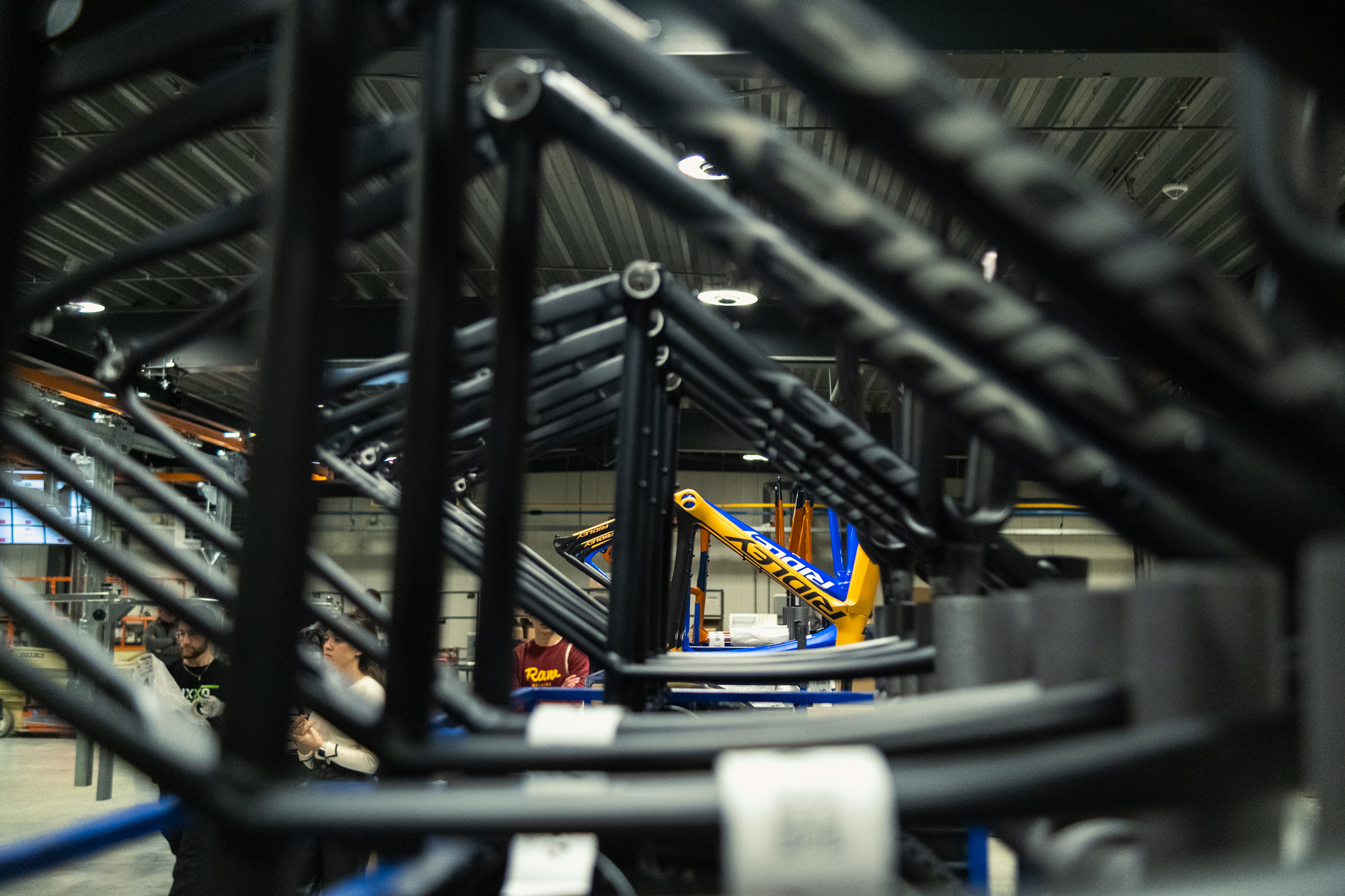
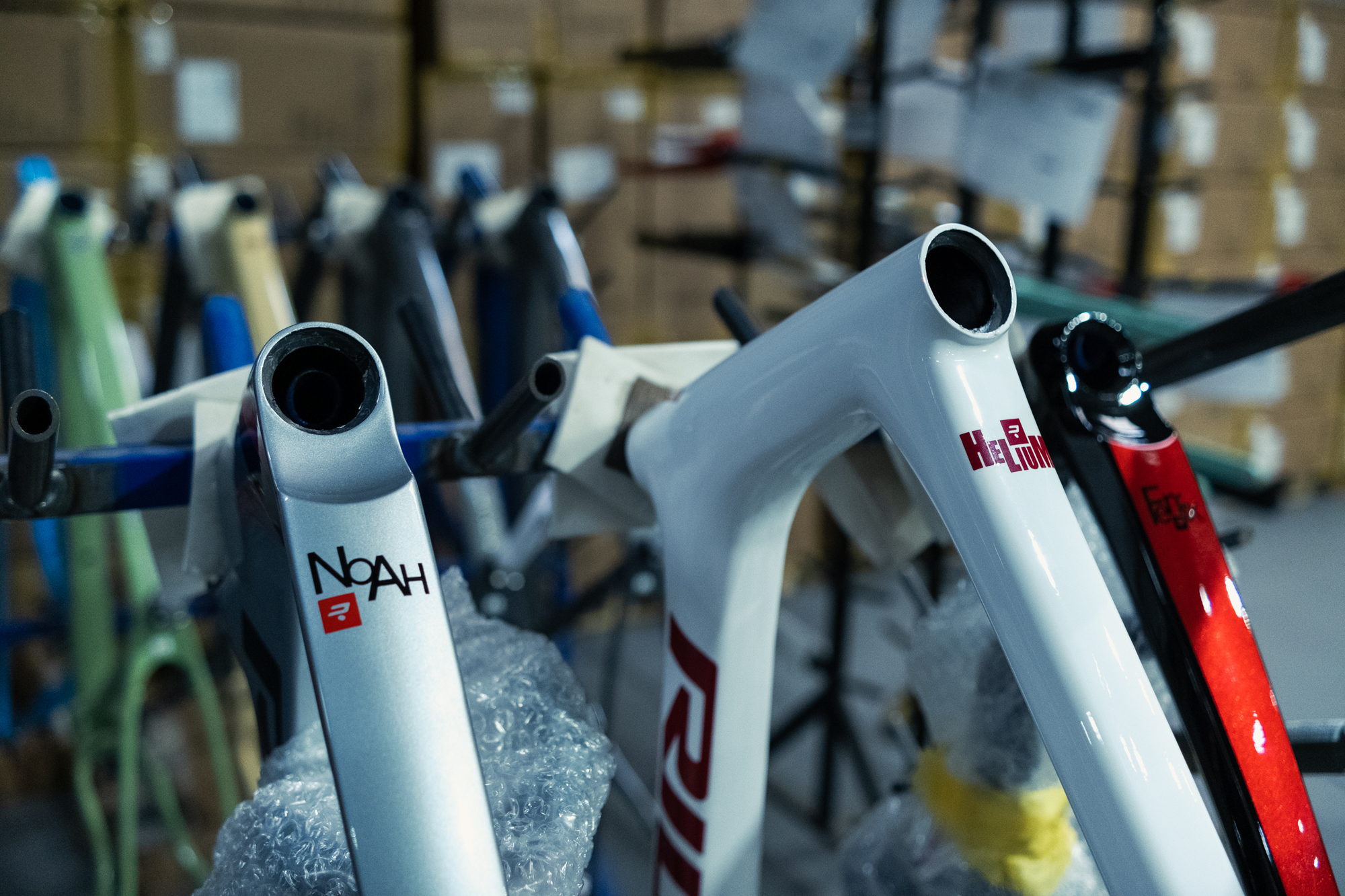
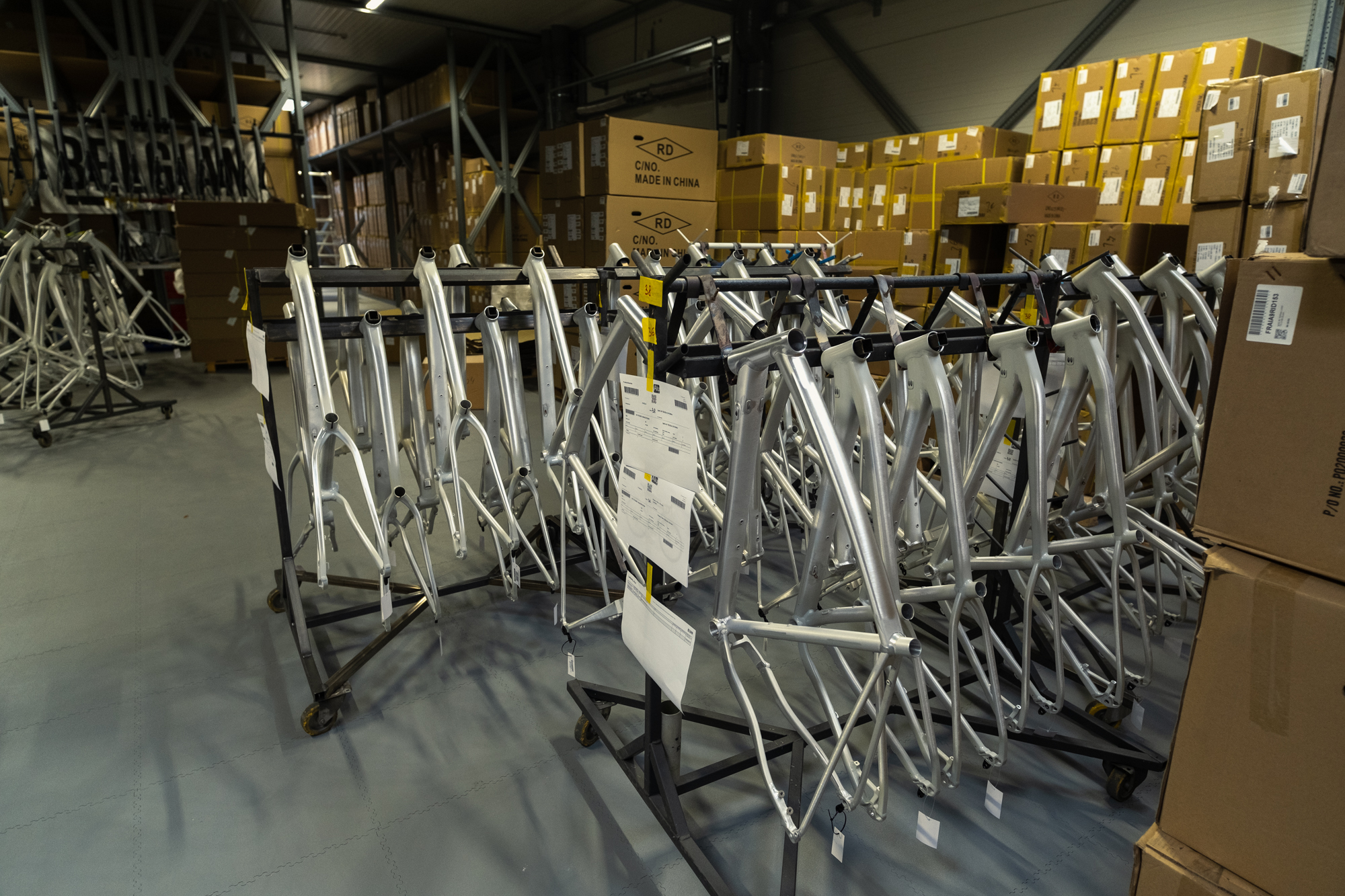
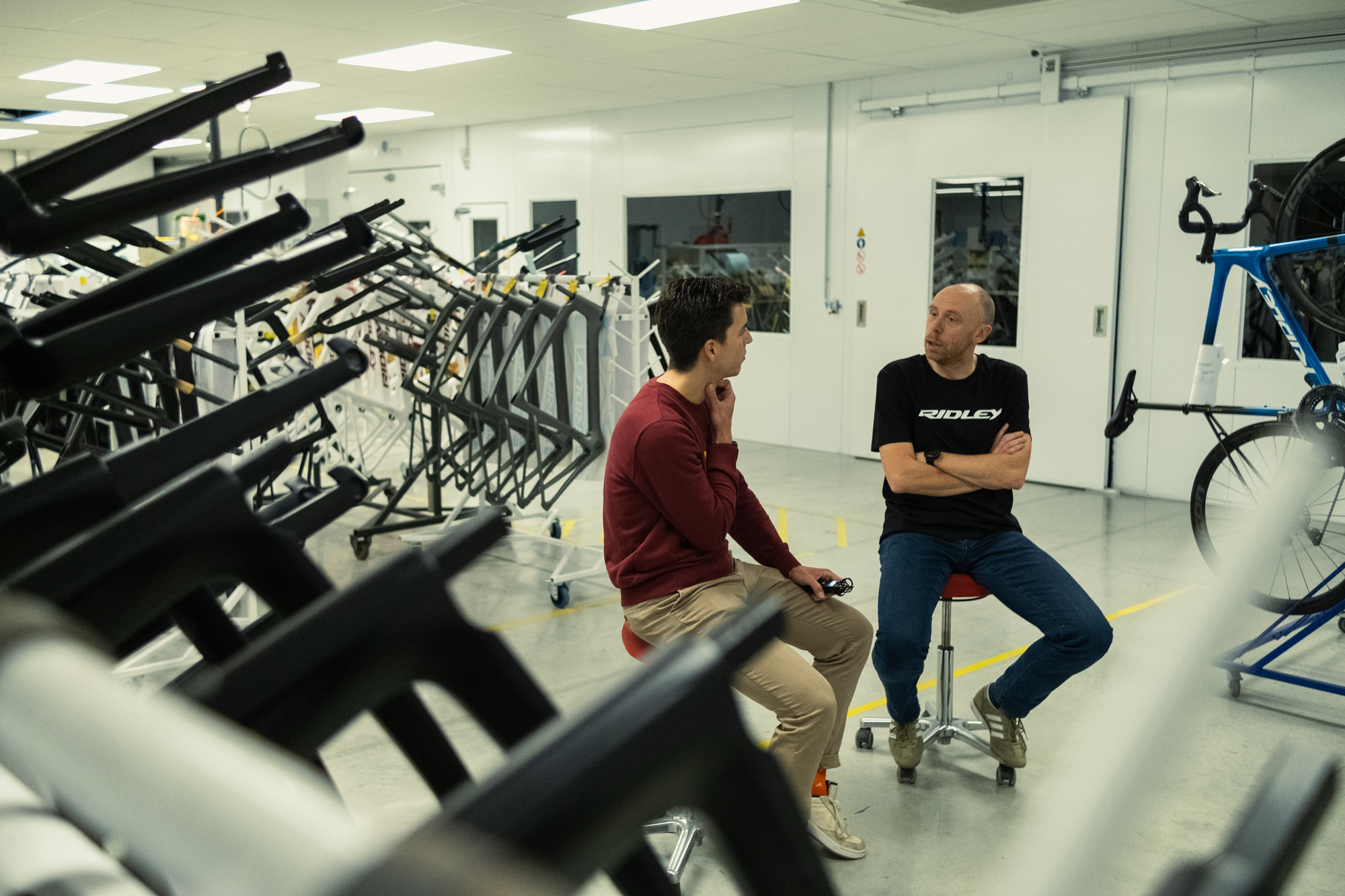
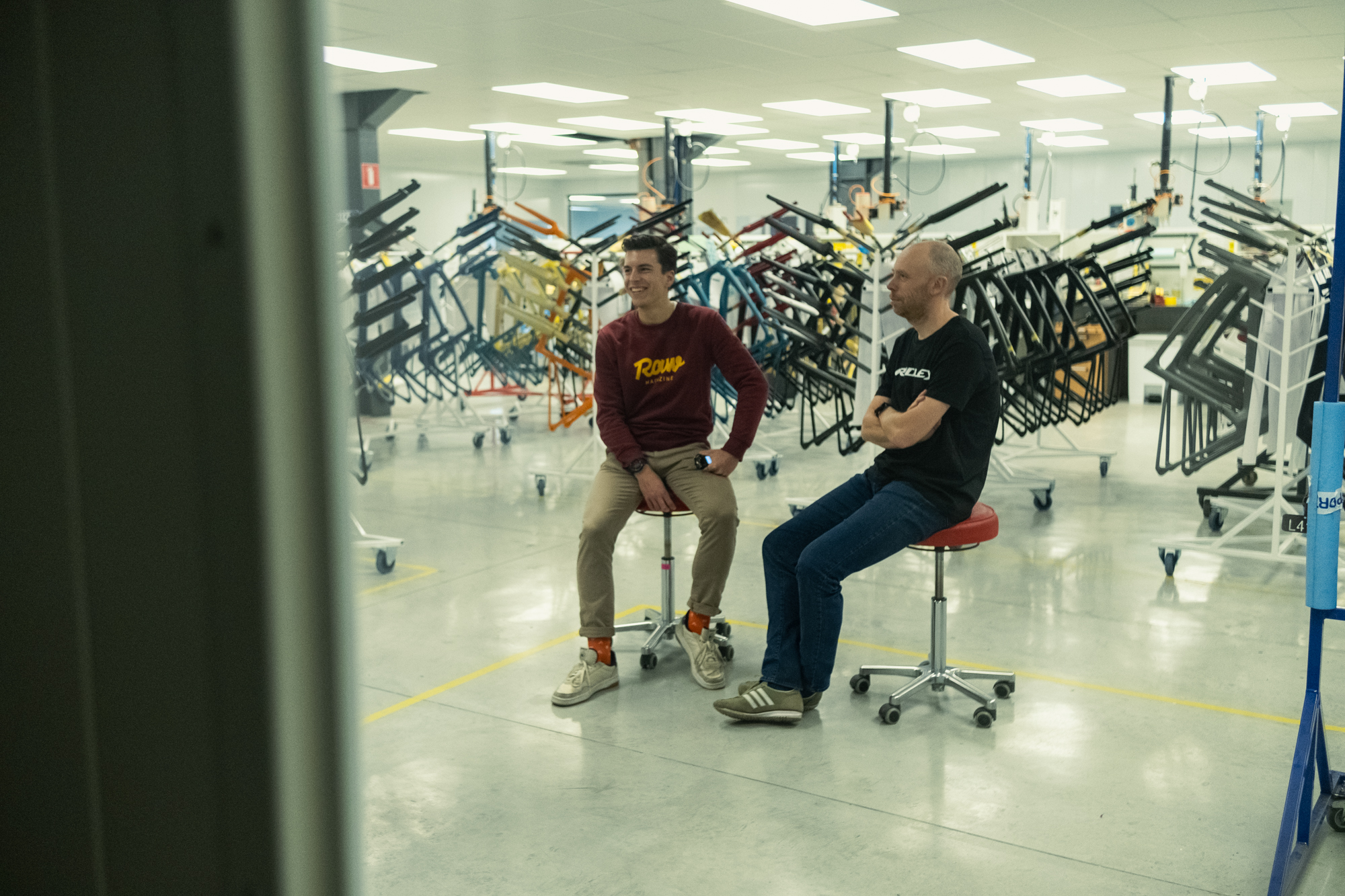
Rodeados de cuadros que pronto montarán muchas personas afortunadas, nos sentamos con el director de producto Bert Kenens para hablar sobre el pasado, el presente y el futuro de Ridley y Eddy Merckx.
Ridley presentó su primera bicicleta de gravel, la X-Trail, en 2015, por lo que se puede decir que por aquel entonces estaban por delante del resto. Cuatro años más tarde añadieron al catálogo su primera bicicleta de aventura gravel, y en 2020 lanzaban la Kanzo Fast, la primera auténtica bicicleta gravel aerodinámica del mercado. Mientras que otras marcas de bicicletas apenas tenían un modelo de gravel disponible, Ridley ya ofrecía todo tipo de modelos para esta disciplina.
“En ese momento, todo el mundo nos preguntaba por qué necesitábamos una bicicleta gravel aerodinámica, y hoy en día todas las grandes marcas están desarrollando o acaban de desarrollar una”
2022 fue para Ridley un año de renovación de su ya variada gama de gravel, con la nueva Kanzo Adventure lanzada a finales de marzo y la Grifn en diciembre. Esta última acaba de ser galardonada en los premios Design & Innovation, que pueden considerarse los Oscar de la industria ciclista.
Ridley quiere ofrecer una amplia gama de productos sin perder su ADN competitivo. Nacieron como una marca de rendimiento y la mayoría de la gente asocia la empresa con el ciclismo profesional, pero reconocen la importancia de tener bicicletas eléctricas y urbanas a disposición de sus clientes. Bert nos dijo que están trabajando en algunos modelos de bicicletas eléctricas en su vertiente deportiao, que no saldrán al mercado con la marca Ridley sino RES (Ridley E-Speed).
“El objetivo es tener una oferta similar a las grandes marcas estadounidenses como Specialized y Trek. Una cartera de productos que va desde bicicletas de montaña hasta bicicletas urbanas con carretera y gravel por medio”
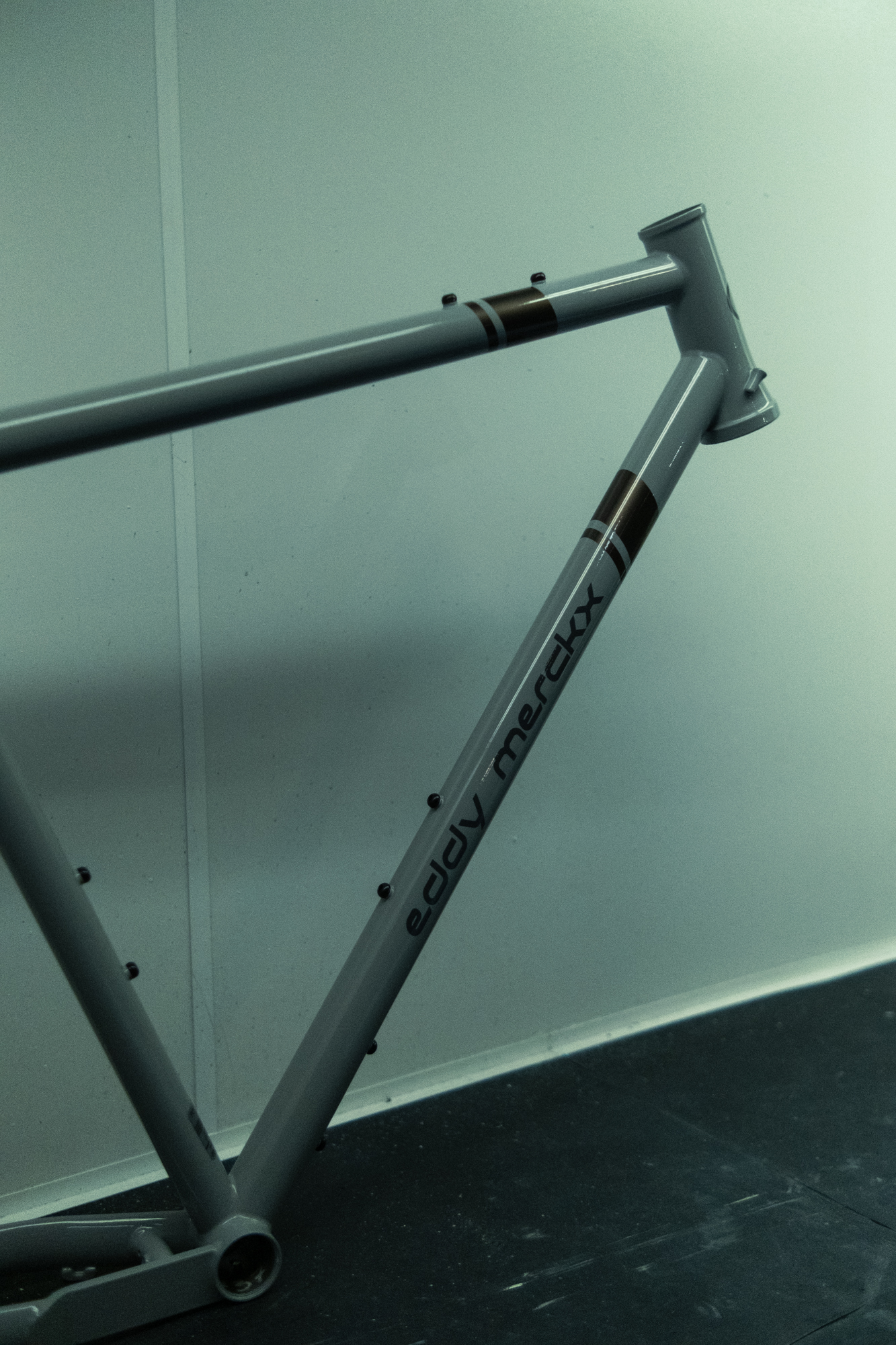
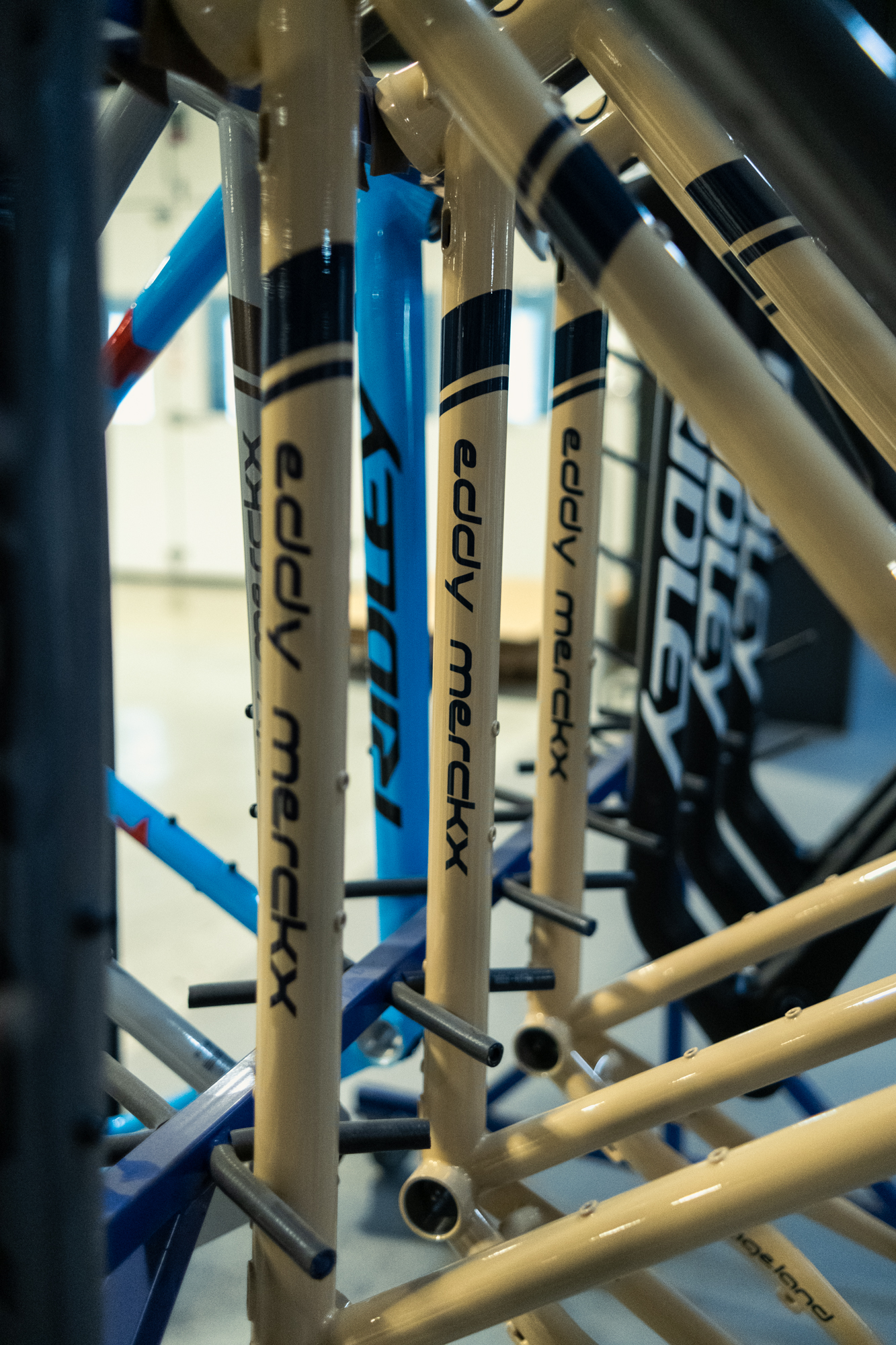
Con respecto a la marca de bicicletas Eddy Merckx, que también opera bajo el paraguas de Belgian Cycling Factory desde 2017, el posicionamiento aún no está claro hasta que se reanude el ritmo normal de producción de la marca, pero apuntará a un nicho de mercado más concreto sin superposición con Ridley. Acero y heritage contemporáneo son los dos conceptos que probablemente definirán el futuro de la marca.
No queríamos irnos sin echar un vistazo al túnel de viento, que había sido reservado todo el día por una marca externa. Ridley no es el usuario exclusivo del túnel de viento, por lo que todas las marcas e individuos pueden probar cualquier producto. Y no, no había cámaras ocultas que Ridley pudiera revisar para ver qué podría estar probando un posible competidor allí.
Pogacar y Evenopel han utilizado el túnel de forma individual, y muchos equipos vienen aquí a hacer sus pruebas. Se está construyendo un nuevo velódromo a quince minutos del Bike Valley, por lo que la combinación de pruebas en el túnel de viento más pruebas en el estante atraerá aún más marcas.
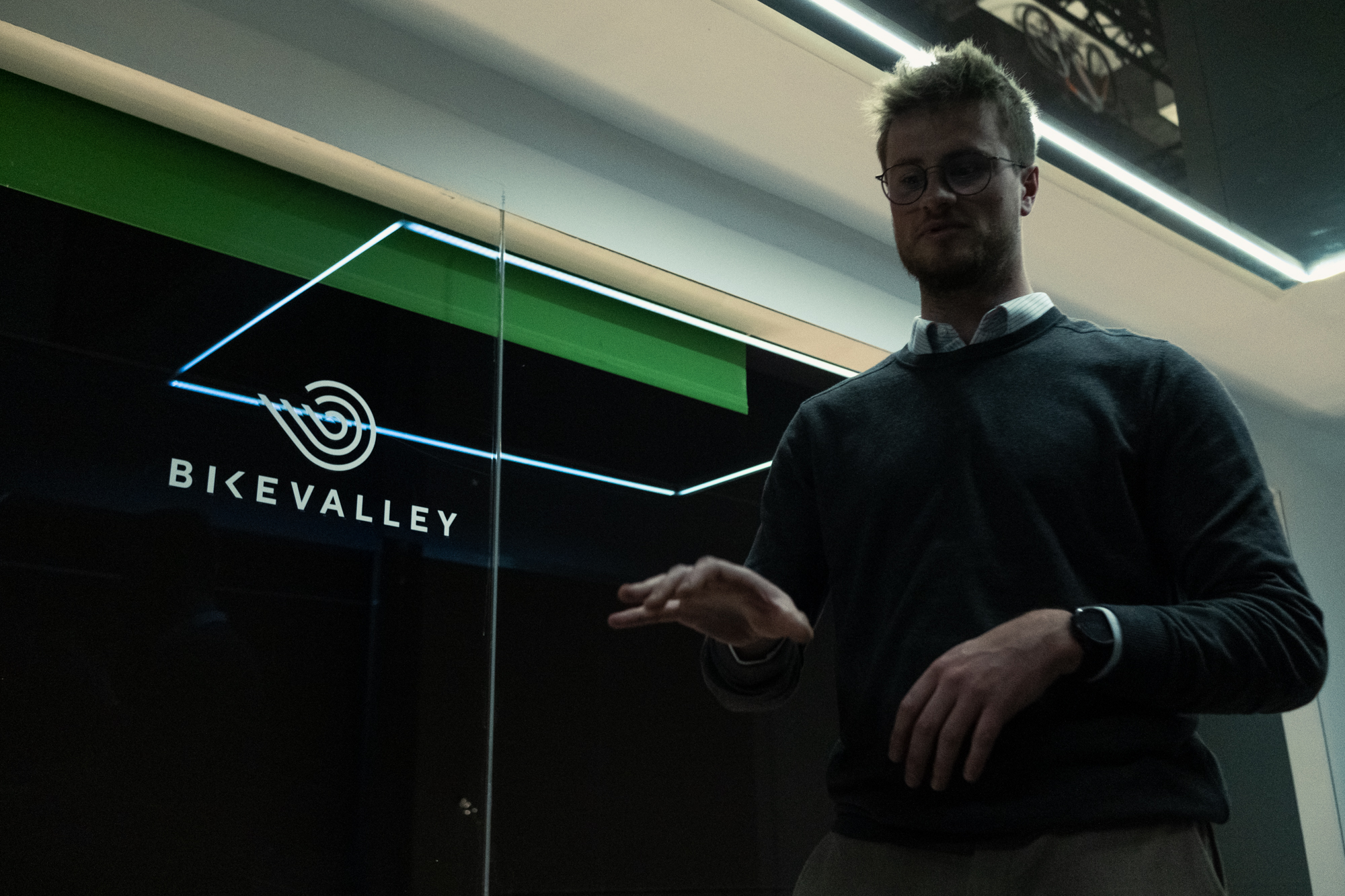
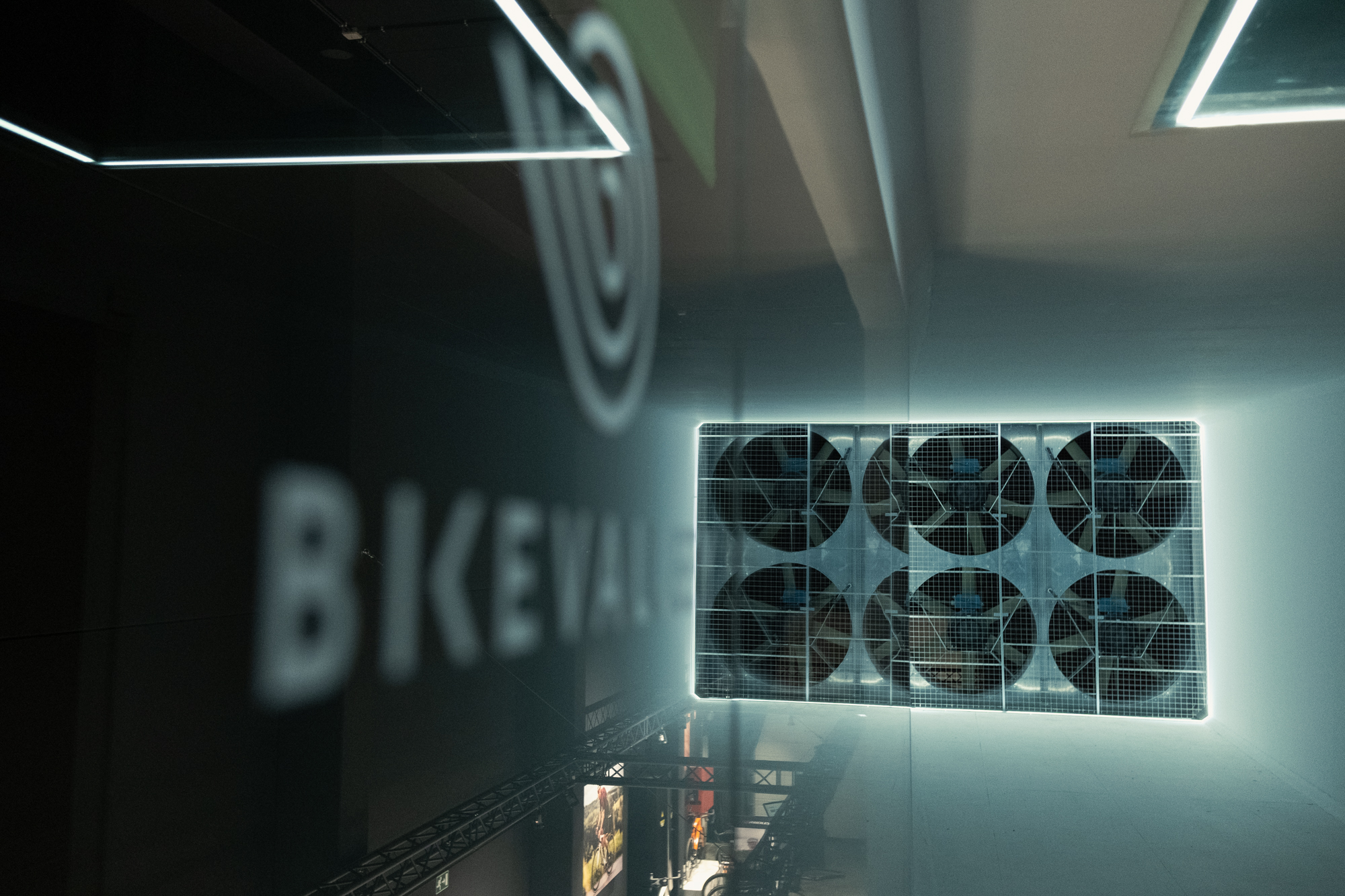
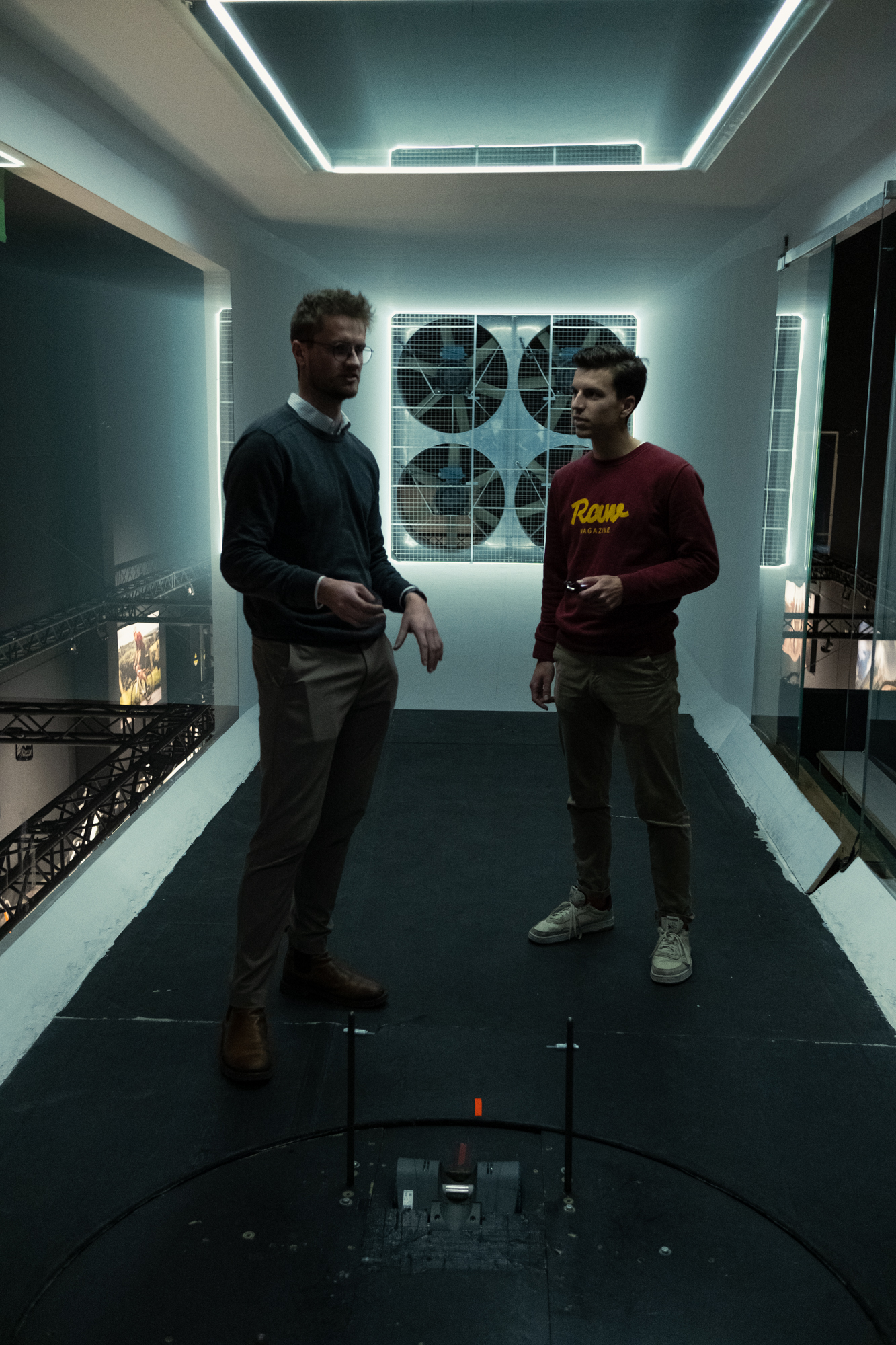
Allí encontramos a Daan Teugels, el joven ingeniero aeronáutico que normalmente trabaja en el diseño de nuevas bicicletas, pero a quien probablemente verás en el túnel de viento cada vez que haya solicitudes de pruebas internas. Fue un día largo para él, pero no el que más. “Dan Bigham estuvo aquí antes de su UCI Hour Record y ese par de días de más de 10 horas de trabajo fueron agotadores, pero también gratificantes”, dijo Daan justo antes de que nos despidiéramos.
Por un lado, con su presencia histórica en el ciclismo profesional de ruta y ciclocross, junto con su primera asociación con un equipo de MTB de primer nivel, Ridley se está asegurando de que las personas identifiquen la marca con el rendimiento y la competición. Por otro lado, su gama de bicicletas de aventura y las próximas bicicletas eléctricas les permitirán cubrir las preferencias de todo tipo de aficionados al ciclismo. El futuro pinta brillante para el ciclismo en general y Belgian Cycling Factory en particular.

Javi es nuestro corresponsal en Bélgica, y trata de contrarrestar su obsesiva pasión por el análisis de datos con la relajante acción (o eso es lo que dice) de crear contenido para la revista. Javi is based in Belgium and tries to compensate for his obsessive passion for data analytics with the relaxing action (that's what he says) of creating content for the magazine. View all posts by Javi Angulo
Being the largest bike producer in Belgium is not an easy task. It means staying true to your roots and at the same time adapting to compete with the international players fighting for the same piece of cake. It requires continuous innovation in a country characterized by its traditional view of cycling.
At Ridley Bikes they can proudly say they have led the Belgian bike frame industry for more than twenty years, and their recently launched models, together with what is to come, are clear evidence that Belgium can count on one of the main entities within the global cycling industry.
We had the chance to check their headquarters firsthand and we could see why they believe they can achieve their mission. The sense of pride of the CEO when showing their latest innovation in frame painting to us, the excitement of the young Aero Engineer when explaining how the upcoming upgrades of the wind tunnel will put it at the forefront of aero testing… Ridley is a family-owned business, and everyone treats the company like their own child.
In the last stage of his teenage years, Jochim Aerts realized that his dream of becoming pro was slowly fading away, but he still wanted to be involved with the top level of road cycling. He used to paint his own frames and those of the pros he was in touch with, including his brother. Then he did the same for Bioracer, which at that time was also present in the bike frame business.
He learned about design, geometries, and frame welding, and he stepped up and started taking care of the whole production process of a bike. Ridley was born in 1997, and at that moment he was still based in his father’s garage. In 2005, Ridley bikes were already present at the top level of road racing, with three stage wins at the Tour de France in the first year sponsoring Davitamon – Lotto, the current Lotto Dstny team.
If you wonder where the name of the company comes from, think about the director of films like Alien or Blade Runner, Ridley Scott. At that time the surname of the family’s idol was already taken by another cycling business, so they went for Ridley as the brand’s name.
Nowadays, Ridley is the biggest bike producer in Belgium. It is part of Belgian Cycling Factory, a conglomerate that also includes the bike brand Eddy Merckx and other cycling-related companies like Corsa, Forza and BCF Cycling Wear.
In 2013 the Bike Valley, a building first conceived as an innovation center that includes a wind tunnel and heat chamber, was built next to the current Ridley factory. They ran independently for several years but in 2020 the Bike Valley was incorporated into the Ridley business, and since then the combination of the two buildings is called Belgian Cycling Factory (BCF). That also marked the moment in which Jochim Aerts became the sole owner of Ridley. After previously sharing the ownership with other individuals and investment companies, the business went back to its original roots as a family-owned business.
In the factory in Beringen, Belgium, they currently assemble all the bikes for the West European markets. For North American markets, bikes are locally assembled but of course following the same specifications as in the headquarters. The only thing they can decide independently from the headquarters is the colors of the frames, in order to adapt to local trends.
Without major disruptions or unforeseen circumstances, Belgian Cycling Factory should sell 65.000 bikes this year, and taking into account that as of now there is only one shift of people working on the production process, the max capacity of the factory contains six digits.
Several wise decisions were taken during the recent cycling boom, like not trying to meet the excessive demand for bikes knowing that they would not be able to get all the necessary external components to build them. Other brands invested too much and then a missing component put their whole production line on hold.
Since then they are making sure that they do not rely on China and Taiwan in excess. Learning from what happened during the component shortage, aluminum frames of existing models will soon be sourced from The Netherlands, and all the different versions of the two new Ridley models coming up in the next year will be produced in Portugal.
After passing by the warehouse, where we saw complete bikes ready to be shipped to Sweden, Poland, or New Zealand, we were explained the whole painting process. Half of the frames are painted in Belgium while the other half is painted in Moldavia.
There is a similar split between paint-personalized bikes and bikes that are sold with the default designs. Many customers are encouraged to select their own colors in the remarkably good configurator given the low extra cost that personalizing Ridley bikes carries when compared to other brands.
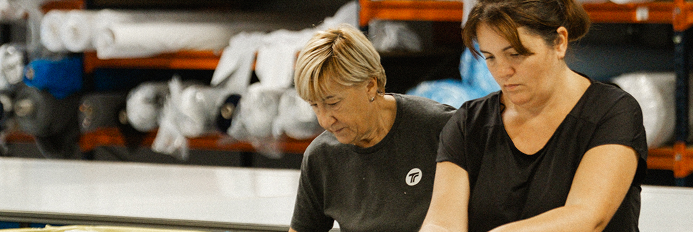
The assembly of bikes is divided into two parallel lines. In the past, one operator put together a complete unit, but now there is a moving assembly line in which operators are specialized in a single task that they execute over and over again. Even then, for someone focusing on the drivetrain part, it is not the same to assemble an electronic shifter than a manual shifting group.
Recently, BCF made a big investment in the digitalization of the business processes. For example, the same QR code located in the frame that the end user scans to register the bike warranty was used at an early stage in the Ridley factory to know which parts had to be equipped to it and at any point along the assembly line.
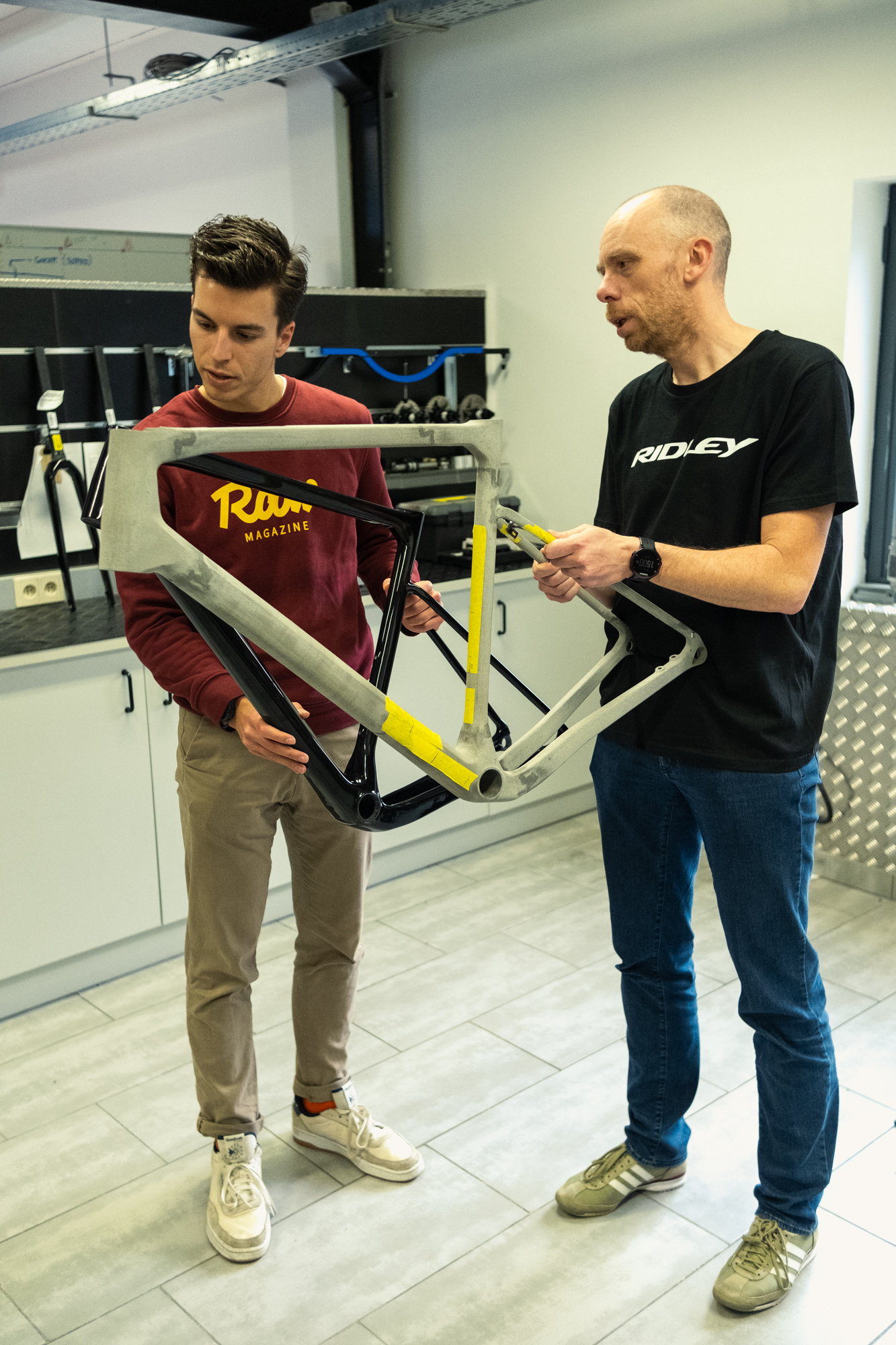
Surrounded by frames that some lucky people will soon be riding, we sat down with the Product Manager Bert Kenens to discuss the past, present and future of Ridley and Eddy Merckx.
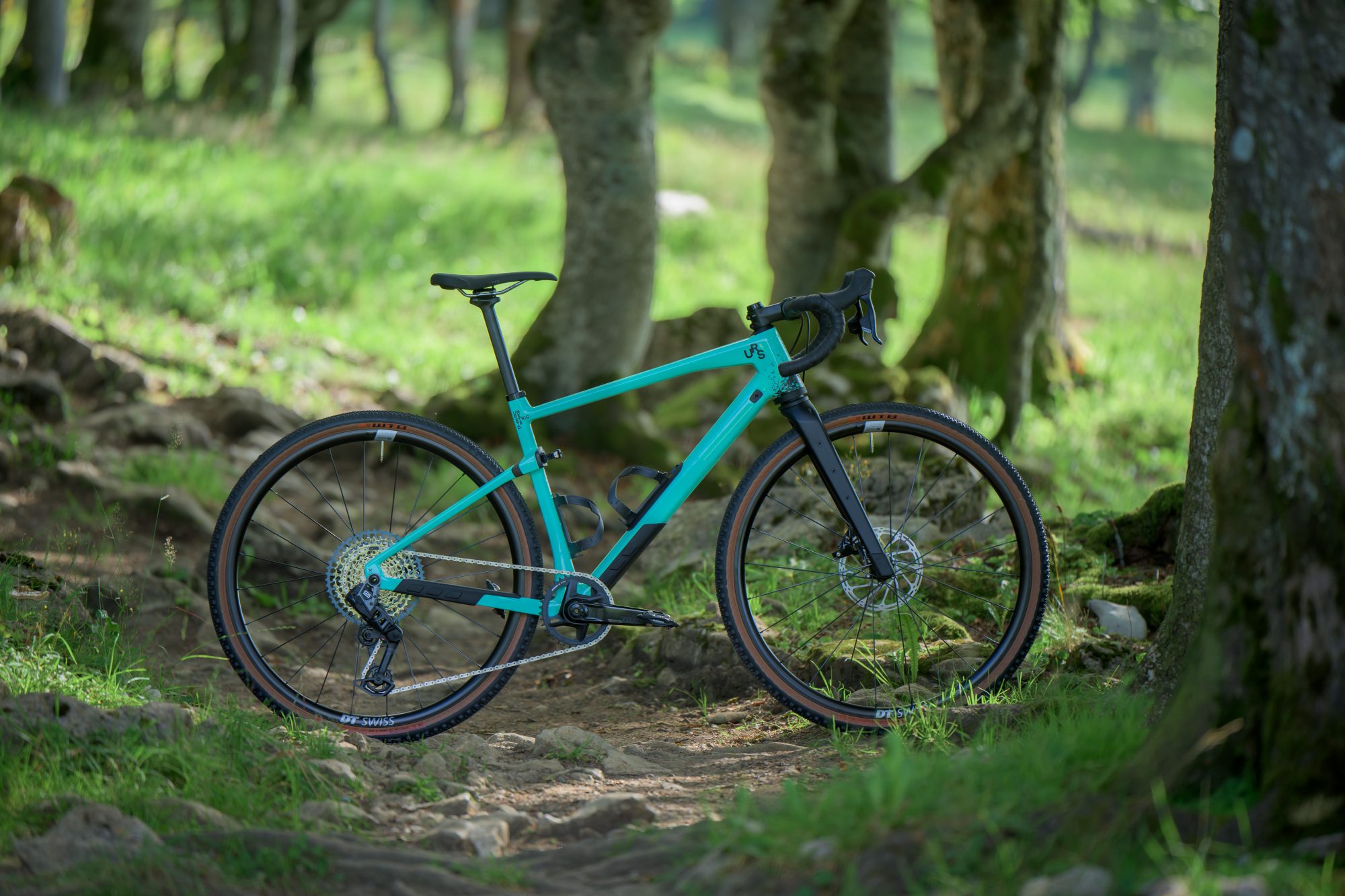
Ridley introduced its first gravel bike, the X-Trail, already in 2015, so one can say they were ahead of the rest. Four years later they added to the catalogue their first gravel adventure bike, and in 2020 they launched the Kanzo Fast, the first real aero bike in the market. While other bike brands barely had one gravel model available, Ridley already offered all types of off-road dropbars bikes.
“At that moment, everybody was asking us why we needed an aero gravel bike, and today all big brands are developing or have just developed one”
2022 was for Ridley a year of revamping their already varied gravel range, with the new Kanzo Adventure launched at the end of March and the Grifn in December. The latter has just been awarded the Design & Innovation award, which can be considered the Oscars of the cycling industry.
Ridley wants to offer a wide range of products without losing their competitive DNA. They were born as a performance brand and most people associate the company with professional cycling, but they acknowledge the importance of having electric bikes and city bikes at the disposal of their customers. Bert told us that they are working on some e-bike models on the sportive side, which will not be purely branded as Ridley but RES (Ridley E-Speed).
“The goal is to have a similar offering to big American brands like Specialized and Trek. A product portfolio ranging from mountain bikes to commuter bikes with road and gravel in between”
Regarding the bike brand Eddy Merckx, which operates under the Belgian Cycling Factory umbrella since 2017, the positioning is still unclear until the normal production pace of the brand is resumed, but it will aim for a more targeted niche market with no overlap with Ridley. Steel and modern heritage are the two concepts that will probably define the future of the brand.
We didn’t want to leave without checking the wind tunnel, which had been booked the whole day by an external brand. Ridley is not the exclusive user of the wind tunnel, so all brands and individuals are welcome to test any product. And no, there were no hidden cameras that Ridley could check to see what a possible competitor may be testing there.
Pogacar and Evenepoel have used the tunnel as individuals, and many teams go there to do their tests. There is a new velodrome being built fifteen minutes from the Bike Valley so the combination of wind tunnel testing plus tests on the rack will soon attract even more brands.
There we found Daan Teugels, the young aero engineer who is normally working on the design of new bikes, but who you will probably see on the wind tunnel whenever there are some requests for internal testing. It was a long day for him, but not his longest one. “Dan Bigham was here before his UCI Hour Record and those +10 hour days were exhausting, but also rewarding”, said Daan just before we waved goodbye.
On the one hand, with their historical presence in professional road cycling and cyclocross, together with their first partnership with a top-level MTB team, Ridley is making sure that people identify the brand with performance and competition. On the other hand, their range of adventure bikes and the upcoming electric bikes will allow them to cover the preferences of all types of cycling enthusiasts. The future looks bright for cycling in general, and Belgian Cycling Factory in particular.
Javi es nuestro corresponsal en Bélgica, y trata de contrarrestar su obsesiva pasión por el análisis de datos con la relajante acción (o eso es lo que dice) de crear contenido para la revista. Javi is based in Belgium and tries to compensate for his obsessive passion for data analytics with the relaxing action (that's what he says) of creating content for the magazine. View all posts by Javi Angulo
 Javi Angulo
 Javi Angulo
 Javi Angulo
 Javi Angulo
 Javi Angulo
 Javi Angulo
 Javi Angulo
 Pavel Novotný
 Pavel Novotný
 Javi Angulo
 Javi Angulo
 Juliana Reis
Receive our monthly selection of the best articles, news, exclusive content and giveaways only for subscribers, subscribe to OUR NEWSLETTER
Receive our monthly selection of the best articles, news, exclusive content and giveaways only for subscribers, subscribe to OUR NEWSLETTER
Receive our monthly selection of the best articles, news, exclusive content and giveaways only for subscribers, subscribe to OUR NEWSLETTER
Receive our monthly selection of the best articles, news, exclusive content and giveaways only for subscribers, subscribe to OUR NEWSLETTER