- News
- Reviews
- Travel & Adventure
- Interviews
- Inside Industry Players
- Community
Bikes
Reviews
Components
Reviews
Cycling
Apparel


[raw_mobile_menu]
[wpml_language_switcher_down]


Grimpette es un proyecto fotográfico creado por dos ciclistas y fotógrafos franceses: Magali Paulin y François Deladerrière. Al principio, Grimpette fue creado para compartir sus experiencias encima de la bicicleta, las espectaculares carreteras, y los paisajes que se encontraban en el camino. Como fotógrafos, se dieron cuenta de lo importante que era documentar sus viajes, y de manera natural se pusieron a tomar fotografías durante su primer viaje en bicicleta juntos.
La idea de Grimpette nació en una carretera que subía por una colina escocesa cerca de Applecross. Creo que ambos queríamos compartir nuestras experiencias y la sensación de libertad en la carretera: todo el tiempo que pasamos atravesando tierras, observando la luz cambiante, parando siempre que queríamos, y sintiéndonos afortunados de estar ahí pedaleando. Un sentimiento de libertad total.


François es un fotógrafo de paisajes que a menudo trabaja en las montañas, especialmente en la zona de los Alpes y Pirineos. Ya lleva años vinculado al ciclismo y es, sin duda, la maquinaria detrás de los proyectos y retos ciclistas de Grimpette.
Magali es la rookie. Ella también es fotógrafa y solo hace cuatro años que empezó en el ciclismo. Además de sus proyectos personales, también trabaja como freelancer en la industria del deporte, centrándose en eventos de running y ciclismo, y además trabaja para revistas de la prensa.

La esencia de Grimpette es compartir las aventuras diarias o las rutas más largas de Magali y François, una excusa para descubrir nuevos sitios, nuevas cosas, y una oportunidad para conocer gente y hacer nuevos amigos con pasiones comunes.
En Grimpette compartimos imágenes de nuestros viajes en bicicleta pero también documentamos la comunidad ciclista (historias, eventos y ciclismo en general). Es un lugar donde nos sentimos libres de compartir todo lo que queremos, des de trabajos por encargo hasta aventuras personales. No hay reglas, solamente el buen gusto por la fotografía, historias interesantes, y rutas memorables.
‘La grande traversée des Alpes’ es un proyecto fotográfico que están llevando a cabo, aproximadamente 2.000 km a través de Francia, Italia, Suiza, y Eslovenia, cruzando la cordillera de los Alpes en bicicletas de gravel. Magali y François diseñaron la ruta inspirados en la Via Alpina y los libros de Rough Stuff Cycling. La ruta tiene muchos puntos de interés histórico como carreteras militares, búnquers, antiguas fronteras, o ruinas de la Primera Guerra Mundial. Este es un proyecto a largo término que no aspira a ser rápido, pero que quiere dedicar tiempo a la bicicleta, aventura y fotografía. Magali y François esperan acabar la ruta entera en dos años en los que harán trayectos de 10-15 días.


Empezaron el verano pasado en un tramo desde Ventimiglia hasta Modane: 600 km con +16.000 m de ascenso positivo divididos en 9 etapas de 70-80 km. Todo fue aventura y bikepacking, dormir en cualquier sitio que te permita descansar bien y tomarte una ducha, no importa si es en un cámping, haciendo vivac, en la cabaña de un amigo, o en un hotel.


Viajaron a través de la famosa Via del Sale que pasa por varios puertos y pasos de gran altitud como el Colle della Lombarda, el paso Bonette, el Col de Vars, el valle Durance, el paso Montgenèvre y Sestrières, la Strada dell’Assietta, el Colle delle Finestre, y el Colle del’ Moncenisio. Un patio de recreo espectacular.
Hay algo especial cuando recorres la cresta de una montaña. Un especie de reajuste. Algunas personas tienen un sentimiento de realización cuando realizan una ascensión dura de ese tipo. Para nosotros, es un ejercicio de modestia. Te sientes pequeño enfrente de la inmensidad de las montañas. Como si formaras parte de algo más grande que tu mismo. La naturaleza puede ser muy impresionante en altitud.
Recorrimos varios pasos icónicos: Lombarda, Bonette, Montgenèvre, Assietta, Finestre. Todos estos puertos tienen sus propias historias. El búnquer estupefacto en la cresta del Lombarda, la carretera de grava hacia el Bonette con la historia del águila y el zorro peleando por comerse una marmota, el paso secreto de gravel en el bosque de Montgenèvre con la ‘saucisson brioché’ más grande que he comido jamás, la cabaña de ensueño de nuestra amiga Clarisse en Piedmont, nuestro mejor dia sobre la bici (en la vida) en la Strada dell’Assietta, y el fuego durante nuestro último vivac en Moncenisio. Debo admitir que los mejores momentos están, muchas veces, relacionados con comida (esa es la razón de estar en Italia).
La verdad es que este viaje fue la ocasión perfecta para descubrir algunos sitios más escondidos de los Alpes e inventarnos nuestra propia ruta. Por ejemplo, la ruta gravel que tomamos para pasar el Col de Vars o el camino para descender Moncenisio. Las horas de preparación valieron la pena. Ese es uno de los consejos más importantes que puedo dar a alguien que quiera ir en estas aventuras. Presta mucha atención a tu ruta. Trabaja en ella. Estudia los mapas. Si realmente quieres hacer rutas gravel por las montañas puedes usar Komoot o Openrunner. Nosotros usamos varias aplicaciones ya que combinamos rutas de carretera, de senderismo y pistas alpinas. Usamos el libro de Rough Stuff Cycling para inspirarnos y combinarlo con nuestra ruta. Ese era el trabajo de François. Incluso miraba videos en YouTube de excursionistas o ciclistas de btt en los que aparecieran detalles de los puertos y pasos. Él trabajaba en ello y luego me mostraba varias opciones y lo discutíamos. ¿Será una ruta fácil? ¿Que tipo de camino? ¿Subidas? ¿Necesitamos reponer agua y comida? ¿Necesitaremos andar con la bici? ¿Durante cuanto rato? ¿Cuando empezaré a llorar?
Esperamos hacer el siguiente tramo este verano si la pandemia del COVID-19 está controlada y las fronteras abren de nuevo. Empezaremos en Saint-Michel de Maurienne en Francia y queremos recorrer la Saboya (Francia), Suiza e Italia.


Definitivamente, es muy importante elegir bien el material y la bici que usarás en este tipo de aventuras. Gravel en los Alpes es una mezcla de asfalto, senderos, caminos, gravilla fina, un poco de todo de modo que la versatilidad es un factor importante. En este caso, la bicicleta ideal sería una que te permitiera cambiar de senderos a asfalto sin problema.
Tuvimos la oportunidad de tener bicicletas hechas a medida por un constructor de cuadros italiano, Stefano, propietario de Ciclitorino y bicicletas Dësgenà en Torino. Las dos bicis (Ciclitorino Lingera) fueron diseñadas para ser capaces de recorrer la Torino-Nice Rallye. Tienen un cuadro de acero para ser más cómodas pero una horquilla de carbono, que es más ligera y rígida.
El diseño tiene mucho sloping, similar a una btt, para trasladar el centro de gravedad y añadir estabilidad. Elegimos ruedas de 27.5 pulgadas y un grupo SRAM 24×36-11×42 para superar cualquier cuesta con nuestras bicis bien pesadas. Estas son mulas de verdad.
El cuadro está lleno de pequeños agujeros para llevar cualquier cosa. Intentamos llevar lo mínimo: una tienda, dos colchones, dos sacos de dormir, utensilios de cocina, ropa y comida. También llevamos dos libros finos pero ninguno de nosotros los abrió. Para el siguiente tramo esperamos ser más eficientes y controlar mejor el peso de nuestro equipo. Cuando estás subiendo, cada gramo cuenta.
Es también muy importante elegir el equipo de fotografía adecuado para viajar cómodamente y sacar buenas fotos. Todo el mundo tiene su material favorito.
Utilizamos mi vieja camera Canon 650D porque es ligera, de full-frame y dispara en formato raw. Utilizamos el objetivo fijo de Canon de 40 mm. Trabajar con un objetivo fijo es mucho más fácil cuando viajas. Es más intuitivo y claramente pensamos que te permite ser más preciso cuando encuadras.


Es el macarra del grupo, pero, a la vez, parte muy importante de la revista. Co-fundador y encargado de la mayoría del contenido que se publica en el mag, además de tener grandes ideas y ser un perfecto moderador en los momentos clave. He is the bad boy of the group, but also one of the key elements of the magazine. Co-founder and in charge of most of the content published in the mag, he brings brilliant ideas and he is the perfect moderator when needed. View all posts by Stefano Rizzardi
Grimpette is a photographic project created by two French photographers and cyclists: Magali Paulin and François Deladerrière. In the beginning, Grimpette was created to share their experiences while cycling, the great roads, and the landscapes they find on the way. As photographers, they realized how important it was to document their trips, and they would naturally start taking pictures during their first bikepacking trips together.
The idea of Grimpette was born on a Scottish hilly road near Applecross. I think both of us wanted to share our experience and feeling of freedom on the road: so much time outside crossing lands, observing the variation of light, stopping by whenever we wanted, and feeling lucky to be there just pedaling. A sense of total freedom.
François is a landscape photographer that often works by the mountains, especially in the zone of the Alps and Pyrenees. He has been into cycling for a long time and, with no doubt, he is the engine behind the projects and cycling challenges of Grimpette.
Magali is the rookie. She is also a photographer and she only started cycling four years ago. In addition to her personal projects, she works as a freelancer in the sports industry, focusing on running and cycling events, and also for press magazines.
The essence of Grimpette is to share Magali and François’ daily rides or longer adventures, an excuse to discover new places, new things, and a chance to meet new people and make new friends with the common passion for cycling and photography.
In Grimpette we share pictures of our bikepacking trips but we also document the cycling community (stories, events, general cycling). It’s a place where we feel free to share whatever we want from commissions to personal adventure. There are no rules, just a taste for good photography, good stories, and good rides.
‘La grande traversée des Alpes’ is an ongoing bikepacking photo project, approximately 2.000 km through France, Italy, Switzerland, and Slovenia, crossing the whole Alps mountain range on gravel bikes. Magali and François designed the route inspired by the Via Alpina and Rough Stuff Cycling books. The route has a lot of historical interest spots, like military roads, bunkers, old borders, or ruins of World War I. This is a long-time project, with no aim of being fast, but to take time for cycling, adventure, and photography. Magali and François hope to finish the whole route in 2 years in several different stages of 10-15 days.
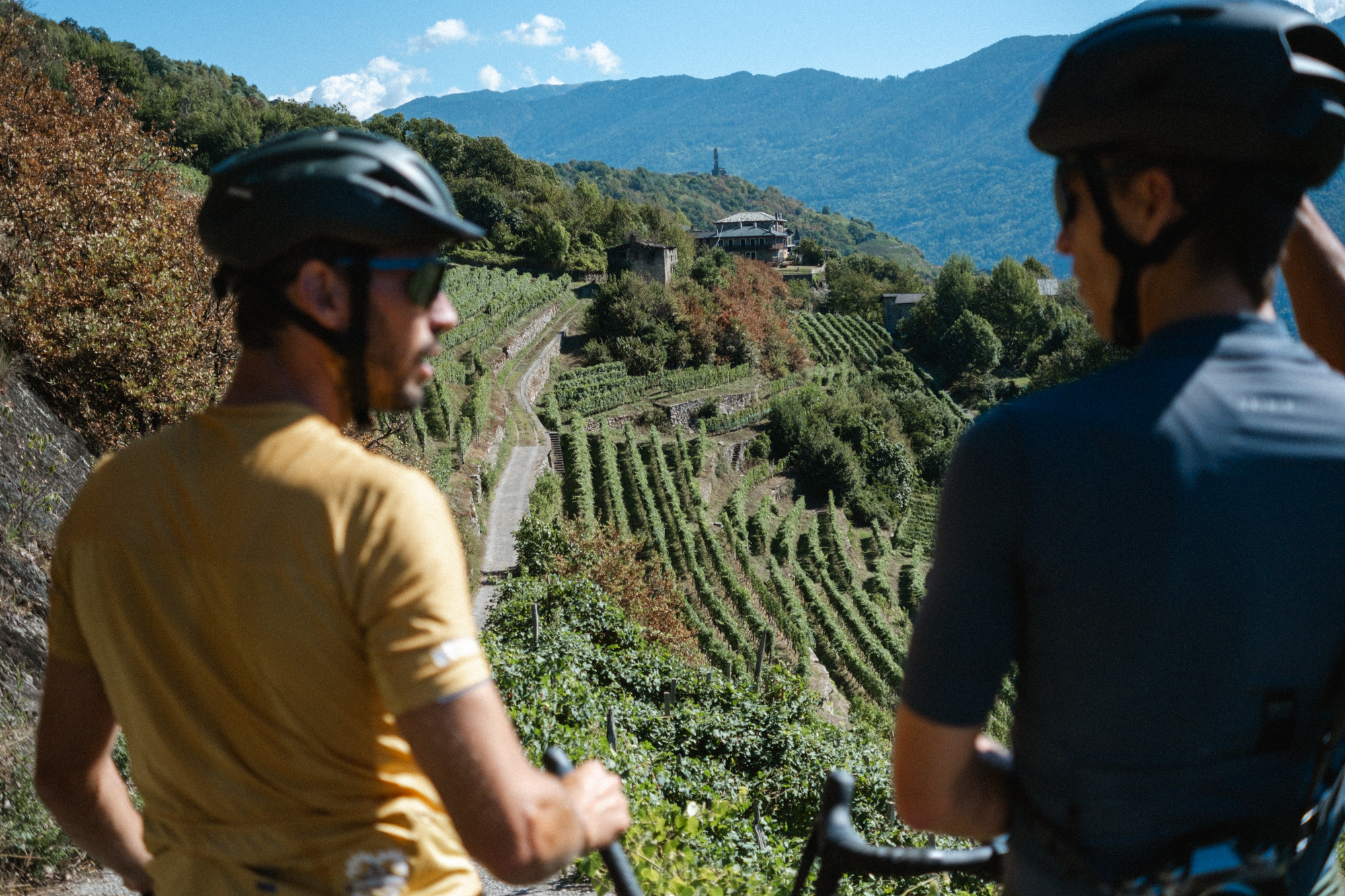
They started last summer riding from Ventimiglia to Modane: 600 km with +16.000 m of elevation gain divided into 70-80 km stages during 9 days. It was all about adventure and bikepacking, sleeping in every place that allows you to rest and take a shower, it does not matter if it is a campsite, bivouac, a friend’s mountain hut, or a hotel room.
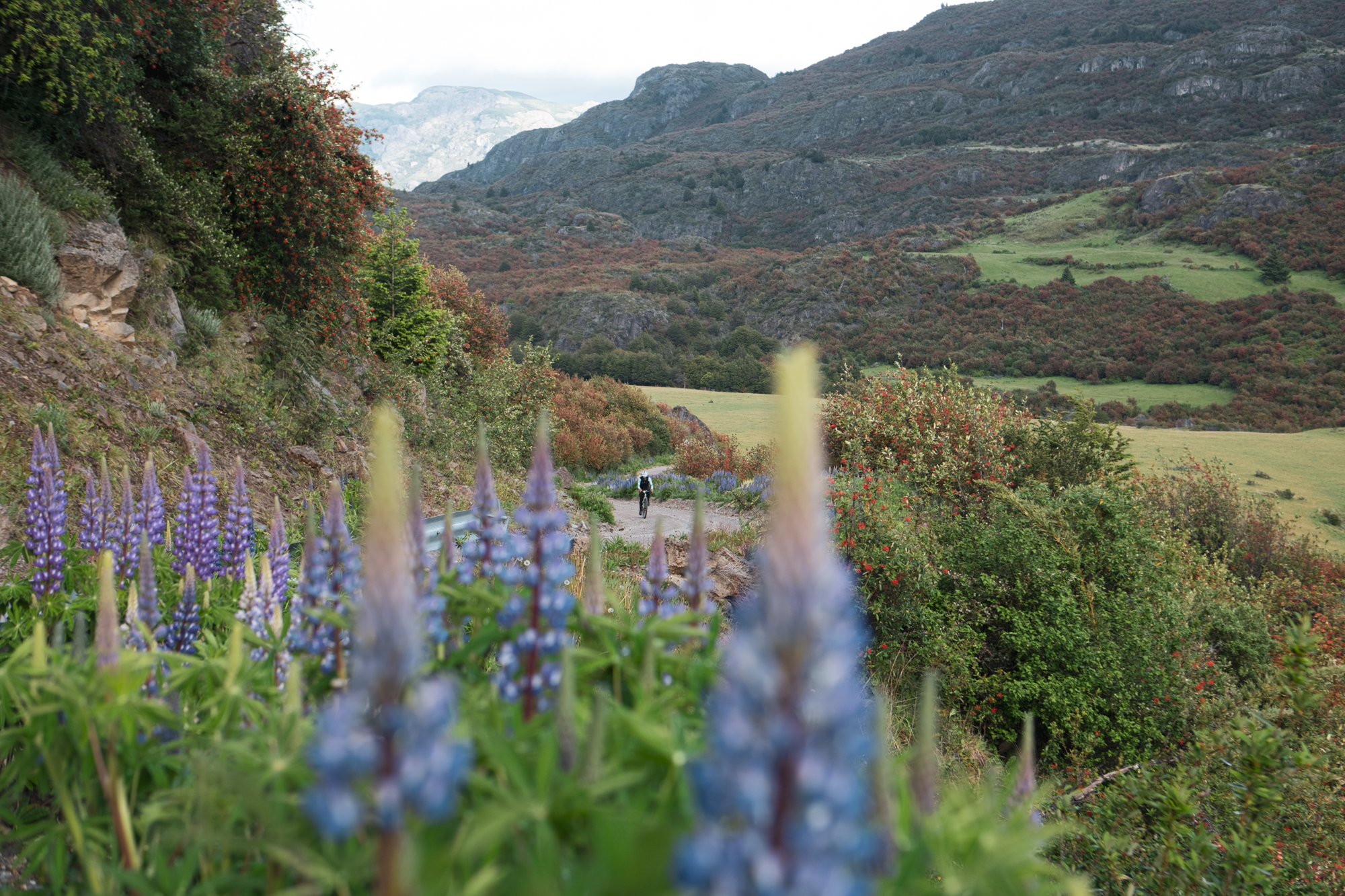
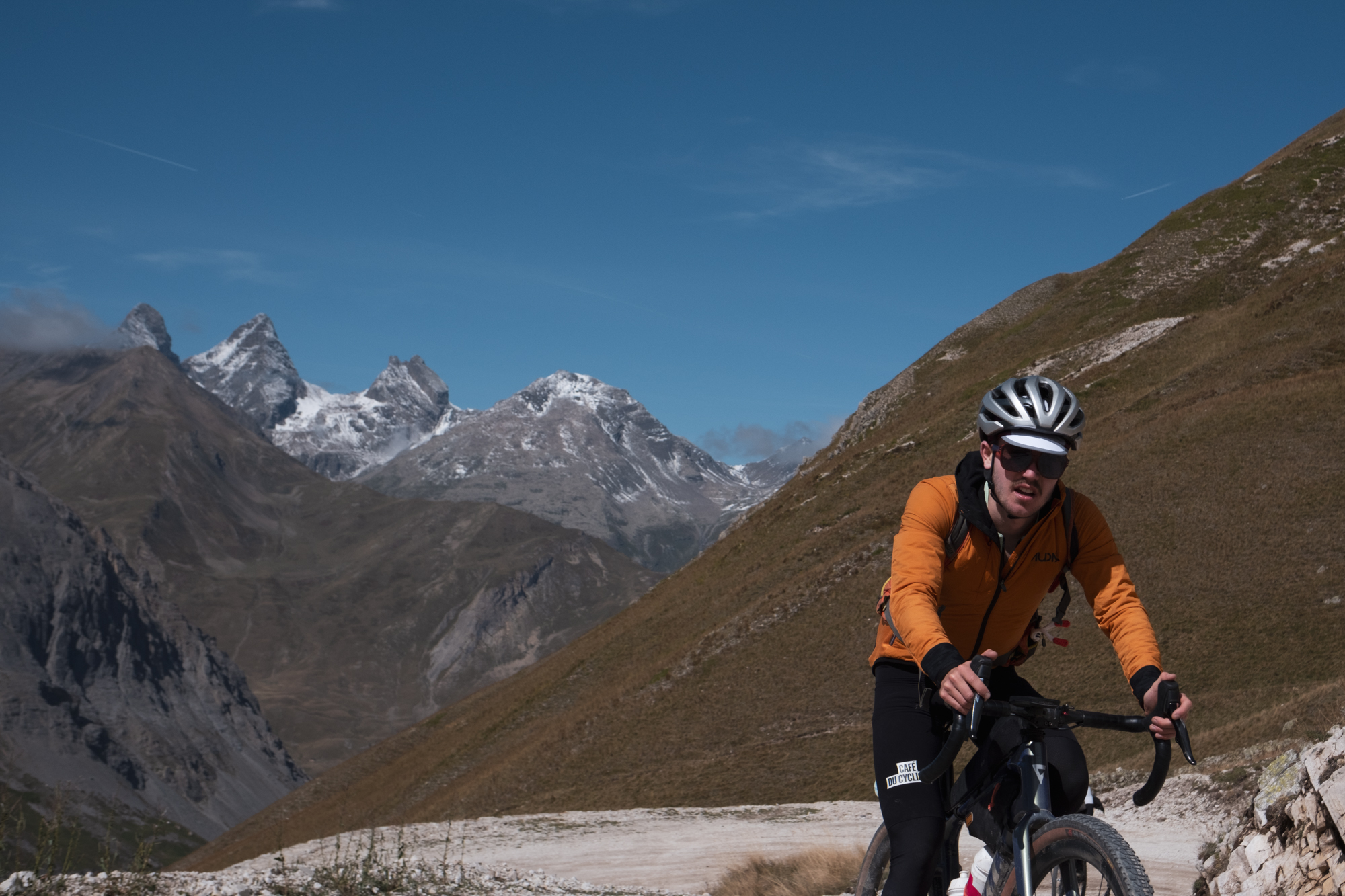
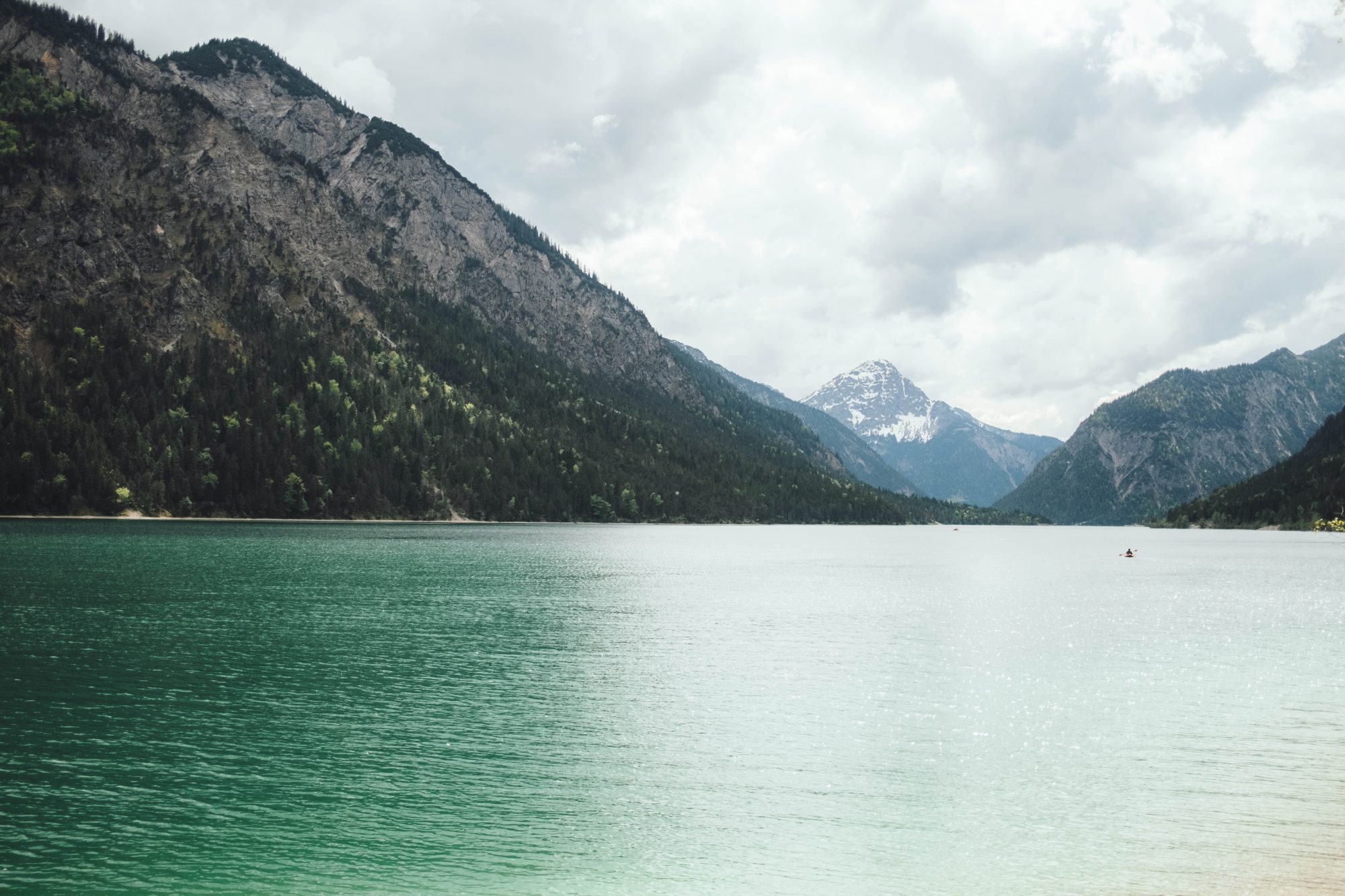
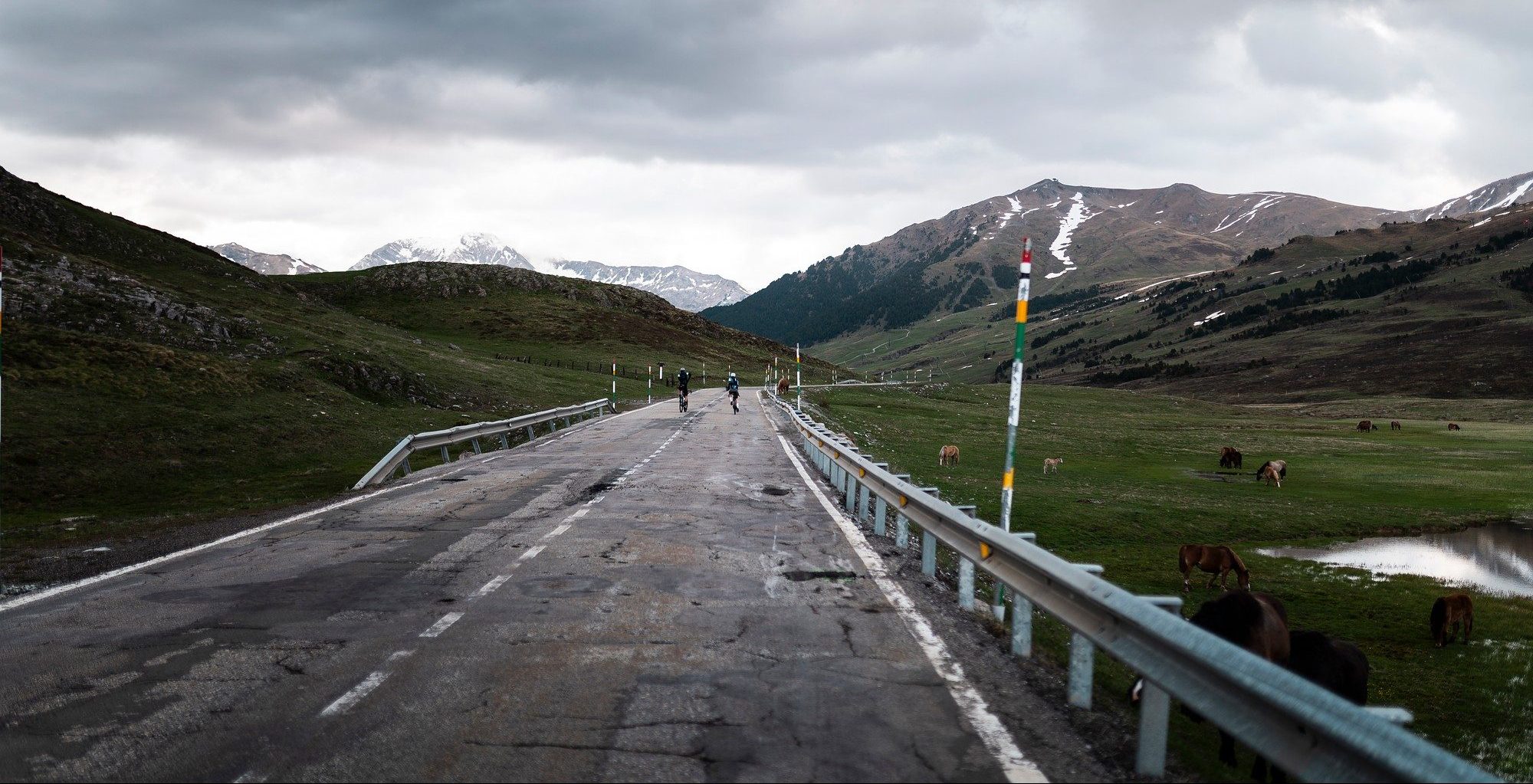
They traveled at high altitude through the famous Via del Sale, passing through some amazing and quite tough climbs and passes such as Colle della Lombarda, Bonette pass, Col de Vars, Durance Valley, Montgenèvre and Sestrières pass, Strada dell’Assietta, Colle delle Finestre, and Colle del’ Moncenisio. An impressive playground.
There is a special feeling while riding high on mountain crest roads. Some kind of readjustment. Some people may have the feeling of achievement doing that sort of hard climbing. For us, it was rather an exercise of modesty. You feel like a tiny little thing facing the immensity of the mountains. You feel part of something bigger than you. Nature can be quite impressive at high altitude.
We rode several iconic passes: Lombarda, Bonette, Montgenèvre, Assietta, Finestre. All those climbs have their own stories. The astonished bunker of the Lombarda laying on the crest, the gravel road to the Bonette with the story of the eagle and the fox fighting for eating a marmot, the secret gravel pass in the forest to Montgenèvre with the biggest ‘saucisson brioché’ I’ve ever eaten, the dreamy wooden cabin of our friend Clarisse in Piedmont, our best day of riding (ever in life) on the Strada dell’Assietta and the fire during our last bivouac on Moncenisio. I have to admit that the best moments are often in relation to food (that’s why we ride in Italy!).
The truth is that this journey was the occasion to discover some places less known and invent our own path crossing of the Alps. For instance, the gravel road we took to climb the col de Vars or the path we found to ride down Moncenisio. The hours of preparation months ago on maps were often rewarded. That’s one of the more important pieces of advice we can give to people who want to do such rides. Pay great attention to your route. Work on it. Study the maps. If you really want to ride gravel by the mountains you can’t just use Komoot or Openrunner. We used several applications to draw routes in order to use different kinds of maps (roads, hiking, and alpine trails). We used the Rough Stuff Cycling book to pick up pieces of their route and tried to connect them with our own. That was mostly François’ job. He spent lots of time on youtube looking for videos of action cameras of mtb riders or hikers to have a closer look at some passes. He works on it and then shows me the different options and we talk. Will it be easy to ride? What kind of ground? Climbs? Do we need to stock water and food? Will we have to hike the bike? for how long? At what time do you think I will start crying?
We hope to do the next stage this summer if the COVID-19 pandemic is controlled and the borders open to travelers. We will start from Saint-Michel de Maurienne in France and we want to ride through Savoy (France), Switzerland, and Italy.
Certainly, it is very important to choose the right bike setup for these kinds of adventures. Gravel on the Alps is a mix of tarmac, trails, single tracks, smooth gravel roads, you have a bit of everything so versatility is a very important factor. In these cases, the ideal bike setup was one that would allow switching from trails to tarmac.
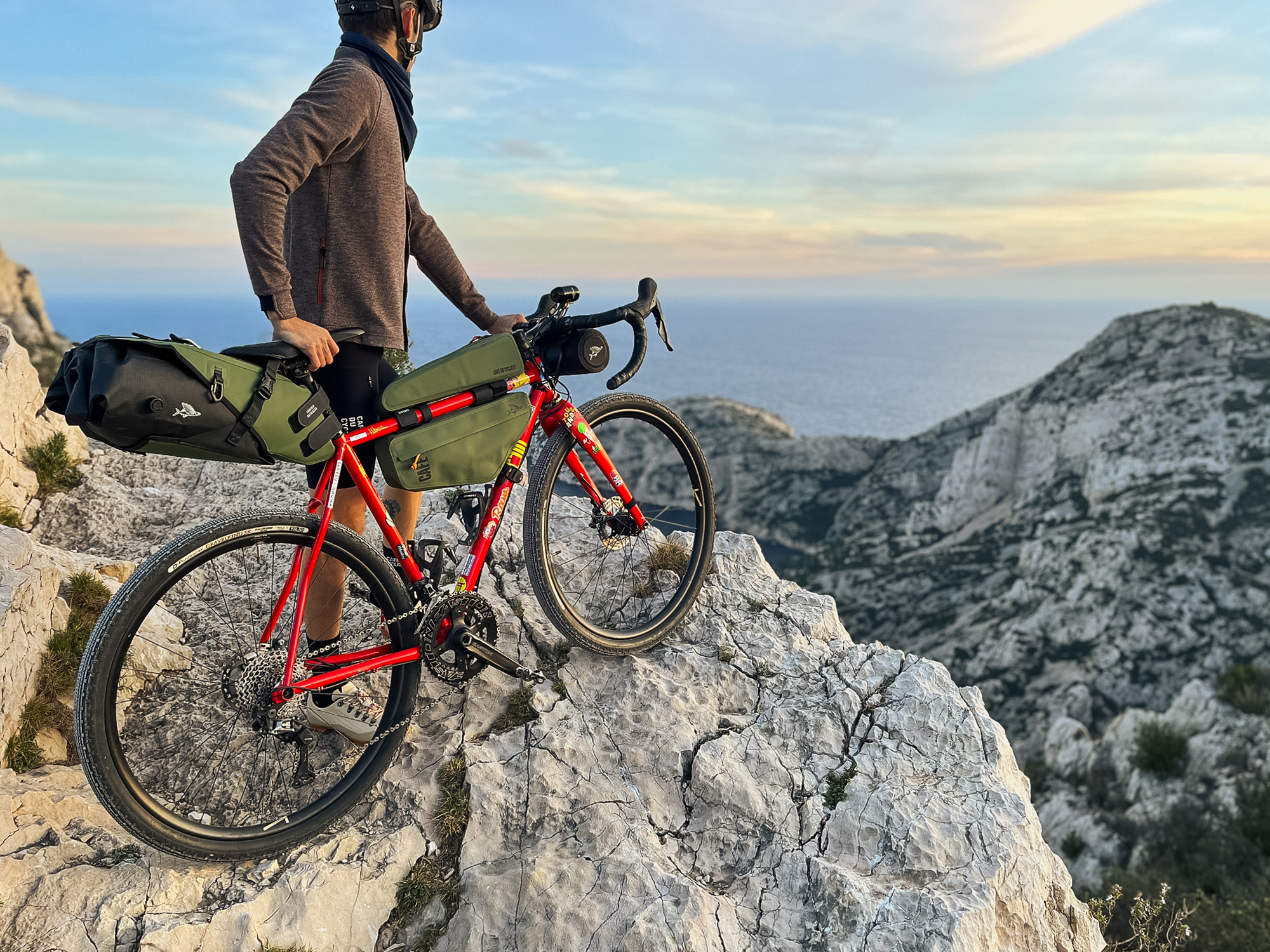
We had the chance to have bikes made especially for us by an Italian frame builder, Stefano, owner of Ciclitorino and Dësgenà bikes in Torino. The two bikes (Ciclitorino Lingera) were created at the beginning to be able to ride the Torino-Nice Rallye. It’s a steel frame for long-distance comfort but with a carbon fork to be lighter and stiffer.
The design has a lot of sloping, similar to a mtb, to shift the center of gravity and bring stability. We choose 27.5 wheels and a SRAM group 24×36-11×42 to help the overcoming on steep climbs with a laden down bike. These are real goats!
The frame is full of holes to pack lots of stuff. We tried to pack as light as we could: one tent, two mattresses, two sleeping bags, cooking tools, clothes, and food. We brought two thin books but I think none of us opened them. For the next stage, we hope to be more efficient in controlling the weight of our materials. When you are climbing, each gram becomes important.
It is also very important to choose the right photo equipment to travel comfortably and to take good pictures. Everyone has a special setup.
We use my old Canon 650D because it’s a light full-frame camera with raw format. We used the Canon pancake 40mm on it. Working with a fixed lens is much easier while traveling. It’s more instinctive and we definitely think that it allows being more precise when you are framing.
Es el macarra del grupo, pero, a la vez, parte muy importante de la revista. Co-fundador y encargado de la mayoría del contenido que se publica en el mag, además de tener grandes ideas y ser un perfecto moderador en los momentos clave. He is the bad boy of the group, but also one of the key elements of the magazine. Co-founder and in charge of most of the content published in the mag, he brings brilliant ideas and he is the perfect moderator when needed. View all posts by Stefano Rizzardi
 Javi Angulo
 Javi Angulo
 Javi Angulo
 Javi Angulo
 Pol Sopeña
 Pol Sopeña
 Javi Angulo
 Pol Sopeña
 Javi Angulo
 Javi Angulo
 Pol Sopeña
 Pol Sopeña
Receive our monthly selection of the best articles, news, exclusive content and giveaways only for subscribers, subscribe to OUR NEWSLETTER
Receive our monthly selection of the best articles, news, exclusive content and giveaways only for subscribers, subscribe to OUR NEWSLETTER
Receive our monthly selection of the best articles, news, exclusive content and giveaways only for subscribers, subscribe to OUR NEWSLETTER
Receive our monthly selection of the best articles, news, exclusive content and giveaways only for subscribers, subscribe to OUR NEWSLETTER