- News
- Reviews
- Travel & Adventure
- Interviews
- Inside Industry Players
- Community
Bikes
Reviews
Components
Reviews
Cycling
Apparel


[raw_mobile_menu]
[wpml_language_switcher_down]

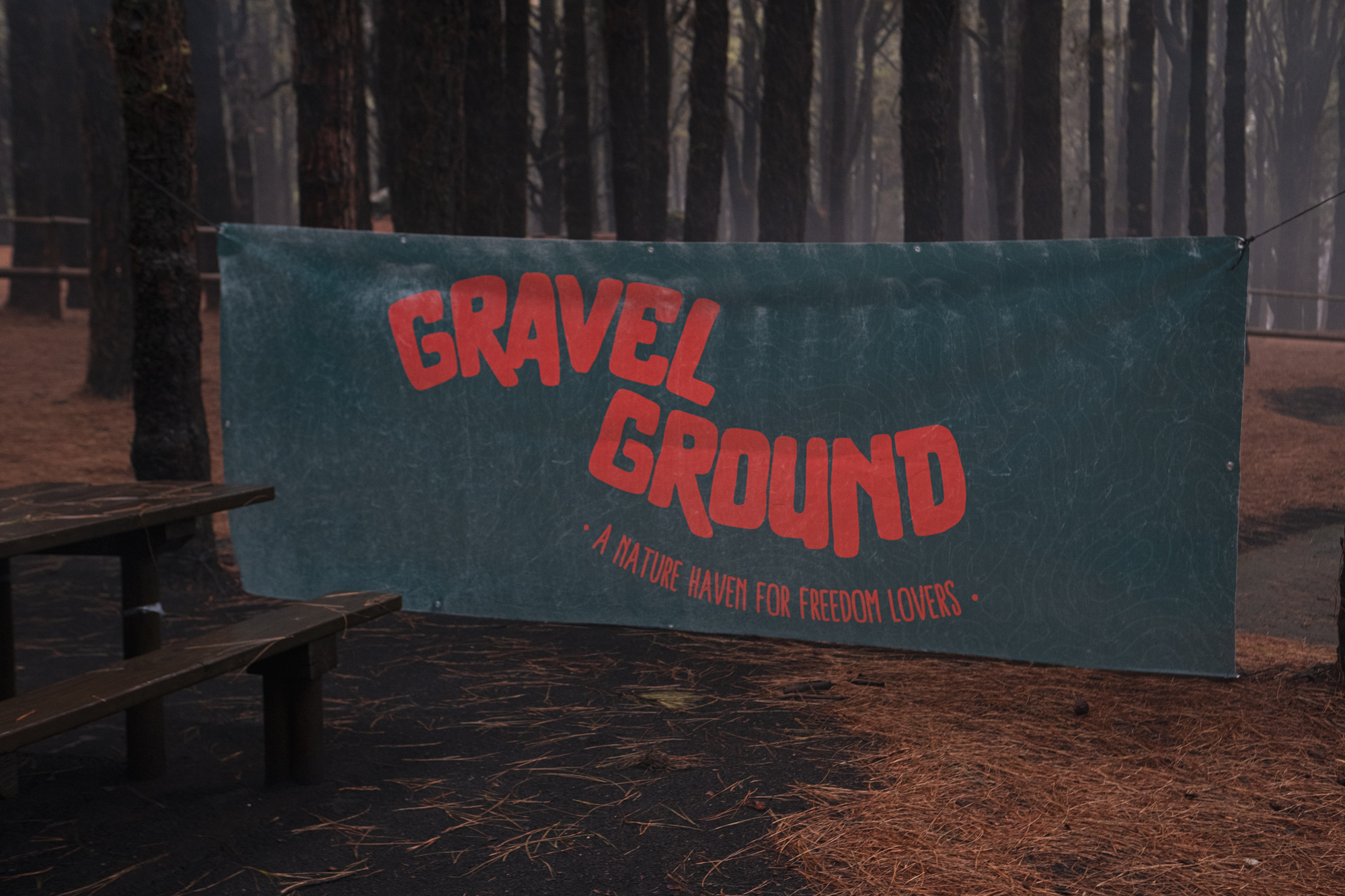
When Gravel Ground appeared in our inbox for the first time, we knew straight away it would be a successful event. It had all the essentials to thrive even within an already congested calendar: experienced organizers, a unique location, and a clear description of how a non-competitive event looks like.
“A gravel adventure is more than cycling: It is enjoying the gastronomy, the landscapes and discovering a new territory” – NSN, Gravel Ground organizers
The first edition of Gravel Ground took place in La Palma, Canary Islands. It was the first time that a gravel event took place entirely on the island, and despite the logistical challenges, the 50 participants enjoyed four days of riding – October 24th-27th – in “La Isla Bonita”, as it is commonly referred to.
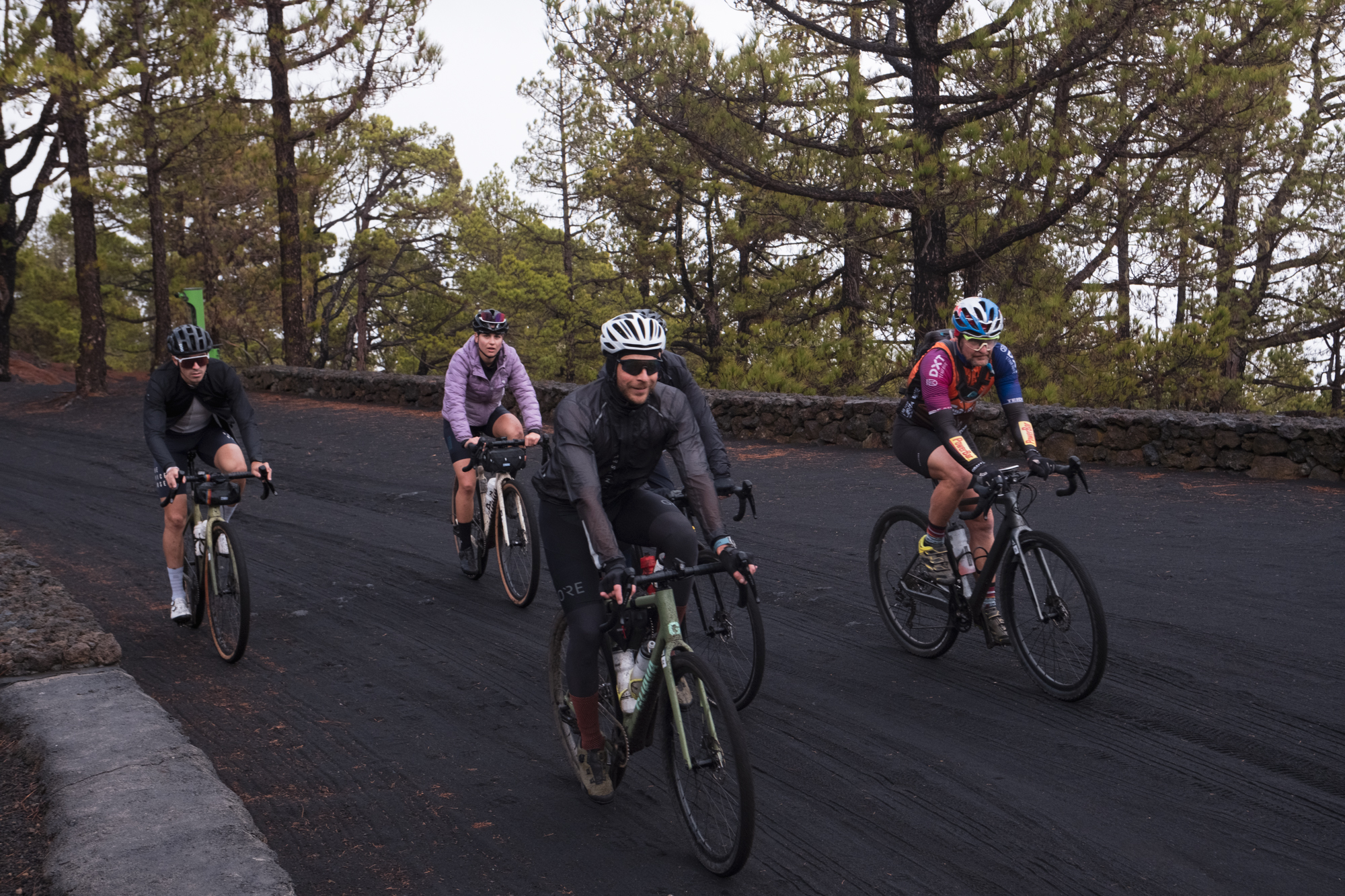
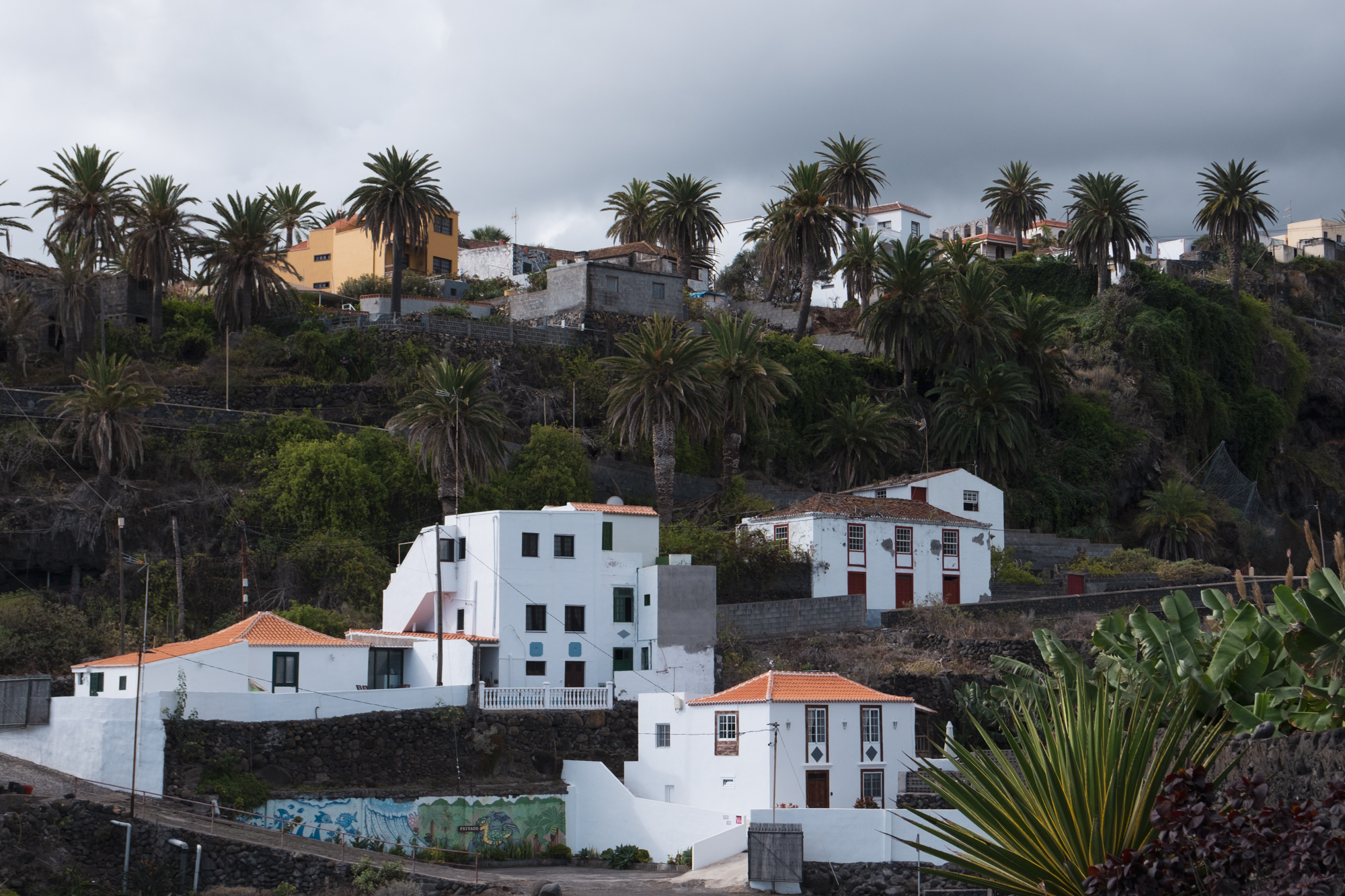
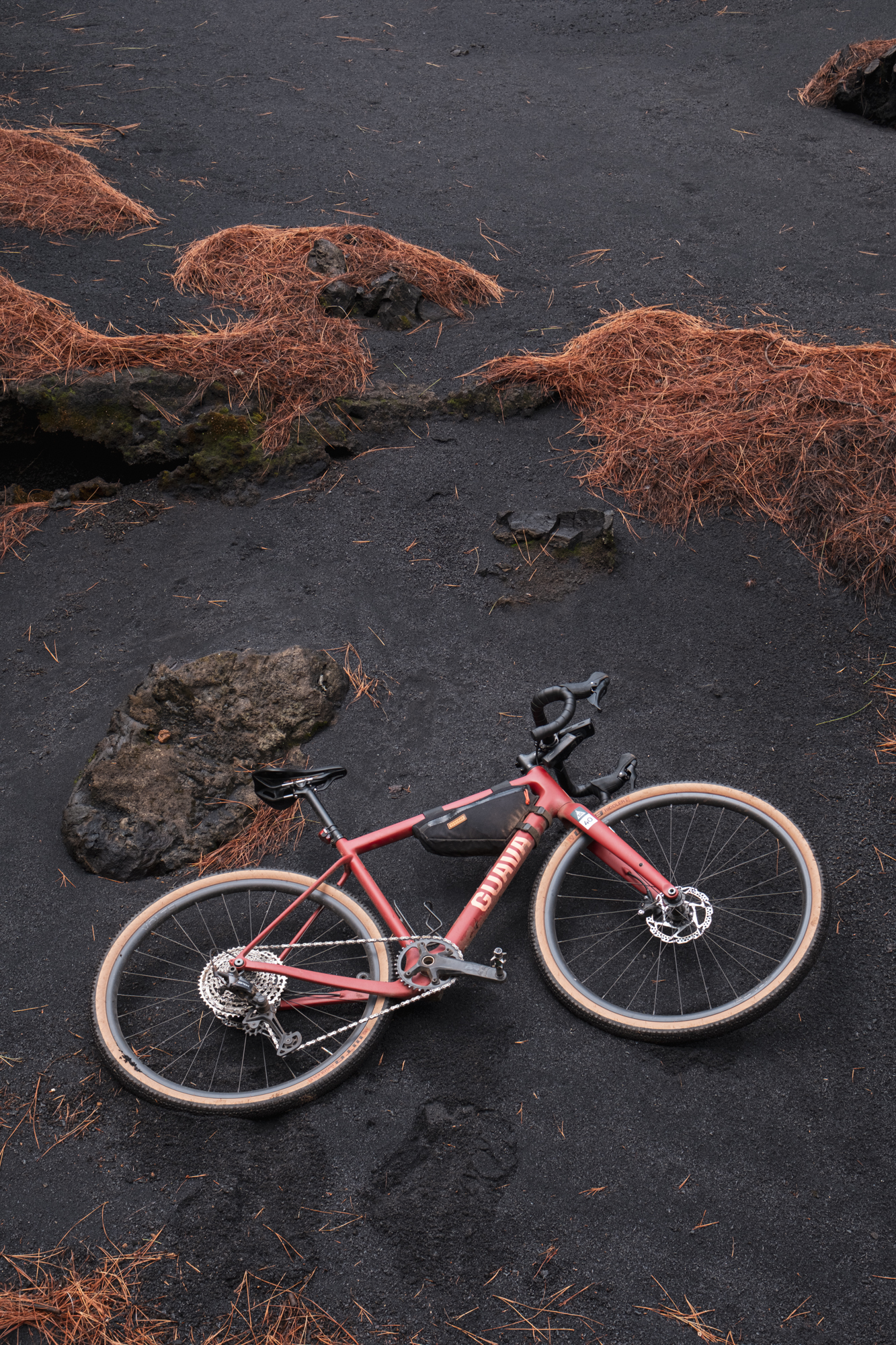
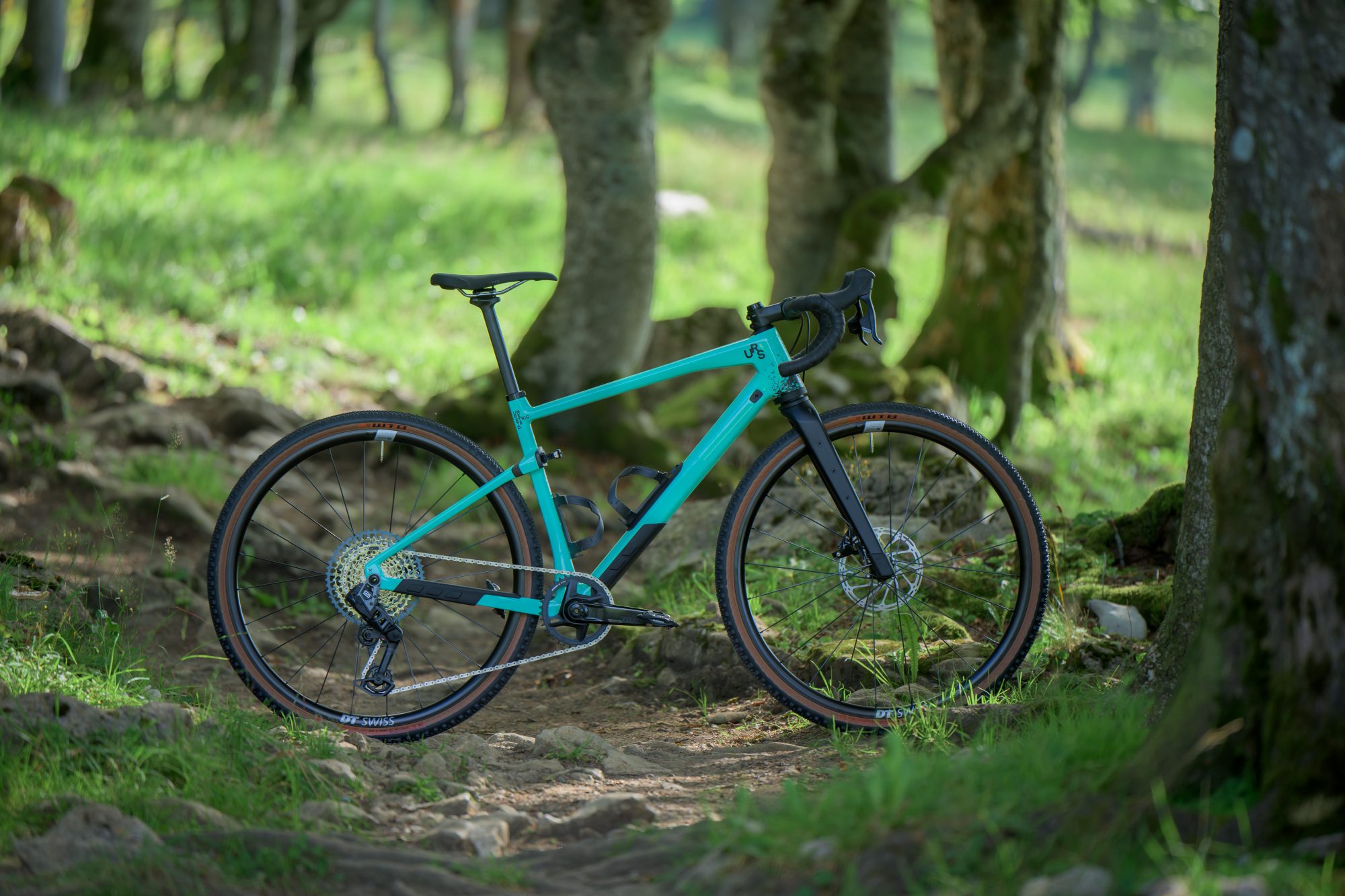
There are some evident challenges in organizing an event from a distance, but the Barcelona-based NSN partnered with Cabildo de La Palma to make the most of their knowledge of the island. Several businesses, like food suppliers, were also involved, making sure that the event had a positive impact on the local economy. Guava joined the project as the main sponsor, and we got to ride their Spot gravel model during our stay.
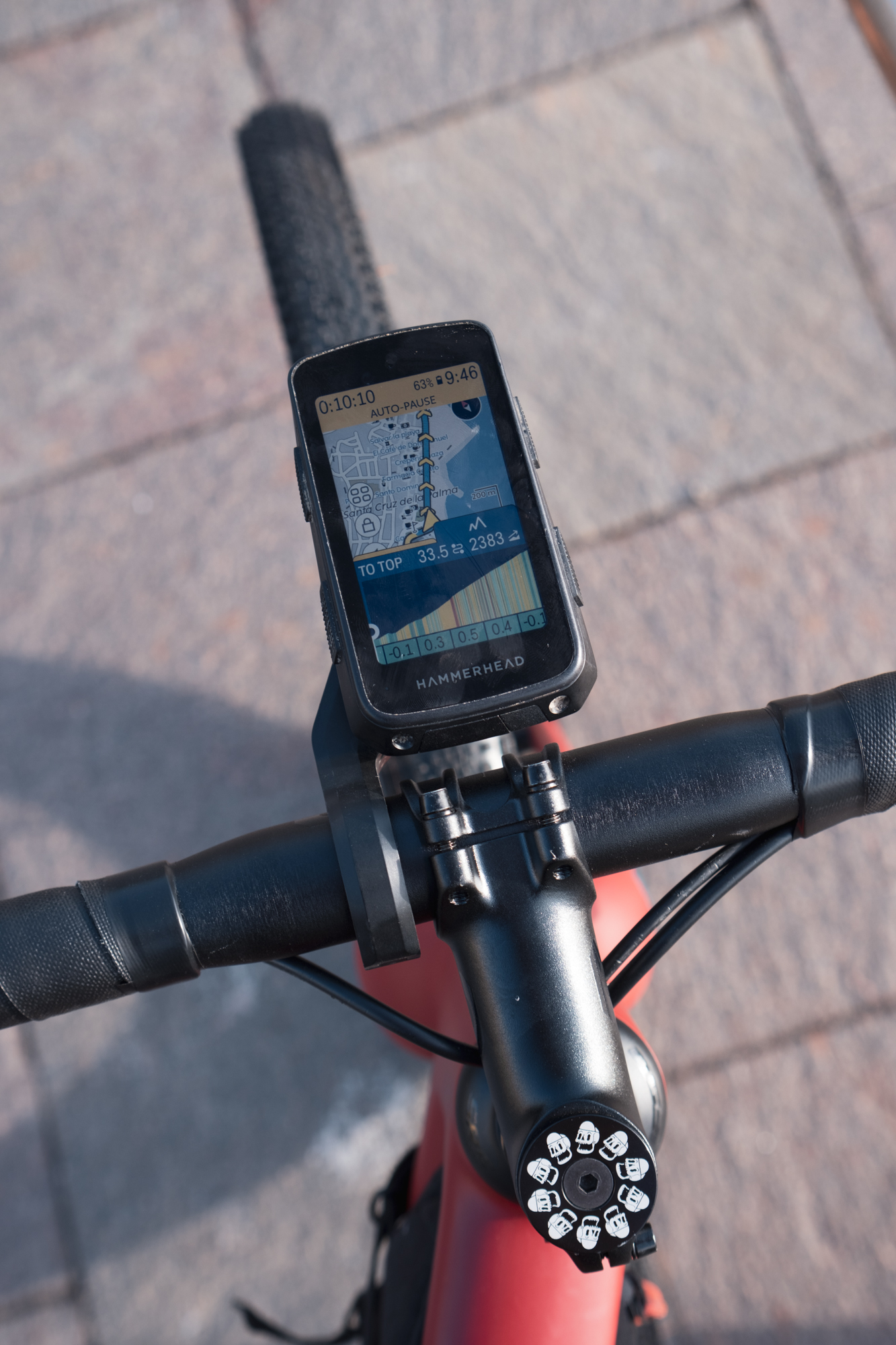
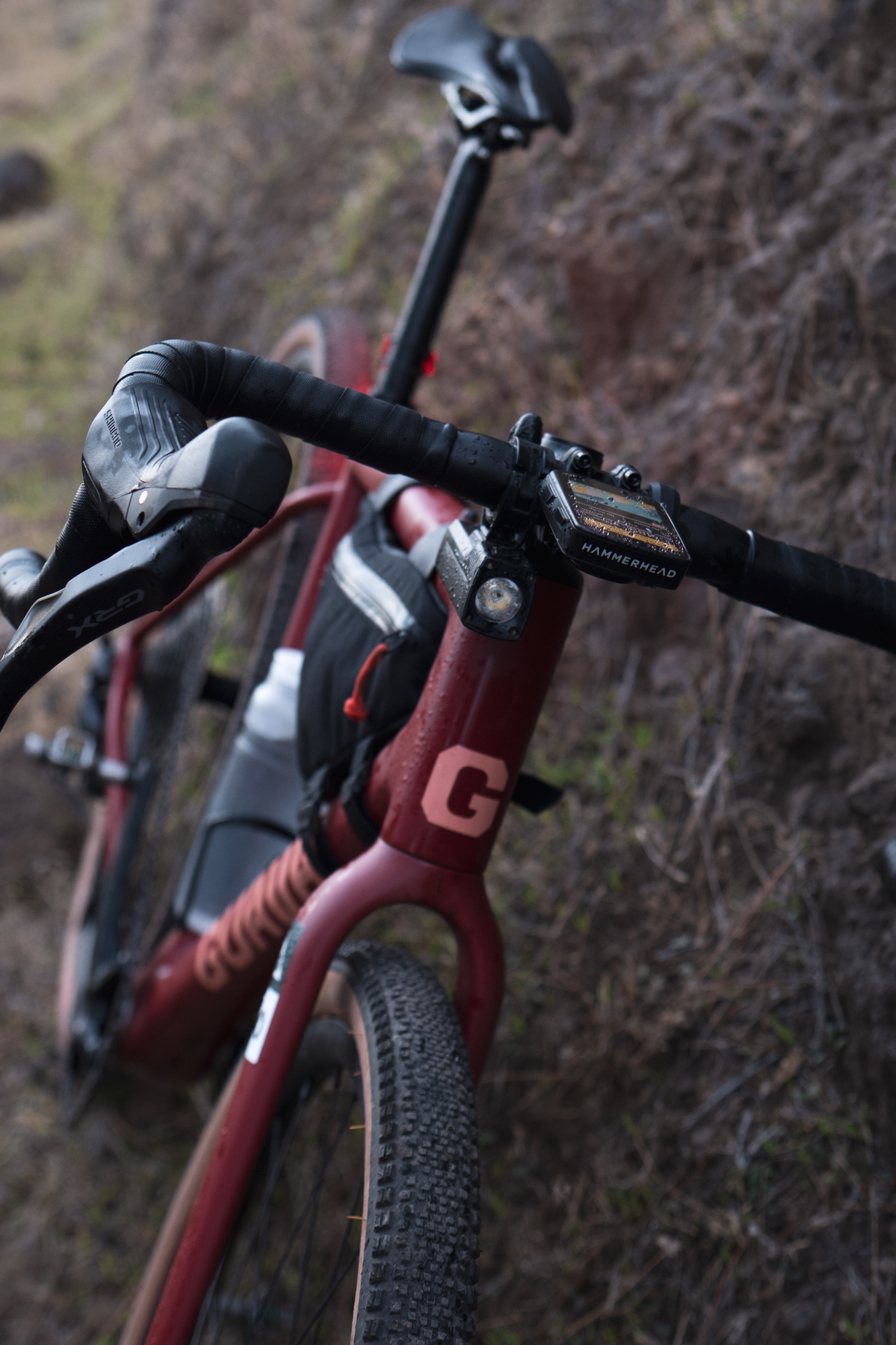
Despite the social approach, the route was a remarkable challenge; almost 8,000 meters of elevation gain in barely 250 kilometers. That mileage was spread over four stages, each one presenting its own challenges due to its particular terrain.
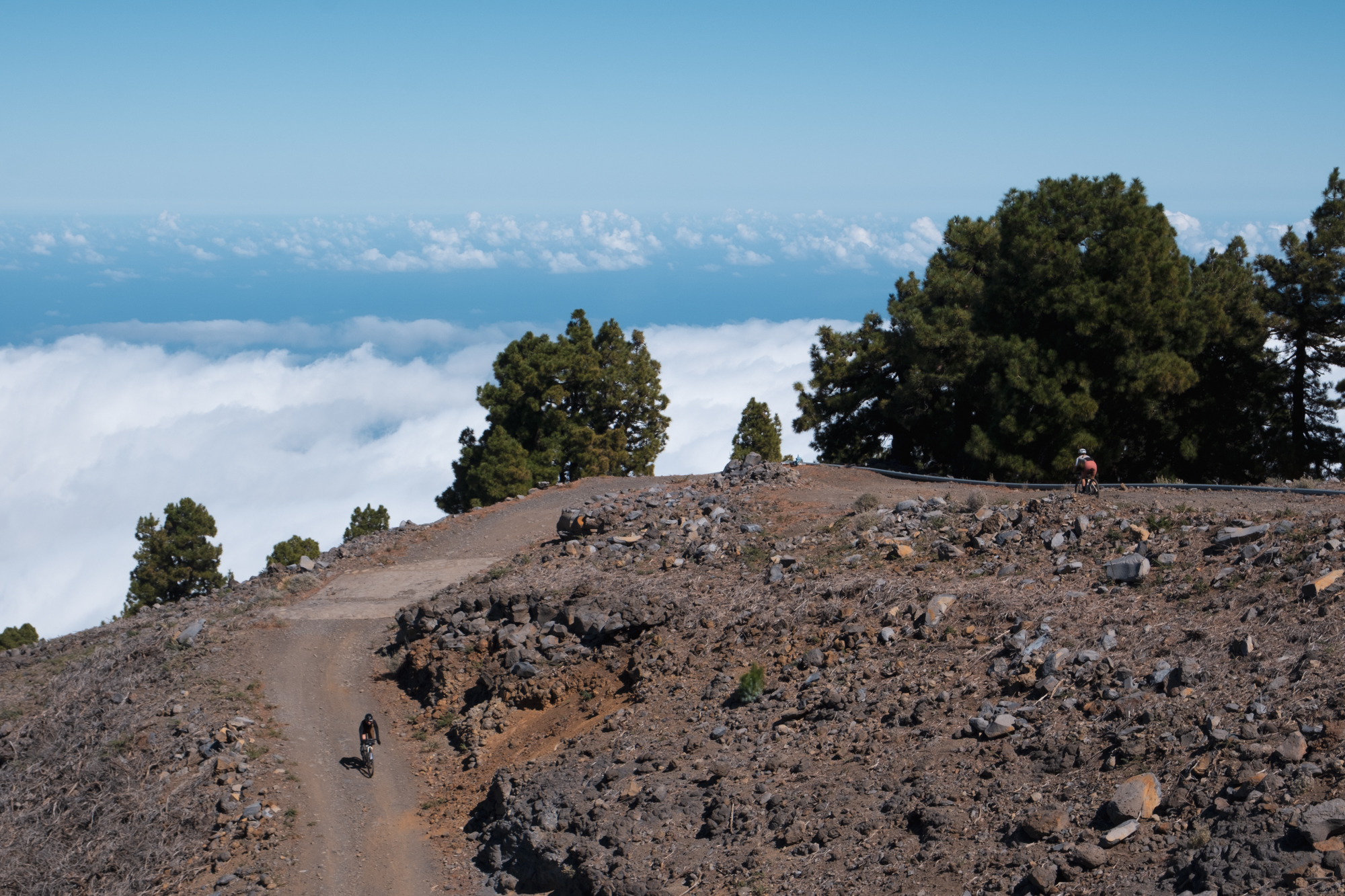
By the end of the event, we made a whole loop of the island in an anti-clockwise direction, covering all the rideable forest paths. La Palma was known until now for its Enduro trails, but we discovered that it can become the next go-to gravel destination too.
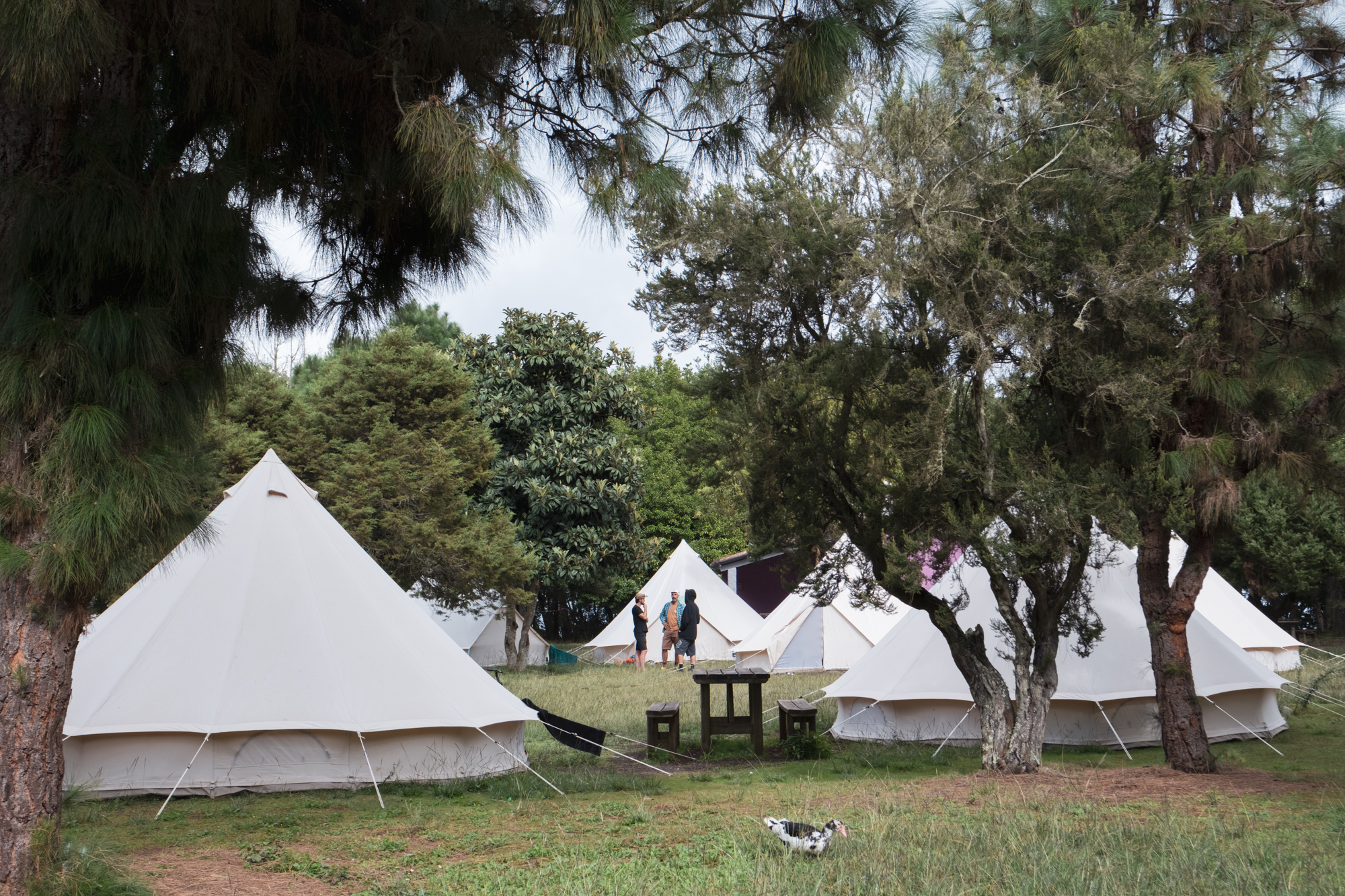
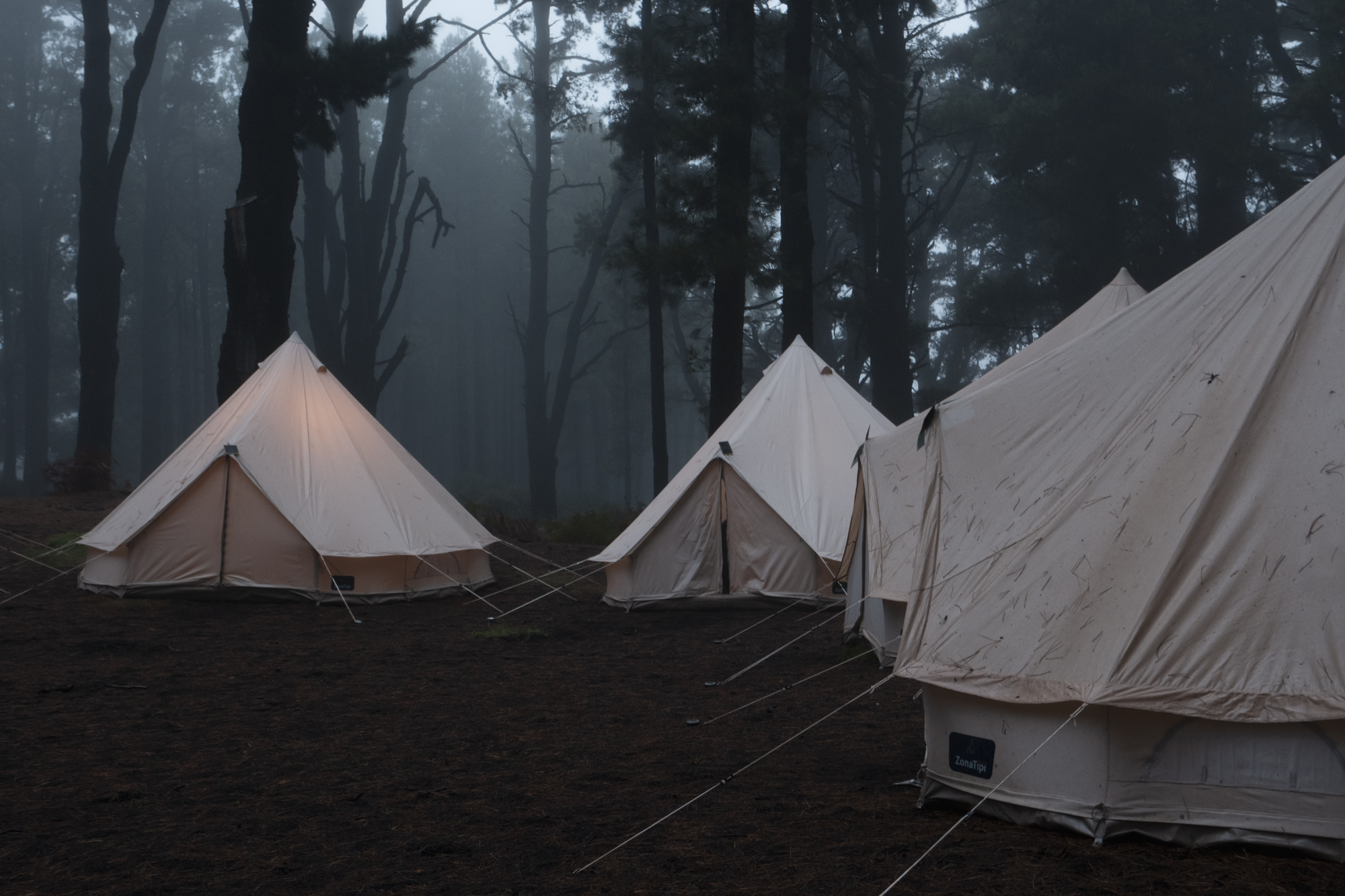
With some experience on how unpredictable the weather in the Canary Islands is, we arrived in La Palma with an open mind and expecting the unexpected. We were going to spend three nights outside, sleeping in teepee tents shared with fellow participants. Together with our sleeping bag and sleeping mat, we brought clothing for all types of weather conditions, and we are so glad we did, even if on day one it looked like it would be all about blue skies.
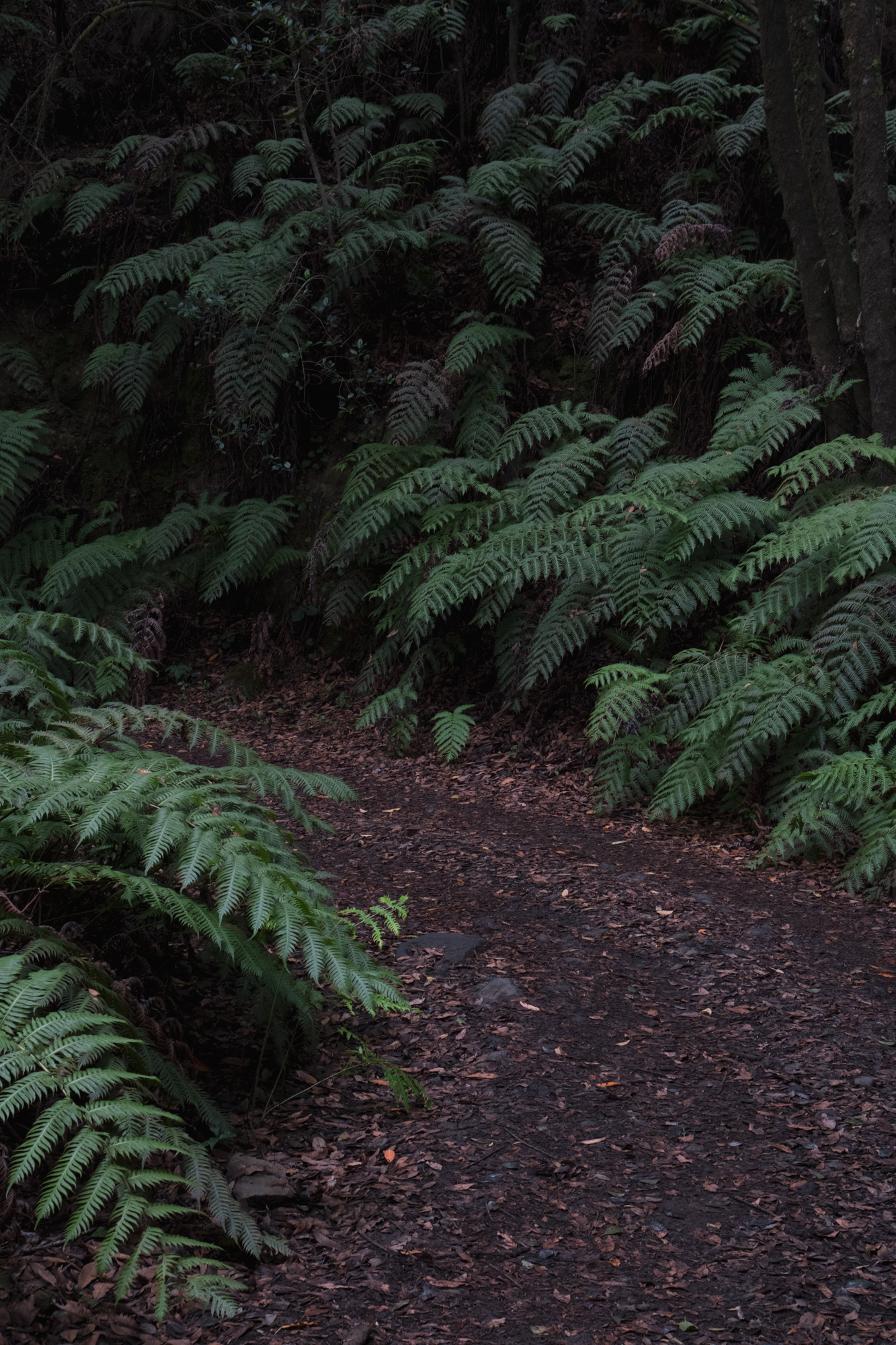
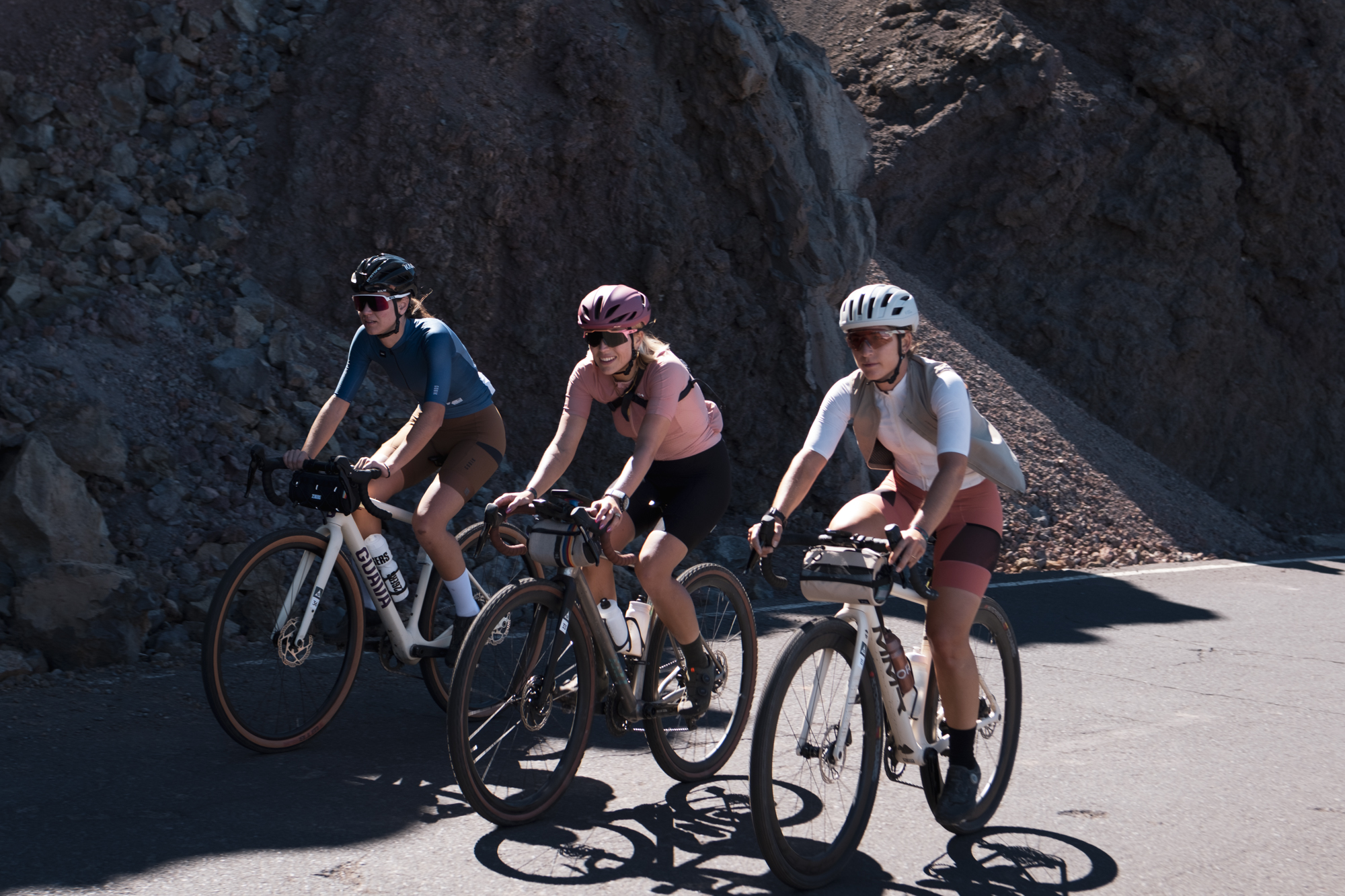
Gravel Ground La Palma kicked off from Santa Cruz, at sea level. After a warm-up on tarmac, where we took advantage to fine-tune our Guava, we hit the Puntallana gravel path that would bring us to 2.000 m of elevation. It was pretty much covered all the way, with dense vegetation that one can only find on this side of the world.
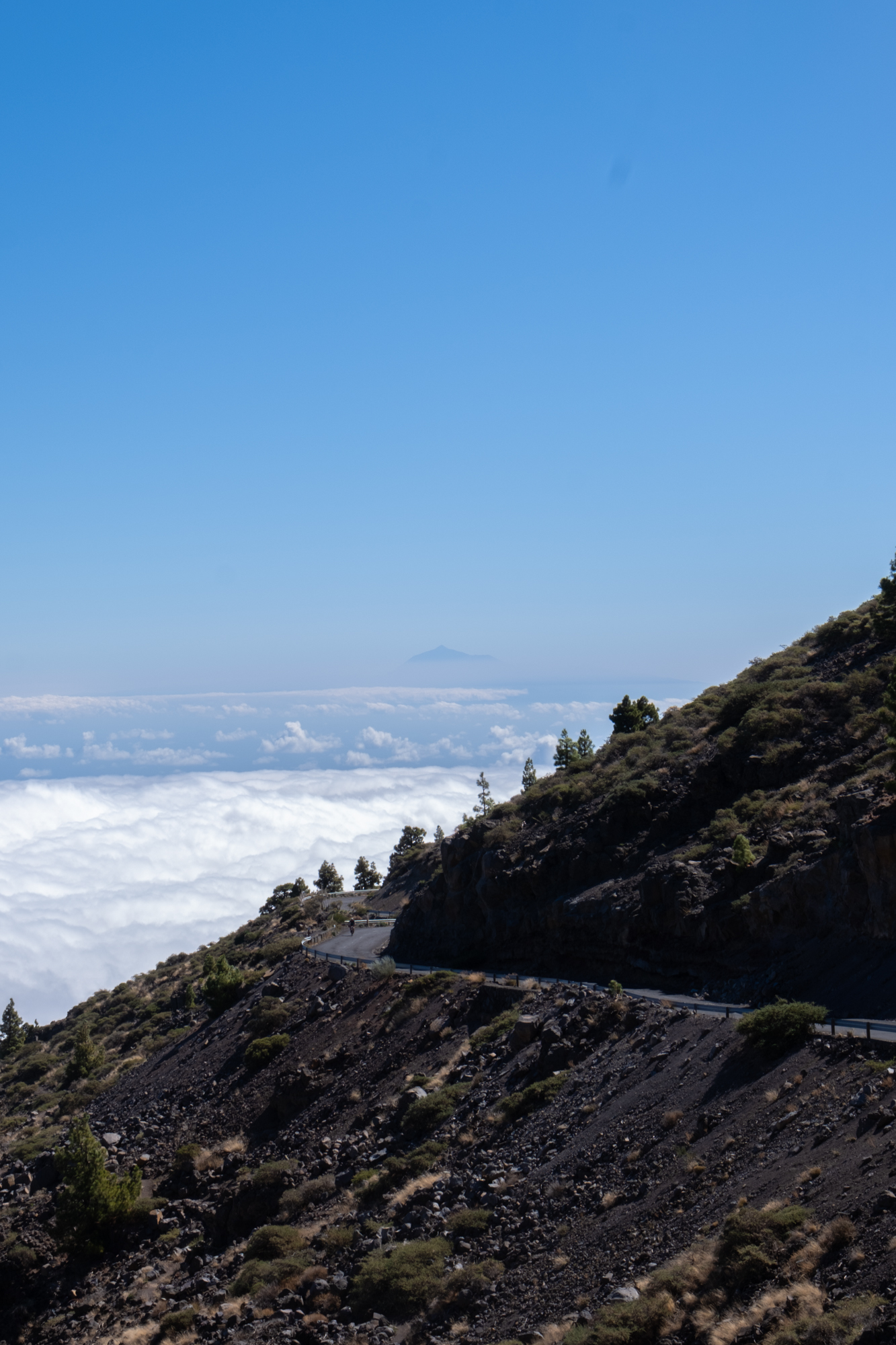
At the end of the path, we were suddenly above the clouds, with the magnificent El Teide in the background, located on the neighboring island of Tenerife. From then on we would proceed with our ascent on a perfectly paved road, with only a brief stop at the provisioning point.
The last kilometers to the top were hard but rewarding. We rode past the Roque de Los Muchachos Observatory. At that moment we did not know it, but later we were told that the site features the largest optical-infrared telescope in the world, in addition to other smaller infrastructures to observe and analyze the universe.
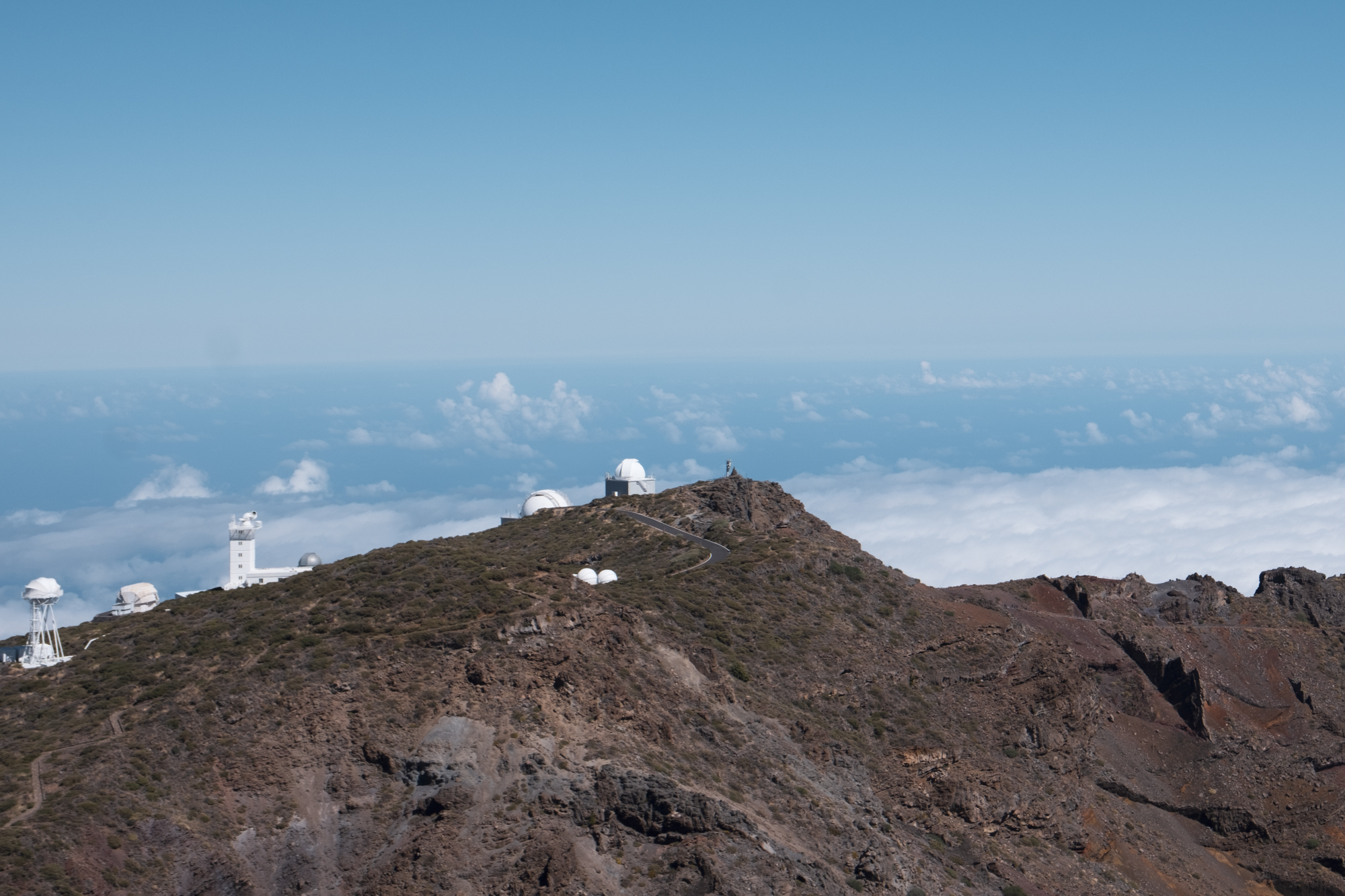
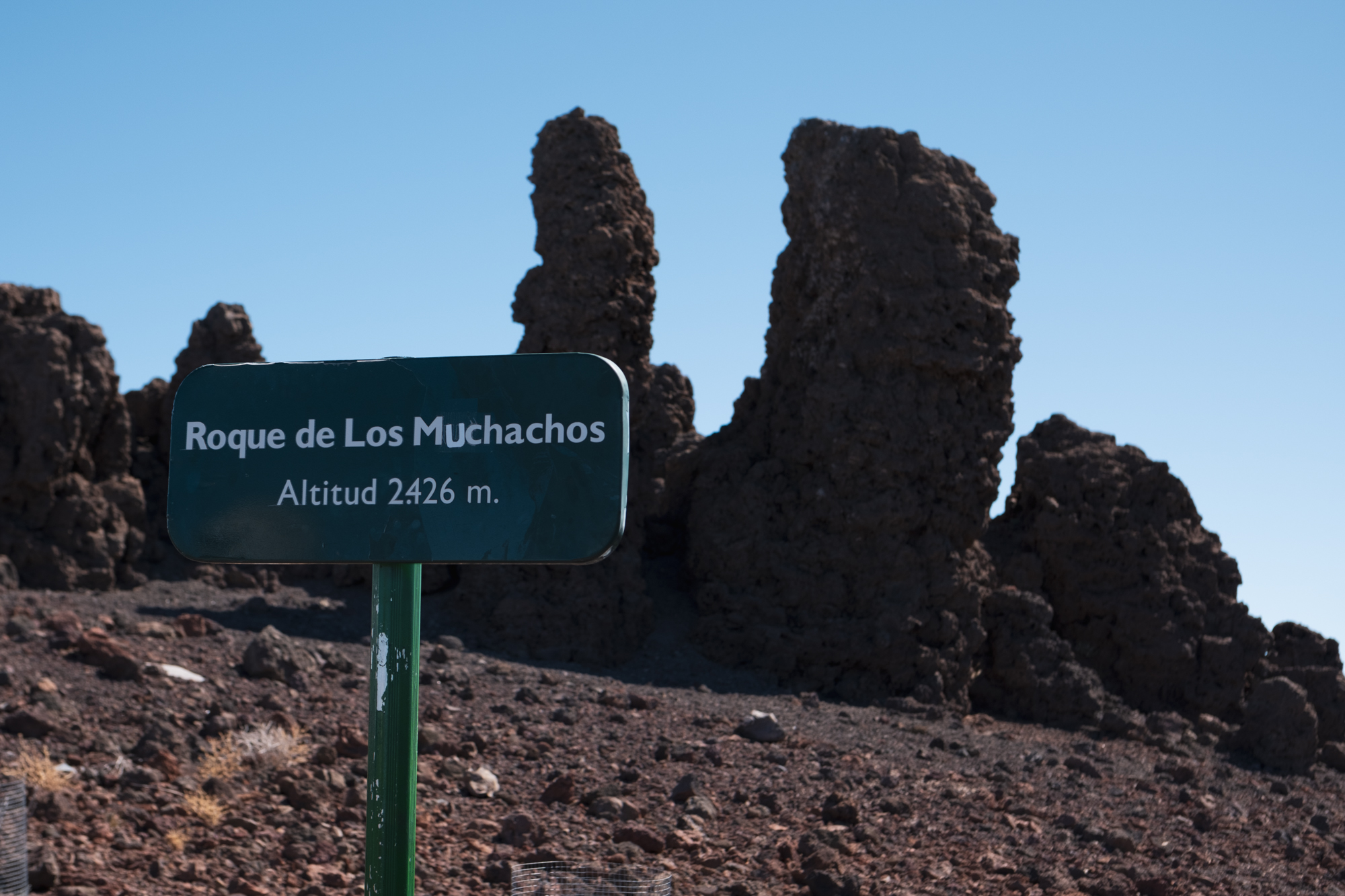
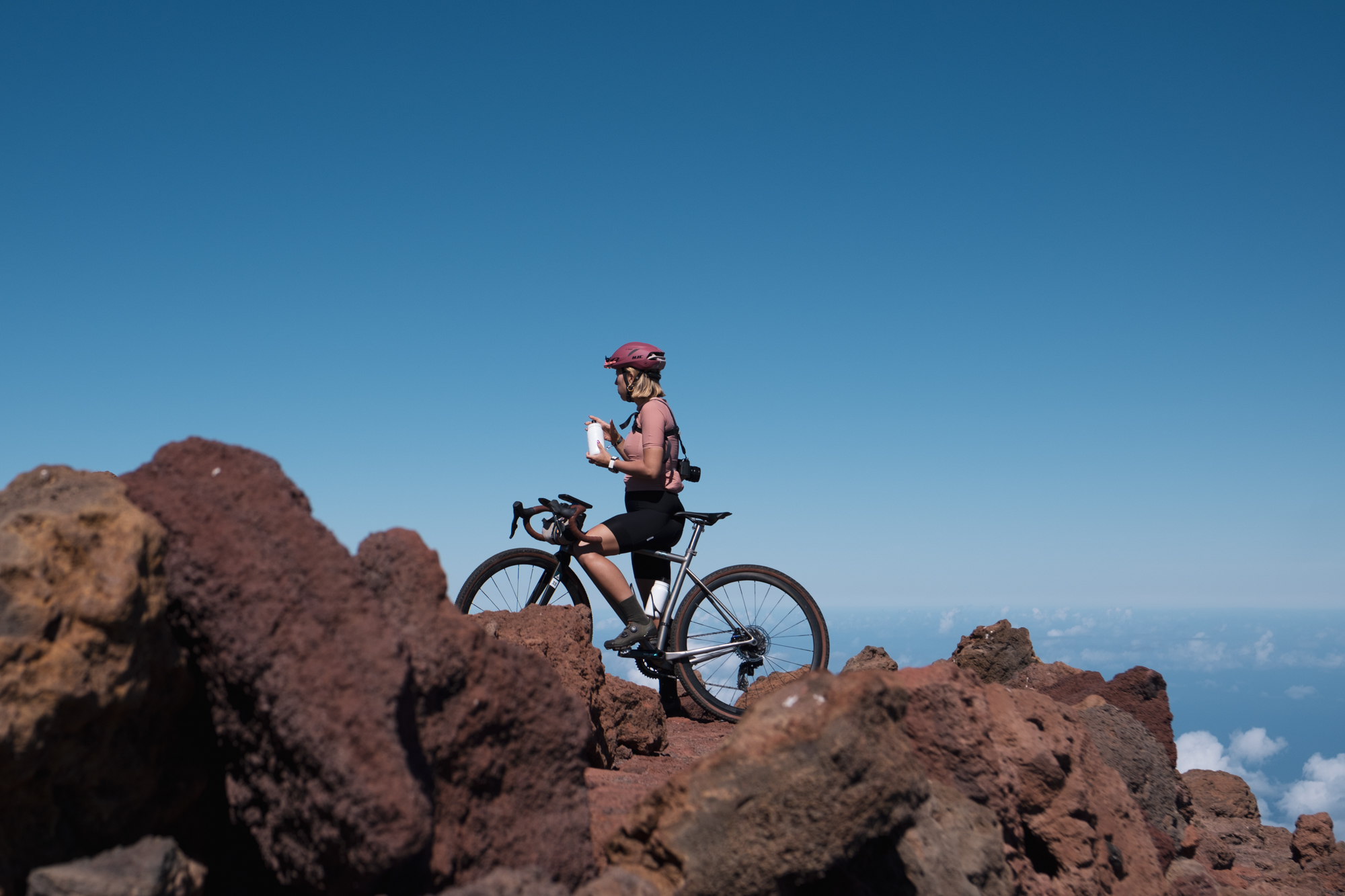
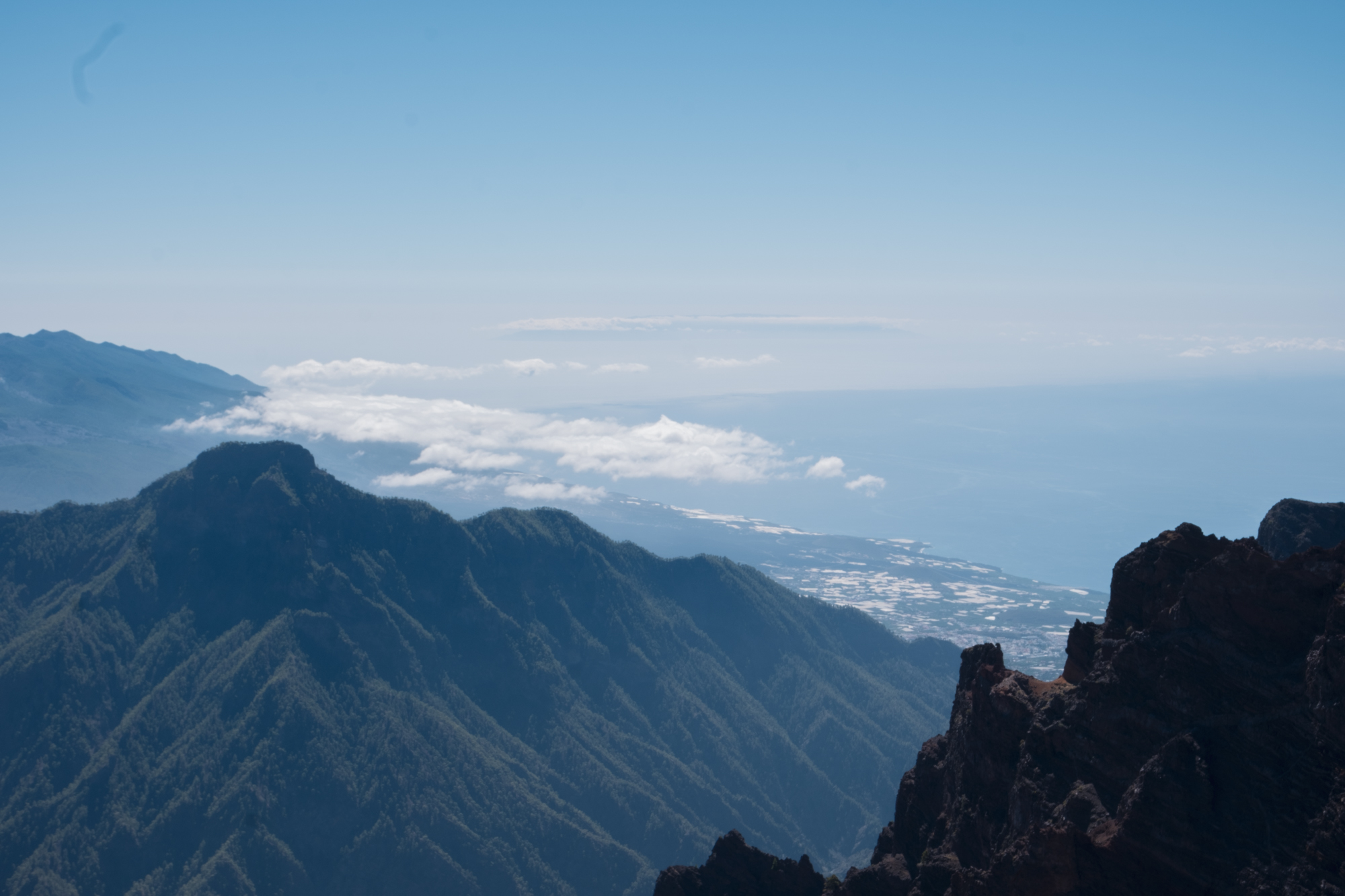
There we were, at the top of the island, trying to process everything we could see around us. According to locals, we were lucky with the sky conditions for the day, which made us feel even more privileged to be there with fellow participants whom we already considered to be friends.
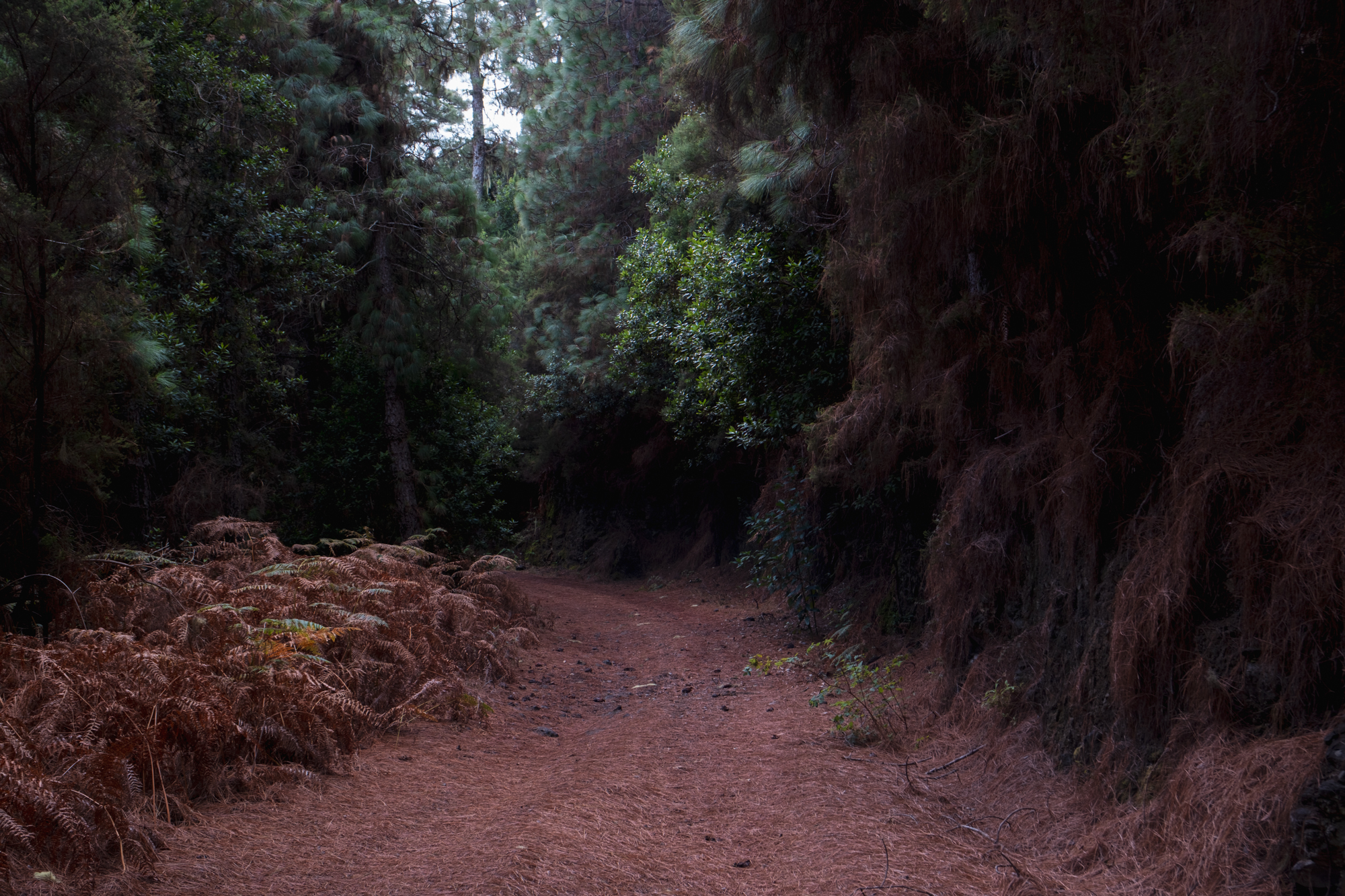
We returned to the feed station, where we took a left turn to proceed with the long descent, first on concrete road and then on gravel. The Pista Gallegos was entertaining and forced us to be focused during the whole downhill section. It featured an exposed stretch with views down to the sea, a beautiful concatenate of gravel hairpins, and a last segment riding over the fallen pine tree leaves, which provided extra grip.
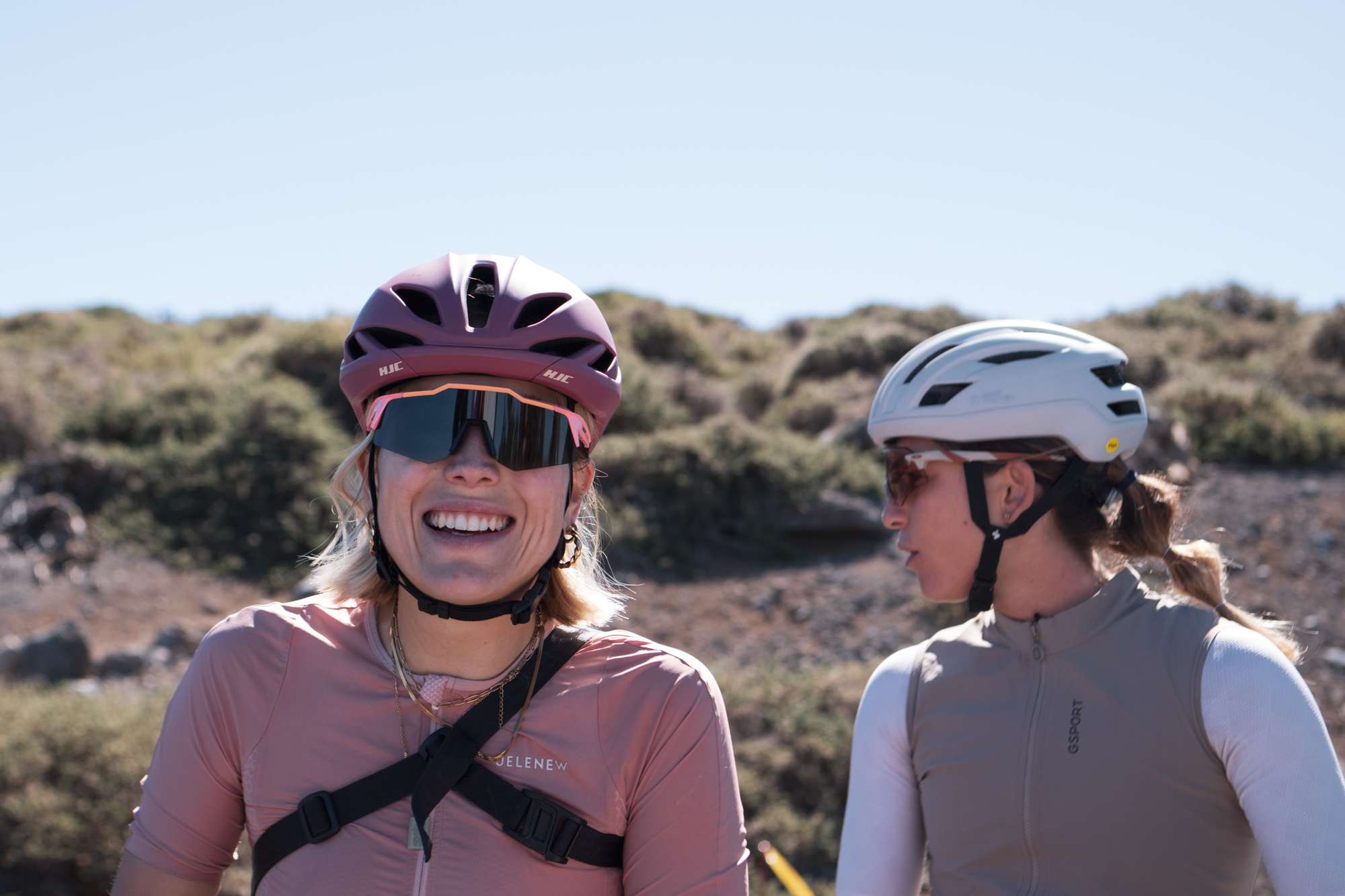
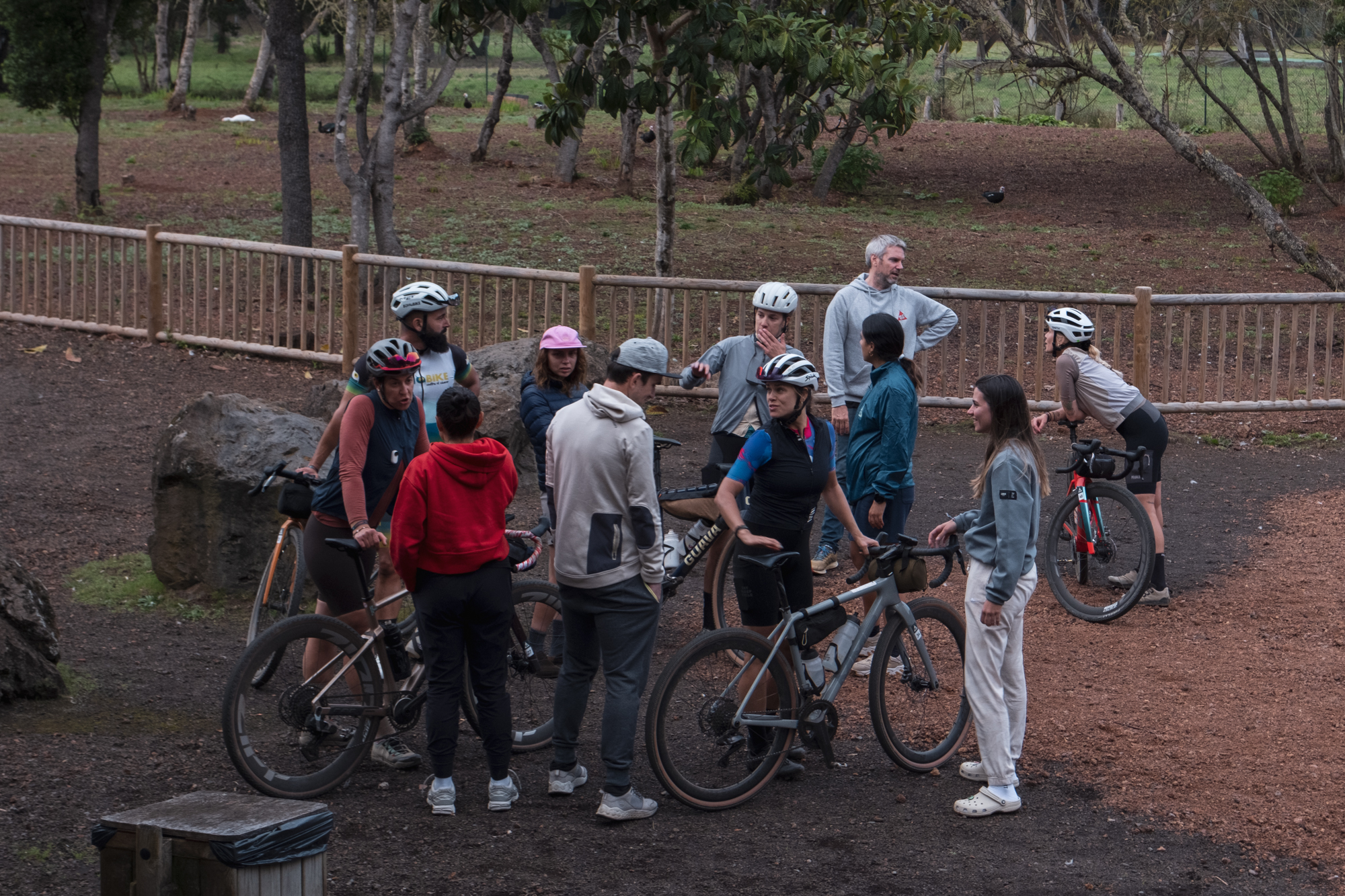
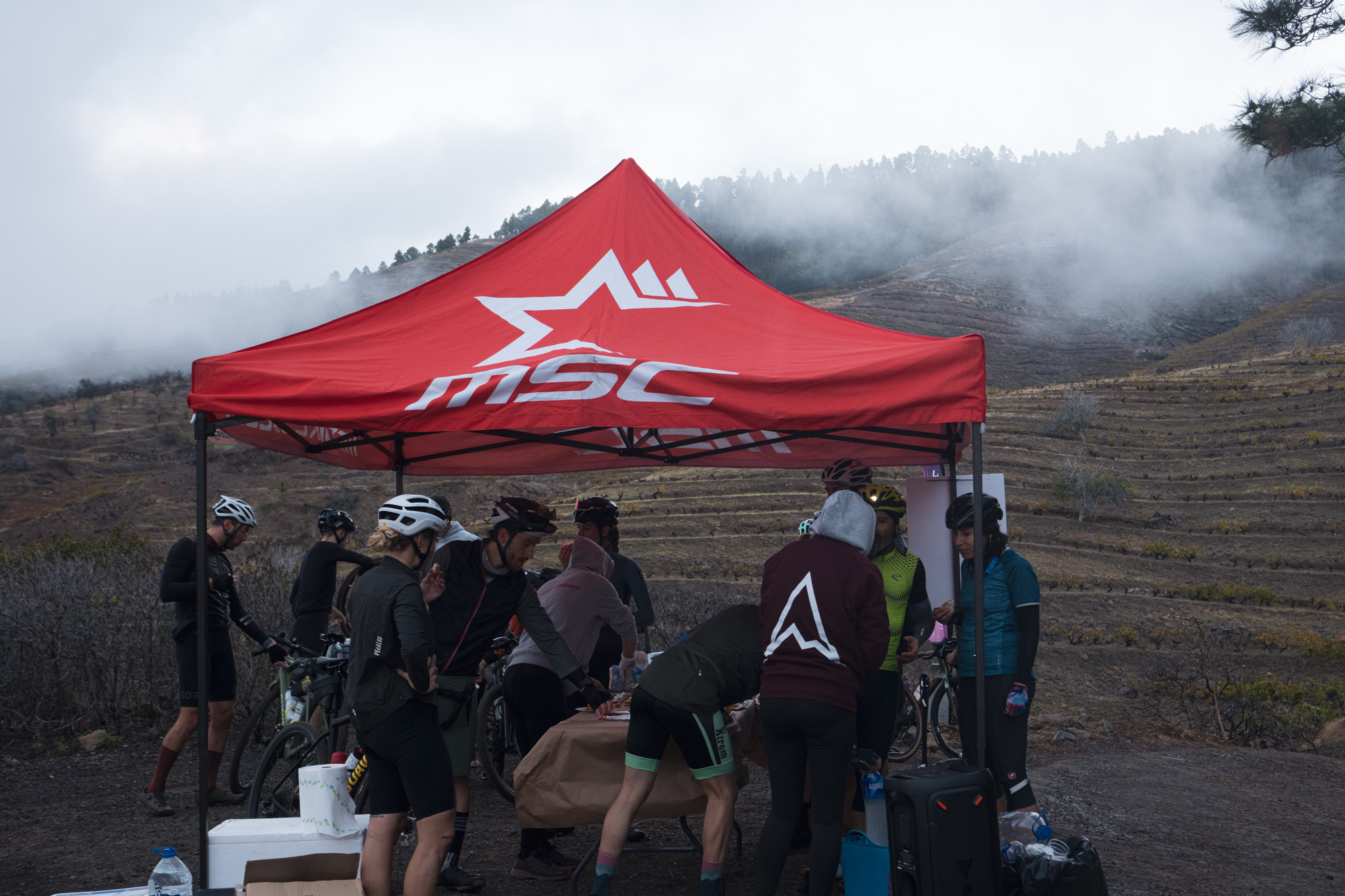
The finish was in Laguna de Barlovento, more concretely in the Recreativo Laguna de Barlovento Park. The camp, including the teepees and the hot outdoor showers, was already in place thanks to the hard work of the organizers and MountainRide, a local bike business. Despite arriving in the middle of the afternoon, we were given lunch, so in addition to all the food and drinks available at the feed stops, we were being really taken care of.
During the day we already got to know some of the other people we were sharing this gravel adventure with, but the time at the camp while waiting for dinner was the perfect occasion to discover who were the other participants that made the trip to La Palma.
Every stage was given a name based on the characteristics of the terrain and the views along the way. “Jungle Ride” was a very fitting tag for the second day of riding, as the first kilometers were very humid and through tropical vegetation.
This time we started climbing from the very beginning, accumulating 750 meters of elevation in the initial 10 kilometers while heading in southwest direction. Once the gradients flattened, we started heading back to the eastern coast of the island through a descent that at first was fast but then turned into a challenging task due to its technicality and the lianas hanging from the trees.
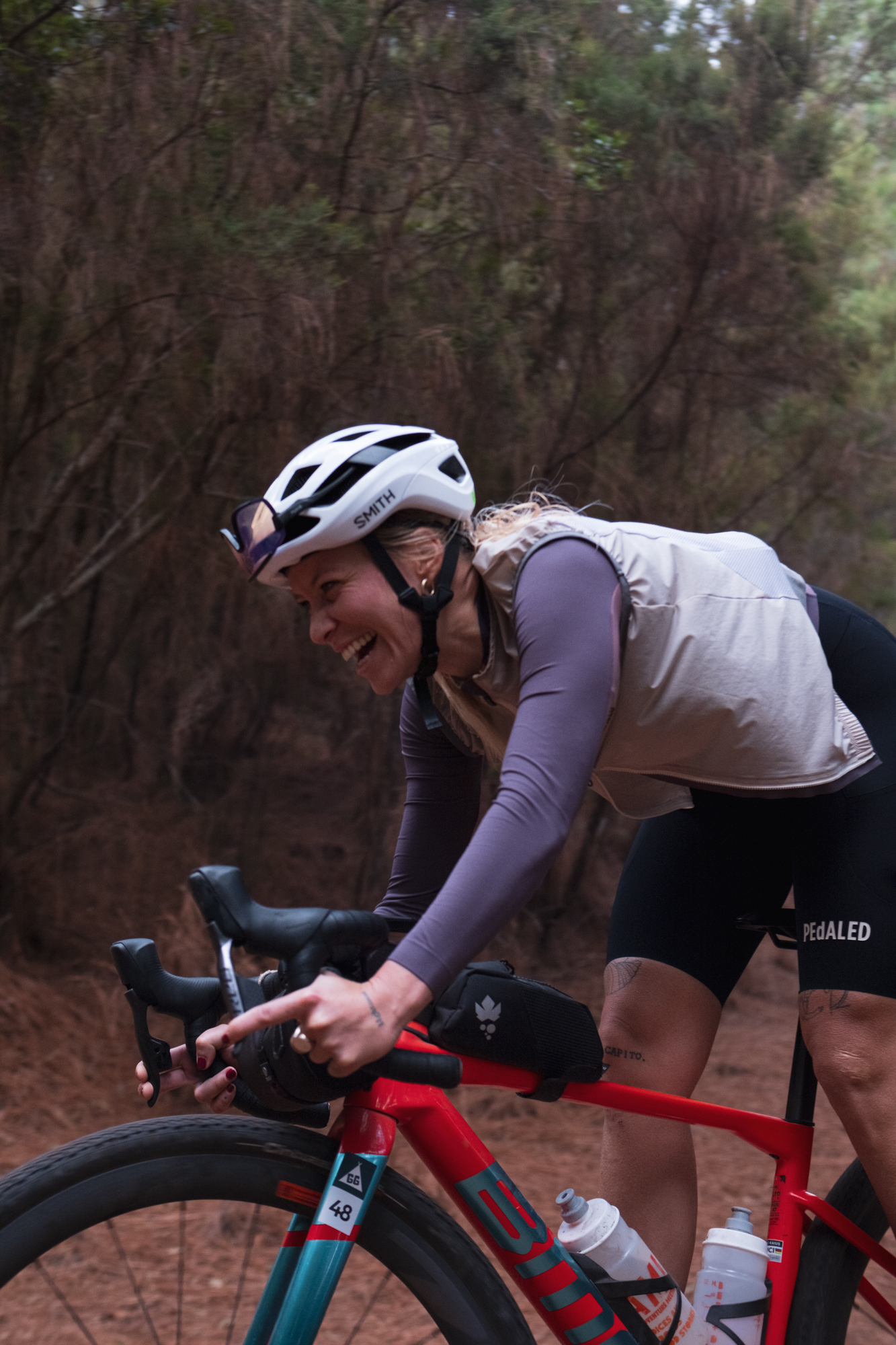
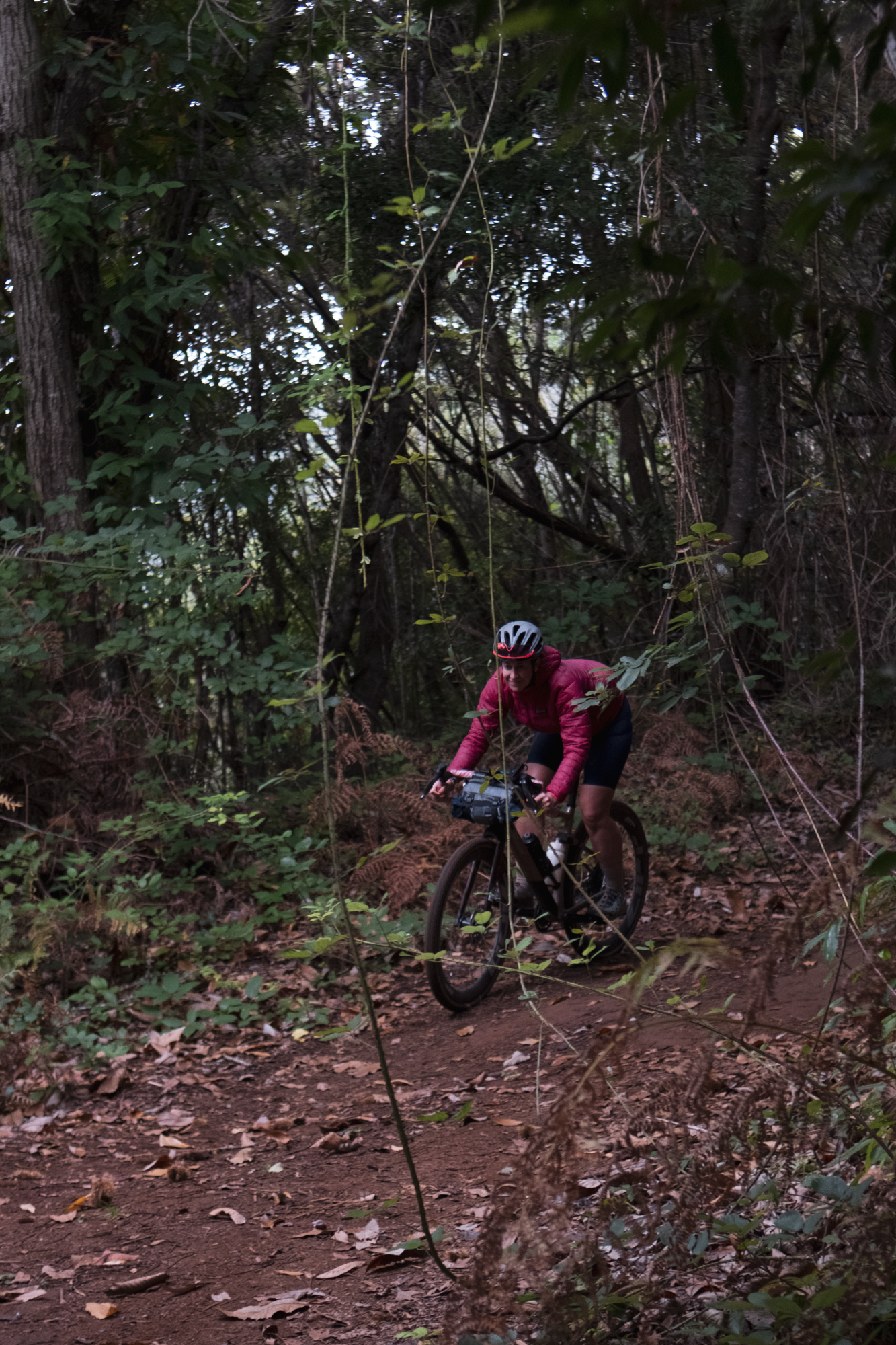
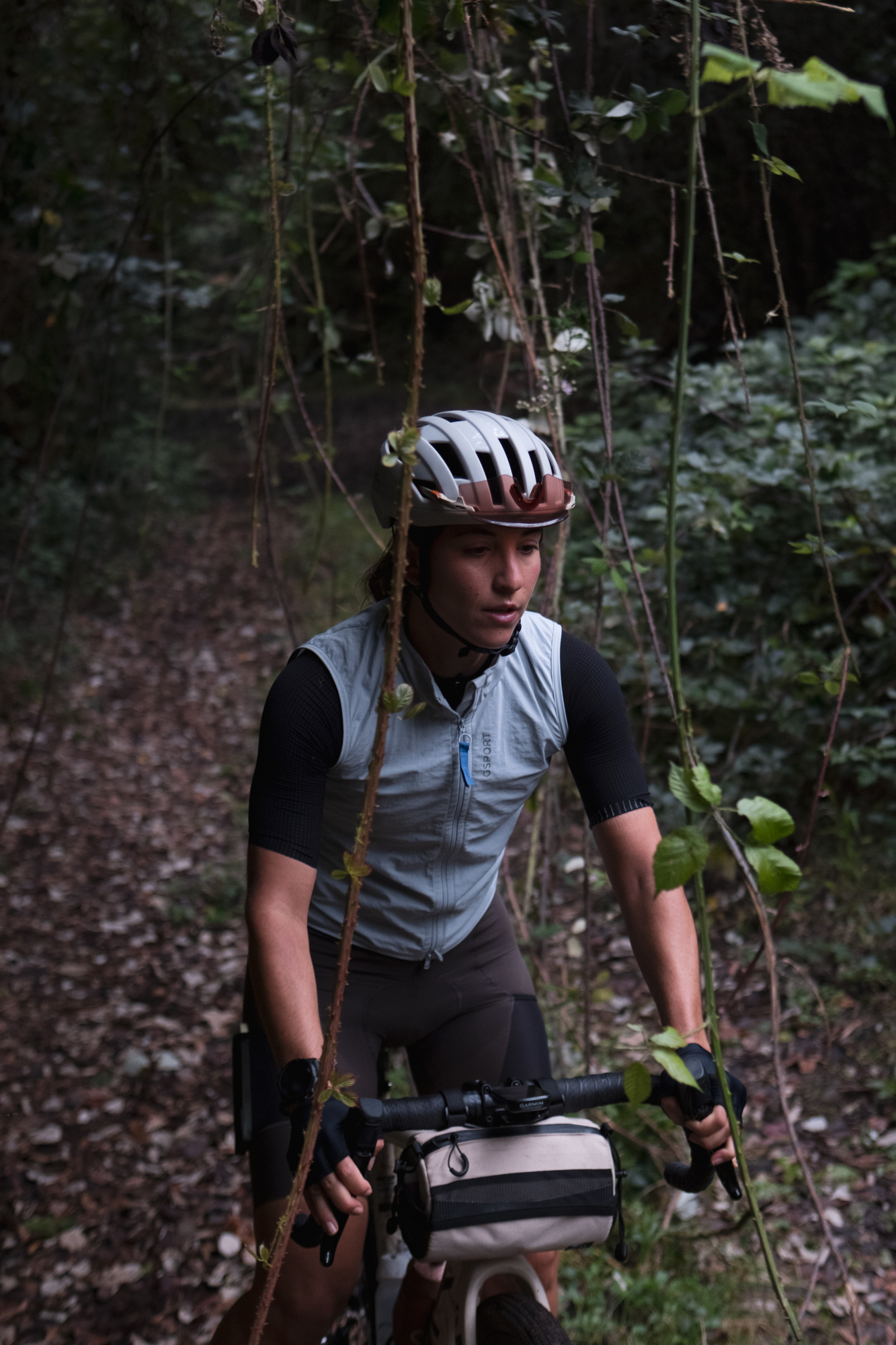
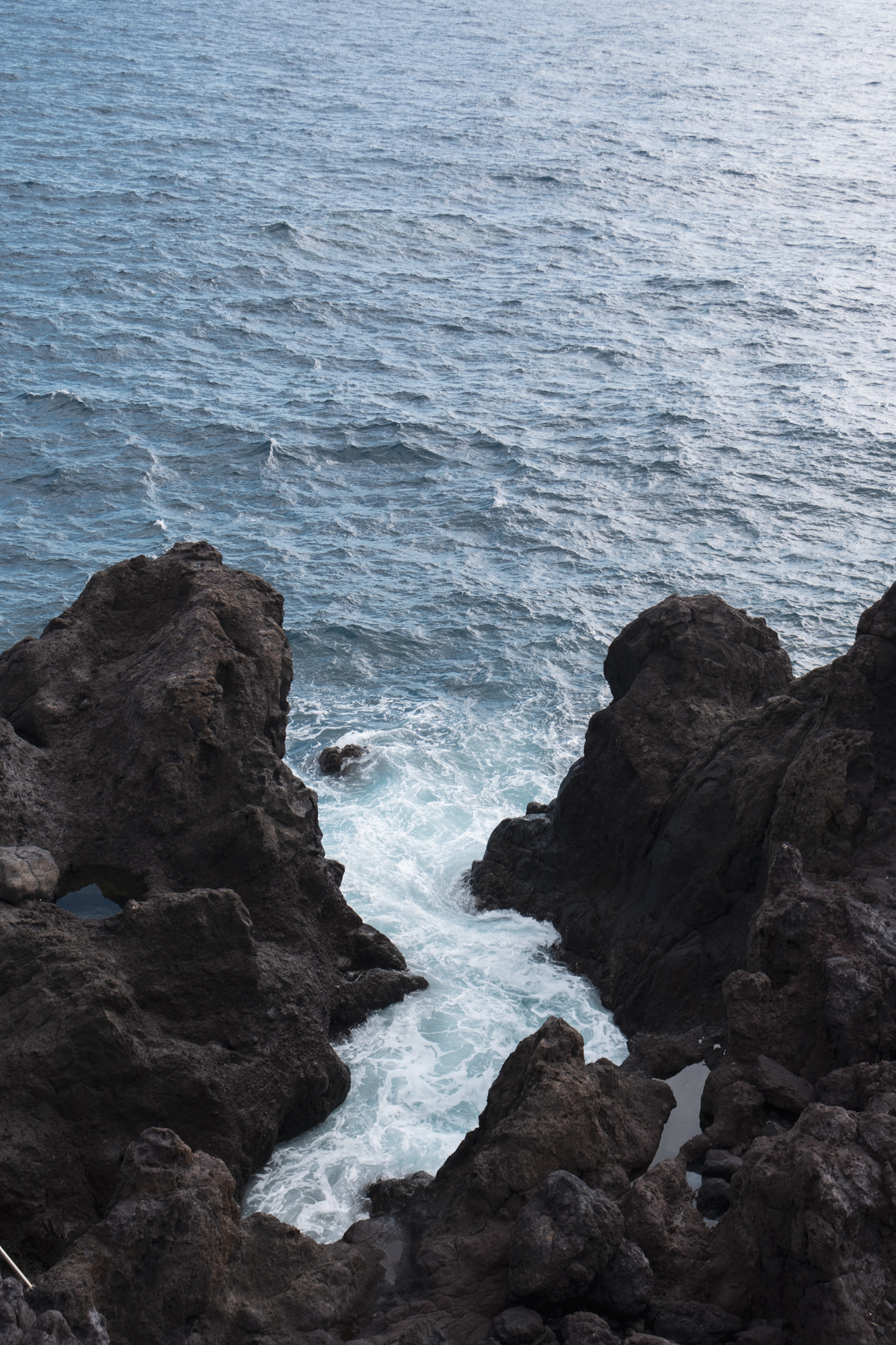
The first feed station marked the end of the off-road section of the day. From then on we would first continue descending until Puerto Espíndola and its natural pools, and then climb back through the Mimbreras road to a similar elevation to where we started the day.
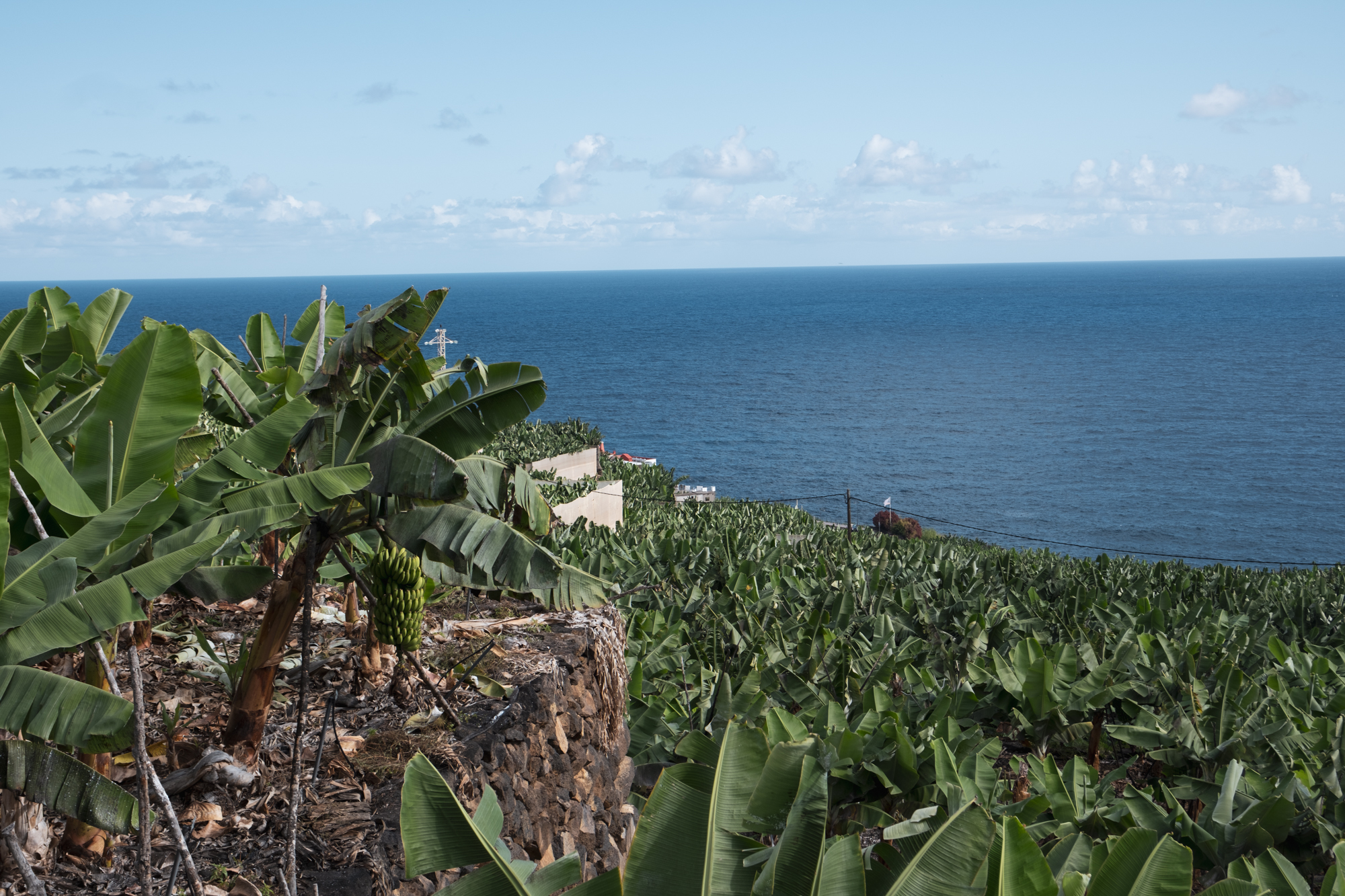
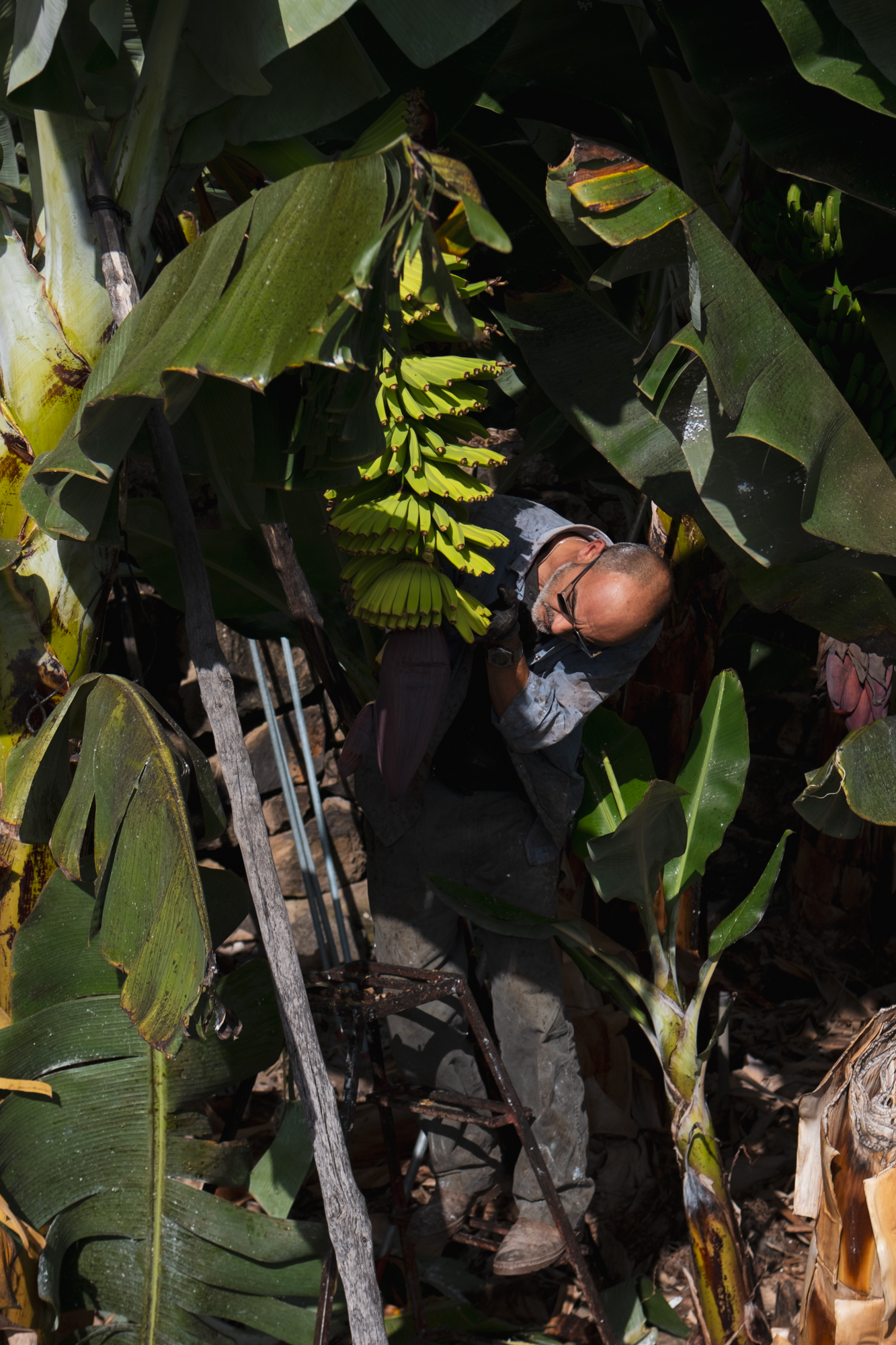
We rode past thousands of banana trees, and we even engaged in a conversation with a local merchant so he could explain to us the process of collecting bananas and shipping them to continental Europe.
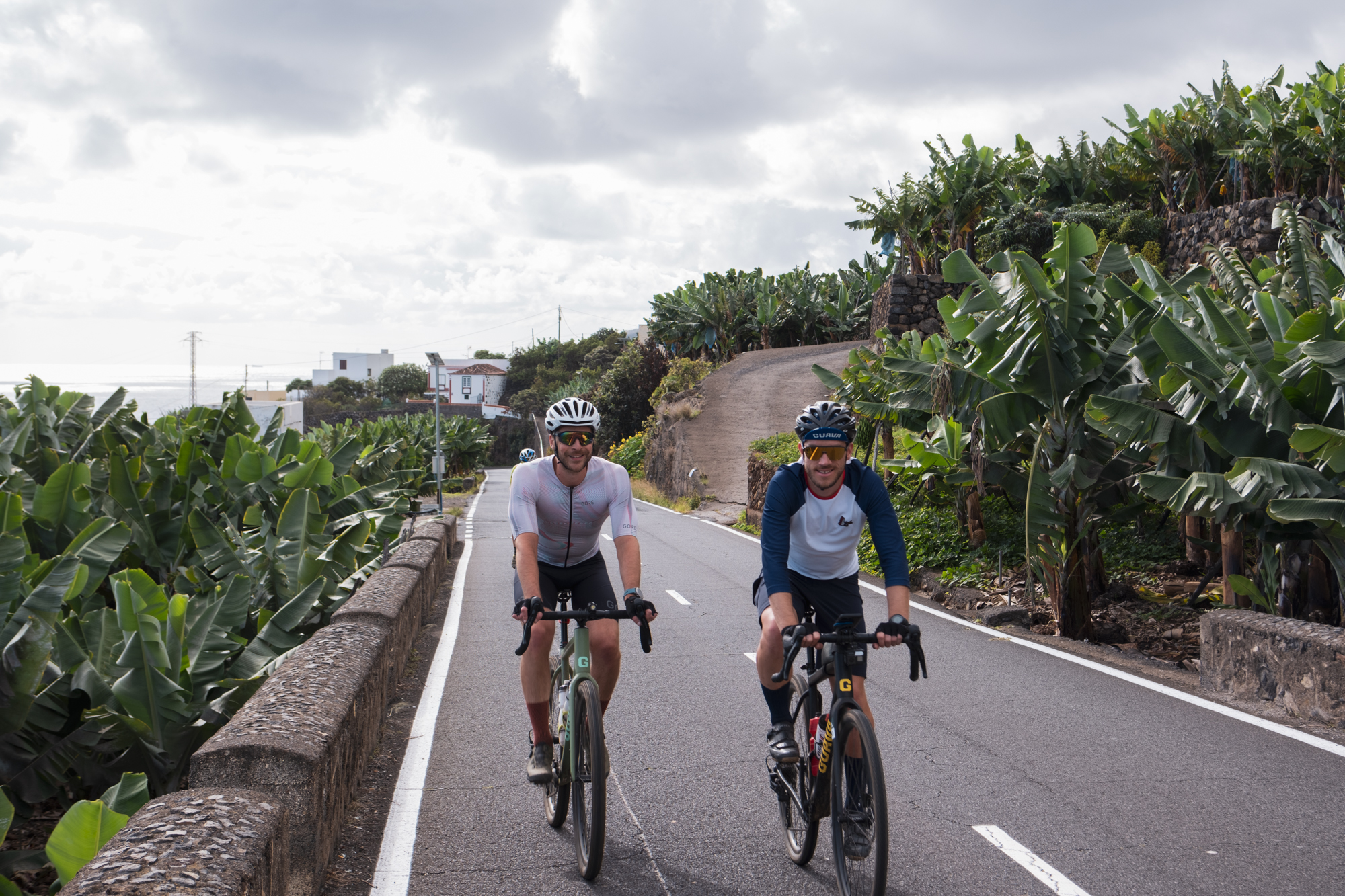
Once at the itinerant camp, we proceeded with our newly acquired routine: collect our bags, place them in our tent, take a shower, and handwash our kit. There was a restaurant at the campsite from where we would get local dishes for lunch and dinner. In between meal times, we entertained ourselves by playing frisbee or simply talking about non-bike-related matters.
The rain and wind we faced overnight, even if the teepees repelled the water better than expected, truncated our sleep. If you factor in the fact that a car rally taking place on that day forced us to start at 7.30 AM to make sure we reached a road before it closed, it is fair to say we tackled the Banana Ride in suboptimal conditions.
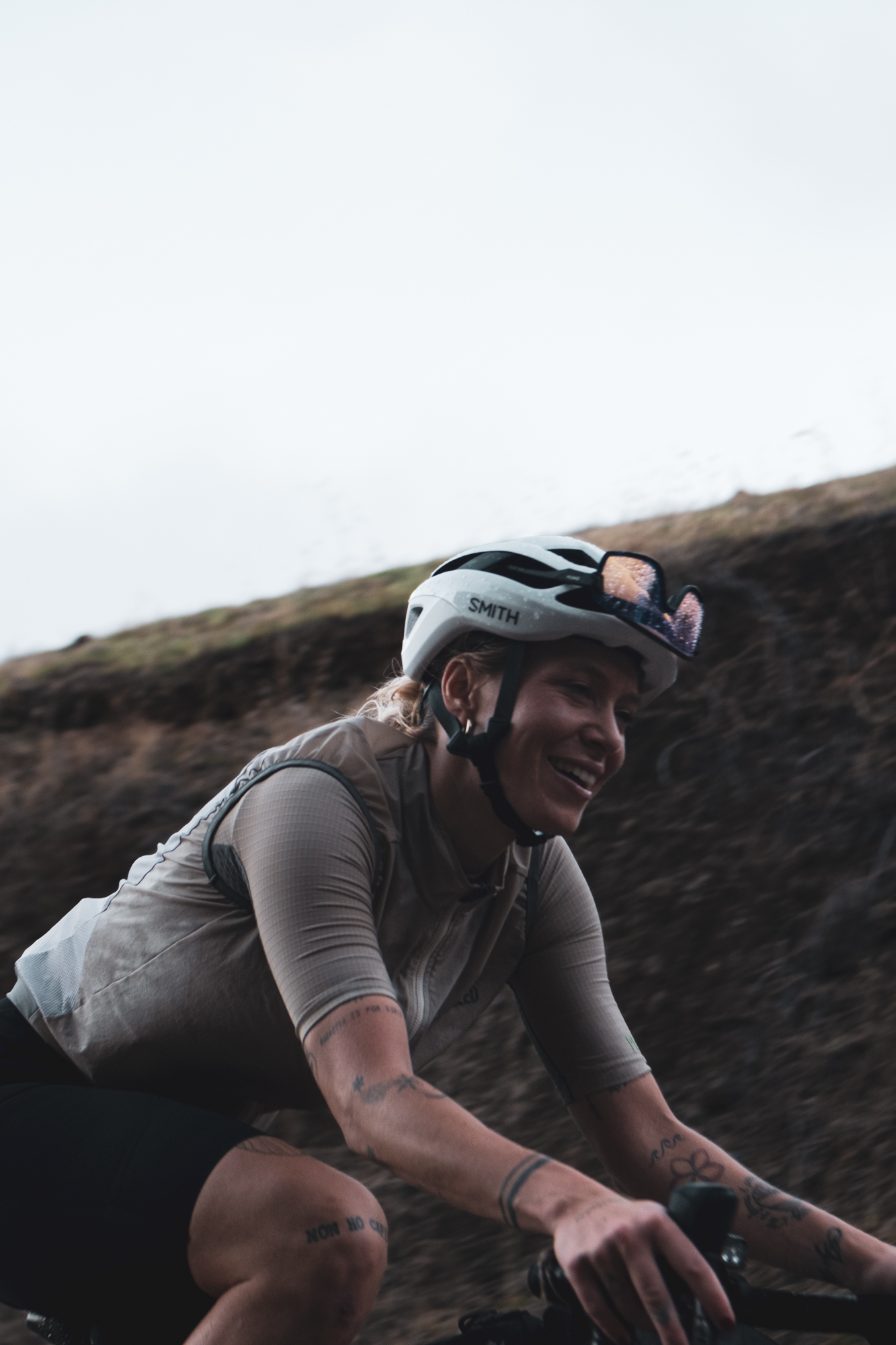
Riding at night, with some raindrops but tolerable temperatures, had its charm. We stayed as a group until we hit the first gravel section. There were some splits, but aware that we had all the time in the world to complete the 75 km and 2,400 m of elevation, we ended up gathering all again at the first feed stop.
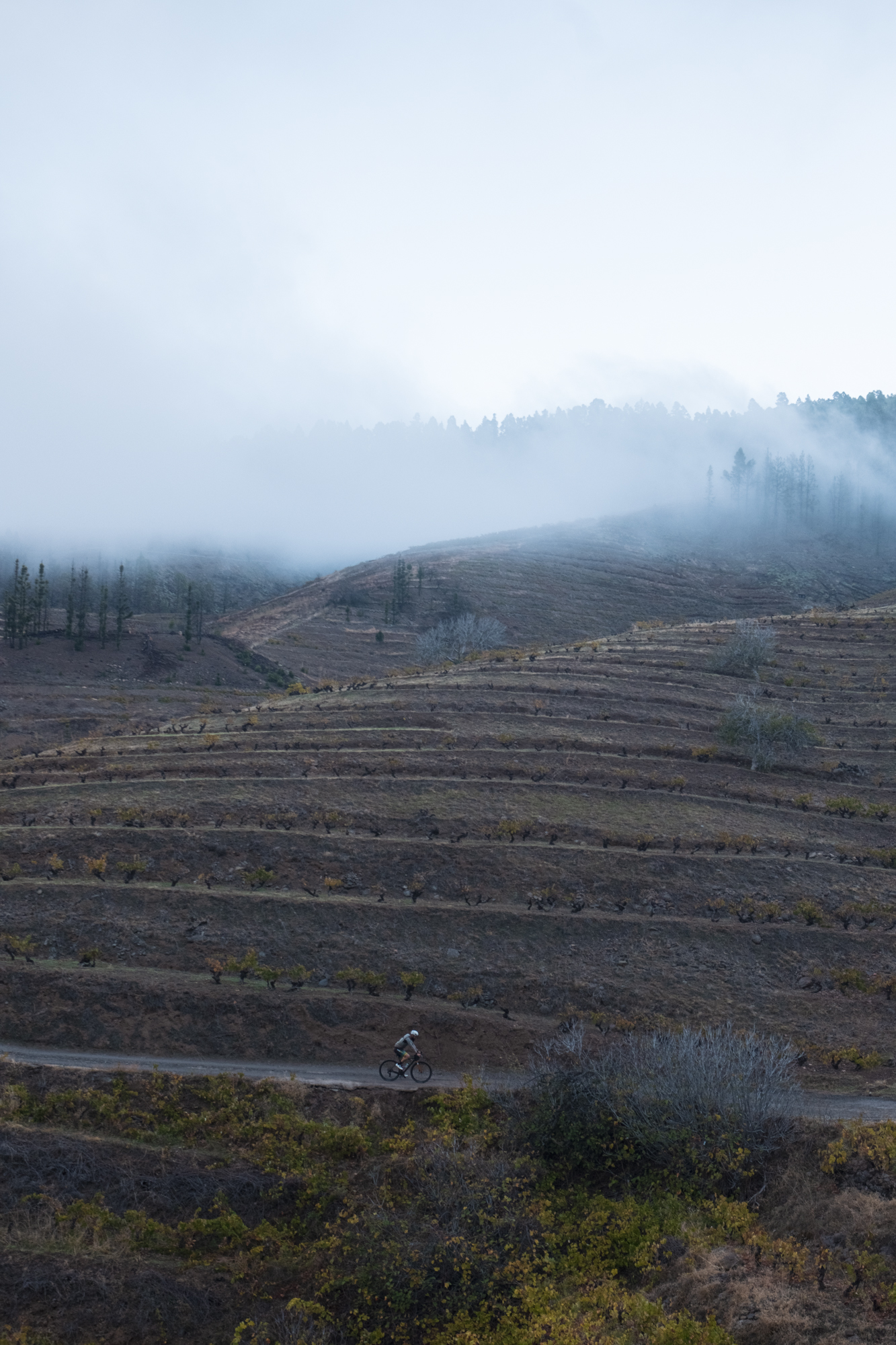
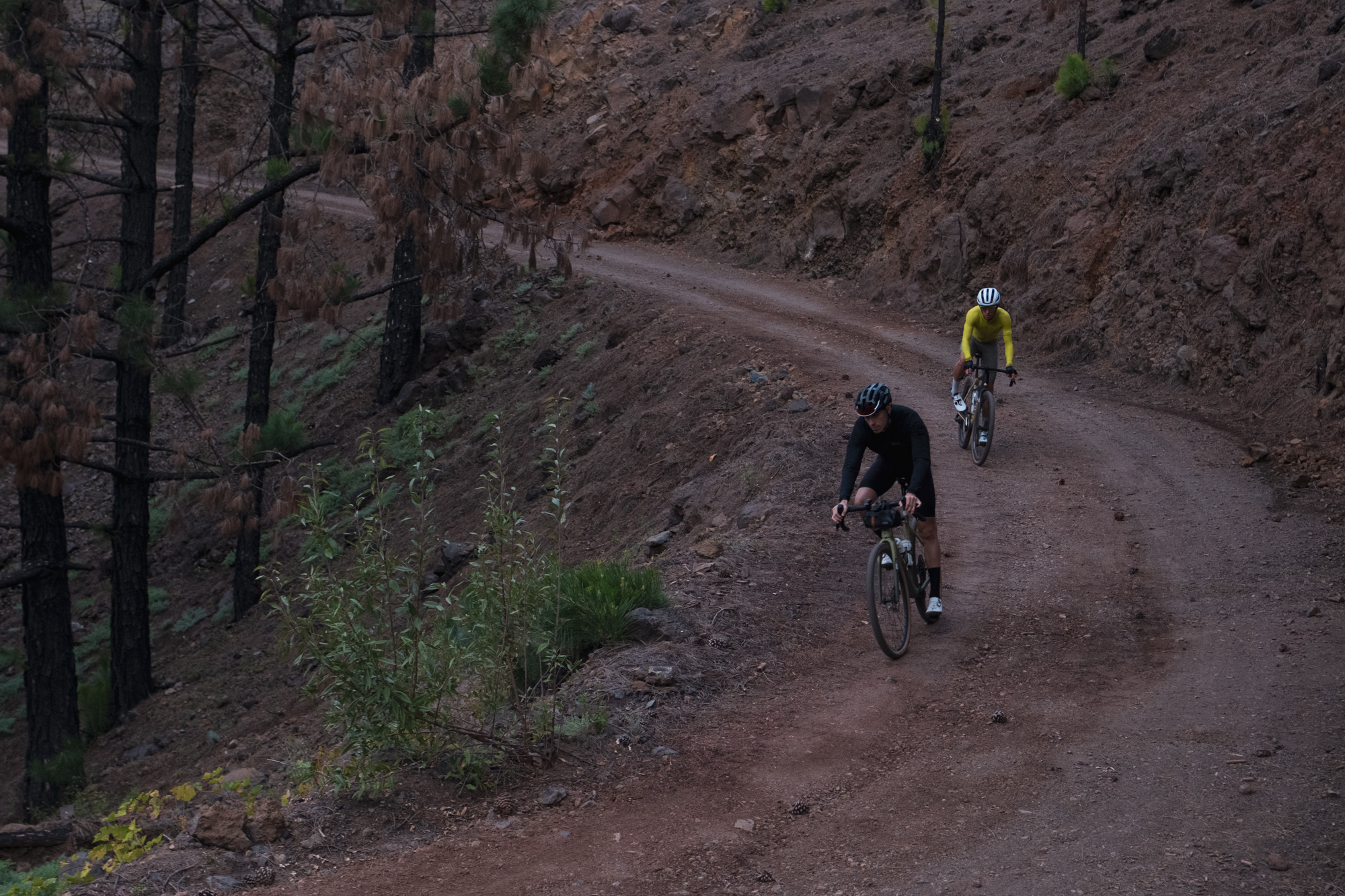
For the following couple of hours, we rode in south directions along the track adjacent to the National Park of Caldera de Taburiente, featuring forests of high pine trees and periodical views to the west coast of La Palma. It was probably the first segment in the whole event without notable climbs or descents, but the terrain was nonetheless undulating and always fluctuating around the 1,000-meter elevation mark. We took a short deviation to check the Mirador del Time viewpoint, from where we could observe the Aridane Valley and the lava flows of the eruption that took place in 2021.
Once again, parts of the descent were trickier than expected, but the final stretch following the main road to Tazocorte was jaw-dropping, with views of the rugged peaks of La Palma. We improvised a coffee stop by the sea, even if the real feed station, the MountainRide store in Los Llanos, was only a handful of kilometers away.
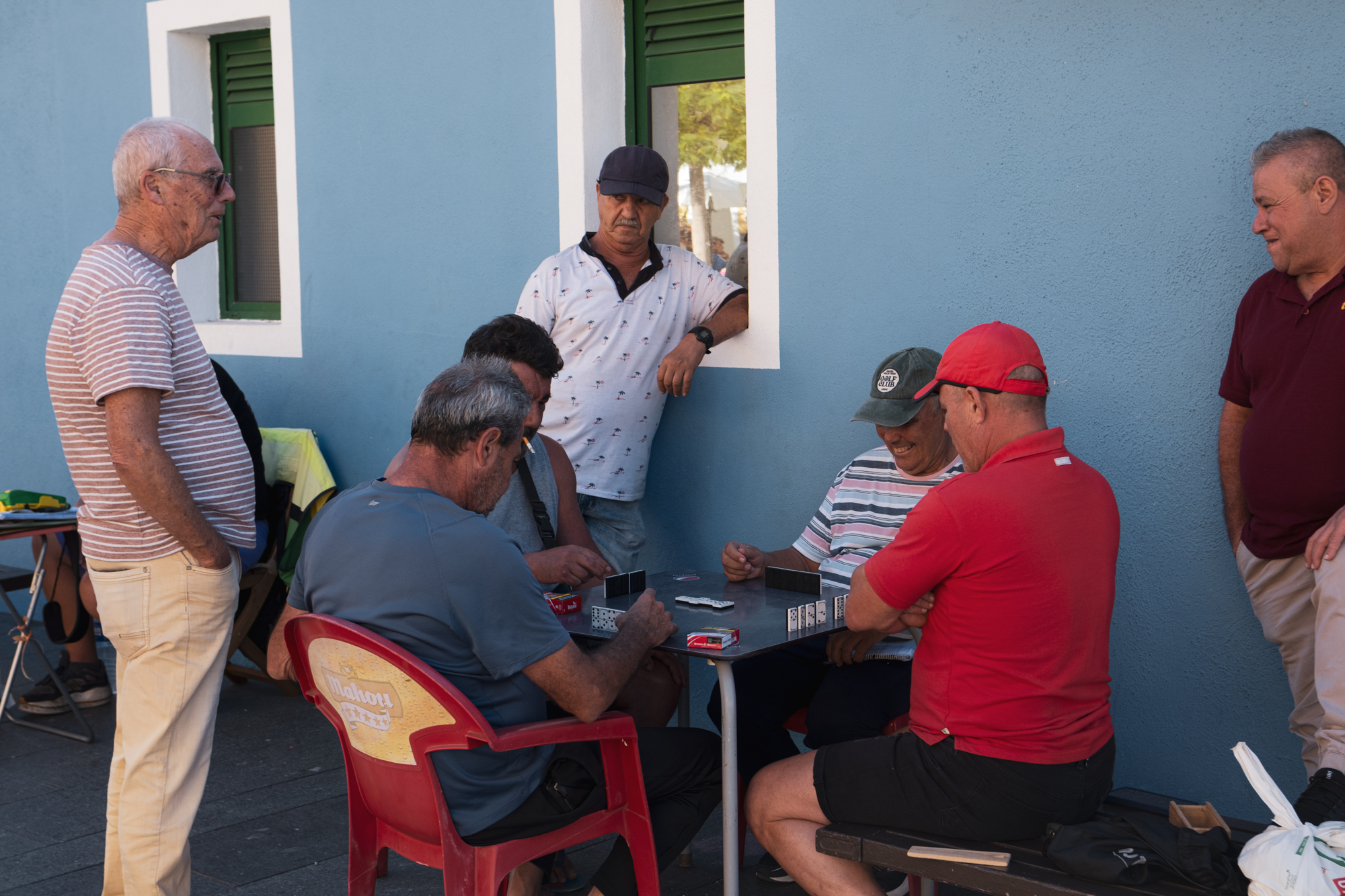
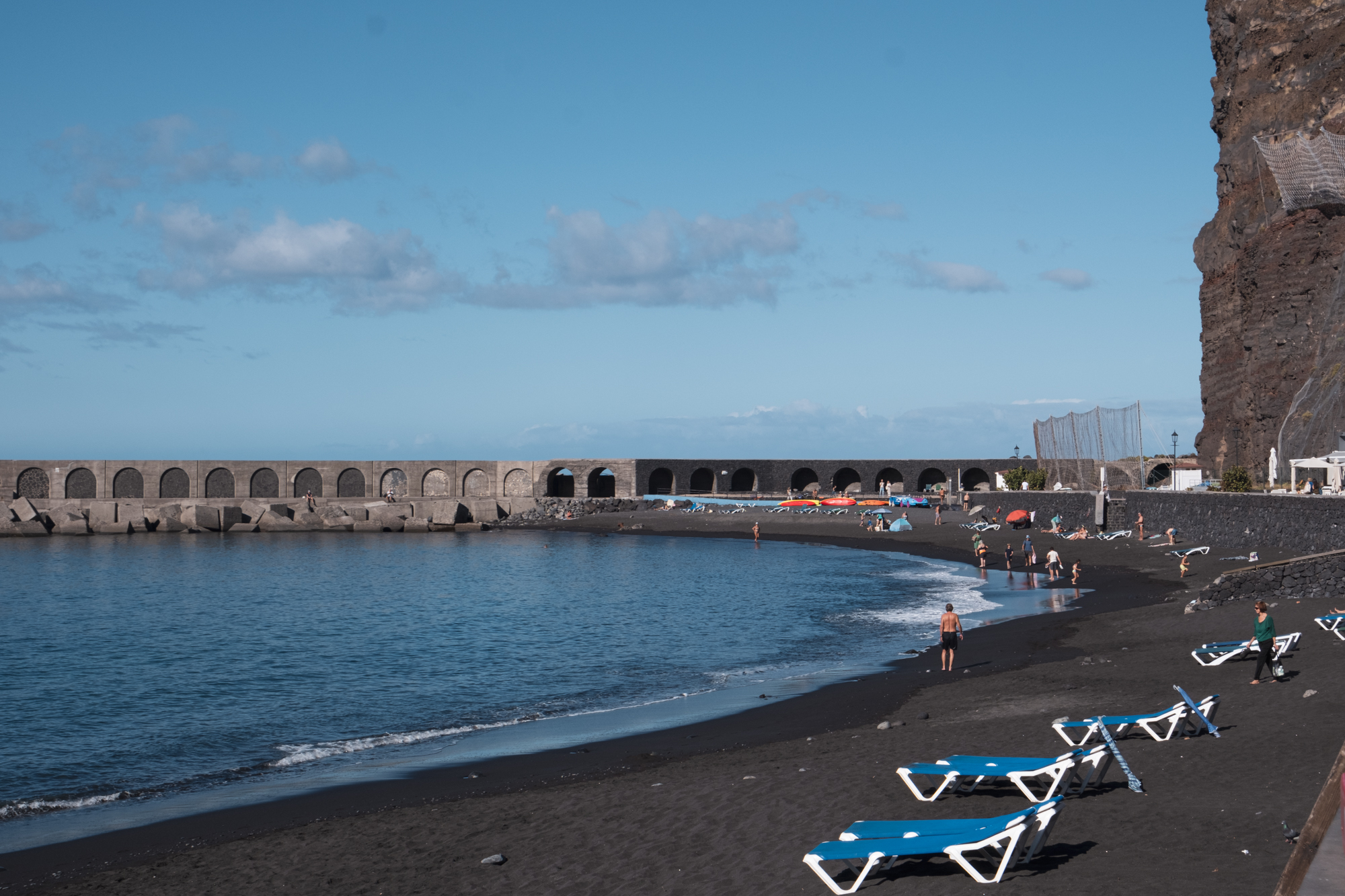
Down there, the sun was shining, but looking at where we were heading, it was clear we would encounter challenging weather conditions. We started feeling the first raindrops even when there were no clouds above, but the gusts of wind were so noticeable that they transported the rain from further inland.
The last 30 kilometers were uphill. We left MountainRide with a small group but soon everyone would start climbing at their own pace. The gradients hit the double digits when riding past some vegetable fields, and at some point, we saw the first traces of volcanic ashes.
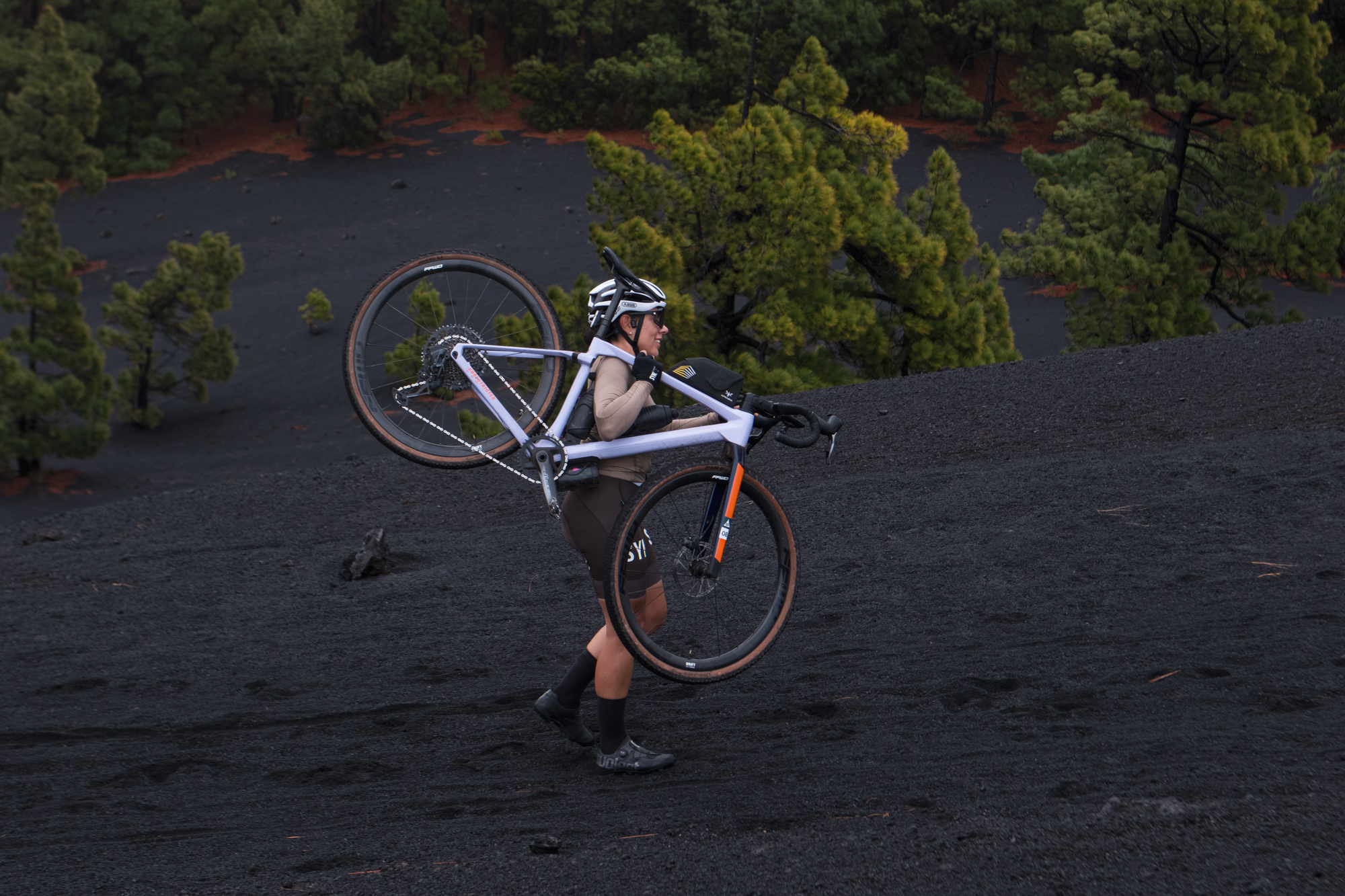
During the previous night’s briefing, we were told there was a 2 km hike-a-bike section, but we didn’t know exactly where. We thought we would be able to ride all of it, as it was technical but still somewhat rideable. However, we had to put our feet on the ground when we hit a sandpit of volcanic ashes. Black sand. We had never thought we would be riding over the traces of a recent eruption, and once again Gravel Ground delighted us with some unique moments.
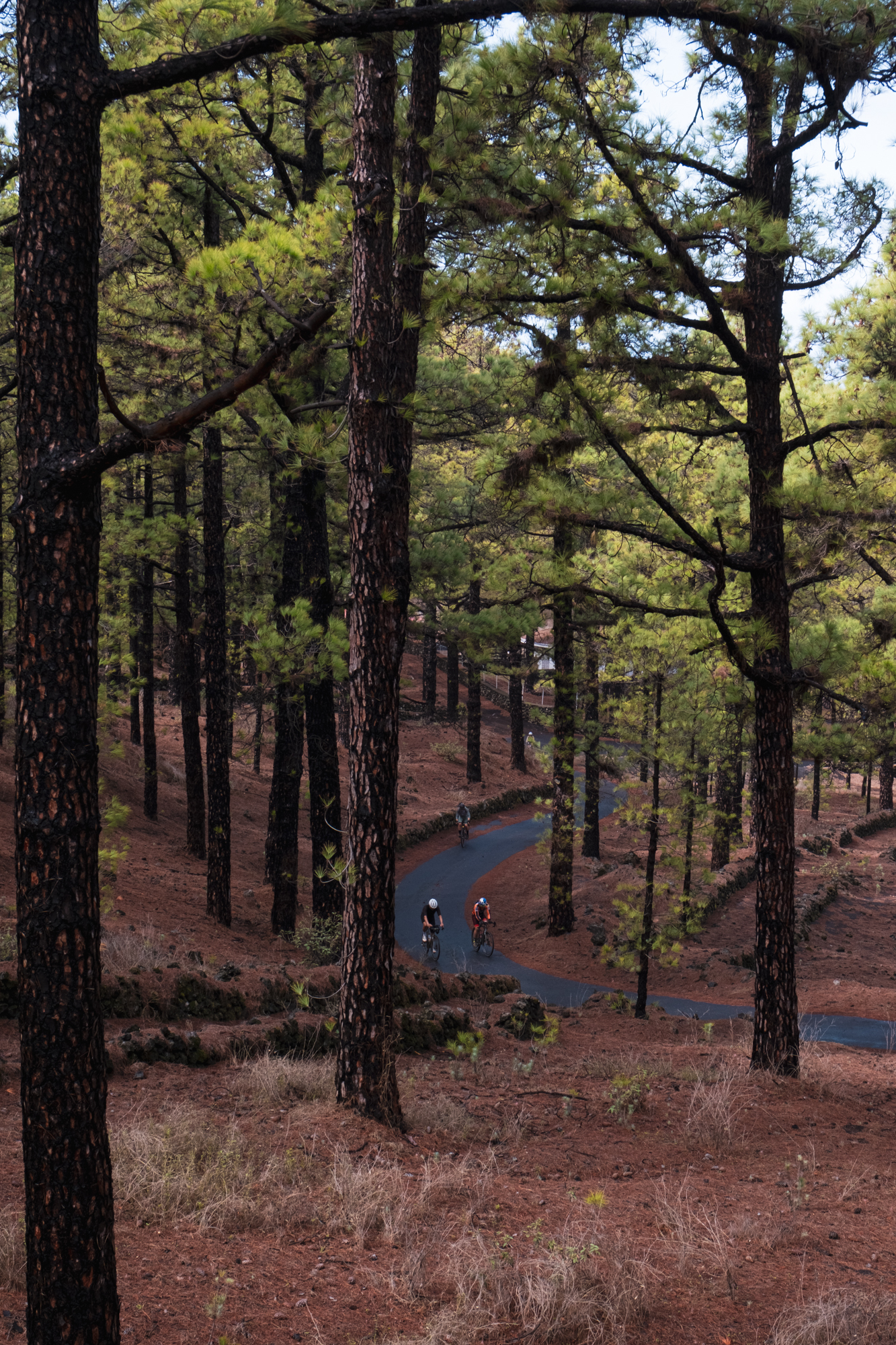
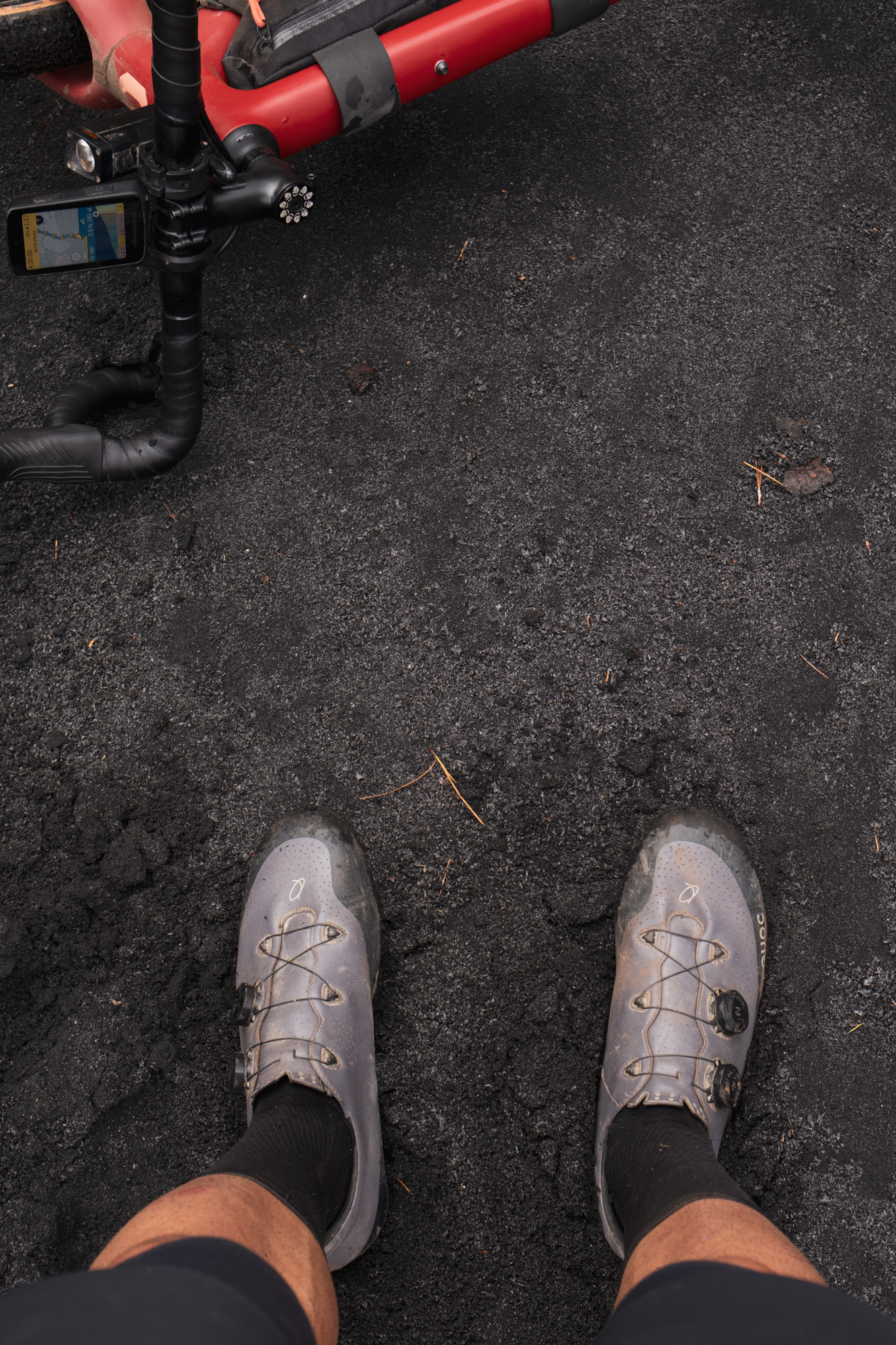
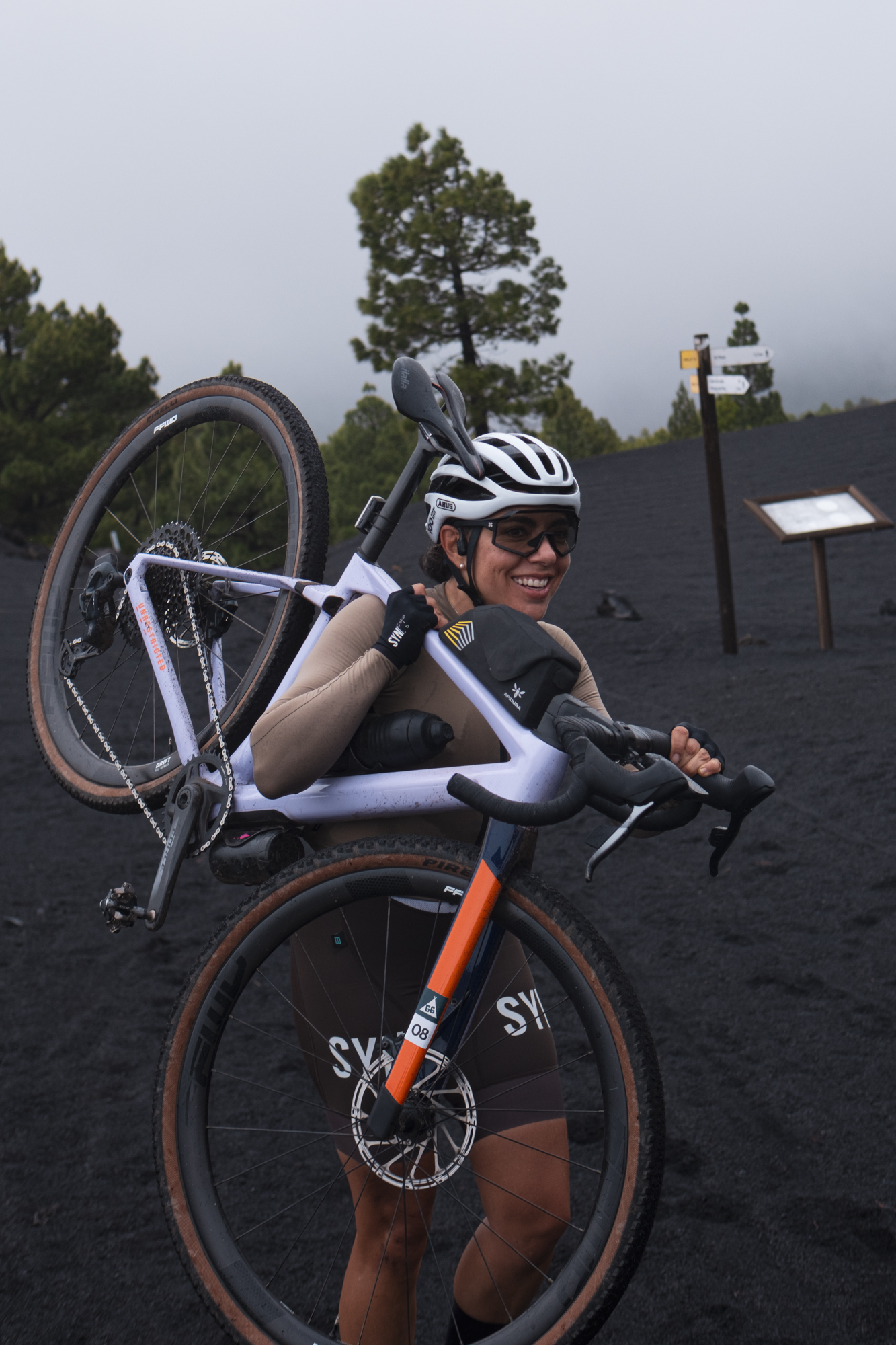
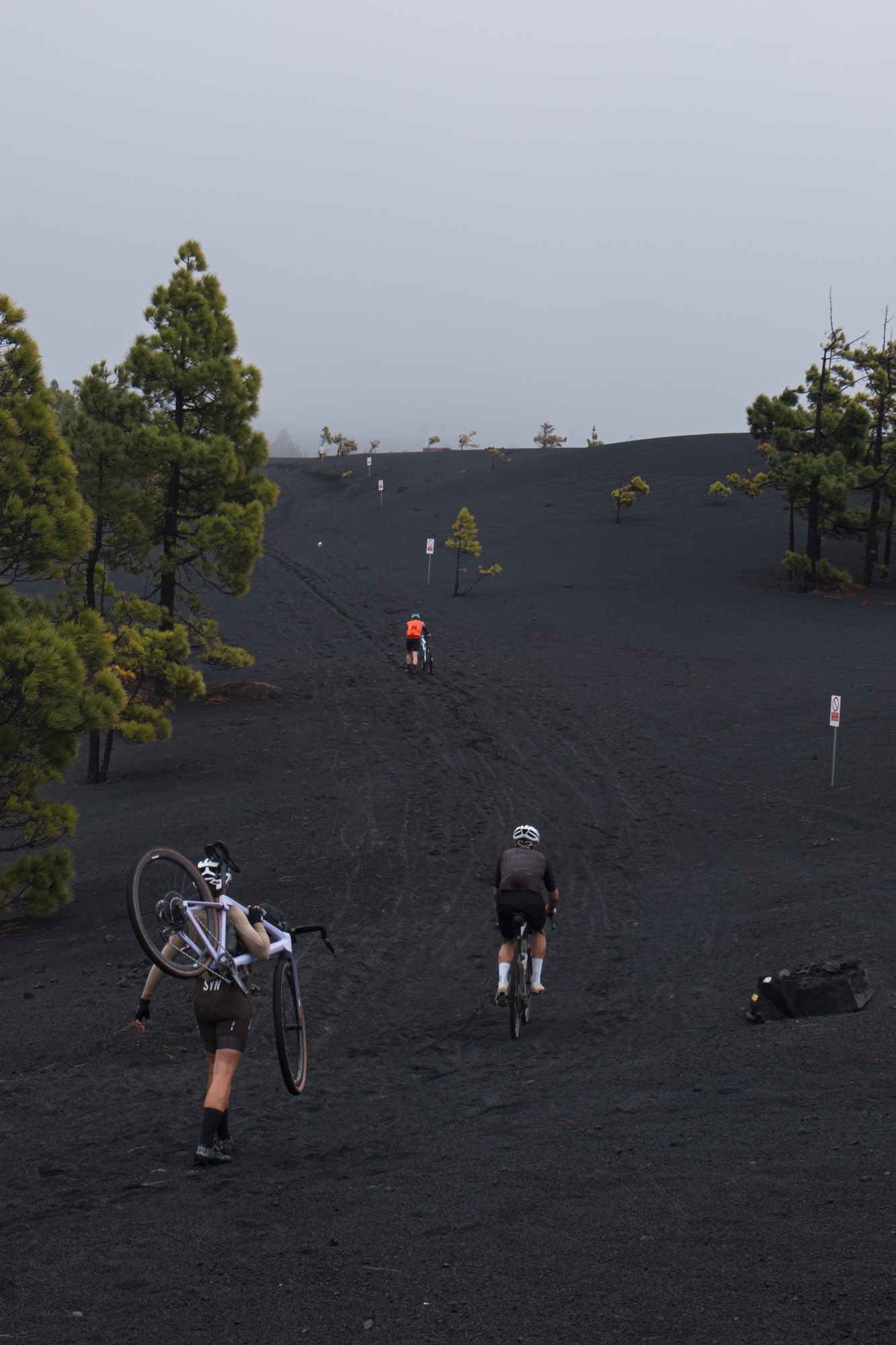
It was truly epic, not only for the surface below us but the sudden rain and wind that we encountered, as if it was a different microclimate. We wanted to stay there, waiting for the others so we could share those priceless moments together, but we were getting cold and exited the volcanic section to tackle the couple of paved kilometers that separated us from the finish.
The camp, located in the heart of the Caldera de Taburiente National Parks, was as minimalistic as it could get: a couple of open sheds where to light a fire, some benches, and not much more. It was quite cold, and the rain, albeit in low intensity, was still present, so we created a cozy environment around the fireplace while waiting for dinner time.
We consider ourselves early risers, but that day we didn’t want to get out of our sleeping bag. The night had been cold, and the rain had continued overnight. We dragged ourselves to the startline, where the high pine trees had created the perfect misty environment.
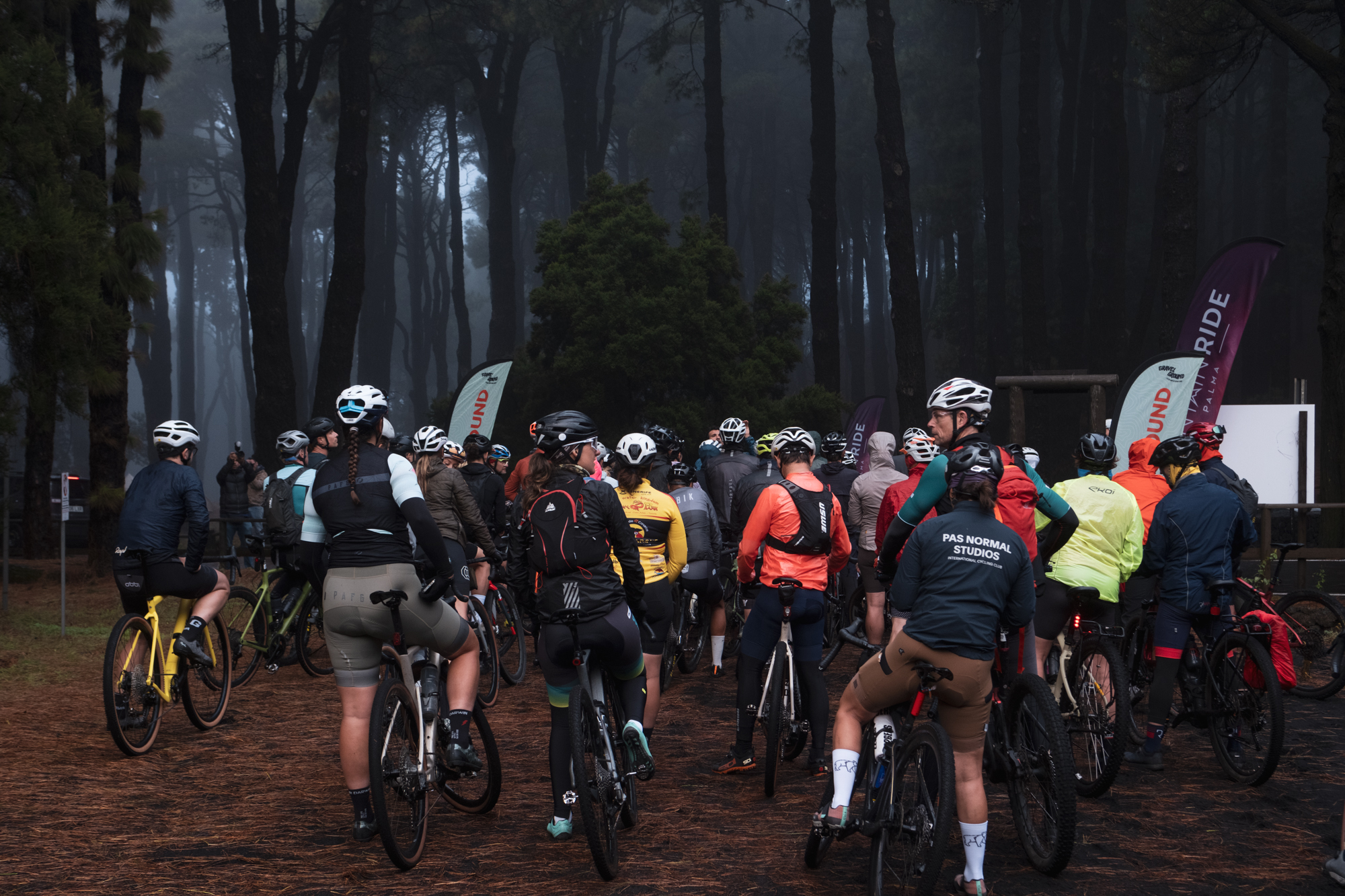
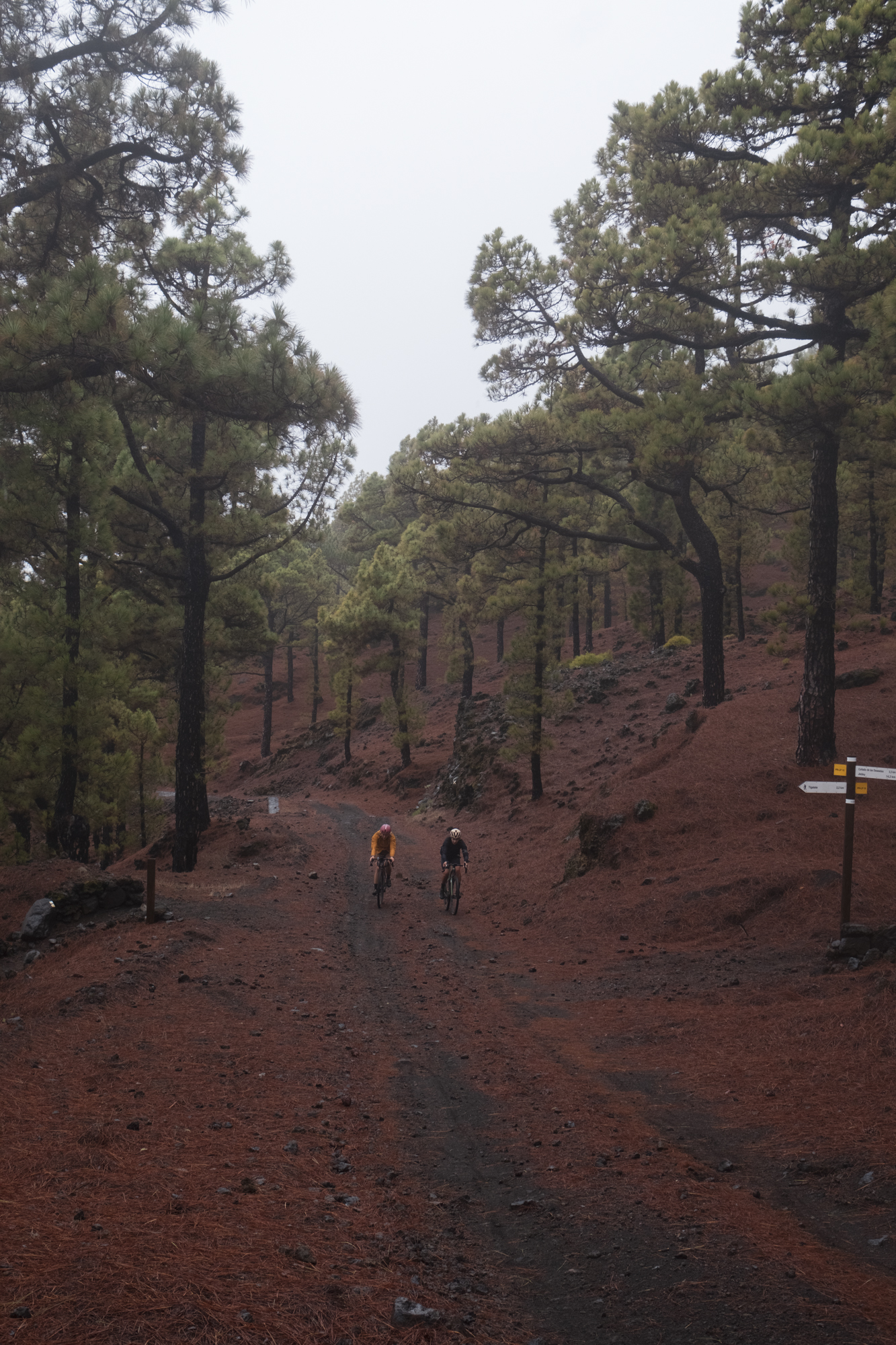
Luckily, the weather changed not long after we started spinning the legs. The rain turned into drizzle and then stopped for good. The perfect condition of the gravel paths also raised our mood. We reminded ourselves of how privileged we were to be doing what we love the most in a place like La Palma, and even if we ended up getting used to riding over volcanic sand, it was a unique situation we will never forget.
The Volcano Ride consisted of a 40 km loop around the Cumbre Vieja Natural Park, fully on gravel, before descending to Los Cancajos, where our bike adventure would come to an end.
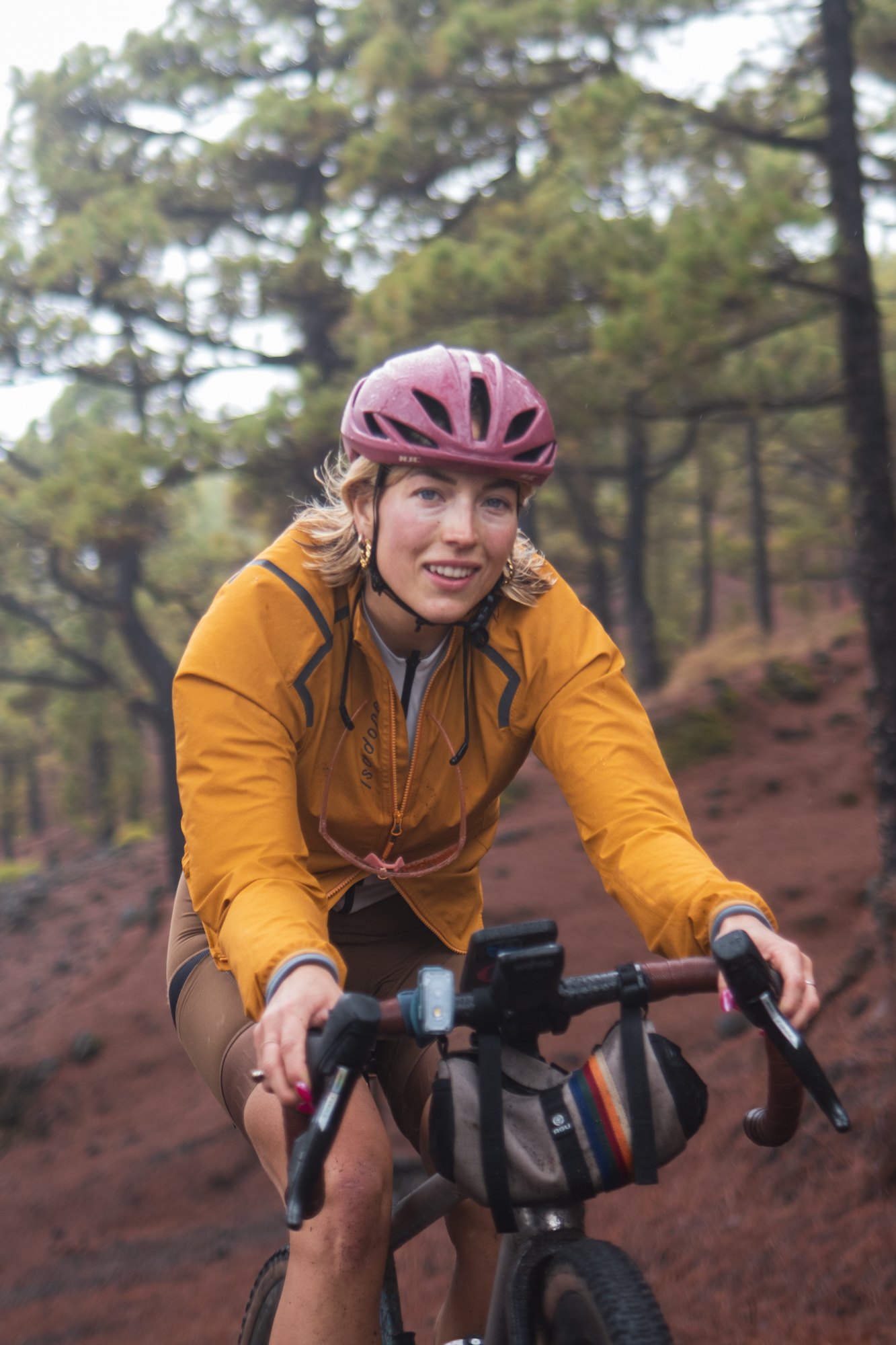
We made sure we shared some final kilometers with each one of the individuals who made our stay on the island even more rewarding. We would have time back at the hotel to process together everything we went through, but every pedal stroke that brought us closer to the line also distanced us from the camp, the volcano, the jungle, the ashes.
Gravel Ground La Palma 2024 was the perfect example of how a non-competitive gravel event should be organized. We returned home with much more than 20 hours on the saddle. In addition to riding bikes, we learned about the local culture and tasted the Canarian gastronomy. We hope that La Palma preserves its natural gems, but we also want more cyclists to discover this magic island.
The organizers will surely find the perfect balance, and although Gravel Ground is not exclusively linked to La Palma, this successful first edition must have triggered NSN to start planning the next one. We brainstormed possible locations where they could organize the next multi-stage gravel event, but the truth is that La Palma will always be remembered as the place where everything started.

Javi es nuestro corresponsal en Bélgica, y trata de contrarrestar su obsesiva pasión por el análisis de datos con la relajante acción (o eso es lo que dice) de crear contenido para la revista. Javi is based in Belgium and tries to compensate for his obsessive passion for data analytics with the relaxing action (that's what he says) of creating content for the magazine. View all posts by Javi Angulo
 Javi Angulo
 Javi Angulo
 Javi Angulo
 Javi Angulo
 Javi Angulo
 Javi Angulo
 Pavel Novotný
 Pavel Novotný
 Javi Angulo
 Javi Angulo
 Javi Angulo
 Juliana Reis
Cuando Gravel Ground apareció en nuestra bandeja de entrada por primera vez, supimos de inmediato que iba a ser un éxito. Tenía todo lo esencial para prosperar en un calendario ya de por sí congestionado: organizadores experimentados, una ubicación única y una descripción clara de cómo debe ser un evento no competitivo.
“Una aventura gravel es más que andar en bicicleta: es disfrutar de la gastronomía, los paisajes y descubrir un nuevo territorio” – NSN, organizadores de Gravel Ground
La edición inaugural de Gravel Ground tuvo lugar en La Palma, Islas Canarias. Fue la primera vez que un evento gravel se llevó a cabo íntegramente en la isla y, a pesar de los desafíos logísticos, los 50 participantes disfrutaron de cuatro días de ciclismo, del 24 al 27 de octubre, en “La Isla Bonita”, como se la conoce comúnmente.
La organización de un evento a distancia presenta unos retos adicionales, pero NSN, con sede en Barcelona, se asoció con el Cabildo de La Palma para aprovechar al máximo su conocimiento de la isla. Varias empresas, tales como proveedores de alimentos, también se involucraron, asegurándose de que el evento tuviera un impacto positivo en la economía local. Guava se unió al proyecto como patrocinador principal, y pudimos probar su modelo de gravel Spot durante nuestra estancia.
A pesar del enfoque social, la ruta supuso un desafío notable: casi 8.000 metros de desnivel en apenas 250 kilómetros. Ese kilometraje se distribuyó en cuatro etapas, cada una presentando sus propios desafíos debido a su terreno particular.
Al final del evento, hicimos una vuelta completa a la isla en sentido contrario a las agujas del reloj, recorriendo todos los caminos forestales transitables. La Palma era conocida hasta ahora por sus bajadas para Enduro, pero descubrimos que también puede convertirse en el próximo destino de gravel.
Con algo de experiencia en lo impredecible que es el clima en las Islas Canarias, llegamos a La Palma con la mente abierta y esperando lo inesperado. Íbamos a pasar tres noches al aire libre, durmiendo en tiendas de campaña compartidas con los demás participantes. Junto con el saco de dormir y la esterilla, llevamos ropa para todo tipo de condiciones meteorológicas y estamos muy contentos de haberlo hecho, aunque el primer día parecía que todo iba a ser cielos azules.
Al final del camino, de repente estábamos por encima de las nubes, con el magnífico Teide de fondo, situado en la vecina isla de Tenerife. A partir de ahí continuaríamos con nuestro ascenso por una carretera perfectamente asfaltada, con solo una breve parada en el punto de avituallamiento.
Los últimos kilómetros hasta la cima fueron duros pero gratificantes. Pasamos por delante del Observatorio del Roque de Los Muchachos. En ese momento no los sabíamos, pero después nos contaron que en el lugar se encuentra el mayor telescopio óptico-infrarrojo del mundo, además de otras infraestructuras más pequeñas para observar y analizar el universo.
Allí estábamos, en el punto más alto de la isla, intentando procesar todo lo que veíamos a nuestro alrededor. Según los locales, tuvimos mucha suerte con la visibilidad de la que gozamos ese día, lo que nos hizo sentir aún más privilegiados por estar allí con otros participantes a los que ya considerábamos amigos.
Regresamos al avituallamiento, donde tomamos un desvío a la izquierda para continuar con el largo descenso, primero por asfalto y luego por gravel. La Pista Gallegos fue entretenida y nos obligó a estar concentrados durante toda la bajada. Contaba con un tramo expuesto con vistas al mar, una bonita concatenación de curba de herradura de gravel y un último segmento rodando sobre la hojarasca de los pinos, que aportaba un extra de agarre.
La meta era en la Laguna de Barlovento, más concretamente en el Parque Recreativo Laguna de Barlovento. El campamento, incluyendo las tiendas de campaña y las duchas calientes al aire libre, ya estaba instalado gracias al duro trabajo de los organizadores y de MountainRide, un negocio local de bicicletas. A pesar de llegar a media tarde, nos sirvieron lo que viene a ser la comida, por lo que además de todo lo que había en los avituallamientos, estábamos muy bien atendidos.
Durante el día ya conocimos a algunas de las otras personas con las que compartiríamos esta aventura gravel, pero el tiempo en el campamento mientras esperábamos la cena fue la ocasión perfecta para descubrir quiénes eran los otros participantes que se desplazaron a La Palma.
Cada etapa recibió un nombre basado en las características del terreno y las vistas a lo largo del camino. ‘Jungle Ride’ fue un nombre muy apropiado para el segundo día de ciclismo, ya que los primeros kilómetros fueron muy húmedos y atravesando vegetación tropical.
Esta vez empezamos a subir desde el principio, acumulando 750 metros de desnivel en los primeros 10 kilómetros en dirección suroeste. Una vez las pendientes se suavizaron, emprendimos el regreso a la costa este de la isla a través de un descenso que al principio fue rápido pero que luego se convirtió en una tarea desafiante por su tecnicidad y las lianas que colgaban de los árboles.
El primer avituallamiento marcó el final de la sección off-road del día. A partir de ahí continuaríamos primero descendiendo hasta Puerto Espíndola y sus piscinas naturales, para luego volver a subir por la carretera de Mimbreras hasta una altura similar a la que iniciamos el día.
Pasamos por miles de plataneros e incluso entablamos una conversación con un comerciante local para que nos explicara el proceso de recolección de plátanos y su envío a Europa continental.
Una vez en el campamento itinerante, procedimos con nuestra recién adquirida rutina: recoger nuestras mochilas, colocarlas en la tienda, ducharnos y lavar a mano nuestra equipación. En el camping había un restaurante donde pudimo comer y cenar platos típicos de la zona. Entre comidas nos entretuvimos jugando al frisbee o simplemente hablando de temas ajenos a la bici.
La lluvia y el viento que nos acompañó durante la noche, aunque la tiendas de campaña repelieron el agua mejor de lo esperado, nos truncaron el sueño. Si tenemos en cuenta que ese día había un rally de coches que nos obligó a salir a las 7.30 para asegurarnos de llegar a una carretera antes de que cerrara, podemos decir que afrontamos la Banana Ride en condiciones poco óptimas.
Rodar de noche, con algunas gotas de lluvia pero temperaturas tolerables, tenía su encanto. Nos mantuvimos en grupo hasta llegar al primer tramo de gravel. Se crearon algunos huecos, pero conscientes de que teníamos todo el tiempo del mundo para completar los 75 km y 2.400 m de desnivel, acabamos juntándonos de nuevo en el primer avituallamiento.
Durante las siguientes horas, rodamos en dirección sur por la pista adyacente al Parque Nacional de la Caldera de Taburiente, con bosques de altos pinos y vistas periódicas a la costa oeste de La Palma. Probablemente fue el primer segmento de toda la prueba sin subidas ni bajadas destacables, pero el terreno era ondulado y siempre fluctuaba alrededor de la cota de los 1.000 metros. Tomamos un pequeño desvío para ver el Mirador del Time, desde donde pudimos observar el Valle de Aridane y las coladas de lava de la erupción que tuvo lugar en 2021.
Una vez más, partes del descenso fueron más complicadas de lo esperado, pero el tramo final siguiendo la carretera principal hacia Tazocorte fue impresionante, con vistas a las escarpadas cumbres de La Palma. Improvisamos una parada para tomar un café junto al mar, aunque el verdadero punto de avituallamiento, la tienda MountainRide en Los Llanos, estaba a solo un puñado de kilómetros de distancia.
Allá abajo hacía sol, pero viendo hacia donde nos dirigíamos, estaba claro que nos encontraríamos con unas condiciones meteorológicas complicadas. Empezamos a sentir las primeras gotas incluso cuando no había nubes arriba, pero las ráfagas de viento eran tan notables que transportaban la lluvia desde el interior de la isla.
Los últimos 30 kilómetros fueron cuesta arriba. Salimos de MountainRide con un grupo reducido pero pronto cada uno empezaría a subir a su propio ritmo. Los desniveles alcanzaron los dos dígitos al pasar por unos campos de verduras y en un momento vimos los primeros rastros de cenizas volcánicas.
Durante la reunión informativa de la noche anterior, nos dijeron que había un tramo de 2 km para hacer a pie con la bici, pero no sabíamos exactamente dónde. Pensamos que podríamos recorrerlo entero, ya que era técnico pero factible. Sin embargo, tuvimos que poner los pies en el suelo cuando llegamos a un banco de arena de cenizas volcánicas. Arena negra. Nunca habíamos pensado que pasaríamos por encima de las huellas de una erupción reciente, y una vez más Gravel Ground nos deleitó con unos momentos únicos.
Fue realmente épico, no solo por la superficie sino por la lluvia y el viento a los que de repente tuvimos que hacer frente, como si fuera un microclima diferente. Queríamos quedarnos allí, esperando a los demás para poder compartir juntos esos momentos impagables, pero empezamos a tener frío y salimos del tramo volcánico para afrontar el par de kilómetros de asfalto que nos separaban de la meta.
El campamento, situado en pleno corazón del Parque Nacional de la Caldera de Taburiente, era de lo más minimalista: un par de casetas abiertas donde encender una hoguera, unos bancos y poco más. Hacía bastante frío y la lluvia, aunque en baja intensidad, seguía presente, así que creamos un ambiente acogedor alrededor de la chimenea mientras esperábamos la hora de cenar.
Nos consideramos madrugadores, pero ese día no queríamos salir del saco de dormir. La noche había sido fría y la lluvia había continuado durante toda la noche. Nos arrastramos hasta la línea de salida, donde los altos pinos habían creado el ambiente místico perfecto.
Por suerte, el tiempo cambió poco después de empezar a pedalear. La lluvia se convirtió en llovizna y luego paró definitivamente. El perfecto estado de los caminos de gravel también nos subió el ánimo. Nos recordamos a nosotros mismos lo privilegiados que éramos por poder hacer lo que más nos gusta en un lugar como La Palma, y aunque nos acabamos acostumbrando a rodar sobre arena volcánica, fue una situación única que nunca olvidaremos.
La Volcano Ride consistía en un circuito de 40 km alrededor del Parque Natural de Cumbre Vieja, íntegramente sobre gravel, antes de descender a Los Cancajos, donde finalizaría nuestra aventura en bicicleta.
Nos aseguramos de compartir algunos kilómetros con cada uno de los individuos que hicieron que nuestra estancia en la isla fuera aún más gratificante. Ya tendríamos tiempo en el hotel para procesar juntos todo lo vivido, pero cada pedalada que nos acercaba a la meta también nos alejaba del campamento, del volcán, de la selva, de las cenizas.
Gravel Ground La Palma 2024 fue el ejemplo perfecto de cómo debe organizarse un evento gravel no competitivo. Regresamos a casa con mucho más de 20 horas sobre el sillín. Además de montar en bicicleta, aprendimos sobre la cultura local y pudimos probar las delicias de la gastronomía canaria. Esperamos que La Palma conserve sus joyas naturales, pero también queremos que más ciclistas descubran esta isla mágica.
Seguro que los organizadores encuentran el equilibrio perfecto, y aunque Gravel Ground no está vinculado exclusivamente a La Palma, esta exitosa primera edición debe haber motivado a NSN a comenzar a planificar la próxima. Hicimos una lluvia de ideas sobre posibles ubicaciones donde podrían organizar el próximo evento gravel por etapas, pero lo cierto es que La Palma siempre será recordada como el lugar donde comenzó todo.
Javi es nuestro corresponsal en Bélgica, y trata de contrarrestar su obsesiva pasión por el análisis de datos con la relajante acción (o eso es lo que dice) de crear contenido para la revista. Javi is based in Belgium and tries to compensate for his obsessive passion for data analytics with the relaxing action (that's what he says) of creating content for the magazine. View all posts by Javi Angulo
Receive our monthly selection of the best articles, news, exclusive content and giveaways only for subscribers, subscribe to OUR NEWSLETTER
Receive our monthly selection of the best articles, news, exclusive content and giveaways only for subscribers, subscribe to OUR NEWSLETTER
Receive our monthly selection of the best articles, news, exclusive content and giveaways only for subscribers, subscribe to OUR NEWSLETTER
Receive our monthly selection of the best articles, news, exclusive content and giveaways only for subscribers, subscribe to OUR NEWSLETTER