- News
- Reviews
- Travel & Adventure
- Interviews
- Inside Industry Players
- Community
Bikes
Reviews
Components
Reviews
Cycling
Apparel


[raw_mobile_menu]
[wpml_language_switcher_down]


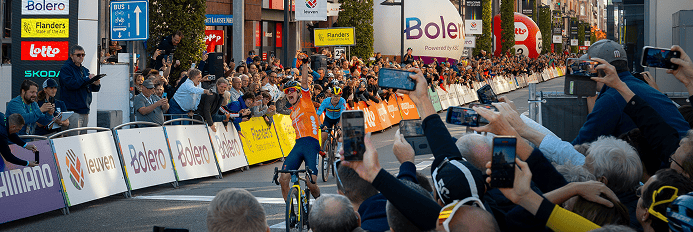
During the first part of the year, Flanders is undoubtedly the place to be for anyone interested in cycling. The last races of the cyclocross season precede the start of the spring classics, and all that takes place in the Belgian region.
Nonetheless, not everything is about professional cycling, and most of us ride our bikes with the sole purpose of enjoying every single pedal stroke. There is of course a place for this type of cyclist in what is considered to be the cycling mecca, and the launch of the Flanders Divide is a good example of it.
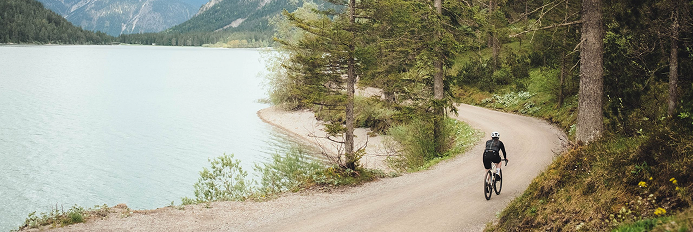
Flanders Divide is the first off-road bikepacking route that crosses the Dutch-speaking part of the country, from the east to the northern coast. One could think that Flanders is fully urbanized and flat, but most of the 560 km of the route is on unpaved terrain, including singletracks, smooth gravel highways, and even some hills.


While most cycling enthusiasts in Flanders follow some of the traditional cycling disciplines, one can also feel the rise of gravel as another valid way of exploring new places with a bike.
The guys from DirtyDropbars have been exploring the entire country and neighbouring regions on their gravel bikes for several years. They wanted to let others know about what Flanders has to offer, and in collaboration with komoot they created this route.
The 358 waypoints contained in the final version of the route are a clear indicator of the planning required for a track of this distance, following unfrequented ways and including sections that not even the mountain biking option of komoot suggests you to follow.
Over the past year and a half, Jochen and Nils have checked parts of the route themselves as komoot’s ambassadors of gravel in the region. Nonetheless, it is impossible to be aware of the current state of the roads and trails that the Flanders Divide goes through, as there can be parts under construction or paths that are no longer accessible for cyclists. By checking the photo content they created during those exploration rides and then doing the Flanders Divide ourselves, we could see how the landscapes change throughout the year, with green fields where a few months before there was nothing but fallen leaves.


We were invited to the launch ride two weeks ago. We did 300 km in two days, starting from Hasselt with a planned finish in Halle, slightly beyond the halfway point of the full route.
According to the surface indicator of the route planner, the segment we were going to cover was 60% unpaved, so a bike like the Ridley Kanzo Fast was perfect to ride at high speed in the tarmac and compact gravel sections, and still be in full control when the terrain became tougher. Unlike the Ridley Kanzo Adventure and most true bikepacking bikes, it does not have mounts on the fork. However, a handlebar and a saddle bag were enough to carry our food, tools and camping gear.


Just a few minutes into the Flanders Divide we were already immersed in the Hoge Kempen national park, a place shaped by its past as an industrial mining and gravel extraction site. After mining was abandoned, nature did its job and now this place features some hills coming from the old spoil tips, sandy sections, and scenic views.
We spent most of the first day riding the top gravel paths and roads of Limburg, first heading north to pass by some must-visit places like Fietsen door de Bomen, and then crossing the Albertkanaal, heading southwest until we reached our destination.


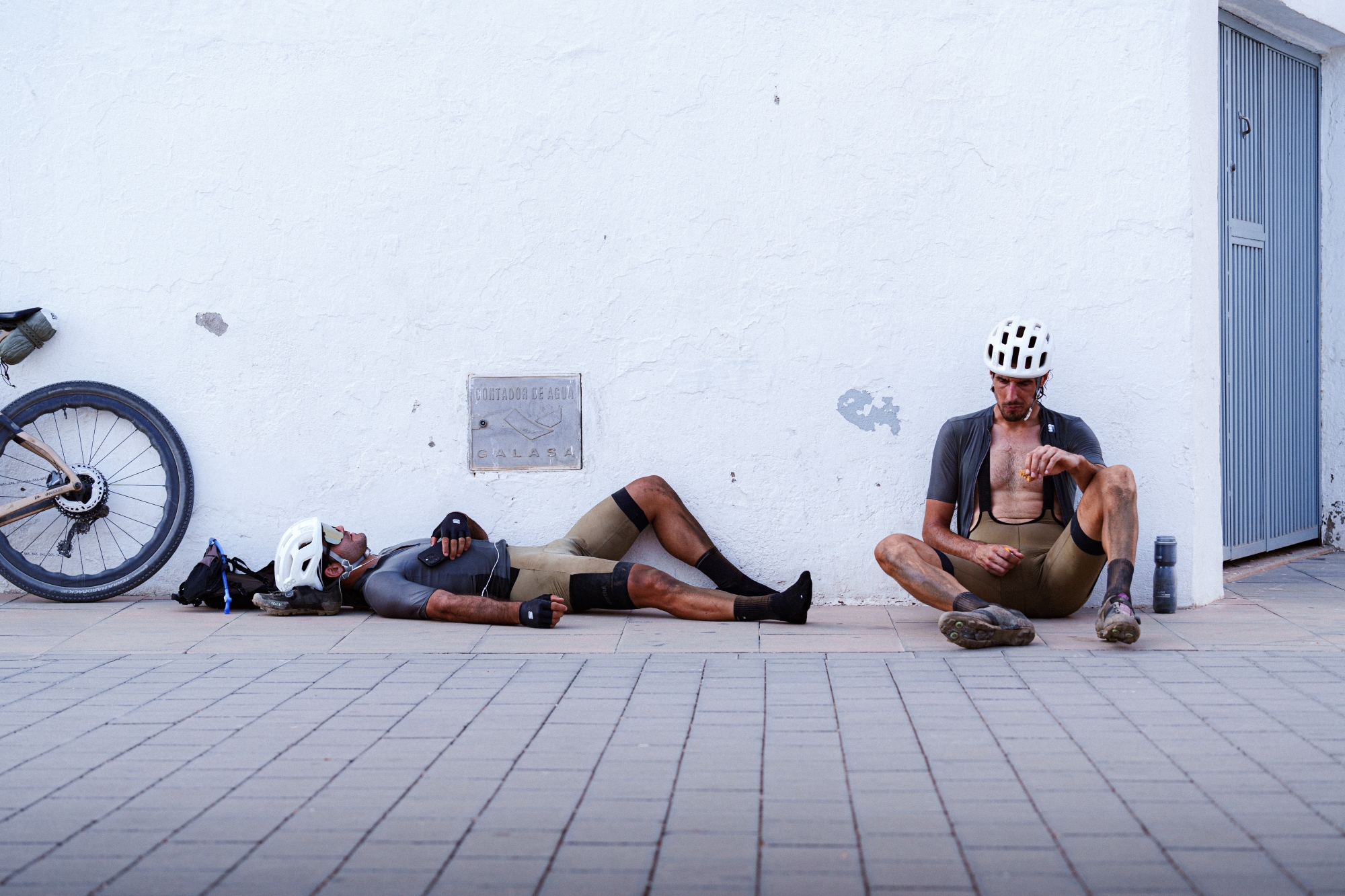
For this launch ride, we spent the night in a cosy tent that the organizers had set up for the occasion, using the sleeping bags and sleeping mat we carried with us. With no running water nor electricity, it felt like a true bikepacking experience, and the weather allowed us to enjoy a warm evening outside and sleep quite comfortably.


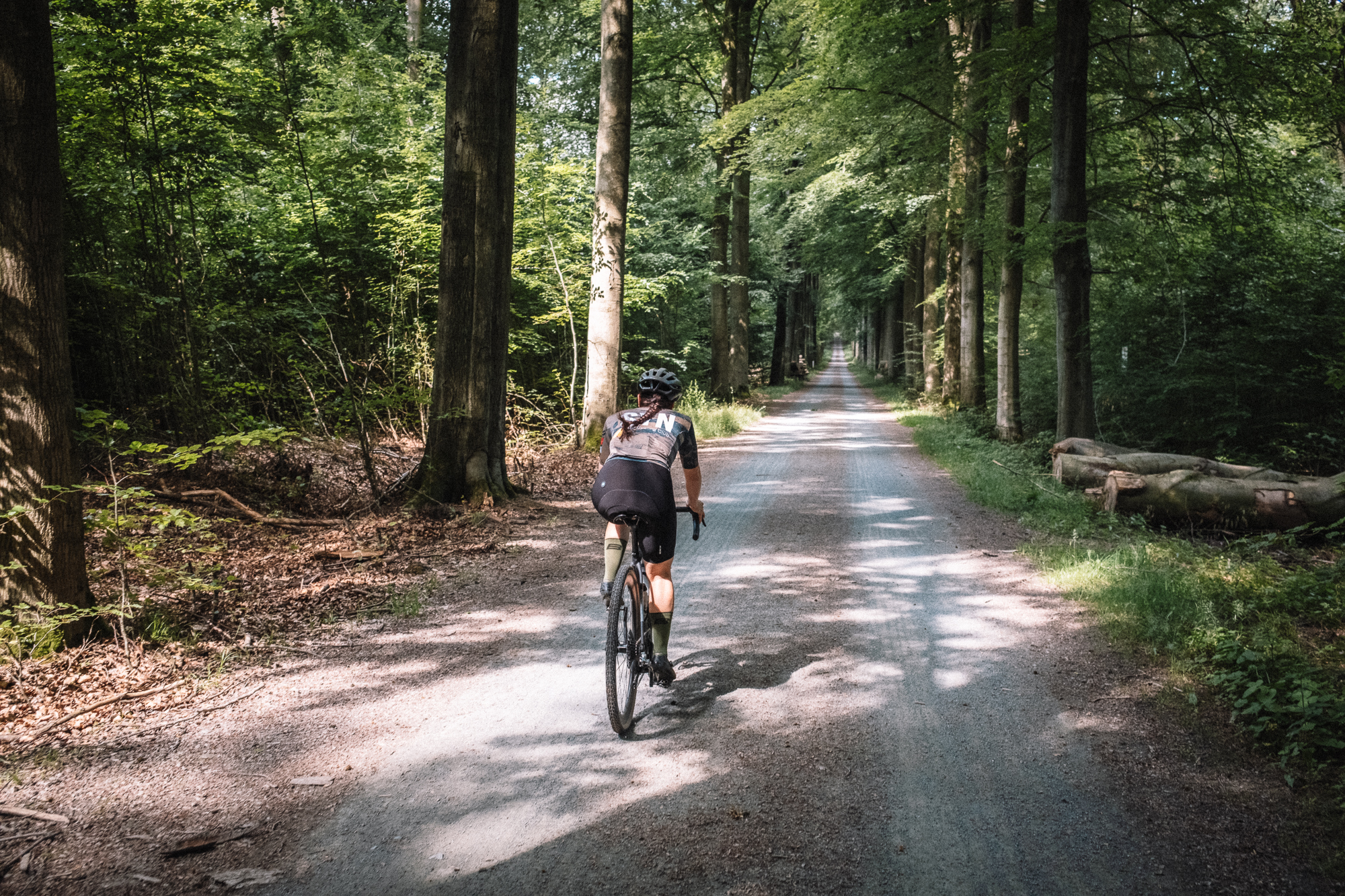
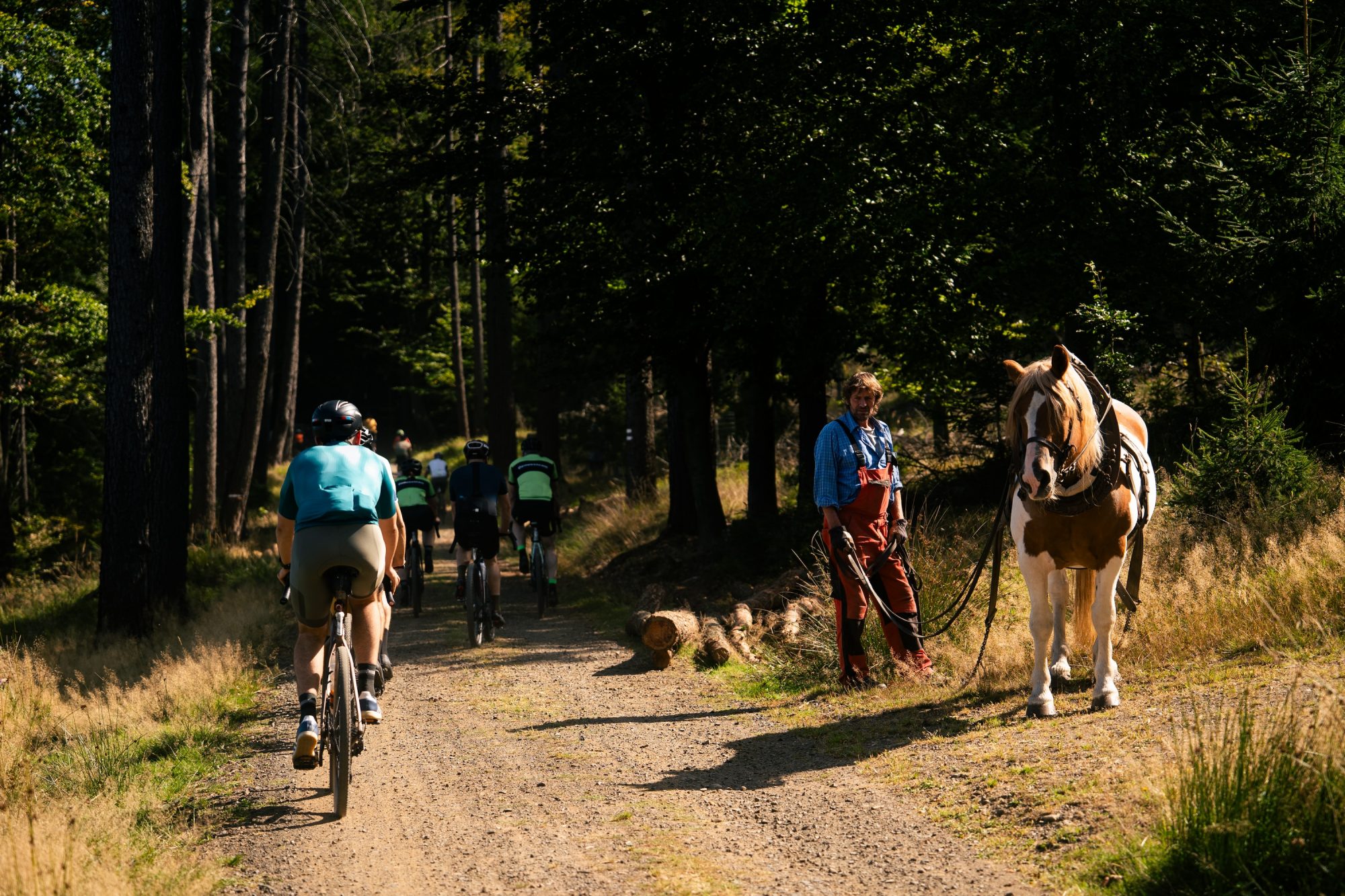
On the second day, we linked the different forests of the Flemish Brabant, with a sense of solitude even being close to a metropolis like Brussels. At some points, the hard mud prevented us from riding at a constant pace, but we were also rewarded with smooth gravel highways in between high trees. The Meerdaalwoud, Zoniënwoud, and Hallerbos led us to our final destination, Halle.
Despite not being able to cover the remainder of the Flanders Divide, we were told good things about the final segment from the west of Brussels to the coast. Along the Pajotteland region, riders will encounter different paths through farm fields in varied conditions, and after a constant left and right zig-zag linking gravel roads, they will climb the Muur van Geraardsbergen. This monument had to be included in one way or another in the parcours of the Flanders Divide, as the history behind it trespasses cycling disciplines.
The route also includes the Oude Kwaremont and Paterberg, the final two cobbled hills of the Ronde van Vlaanderen. After the Flemish Ardennes, the remainder 125 km head north through mostly flat terrain, so you can either be lucky with the wind and arrive at the coast with no effort, or curse the DirtyDropbars crew for making you suffer until the very end.
 The track of the Flanders Divide was not planned with the sole purpose of including as many gravel sections as possible. Many roads in Flanders are quiet and lead you through scenic landscapes, so there was no point in rejecting them for the simple reason of being surfaced.
When asked about the best direction to tackle the Flanders Divide, Nils and Jochen told us that one can start from Oostende or Hasselt depending on our preferences, but that it is always rewarding to finish by the sea. We wouldn’t have minded extending this launch ride and ride all the way to the end, as the boiling heat during the weekend was the perfect excuse for a swim at the beach as a reward for our accomplishment.

Who will set the FKT (Fastest Known Time) of the Flanders Divide? On the komoot collection we can see that the full route is divided into five suggested stages, but we all know that people also like to explore the limits and do it in one go. There are several bivouac areas along the route, and the Flanders Divide passes by some cycling-related cafés and accommodations worth stopping. The Flanders Divide is made for a gravel bike, mountain bike or touring bike with at least 35 millimetres tires, but preferably even wider. The first 50 cyclists who complete the route will receive the unique Flanders Divide patch.

Javi es nuestro corresponsal en Bélgica, y trata de contrarrestar su obsesiva pasión por el análisis de datos con la relajante acción (o eso es lo que dice) de crear contenido para la revista. Javi is based in Belgium and tries to compensate for his obsessive passion for data analytics with the relaxing action (that's what he says) of creating content for the magazine. View all posts by Javi Angulo
 Javi Angulo
 Javi Angulo
 Javi Angulo
 Javi Angulo
 Javi Angulo
 Javi Angulo
 Pavel Novotný
 Pavel Novotný
 Javi Angulo
 Javi Angulo
 Juliana Reis
 Pol Sopeña
Durante la primera parte del año, Flandes es, sin duda, el lugar ideal para cualquier persona interesada en el ciclismo. Las últimas carreras de la temporada de ciclocross preceden al inicio de las clásicas de primavera, y todo ello tiene lugar en la región belga.
Sin embargo, no todo es ciclismo profesional, y la mayoría de nosotros montamos en bicicleta con el único objetivo de disfrutar de cada pedalada. Por supuesto, hay un lugar para este tipo de ciclistas en la que se considera la meca del ciclismo, y el lanzamiento de la Flanders Divide es un buen ejemplo de ello.
Flanders Divide es la primera ruta todoterreno que cruza la parte del país de habla neerlandesa, desde el este hasta la costa septentrional. Podría pensarse que Flandes está totalmente urbanizada y es llana, pero la mayor parte de los 560 km del recorrido son por terreno sin asfaltar, incluyendo senderos, verdaderas autopistas de gravel e incluso algunas cuestas.
Si bien la mayoría de los practicantes de ciclismo en Flandes practican algunas de las disciplinas ciclistas tradicionales, también se puede sentir el auge del gravel como otra forma válida de explorar nuevos lugares con una bicicleta.
Los chicos de DirtyDropbars han estado explorando todo el país y las regiones vecinas en sus bicicletas de gravel durante varios años. Querían que los demás supieran lo que Flandes tiene para ofrecer y, en colaboración con komoot, crearon esta ruta.
Los 358 waypoints que contiene la versión final de la ruta son un claro indicador de la planificación necesaria para un recorrido de esta distancia, siguiendo caminos poco frecuentados e incluyendo tramos que ni siquiera la opción BTT de komoot te sugiere seguir.
Durante el último año y medio, Jochen y Nils han revisado partes de la ruta ellos mismos como embajadores de gravel de la región. Sin embargo, es imposible estar al tanto del estado actual de las carreteras y senderos por los que pasa Flanders Divide, ya que puede haber partes en construcción o caminos que ya no son accesibles para ciclistas. Revisando el contenido fotográfico que crearon durante esos paseos de reconocimiento y luego haciendo nosotros mismos la Flanders Divide, pudimos ver cómo los paisajes cambian a lo largo del año, con campos verdes donde unos meses antes no había más que hojas caídas.
Fuimos invitados al lanzamiento que tuvo lugar el fin de semana pasado. Hicimos 300 km en dos días, comenzando desde Hasselt con un final previsto en Halle, un poco más allá de la mitad de la ruta completa.
Según el indicador de superficie del planificador de rutas, el segmento que íbamos a recorrer era sin pavimentar en un 60%, por lo que una bicicleta como la Ridley Kanzo Fast fue perfecta para rodar a alta velocidad en los tramos de asfalto y gravel compacto, y aún así estar en completo control cuando el terreno se hizo más difícil. A diferencia de la Ridley Kanzo Adventure y de la mayoría de las bicicletas bikepacking, no tiene soportes en la horquilla, pero dado que una bolsa de manillar era suficiente para llevar nuestra comida y herramientas, este modelo resultó ser suficiente.
Apenas unos minutos tras iniciar la Flanders Divide, ya estábamos inmersos en el parque nacional Hoge Kempen, un lugar moldeado por su pasado como sitio de minería industrial y extracción de piedras. Después de que se abandonó la minería, la naturaleza hizo lo suyo y ahora este lugar presenta algunas colinas que provienen de los antiguos vertederos, secciones arenosas y vistas panorámicas.
Pasamos la mayor parte del primer día recorriendo los mejores caminos y pistas de gravel de Limburgo, primero en dirección norte para pasar por algunos lugares de visita obligada como Fietsen door de Bomen, y luego cruzando Albertkanaal, en dirección suroeste hasta llegar a nuestro destino.
Para este viaje de lanzamiento, pasamos la noche en una acogedora carpa que instalaron para la ocasión, usando los sacos de dormir y la colchoneta que llevábamos con nosotros. Sin agua corriente ni electricidad, fue una verdadera experiencia de bikepacking, y el clima nos permitió disfrutar de una cálida tarde al aire libre y dormir cómodamente.
Sabiendo que ya habíamos recorrido dos tercios de la ruta que habíamos planeado, nos lo tomamos con calma a la mañana siguiente y disfrutamos de un buen desayuno mientras las temperaturas comenzaban a subir.
En el segundo día unimos los diferentes bosques del Brabante Flamenco con una sensación de soledad aún estando cerca de una metrópolis como Bruselas. En algunos puntos, el barro duro nos impidió rodar a un ritmo constante, pero también fuimos recompensados con caminos llevaderos de gravel entre altos árboles. El Meerdaalwoud, Zoniënwoud y Hallerbos nos llevaron a nuestro destino final, Halle.
A pesar de no poder cubrir el resto de Flanders Divide, nos dijeron cosas buenas sobre el segmento final desde el oeste de Bruselas hasta la costa. A lo largo de la región de Pajotteland, los ciclistas encontrarán diferentes caminos a través de campos de cultivo en condiciones variadas, y después de un constante izquierda-derecha enlazando pistas de gravel, subirán al Muur van Geraardsbergen. Este monumento tenía que estar incluido en el recorrido de la Flanders Divide, ya que la historia tras él trasciende cualquier disciplinas ciclistas.
La ruta también incluye el Oude Kwaremont y el Paterberg, las dos últimas colinas de pavés del Tour de Flanders. Después de las Ardenas flamencas, los 125 km restantes se dirigen hacia el norte por un terreno mayormente llano, por lo que puedes tener suerte con el viento y llegar a la costa sin esfuerzo, o maldecir a los chicos de DirtyDropbars por hacerte sufrir hasta el final.
El recorrido de Flanders Divide no se planeó con el único propósito de incluir la mayor cantidad posible de secciones de gravel. Muchas carreteras de Flandes son tranquilas y te llevan a través de paisajes pintorescos, por lo que no tiene sentido descartarlas por la simple razón de estar asfaltadas.
Cuando se les preguntó sobre la mejor dirección para abordar la Flanders Divide, Nils y Jochen nos dijeron que uno puede comenzar tanto desde Oostende como Hasselt según nuestras preferencias, pero que siempre es gratificante terminar junto al mar. No nos hubiera importado extender este viaje de lanzamiento hasta el final, ya que el calor abrasador durante el fin de semana era ideal para un baño en la playa como recompensa por nuestro logro.
¿Quién marcará el FKT (Fastest Known Time) de la Flanders Divide? En la colección de komoot podemos ver que la ruta está dividida en cinco etapas sugeridas, pero todos sabemos que a la gente también le gusta explorar los límites y parar lo mínimo posible. Hay varias áreas vivac a lo largo de la ruta, y Flanders Divide pasa por algunos cafés y alojamientos relacionados con el ciclismo en los que vale la pena detenerse. La Flanders Divide está pensada para bicis gravel o BTT equipadas con ruedas de al menos 35 mm de grosor, pero preferiblemente incluso más. Los primeros 50 ciclistas que completen la ruta recibirán el parche commemorativo de la Flanders Divide.
Javi es nuestro corresponsal en Bélgica, y trata de contrarrestar su obsesiva pasión por el análisis de datos con la relajante acción (o eso es lo que dice) de crear contenido para la revista. Javi is based in Belgium and tries to compensate for his obsessive passion for data analytics with the relaxing action (that's what he says) of creating content for the magazine. View all posts by Javi Angulo
Receive our monthly selection of the best articles, news, exclusive content and giveaways only for subscribers, subscribe to OUR NEWSLETTER
Receive our monthly selection of the best articles, news, exclusive content and giveaways only for subscribers, subscribe to OUR NEWSLETTER
Receive our monthly selection of the best articles, news, exclusive content and giveaways only for subscribers, subscribe to OUR NEWSLETTER
Receive our monthly selection of the best articles, news, exclusive content and giveaways only for subscribers, subscribe to OUR NEWSLETTER