- News
- Reviews
- Travel & Adventure
- Interviews
- Inside Industry Players
- Community
Bikes
Reviews
Components
Reviews
Cycling
Apparel





[raw_mobile_menu]
[wpml_language_switcher_down]


Una carrera por etapas de punto a punto suena bien. Si es 95% gravel, aún mejor. Si ahora os contamos que se organiza en Tanzania, en el este de África, esperamos que ya estéis esperando con expectación la próxima Evolution Gravel Race, en la cual ciclistas locales se medirán ante un selecto grupo de participantes internacionales.
La distancia total de la carrera son 850 km divididos en cinco días, incluyendo largas etapas por terreno llano, al igual que jornadas montañosas con gran cantidad de ascensiones empinadas. Es un evento en el que se va de punto A a punto B con paradas en diversos campamentos, así que los paisajes de un día no tienen nada que ver con las vistas que los participantes se puedan encontrar en la siguiente etapa.


La carrera comenzará a los pies del cráter Ngorongoro, considerado el lugar de nacimiento de la raza humana. El calentamiento será inexistente, ya que la primera etapa son 200 km, y la savana africana pondrá a prueba la aclimatación al calor de los corredores internacionales desde el kilómetro cero.
Las primeras dos etapas serán mayormente llanas, con planicies típicas del Serengeti en las que el grupo quizás ruede de forma compacta, aunque un ritmo amigable no es de esperar. Después, los ciclistas llegarán a las laderas del Kilimanjaro tras pasar por la selva tropical y plantaciones de té. A partir de ahí, las empinadas cuestas les guiarán hacia las dunas costeras del océano Índico, acumulando 10.000 metros de desnivel por el camino.


Con 850 km de gravel en solo cinco días, está claro que los participantes pasarán un buen número de horas sobre el sillín. Llegar al campamento antes del anochecer será ya un reto de por sí, y ser capaz de recuperar todo lo posible en un corto periodo de tiempo resultará tan importante como tener la técnica necesaria para sobreponerse a los variados terrenos de la carrera.
La Evolution Gravel Race es un evento de semi autosuficiencia en el que los ciclistas tienen que gestionarse por sí mismos durante las etapas, pero un campamento organizado les espera tras cada línea de meta. Tanto el desayuno como la cena son servidos por la organización, pero dado el tiempo de pedaleo previsto, los participantes deberían llegar a Tanzania con un claro plan de nutrición y todo lo necesario para ponerlo en práctica.
Los corredores también tendrán la posibilidad de llevar una bolsa de un campamento a otro en caso de que necesiten acceder a sus piezas de recambio , aunque el servicio de mecánica también está incluido, o a la comida que trajeron desde casa.

Esta es la segunda carrera organizada por el Team AMANI en África tras la Migration Gravel Race de Kenya. Ambos eventos tienen lugar en junio, así que los ciclistas podrían llegar a enlazar una con otra. Un buen resultado en la MGR, que finaliza el 21 de junio, no es demasiado relevante de cara a la Evolution Gravel Race, ya que hay muchas diferencias entre ambas.
Tal y como se ha mencionado anteriormente, la longitud de las etapas y la fatiga acumulada afectará de manera considerable a los ciclistas, mientras que en la MGR la distancia promedio es menor. El terreno también cambia de un país a otro, siendo las carreteras sin pavimentar de Tanzania mucho más lisas que los rocosos senderos de Kenya. Además, la Migration Gravel Race tuvo lugar prácticamente en el medio de la nada, mientras que la Evolution Gravel Race cruzará varios pueblos y ciudades, así que es de esperar que mucha gente salga a la calle a animar a los corredores.


La preselección ya ha sido hecha, y los organizadores asignarán las 50 plazas según su propio criterio. Su objetivo es contar con 35 internacionales y 15 ciclistas procedentes del África del este en la salida del día 26 de junio en el cráter Ngorongoro, y con suerte todos ellos llegarán a la cosa Swahili para celebrar el final de la aventura con una fiesta en la playa de Tanga, el 30 de junio.


En su momento ya escribimos acerca de qué motiva al Team AMANI a promover el ciclismo en el este de África, y desde entonces han dado la oportunidad a varios ciclistas locales de competir en Europa para medirse contra algunos de los mejores ciclistas de gravel del planeta. Por otro lado, siguen empeñado en traer corredores internacionales al continente africano para que los ciclistas y regiones locales logren una mayor exposición mediática.

Javi es nuestro corresponsal en Bélgica, y trata de contrarrestar su obsesiva pasión por el análisis de datos con la relajante acción (o eso es lo que dice) de crear contenido para la revista. Javi is based in Belgium and tries to compensate for his obsessive passion for data analytics with the relaxing action (that's what he says) of creating content for the magazine. View all posts by Javi Angulo
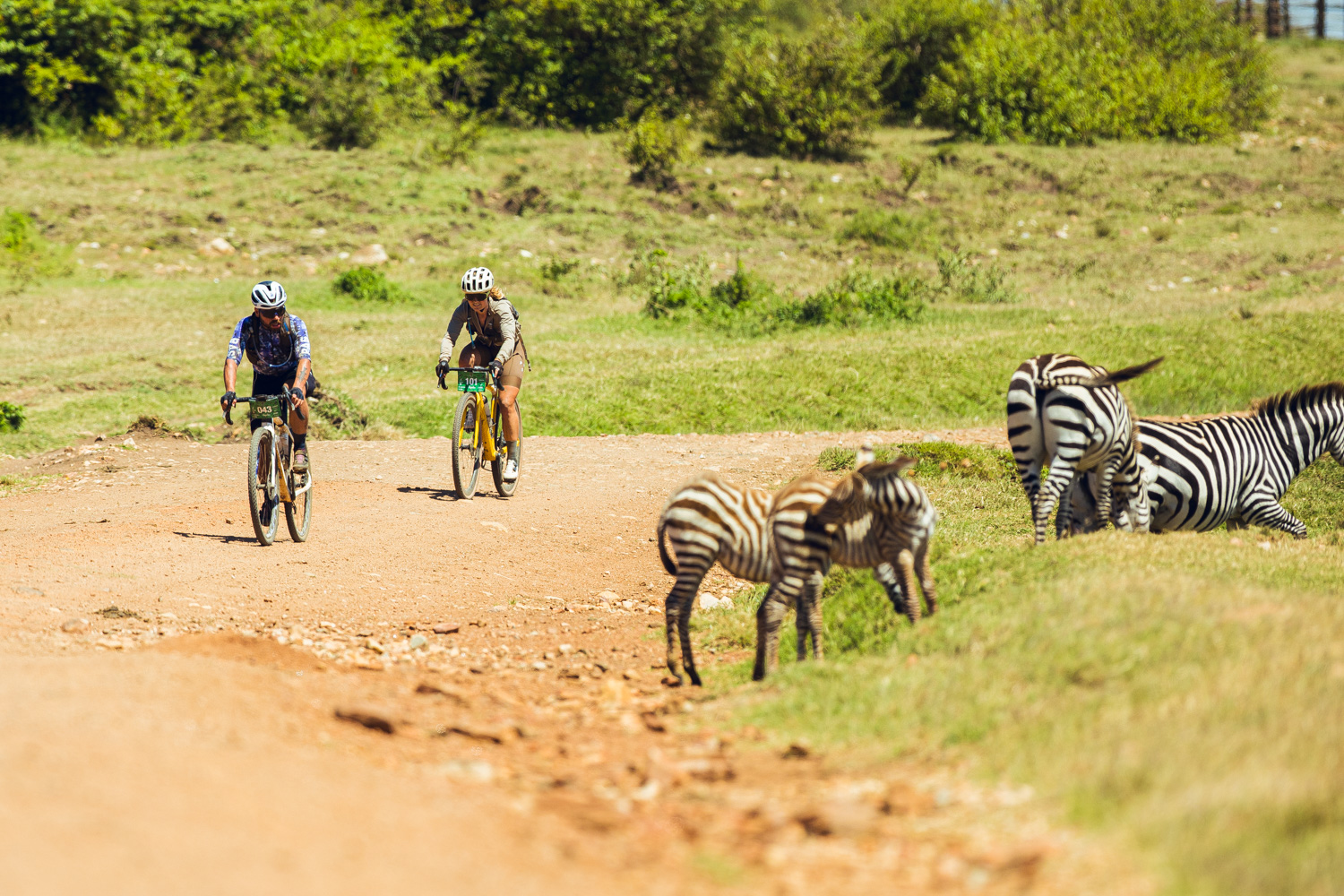
A point-to-point stage race sounds good. If It is 95% gravel, even better. If we now tell you that it takes place in Tanzania, East Africa, we expect you to be already excited for the upcoming Evolution Gravel Race in which local riders will test themselves against a group of selected international riders.
The total distance of the race is 850 km divided in five days, featuring long flat stages over smooth, fast gravel as well as mountainous stages with steep climbs. It is an event that goes from point A to point B with stops in different camps, so the landscape of one stage has nothing to do with the views riders will get to see the next day.
The race will begin on the slopes of the Ngorongoro Crater, considered the place where humankind was born. There will be no warm-up as the first stage is 200km long, and the savanna will test the heat tolerance of the international riders already from kilometre zero.
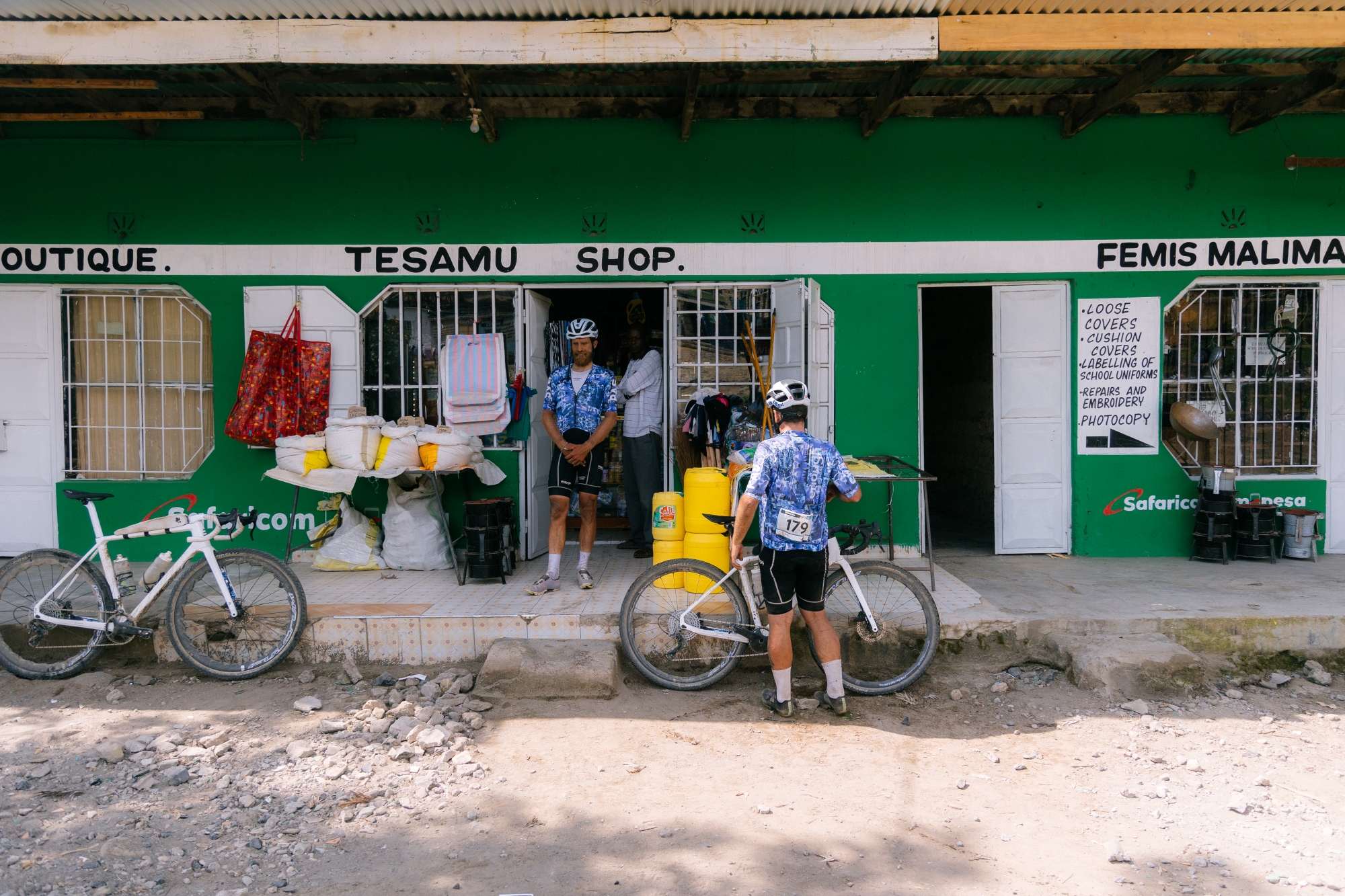
The first two stages will be mostly flat, featuring Serengeti-like plains where riders may still ride in a compact way, although a friendly pace is not expected. Then, riders will reach the slopes of the Kilimanjaro while passing by rainforests and tea plantations. From there, the steep gradients will lead the participants into the coastal dunes next to the Indic ocean, accumulating 10.000 meters of elevation gain along the way.
With 850 km of gravel in just five days, it is clear that riders will spend a lot of hours on the saddle. Arriving at the camp before sunset will be challenging on its own, and being able to recover as much as possible in a short period of time will be as important as having the set of technical skills needed to overcome the everchanging terrain throughout the race.
The Evolution Gravel race is a semi-supported event, meaning that riders have to be self-sufficient during the stages, but an organized camp will await for them after each finish line. Breakfast and dinner are provided, but given the expected riding time, riders should arrive in Tanzania with a clear nutrition plan and the required food to put it into practice.
Riders also have the possibility to bring a carry-on bag from one camp to another in case they need to access the spare parts, although mechanical service is also included, or food they brought from home.
This is the second race organized by Team AMANI in Africa after the Migration Gravel Race in Kenya. Both events will take place in June, so riders will have the chance to link one with the other. Performing at a great level in the MGR, which finishes on June 21st, won’t mean a lot ahead of the Evolution Gravel Race, as there are many differences between them.
As mentioned before, the length of the stages and accumulated fatigue will pay their toll on the riders, whereas the average length in the MGR is lower. The terrain itself also changes from one country to another, with the Tanzanian unpaved roads being smoother than the rough trails in Kenya. Also, the Migration Gravel Race took place mostly in the wild, while the Evolution Gravel Race will cross several villages and towns, so expect a lot of people cheering for the riders.
The preselection has already been made, and the organizers will allocate the 50 spots according to their own criteria. Their goal is to have 35 internationals and 15 East African riders lined up on June 26th in the Ngorongoro Crater, and hopefully, all of them will reach the Swahili coast to celebrate the end of the adventure with a beach party in Tanga on June 30th.
We already wrote about what drives Team AMANI to promote cycling in East Africa, and since then they have given the chance to several local riders to race in Europe and test themselves against some of the best gravel riders in the world. On the other hand, they still think of bringing international riders to the African continent so that local riders and regions gain exposure.
Javi es nuestro corresponsal en Bélgica, y trata de contrarrestar su obsesiva pasión por el análisis de datos con la relajante acción (o eso es lo que dice) de crear contenido para la revista. Javi is based in Belgium and tries to compensate for his obsessive passion for data analytics with the relaxing action (that's what he says) of creating content for the magazine. View all posts by Javi Angulo
 Javi Angulo
 Javi Angulo
 Javi Angulo
 Javi Angulo
 Javi Angulo
 Javi Angulo
 Javi Angulo
 Pavel Novotný
 Pavel Novotný
 Javi Angulo
 Javi Angulo
 Javi Angulo
Receive our monthly selection of the best articles, news, exclusive content and giveaways only for subscribers, subscribe to OUR NEWSLETTER
Receive our monthly selection of the best articles, news, exclusive content and giveaways only for subscribers, subscribe to OUR NEWSLETTER
Receive our monthly selection of the best articles, news, exclusive content and giveaways only for subscribers, subscribe to OUR NEWSLETTER
Receive our monthly selection of the best articles, news, exclusive content and giveaways only for subscribers, subscribe to OUR NEWSLETTER