- News
- Reviews
- Travel & Adventure
- Interviews
- Inside Industry Players
- Community
Bikes
Reviews
Components
Reviews
Cycling
Apparel


[raw_mobile_menu]
[wpml_language_switcher_down]

When we think about cycling in Italy, what comes to mind is probably either the Dolomites, which delight us every year when watching the Giro on TV, or Tuscany, with Strade Bianche giving a perfect glimpse of what the region in central Italy has to offer.
There is another region that appears to be transitioning towards a more cycling-oriented vacation spot: Emilia Romagna. This year, the prominent summer vacation riviera takes center stage as it hosts the Grand Départ with the opening three stages. As the curtains drew to a close on the traditionally pink-themed Grand Tour, attention is now shifting to Emilia Romagna, where the vibrant hues of pink now give way to the iconic yellow of the Tour de France.

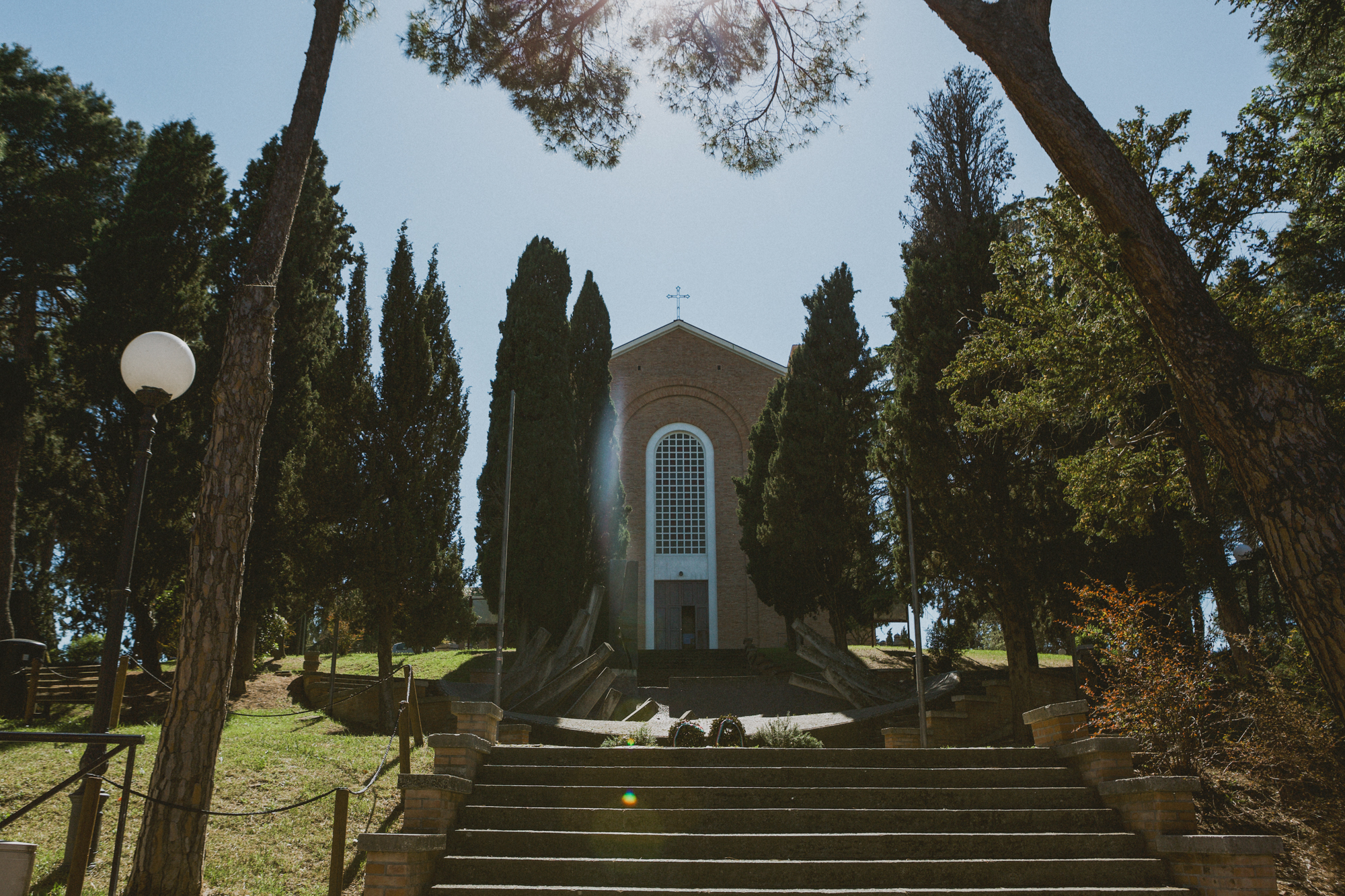
All local businesses are getting ready for the occasion, and hotels such as the Terrabici group offer cycling-adapted experiences with bicycles and guides at disposal. We stayed in one of the group’s hotels – Hotel Europa Monetti, to experience that firsthand and bring you a closer look at the Tour de France, highlighting what this region holds for those exploring it on a bike.
This is the first time that Italy is hosting the Grand Départ of the Tour de France. Although last year the Tour de France started in Bilbao, Spain, the territory of the Vuelta, it was not a big surprise given that both races are organized by A.S.O.. This is not the case of the Giro d’Italia, which is organized by RCS. It is, therefore, interesting to see the Tour de France heading into Italy and perhaps to see the differences in the style of the race organization and atmosphere. This situation is reminiscent of when the cyclocross World Championships take place in Belgium; the same environment but a different tournament and atmosphere. We certainly have a lot to look forward to.

The Tour is set to start uphill right from the get-go. In fact, the 205 km long stage holds 3.600 meters of climbing, an elevation that hasn’t been climbed before in the opening stage yet. Once the riders conquer six climbs of Emilia-Romagna, the route then passes through San Marino, where the ultimate climb up to the city awaits them. From there on, the stage steadily descends all the way to the coast and finishes in Rimini.

Starting in the port town of Cesenatico, the home and the resting place of Marco Pantani, the Tour symbolically pays tribute to the Il Pirata with its passage. Pantani is the last rider to manage the Giro–Tour double, and Tadej Pogačar will have his eyes on the same prize.
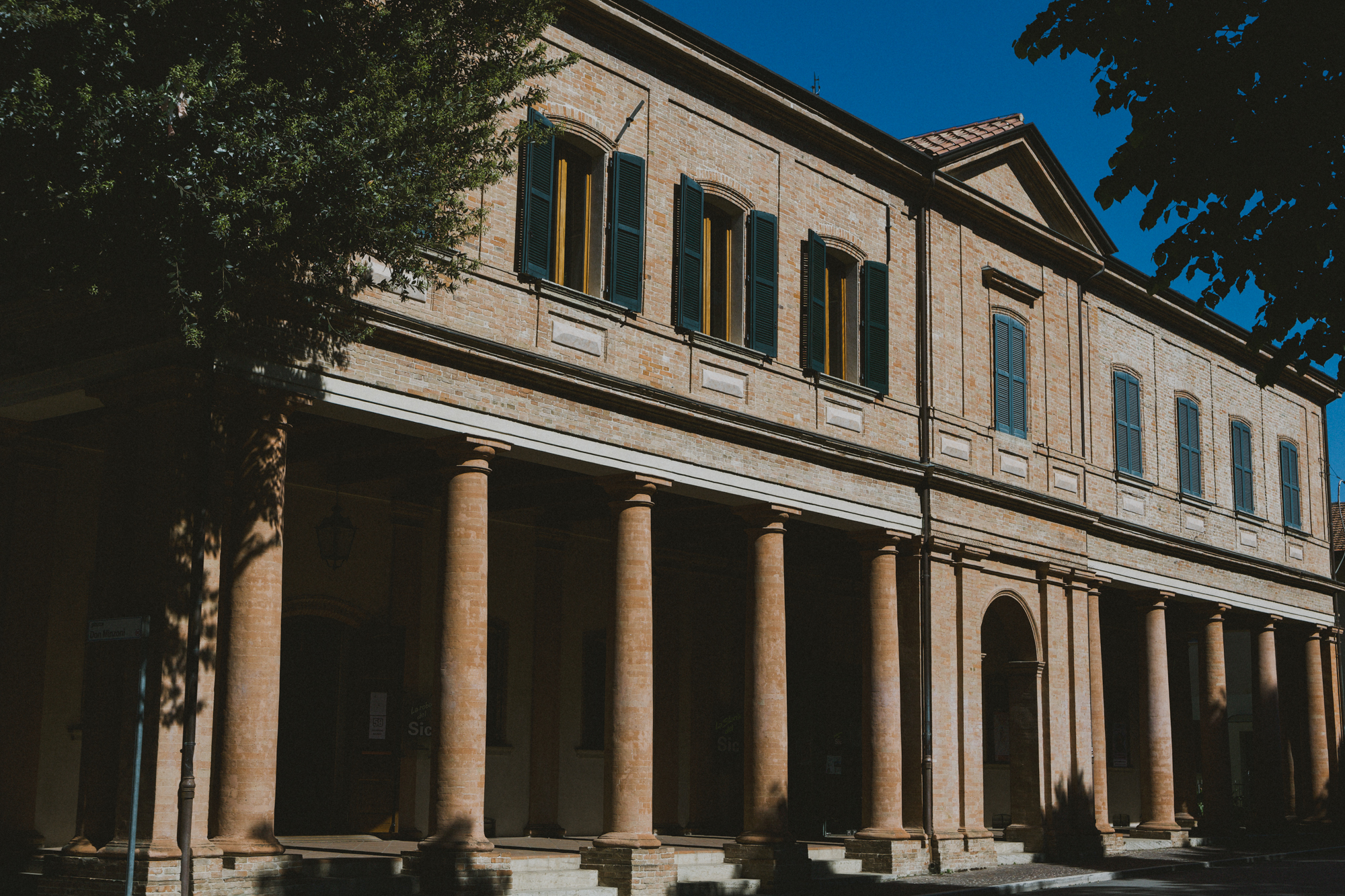
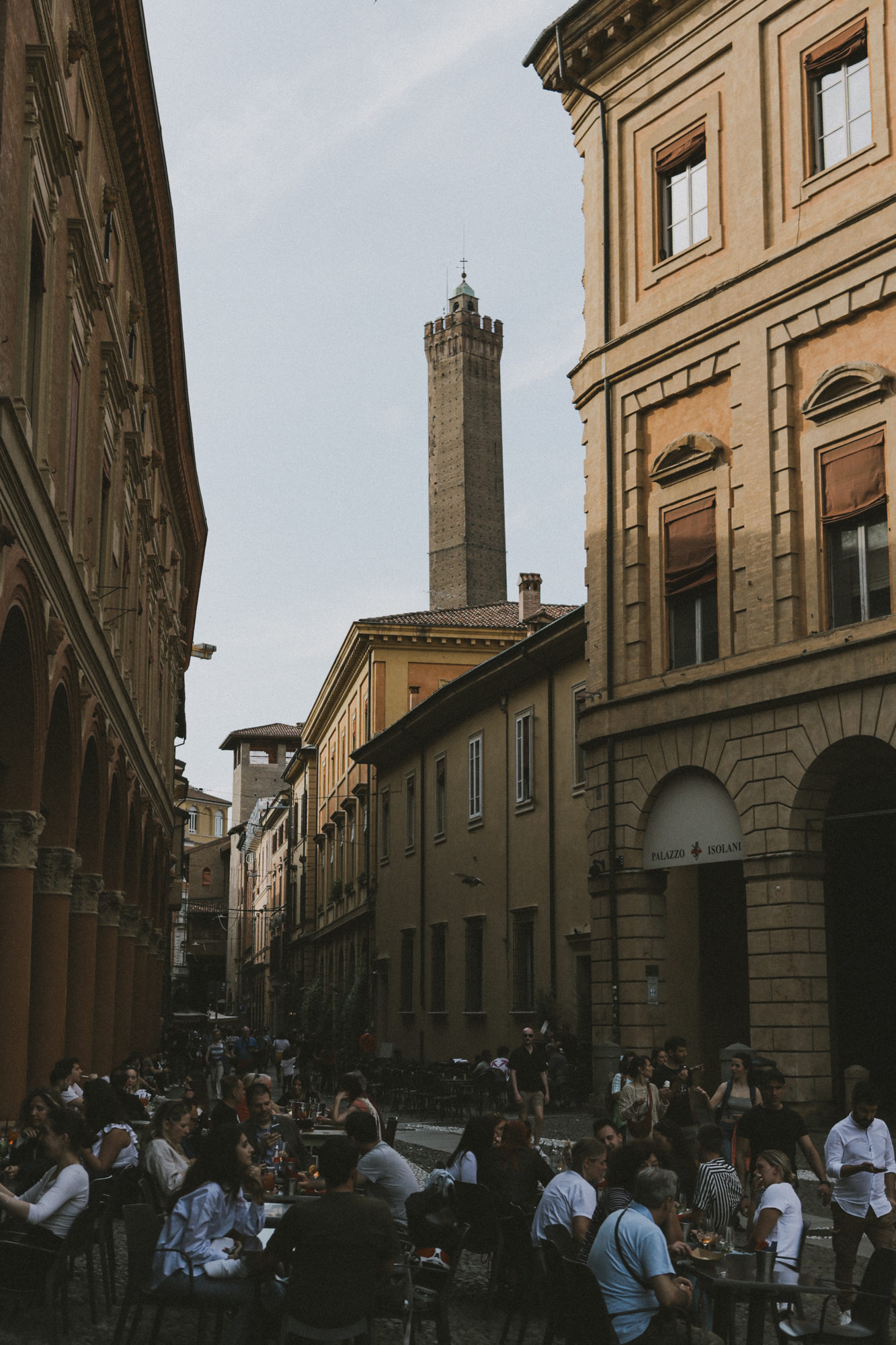
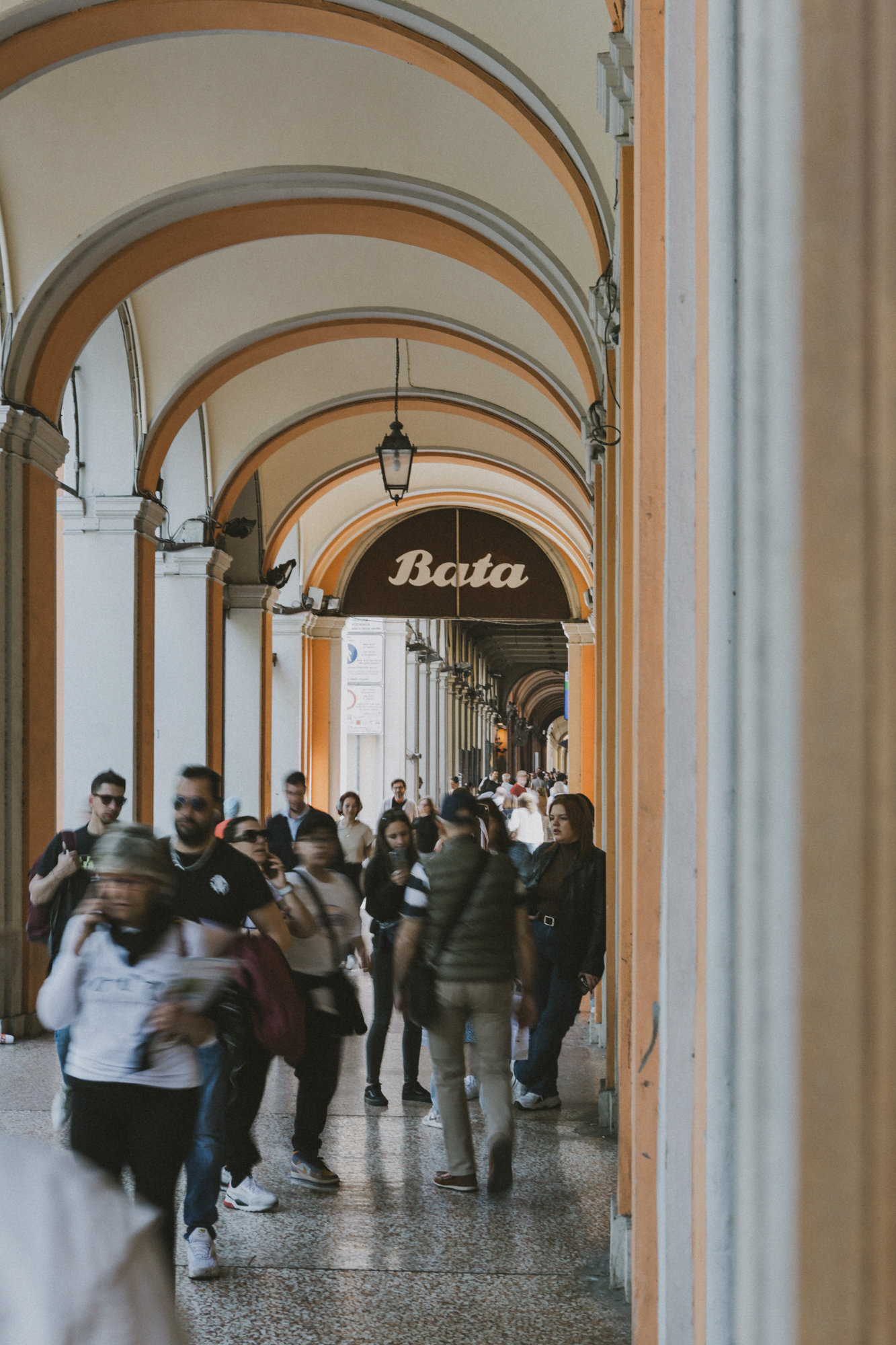
Following the tough opening day, the race will return to a rather flat profile, typical for the opening stages. The race will pass through the Imola Circuit, a well-known F1 racetrack. Four rolling hills before the flat finish in Bologna could however mix up things for the sprinters and create an interesting classics-like finish suited for punchers. Finishing in Bologna, known not only for its famous sauce, but also for the world’s oldest university or the charming architecture of porticoes spanning the streets of the city center, it is a place worth visiting.
If the second stage rolling hills shake off the sprinters, the third stage is finally a prime opportunity for them to shine. The peloton will leave the region of Emilia-Romagna behind, heading to Lombardia and then Piémont, finishing in the metropolitan city of Turin, near the foothills of the Alps. That’s where the riders will be heading on the following day, with the Col du Galibier as the first big climb of this Tour.
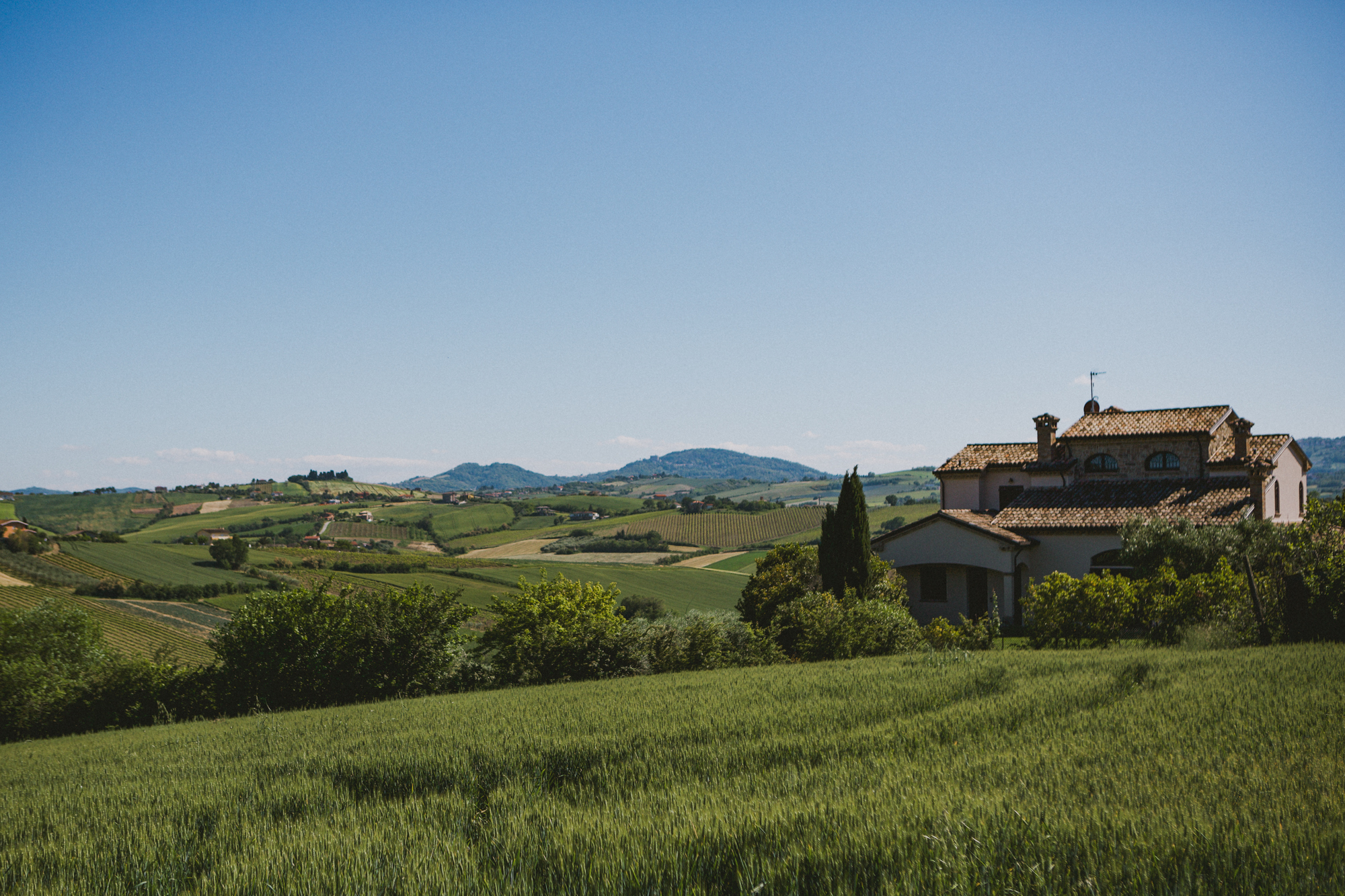
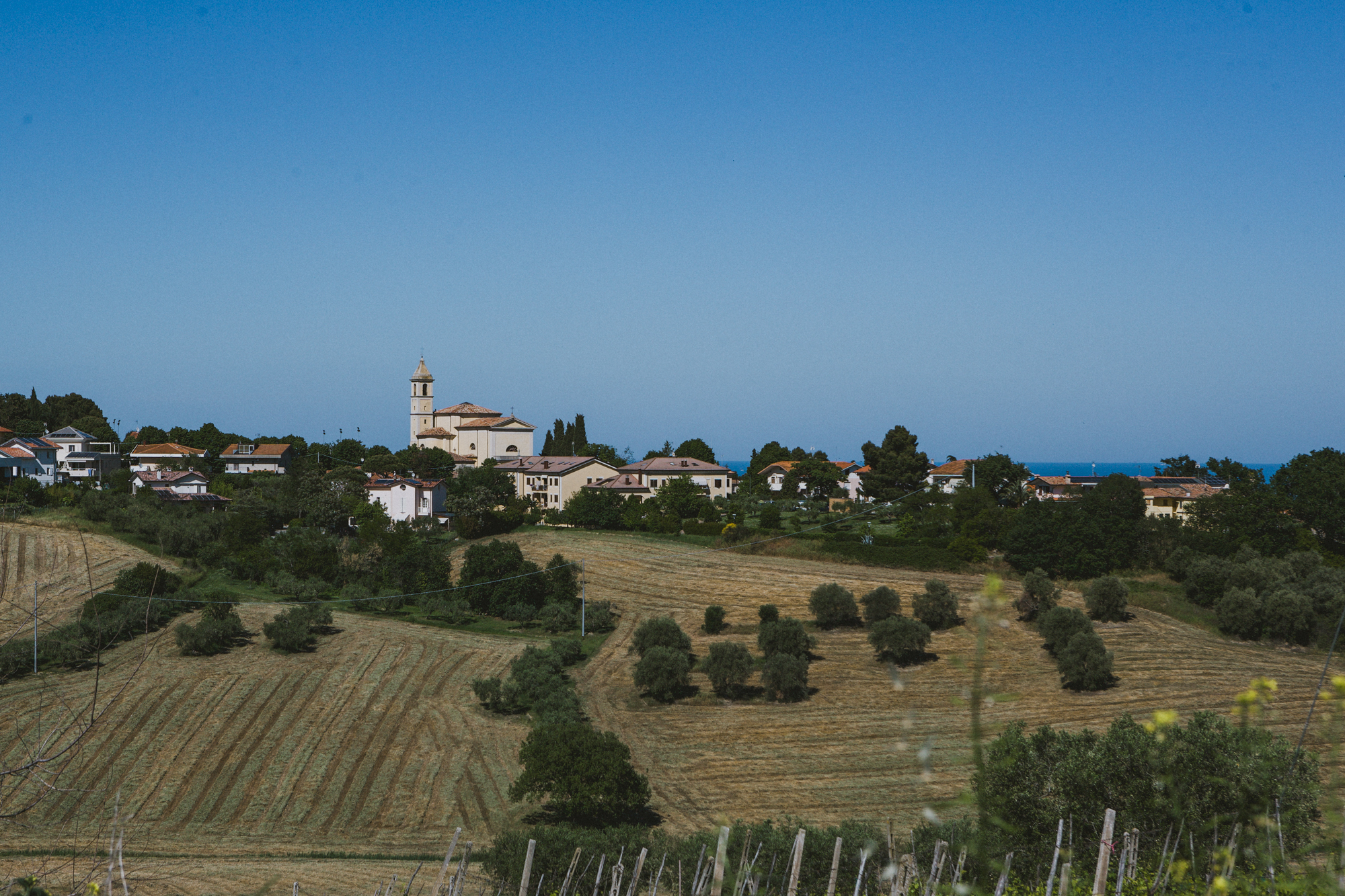
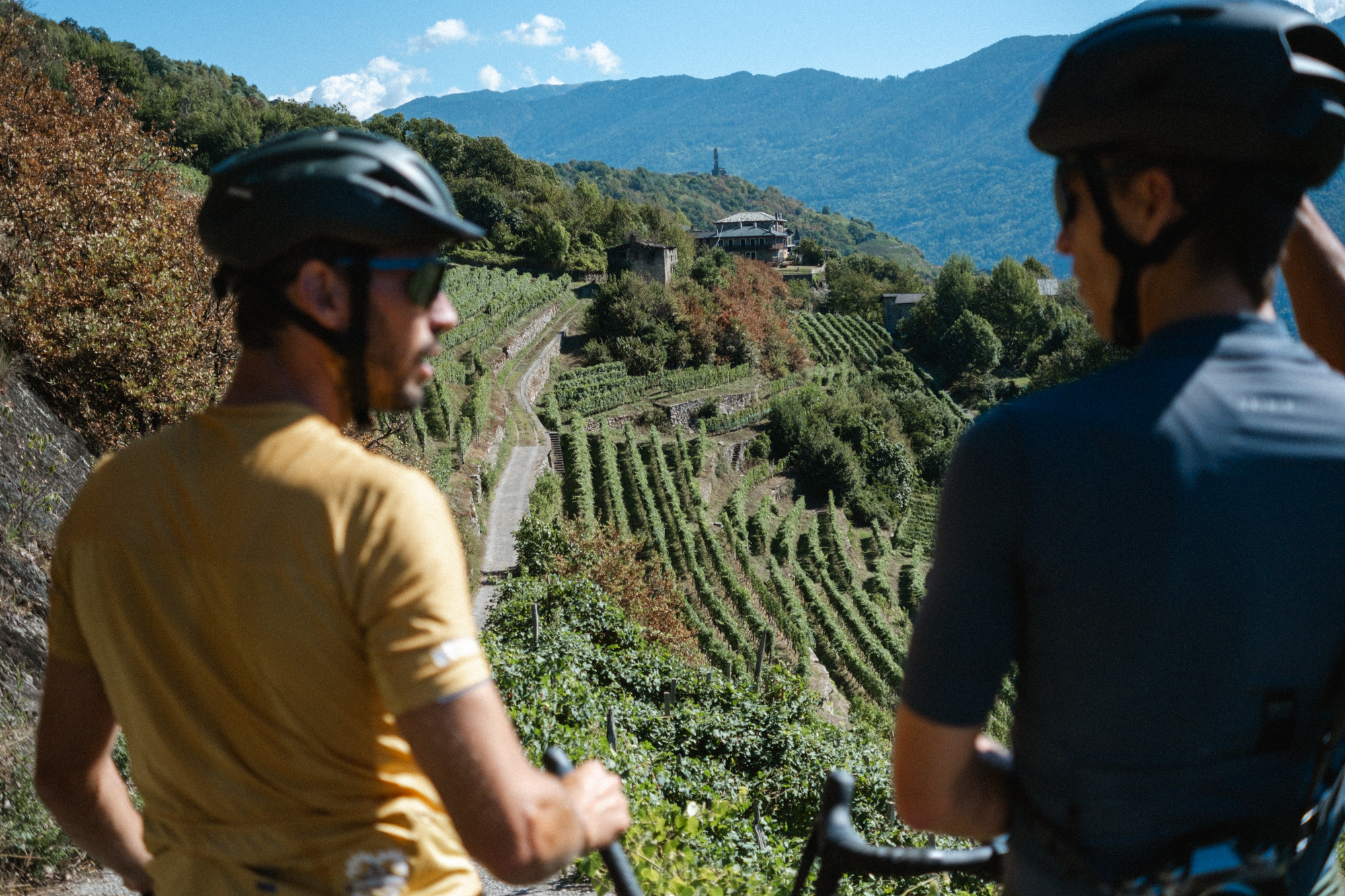
Our hotel was located on the coast in Cattolica. With such a starting point, there are quite straightforward riding options: follow the coast for a flat ride or head inland to reach the hills. On our first day, we embarked to explore San Marino. The route led us through the fields, with a couple of hills here and there, before we started climbing up to the historic city of San Marino. The views gradually opened, with the sea on one side and the mountains rising on the other, separating Emilia-Romagna and Tuscany.
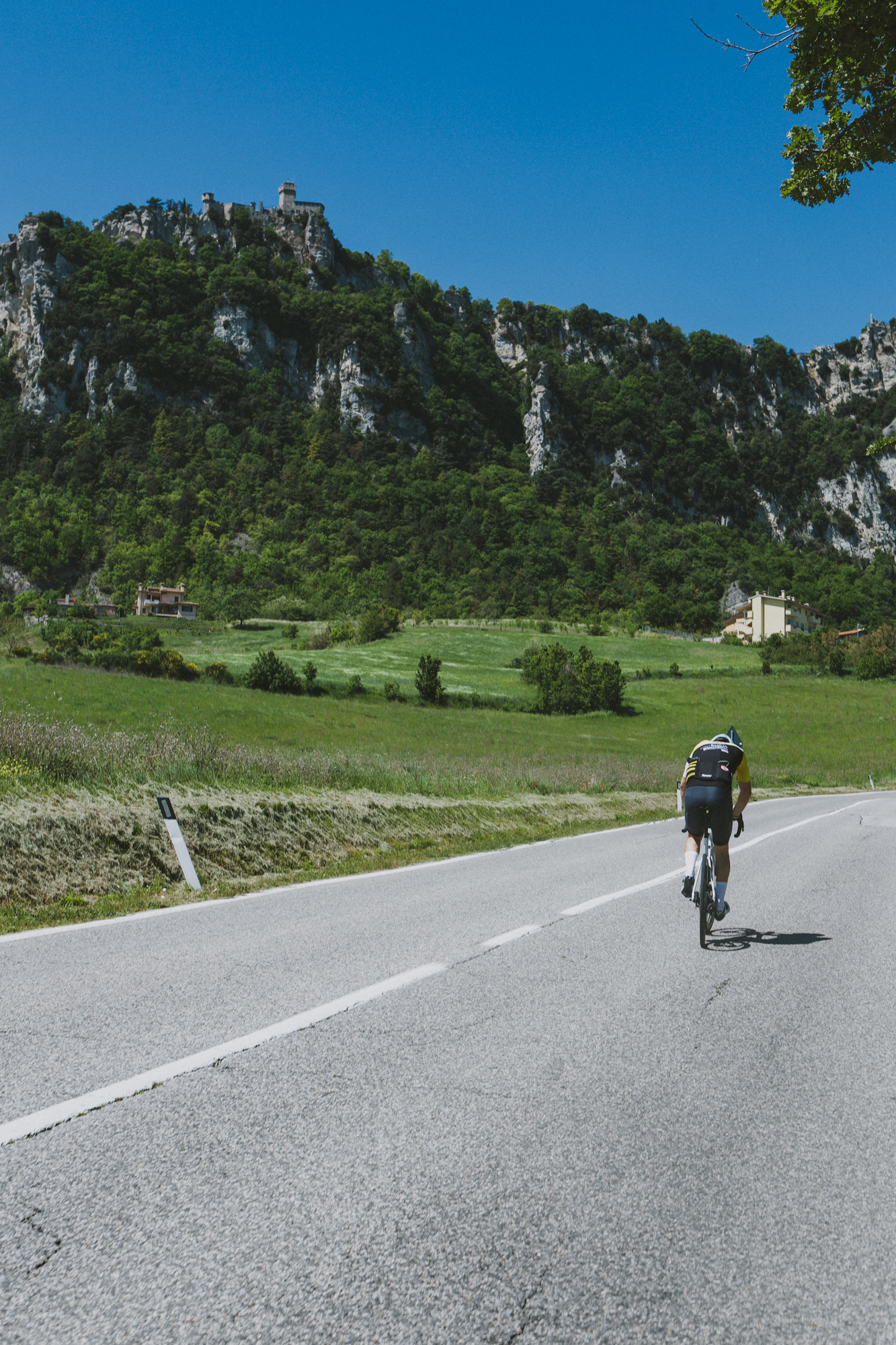


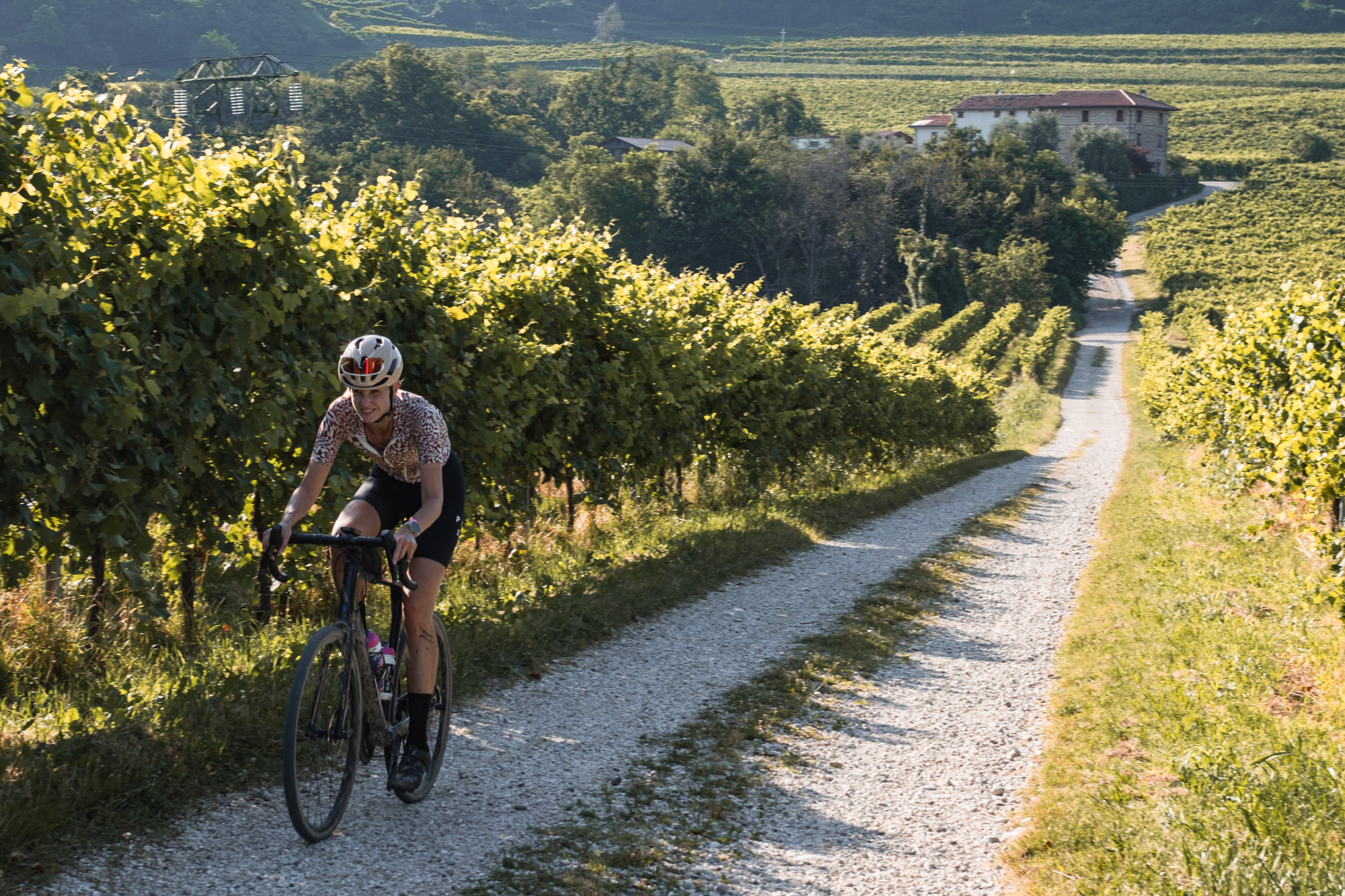
One of the aspects to highlight is the playful terrain. The gradient is constantly changing and all the possible routes in the area feature minor roads with steep climbs or descents.


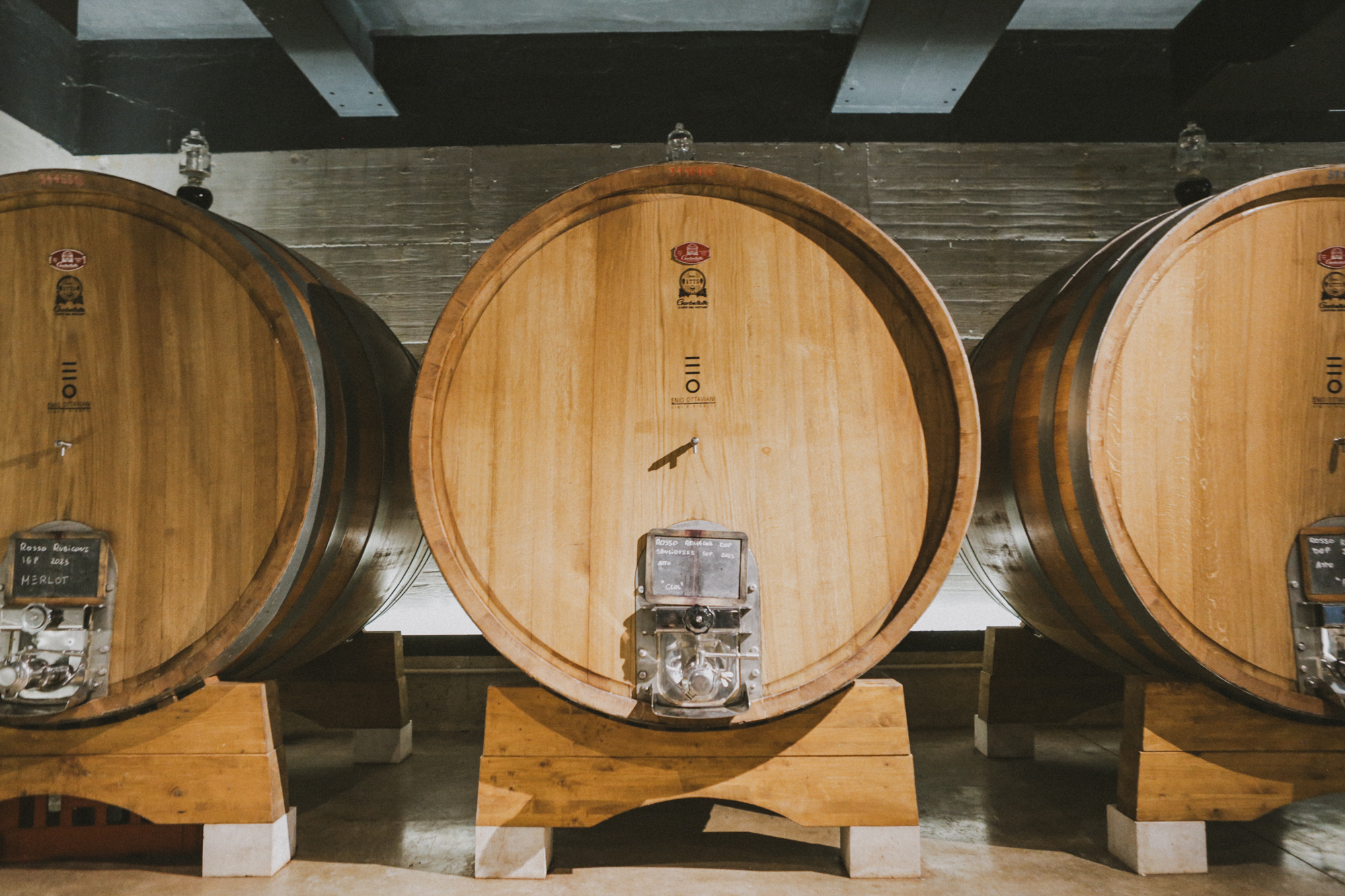
The region is rich in local food and wine production. We stopped at one of the many agriturismo farms to have lunch and taste their own olive oil and cheese, a nice way of exploring the local culture.
A shorter route option that we explored the following day, leaving Cattolica through a flat part, then steadily climbing up to San Giovanni in Marignano, and then to Mondaino, both very picturesque historic villages. The latter one is famous for its Fossa cheese production.

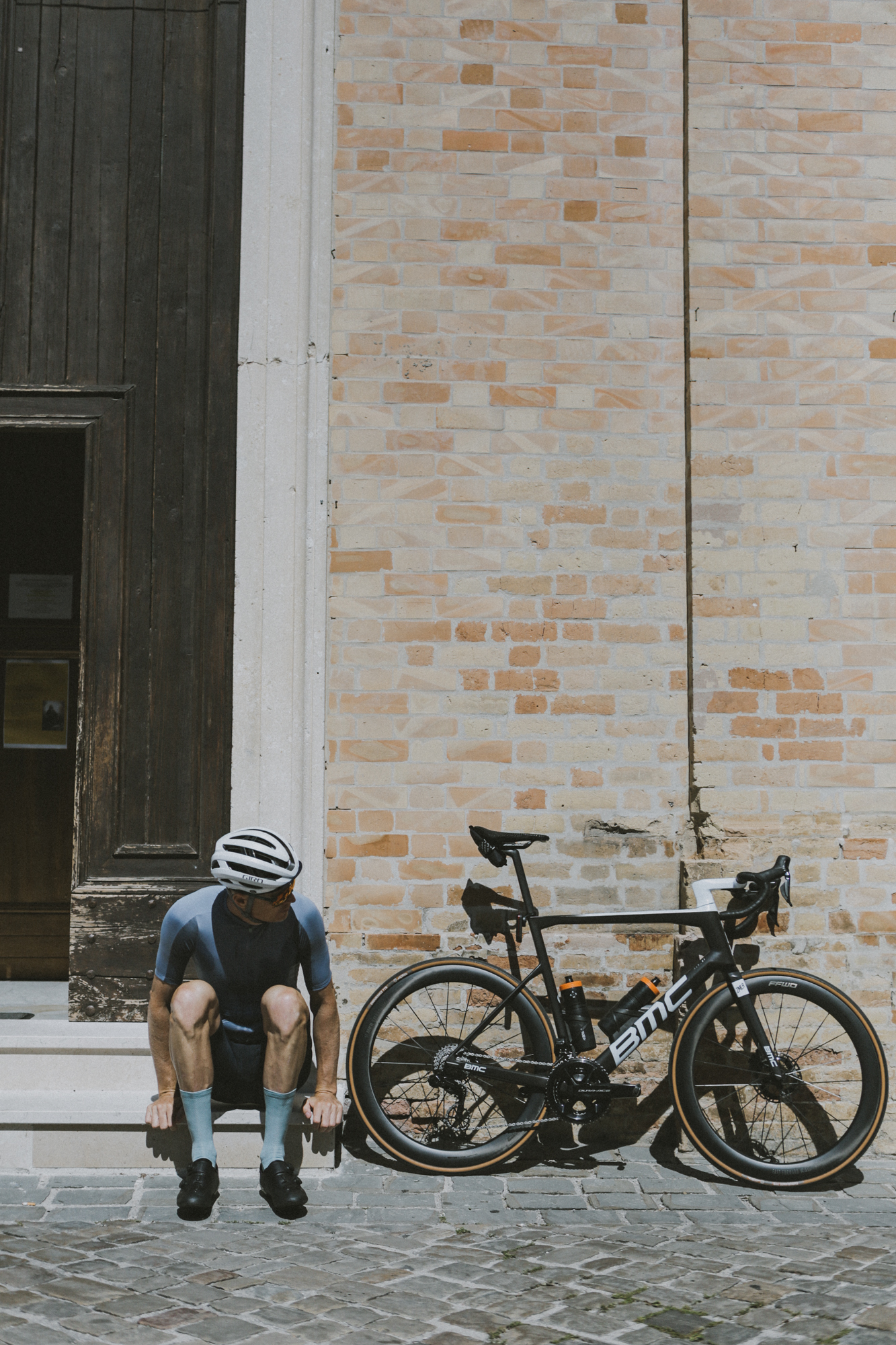
From there, the route takes you through to Tavullia, the hometown of the famous motorcycle racer Valentino Rossi, who even has his museum and store there. One couldn’t but notice that the locals are suitably proud of him, as motorsport is quite popular in Italy, even more with the nearby Misano circuit.
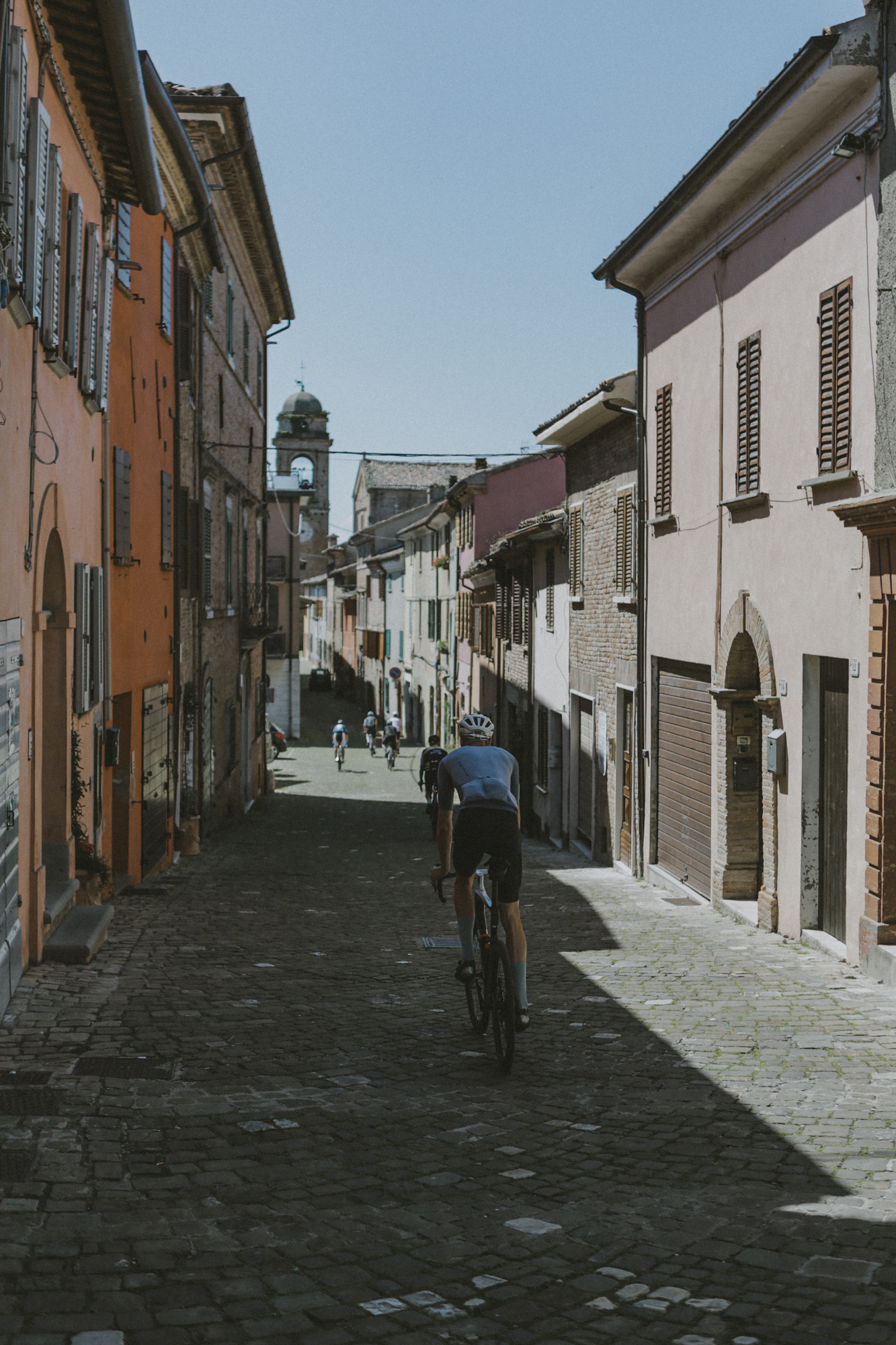
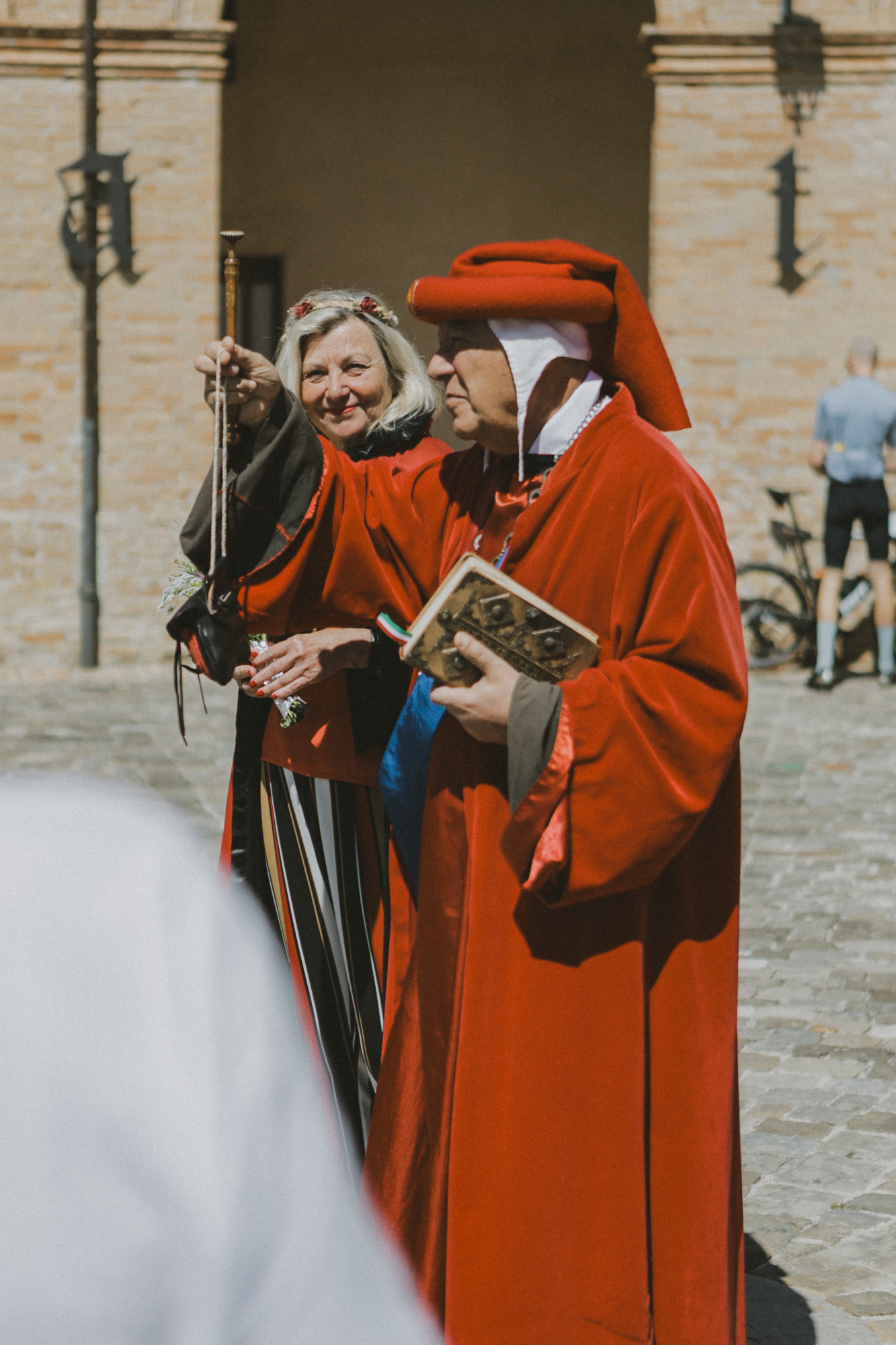
The route finishes at the Strada Panoramica, a road on top of the hilly coastline back to Cattolica, opening nice views of the Adriatic Sea and the rolling hills on the other.
We also had the opportunity to participate in the local Granfondo Squali Trek during our stay in May, which lives up to the fact of how serious Italians are about sportive racing. Around three thousand participants turned up to the start line in Cattolica, most of them ready to go racing hard no matter their age group. We chose to ride the longer route and it led us through a handful of substantial climbs, in total accumulating 2.200m of elevation gain over 125 kilometers. The route opened up several scenic landscape views, with the highlight being the aforementioned Strada Panoramica leading to the end of the Granfondo by the Adriatic coast.
Although Granfondo Squali Trek is a rather newcomer to the Gran Fondo calendar, judging by the joyful participants at the finish, it seems it has already earned its solid spot among the plenty of Italian sportive races.
Emilia-Romagna certainly has a good mix of both the coastal and the hilly landscapes to offer to the visiting cyclists. It may not be as renowned as the neighbouring Tuscany or Lombardia at the moment, but with the attention on the Tour de France, we are curious what effect this will have on the further development and popularity of cycling in this persuading region.

Cayó en la trampa del ciclismo durante su época de estudiante en Bélgica, y ahora no hay carrera o evento del que no esté al tanto. Desde la República Checa, Pavel está expandiendo las fronteras de RAW Cycling Magazine y aportando un punto de vista diferente a nuestra comunidad. He fell into the trap of cycling during his time as a student in Belgium, and now there is no race or event that he is not aware of. From the Czech Republic, Pavel is expanding the borders of RAW Cycling Magazine and bringing a different point of view to our community. View all posts by Pavel Novotný

 Javi Angulo
 Javi Angulo
 Javi Angulo

 Pol Sopeña
 Pol Sopeña
 Javi Angulo
 Javi Angulo
 Javi Angulo
 Javi Angulo
 Javi Angulo
 Javi Angulo
 Javi Angulo
Cuando pensamos en ciclismo en Italia, probablemente nos vengan a la mente los Dolomitas, que nos deleitan cada año al ver el Giro en la televisión, o la Toscana, con Strade Bianche como ejemplo perfecto de lo que ofrece la región italiana.
Hay una región adicional que parece estar transitando hacia un destino de vacaciones más orientado al ciclismo: Emilia Romaña. Este año, la prominente riviera, destino de muchas vacaciones de verano, adquiere una relevancia especial al albergar el Grand Départ del Tour de France con las tres primeras etapas. Tras cerrarse el telón de la ronda italiana, la atención ahora se centra en Emilia Romaña, donde los vibrantes tonos rosados dan paso al icónico amarillo de la ‘Grande Boucle’’.
Todos los negocios locales se están preparando para la ocasión y hoteles como el grupo Terrabici ofrecen experiencias adaptadas al ciclismo con bicicletas y guías a disposición de los huéspedes. Nosotros nos alojamos en uno de los hoteles del grupo (Hotel Europa Monetti) para experimentarlo de primera mano y proporcionaros un punto de vistamás cercano al Tour de Francia, destacando lo que esta región ofrece para aquellos que la quieran explorar en bicicleta.
Esta es la primera vez que Italia alberga el Grand Départ del Tour de Francia. Pese a que el año pasado el Tour de Francia comenzó en Bilbao, España, el territorio de la Vuelta, no fue una gran sorpresa dado que ambas carreras son organizadas por A.S.O. Este no es el caso del Giro d’Italia, que es organizado por RCS. Por lo tanto, es interesante ver el Tour de Francia empezar desde Italia y comprobar las diferencias en el estilo de organización y atmósfera de la carrera. Esta situación recuerda a cuando los Campeonatos Mundiales de Ciclocross tienen lugar en Bélgica; el mismo entorno, pero una competición y atmósfera diferentes. Sin lugar a duda, hay mucho por lo que estar expectantes.
El Tour comenzará en tendencia ascendente desde el principio. De hecho, la etapa de 205 km tiene 3,600 metros de ascenso, un desnivel positivo que nunca se ha alcanzado en la etapa de apertura. Una vez que los ciclistas conquisten seis ascensos de Emilia-Romaña, la ruta pasará por San Marino, donde les espera el ascenso final hasta la ciudad. Desde allí, la etapa desciende constantemente hasta la costa y termina en Rímini.
Comenzando en la ciudad portuaria de Cesenático, el hogar y lugar de entierro de Marco Pantani, el Tour rinde homenaje simbólico a Il Pirata con su paso. Pantani es el último ciclista en lograr el doble Giro-Tour, y Tadej Pogačar tendrá sus ojos puestos en el mismo premio.
Después de la dura etapa inicial, la carrera volverá a un perfil más plano, típico de los primeros compases de una Gran Vuelta. La carrera pasará por el Circuito de Imola, una conocida pista de F1. Cuatro colinas antes del final plano en Bolonia podrían, sin embargo, alterar los planes de los sprinters y crear un final interesante al estilo de las clásicas, adecuado para los puncheurs. Terminarán en Bolonia, conocida no solo por su famosa salsa, sino también por la universidad más antigua del mundo o la impresionante arquitectura de los pórticos que abarcan las calles del centro de la ciudad, convirtiéndolo en un lugar que vale la pena visitar.
Si las colinas onduladas de la segunda etapa son demasiados para los sprinters, la tercera etapa es finalmente una oportunidad de oro para que saquen a relucir su poderío. El pelotón dejará la región de Emilia-Romaña, dirigiéndose a Lombardía y luego a Piamonte, terminando en la ciudad metropolitana de Turín, cerca de los pies de los Alpes. Allí es donde los ciclistas se dirigirán al día siguiente haciael Col du Galibier,la primera gran subida de este Tour.
Nuestro hotel estaba ubicado en la costa, en Cattolica. Con un punto de partida así, hay varias opciones para los primeros kilómetros de ruta: seguir la costa para un paseo plano o dirigirse hacia el interior para afrontar las colinas. En nuestro primer día, nos embarcamos para explorar San Marino. La ruta nos llevó a través de los campos con un par de colinas aquí y allá antes de comenzar a subir a la histórica ciudad de San Marino. Las vistas se abrieron gradualmente con el mar a un lado y las montañas elevándose al otro, separando Emilia-Romaña y Toscana.
Uno de los aspectos a descatar es el entretenido terreno. La pendiente cambia constantemente De repente, la inclinación cambia en las carreteras menores locales a una subida o bajada típicamente corta y sustancialmente empinada.
La región es rica en producción de alimentos y vinos locales. Nos detuvimos en una de las muchas granjas agriturismo para comery probar su propio aceite de oliva y queso, una buena manera de explorar la cultura local.
A shorter route option that we explored the following day, leaving Cattolica through a flat part, then steadily climbing up to San Giovanni in Marignano, and then to Mondaino, both very picturesque historic villages. The latter one is famous for its Fossa cheese production.
Desde allí, la ruta te lleva a Tavullia, la ciudad natal del famoso piloto de motociclismo Valentino Rossi, quien incluso tiene su museo y tienda allí. Uno no podría dejar de notar que los lugareños están adecuadamente orgullosos de él, ya que el motociclismo es bastante popular en Italia, aún más con el cercano circuito de Misano.
La ruta termina en la Strada Panoramica, una carretera en la cima de la costa montañosa de regreso a Cattolica, abriendo bonitas vistas del mar Adriático y las colinas onduladas al otro lado.
También tuvimos la oportunidad de participar en la Granfondo Squali Trek local durante nuestra estancia en mayo, una clara demostración de lo seriamente que se toman los italianos las marchas deportivas. Alrededor de tres mil participantes se presentaron en la línea de salida en Cattolica, la mayoría de ellos con ganas de dar el máximo sin importar su grupo de edad. Elegimos recorrer la ruta más larga y nos llevó a través de un puñado de subidas sustanciales acumulando un total de 2,200 metros de desnivel a lo largo de 125 kilómetros. La ruta abrió varias vistas panorámicas con el punto culminante siendo la mencionada Strada Panoramica que conduce al final del Granfondo junto a la costa del Adriático.
Aunque Granfondo Squali Trek es un evento recién llegado al calendario de Gran Fondos, a juzgar por los alegres participantes en la meta, parece que ya ha ganado su lugar sólido entre las numerosas carreras deportivas italianas.
Emilia-Romaña ciertamente tiene una buena mezcla de paisajes costeros y montañosos que ofrecer a los ciclistas visitantes. Puede que no sea tan conocida como la vecina Toscana o Lombardía en este momento, pero con la atención puesta en el Tour de Francia, tenemos curiosidad por ver qué efecto tendrá esto en el desarrollo y popularidad del ciclismo en esta atractiva región.
Cayó en la trampa del ciclismo durante su época de estudiante en Bélgica, y ahora no hay carrera o evento del que no esté al tanto. Desde la República Checa, Pavel está expandiendo las fronteras de RAW Cycling Magazine y aportando un punto de vista diferente a nuestra comunidad. He fell into the trap of cycling during his time as a student in Belgium, and now there is no race or event that he is not aware of. From the Czech Republic, Pavel is expanding the borders of RAW Cycling Magazine and bringing a different point of view to our community. View all posts by Pavel Novotný
Receive our monthly selection of the best articles, news, exclusive content and giveaways only for subscribers, subscribe to OUR NEWSLETTER
Receive our monthly selection of the best articles, news, exclusive content and giveaways only for subscribers, subscribe to OUR NEWSLETTER
Receive our monthly selection of the best articles, news, exclusive content and giveaways only for subscribers, subscribe to OUR NEWSLETTER
Receive our monthly selection of the best articles, news, exclusive content and giveaways only for subscribers, subscribe to OUR NEWSLETTER