- News
- Reviews
- Travel & Adventure
- Interviews
- Inside Industry Players
- Community
Bikes
Reviews
Components
Reviews
Cycling
Apparel




[raw_mobile_menu]
[wpml_language_switcher_down]

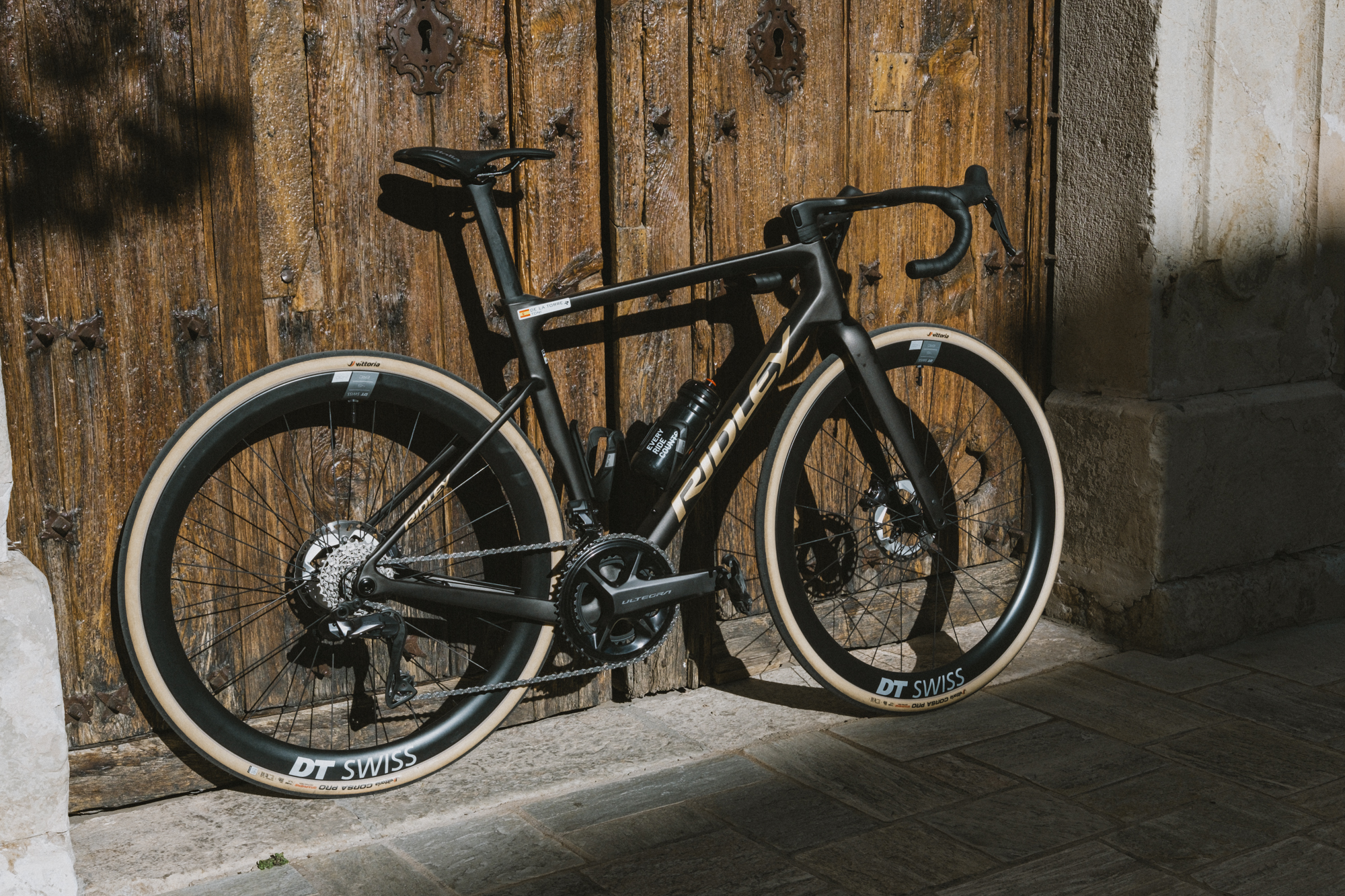
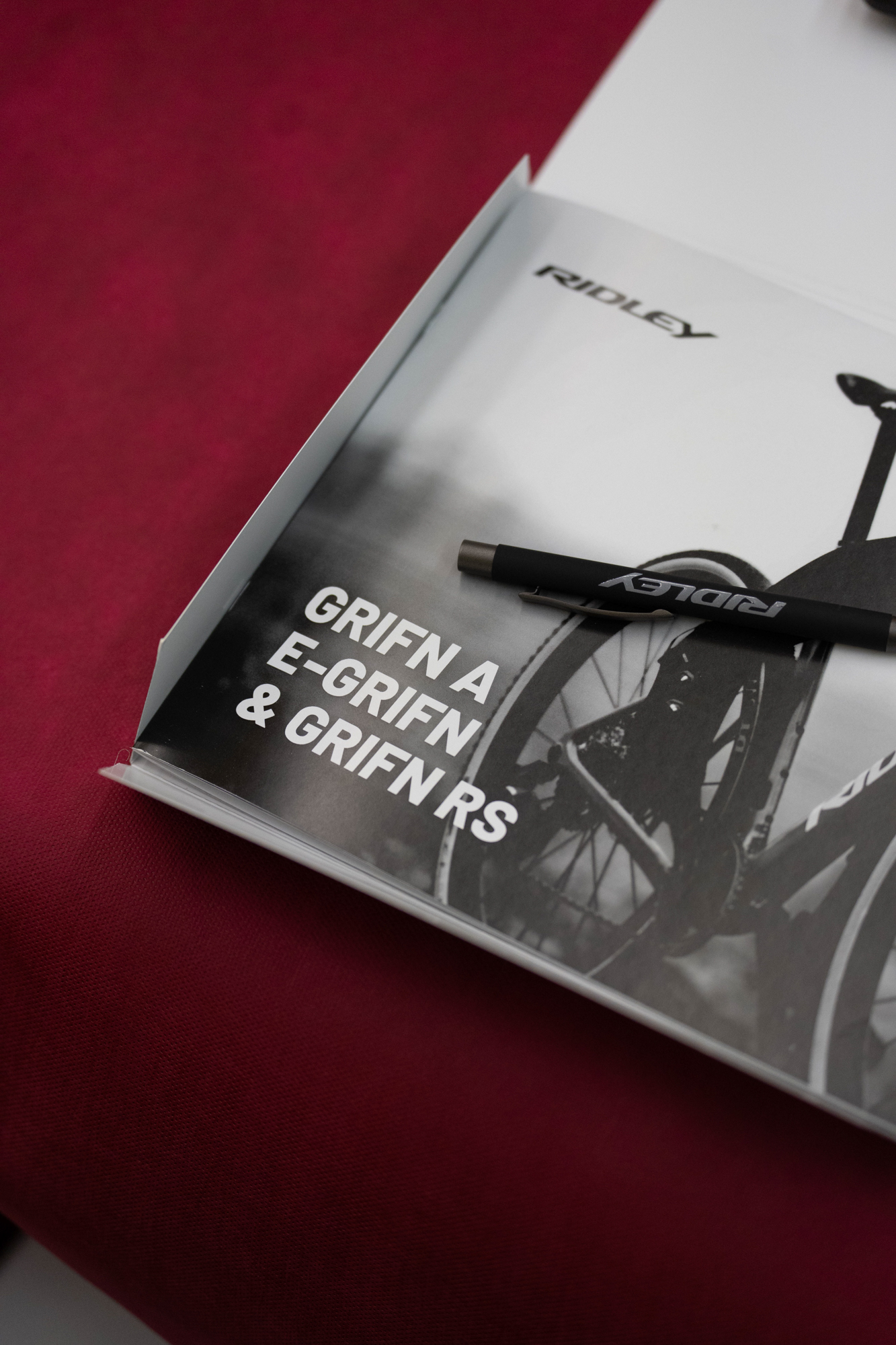
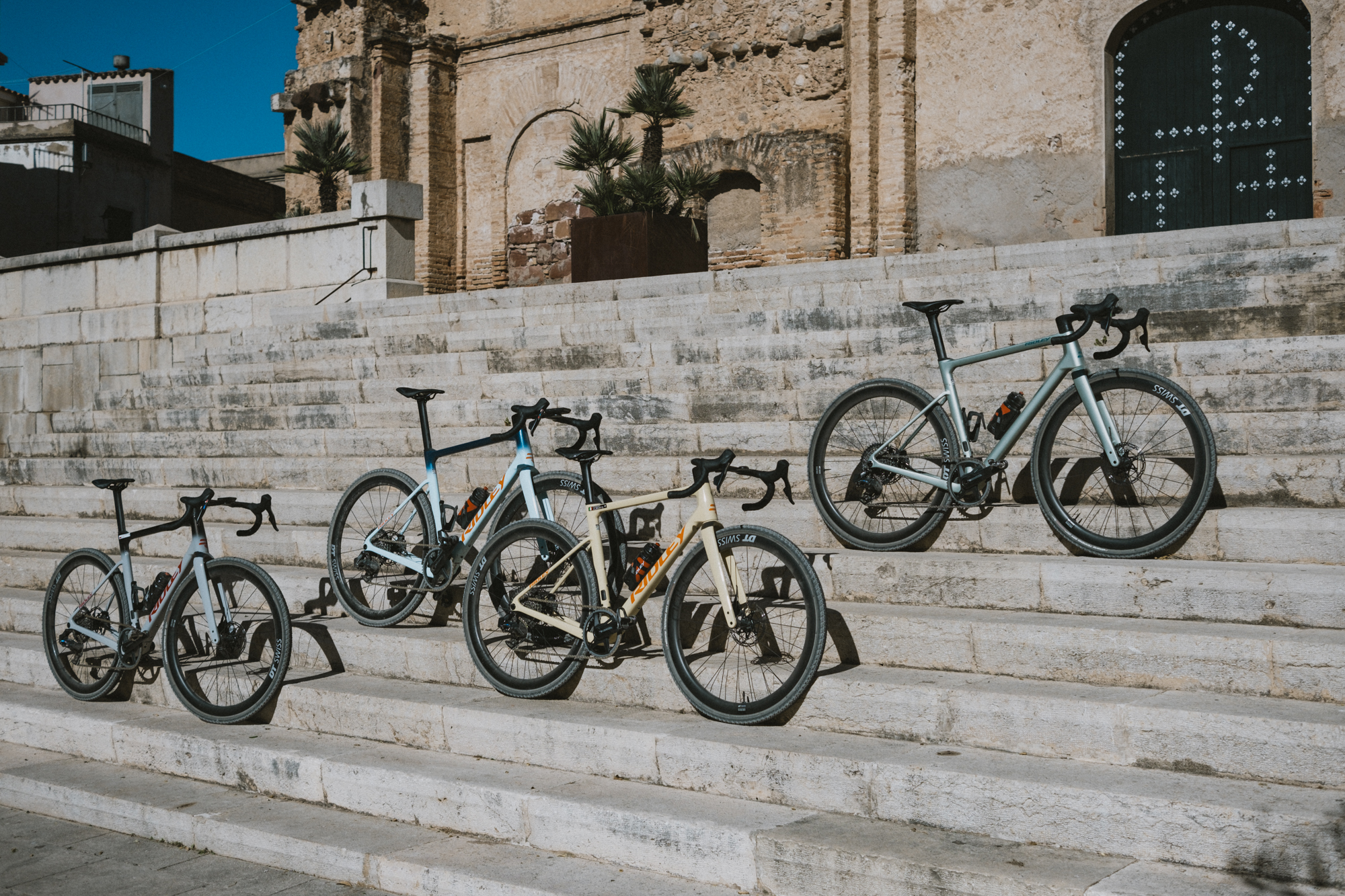
If, at the end of 2022, we presented the GRIFN as a versatile bike suitable for gravel and road that Ridley incorporated into its catalog, now we present the evolution of that same model: the GRIFN RS.
Launching this new version does not mean an update of its predecessor but rather a substantial improvement for those looking for a more competitive and demanding aspect of the already known GRIFN.
Accompanying the release of the RS, Ridley also presents the E-GRIFN, an assisted electric version, and an aluminum version that completes the entire spectrum of the public they want to reach with the GRIFN range.
We still remember the good impression the GRIFN left us the first time we tried it. We were very impressed with its handling, especially on gravel. It was fast, stable, and with a very good balance between stiffness and comfort. On the road, however, it reminded us more of an endurance model, a bike with a more relaxed and comfortable position, with no pretensions of being the fastest on the market.
Well, after testing the GRIFN RS for several days, we can confirm that it is a version with many improved aspects that undoubtedly make it unique.
The Ridley team has invested many hours in this bike, and they acknowledge that they did not want to waste the opportunity to apply some of the R&D from their latest models to some aspects of the GRIFN RS. Proof of this is the carbon fork they have created. In addition to being wider and allowing a wider tire, it now incorporates the same design as the FALCN RS.
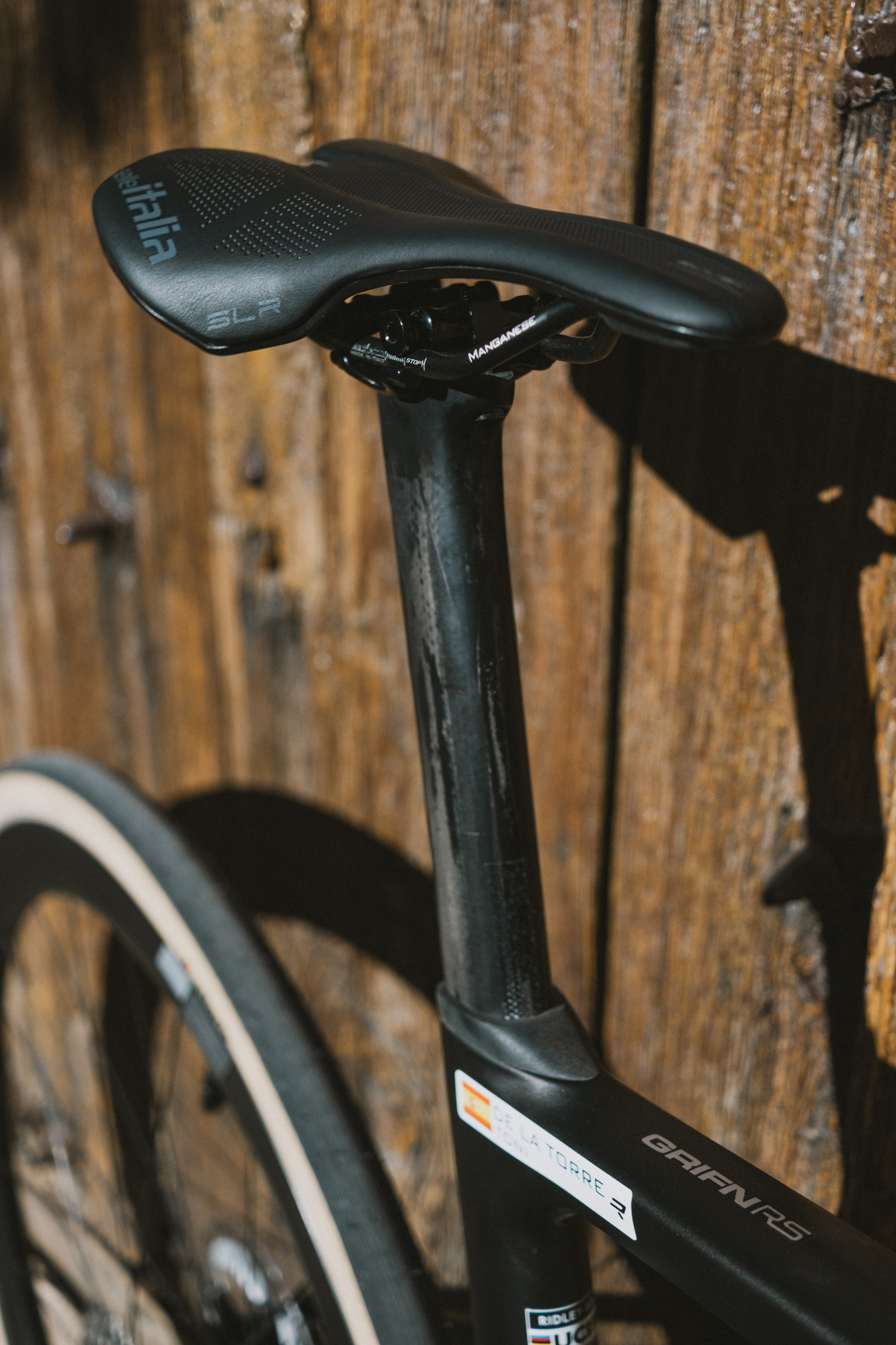
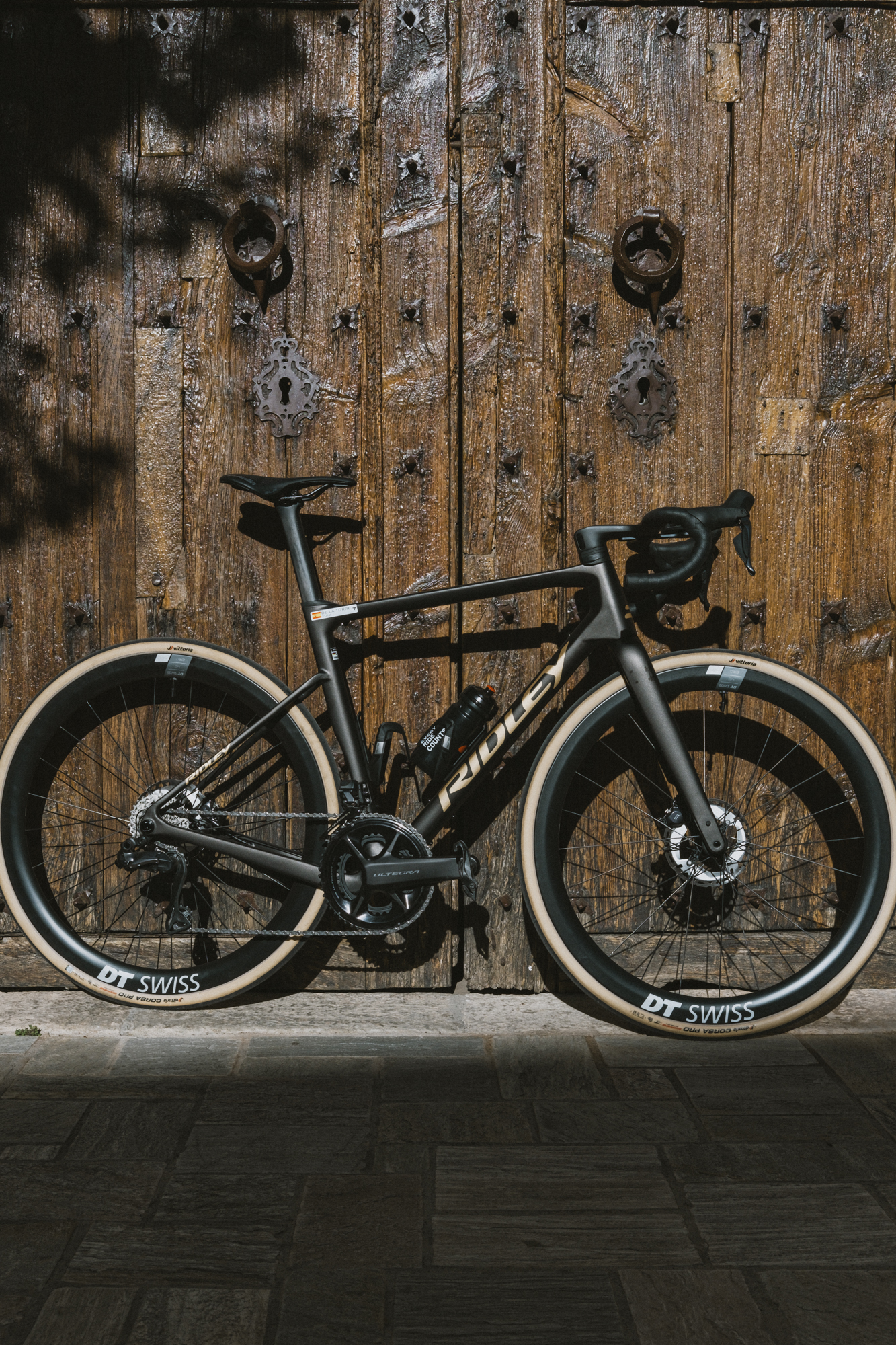
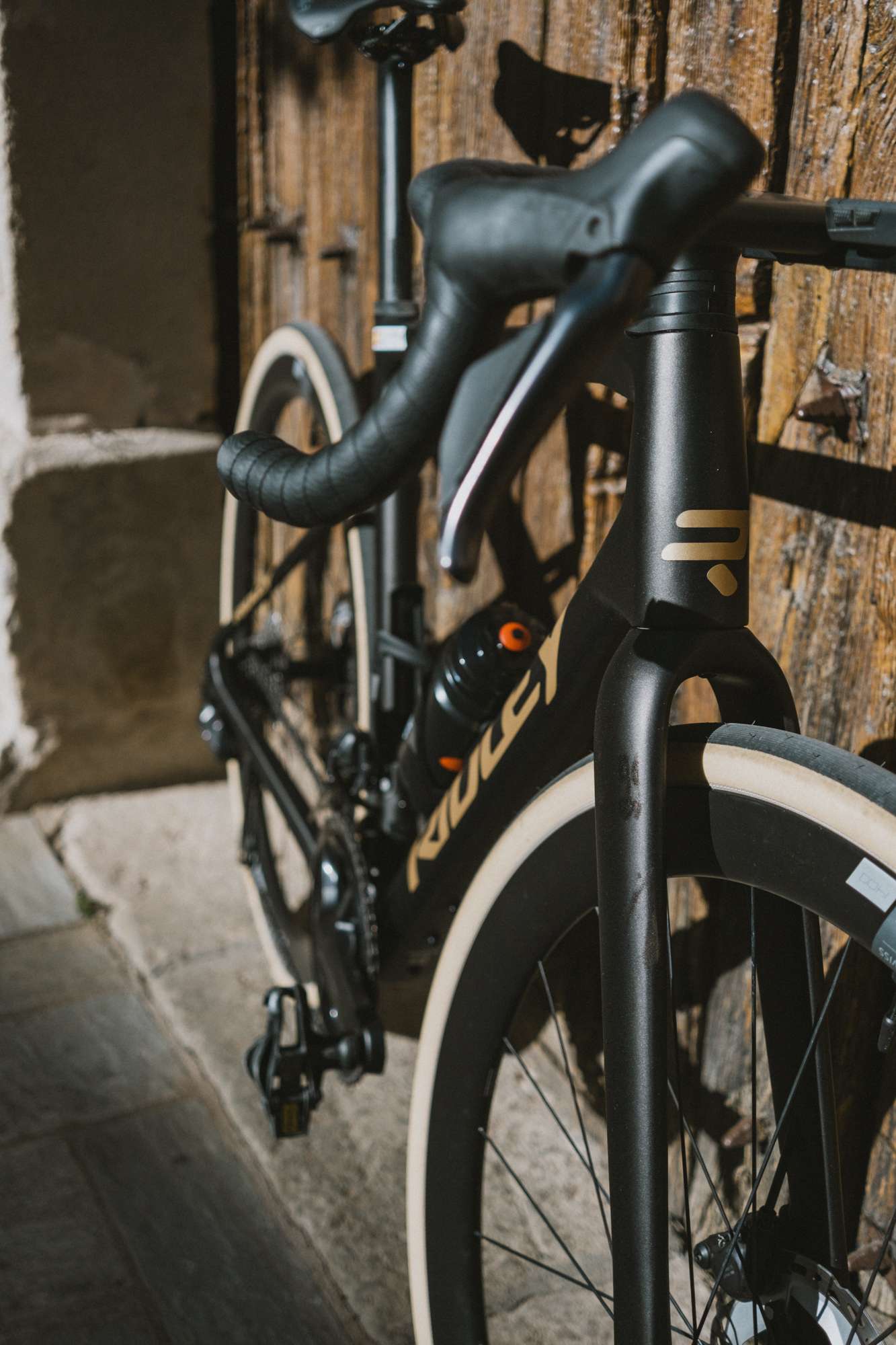
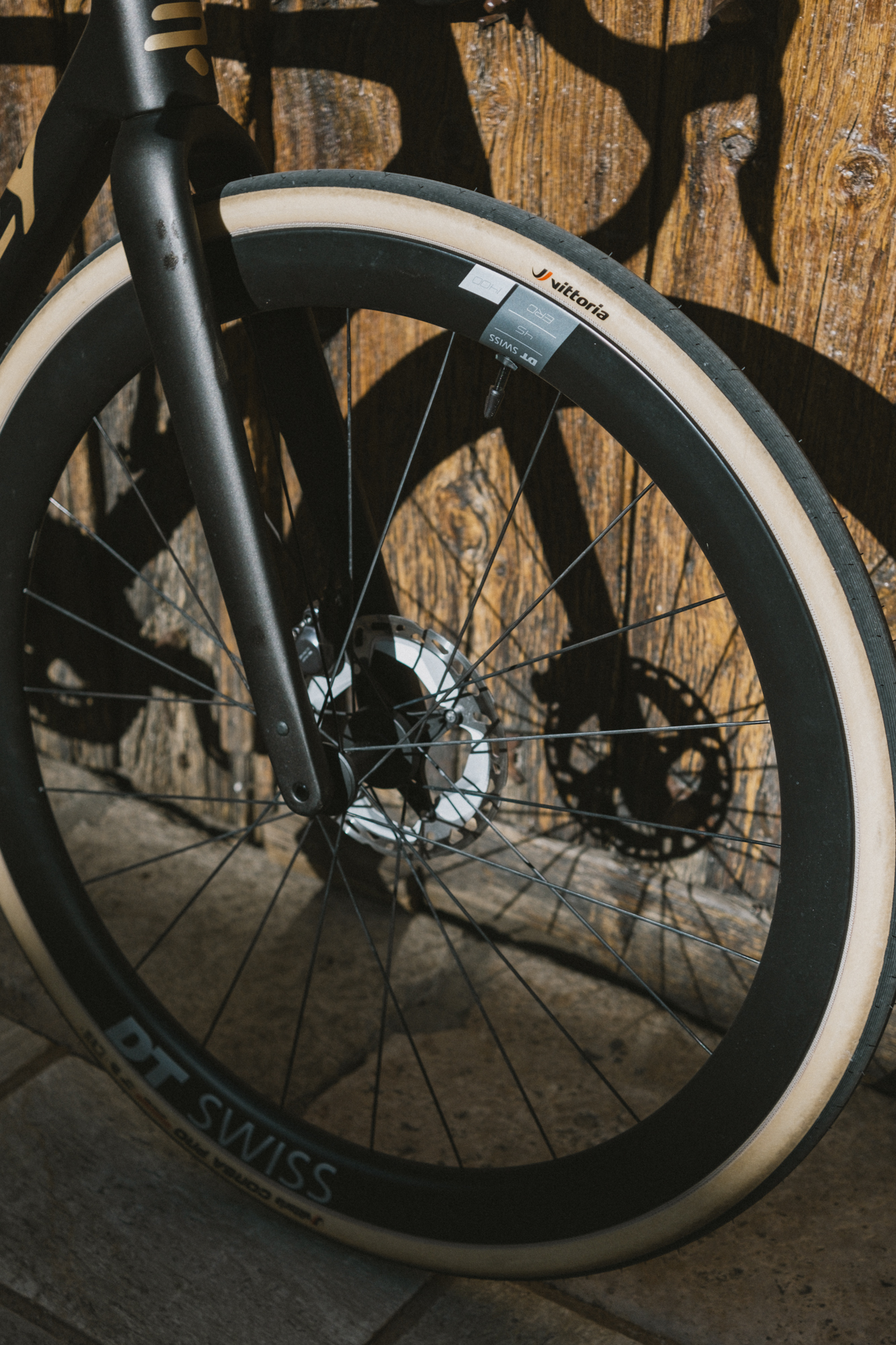
Regarding the frame, we observed several changes in aerodynamics that we significantly liked. We see that the diagonal tube integrates perfectly with the fork design and that the vertical tube has a groove that allows the wheel to be closer to the frame. Now, it has an aerodynamic seatpost that, in addition to improving aesthetics, helps to reduce air friction. They have also made other changes in the frame to obtain a wider wheel width and to be able to mount tires up to 42 mm, both in 2x and 1x setups. In addition to all of the above, they have managed to reduce the frame’s weight (140 grams less compared to the GRIFN), which, combined with everything above, makes this model a faster and lighter bike.
Continuing with other novelties that this model presents, we highlight the entire integrated cockpit, which, in addition to giving it a more attractive and contemporary aspect, adds a plus of aerodynamics, stiffness, and reactivity that is very interesting.
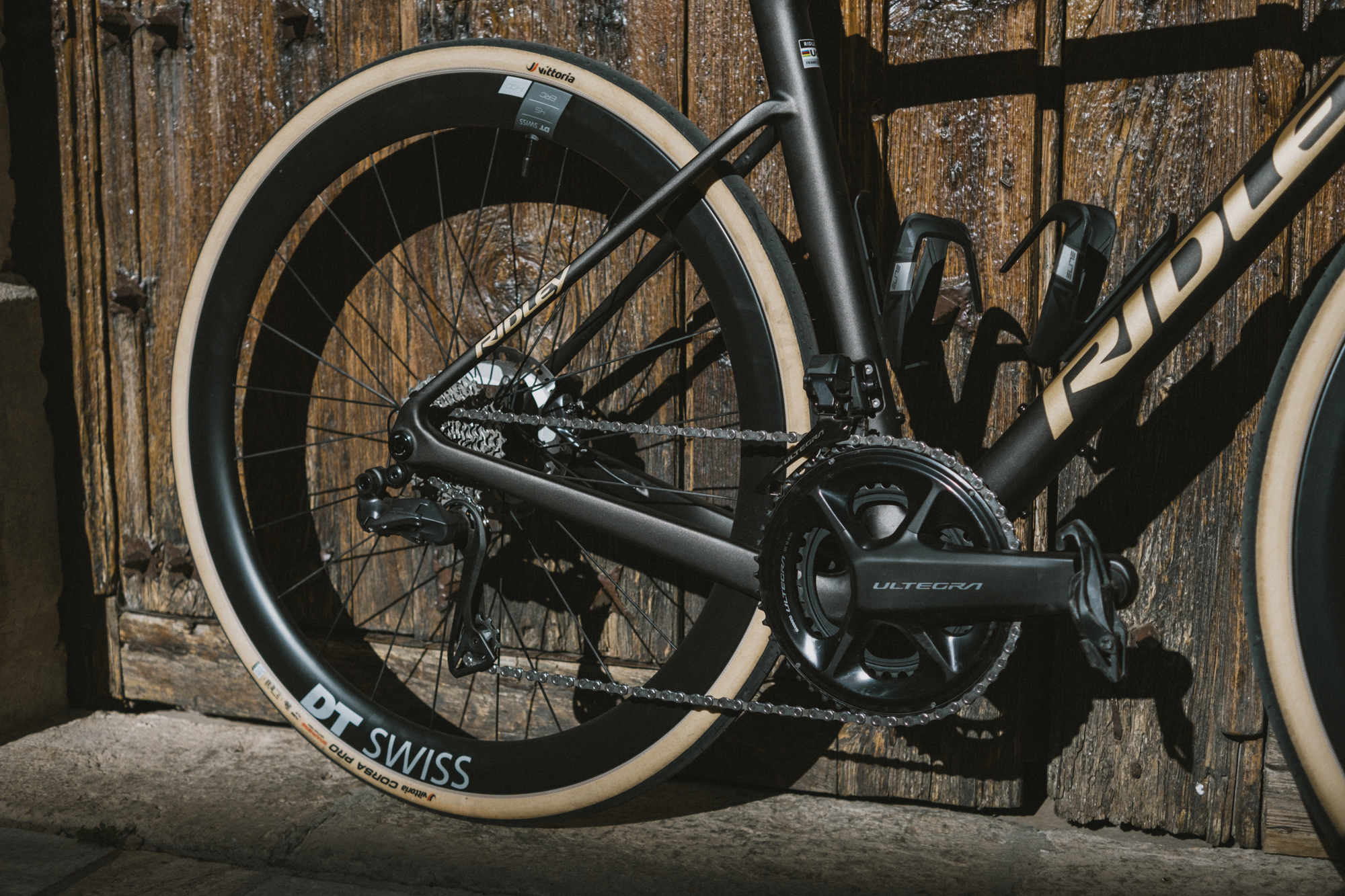
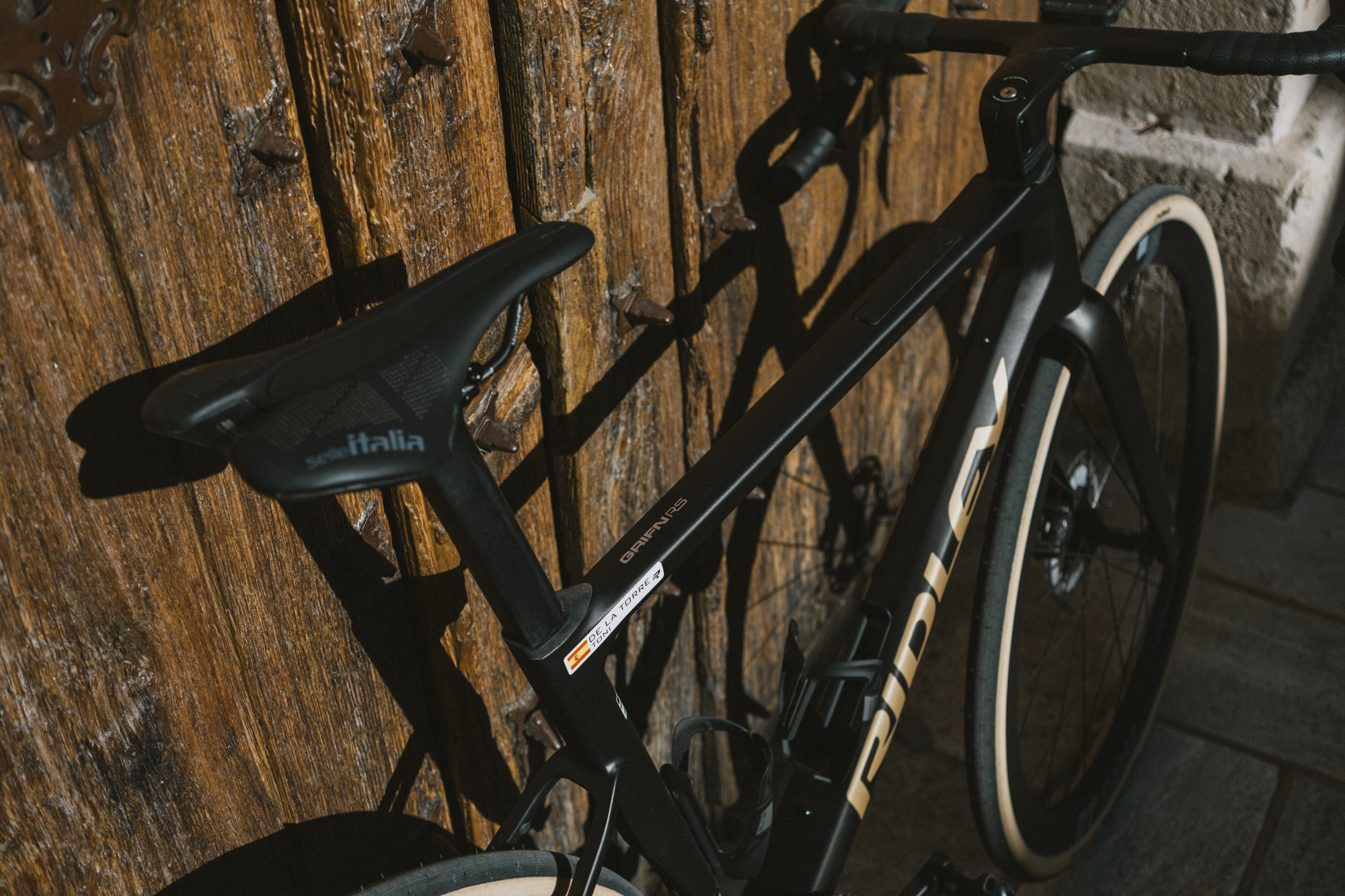
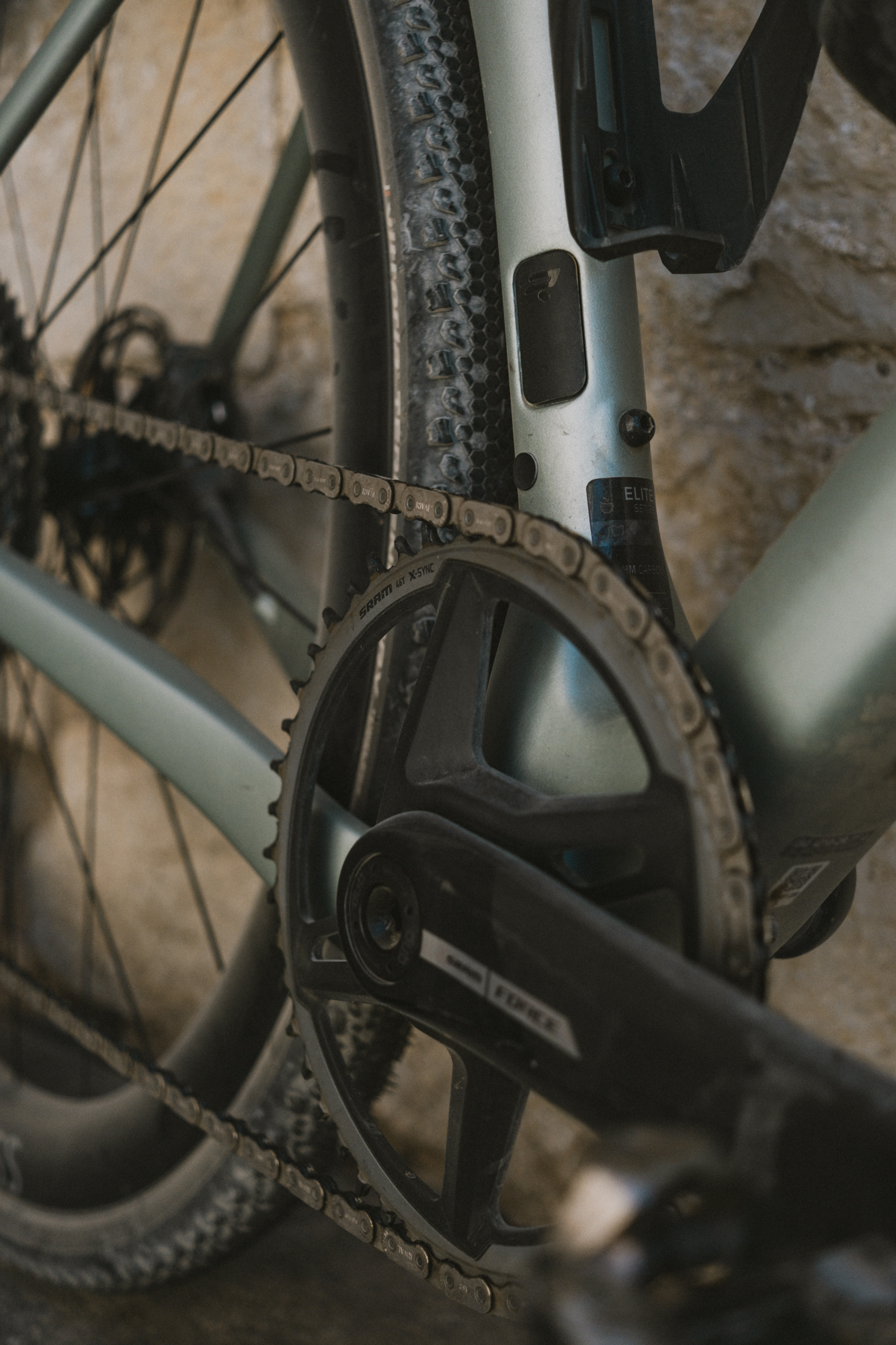
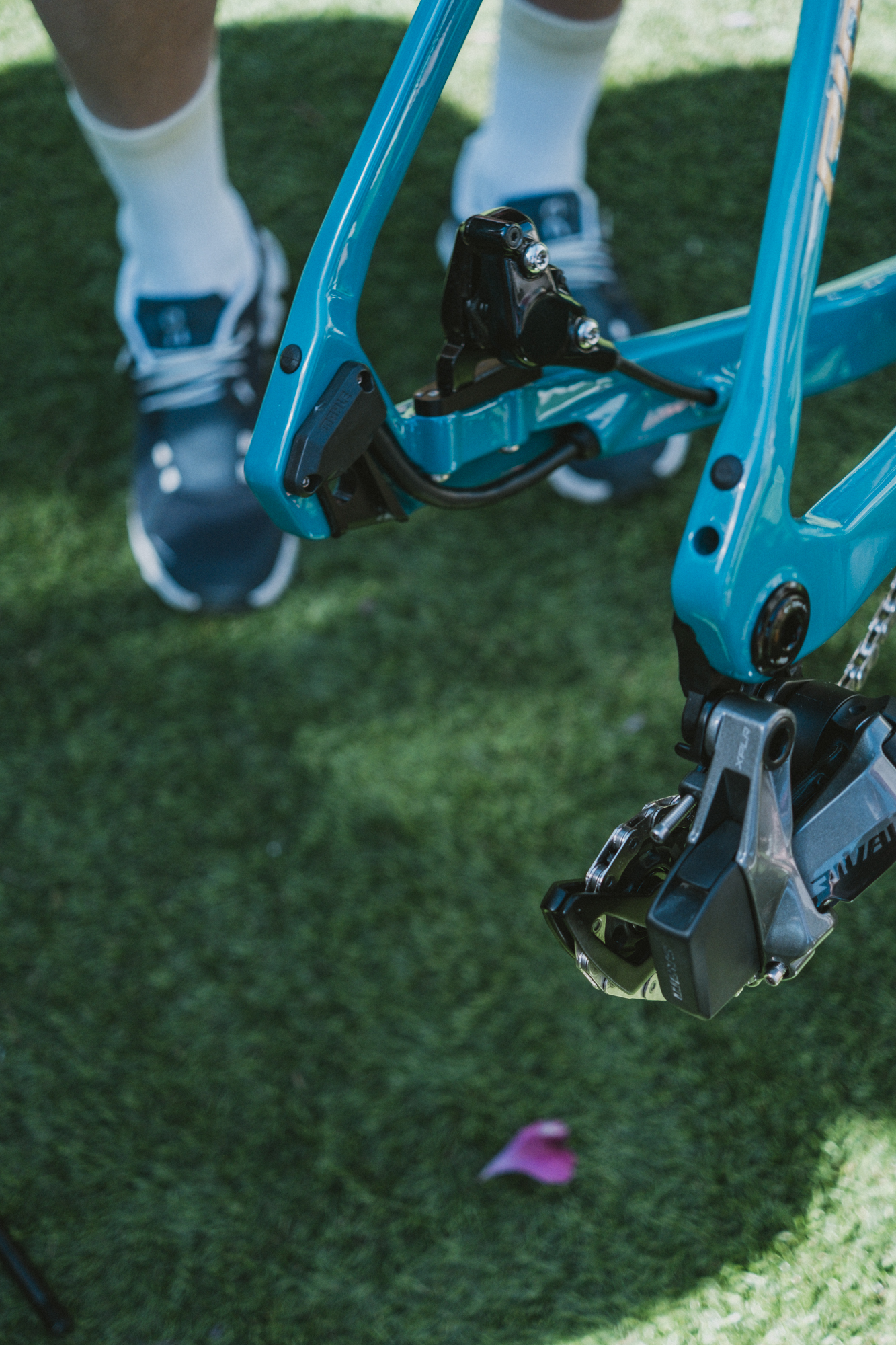
If we focus on the transmission, you can choose between Shimano and SRAM assemblies depending on each person’s needs, in addition to having an option that mounts Classified hubs. The GRIFN RS, in addition to mounting the universal derailleur hanger (UDH), also integrates the clamp for the front derailleur on the same vertical tube, which allows, in the case of mounting a single chainring, to easily replace it with an aerodynamic chain guide that they have developed in collaboration with Wolf Tooth.
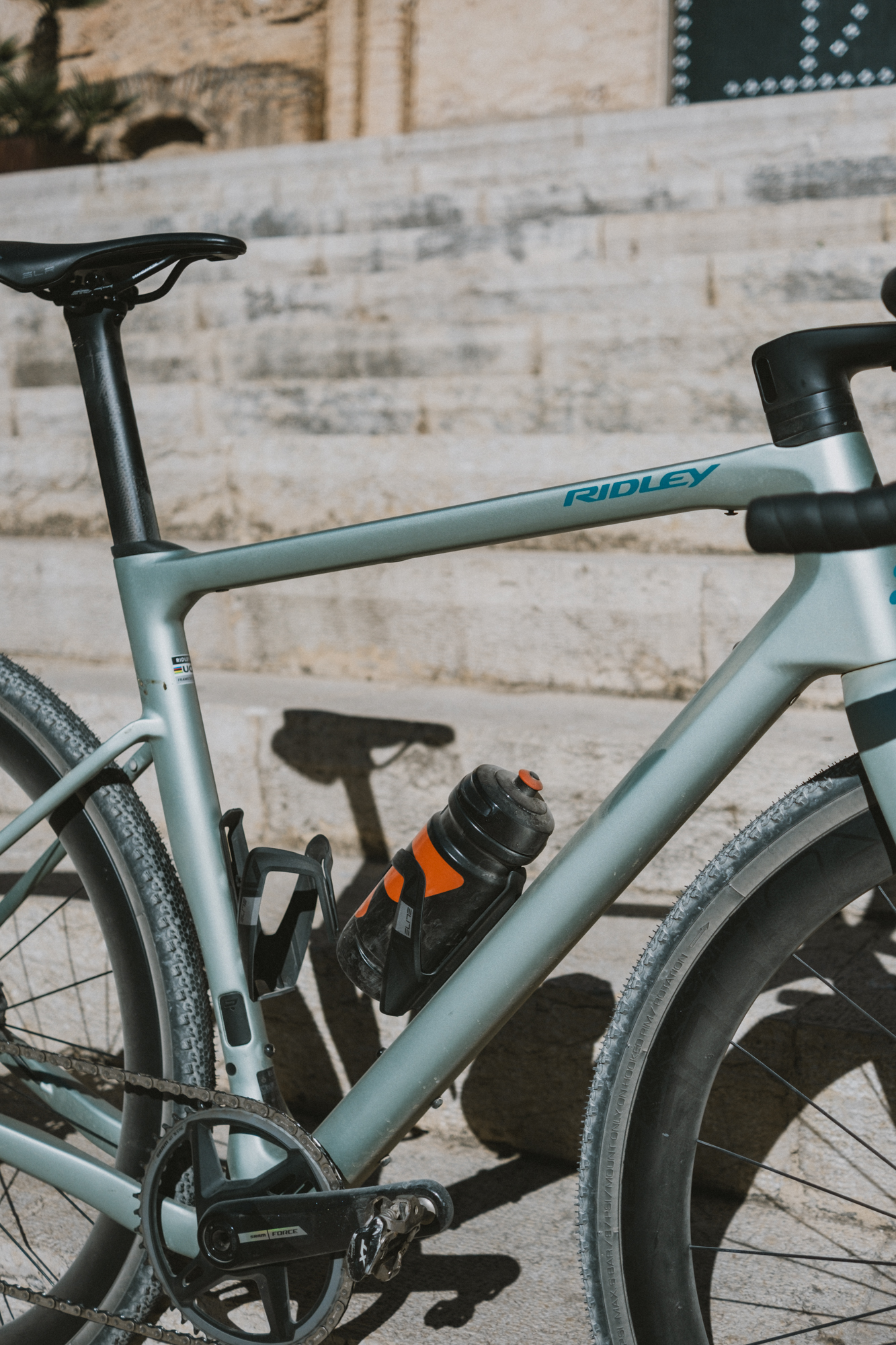
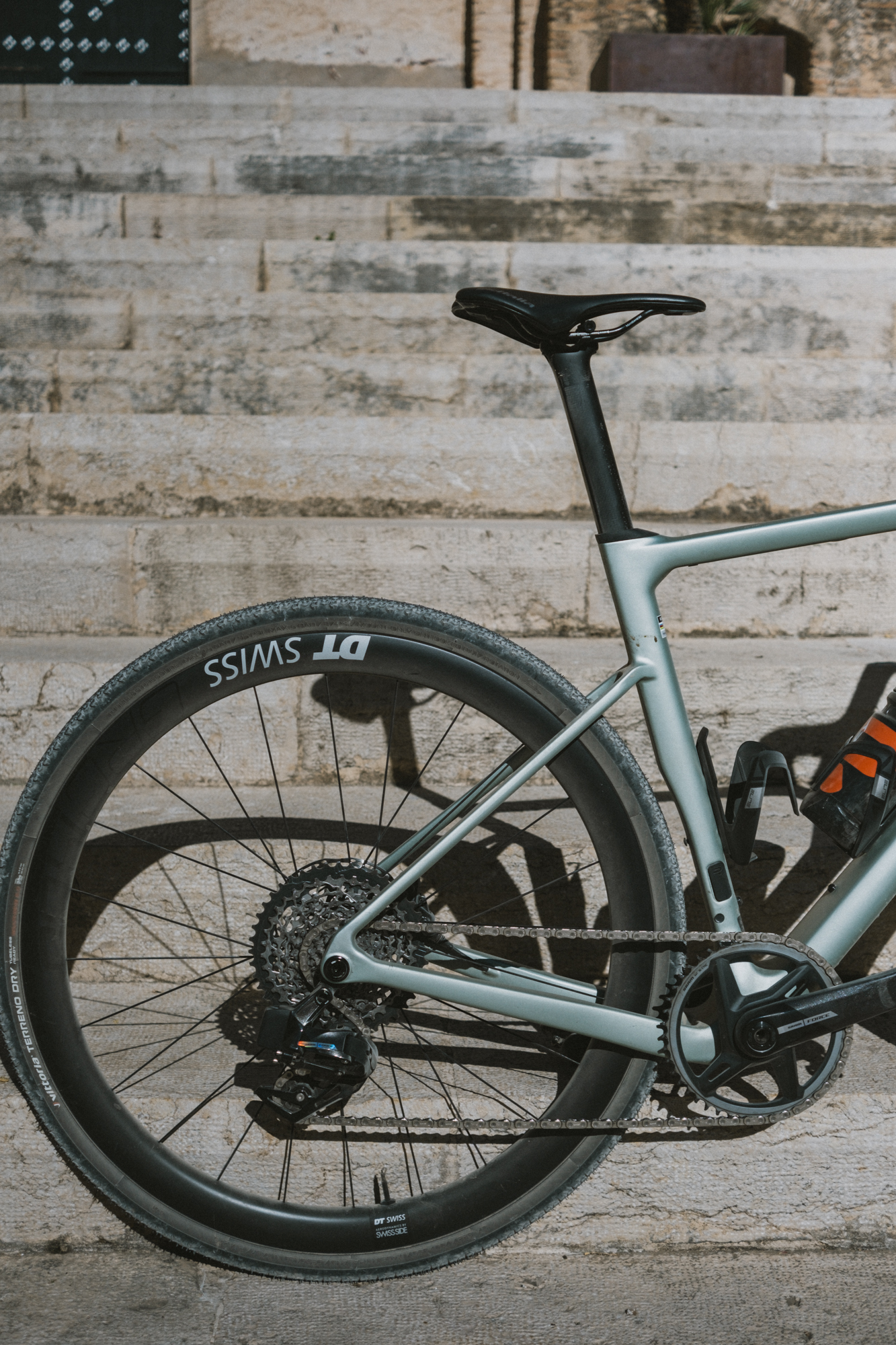
Lastly, the bike incorporates several extra holes to add bags, bottles, or other accessories for the more adventurous riders.
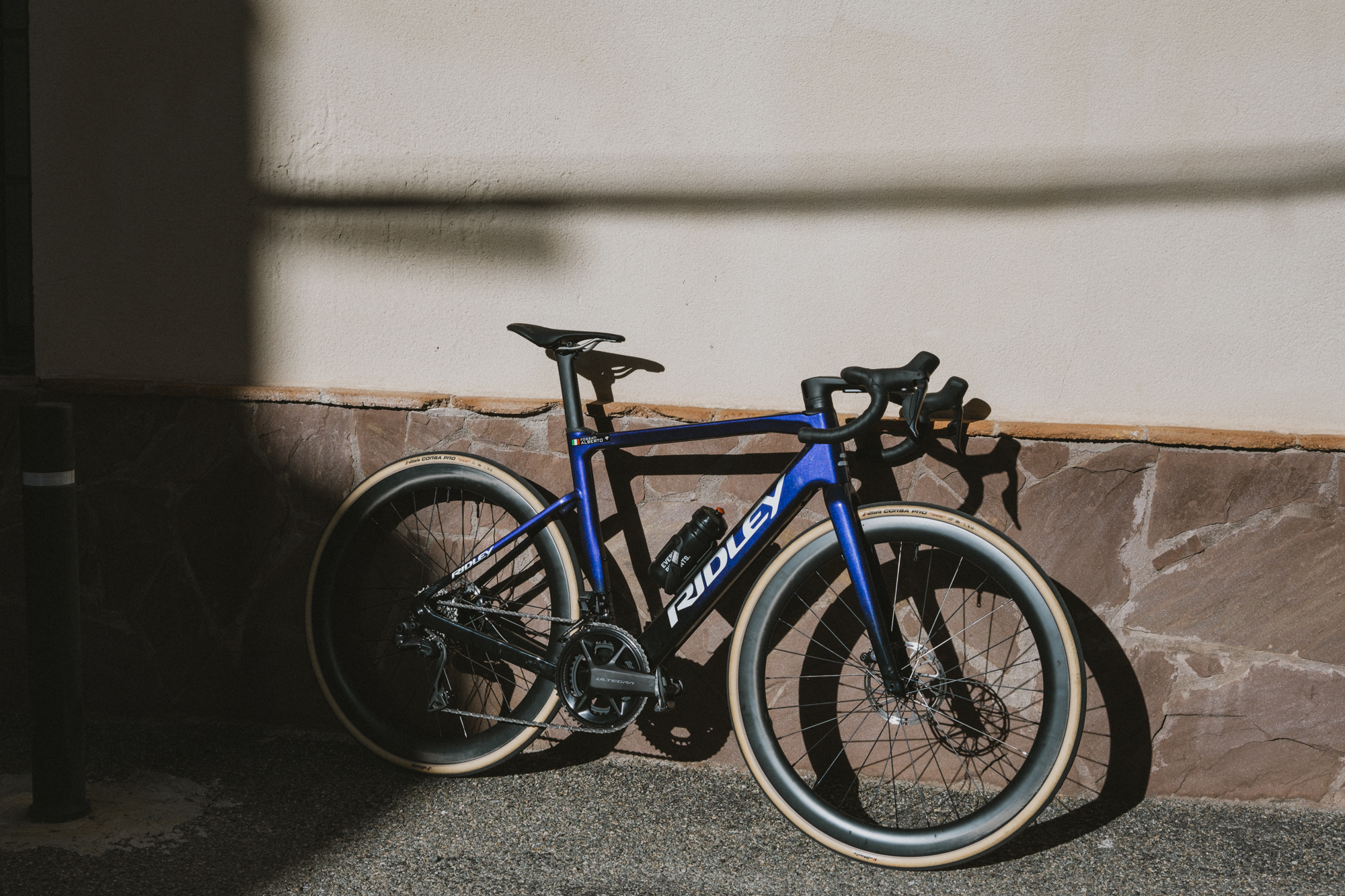
As we were telling you at the beginning of this article, Ridley, in addition to launching the RS, has also presented the E-GRIFN and the GRIFN A, which together with the already known GRIFN complete the range covering an extensive range of users.
We have to admit that, initially, we were surprised to see an assisted version among the bikes they presented. We did not expect it, and honestly, we did not show much interest in the E-GRIFN until we gradually discovered everything it hid.
One of the main reasons they saw an opportunity to create this bike was the notable presence of electric mountain bike users on tracks, trails, and other low-technical difficulty terrains. Seeing this, they realized that a certain group was currently meeting their needs with the wrong bike.
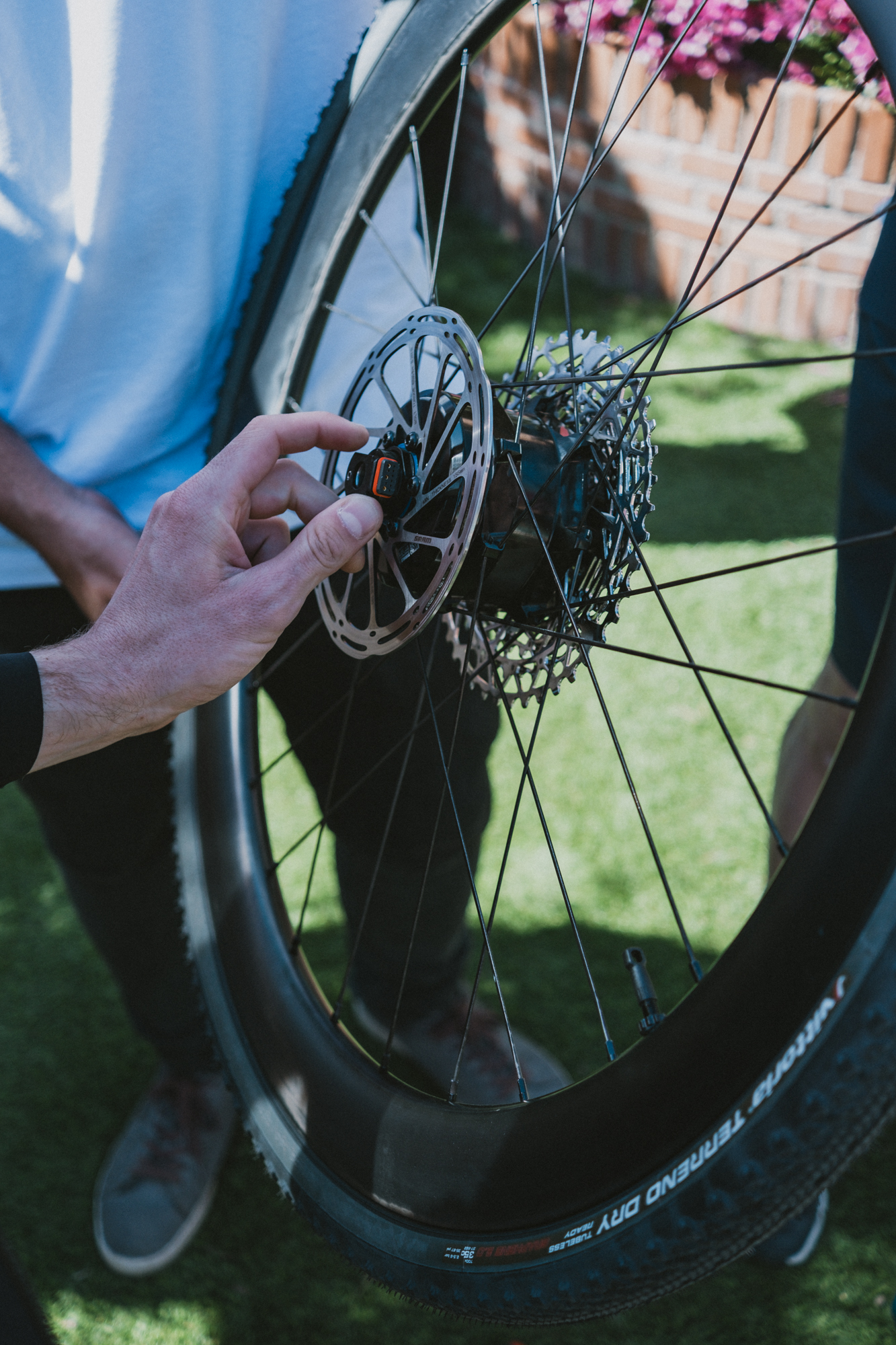
In search of a versatile bike that can be used on gravel and road with a motor that is not excessively heavy and provides the necessary extra bit of help, they found as their best ally the MAHLE SmartBike and its revolutionary X20 system. The resulting combination could not have been better; the two companies managed to create a truly attractive, functional, and beautiful bike that surprises anyone, even the most skeptical (myself included) regarding the e-bike world.
If we refer to the GRIFN A, we are talking about a bike with the same geometry as the rest of the range but with the peculiarity that the frame is made of aluminum. It is a perfect “entry-level” model that can become a very good option as a first bike for an audience that is starting out in cycling or the gravel discipline.
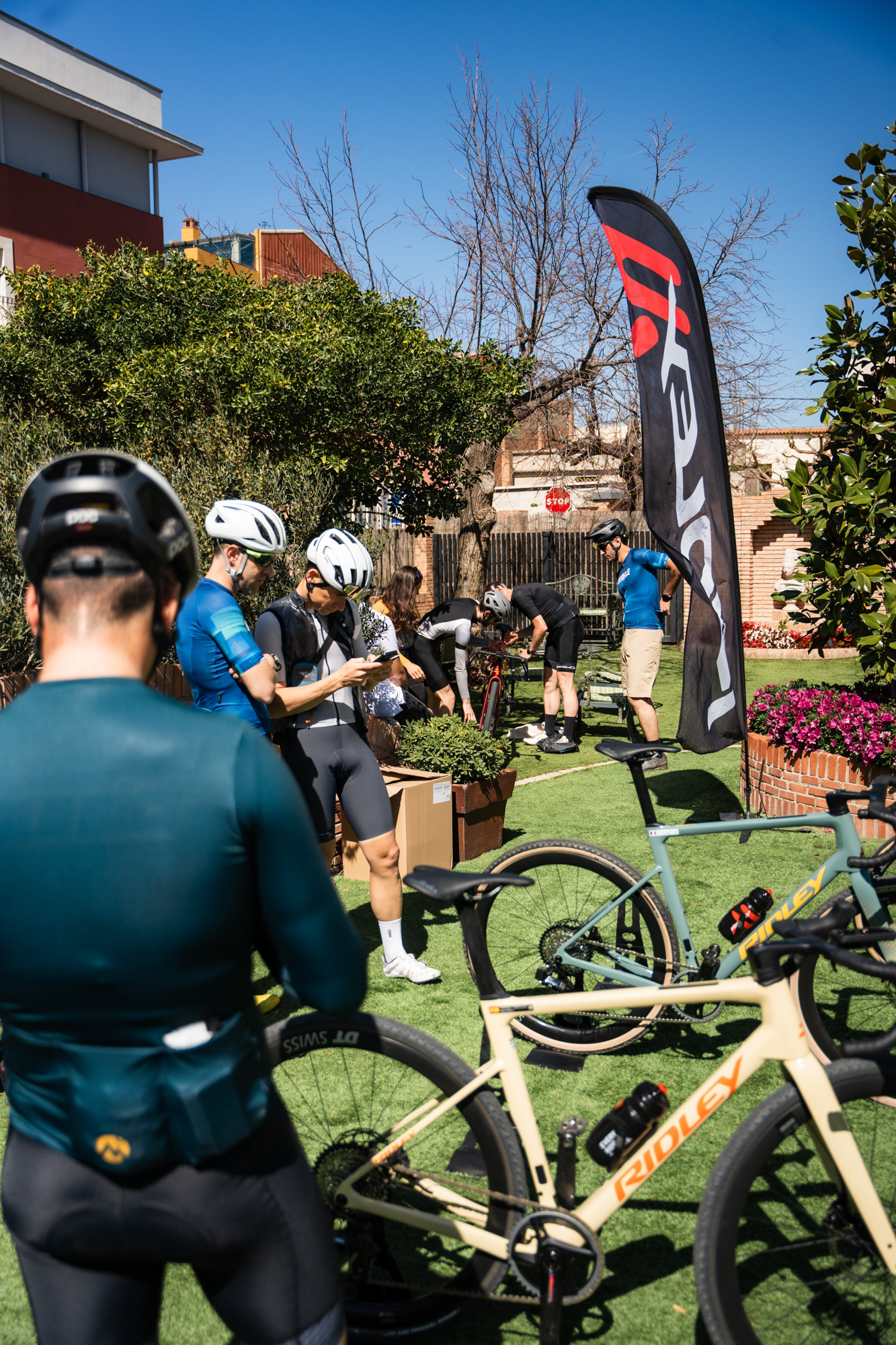
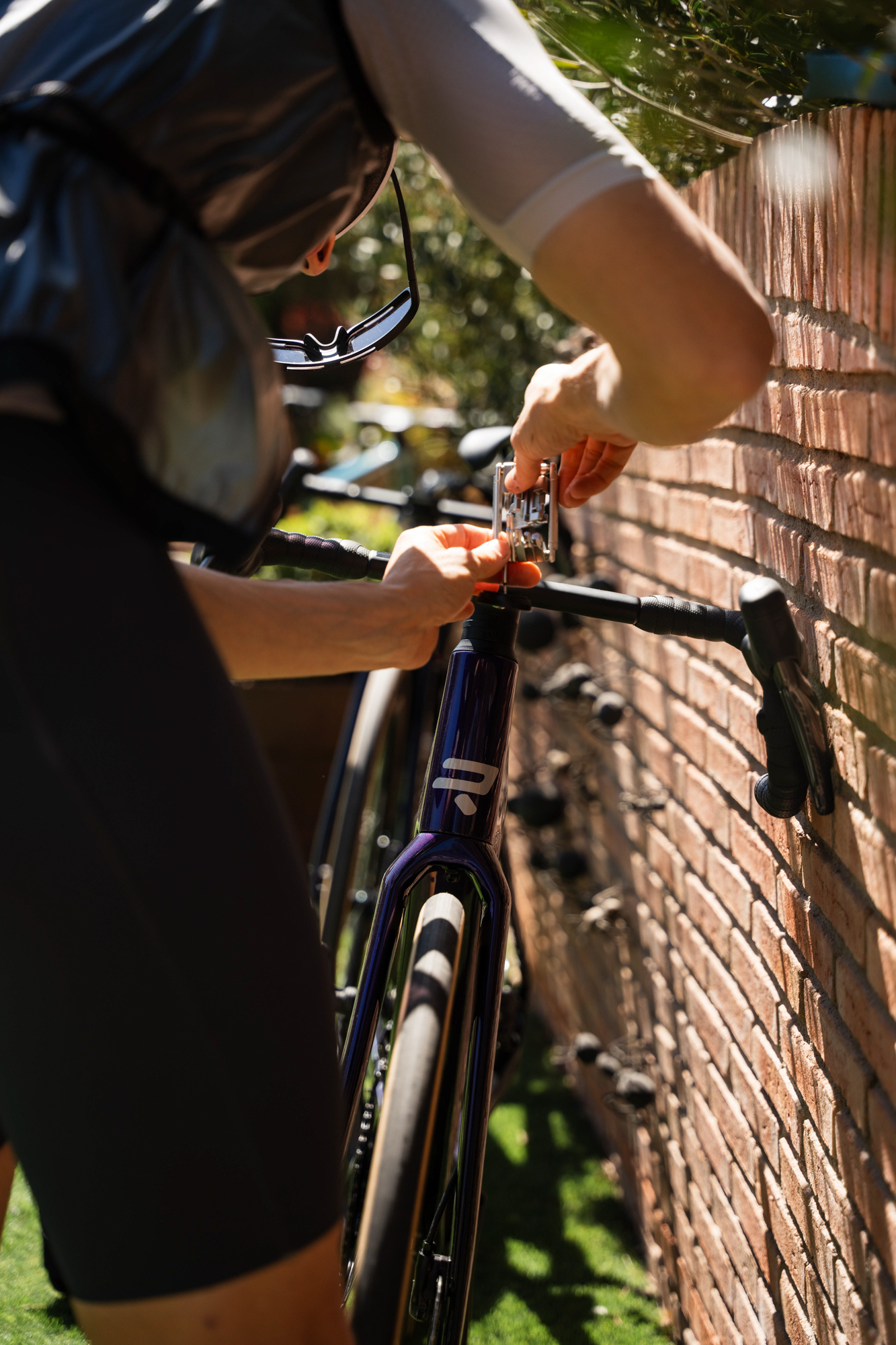
After the official presentation of the entire GRIFN range, it was time to test the available units and see if everything that had just been explained to us was true.
We went in small groups for the bike tests, and among the bikes we used, there was a mix between E-GRIFN and RS. In my case, I got the assisted version for the first round of testing. As I have explained before, I am not a big fan of e-bikes, but in the case of the E-GRIFN, I must confess that it left me speechless from the first minute. The pedaling sensation is supernatural, and you can hardly tell when you are receiving assistance and when you are not. With Mahle’s X-20, since the system is propelled from the rear hub (by the way, the lightest on the market in rear-hub systems), the power is transmitted in a very different way than when using a mid-drive, like the ones typically used in mountain bikes, which are more direct and seem more like propulsion than assistance. In this case, the sensation is really smooth and without jerks.
The bike offers three levels of assistance, plus a fourth that Mahle has baptized Smart Assist. This system adjusts the level of “help” automatically according to your weight, the slope of the road, and your power needs. You can select the power from a controller installed on the frame or using the extra buttons that are installed on the handlebar drop, a perfect option when you are riding in a lower position. We liked this point a lot about having total control of the system in any situation without taking additional risks.
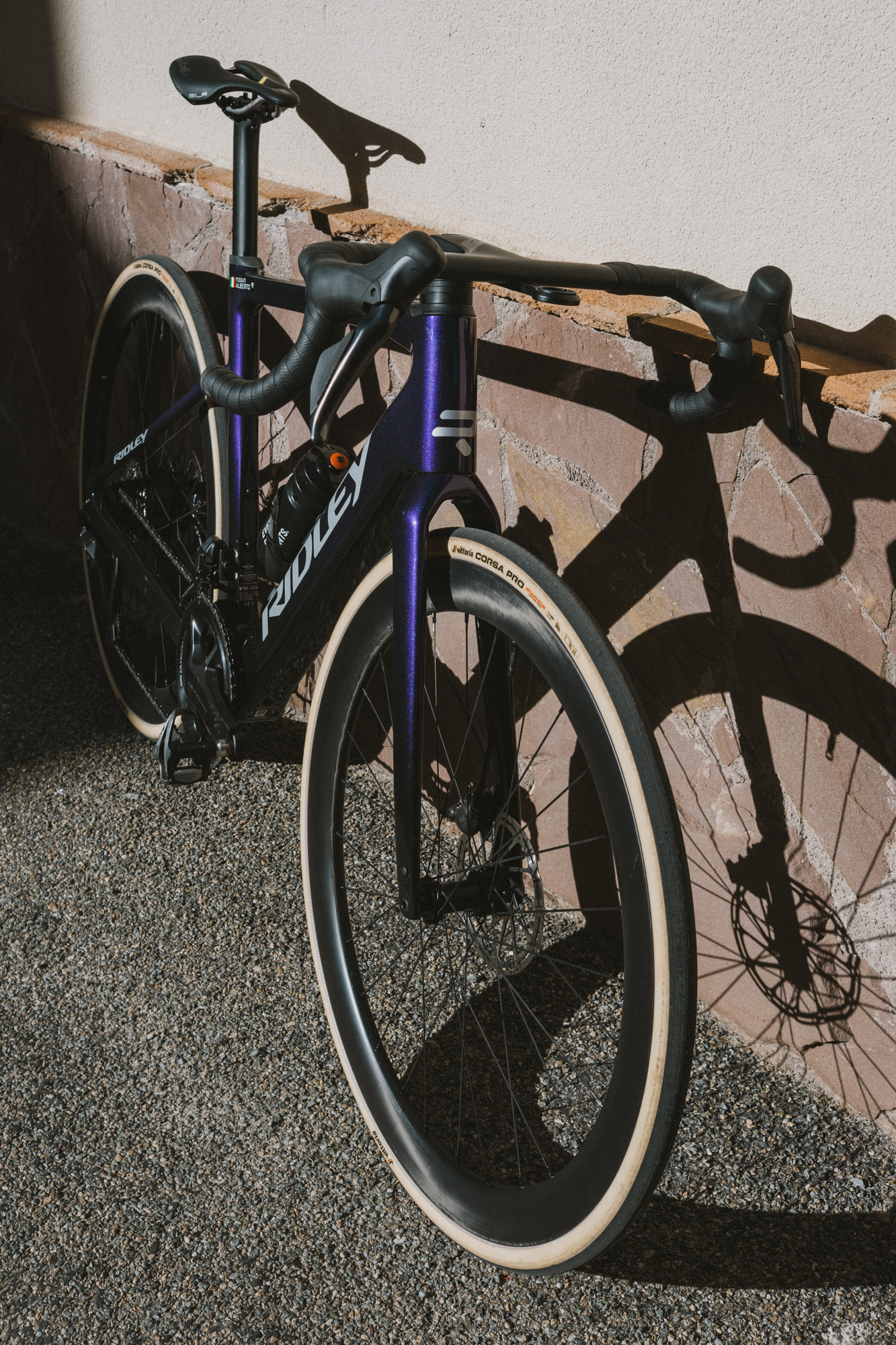
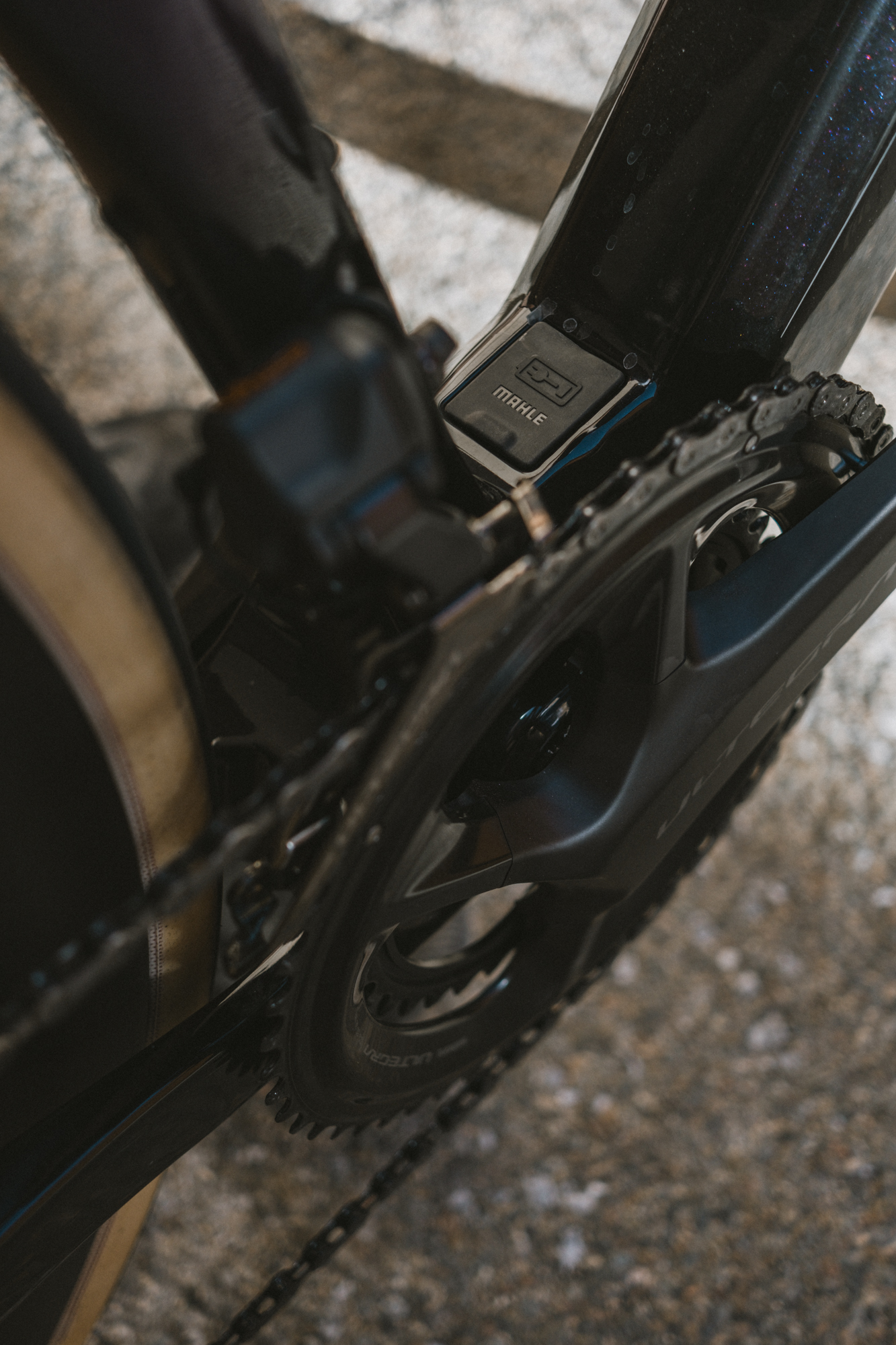
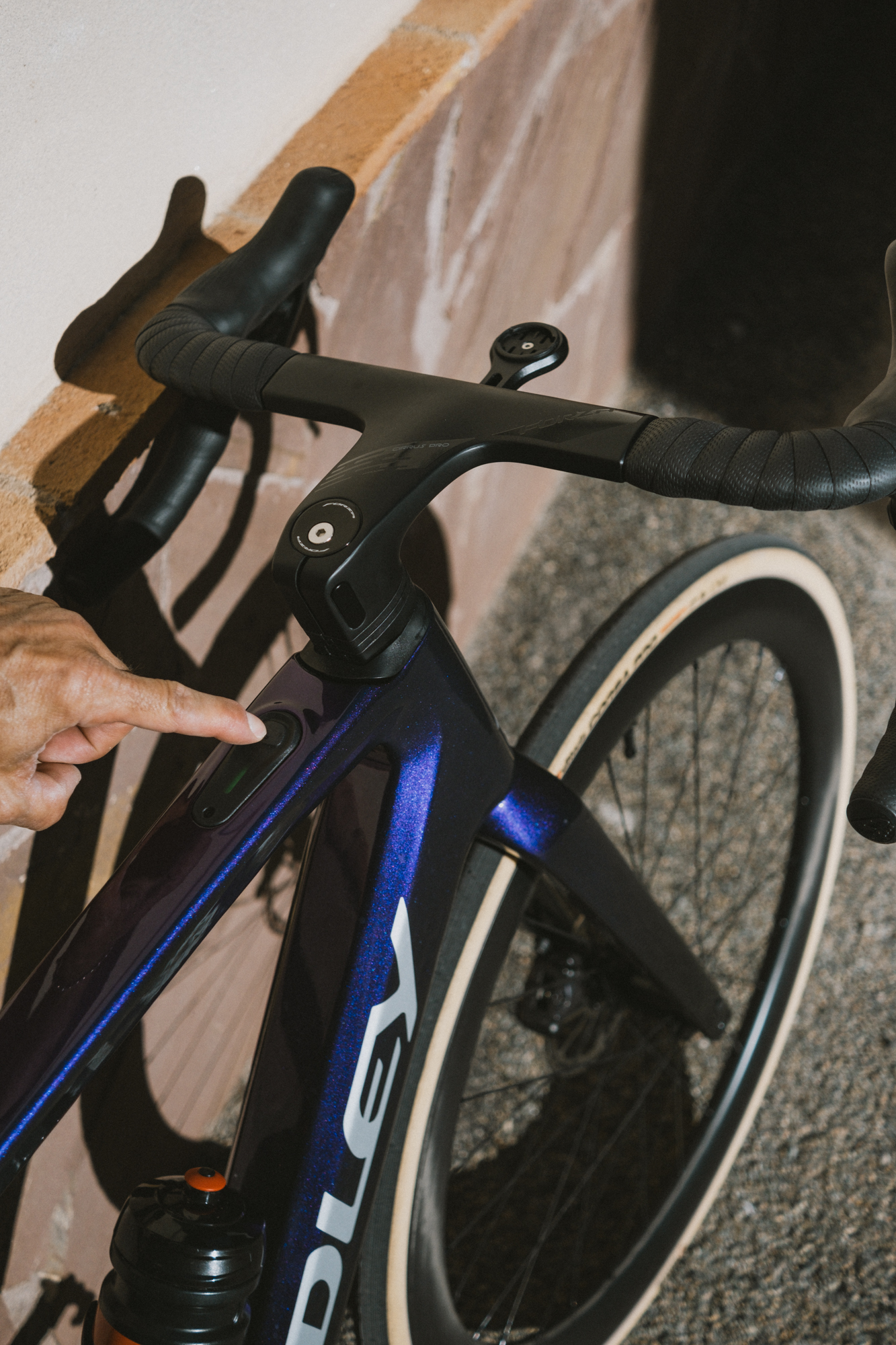
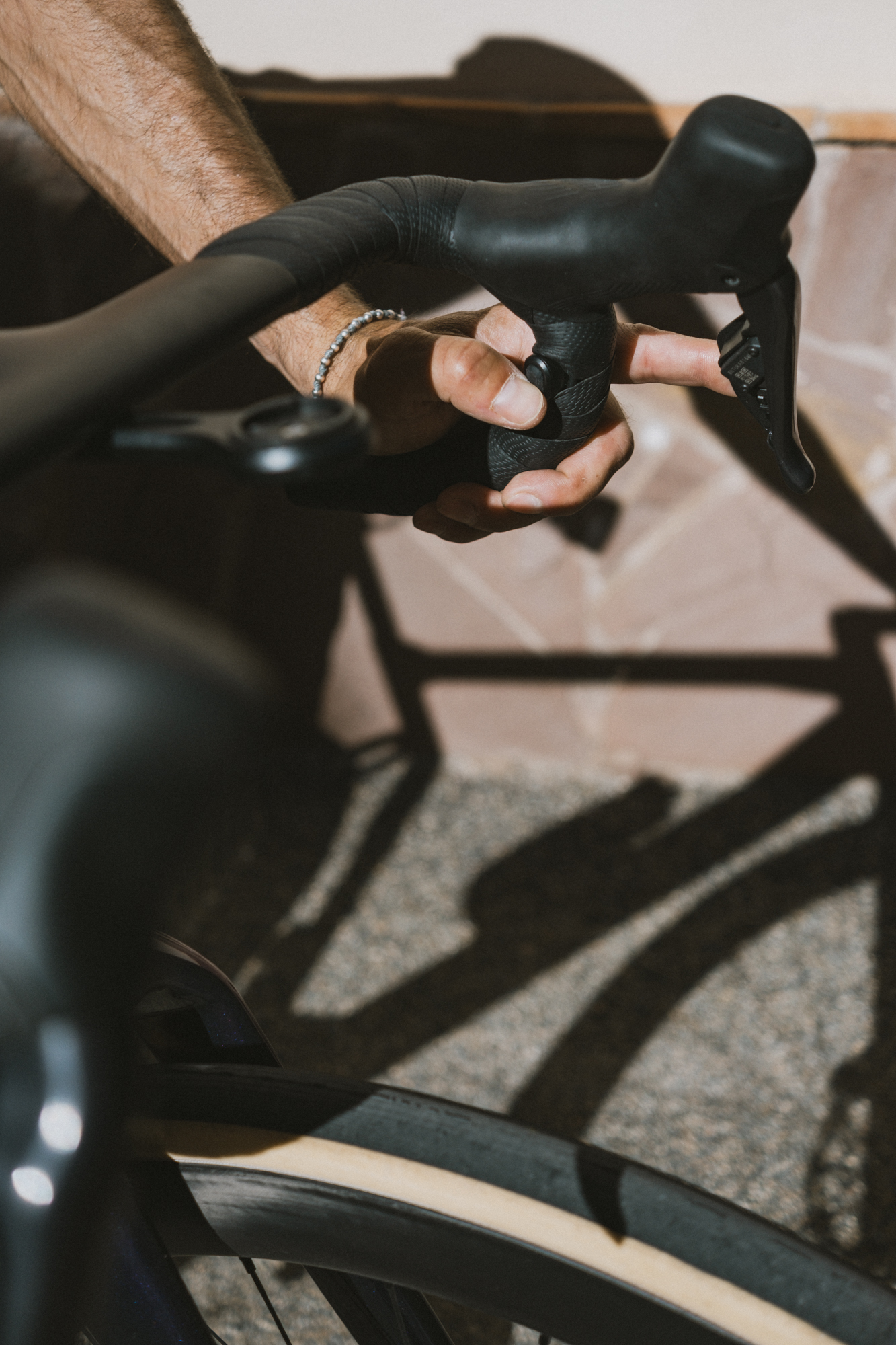
Another aspect that caught my attention was the feeling of not having to drag a heavy bike when you exceed the system’s speed limit. You stop receiving assistance, but the hub still spins like on a standard bike, without any penalty or braking of any kind. In fact, while we were conducting the tests, you could even forget that you were riding an electric bike at some point.
Aesthetically, the bike is impeccable. You hardly notice that you are on an electric bike unless you pay attention to the rear hub (larger than usual) or the small controller on the horizontal tube. The battery is located inside the diagonal tube, but its small dimensions allow the size of the tube to be almost like a normal one.
In the next round of tests, we switched bikes, still in road mode, and this time, I was able to personally test the RS version of the GRIFN.
The first impression was that the riding position had improved a lot. Now, it was much more aggressive. The new cockpit, which had everything integrated, provided noticeable extra stiffness. The new aero seatpost with zero offset setback encourages you to be much more immersed in the bike.
Going uphill, the bike performs much better and is much more reactive than its preliminary version. During the descent, it has perfect composure. I still remember one of them we did in the purest Safa Brian style, descending the mountain pass at full speed and feeling great control of the bike at all times.
There has also been a noticeable improvement in the flat segments; the bike flows and rides very well.
The next day, we had the opportunity to test the GRIFN RS in its gravel mode. At the time, we greatly enjoyed the GRIFN in its initial version. It reminded us a lot of a fast gravel bike, and on this occasion, considering how well the bike had performed the day before, it was clear that we were going to have a great time.
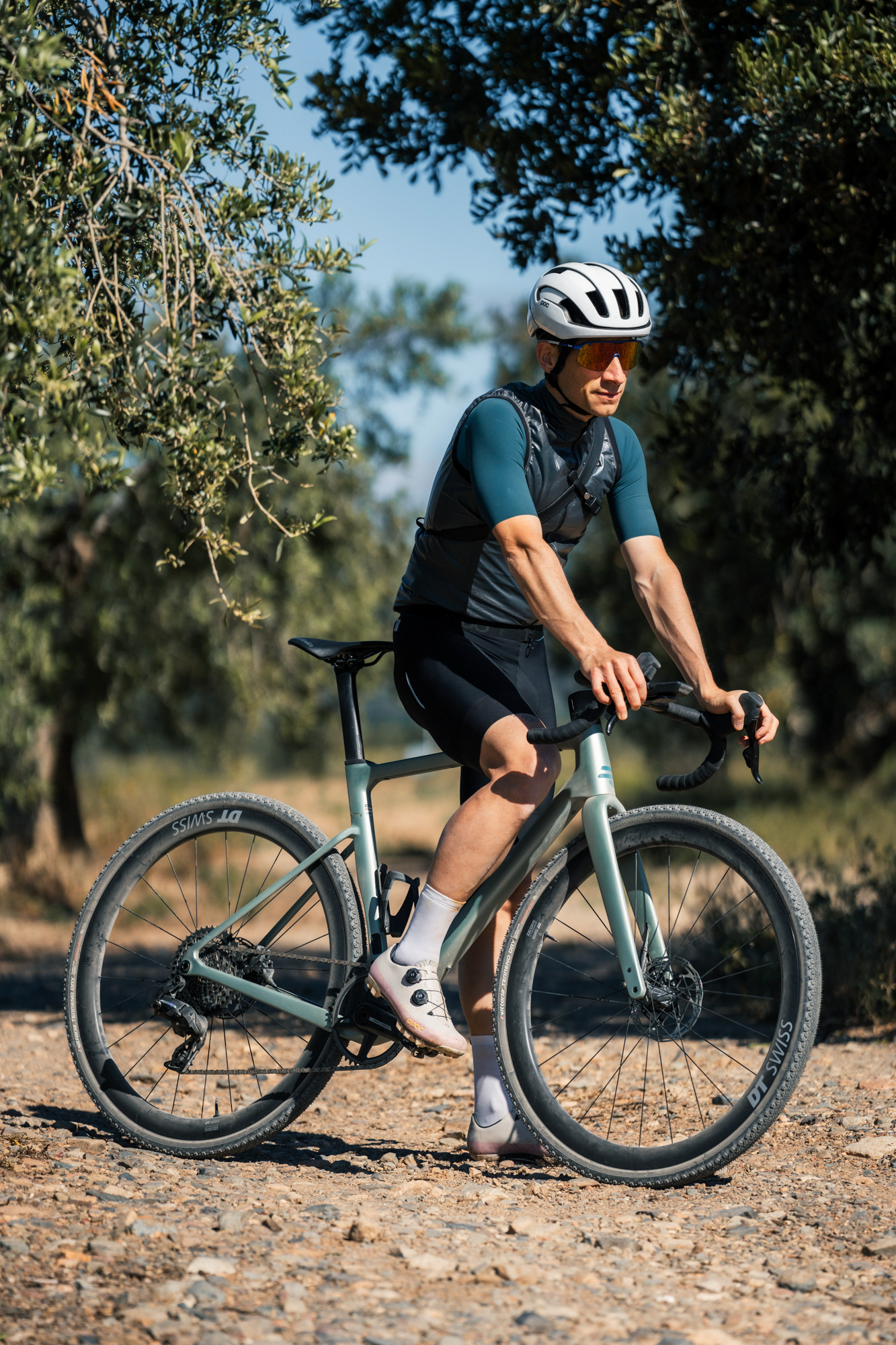
The bike is very fast at all times. That extra width in the wheel clearance provides greater versatility when choosing the right tire for each situation, even in those more adventurous situations where you need a tire over 40.
The unit we tested for gravel was 1x, but as the bike is designed, there are endless options for choosing a perfectly balanced configuration and using it on the road and in gravel.
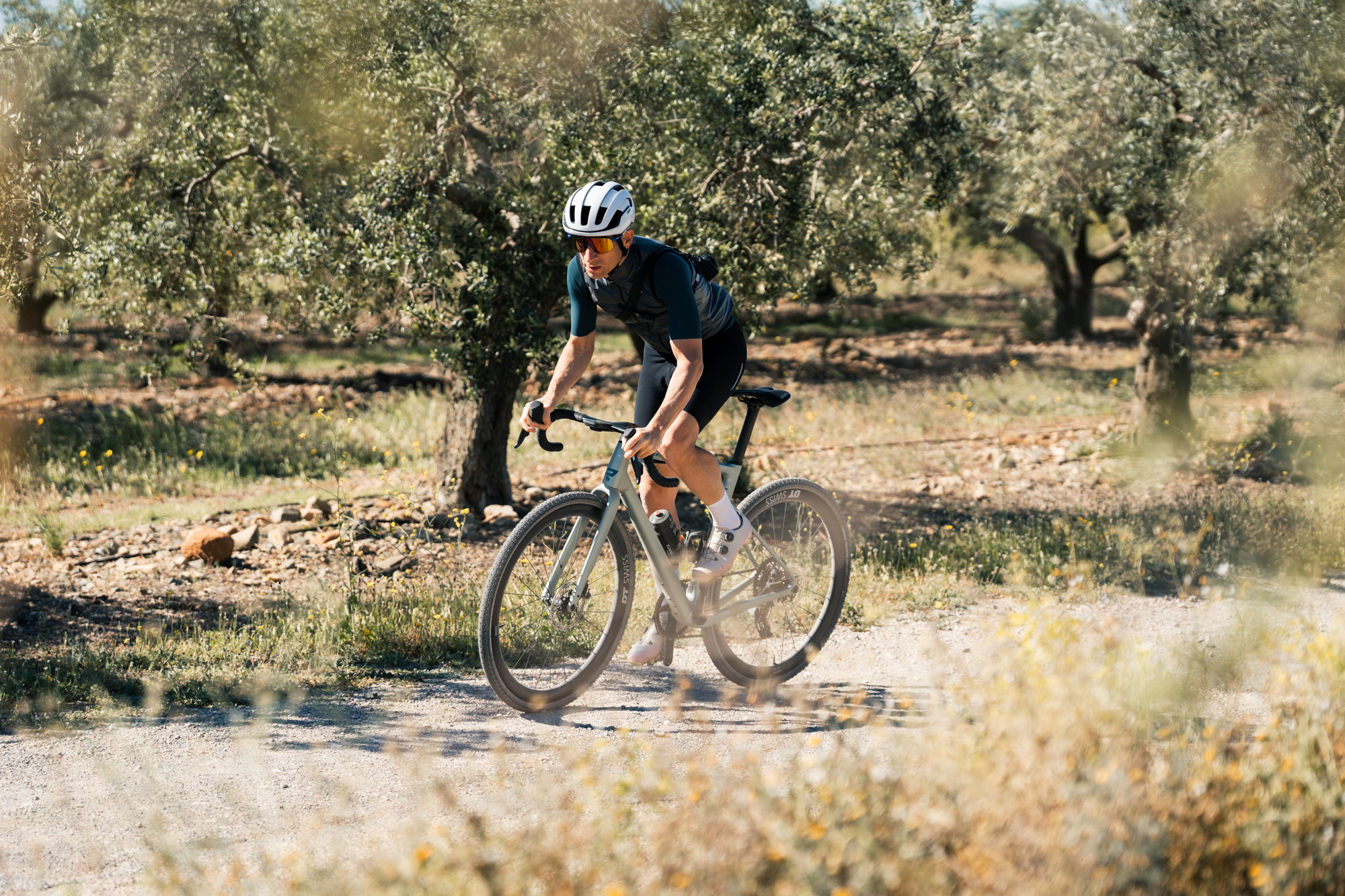
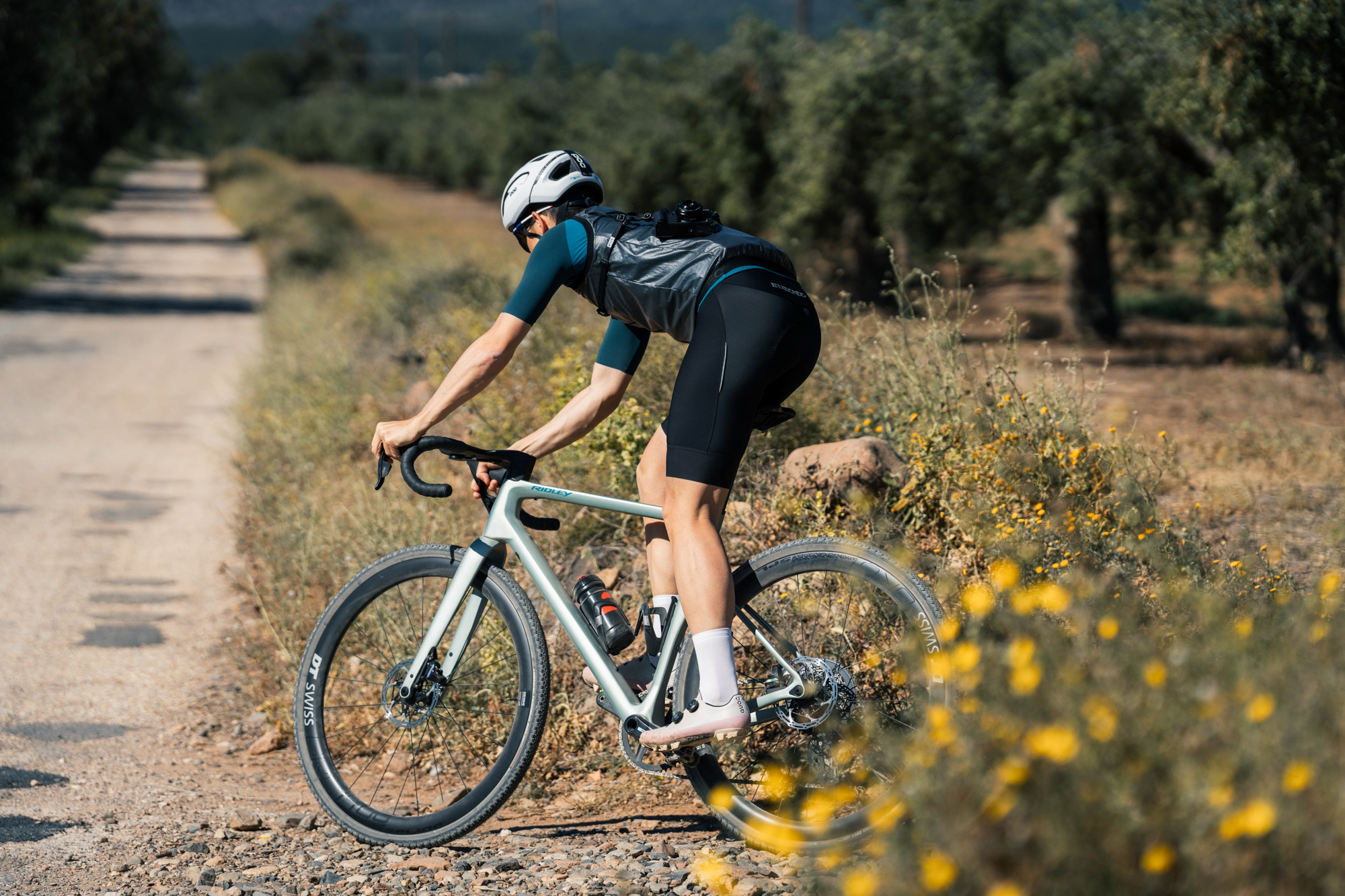
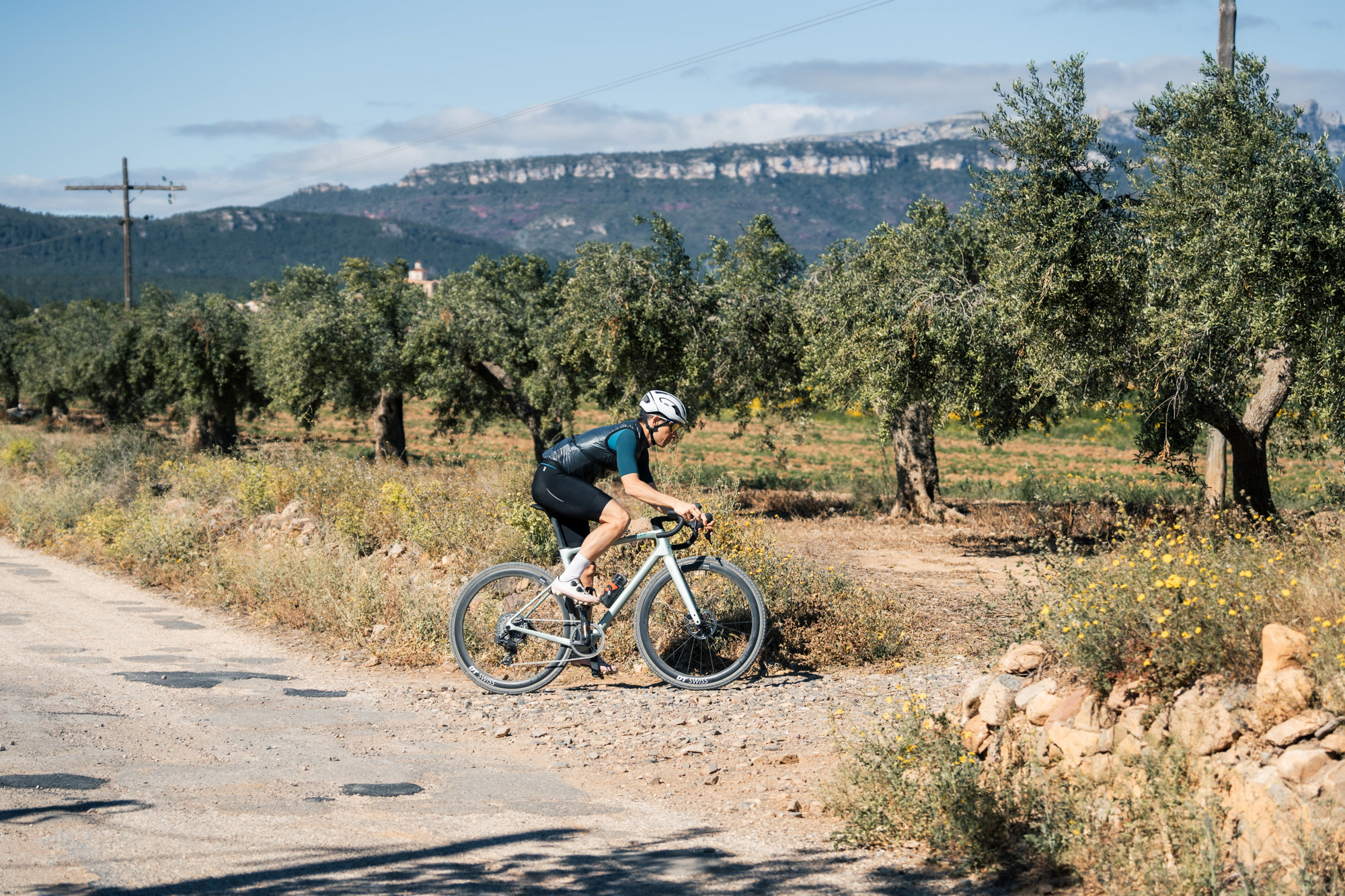
We must confess that we enjoyed testing the GRIFN RS and the E-GRIFN range in those test days.
Regarding the RS, I would dare to say that where they have improved a lot has been in road mode. While in its previous version, you were using a more relaxed and endurance-type bike, now you really feel like you are on a fast, stiff, and reactive bike. In gravel, it is evident that the improvements also add up for the better, but using the bike on the road is when it impressed us the most.
Regarding the E-GRIFN, the experience was really positive. Beyond covering the needs of that small group that Ridley told us about in his presentation, we see the potential to be used in other situations, such as, for example, carrying out long-distance bikepacking and thus avoiding injuries or muscle overload.
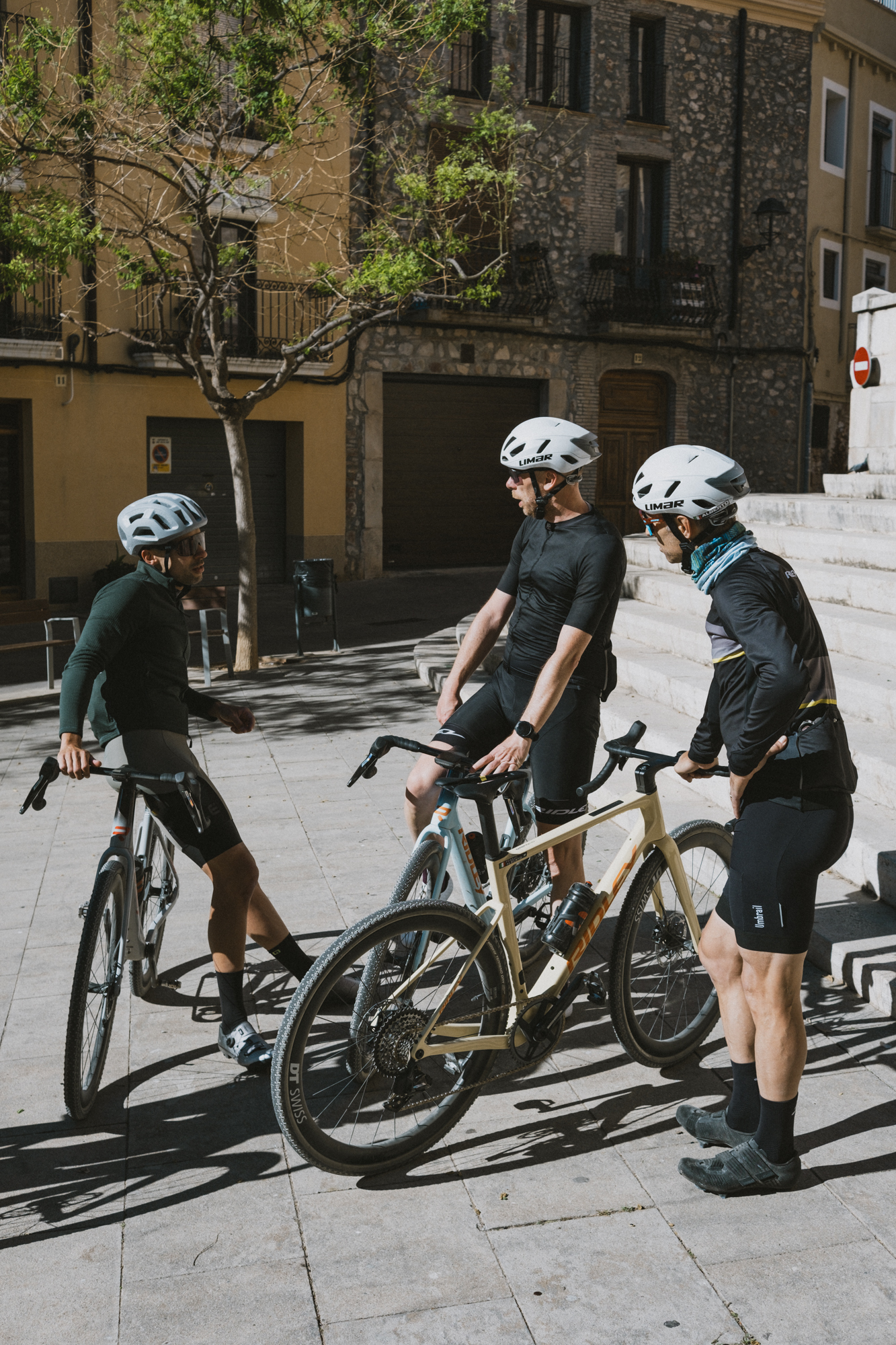

Having the possibility of sharing this press camp with the brand crew always gives you extra value. It allows you to explore, comment on, and discuss every detail with the people behind the bike creation process. Furthermore, for this occasion, we had the company of some Mahle members who improved our experience and explained all the technical specifications of their excellent assistance system.

Es el motor y el combustible de todos los proyectos que crea, desarrolla y finaliza. Toni es cofundador del magazine, y es metódico y trabajador como ninguno, parece tener una extraña adicción a implicarse en proyectos ciclistas. He is the engine and the fuel of each of the projects he creates, develops, and completes. Toni is the co-founder of the magazine, he is methodical and worker as few, and he seems to have a strange addiction to being involved in cycling projects. View all posts by Toni de la Torre

 Javi Angulo

 Toni de la Torre
 Toni de la Torre
 Toni de la Torre
Si a finales de 2022 os presentábamos la GRIFN como una bicicleta versatil apta para gravel y carretera que Ridley incorporaba a su catálogo, ahora os presentamos la evolución de ese mismo modelo: la GRIFN RS.
El lanzamiento de esta nueva versión no significa una actualización de su predecesora, si no más bien, una mejora sustancial para aquellos que buscan un aspecto más competitivo y exigente de la ya conocida GRIFN.
Acompañando al lanzamiento de la RS, Ridley, nos presenta al mismo tiempo la e-GRIFN, versión eléctrica asistida, y también una versión de aluminio que completa todo el espectro de público al que quieren llegar con la gama GRIFN.
Aún recordamos el buen sabor de boca que nos dejó la GRIFN la primera vez que la probamos. Nos sorprendió mucho su conducción, especialmente en gravel. Era rápida, estable y con un muy buen equilibro entre rigidez y confort. En carretera, sin embargo, nos recordó más a un modelo endurance, una bici con una posición más relajada, cómoda, y sin ninguna pretensión de ser la más rápida del mercado.
Pues bien, después de poder probar la GRIFN RS durante varios días, os podemos confirmar que es una versión con muchos aspectos mejorados y que, sin lugar a dudas, la hace distinta y única.
El equipo de Ridley ha invertido muchas horas en esta bicicleta y reconocen que no han querido desperdiciar la oportunidad de aplicar parte del I+D de sus últimos modelos en algunos aspectos de la GRIFN RS. Muestra de ello, es la horquilla de carbono que han creado. Además de ser más ancha y permitir usar un neumático más ancho, ahora también incorpora el mismo diseño que la FALCN RS.
En cuanto al cuadro, observamos varios cambios a nivel de aerodinámica que nos han gustado significativamente. Vemos que el tubo diagonal se integra perfectamente con el diseño de la horquilla y que, el vertical, tiene una hendidura que permite tener la rueda más cerca del cuadro y aloja una tija aerodinámica que, además de mejorar la estética, favorece a reducir la fricción con el aire. También han hecho pequeños cambios en el frame para obtener un ancho de rueda mayor y poder montar neumáticos de hasta 42 mm, tanto en montajes con doble plato como con monoplato. Además de todo lo anterior, han conseguido reducir el peso del cuadro (140 gr menos en comparativa con la GRIFN), lo que sumado a todo lo anterior, hacen de este modelo una bicicleta más rápida y ligera.
Siguiendo con otras novedades que presenta este modelo, destacamos todo el cockpit integrado que, además de darle otro aspecto más atractivo y actual, le añade un plus de aerodinámica, rigidez, y reactividad realmente interesante.
Si nos centramos en la transmisión, puedes elegir el montaje entre Shimano y SRAM dependiendo de las necesidades de cada persona, además de contar con la opción que monta bujes Classified. La GRIFN RS, además de montar la patilla de cambio universal (UDH), también integra la abrazadera para el desviador delantero en el mismo tubo vertical, lo que permite, en el caso de montar monoplato, reemplazarla facilmente por un guía cadena aerodinamíco que han desarrollado en colaboración con Wolf Tooth.
Por último pero no menos importante, la bici incorpora varios orificios extra para añadir bolsas, bidones u otros accesorios para aquellos más aventureros.
Como os contábamos al inicio de este artículo, Ridley además de lanzar la RS, también ha presentado la E-GRIFN y la GRIFN A, que junto a la ya conocida GRIFN, completan la gama cubriendo un rango de usuarios muy amplio.
Tenemos que reconocer que, inicialmente, nos sorprendió ver una versió asistida entre las bicis que presentaban. No nos lo esperábamos y, honestamente, no mostramos mucho interés en la E-GRIFN hasta que empezamos a conocer poco a poco todo lo que escondía.
Uno de los principales motivos por el cual vieron una oportunidad para crear esta bicicleta fue la notable presencia de usuarios de bicis de montaña eléctricas para uso en pistas, senderos y otros terrenos de poca dificultad técnica. Viendo esto, se dieron cuenta que hay un colectivo determinado que actualmente están cubriendo sus necesidades con la bici equivocada.
En busca de una bicicleta polivalente que pueda usarse tanto para gravel como para carretera, que no sea excesivamente pesada, y que aporte ese puntito de ayuda extra, dieron con su mejor aliado: MAHLE SmartBike y su revolucionario sistema X20. La combinación resultante no ha podido ser mejor, entre las dos compañías han conseguido crear una bicicleta realmente atractiva, funcional y bonita, que sorprende a cualquiera, incluso a aquellos más escépticos (yo me incluyo) en cuanto al mundo e-bike.
Si nos referimos a la GRIFN A, hablamos de una bicicleta con la misma geometría que el resto de la gama pero con la particularidad que el cuadro es de aluminio. Un modelo “entry-level” perfecto que puede convertise en una muy buena opción como primera bicicleta para un público que esté iniciándose al ciclismo o a una nueva disciplina.
Tras la presentación oficial de toda la gama GRIFN, llegaba el momento de probar las unidades que teníamos disponibles y ver si realmente se cumplía todo lo que hacía justo unos minutos nos acababan de explicar.
Para las pruebas, íbamos en grupos reducidos y las entre las bicis que probábamos había un mix entre E-GRIFN y RS. En mi caso, para la primera ronda de test, me tocó la versión asistida. Como ya he explicado antes, no soy un gran fan de las e-bikes pero, en el caso de la E-GRIFN debo confesar que me dejó boquiabierto desde el minuto uno. La sensación de pedaleo es super natural y apenas puede diferenciar cuando recibes asistencia y cuando no. Con el X-20 de Mahle, al tratarse de un sistema propulsado desde el buje trasero (por cierto, el más ligero del mercado en sistemas rear-hub), la potencia se transmite de una forma muy diferente a cuando se usa un mid-drive, tipo los que usan las bicis de montaña que son como muy directos y parece más una propulsión que una ayuda. En este caso, la sensación es realmente fluida y sin tirones.
La bicicleta ofrece tres niveles de asistencia, además de un cuarto que Mahle ha bautizado como Smart Assist y que ajusta el nivel de “ayuda” automáticamente en función de tu peso, la pendiente de la carretera y tus necesidades de potencia. La selección de potencia la puedes hacer desde un controlador que viene instalado en el cuadro, o bien, desde unos botones extra que vienen instalados en el drop del manillar para cuando vamos cogidos abajo. Este punto nos gustó mucho para tener el control total del sistema en cualquier situación y sin ponernos en peligro.
Otro aspecto que captó mi atención fue la sensación de no tener que arrastrar una bici pesada cuando excedes la limitación de velocidad del sistema. Dejas de recibir la asistencia pero, sin embargo, el buje gira igual que en una bici normal, sin ninguna penalización o freno de cualquier tipo. De hecho, mientras realizabamos las pruebas, en algún momento podías llegar a olvidar que ibas en una bici eléctrica.
A nivel estético, la bici es impecable. Apenas se aprecia que vas en una bicicleta eléctrica si no es porque te fijas en el buje trasero (más grande de lo normal) o el pequeño controlador del tubo horizontal. La batería va ubicada en el interior del tubo diagonal pero sus reducidas dimensiones permiten que el tamaño del tubo sea casi como uno normal.
En la siguiente ronda de test todavía en modo carretera, hicimos cambios de bici y esta vez sí pude probar en primera persona la versión RS de la GRIFN.
La primera impresión fue que la posición encima de la bici había mejorada muchísimo. Ahora era mucho más agresiva. El nuevo cockpit con todo integrado aportaba una rigidez extra muy notable y si le sumas la nueva tija aero sin retroceso, te invitaban a ir mucho más metido en la bici.
Subiendo la bici va mucho mejor que en su versión preliminar, mucho más reactiva. Y en las bajadas, tiene un aplomo realmente bueno. Aún recuerdo el descenso que hicimos al más puro estilo Safa Brian, bajando el puerto de montaña a toda velocidad y sintiendo un gran control de la bici en todo momento.
En los segmentos llanos también se ha notado una notable mejoría, la bicicleta fluye y rueda realmente bien.
Al día siguiente, tuvimos la ocasión de probar la GRIFN RS en su modalidad gravel. En su momento disfrutamos muchísimo con la GRIFN en su versión inicial. Nos recordó mucho a una fast-gravel y, en esta ocasión y, teniendo en cuenta lo bien que se había comportado la bici el día anterior, estaba claro que lo íbamos a pasar en grande.
La bicicleta es muy rápida en todo momento y ese extra de amplitud en el paso de rueda aporta una mayor versatilidad a la hora de elegir el neumático adecuado para cada situación, incluso en aquellas de más aventura en las que necesitas un neumático superior a 40.
La unidad que probamos para gravel era 1x pero tal y como esta pensada la bici hay un sinfín de opciones para escoger una configurar perfectamente equilibrada y poder usarla tanto en carretera como en gravel.
Tenemos que confesar que en esos días de test hemos disfrutado muchísimo probando la gama GRIFN.
En cuanto a la RS, me atrevería a decir que dónde han mejorado muchísimo ha sido en la modalidad de carretera. Mientras que en su versión anterior parecía que utilizabas una bici más relajada y de tipo endurance, ahora realmente notas que vas en una bici rápida, rígida y reactiva. En gravel, es obvio que las mejoras también suman para mejor pero en el momento de usar la bici en carretera fue cuando más impresionado nos dejó.
Con lo que respecta al E-GRIFN, la experiencia fue realmente positiva y, más allá de cubrir las necesidades de ese pequeño colectivo que nos comentaba Ridley en su presentación, le vemos potencial para ser usada en otras situaciones, como por ejemplo, realizando un bikepacking de larga distancia y así evitar lesiones o sobrecarga muscular.
Tener la posibilidad de compartir este press camp junto a la marca siempre te aporta un valor extra y te permite explorar, comentar y discutir cada detalle con las personas que han estado detrás de todo el proceso de creación de las bicis. Además, para esta ocasión, contamos con la compañía de algunos miembros de Mahle que nos hicieron la experienca aún mejor y no dudaron en explicarnos de principio a fín todas las especificaciones técnicas de su gran sistema de asistencia.
Es el motor y el combustible de todos los proyectos que crea, desarrolla y finaliza. Toni es cofundador del magazine, y es metódico y trabajador como ninguno, parece tener una extraña adicción a implicarse en proyectos ciclistas. He is the engine and the fuel of each of the projects he creates, develops, and completes. Toni is the co-founder of the magazine, he is methodical and worker as few, and he seems to have a strange addiction to being involved in cycling projects. View all posts by Toni de la Torre
Receive our monthly selection of the best articles, news, exclusive content and giveaways only for subscribers, subscribe to OUR NEWSLETTER
Receive our monthly selection of the best articles, news, exclusive content and giveaways only for subscribers, subscribe to OUR NEWSLETTER
Receive our monthly selection of the best articles, news, exclusive content and giveaways only for subscribers, subscribe to OUR NEWSLETTER
Receive our monthly selection of the best articles, news, exclusive content and giveaways only for subscribers, subscribe to OUR NEWSLETTER