- News
- Reviews
- Travel & Adventure
- Interviews
- Inside Industry Players
- Community
Bikes
Reviews
Components
Reviews
Cycling
Apparel


[raw_mobile_menu]
[wpml_language_switcher_down]


A mediados de agosto, Toni me llamó para comentarme que nos íbamos al País Vasco a un evento gravel que se organizaba, Deiadar Gravel me dijo.
Hasta el momento no había oído hablar de ello pero me bastó unos minutos para entrar en su web y ver más información acerca de los duros recorridos que proponía la organización (5.000m+ divididos en 2 días) y la buena pinta que tenía todo: ubicación, naturaleza, filosofía del evento, etc.


Tan solo unos días más tarde, fruto de la mala suerte, tuve una pequeña caída en bici que me dejó sin posibilidades de participar como corredor en el evento así que de seguida le dimos la vuelta a la situación y decidimos seguir adelante con el plan pero cambiando la bici por la cámara de fotos y optando por acompañar a la organización recorriendo Peñas Negras y Peñas Blancas, en los alrededores de Bilbao, durante todo el fin de semana.
Fue muy interesante ver cómo funciona una prueba de estas características desde dentro. Me quedé gratamente sorprendido como trascendió todo y la calidad con la que Ibai (organizador) cuidaba de todos los detalles.
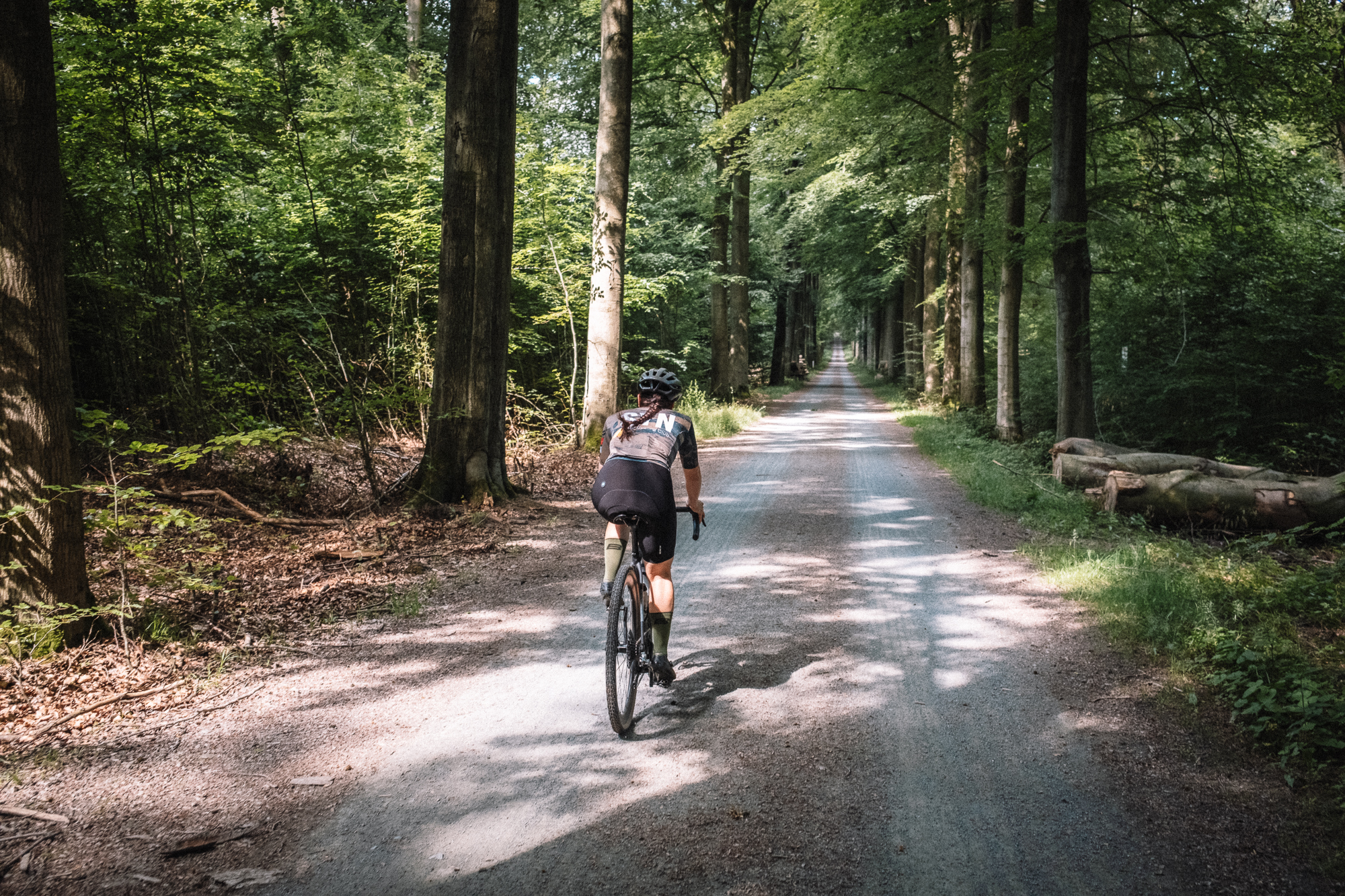
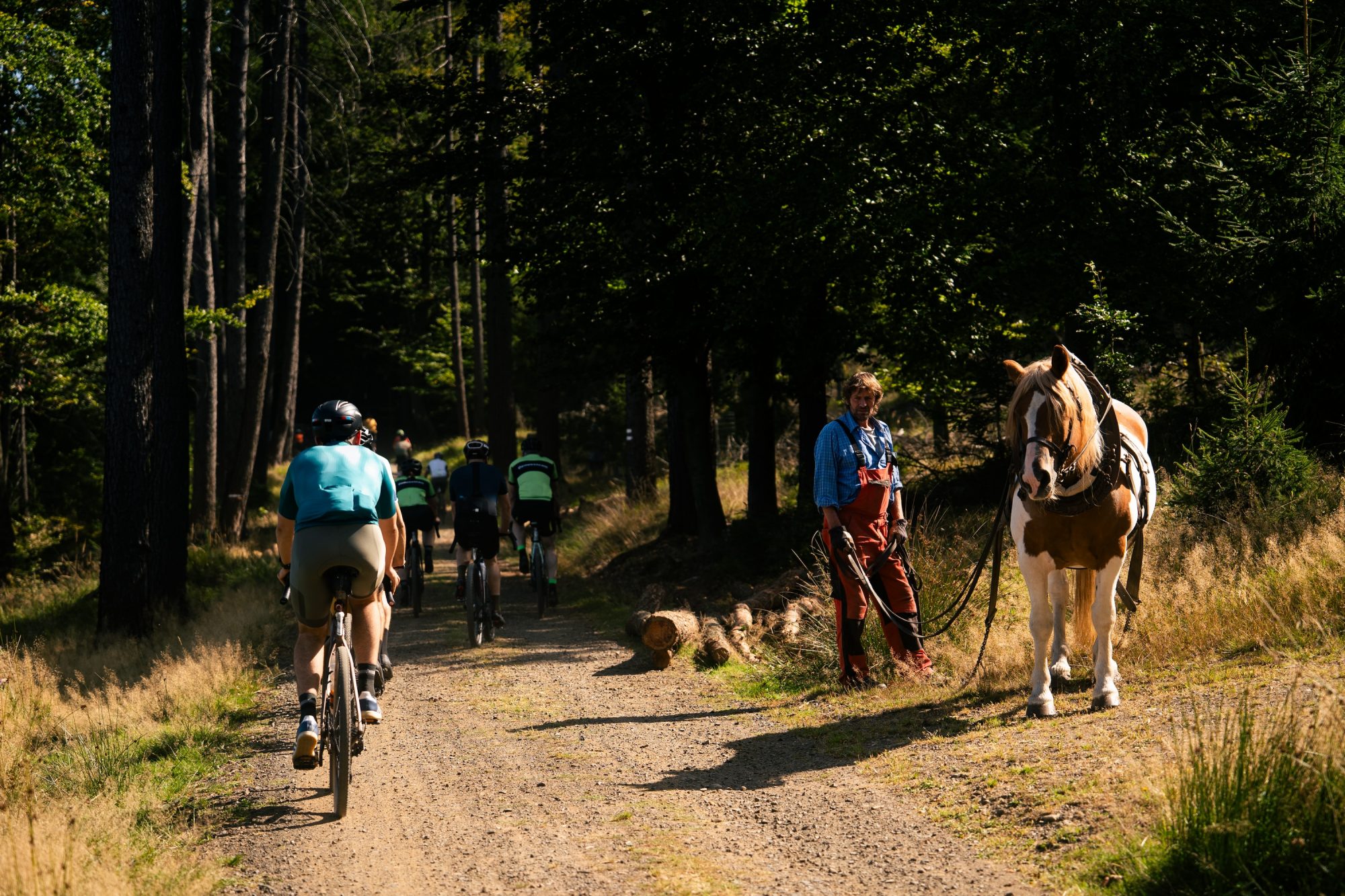
A nivel prueba, el principal protagonista fue el paraje donde se llevaba a cabo el evento. El campo base se ubicaba en el pequeño pueblo de La Arboleda, situado en el Valle de Trápaga y conocido por su relación histórica con las minas. Los participantes, cada día y tras hacer sonar el cuerno símbolo de esta prueba, partían desde el albergue municipal hacia los montes más altos de la zona en busca de las pistas y senderos más bonitos (y duros) de la zona.

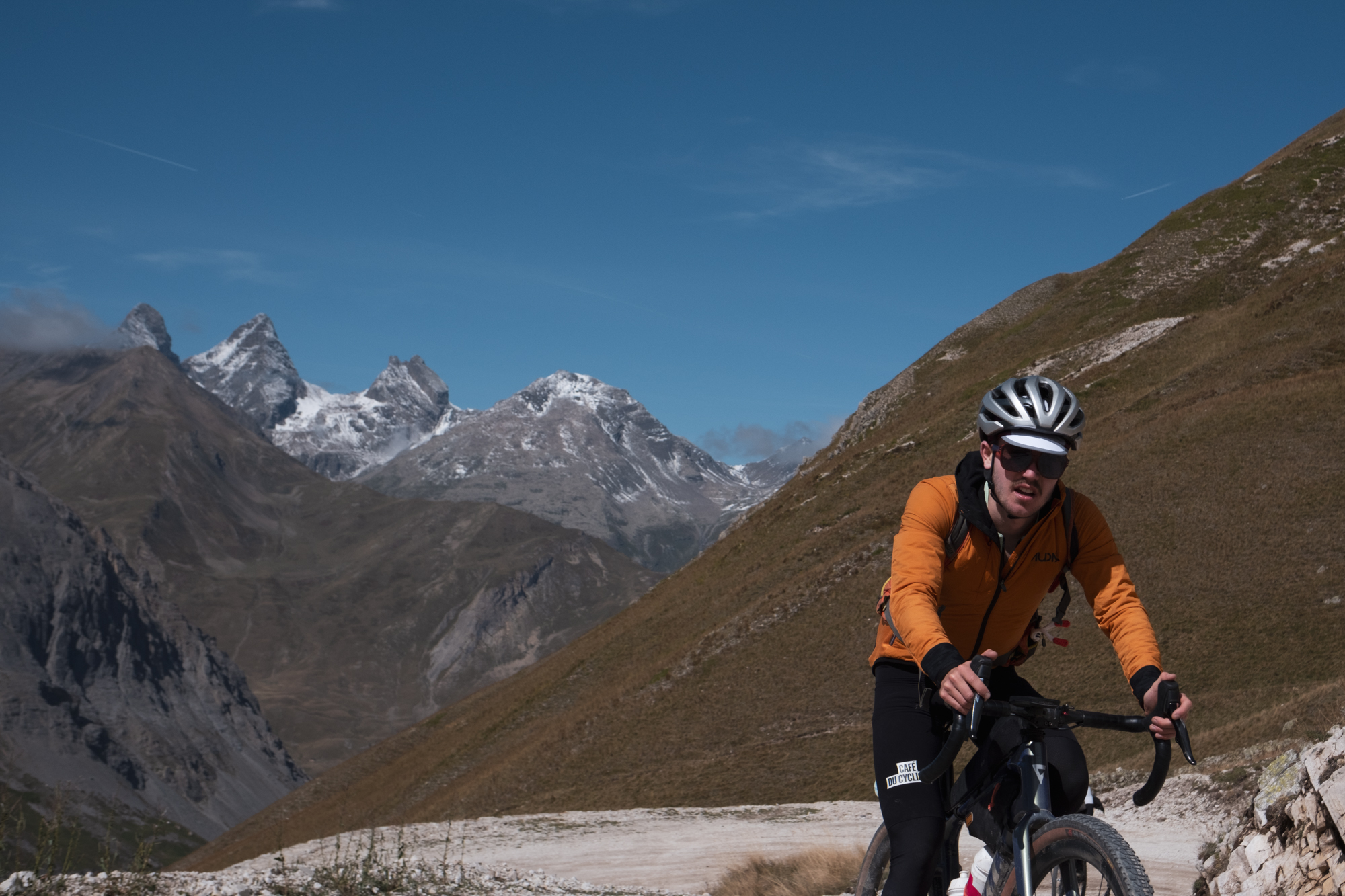
A pesar de no ser una prueba competitiva y que la organización recomendaba priorizar el disfrute en lugar de querer ser el más rápido, hubo quien aprovechó para estrujar su cuerpo al máximo y poner a prueba su rendimiento en las subidas más exigentes, que las había, evidentemente.
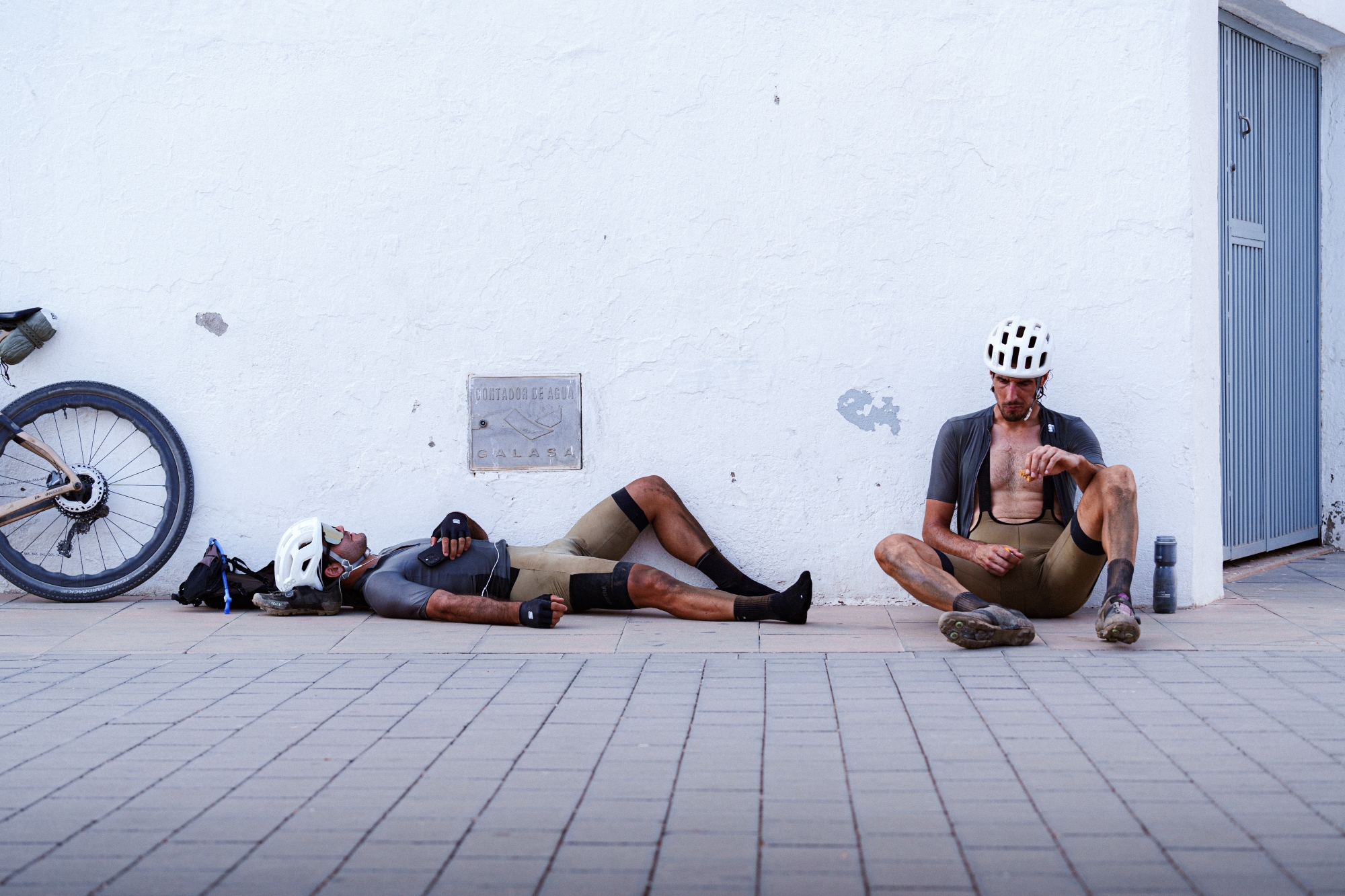
En líneas generales, se respiró un ambiente super sano durante todo el fin de semana, la organización cuidó muy bien de los participantes y la gente principalmente buscaba disfrutar, crear nuevas amistades y lazos de unión con gente de otra zona y, sobre todo, explorar y compartir su afición por el mundo gravel.
Aprovechamos la ocasión para hacerle algunas preguntas a Ibai y ver conocer un poco más la prueba desde el punto de vista como organizador.
¿Qué te llevó a organizar Deiadar? ¿Es una idea que lleva tiempo rondando por tu cabeza o ha sido más fruto de un impulso y hacerlo de inmediato?
“Es un proyecto que surge para hacer realidad un sueño: crear el primer evento Gravel en Euskal Herria, en concreto en Bizkaia y verlo crecer. Ha llevado bastante tiempo conseguir plasmar todas las ideas que tenía en la cabeza, combinar cultura, naturaleza, y mi pasión por la bici, pero al final, creo que ha salido tal y como lo imaginábamos.”


¿Por qué Deiadar como nombre? ¿De dónde procede?
“DEIADAR es una palabra en Euskera compuesta a su vez por dos palabras DEI-ADAR. “DEI” significa LLAMADA y “ADAR” significa CUERNO. Procede, de la Edad Media, desde 5 montes, llamados montes bocineros (en Euskera DEIADAR mendiak) mediante señales sonoras (con cuernos) y luminosas (hogueras que se mantenían hasta el amanecer), se convocaban las Juntas Generales del Señorío de Bizkaia.
No es casualidad que se utilizarán estas 5 cumbres para dar el aviso, cada una pertenece a una comarca distinta del Señorío y además forman un cinturón de montañas que abarca toda Bizkaia, de esta forma el sonido de los cuernos y la luz de las fogatas llegaban a todo el territorio.
Elegí esta temática para no ser un recorrido más por los montes, sino hacerlo a través de la cultura vasca.”
Nos encantó como fusionaste el evento con la naturaleza y el entorno (ni que decir del detalle de hacer sonar el cuerno). Cuéntanos un poco más cuál era tu visión a la hora de organizar Deiadar.
“Mi visión era clara cada uno de los 50 asistentes tenían que SENTIR eso que yo siento al recorrer estas pistas, esas montañas, yo conozco desde pequeño nuestra cultura y queria transmitir esa magia aunando el gravel con mitología y naturaleza.”


Entre los asistentes se podía sentir el cansancio y la satisfacción por un gran evento gravel, ¿cual fue el feedback general que percibiste durante el fin de semana?
“Soy consciente de la dureza de nuestra orografía, tanto como del verde de nuestras montañas. Pero el feedback del fin de semana a sido muy positivo, e intentado estar presente en la llegada de todos los participantes al albergue, percibía en sus ojos y su sonrisa el trabajo bien hecho, por encima de sus piernas cargadas y fatigadas.
Muchos querían reservar plaza para 2020, sin saber tan siquiera la fecha exacta.”
Nos dejaste claro que, después del éxito de esta primera edición, te pondrías a trabajar como loco en el año próximo. ¿Nos puedes adelantar alguna exclusiva?
“En esta primera edición el escenario fue la comarca de las Encartaciones, y su monte bocinero el Kolitza con sus 883 m, es solo el primer monte de los 5 bocineros de Bizkaia, aún queda mucho por descubrir. El cuerno sonará de nuevo en 2020 desde otra cumbre Bizkaina, ¿Acudirás a la llamada?”


Fotos de: Brazo de Hierro

Uno de los fotógrafos especializados en ciclismo con más talento, le pone mucha pasión y esfuerzo en todo aquello que hace. Es un auténtico fan de todo aquello relacionado con la fotografía, diseño y arte. One of the most talented cycling photographers. He puts a lot of effort and passion into everything he does. He is a truly fan of photography, art and design. View all posts by Brazo de Hierro
In mid-August, Toni called me to tell me that we were going to the Basque Country to ride a gravel event, Deiadar Gravel was its name.
Until then I hadn’t heard about it, but it just took me a few minutes to check its website and see more information about the hard routes proposed by the organization (+5,000m divided into 2 days) and more details about the plan: location, environment, philosophy of the event, etc. It was looking good!
Only a few days later, by bad luck, I had a small fall with my bike that left me unable to participate as a rider in the event, so we immediately turned the situation around and decided to go ahead with the plan, using the camera instead of the bike and choosing to go with the organization car through the Peñas Negras and Peñas Blancas, close to Bilbao, during the weekend.
It was very interesting to see how an event of these characteristics works from the inside. I was pleasantly surprised by how everything transcended and the quality with which Ibai (the organizer) took care of all the details.
Talking about the event, one of the main attractions was the place where it was held. The base camp was located in the small town of La Arboleda in the Trapaga Valley, known for its mining activities. The participants, every day and after hearing the Horn Call (a symbol of Deiadar), left from the municipal shelter and headed to the highest mountains in the area in search of the most beautiful and hard tracks and trails in the area.
Despite not being a competitive event and that the organization recommended prioritizing enjoyment instead of wanting to be the fastest rider, there were those who took the opportunity to squeeze their body to the fullest and test their performance level up the most demanding climbs.
One could feel a super healthy environment was breathed throughout the weekend, the organization took care of the participants and people were there mainly looking for enjoyment, create new friendships and bonds with people from another area and, above all, explore and share his passion for gravel cycling.
We took the opportunity to ask Ibai some questions and see the event from his point of view as an organizer.
Why did you decide to organize Deiadar? Is it an idea that has been around your head for some time or has it been the product of an impulse?
“It is the project that arises to make a dream come true; create the first gravel event in Euskal Herria, specifically in Bizkaia, and watch it grow. It has taken a long time to capture all the ideas I had in my head, like combining nature, culture and my passion to ride, but in the end, I think it came out just as we expected. “
Why Deiadar as a name? Where does it come from?
“Deiadar is a word in Euskera composed by two parts. “Dei” means the call, and ”adar “means the horn. It comes from the Middle Ages, from 5 mountains, called “bocineros” mountains (deiadar mendiak in Basque), that through sound (with horns) and luminous (bonfires that remained until dawn) signals, convened the General Meetings of the Señorío de Bizkaia.
It is no coincidence that these 5 peaks were used to warn. Each one belongs to a different region of the Manor and they also form a mountain range that covers all Bizkaia. In this way, the sound of the horns and the light of the fires arrived to the whole territory.
I chose this theme not to be one more route through the mountains, but to do it through the Basque culture.”
We loved how you merged the event with nature and the environment. Tell us a little more, what was your vision when organizing Deiadar?
“My vision was clear; each one of the 50 attendees had to feel what I feel when crossing these tracks, those mountains. I have known our culture since I was little and I wanted to transmit that magic by combining gravel with mythology and nature.”
Among the participants you could feel tiredness and satisfaction with a great gravel event, what was the general feedback you got during the weekend?
“I am aware of the hardness of our orography, as well as the green of our mountains. But the feedback during the weekend has been very positive and I tried to be present at the arrival of all the participants at the lodge, where I perceived the sense of a job well done through their eyes and their smile, compensating for the fact of having tired legs.
Many wanted to make a reservation for 2020, without even knowing the exact date. “
You made it clear that, after the success of this first edition, you would work like crazy for next year’s edition. Can you give us an exclusive?
“In this first edition, the location was the region of the Encartaciones, the Kolitza horn mount with at 883m. That one is only the first of the 5 peaks there are, so there is still much to discover. The horn will sound again in 2020 from another Bizkaian summit, will you come to the call? “
Photos by: Brazo de Hierro
Uno de los fotógrafos especializados en ciclismo con más talento, le pone mucha pasión y esfuerzo en todo aquello que hace. Es un auténtico fan de todo aquello relacionado con la fotografía, diseño y arte. One of the most talented cycling photographers. He puts a lot of effort and passion into everything he does. He is a truly fan of photography, art and design. View all posts by Brazo de Hierro
 Javi Angulo
 Javi Angulo
 Javi Angulo
 Javi Angulo
 Javi Angulo
 Javi Angulo
 Pavel Novotný
 Pavel Novotný
 Javi Angulo
 Javi Angulo
 Juliana Reis
 Pol Sopeña
Receive our monthly selection of the best articles, news, exclusive content and giveaways only for subscribers, subscribe to OUR NEWSLETTER
Receive our monthly selection of the best articles, news, exclusive content and giveaways only for subscribers, subscribe to OUR NEWSLETTER
Receive our monthly selection of the best articles, news, exclusive content and giveaways only for subscribers, subscribe to OUR NEWSLETTER
Receive our monthly selection of the best articles, news, exclusive content and giveaways only for subscribers, subscribe to OUR NEWSLETTER


No sé si entra dentro del espíritu de la web, pero un calendario de eventos 2020 sería muy útil. Y no sólo de gravel, también fixed y todo lo que se sale de lo habitual.
Hola Toni, agradecemos tu feedback y tomamos nota de ello :) De hecho, en nuestra primera versión del magazine teníamos un calendario para competiciones de piñón fijo. Tal vez sería buen momento de recuperar esta función. ¡Gracias!
No sé si entra dentro del espíritu de la web, pero un calendario de eventos 2020 sería muy útil. Y no sólo de gravel, también fixed y todo lo que se sale de lo habitual.
Hola Toni, agradecemos tu feedback y tomamos nota de ello :) De hecho, en nuestra primera versión del magazine teníamos un calendario para competiciones de piñón fijo. Tal vez sería buen momento de recuperar esta función. ¡Gracias!