- News
- Reviews
- Travel & Adventure
- Interviews
- Inside Industry Players
- Community
Bikes
Reviews
Components
Reviews
Cycling
Apparel


[raw_mobile_menu]
[wpml_language_switcher_down]


En este periodo de cuarentena, pasar el día mirando la televisión se ha convertido en algo habitual y libre de pecado. Muchos de nosotros no somos capaces de sacarnos el ciclismo de la cabeza, y cualquier retransmisión relacionada con nuestro deporte favorito justifica el hecho de pasarnos horas delante de la pantalla. Carreras virtuales, documentales sobre la vida dentro y fuera de la carrera… Algunos canales de televisión están apostando también por mostrar etapas y gestas épicas de años pasados buscando activar un sentimiento de nostalgia en nuestro interior, y la verdad es que lo han conseguido.
Parece mentira el tiempo que ha pasado en algunos casos, pero al ver esos momentos repetidos se despiertan las mismas emociones que aquel día. Incluso si no tuvimos la suerte de presenciarlo en su momento, nos metemos en la piel de los aficionados contemporáneos a aquellas épocas y deseamos haber estado allí en persona. Los más jóvenes ahora entienden por qué se idolatra a ciclistas como Pantani, Indurain o Hinault, y se cuestionan cómo era posible rendir al máximo nivel con el equipamiento del que disponían. Ellos que están acostumbrados a sus ruedas de carbono, su equipación aerodinámica y sus dispositivos de tecnología avanzada se sorprenderían al saber que muchos de los registros marcados hace décadas siguen sin ser batidos a día de hoy.
Algo que a cualquier aficionado nacido en el siglo XXI comprensiblemente no le entra en la cabeza es ver a los ciclistas sin casco, jugándose el tipo en recorridos tan o más peligrosos que los actuales, y es que realmente la normativa que ordenó su obligatoriedad fue publicada hace relativamente poco. El uso obligatorio del casco fue instaurado tras la muerte del ciclista kazajo Andrei Kivilev tras una fatal caída en la París – Niza del año 2003, y hasta ese momento su uso era recomendado pero no obligatorio. Por aquel entonces ya eran varios los ciclistas que voluntariamente lo utilizaban, pero fue el Giro de Italia de ese año la primera carrera con la norma en vigor.

En 1991 la Unión Ciclista Internacional hizo una primera tentativa, pero cesó el intento tras la huelga convocada por la asociación profesional de ciclistas. Varios siguieron siendo detractores de la norma del 2003, justificando su postura por lo incómodos que eran a la hora de hacer frente a prolongadas ascensiones bajo el sol abrasador de los meses más calurosos o el peso extra que tenían que arrastrar. Parece ser que aquello de las “ganancias marginales” no es una corriente tan actual como pensamos.
A raíz de este tipo de quejas se permitió durante un tiempo desprenderse del casco durante la última ascensión de una competición si esta tenía más de cinco kilómetros de longitud. En caso de ser así, a pie de puerto se producían escenas semi cómicas con ciclistas lanzando los cascos a los auxiliares del equipo que esperaban a un lado de la carretera. Tras varias revisiones de la normativa, estas excepciones fueron suprimidas.
Todos nosotros apoyamos el uso del casco y afortunadamente, tanto en el mundo profesional como en el recreativo, ponerse el casco antes de salir a pedalear se ha convertido en una acción tan inconsciente y automática como abrocharse el cinturón al entrar al coche. Sin embargo, envidiamos a los aficionados que se deleitaban viendo el pelo engominado de Cipollini o las trenzas que Fignon lucía allá donde competía.


Los ciclistas podían mostrar su estilo a través de sus peinados y complementos, y la estética tenía en ocasiones más relevancia que el rendimiento físico. Era su forma de hacerse notar dentro del pelotón y dar a conocer su personalidad, mientras que en el panorama actual no hay elementos que ayuden a diferenciar dos miembros de un mismo equipo sin tener en cuenta aspectos físicos como la altura o tono de piel.
Igual que hoy en día los patrocinadores sacan partido de las competiciones más importantes para dar a conocer nuevo equipamiento, en la década de los 80 y 90 los propios ciclistas lucían nuevo peinado para encarar aquella carrera tan importante que habían preparado a consciencia durante meses. Pensándolo así, es comprensible que en un primer momento fueran reticentes a la implantación obligatoria del casco, pero con el paso de los años se ha comprobado la correcta decisión que se tomó.
¿Quién no recuerda las conocidas bandanas de Pantani? Estas piezas triangulares de tela que el italiano se ataba alrededor de la cabeza fueron una de las razones que impulsaron el apodo de Il Pirata, además de por sus brillantes pendientes. Otra asociación habitual es la de Indurain y sus gorras o casquettes, que tan poca gente sabía lucir en la década de los 90 como él. Miguelón fue una referencia en el mundo del deporte no solo por su rendimiento sino por su planta y estilo sobre la bicicleta.


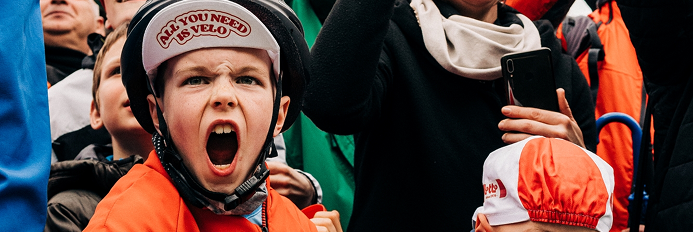
Es tan serio el asunto sobre la correcta utilización de este tipo de gorras que hasta existe un reglamento no oficial que indica cuándo está permitido lucirla. Varias personas pregonan sobre cómo vestirla, ya que según ellos solo existe una forma de hacerlo correctamente. Esta debe mantenerse firmemente en la cabeza, pero dejando un espacio entre la parte superior y el pelo. El visor debe estar suficientemente adelantado pero sin molestar el campo de visión y sobre todo recuerda que no es cool llevarlo hacia arriba. Ahora ya sabéis cómo ponérosla para que los enterados del tema no os miren mal.
Estética a parte, el casquette es un accesorio realmente práctico, y algunos ciclistas profesionales lo siguen vistiendo en el presente debajo de su casco. En días helados contribuye a mantener la cabeza templada evitando que el frío entre por las ranuras del casco, al igual que la lluvia. Además, si se lleva el visor bajado, las salpicaduras de la carretera son repelidas, y las gotas que se filtran desde el casco no llegan a contactar con la frente ni entrar en los ojos.

Estas gorras han ido perdiendo presencia en el ciclismo profesional, y es más habitual que la gente los luzca en situaciones fuera del contexto puramente competitivo, como por ejemplo algunos baristas en cafeterías.
Sorprende pensar todo lo que ha cambiado en un periodo relativamente corto de tiempo, pero por suerte contamos con la tecnología para trasladarnos virtualmente al pasado y rememorar aquellos momentos. Ponte cómodo, abre bien los ojos y disfruta de las proezas de aquellos que marcaron la historia de este deporte.
Fotos de: Flickr/@Anders (CC BY-ND 2.0)

Javi es nuestro corresponsal en Bélgica, y trata de contrarrestar su obsesiva pasión por el análisis de datos con la relajante acción (o eso es lo que dice) de crear contenido para la revista. Javi is based in Belgium and tries to compensate for his obsessive passion for data analytics with the relaxing action (that's what he says) of creating content for the magazine. View all posts by Javi Angulo
During this lockdown period, spending the day watching the television has become something usual and free of guilt. A lot of us are not able to remove cycling from our mind, and any broadcast related to our favorite sport justifies the number of hours in front of the screen. Virtual races, documentaries about life inside and outside the cycling bubble… Some TV channels are also showing stages and epic achievements from the past with the intention of wakening a nostalgia feeling inside us, and they have truly succeeded.
It is hard to believe the amount of time that has passed in some cases, but while watching those moments on repeat we get the same emotions as the actual day it happened. Even if we weren’t lucky enough to witness it live, we can empathize with those cycling fans contemporaries at that time and we wish we had been there in the first person. The younger ones now realize why cyclists like Pantani, Indurain or Hinault are idolized, and question themselves how it was possible to perform at the highest possible level with the poor equipment they had available. Those who are used to their carbon wheels, their skinsuits, and their high-end electronic devices would be surprised when knowing that a lot of the climbing times recorded decades ago have not yet been improved as of today.
Something that any fan born in the XXI century would not understandably comprehend is the fact of watching cyclists without their helmet, risking their lives in routes as dangerous if not more than those ridden nowadays, and the reality is that the regulation that implied its mandatory use was published relatively recently. The compulsory use of the helmet was established after the death of the Kazakh rider Andrei Kivilev because of a fatal crash in the 2003 edition of the Paris – Nice, and until that moment its use was recommended but not compulsory. At that moment some cyclists were voluntarily already wearing it, but that year’s Giro d’Italia was the first race with the new law in force.
In 1991 the Union Cycliste Internationale made its first attempt, but they ceased its intent after a strike from the professional cyclist association. Some of them continued rejecting the new regulation from 2003, justifying their belief because of how uncomfortable helmets were when climbing during the warmer months of the year, or the extra weight they had to carry. It seems that the “marginal gains” term is not as recent as we may think.
In the wake of those complaints, it was allowed for a couple of seasons to remove the helmet during the last climb of a race if it had more than five kilometers in length. Whenever it was the case, at the foot of the climb one could see some semi-comic scenes with the cyclists throwing their helmets to the soigneurs that were waiting on one side of the road. After several amendments, that permission was removed.
All of us support the use of the helmet and, fortunately, both in the professional and amateur scene, putting the helmet before going for a ride has become something we do unconsciously, the same as fastening your seatbelt when getting in the car. What is true is that we envy a bit those fans that were delighted watching Cipollini’s oily hair or the flaxen tresses Fignon used to flaunt wherever he raced.
Cyclists could show their own style and their taste for fashion through their hairstyles and other complements, and aesthetics was sometimes more relevant than pure performance. It was their way of standing out from the peloton and letting people know their personality, whereas in the current panorama there are not many elements that allow someone to distinguish two riders from the same time if we do not take into account physical appearance aspects like height or skin color.
Same as nowadays, cycling sponsors make the most of the major important races on the calendar to show their new products to the public. In the 80s and 90s, the cyclists themselves displayed brand new hairstyles for those races they had been training for the previous months. If we think about it, one could understand that at first, some riders were not too excited with the new regulation, but over time it has been shown that in the end, all parties took a good decision.
Who does not remember the famous kerchiefs from Pantani? Those pieces of cloth that the Italian tied around his head were one of the reasons triggered the Il Pirata nickname, besides his sparkly earrings. Another usual association is the one consisting of Miguel Indurain and his caps or casquettes, that few people knew how to wear as well as him during the 90s. Big Mig was a role model in the world of sports not only because of his performance but his position and style on the bike.
The matter about how to correctly wear this type of caps is so serious that even a non-official regulation exists to indicate when it is allowed to wear them. Some other people also proclaim how to wear these casquettes, because according to them there is only one way to do it. It has to hold itself firmly on the head, but allowing a bit of space between its upper part and the hair. The brim or visor must be quite forward without interfering with the range of vision and remember, it is not cool to wear it with the brim up. Now you know how to wear it to prevent people from looking at you in a bad way.
Besides aesthetics, the casquette is a really useful accessory, and only a few pro cyclists still wear them under their helmet. During freezing days it contributes to maintaining a mild head temperature avoiding the cold to leak through the holes of the helmet, and the same happens with the rain. Furthermore, with the brim down, the road splashes are repelled and the rain or sweat drops do not get in contact with the forehead nor get inside someone’s eyes.
These helmets are now less present inside the professional world of cycling, and it is even more common to see people wearing them in a context not related to what is pure performance, such as baristas in cafeterias.
It is surprising to realize how everything has changed in a short period of time, but luckily we can rely on technology to virtually locate ourselves in the past and relive those moments. Sit back, open your eyes, and enjoy the feats from those that left their mark on the history of this sport.
Photos by: Flickr/@Anders (CC BY-ND 2.0)
Javi es nuestro corresponsal en Bélgica, y trata de contrarrestar su obsesiva pasión por el análisis de datos con la relajante acción (o eso es lo que dice) de crear contenido para la revista. Javi is based in Belgium and tries to compensate for his obsessive passion for data analytics with the relaxing action (that's what he says) of creating content for the magazine. View all posts by Javi Angulo

 Javi Angulo

 Pol Sopeña
 Pol Sopeña
 Pol Sopeña
 Pol Sopeña
 Pol Sopeña
 Pol Sopeña
 Pol Sopeña

 Toni de la Torre
 Pol Sopeña

 Sergio Querpache
 Toni de la Torre
Receive our monthly selection of the best articles, news, exclusive content and giveaways only for subscribers, subscribe to OUR NEWSLETTER
Receive our monthly selection of the best articles, news, exclusive content and giveaways only for subscribers, subscribe to OUR NEWSLETTER
Receive our monthly selection of the best articles, news, exclusive content and giveaways only for subscribers, subscribe to OUR NEWSLETTER
Receive our monthly selection of the best articles, news, exclusive content and giveaways only for subscribers, subscribe to OUR NEWSLETTER