- News
- Reviews
- Travel & Adventure
- Interviews
- Inside Industry Players
- Community
Bikes
Reviews
Components
Reviews
Cycling
Apparel



[raw_mobile_menu]
[wpml_language_switcher_down]

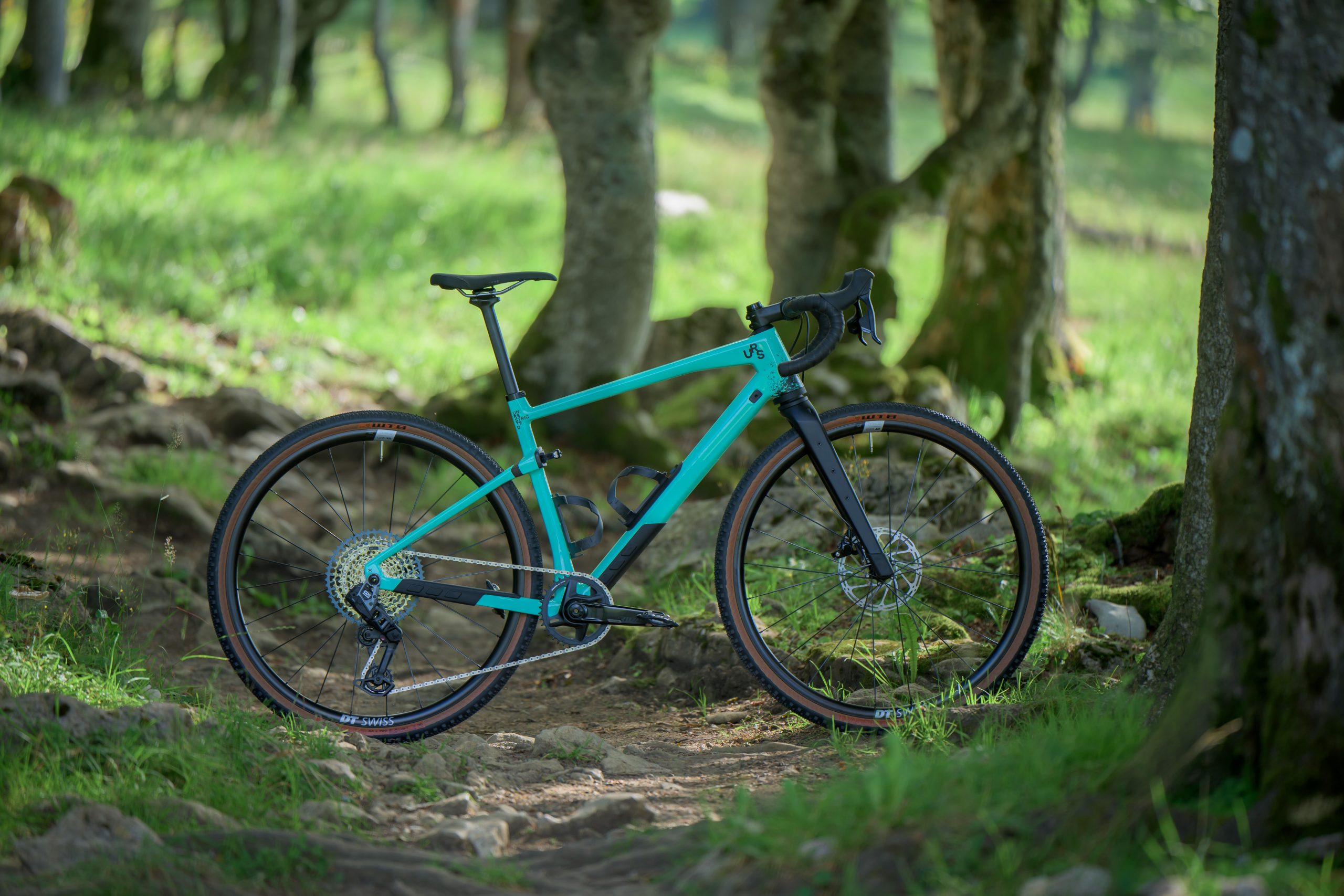
Si bien algunas marcas ofrecen varios modelos para la misma disciplina ciclista con características y clientes objetivo comunes, la gama gravel de BMC está bien definida y es heterogénea. Recientemente participamos en el lanzamiento para prensa de la nueva versión de la URS y probamos de primera mano cómo esta bicicleta orientada a la aventura y la exploración se enfrenta a terrenos desafiantes.
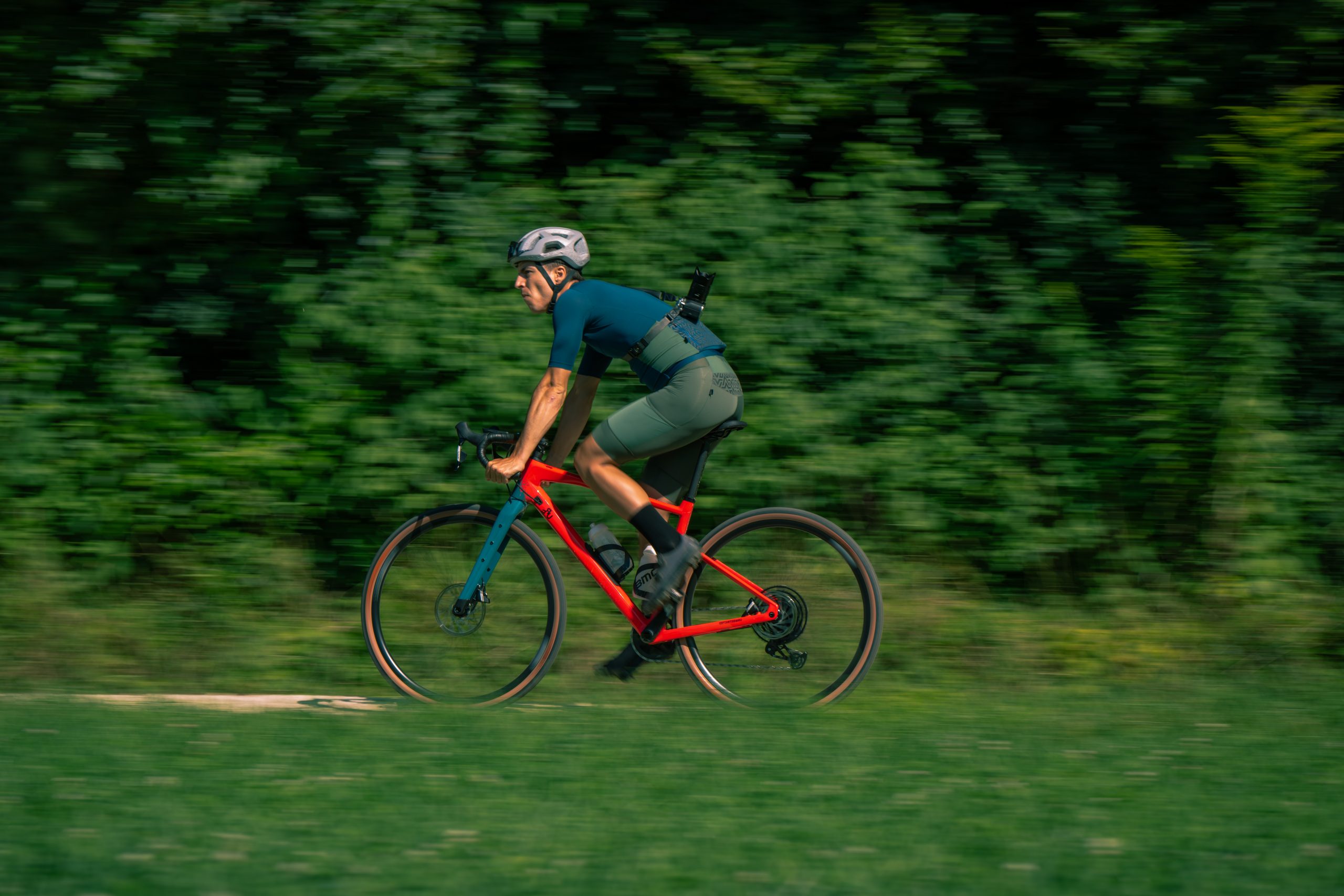
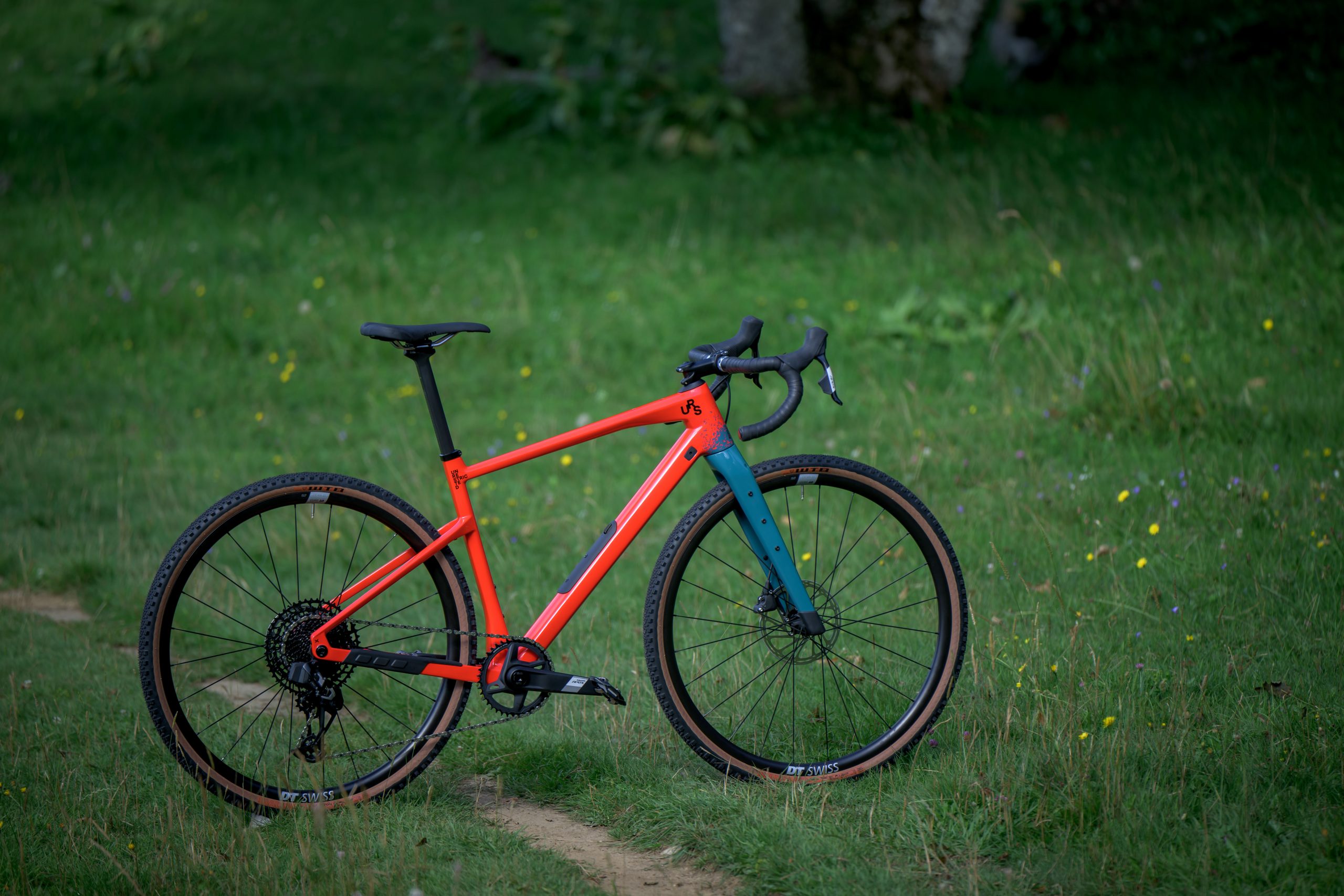
BMC se lanzó al mundo de las bicis gravel hace cinco años con la primera versión de la URS. Luego le llegó el turno a la Kaius, una máquina orientada a las carreras que heredó muchas de las características en términos de aerodinámica y rigidez de la Roadmachine.
Cuando llegó el momento de desarrollar la segunda versión de la URS, los ingenieros de BMC tuvieron la libertad de ser tan alocados como quisieran, con la intención de diferenciar aún más su modelo de aventuras del modelo centrado en el rendimiento. El acrónimo URS proviene de unrestricted, y el resultado final de su desarrollo más reciente cumple con ese concepto.
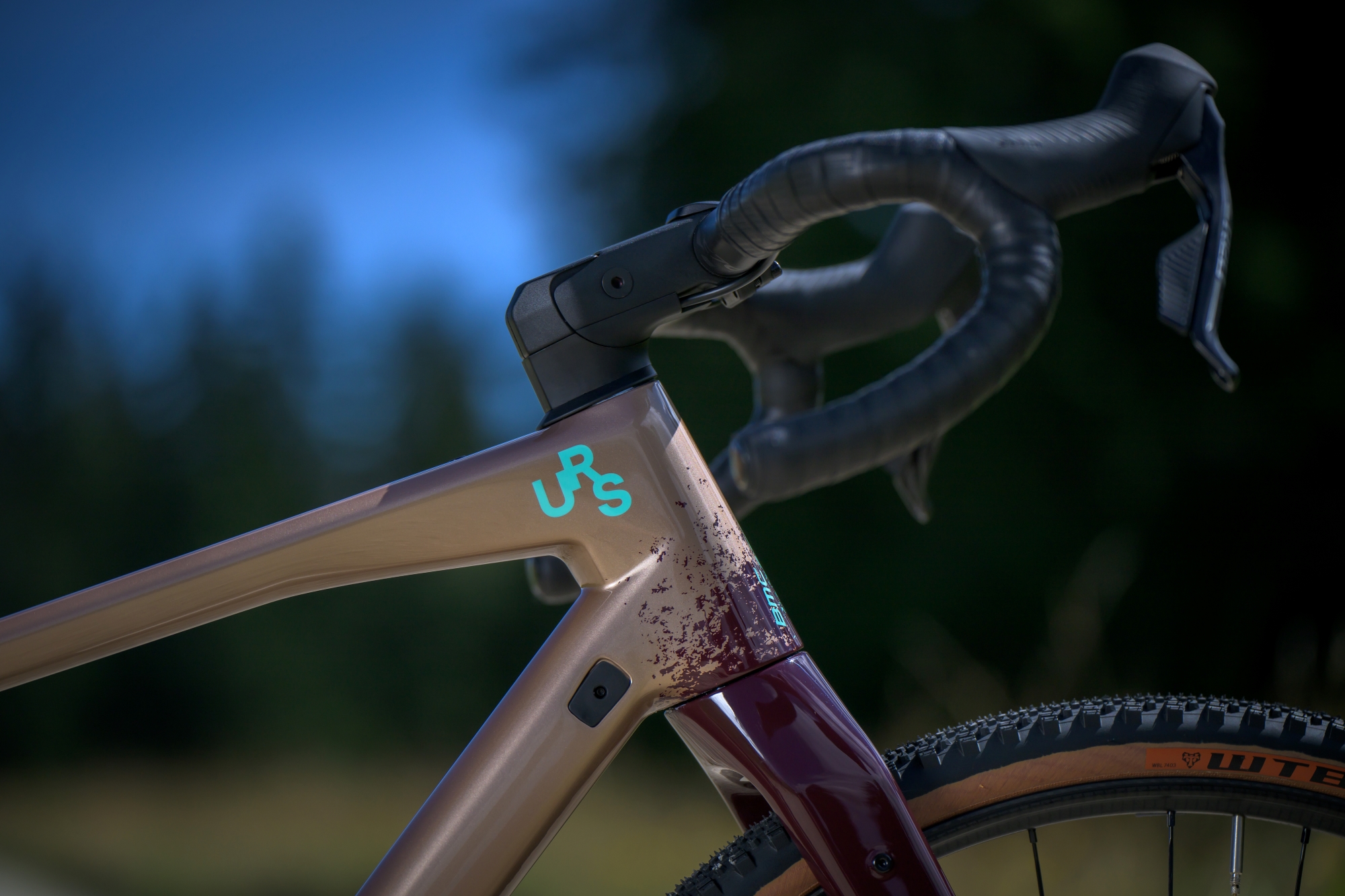
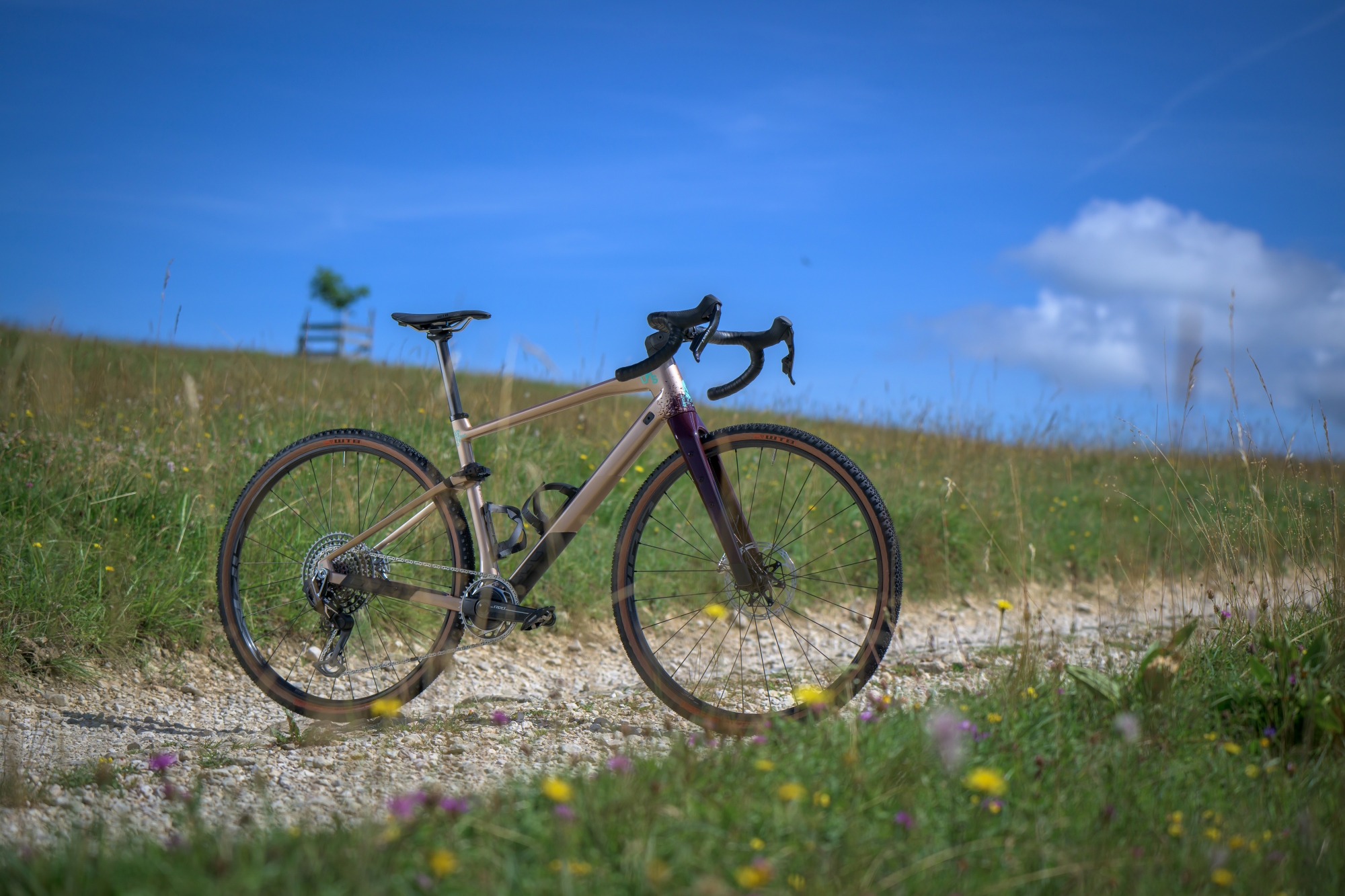
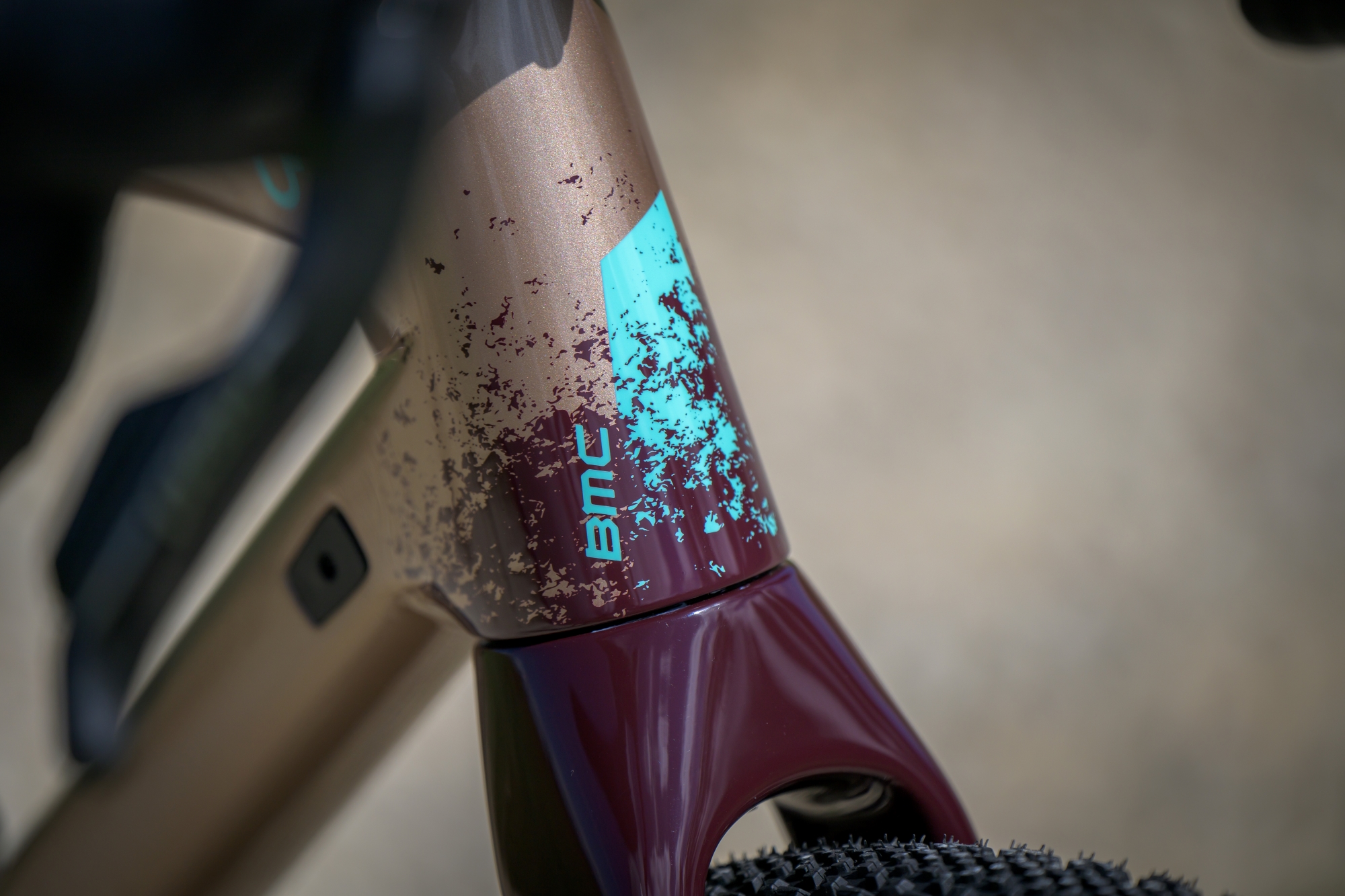
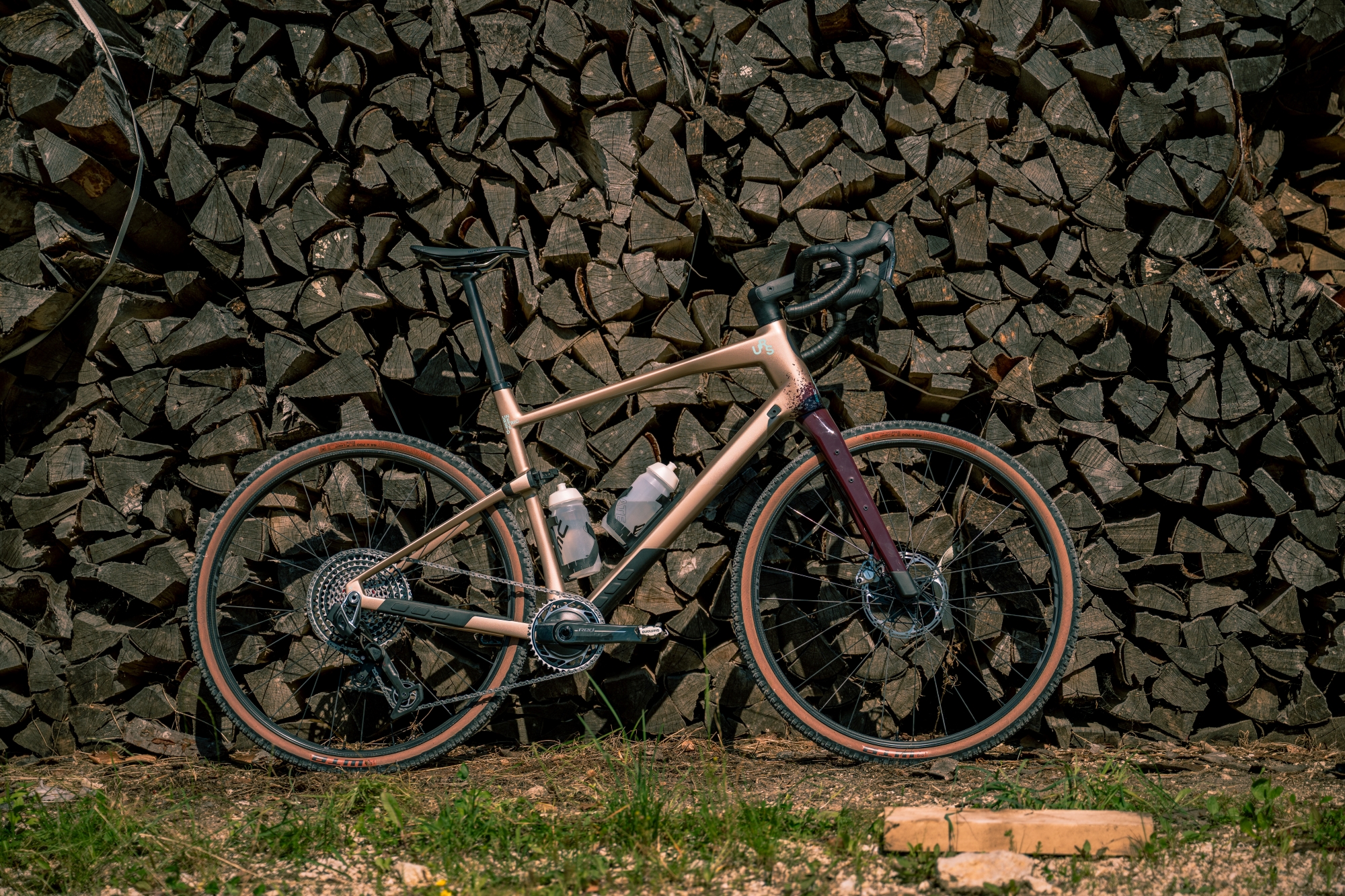
Siguieron un enfoque innovador tanto en el aspecto técnico como en el de diseño, aunque la nueva URS sigue siendo comparable a la primera bicicleta de gravel que lanzaron. Por un lado, sigue los estándares con los que asociamos cualquier bicicleta BMC: carbono premium, líneas rectas y tirantes bajos. Por otro lado, las características de diseño específicas del URS son evidentes, como el abultado tubo de dirección y la caída acentuada del tubo superior.
El reach ahora es más largo, pero las potencias ofrecidas han disminuido en longitud, desde los 72 mm predeterminados para las tallas XS a M, y 80 mm y 90 mm para las versiones L y XL, respectivamente. Esta combinación de medidas significa que el trail aumenta, para un mejor control de la bicicleta. Otros cambios centrados en una mayor maniobrabilidad y estabilidad son la caída más baja del pedalier (de 69 a 76 mm), un ángulo de dirección más relajado (69,5⁰) y el tubo del sillín más pronunciado con cero retraso. Este último cambio permite al ciclista poner más peso en la parte delantera de la bicicleta. Además, el pase de rueda se ha aumentado a 47 mm, en comparación con el límite de 42 mm de la primera versión.
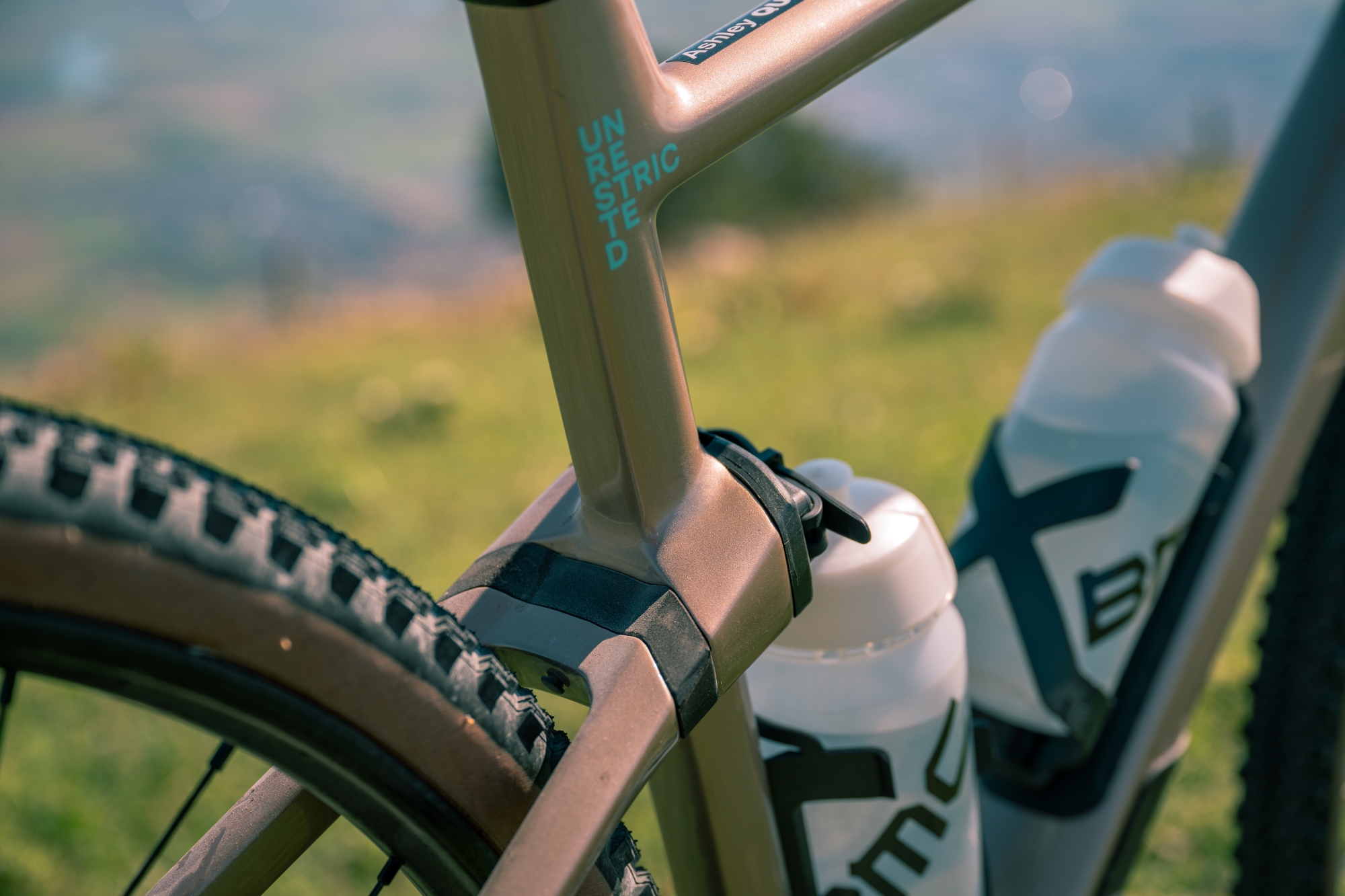
El diseño presenta colores contrastantes y, en lugar de mostrar el nombre de la marca en el tubo diagonal, se pueden encontrar logotipos alternativos en todo el marco. Nos sorprendieron los logotipos invertidos en el lado izquierdo. Según Martin Stricker, uno de los diseñadores, se hizo expresamente para resaltar su forma de trabajar sin restricciones.
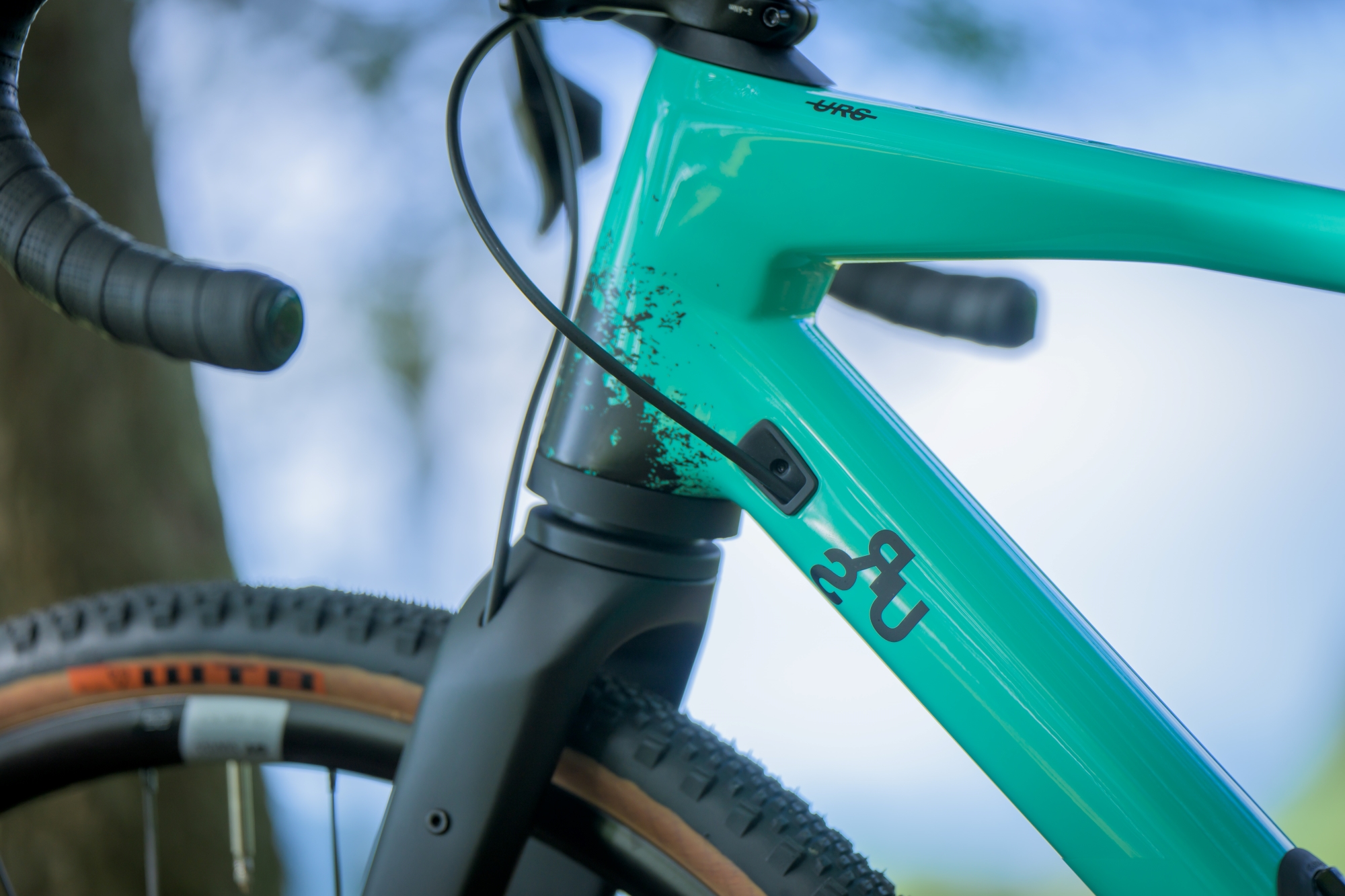
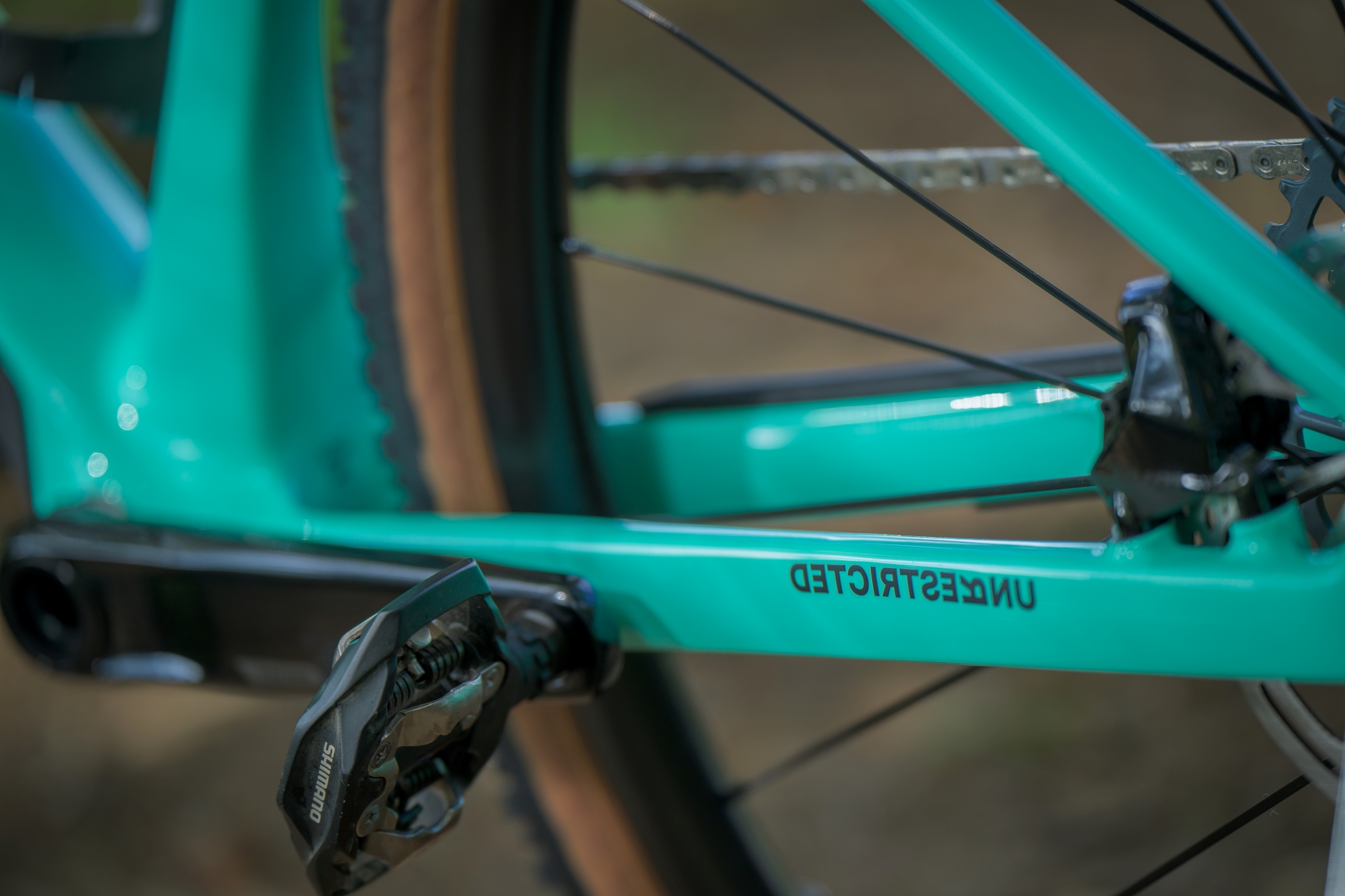
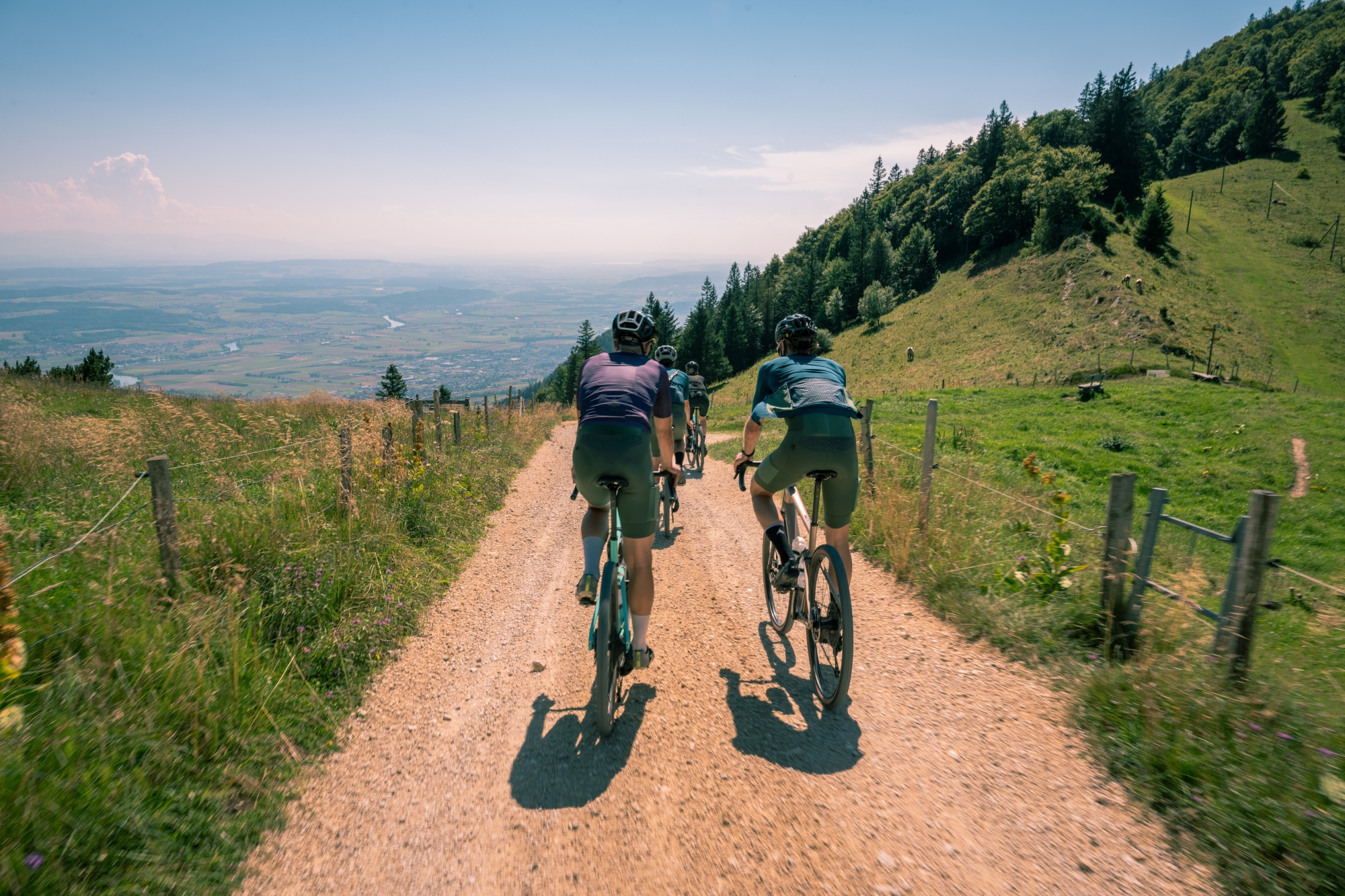
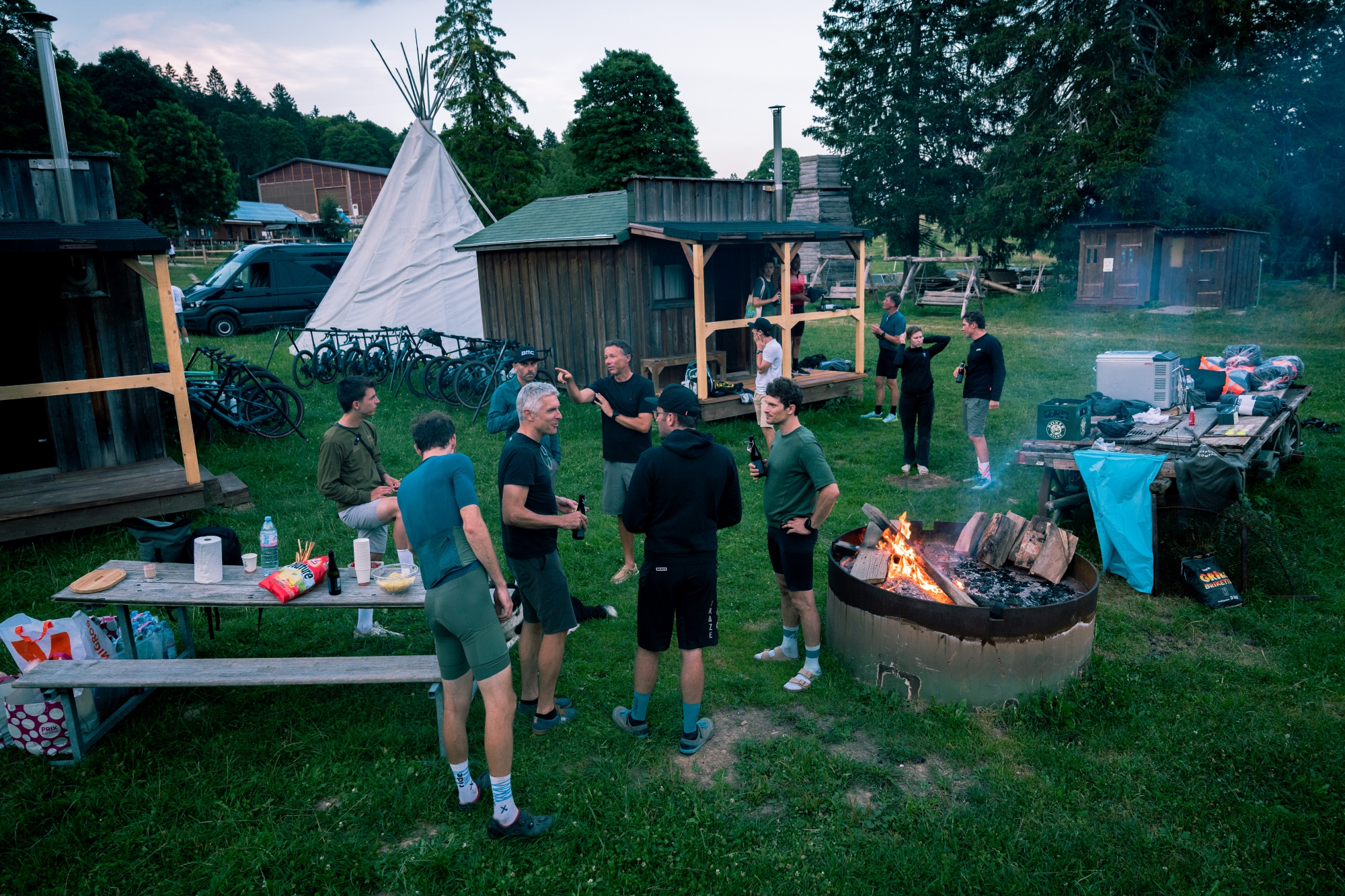
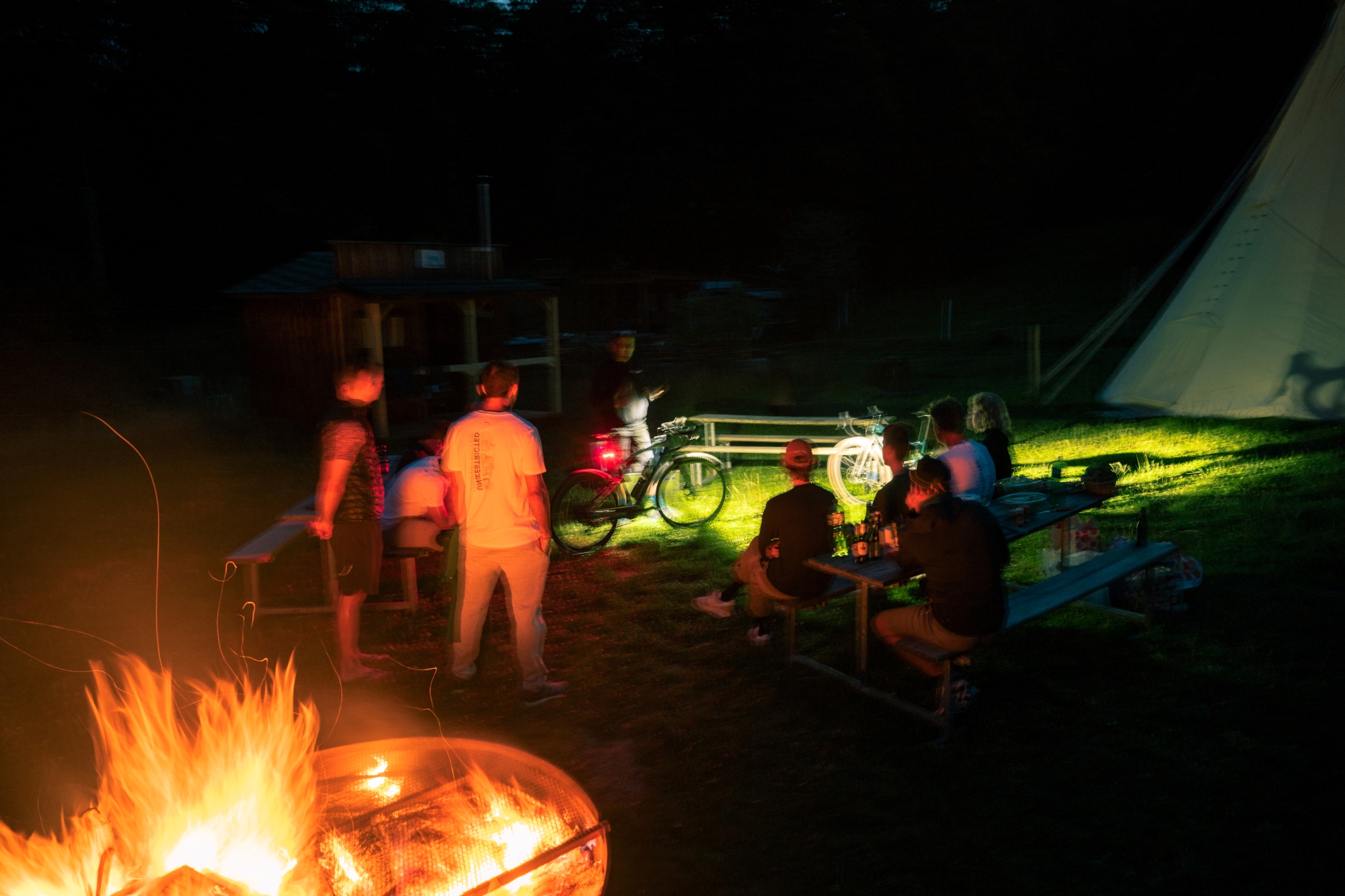
La nueva familia BMC URS incluye cuatro miembros diferentes, cada uno de ellos con un propósito cuidadosamente pensado. Para probarlas en el entorno en el que destacan, el fabricante suizo de bicicletas planeó una ruta de varios días desde Olten a Neuchâtel a través de un terreno cambiante, poniendo a prueba distintas bicicletas a lo largo del camino. Complementaremos las siguientes descripciones de modelos con nuestra sensación de pilotaje durante nuestra estancia en Suiza.
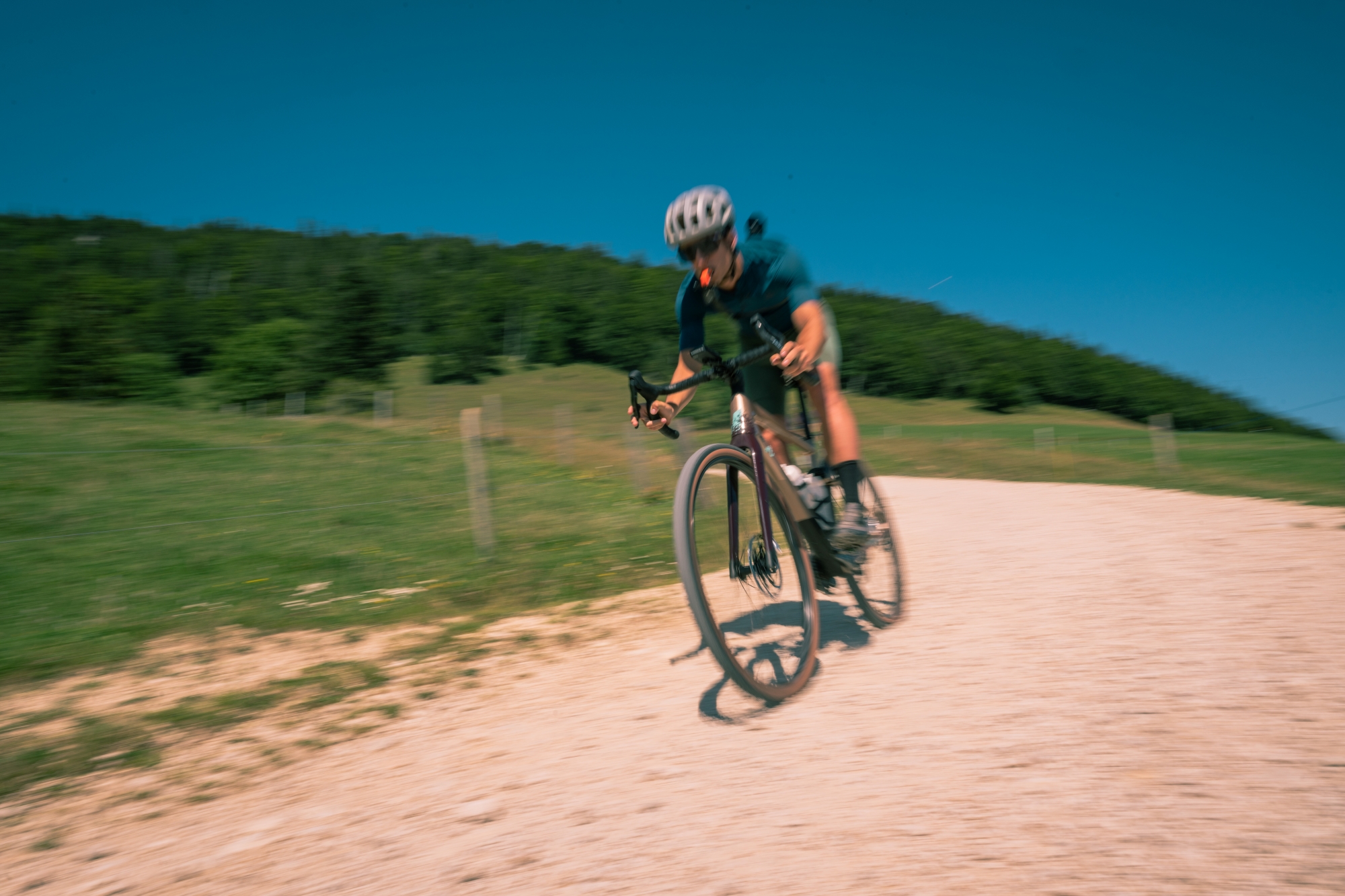
El miembro core de la familia es una bicicleta de gravel totalmente rígida sin MTT (MicroTravel Technology). En comparación, todas las versiones de la primera URS venían con tirantes MTT de forma predeterminada. Sin embargo, está equipada con todo lo que necesitas para embarcarte en una aventura ciclista todoterreno, con puntos de montaje de carga en la horquilla, el tubo superior y el tubo diagonal. El tubo diagonal también cuenta con almacenamiento interno, con un sistema de fijación similar a las soluciones de competidores comparables.
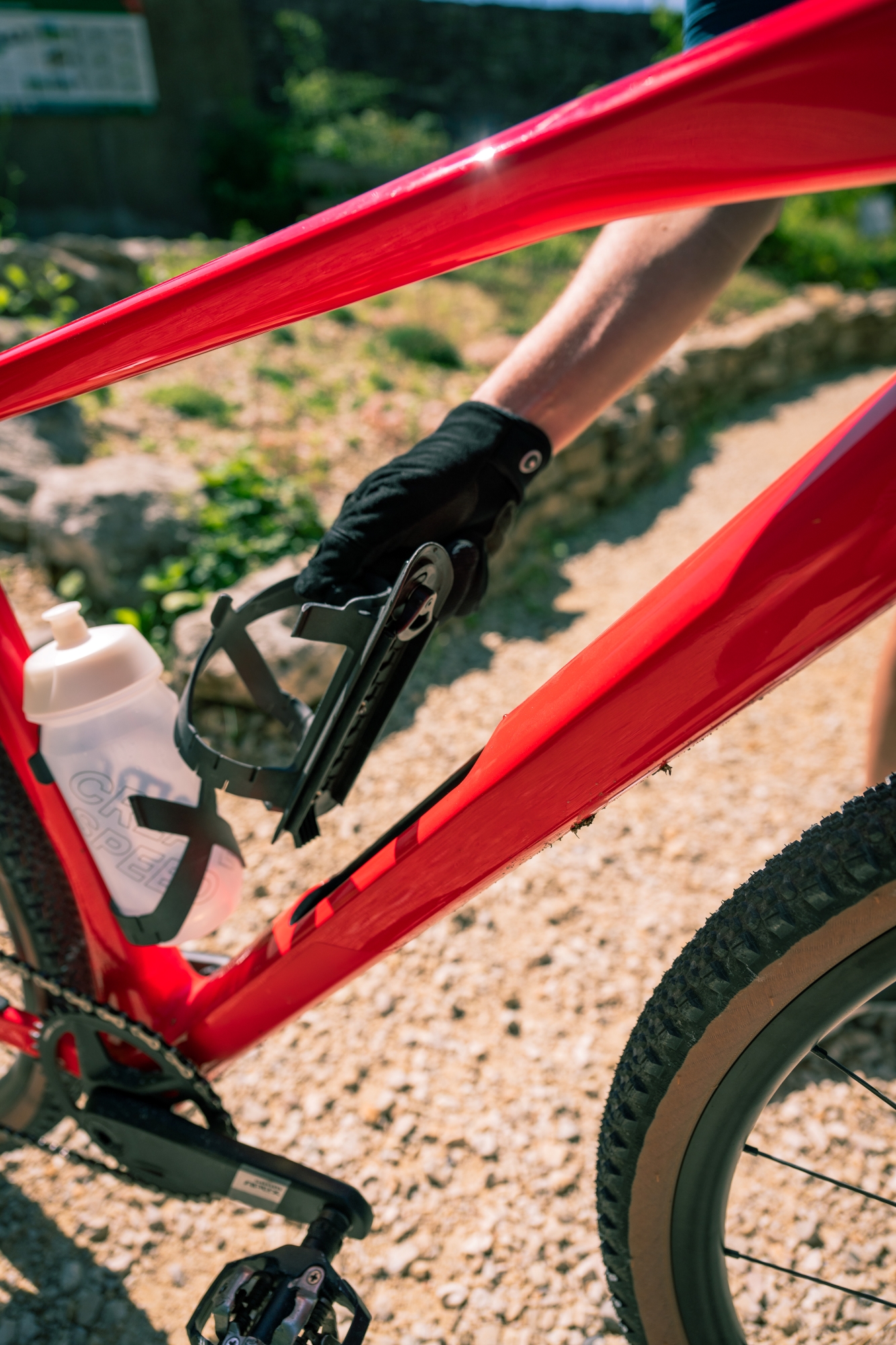
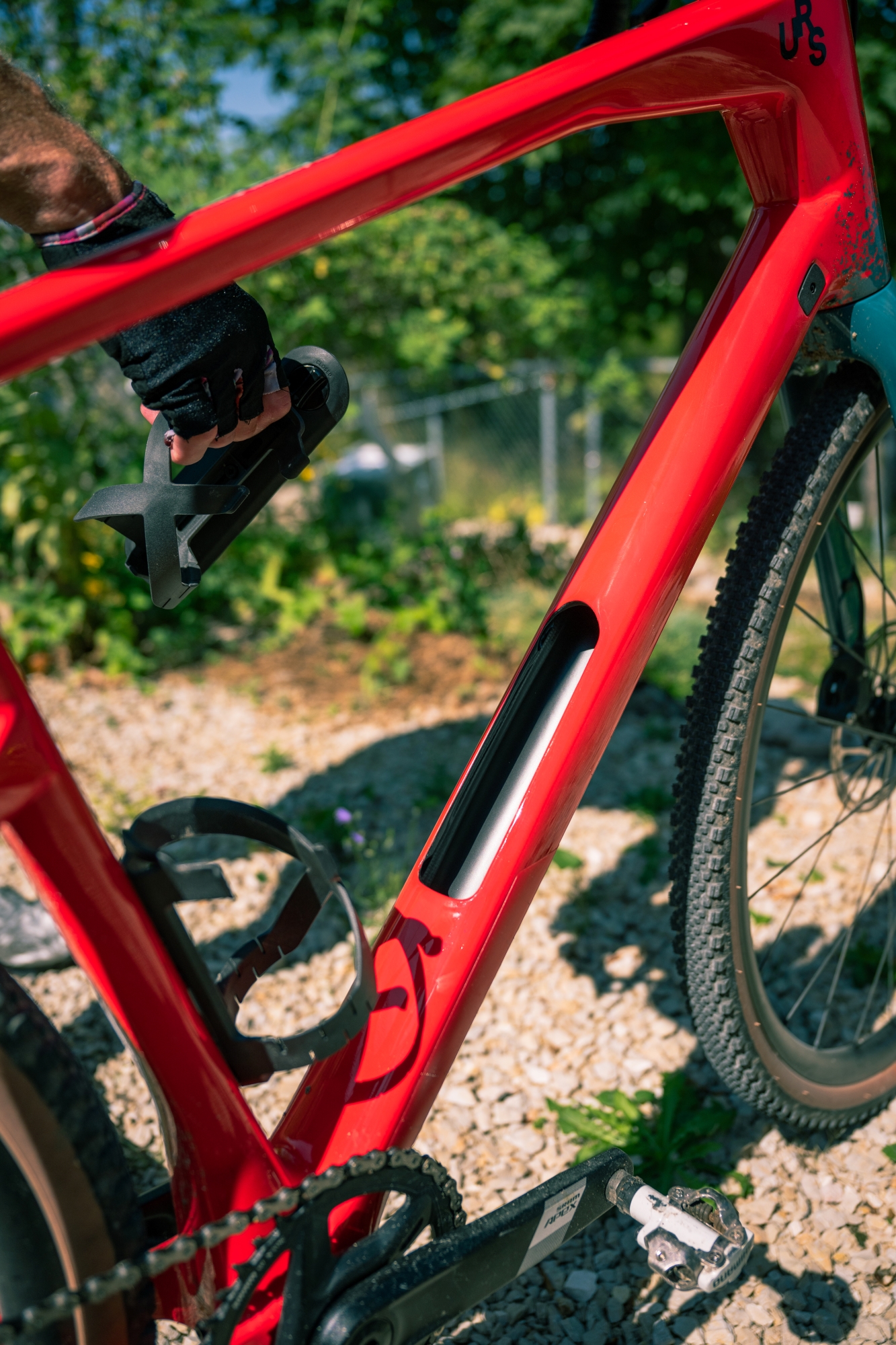
Toda la familia URS es compatible con dinamos de buje delantero, y la guía de cables interna permite una integración perfecta del sistema, una opción muy válida para aquellos con planes de ultradistancia en mente. Piensa en Ulrich Bartholmoes, embajador de la marca y gran usuario de la URS, y te darás cuenta de que esta bicicleta puede superar cualquier cosa que se le presente.
Nuestra primera impresión de la URS fue muy buena, aunque nos llevó un poco de tiempo acostumbrarnos a la geometría progresiva. Debido al ángulo de dirección, la rueda delantera estaba bastante por delante de nosotros, lo que luego demostró ser ideal para tener mayor estabilidad. El manillar era más ancho (42 mm para la talla M) de lo esperado, pero añadía un elemento extra de control.
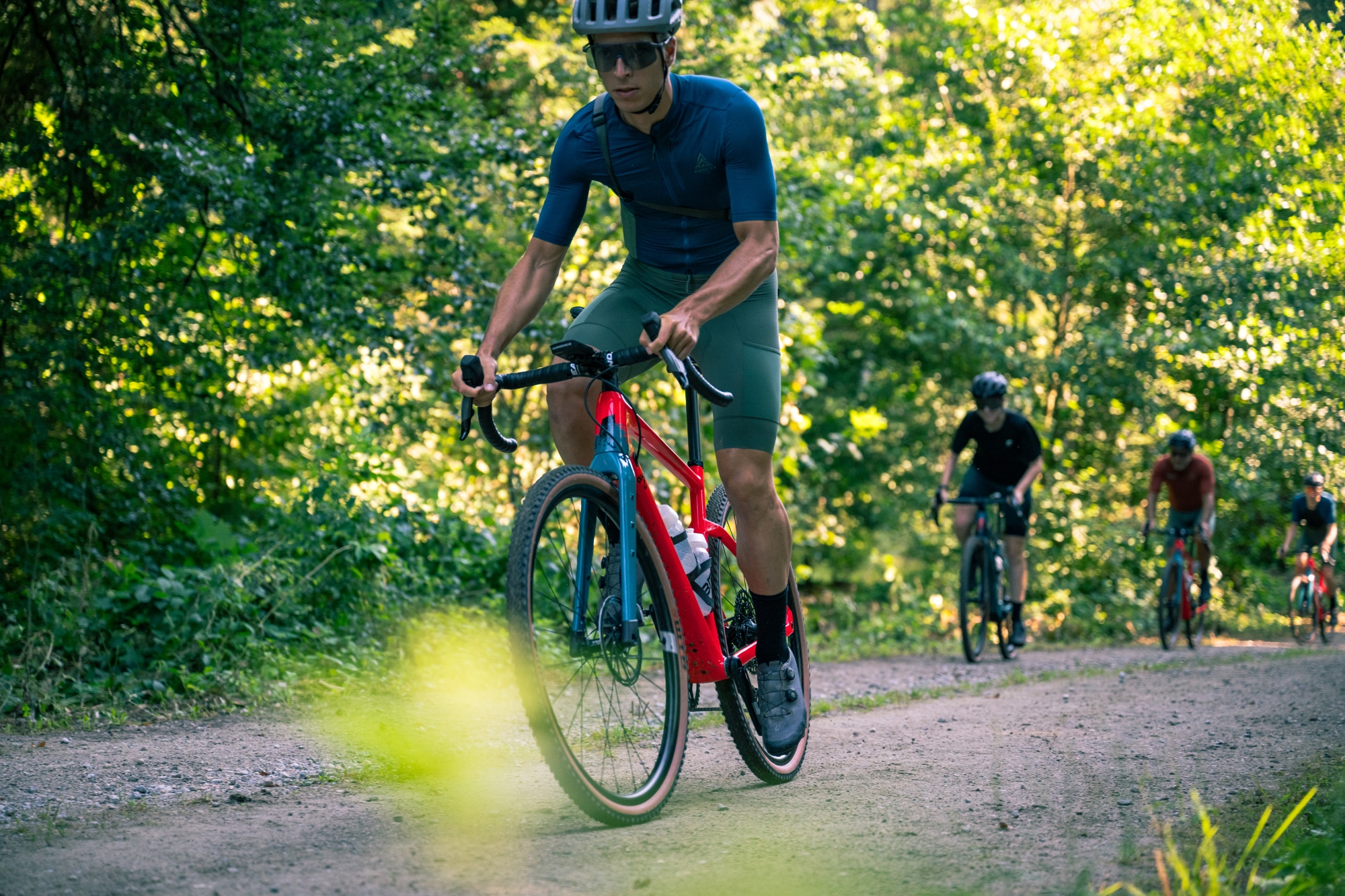
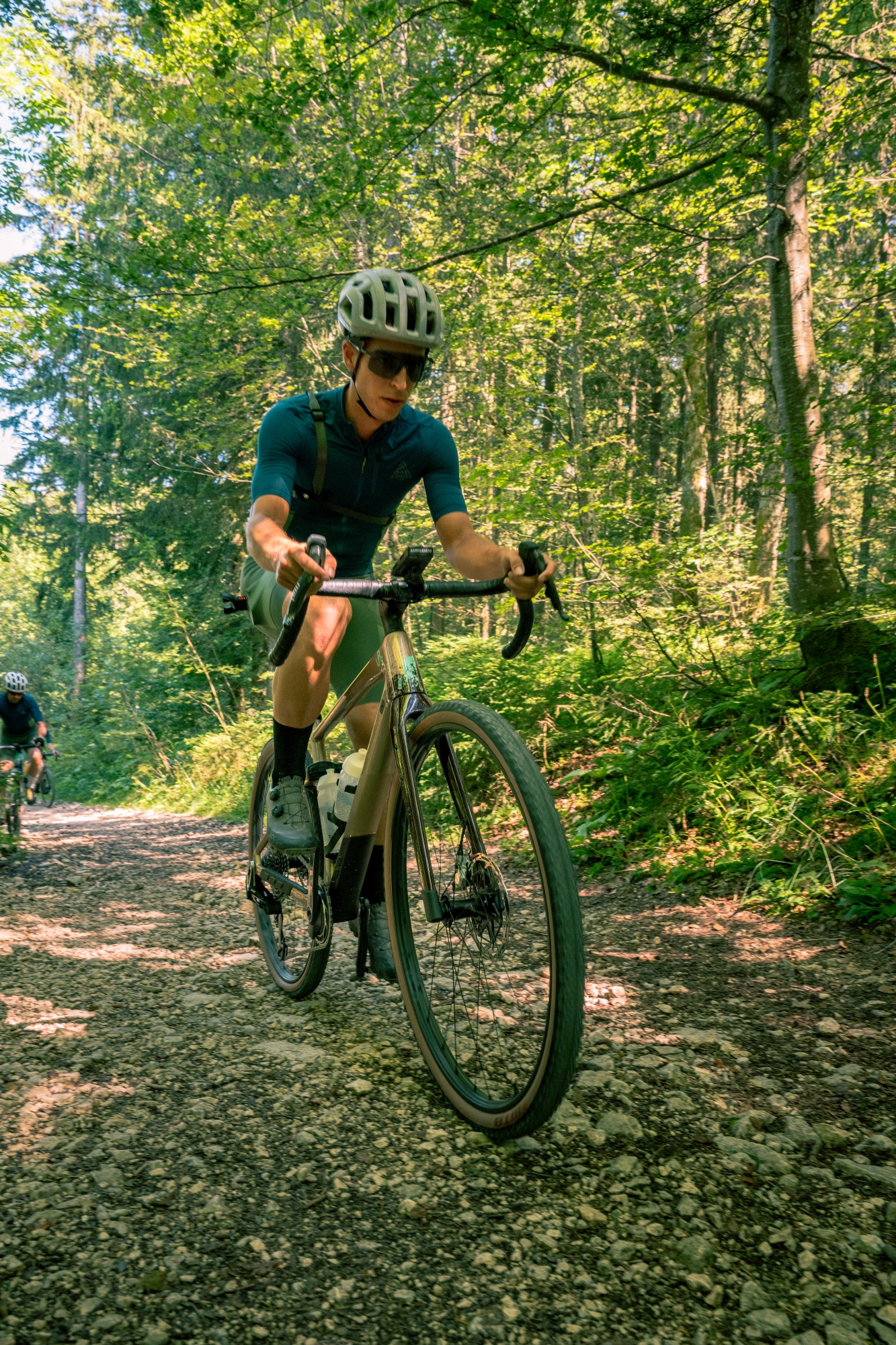
Hicimos 30 km con esta bicicleta, afrontando gravilla compacta y suelta sobre terreno mayoritariamente llano. Se trataba principalmente de familiarizarnos con la gama URS antes de probar las siguientes variantes de la familia, pero aun así lle sacamos jugo en el par de colinas empinadas que encontramos, y la tracción fue óptima.
Mientras que para los modelos de bicicletas de carretera de BMC el sufijo “01” significa carbono más ligero y rígido, el factor premium aquí es la MTT, que te permite afrontar terrenos más accidentados con total control y apenas peso añadido. La tecnología patentada de BMC actualmente otorga suspensión a sus potencias, tirantes y horquillas. Una de las diferencias entre la URS 01 y la URS 01 LT es que la primera ofrece suspensión a través de la potencia MTT mientras que la opción LT incluye en su lugar la horquilla MTT.
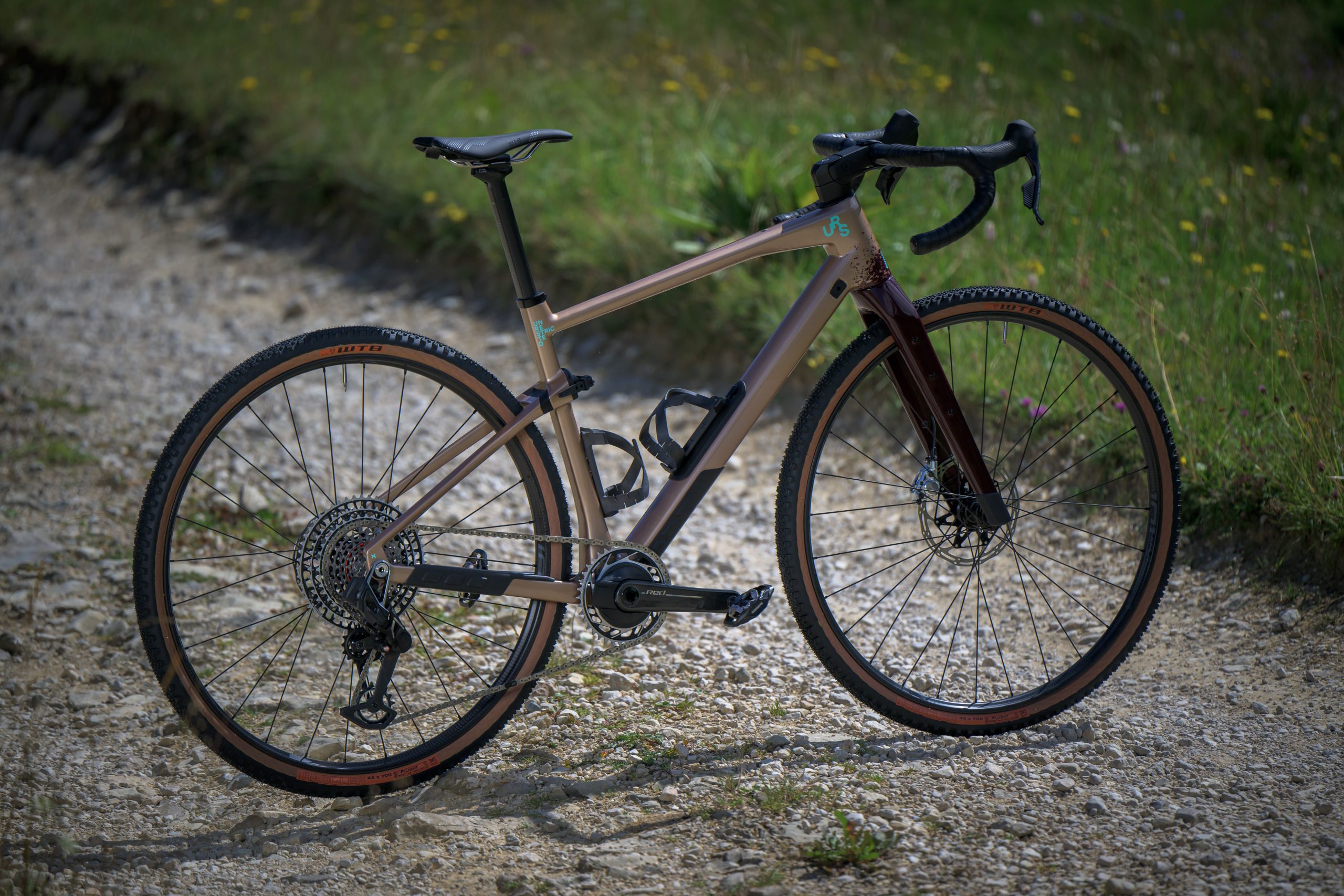
El diseño de doble guía de los tirantes MTT brinda una sensación de suspensión natural, con un recorrido de 10 mm en la rueda trasera, que luego se complementa con la potencia de suspensión ICS MTT. Combina la tecnología ShockStop de Redshift y el conocimiento de ingeniería interno. Este componente, considerado como la única potencia de suspensión en el mercado con cableado integrado, ofrece hasta 20 mm de recorrido y opciones de ajuste ajustables.
Teníamos curiosidad por probar una potencia con suspensión por primera vez y, sinceramente, la primera impresión fue extraña. Parecía que el manillar estaba flojo, pero era la potencia en acción. Esprintar con una potencia con suspensión es algo que no debes intentar hasta que te acostumbres a su rango de movimiento.
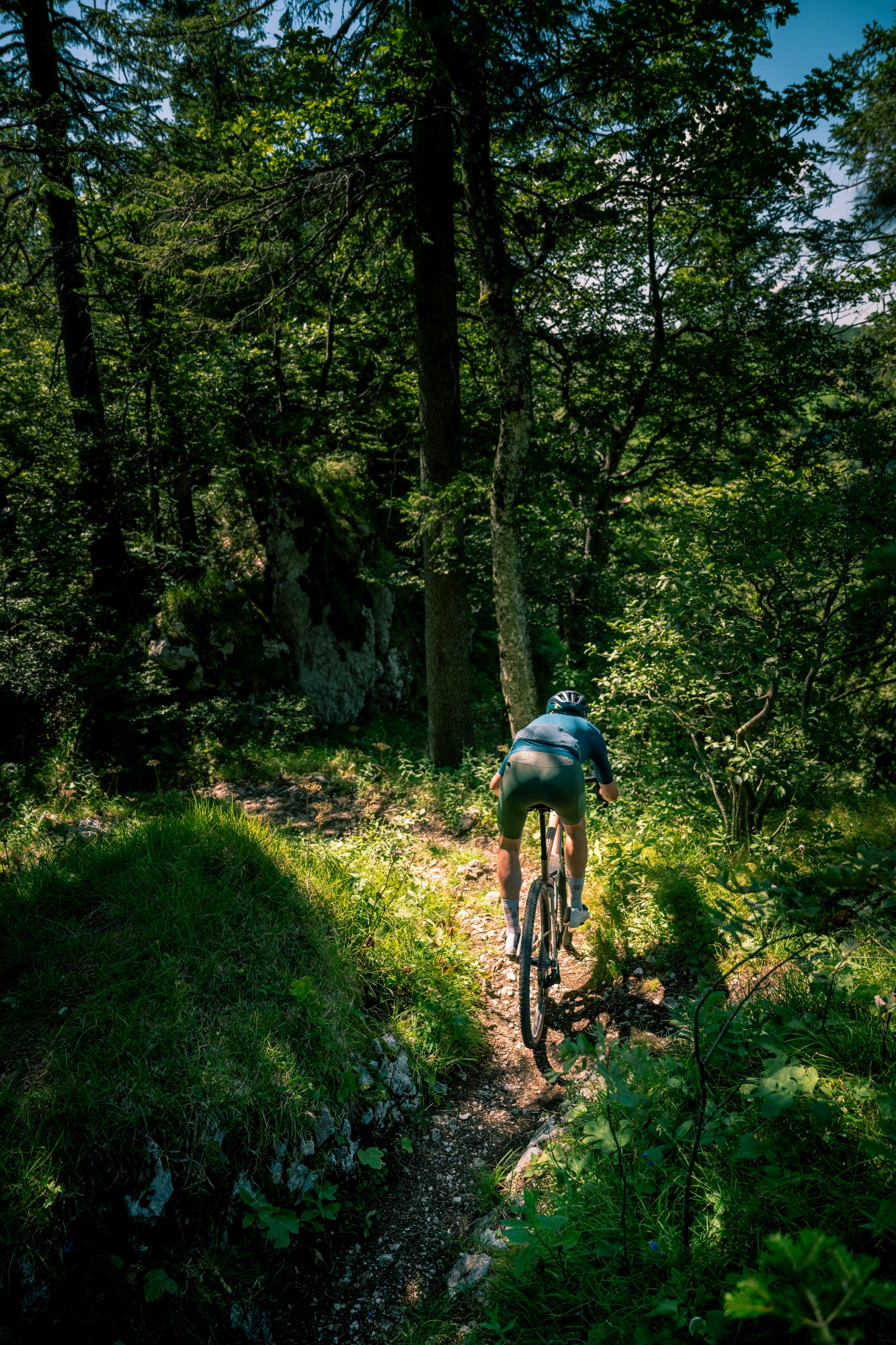
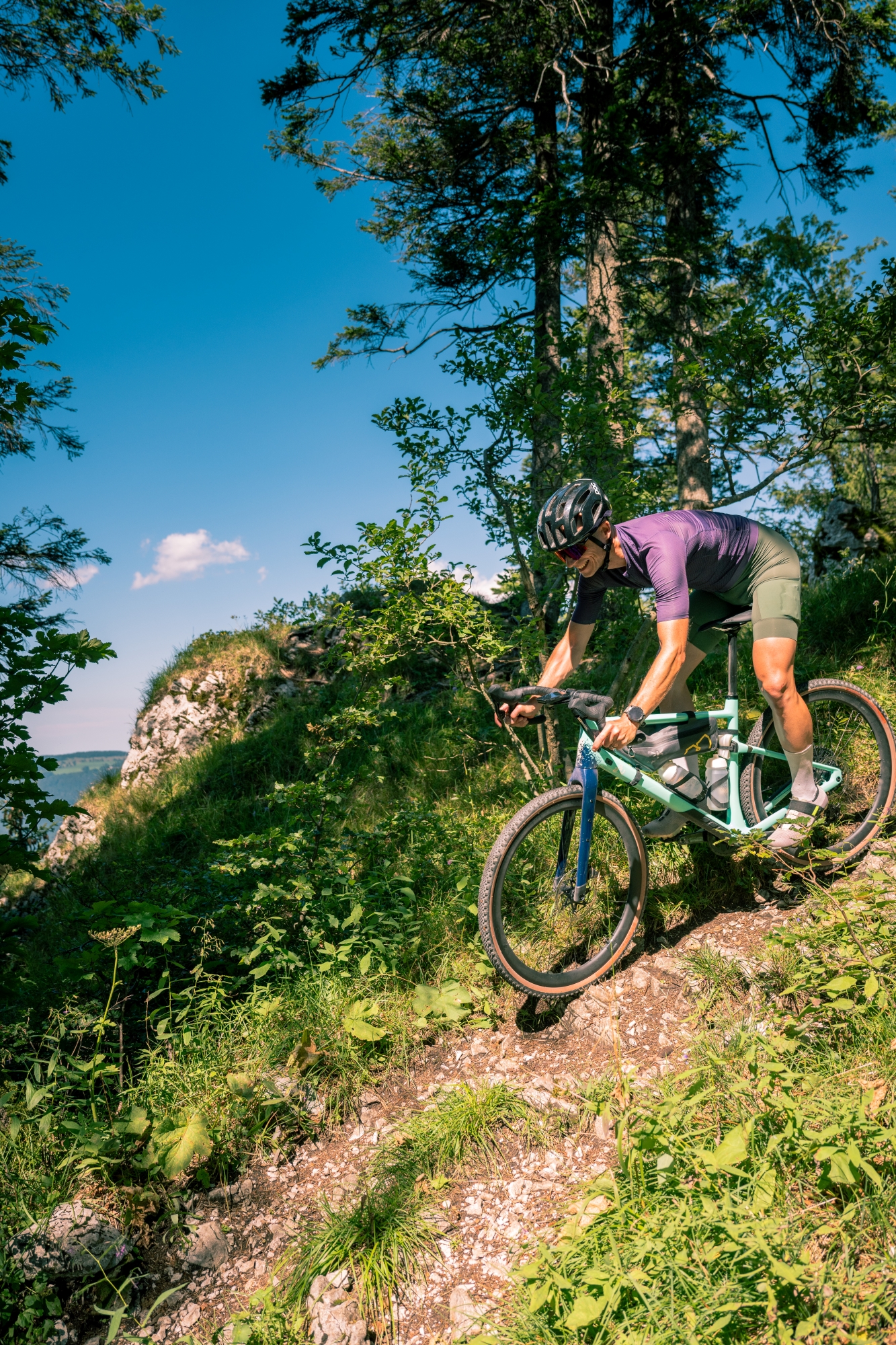
El tramo del recorrido en el que probamos el BMC URS 01 presentaba superficies rocosas y fuertes pendientes tanto en subida como en bajada, con tiempo suficiente para ponerla a prueba. Las subidas todoterreno normalmente se afrontan sentado para asegurarnos de no perder tracción, y consideramos que ahí es donde una potencia de suspensión puede resultar de gran ayuda. Tienes más control de la trayectoria de la bicicleta porque cancela el efecto rebote después de golpear una roca, y tuvimos la sensación de que también minimiza la fatiga de los músculos de la parte superior del cuerpo. La potencia patentada ICS MTT también se puede incorporar a bicicletas que no sean BMC.
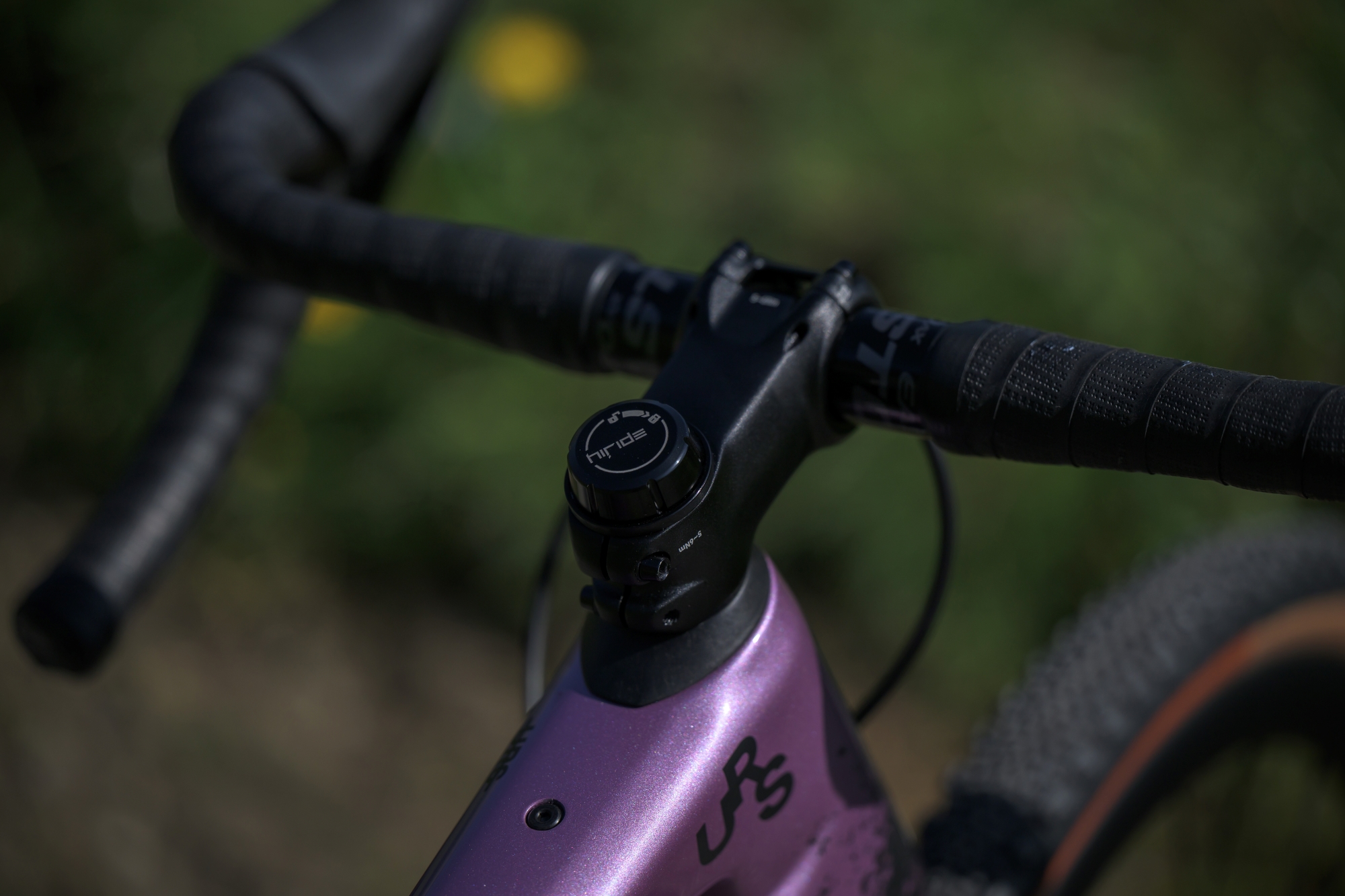
La BMC URS 01 LT viene con una suspensión delantera incorporada, desarrollada en colaboración con Hi-Ride. Cuenta con un sofisticado amortiguador hidráulico con una amplia gama de ajustes mediante una selección de resortes helicoidales y niveles de precarga ajustables. Se puede bloquear fácilmente girando un dial en la potencia.
Aunque la horquilla MTT ya estava presente en la primera familia URS que se lanzó, esta vez está mejor integrada en el cuadro, con un aspecto más limpio que obliga a mirarla de cerca antes de detectar que no es una horquilla gravel cualquiera.
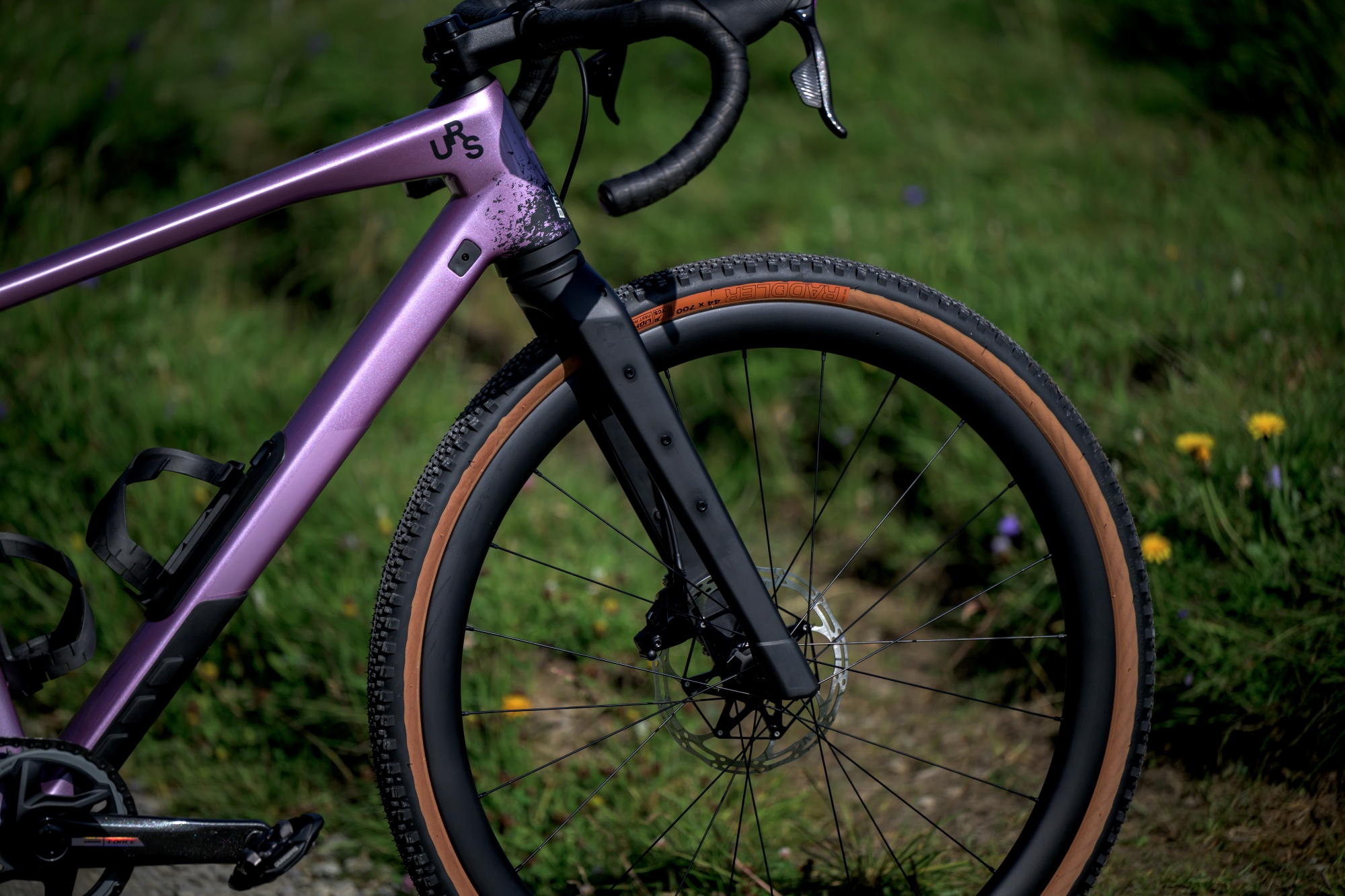
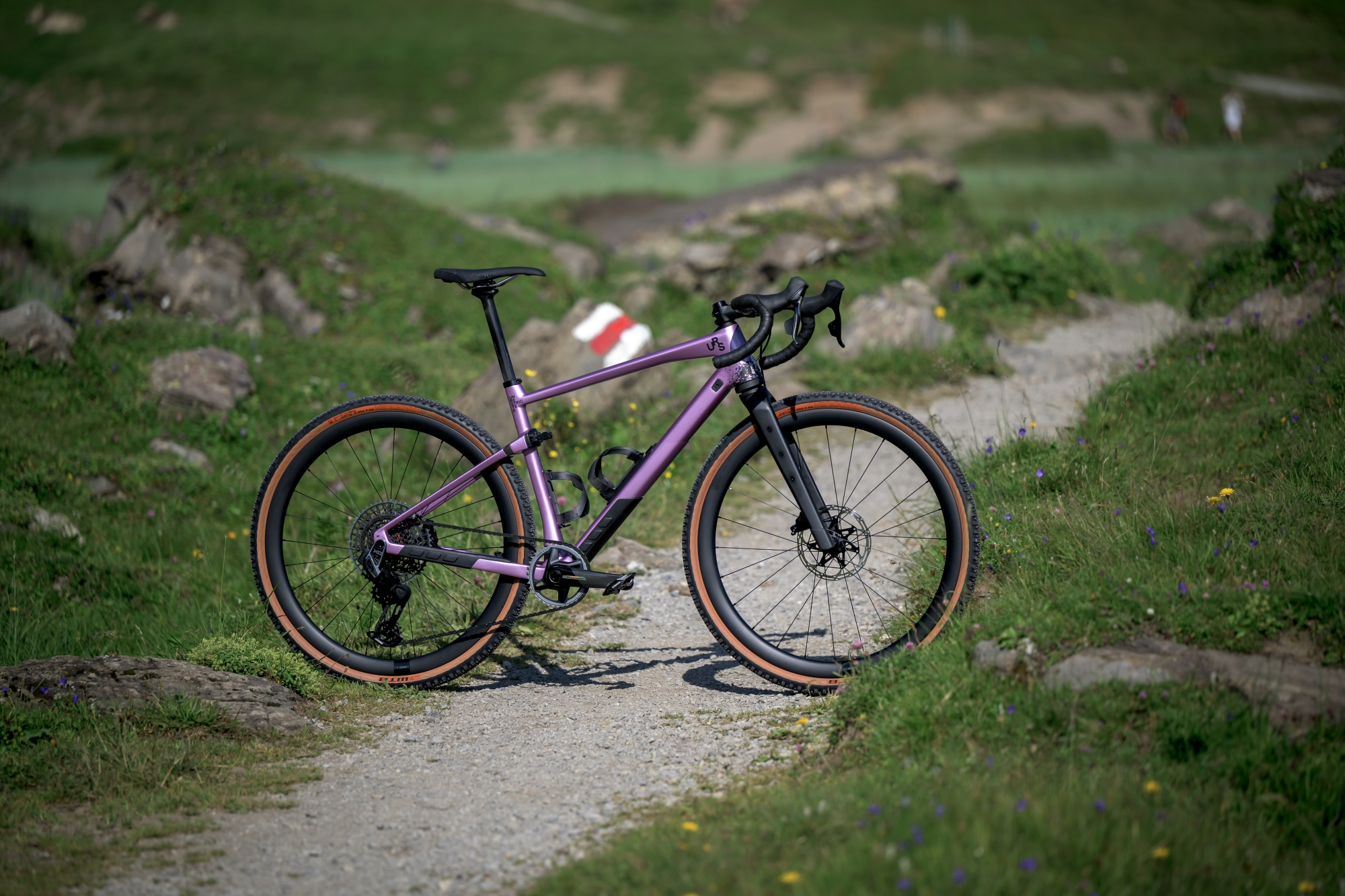
La horquilla de suspensión MTT de la URS 01 LT nos permitió rodar rápido y mantener un pedaleo suave sobre gravel suelto. Sin embargo, como era de esperar para alguien de un nivel técnico medio como nosotros, los 20 mm de recorrido no fueron suficientes en descensos rocosos.
BMC lanza por primera vez una bicicleta de gravel con motor. La URS AMP LT cuenta con la unidad motriz TQ-HPR50 del fabricante alemán TQ para brindar a los ciclista una sensación de conducción natural y abrir las puertas a aventuras de todo tipo. Se trata de un sistema completo y no sólo de un motor, lo que significa que la transmisión también depende del estado de la batería.
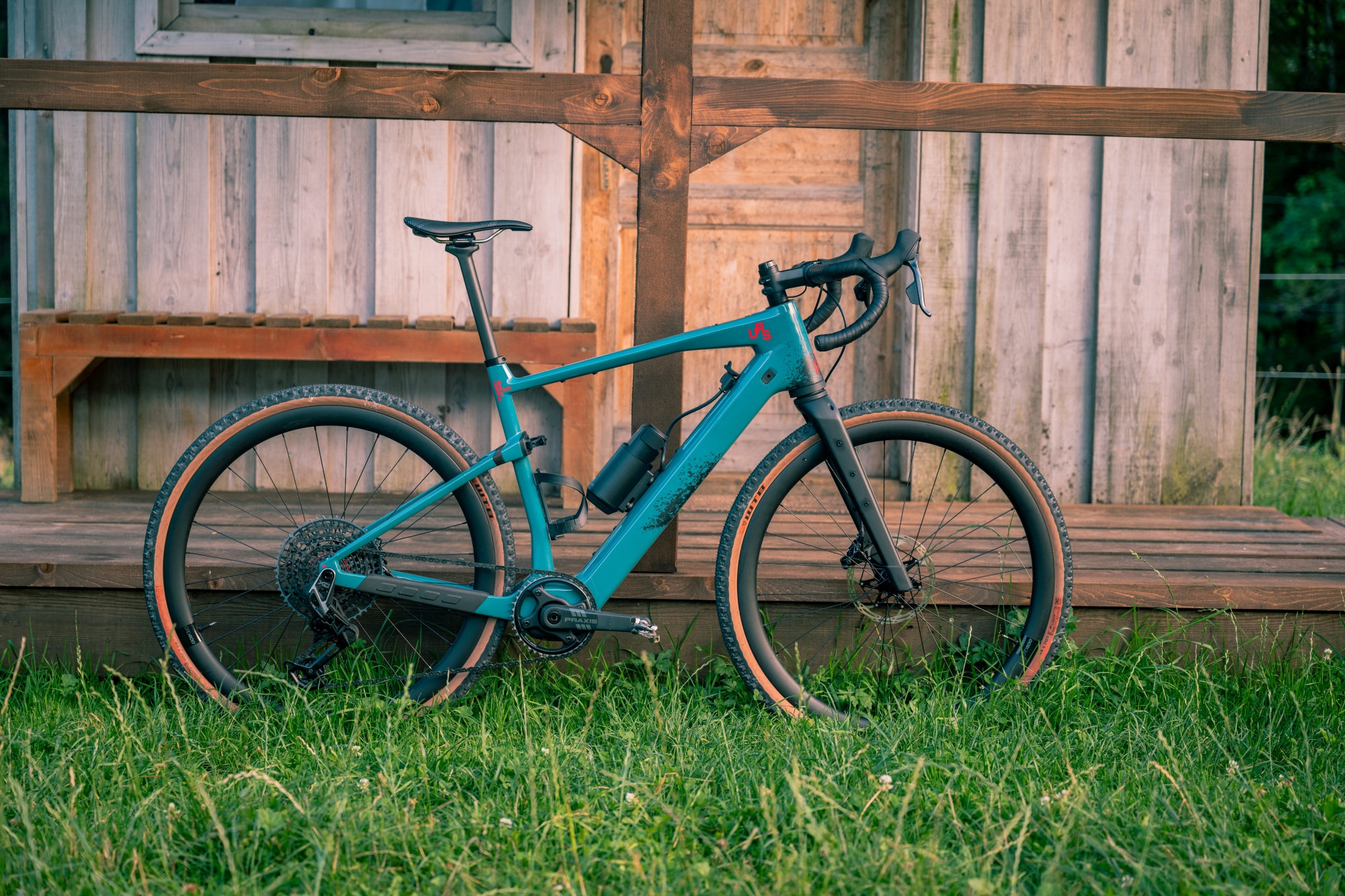
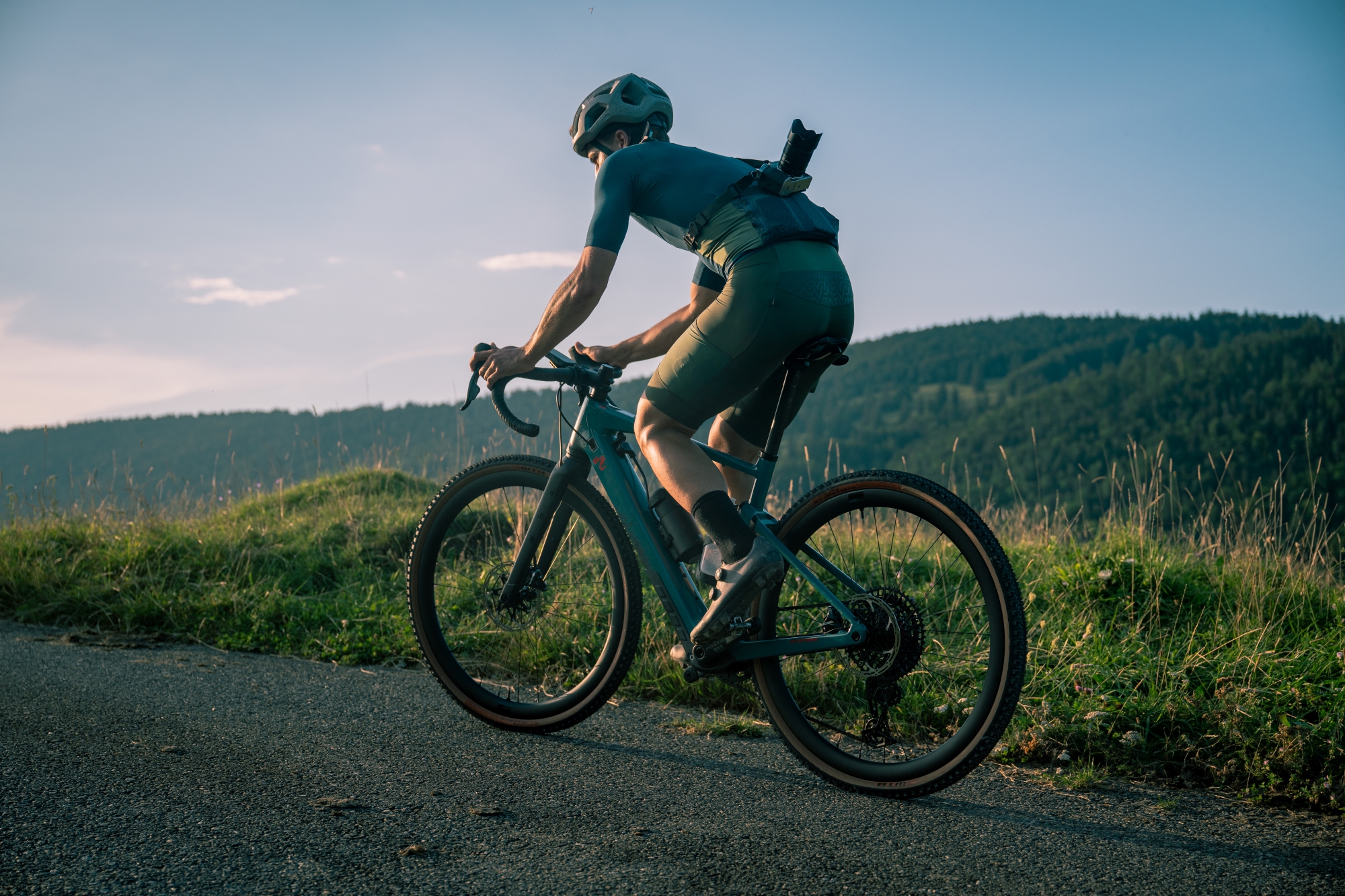
La opción AMP está destinada a ciclistas experimentados, no a aquellos que se adentran en el mundo del ciclismo con la adquisición de una bicicleta eléctrica. Proporciona 300 W de potencia máxima y un soporte máximo del 200%, lo que significa que para alcanzar ese valor necesitas mover 150 vatios. Está desarrollada específicamente para ubicarse entre una bicicleta estándar y una con un gran motor de apoyo. “El mismo esfuerzo, el doble de diversión”, como lo describe Anna Vodickova, directora de marketing de producto de TQ.
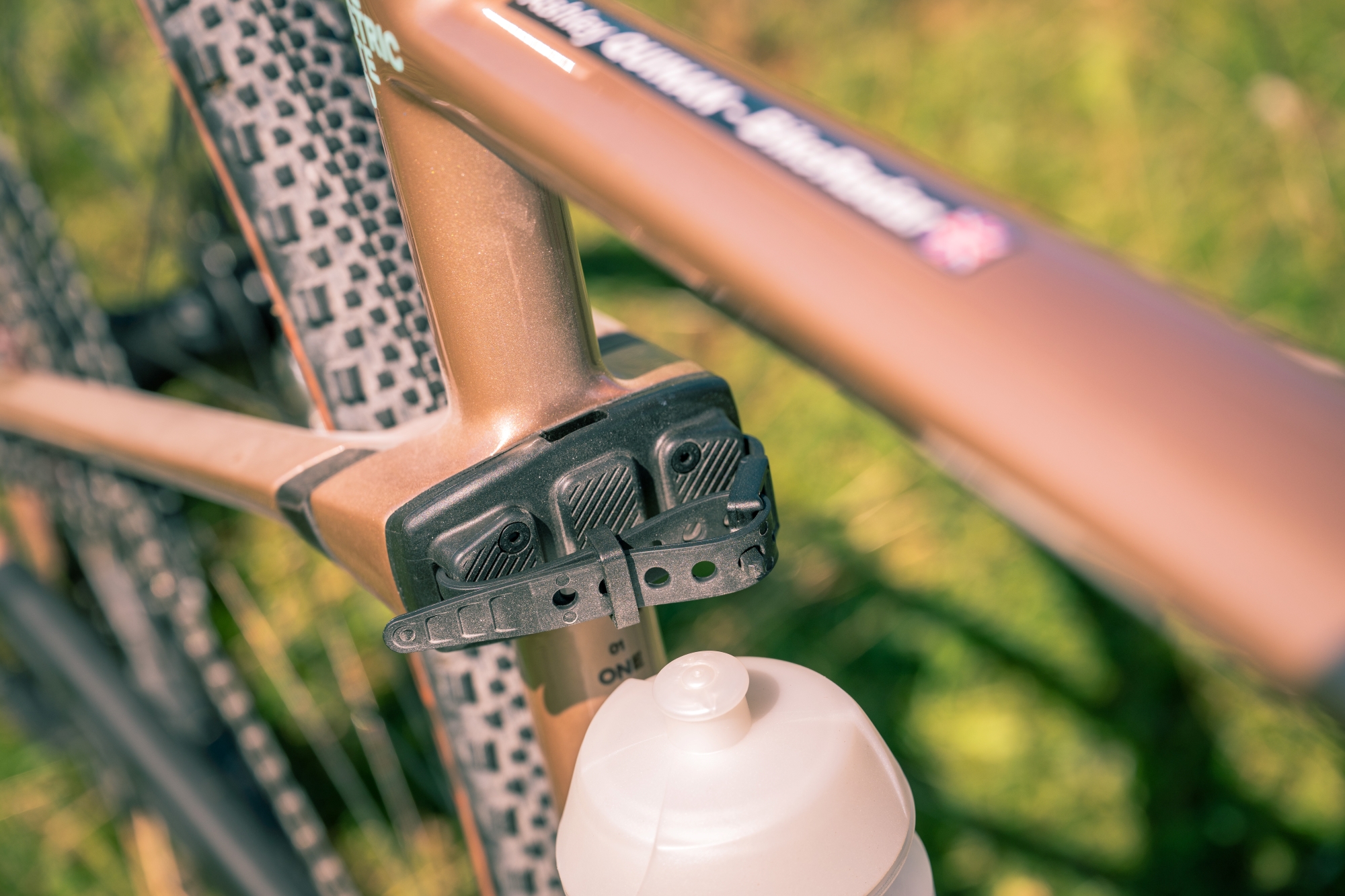
La batería es de tamaño pequeño y está perfectamente integrada en el cuadro. La geometría del cuadro AMP es casi idéntica a la de las opciones estándar, a pesar de las implicaciones de un tubo diagonal más ancho para almacenar la batería. Una de las únicas diferencias es que las vainas son 5 mm más largas, lo que aumenta aún más la distancia entre ejes.
La batería ocupa el espacio utilizado por el almacenamiento del tubo diagonal en los otros miembros de la familia URS, pero los múltiples agujeros para bolsas y la correa de carga permiten múltiples configuraciones que aseguran que podamos llevar todo lo que podamos necesitar.
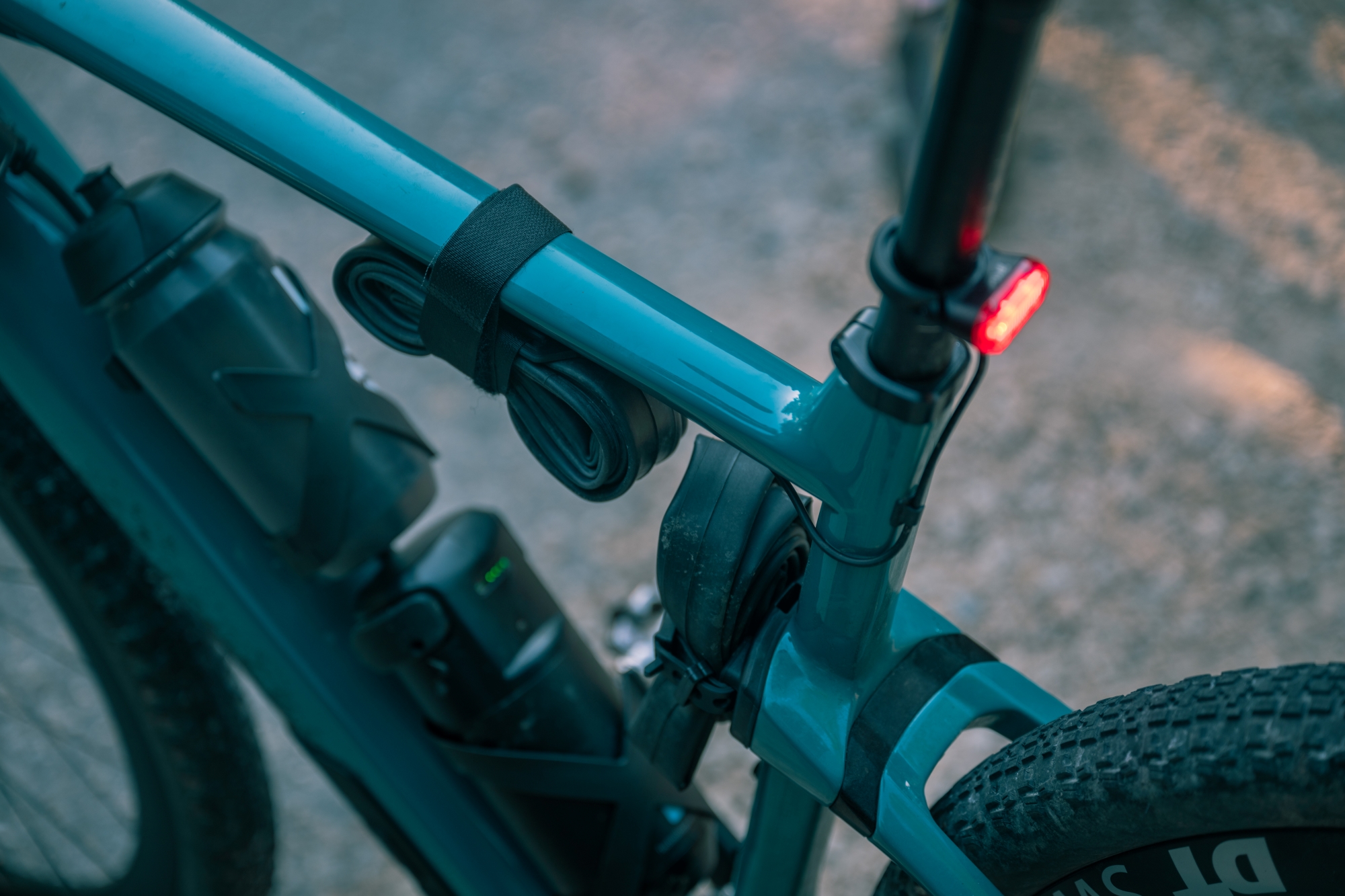
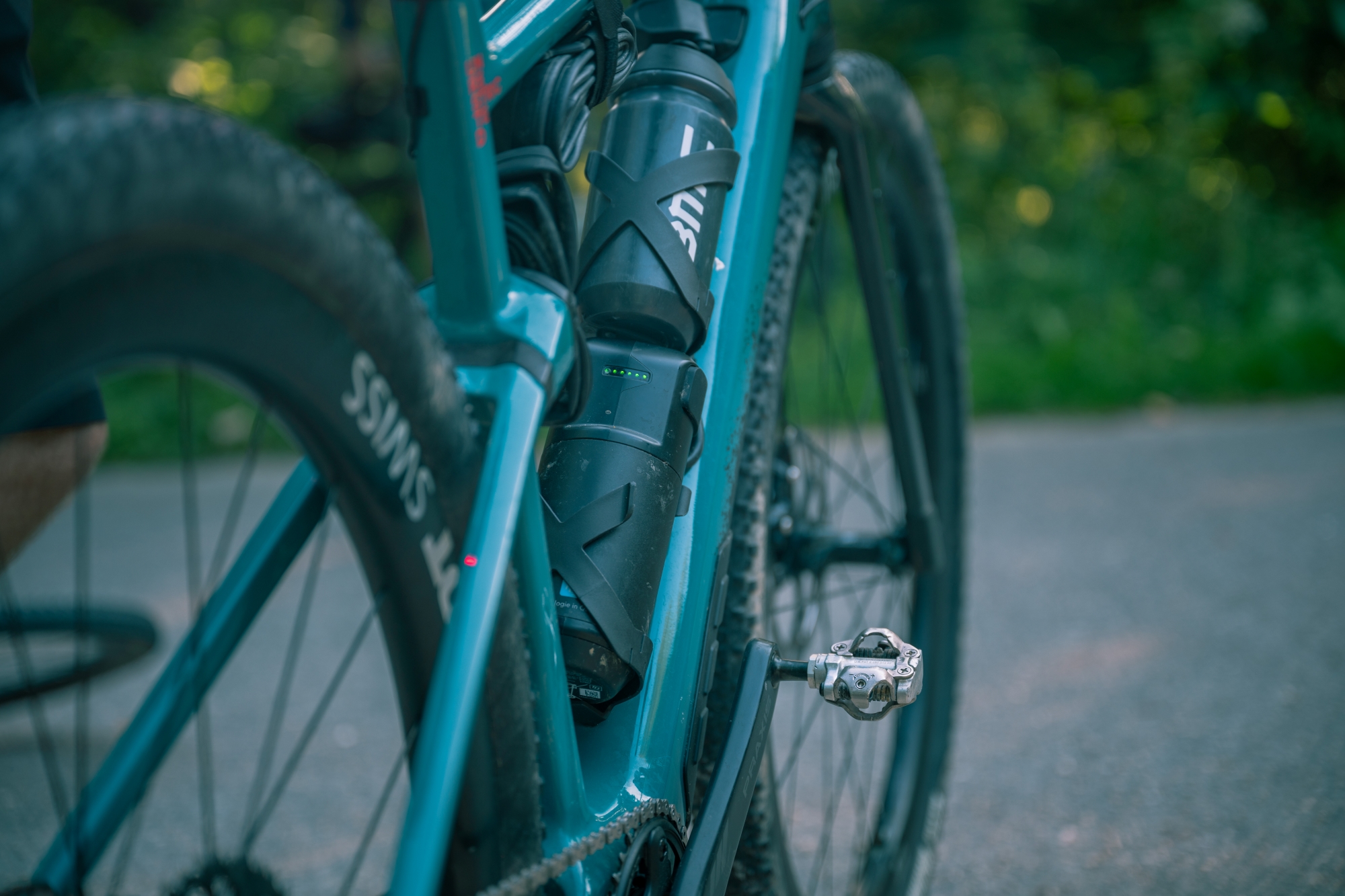
Nos animaron a probar los tres niveles de soporte diferentes e incluso montarlo sin asistencia, y así lo hicimos. Encendimos el sistema y vimos un estado de batería del 150%, algo que al principio no pudimos comprender. Cuando nos dijeron que era por el extensor de alcance TQ que llevábamos en lugar de uno de los bidones, todo tuvo sentido.
Es un sistema muy silencioso y, para cualquiera que se hubiera cruzado con nuestro grupo, habría sido difícil saber que íbamos en bicicletas eléctricas. Los 700 m de desnivel que tuvimos que superar en menos de 10 kilómetros fueron desafiantes pero más llevaderos. Dado nuestro peso, incluso sin el Range Extender habríamos podido llegar a la cima con el nivel máximo de soporte sin agotar la batería, pero también queríamos probar el peso de la bicicleta.
Decidimos apagar la asistencia pero tuvimos que mantener el sistema encendido si queríamos cambiar de piñones. Obviamente se notaba que arrastrábamos más peso pero resultó ser lo suficientemente liviana. Si alguno de los demás miembros de prensa hubiera optado por utilizar la URS AMP LT al día siguiente, podría haber utilizado la nuestra ya que la batería aún rondaba el 140%.
Incluso si todos los modelos que probamos y todas las opciones disponibles en su sitio web vienen equipados con transmisión Sram, la URS es compatible con una transmisión Shimano Di2 de 12 velocidades e incluso con transmisiones mecánicas. Solo las transmisiones 1x son compatibles con el cuadro URS, y el plato único debe ser como máximo 42T. También es importante tener en cuenta que el nuevo URS ahora cuenta con una patilla de cambio universal.
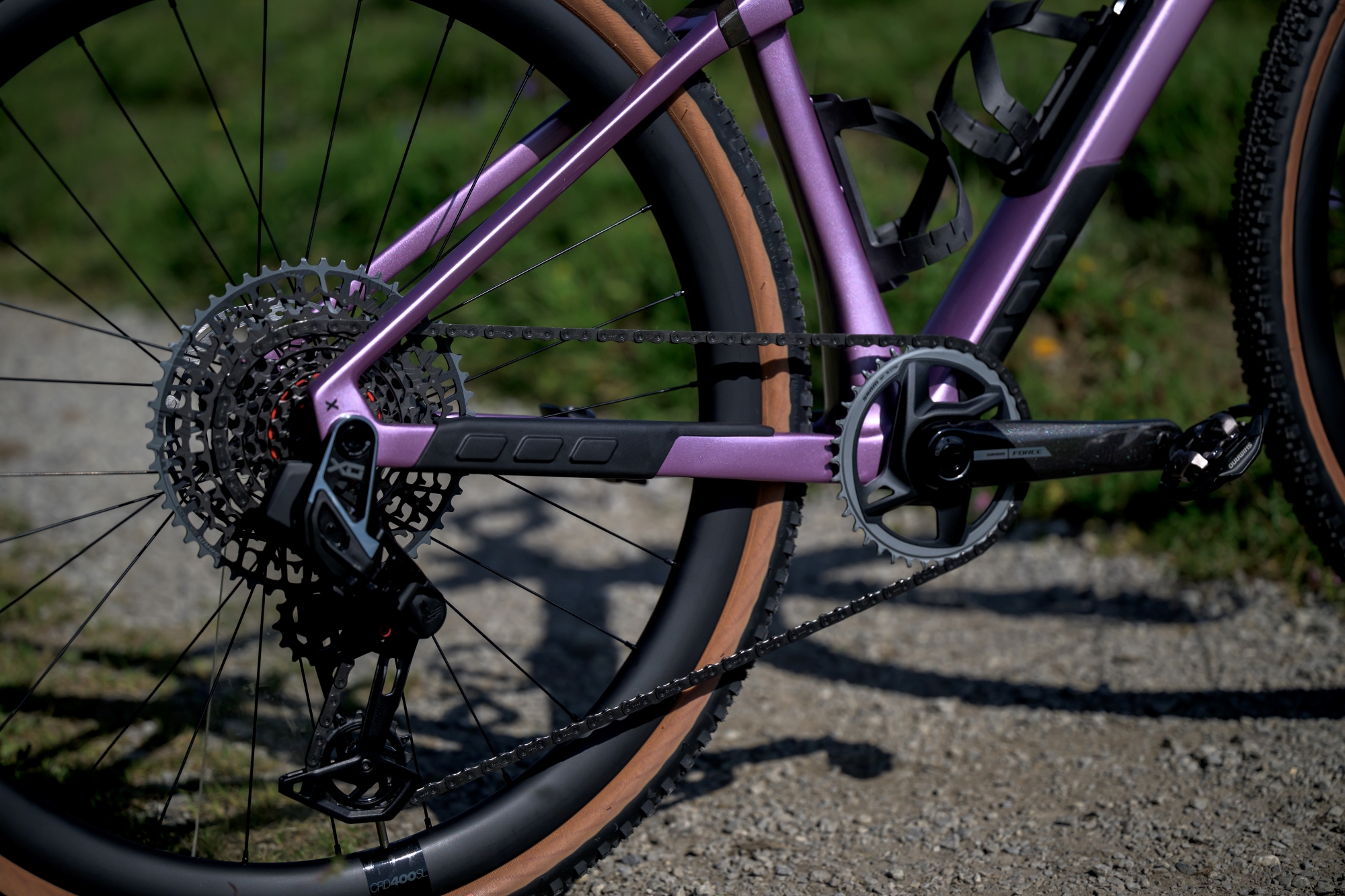
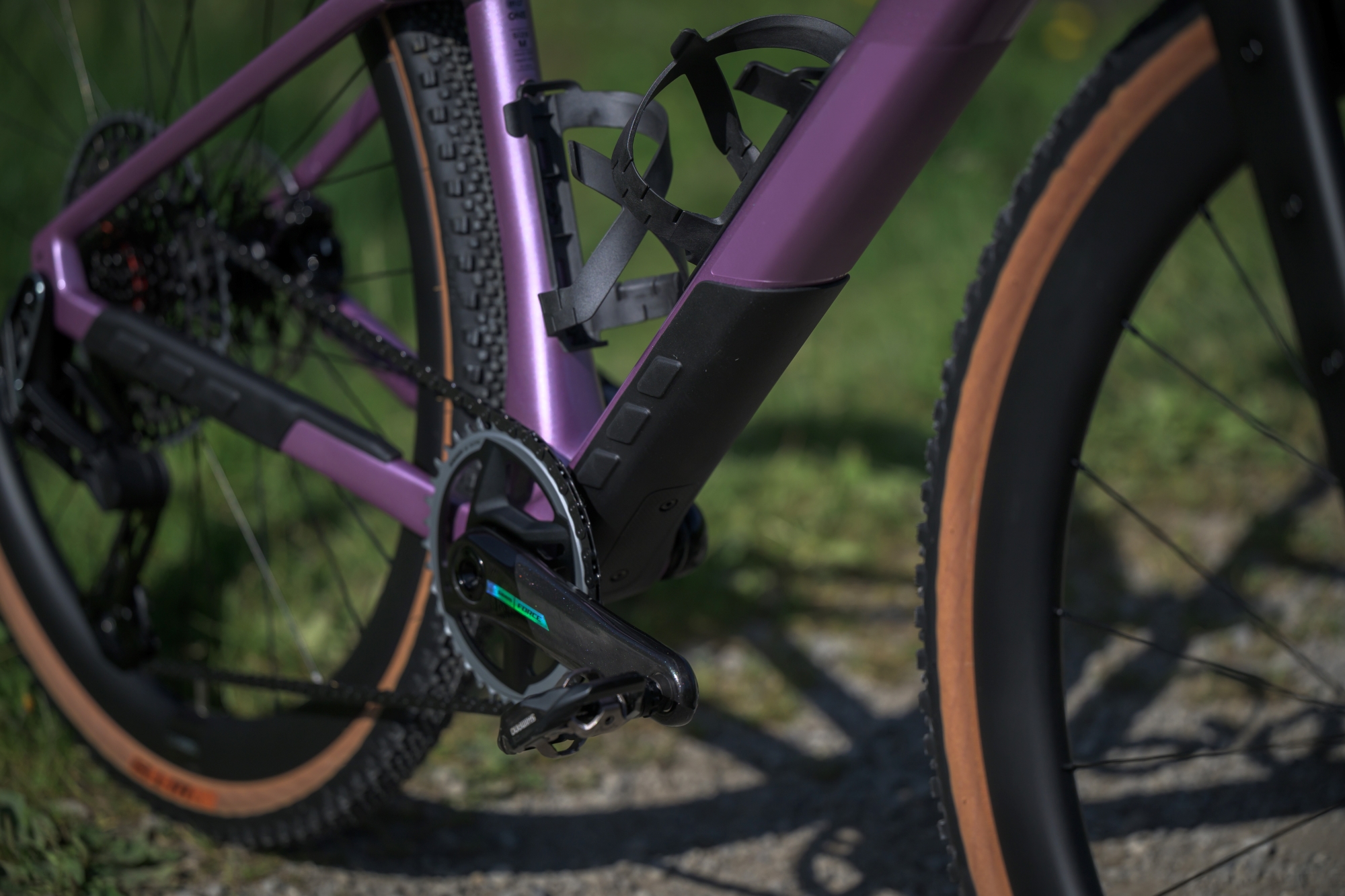
Esta bicicleta debería ponerse a prueba en terrenos desafiantes, pero sería fantástico si los posibles golpes con raíces o rocas no arruinaran elcuadro. Es por eso que puedes encontrar protecciones moldeadas en el tubo diagonal, la horquilla y la vaina de los miembros 01 y AMP de la familia URS.
La tija de sillín en forma de D garantiza que el sillín de la bicicleta esté correctamente alineado y es perfectamente compatible con el guardabarros D-Fender atornillado. Con todas las opciones posibles de montaje y almacenamiento, no es necesario llevar una bolsa de sillín.

Javi es nuestro corresponsal en Bélgica, y trata de contrarrestar su obsesiva pasión por el análisis de datos con la relajante acción (o eso es lo que dice) de crear contenido para la revista. Javi is based in Belgium and tries to compensate for his obsessive passion for data analytics with the relaxing action (that's what he says) of creating content for the magazine. View all posts by Javi Angulo
While some brands offer several models for the same cycling discipline with overlapping features and target customers, BMC‘s gravel portfolio is well-defined and heterogeneous. We were involved in the press launch of the new iteration of the URS and tested first-hand how this bike geared towards adventure and exploration copes against challenging terrains.
BMC stepped into the off-road, dropbars world five years ago with the first iteration of the URS. Then it was the turn for the Kaius, a race-oriented machine that inherited many of the characteristics in terms of aerodynamics and stiffness from the Roadmachine.
When it was time to develop the second iteration of the URS, the engineers at BMC were free to be as wild as desired, intending to differentiate their adventure model from the performance-focused one even more. The acronym URS comes from “unrestricted” for a reason, and the final result of their most recent development lives up to that concept.
They followed an “out-of-the-box” approach both on the technical and design side, although the new URS is still comparable to the first gravel bike they launched. On the one hand, it follows the standards we associate any BMC bike with: premium carbon, straight lines, and low seat stays. On the other hand, the URS-specific design features are apparent, like the bold head tube and accentuated top tube drop.
The reach is now longer but the stems offered have decreased in length, ranging from the default 72 mm for the sizes XS to M, and 80 mm and 90 mm for the L and XL builds, respectively. This combination of measurements means that the trail is increased, for better bike control. Other changes focused on enhanced maneuverability and stability are the lower bottom bracket drop (from 69 to 76mm), a slacker head angle (69,5⁰), and the steeper seat tube with zero offset, the latter allowing the rider to put more weight on the front of the bike. Additionally, the tire clearance has been increased to 47 mm, compared to the 42 mm limit of the first iteration.
The artwork features contrasting colors, and instead of displaying the brand’s name on the downtube, alternative logos can be found across the frame. We were startled by the inversed logos on the left-hand side. According to Martin Stricker, designer at BMC, it was made on purpose to highlight their unrestricted way of working.
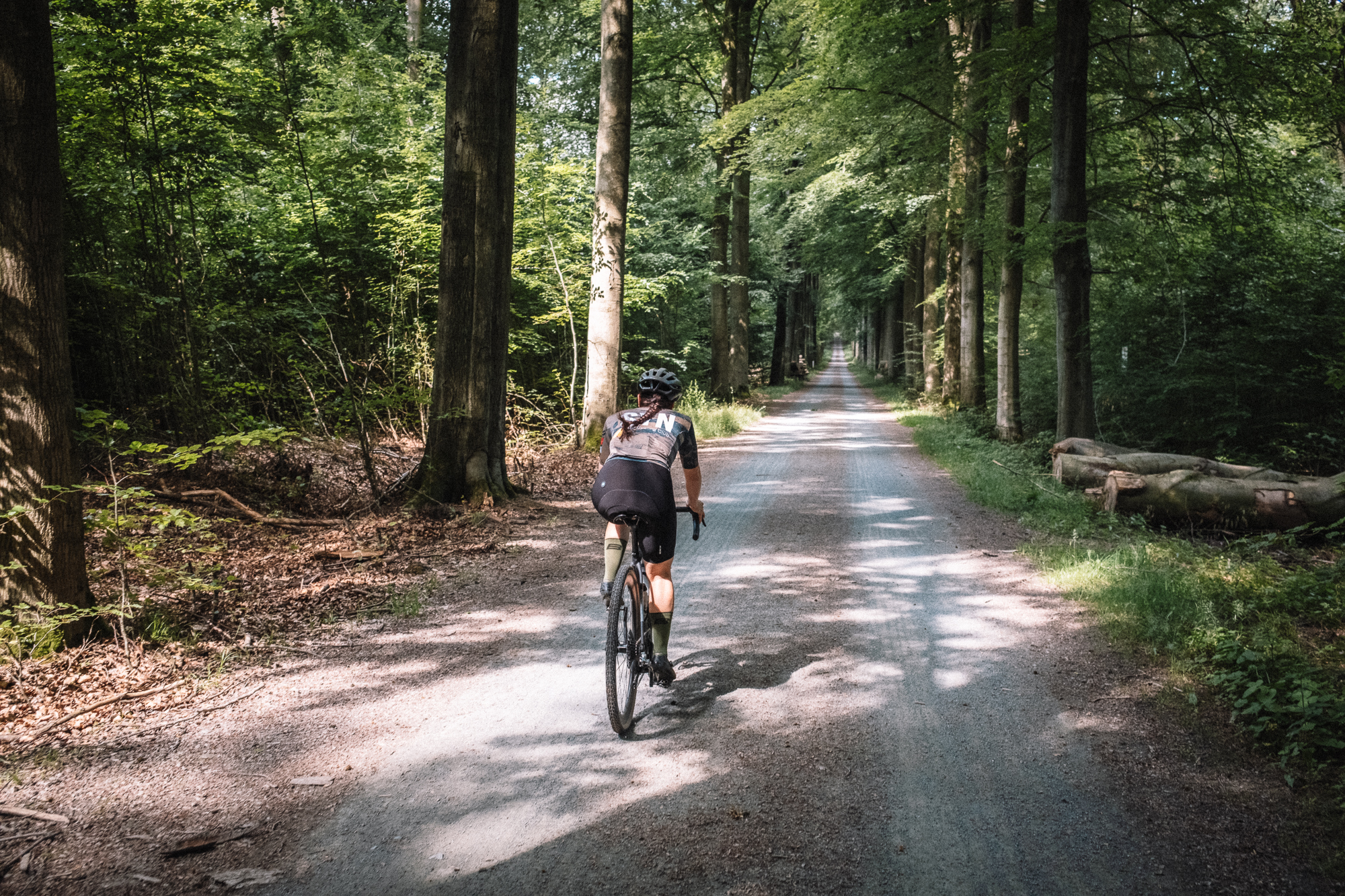
The new BMC URS family includes four different members, each one of them with a thoroughly thought purpose. To test them in the environment they excel in, the Swiss bike manufacturer planned a multi-day route from Olten to Neuchâtel on changing terrain, swapping bikes along the way. We will complement the following model descriptions with our ride feel during the press launch.
The core member of the family is a fully rigid gravel bike without MTT (MicroTravel Technology). In comparison, all versions of the first URS came with MTT seat stays by default. It is however equipped with everything you need to embark on an off-road cycling adventure, with cargo mounting points on the fork, top tube and down tube. The down tube also features internal storage, with an attachment system and pouch similar to the solutions of comparable competitors.
The whole URS family is compatible with front hub dynamos, and the internal cable guiding allows for seamless integration of the system, a very valid option for those with ultra-distance plans in mind. Think of Ulrich Bartholmoes, brand ambassador and heavy user of the URS, and you will realize that this bike can overcome anything lying ahead.
Our first impression of the URS was very good, although it took a bit of time to get used to the progressive geometry. Given the slack head angle, the front wheel was quite ahead of us, which later proved to be ideal for stability. The handlebars were wider (42 mm for the M size) than expected but once again it added an extra element of control.
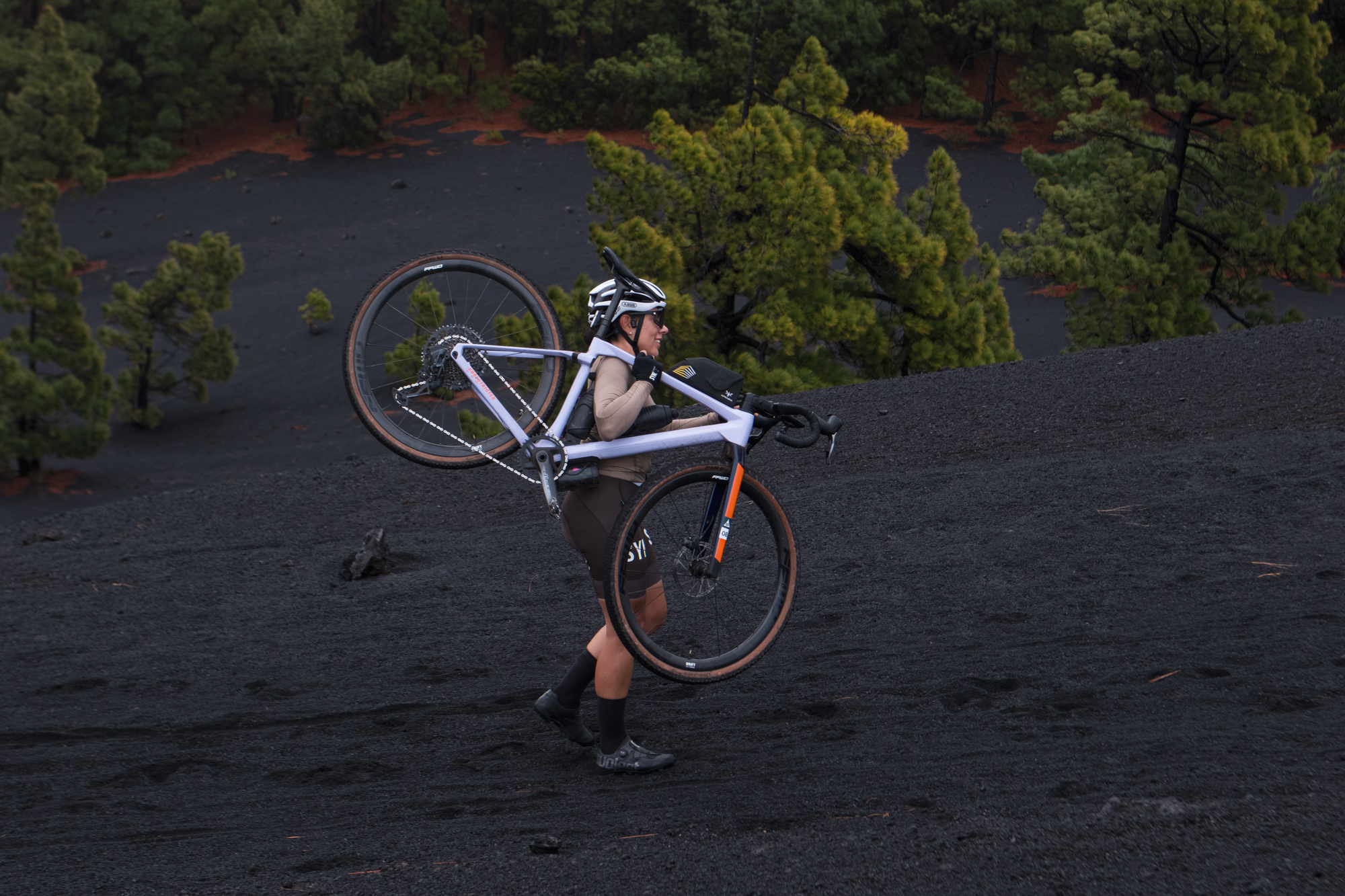
We did 30 km with this bike, tackling compact and loose gravel over mainly flat terrain. It was mainly about familiarizing ourselves with the URS range before testing the more spec’d platforms of the family, but even then we squeezed it a bit on the couple of steep hills we encountered and the traction was optimal.
While for the road bike models of BMC the “01” suffix means lighter and stiffer carbon, the premium factor here is the MTT, allowing you to tackle rougher terrains in full control and barely added weight. BMC’s proprietary technology currently comprises a suspension stem, seat stays and fork. One of the differences between the URS 01 and the URS 01 LT is that the first one offers suspension through the MTT stem while the LT option includes the MTT fork instead.
The dual-guide design of the MTT seat stays gives a natural suspension feel, with 10 mm travel on the rear wheel, which is then complemented by the ICS MTT Suspension Stem. It combines the Redshift’s ShockStop technology and the in-house engineering knowledge. This component, considered to be the only suspension stem with integrated cabling in the market, offers up to 20 mm travel and adjustable tuning options.
We were curious to try a stem with suspension for the first time, and the first impression was honestly weird. It felt like the handlebar was loose, but it was the stem in action. Sprinting with a suspended stem is something you shouldn’t try until you get used to its range of motion.
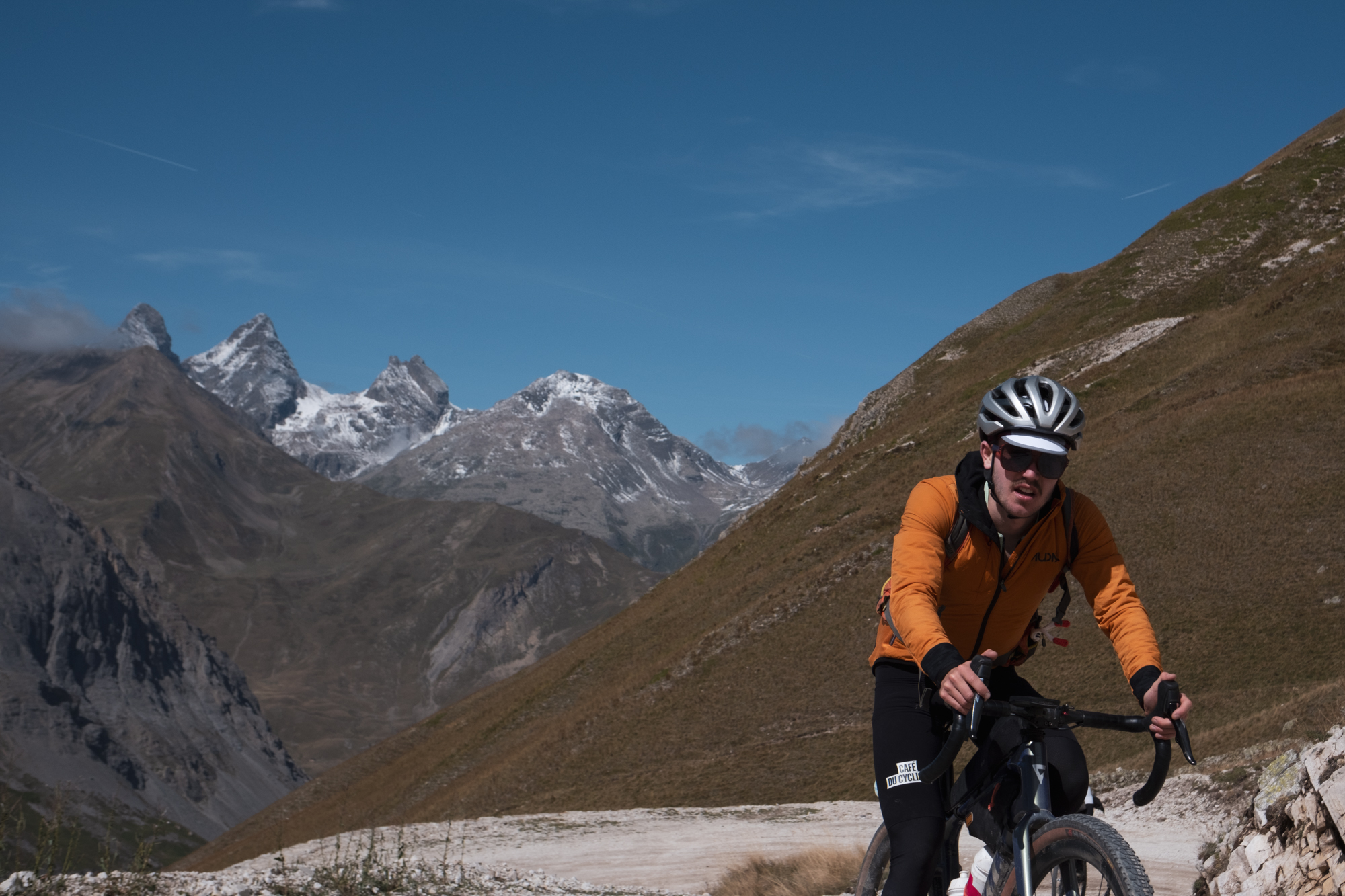
The segment of the route in which we tested the BMC URS 01 featured rocky surfaces and steep gradients both uphill and downhill, with enough time to put it to the test. Off-road climbs are usually tackled while seated to make sure no traction is lost, and we consider that there is where a suspension stem can be very helpful. You have more control of the trajectory of the bike because it cancels the rebound effect after hitting a rock, and we are confident it also minimizes upper-body muscle fatigue. In case you are wondering, the proprietary ICS MTT stem can also be incorporated into non-BMC bikes.
The BMC URS 01 LT comes with a built-in front suspension, developed in collaboration with Hi-Ride. It features a sophisticated hydraulic damper with a wide range of adjustments using a selection of spring coils and adjustable pre-load levels. It can be easily locked by turning a dial on the stem.
Although the MTT Fork was already present in the first URS family that was launched, this time it is better integrated into the frame, with a cleaner look that forces you to look at it closely before detecting that it is not your average gravel fork.
The MTT Suspension Fork of the URS 01 LT allowed us to roll fast and with smooth pedaling over loose gravel. However, in rocky descents, the 20 mm of plush travel was not enough for someone with an average technical level like us.
BMC is launching for the first time an engine-powered gravel bike. The URS AMP LT counts on the TQ-HPR50 drive unit from the German manufacturer TQ to provide riders with a natural ride feeling and open up new realms of adventure. It is a whole system rather than just a motor, meaning that the transmission also relies on the battery status.
The AMP option is intended for experienced riders, not those stepping into the cycling world with the acquisition of an e-bike. It provides 300 W of peak power and max 200% support, meaning that to reach that peak wattage you need to push 150 watts. It is purposely developed to sit between a muscular and a heavily powered bike. “Same effort, double the fun”, as described by Anna Vodickova, Product Marketing Manager at TQ.
The battery is small in size and seamlessly integrated into the frame. The geometry of the AMP frame is almost identical to the one of the muscular options, despite ‘the implications of a bolder down tube to store the battery. One of the only differences is that the chainstays are 5mm longer, increasing the wheelbase even more.
The battery takes over the space used by the downtube storage in the other members of the URS family, but the multiple bolts and the cargo strap allow for multiple configurations that make sure we can carry everything we may need.
We were told to test the three different support levels and even ride it without assistance, and so we did. We turned on the system and saw a battery status of 150%, something we couldn’t comprehend at first. When we were told that it was because of the TQ Range Extender we were carrying in place of one of the bidons, it all made sense.
It is a very silent system, and for anyone coming across our group, it would have been difficult to know that we were riding on e-bikes. The 700 m of elevation we had to gain in less than 10 kilometers was still challenging but more bearable. Given our weight, even without the Range Extender we would have been able to reach the top with the max support level without draining the battery, but we also wanted to test the weight of the bike.
We decided to turn off the assistance but had to keep the system on if we wanted to change gears. It obviously felt heavier but it proved to be light enough. If any of the other press representatives had opted to use the URS AMP LT the following day, they could have used ours as the battery was still around 140%.
Even if all the models we tested and the options available on their website are spec’d with Sram transmission only, the URS is compatible with a 12-speed Shimano Di2 drivetrain and even mechanical drivetrains. Only 1x drivetrains are compatible with the URS frame, and the single chainring must be at most 42T. Also important to note that the new URS now features a Universal Derailleur Hanger.
This bike should be put to the test in challenging terrains, but it would be great if the potential root or rock strikes do not ruin your frame. That is why you can find molded protections on the downtube, fork and chain stay of the 01 and AMP members of the URS family.
The D-shaped seatpost makes sure that the bike seat is correctly aligned, and it is perfectly compatible with the bolt-on D-Fender mudguard. With all the possible mount and storage options, there is no need for a saddle bag.
Javi es nuestro corresponsal en Bélgica, y trata de contrarrestar su obsesiva pasión por el análisis de datos con la relajante acción (o eso es lo que dice) de crear contenido para la revista. Javi is based in Belgium and tries to compensate for his obsessive passion for data analytics with the relaxing action (that's what he says) of creating content for the magazine. View all posts by Javi Angulo

 Javi Angulo
 Javi Angulo
 Javi Angulo
 Javi Angulo
 Javi Angulo
 Javi Angulo
 Javi Angulo
 Javi Angulo
 Javi Angulo
 Pavel Novotný
 Pavel Novotný
 Pavel Novotný
Receive our monthly selection of the best articles, news, exclusive content and giveaways only for subscribers, subscribe to OUR NEWSLETTER
Receive our monthly selection of the best articles, news, exclusive content and giveaways only for subscribers, subscribe to OUR NEWSLETTER
Receive our monthly selection of the best articles, news, exclusive content and giveaways only for subscribers, subscribe to OUR NEWSLETTER
Receive our monthly selection of the best articles, news, exclusive content and giveaways only for subscribers, subscribe to OUR NEWSLETTER