- News
- Reviews
- Travel & Adventure
- Interviews
- Inside Industry Players
- Community
Bikes
Reviews
Components
Reviews
Cycling
Apparel


[raw_mobile_menu]
[wpml_language_switcher_down]


Si algo hemos aprendido durante estos últimos años es que, en las carreras de resistencia en gravel, la distancia y el desnivel no son los factores más determinantes para definir la dureza de una prueba. Si por casualidad caes en el error de agarrarte a estos valores para hacerte una idea de cuán difícil va a ser la carrera en la que vas a participar, os podemos asegurar que estáis cometiendo un gran error.

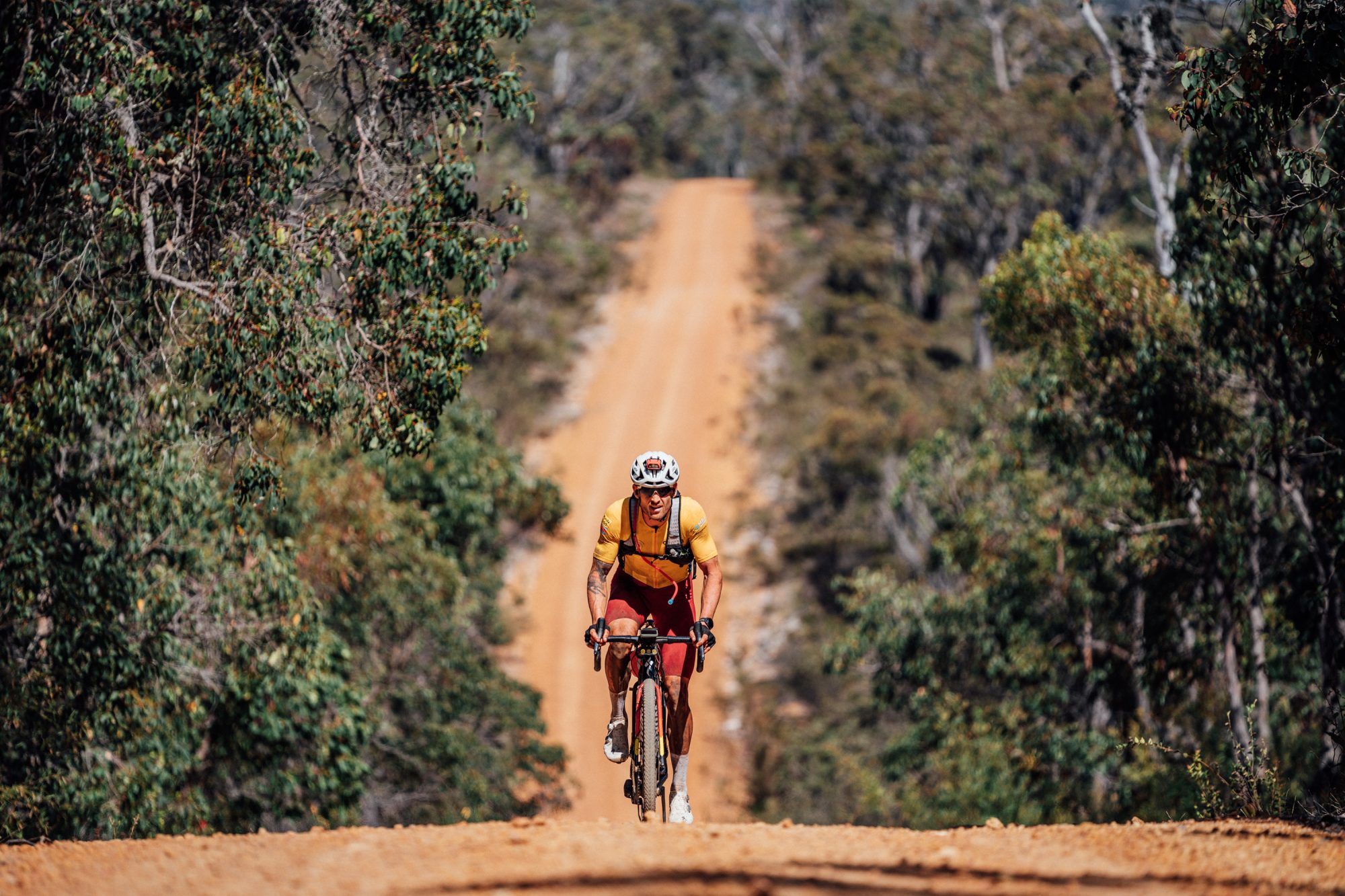
Desde nuestro punto de vista, y desde el de la mayoría de gente que ha participado en pruebas de este tipo, consideramos que el terreno por el que transcurre cada segmento del track va a ser el auténtico factor que va a determinar el grado de dureza que va a tener un evento de esta índole.


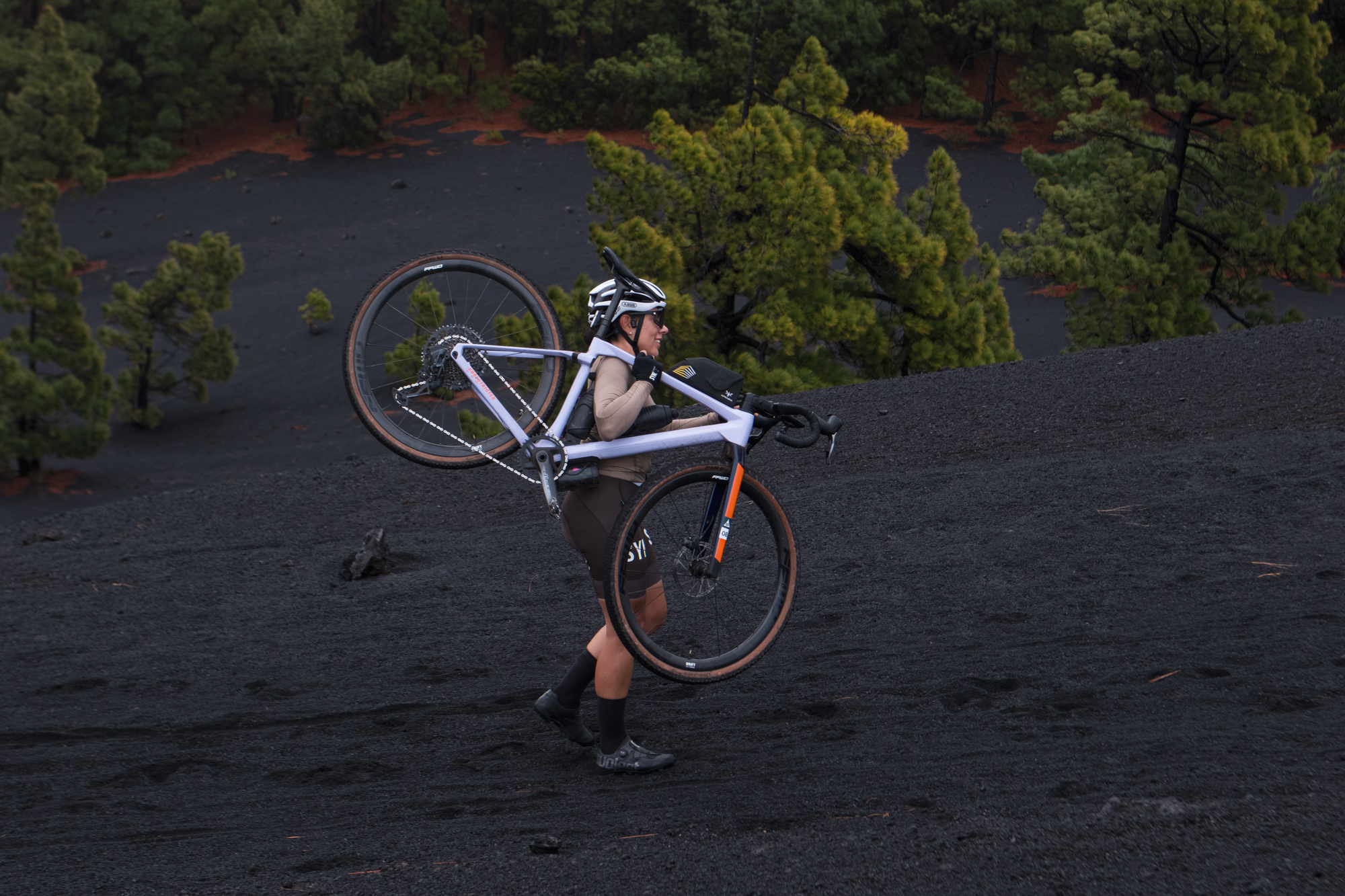
Es muy común que en tu primera experiencia de ultra distancia con bicicleta gravel, caigas en el error de mirar el track y decirte a ti mismo aquello de “bueno, ahora viene una subida, pero solo son 4 kilómetros…”. Pues bien, esa corta distancia que en cualquier otra ocasión podrían ser tan solo unos minutos de ascensión, si el terreno es escabroso y técnico, alcanzar la cima puede acabar convirtiéndose en una auténtica odisea (y aún más, si llevas un buen montón de horas pedaleando, cansancio acumulado, y una considerable falta de sueño en el cuerpo).
El motivo por el cual hacemos esta puntualización es porque durante esta edición 2021 de Badlands, hemos visto en primera persona bastantes abandonos y un gran número de corredores sorprendidos por la gran dureza de esta prueba y seguramente, en algún momento, la subestimaron.

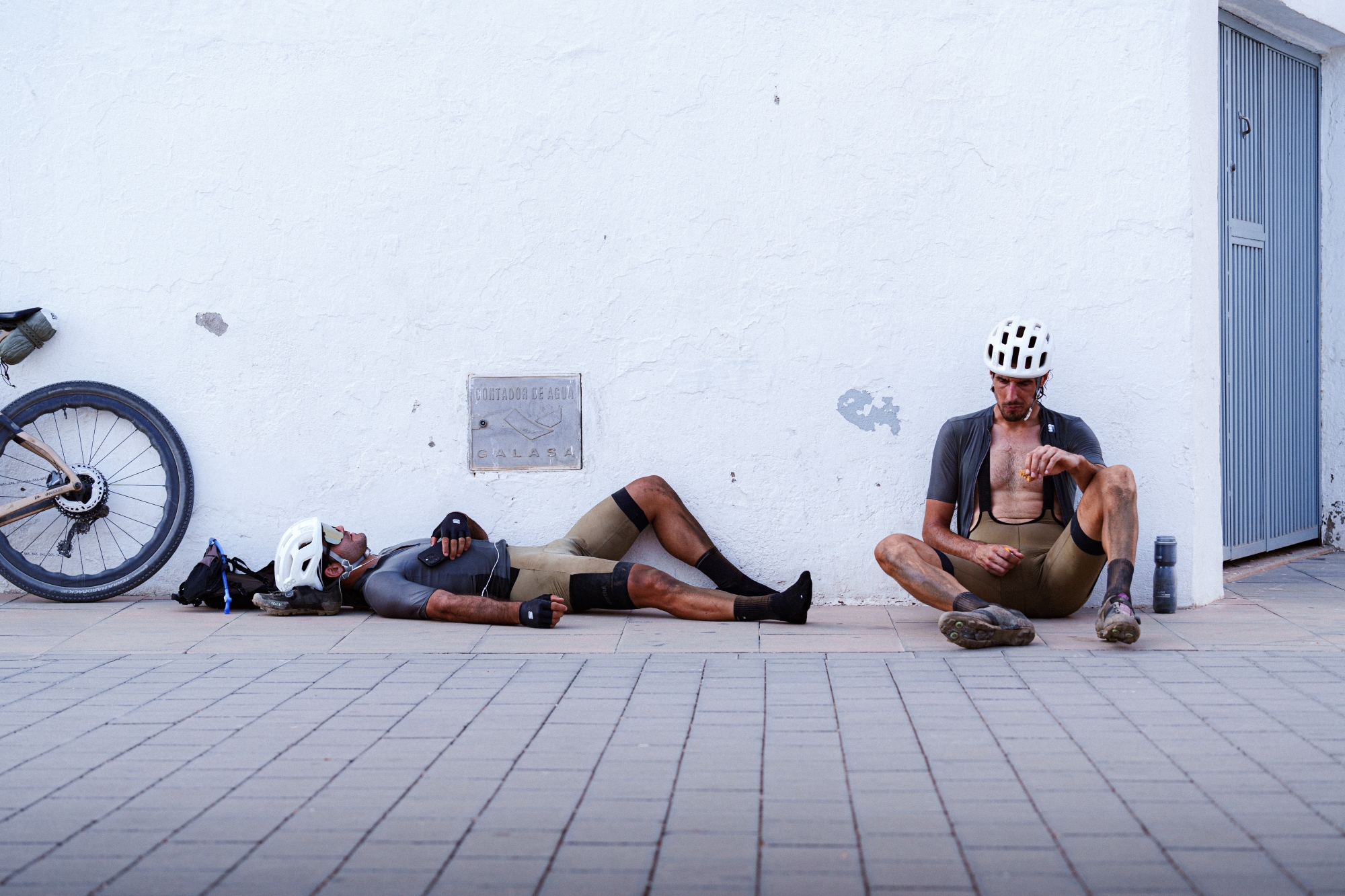
Sin duda, a parte de los 750 km y los 15.000 m de desnivel de la ruta, uno de los mayores protagonistas de esta edición ha sido el clima. Las altas temperaturas que se han alcanzado durante las horas más críticas del día han sido uno de los mayores rivales con los que los corredores han tenido que luchar. La carrera que circula por algunos de los lugares más áridos y calurosos de Granada y Almería (como la Hoya de Guadix, el Desierto de Gorafe o el de Tabernas), ha azotado fuertemente a los participantes obligándolos a combatir el calor como buenamente han podido para evitar insolaciones, deshidrataciones y golpes de calor.


Una de las recomendaciones oficiales de la organización es que eviten a toda costa quedarse sin agua durante la carrera y que tengan en cuenta la gran distancia que en ocasiones hay entre pueblos, además de las pocas fuentes que hay en algunas zonas concretas. A pesar de las advertencias, hubo quién no tuvo más remedio que ponerse a salvo, retirarse, y evitar que la situación se complicara.
Otro de los aspectos a tener en cuenta han sido los cambios en el recorrido con respecto al año anterior. Debido a la falta de obtención de permisos para poder escalar el pico Veleta, la organización ha tenido que modificar algunas partes del track original. Por un lado, se ha alargado el bucle que se realiza por el desierto de Gorafe, pasando de los 30 km originales a un total de 100 km, lo que supone mayor exposición a las altas temperaturas para los corredores. La ascensión al Observatorio del Calar Alto y el descenso a Gérgal, también han sufrido alguna variación, pero siempre con la intención de mejorar el recorrido. Por último, pero no menos importante, la meta ha dejado de estar en la capital granadina y ha pasado a estar situada en Capileira, en el entorno natural de la Alpujarra. Un pueblo muy pintoresco pero que, desafortunadamente, queda algo lejos de Granada y lo que supone una complicación para los corredores a la hora de regresar al punto de partida.


Antes de terminar con este repaso general de esta edición 2021, nos gustaría también destacar el aumento de participantes, pero, sobre todo, el incremento sustancial de presencia femenina. Da gusto ver cómo, poco a poco, más chicas deciden embarcarse en retos como este y consiguen reivindicar que el ciclismo femenino a todos los niveles no es algo casual.
Después de la gran repercusión que tuvo Badlands en su primer año, en esta edición hemos podido disfrutar de una amplia lista de participantes entre los que se encontraban nombres tan relevantes dentro del mundo del ultra ciclismo como por ejemplo: Ulrich Bartholmoes (reciente ganador de la Transiberica), Sofiane Sehili (reciente ganador de la Silk Road Mountain Race), Mattia de Marchi, Olivia Dillon, Christian Meier, o Alistair Brownlee (dos veces oro olímpico y varias veces campeón del mundo en su disciplina), entre muchos otros.


Desde el primer minuto de carrera, vimos como un selecto grupo de 10 o 15 corredores que imponía un gran ritmo y rompía el pelotón en pedacitos. La mayoría de los que capitaneaban el grupo era la primera vez que corrían en Badlands y, pese a las advertencias, hicieron caso omiso y siguieron “gastando balas”.
Llegaron al primer punto de control en Gorafe, el pueblo que da nombre al primer desierto, con una ventaja de 40 minutos con respecto al ganador de la anterior edición (Lachlan Morton). En este pequeño pueblo se suele hacer una parada para repostar, comer algo y rellenar todos los bidones de agua antes de adentrarnos en una de las primeras zonas clave de la carrera. Una vez allí, los 5 o 6 de cabeza de carrera empezaron a desmarcarse el uno del otro y pequeñas distancias empezaron a aparecer.


La primera noche fue clave. Los cuatro que habían conseguido resistir (Mattia de Marchi, Ulrich Bartholmoes, Sule Kangangi, y Janosch Wintermantel) optaron por no descansar trás dejar el desierto atrás y continuaron su camino hacía Gérgal. Una decisión que parece un suicidio pero que, visto con perspectiva, es un gran acierto. El hacer el esfuerzo de continuar pedaleando durante la noche te permite, por una parte avanzar con un clima más agradable y, por otro, ganarle tiempo a tus adversarios y, lo más importante, al sol. ¿Qué queremos decir con esto? Pues bien, nos referimos a que los primeros de carrera consiguieron alcanzar la cima del Observatorio del Calar Alto, descender hasta Gérgal, y comenzar la travesía por el desierto de Tabernas con una temperatura aún aceptable y evitando sufrir el azote de las altas temperaturas.
Mattia de Marchi, una vez que consiguió abrir hueco con sus perseguidores, no miró atrás ni un solo instante y siguió pedaleando como un animal kilómetro tras kilómetro. Aún llevando más de horas de ventaja sobre el corredor más cercano, hay cámaras que confirman que lo vieron corriendo a través de los bancos de arena situados en las cercanías de Almería, dejando claro que no regalaría ni un segundo a sus rivales.


Cuarenta y cinco horas después del pistoletazo de salida y habiendo dormido apenas 10 minutos, Mattia cruzaba la línea de meta situada en Capileira y se declaraba ganador de la edición 2021 de Badlands. Trás él, y con una diferencia de cuatro horas, llegaba Ulrich y Janosch, quién reconoció que se quedó sin Wahoo a mitad de la carrera y tuvo que continuar la navegación por la ruta con Komoot offline y usando los auriculares para atender a las indicaciones. Absolutamente de locos.
En cuanto a las chicas, vimos a una Sally McHugh muy fuerte en la primera parte de carrera pero que, desafortunadamente, tuvo que abandonar por un dolor importante en la rodilla. Por otro lado, vimos a Olivia Dillon (una de las grandes favoritas), sufriendo mucho el calor y la dureza del recorrido a pesar de su experiencia en carreras de este tipo y su gran estado de forma. Pero la victoria fue para la Dra. Marion Dziwnik quién puso su ritmo desde el primer momento de carrera y supo mantener viva la distancia que consiguió con respecto al resto de féminas para finalmente llegar a meta en un tiempo de 3 días y 7 horas.


Más allá de los resultados y del tiempo empleado, queremos felicitar enormemente a todos aquellos que han logrado finalizar una carrera como esta, habiendo superado todas las dificultades habidas y por haber y ganándole la partida a una climatología que jugaba en contra. Solo nos queda decir: ¡Bravo y a por más!

Es el motor y el combustible de todos los proyectos que crea, desarrolla y finaliza. Toni es cofundador del magazine, y es metódico y trabajador como ninguno, parece tener una extraña adicción a implicarse en proyectos ciclistas. He is the engine and the fuel of each of the projects he creates, develops, and completes. Toni is the co-founder of the magazine, he is methodical and worker as few, and he seems to have a strange addiction to being involved in cycling projects. View all posts by Toni de la Torre
If we have learned something in recent years it is that, in gravel endurance races, distance and elevation gain are not the most decisive factors in determining the difficulty of the event. If by any chance you make the mistake of clinging to these values to get an idea of how hard your race is going to be, we can assure you that you are making a big mistake.
From our point of view, and from that of the majority of people who have participated in challenges of this caliber, we consider that the terrain through which each segment of the track passes through will be the true factor that will determine how much you struggle in an event of this nature.
It is very common that in your first ultra-distance experience with a gravel bike, you make the mistake of looking at the track and saying to yourself “well, now there is a climb, but it is only 4 kilometers …”. Well, that short distance that on any other occasion could be only a few minutes of ascent, if the terrain is rugged and technical, reaching the top can end up becoming a real odyssey (and even more, if you have spent a lot of hours pedaling, with accumulated fatigue, and a considerable lack of sleep in the body).
The reason why we make this point is because during this edition of Badlands 2021, we have seen in the first person quite a few dropouts and a large number of riders surprised by the toughness of the race, and most likely, at some point, they underestimated it.
Without a doubt, aside from the 750 km and 15.000 m of elevation gain of the route, one of the main protagonists of this edition was the weather. The high temperatures that were reached during the most critical hours of the day were one of the biggest rivals against which the riders had to fight. The race that runs through some of the driest and hottest places in Granada and Almería (such as the Hoya de Guadix, the Gorafe Desert, or the Tabernas Desert), hit the participants hard, forcing them to fight against the heat as well as they could to avoid an eventful sunstroke, dehydration, or heat stroke.
One of the official recommendations of the organization was to avoid at all costs running out of water during the race and to take into account the great distance that sometimes existed between towns, in addition to the few water sources in some specific areas. Despite the warnings, there were those who had no choice but to get to safety, drop out, and prevent the situation from getting more complicated.
Another aspect to take into account was the changes in the route with respect to the previous year. Due to non-obtained permits to climb the Veleta peak, the organization had to modify some parts of the original track. On the one hand, the loop that runs through the Gorafe desert was lengthened, going from the original 30 km to a total of 100 km, which meant greater exposure to high temperatures for the participants. On the other, the ascent to the Calar Alto Observatory and the descent to Gérgal also underwent some variations, but always with the intention of improving the route. Last but not least, the finish line was no longer in the capital of Granada and was moved to Capileira, in the natural park of the Alpujarra. A very picturesque town but, unfortunately, somewhat far from Granada, which could be a burden for the riders when trying to return to the starting point.
Before ending this general review of this 2021 edition, we would also like to highlight the increase in participants, but, above all, the substantial increase in female riders. It is nice to see how, little by little, more girls decide to embark on challenges like this and manage to claim that women’s cycling at all levels is not something casual.
After the great repercussion that Badlands had after its first edition, this year we were able to enjoy a phenomenal startlist among which we can find renowned ultracyclists like Ulrich Bartholmoes (recent winner of the Transiberica), Sofiane Sehili (recent winner of the Silk Road Mountain Race), Mattia de Marchi, Olivia Dillon, Christian Meier, or Alistair Brownlee (twice Olympic gold and several times world champion in his discipline), among many others.
From the first minute of the race, we saw a select group of 10 to 15 runners setting a hard pace that shattered the peloton into little pieces. For most of those who captained the group, it was their first time racing Badlands and despite the warnings, they ignored it and continued to push the pace.
They reached the first checkpoint in Gorafe, the town that gives its name to the first desert, with a 40-minute lead over the winner of the previous edition (Lachlan Morton). In this small town, a stop is usually made to refuel, eat something, and refill all the water bottles before entering one of the first key points of the race. Once there, the 5-6 riders at the head of the race began to distance themselves from each other and small distances began to appear.
The first night was key. The four who had managed to resist (Mattia de Marchi, Ulrich Bartholmoes, Sule Kangangi, and Janosch Wintermantel) chose not to rest after leaving the desert behind and continued on their way to Gérgal. A decision that seems like suicide but that, seen from an ultraracing perspective, was a great success. Making the effort to continue pedaling at night allows you, on the one hand, to move forward in a more pleasant climate and, on the other, to gain time from your opponents and, most importantly, from the sun. What do we mean by this? Well, the leaders of the race managed to reach the top of the Calar Alto Observatory, descend to Gérgal, and begin the journey through the Tabernas desert with a still acceptable temperature and avoiding the scourge of high temperatures.
Mattia de Marchi, once he managed to open a gap to his pursuers, did not look back for a single moment and continued pedaling like an animal kilometer after kilometer. Still, with a lead of several hours over the second rider, there are cameras that can testify that he was running through the sandbanks located in the vicinity of Almería, making it clear that he would not give a single second for granted to his rivals.
Forty-five hours after the start and having only slept 10 minutes, Mattia crossed the finish line located in Capileira and claimed the victory as the winner of the 2021 edition of Badlands. Behind him, and with a difference of four hours, Ulrich and Janosch arrived, who acknowledged that he ran out of Wahoo in the middle of the race and had to continue navigating the route with Komoot offline and using headphones to follow the directions. Absolutely insane.
As for the girls, we saw a very strong Sally McHugh in the first part of the race but, unfortunately, she had to leave due to significant pain in her knee. On the other side, we saw Olivia Dillon (one of the big favorites), suffering a lot from the heat and the harshness of the course despite her experience in races of this type and her great form. The victory went to Dr. Marion Dziwnik who set her pace from the first moment of the race and knew how to maintain the gap she established with respect to the rest of the women to finally reach the finish line in a time of 3 days and 7 hours.
Beyond the results and the time spent, we want to congratulate all those who managed to finish a race like this one, having overcome all the difficulties that occurred and for having won the game against a harsh and hot climate. We can only say: Bravo and keep it on!
Es el motor y el combustible de todos los proyectos que crea, desarrolla y finaliza. Toni es cofundador del magazine, y es metódico y trabajador como ninguno, parece tener una extraña adicción a implicarse en proyectos ciclistas. He is the engine and the fuel of each of the projects he creates, develops, and completes. Toni is the co-founder of the magazine, he is methodical and worker as few, and he seems to have a strange addiction to being involved in cycling projects. View all posts by Toni de la Torre
 Javi Angulo
 Javi Angulo
 Javi Angulo
 Javi Angulo
 Javi Angulo
 Javi Angulo
 Pavel Novotný
 Pavel Novotný
 Javi Angulo
 Javi Angulo
 Juliana Reis
 Javi Angulo
Receive our monthly selection of the best articles, news, exclusive content and giveaways only for subscribers, subscribe to OUR NEWSLETTER
Receive our monthly selection of the best articles, news, exclusive content and giveaways only for subscribers, subscribe to OUR NEWSLETTER
Receive our monthly selection of the best articles, news, exclusive content and giveaways only for subscribers, subscribe to OUR NEWSLETTER
Receive our monthly selection of the best articles, news, exclusive content and giveaways only for subscribers, subscribe to OUR NEWSLETTER