- News
- Reviews
- Travel & Adventure
- Interviews
- Inside Industry Players
- Community
Bikes
Reviews
Components
Reviews
Cycling
Apparel



[raw_mobile_menu]
[wpml_language_switcher_down]

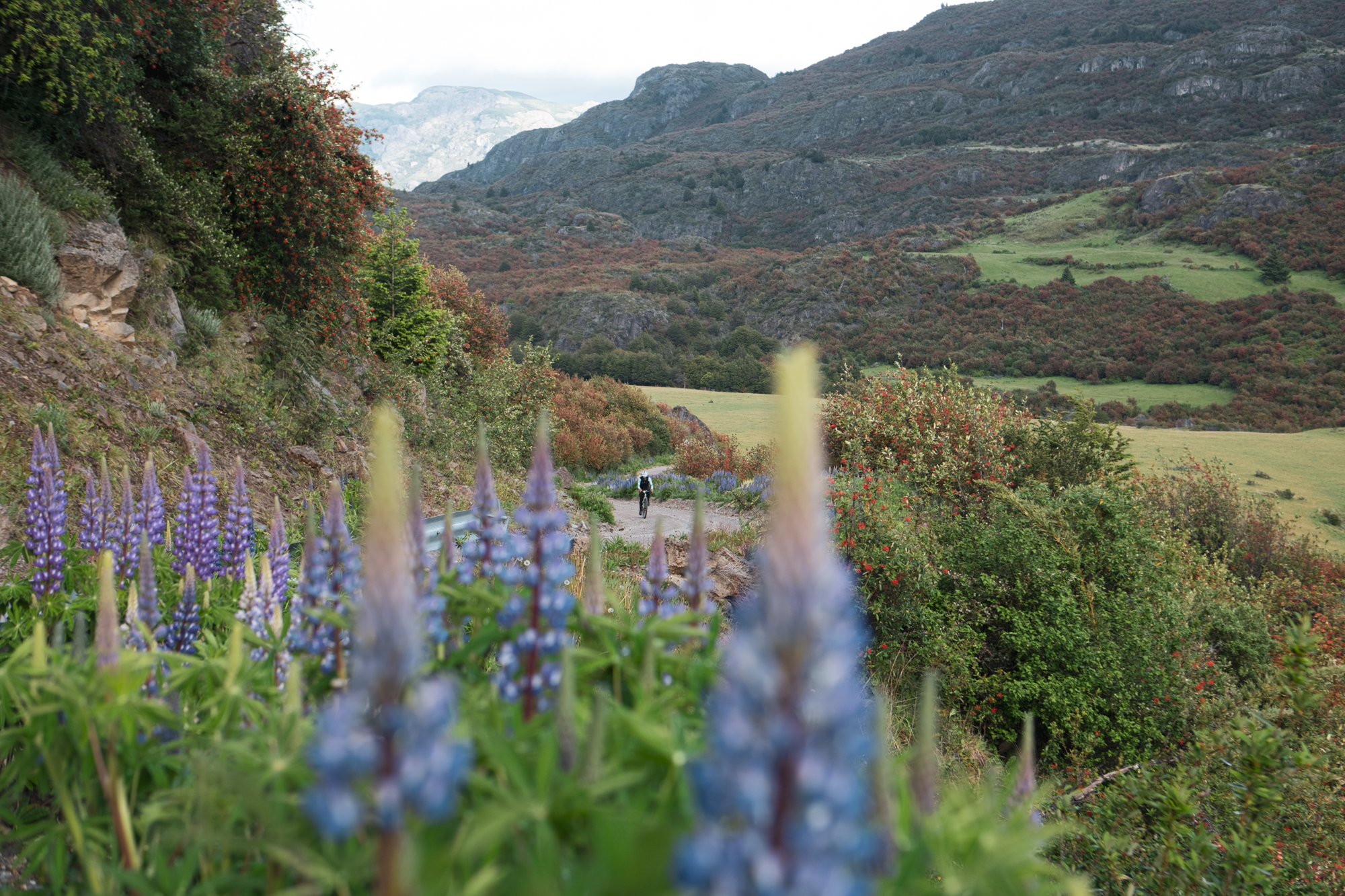
After following Across Andes from home in 2022 and 2023, this year, we made the most of a trip to America by spending a few extra days in the Chilean Patagonia Verde, where the unsupported gravel event took place. Unfortunately, we didn’t participate, but covering the race with a camera on hand was also very enjoyable.
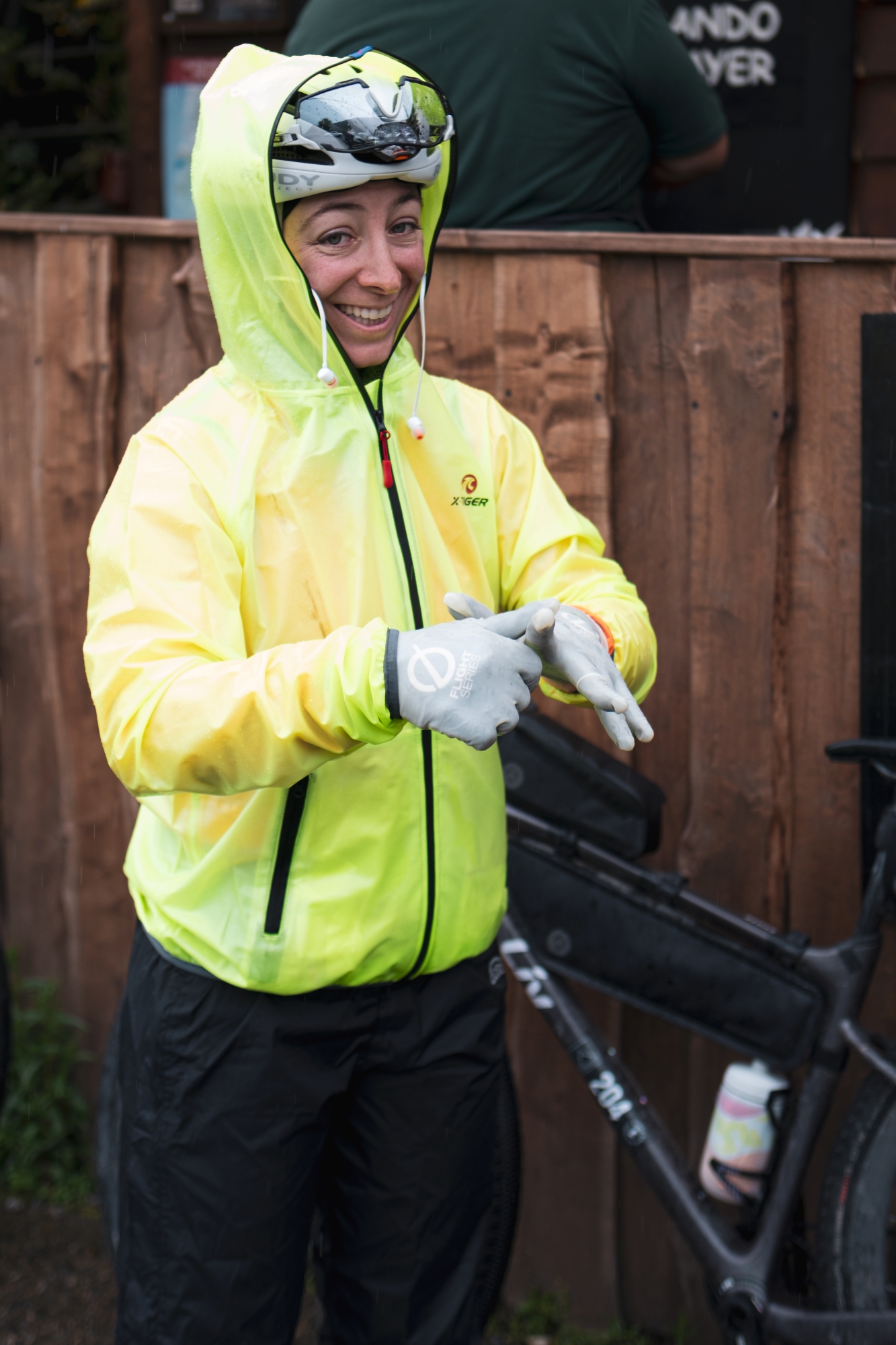
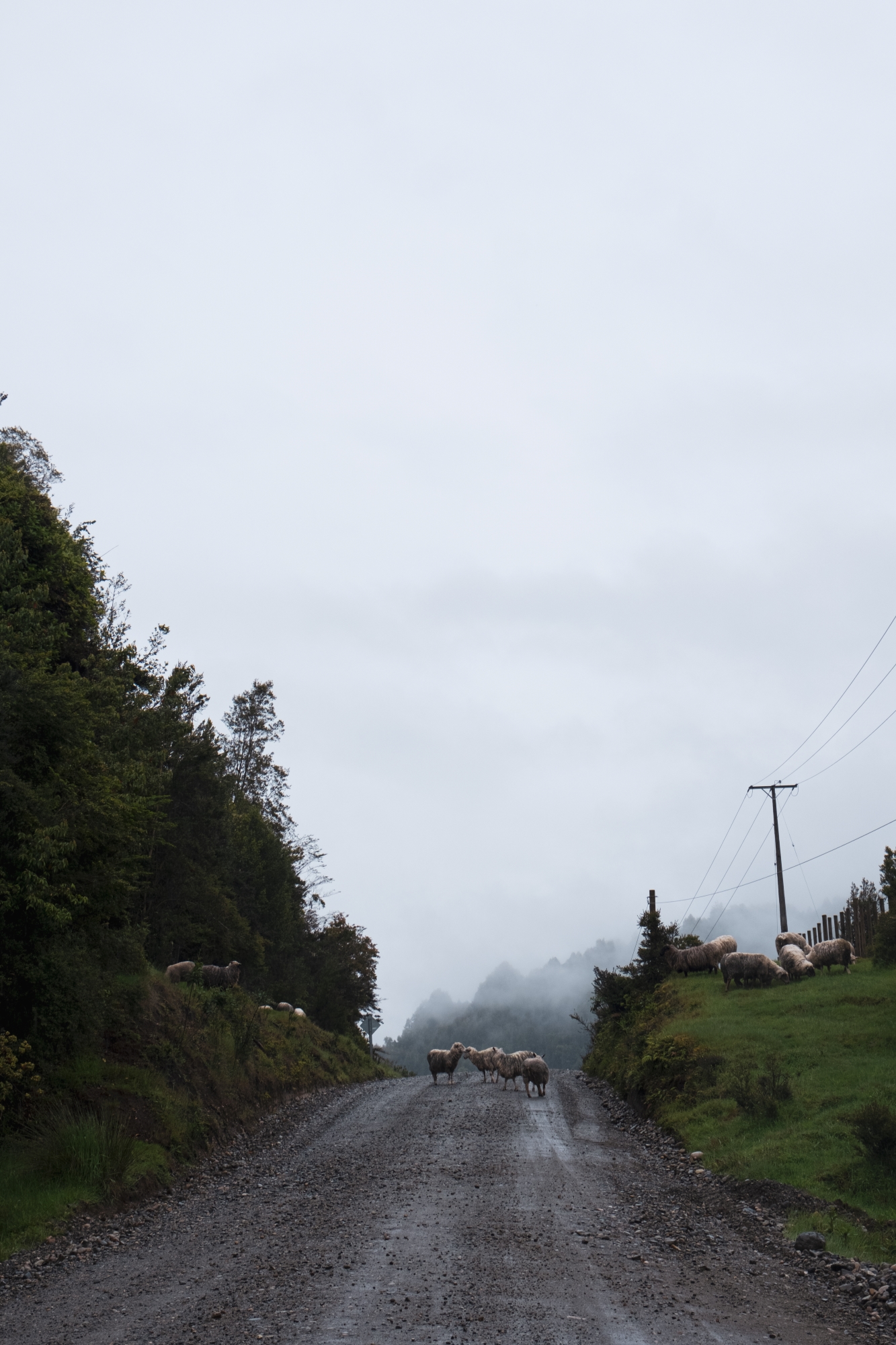
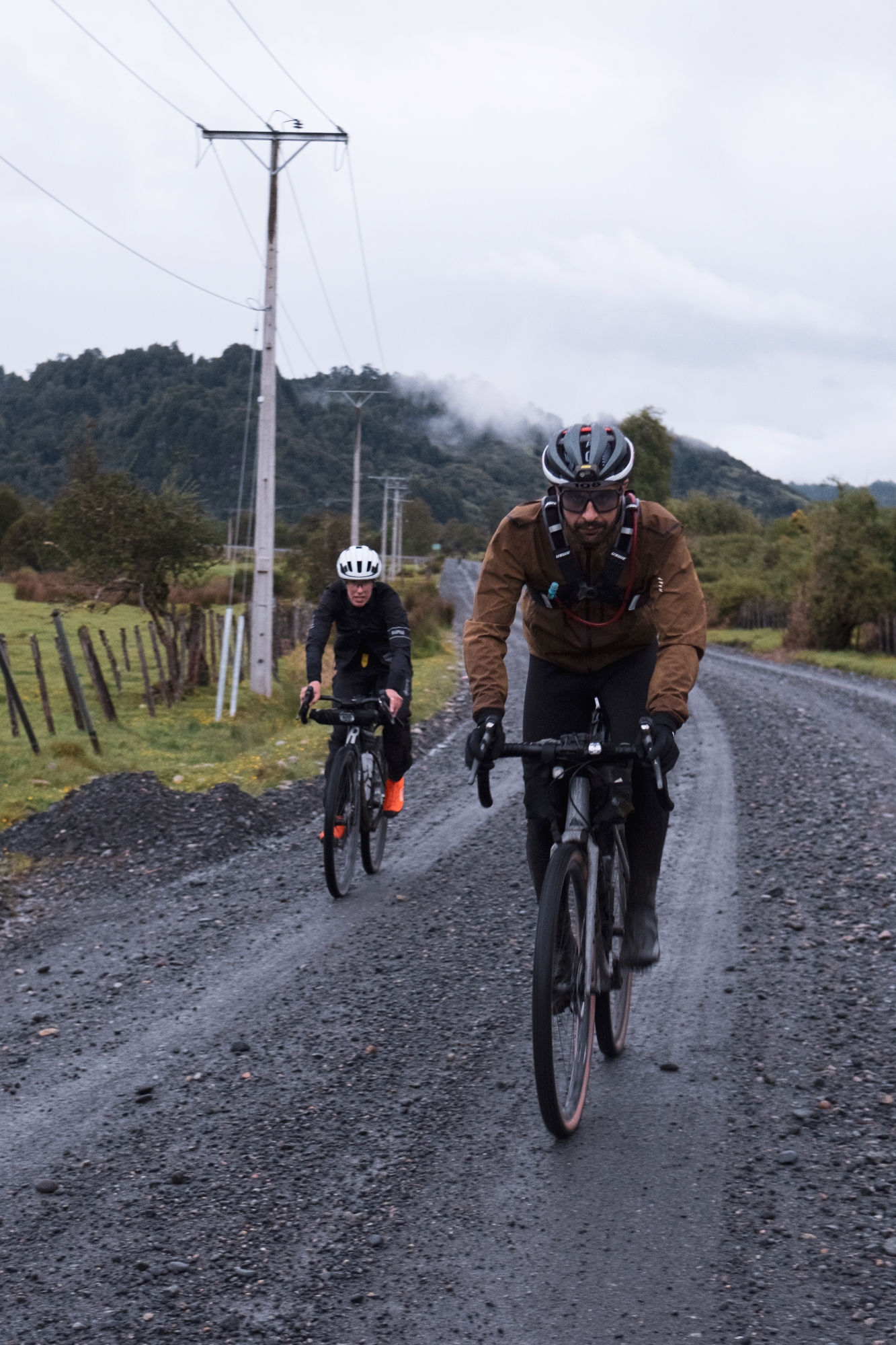
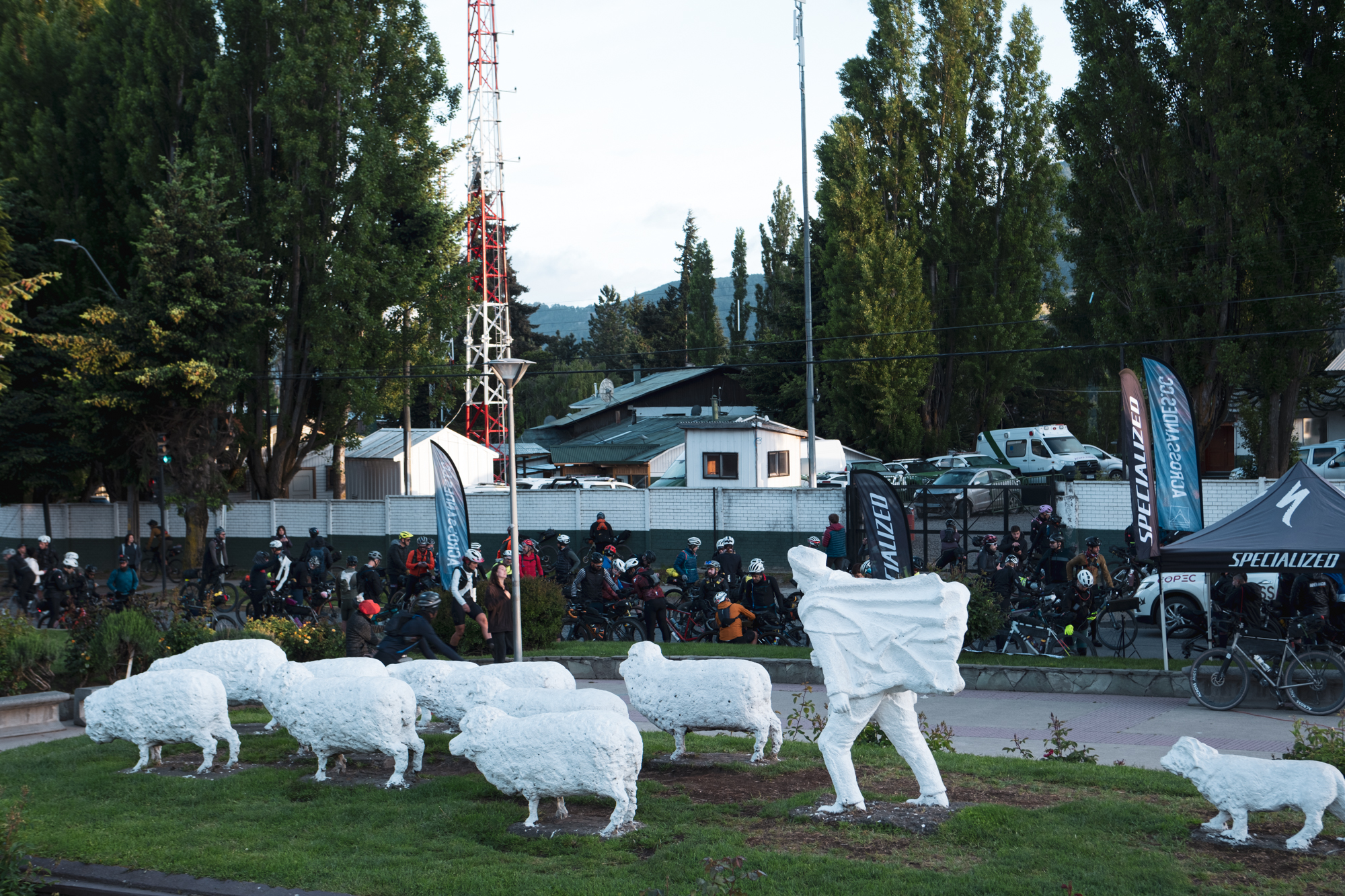
On our arrival to Coyhaique, in the Aysén region, we met Pauli and Mariano. They are the race directors of what is now one of the most coveted gravel events. The setting is difficult to beat, and additionally one could see that it is internally very well organized. They take care like no other event of both the participants—even if once the race started everyone did it in an unsupported way—and the audience following it from all over the world, which grows year on year. The crew also counted on a talented media team, volunteers for the checkpoints, and a rescue team.
The shake-out ride, the check-in procedure, the race briefing… One could feel the excitement among the 120 participants that would later start on Sunday, November 24th, at 7 AM, the 960-kilometre-long challenge along the Patagonia Verde.
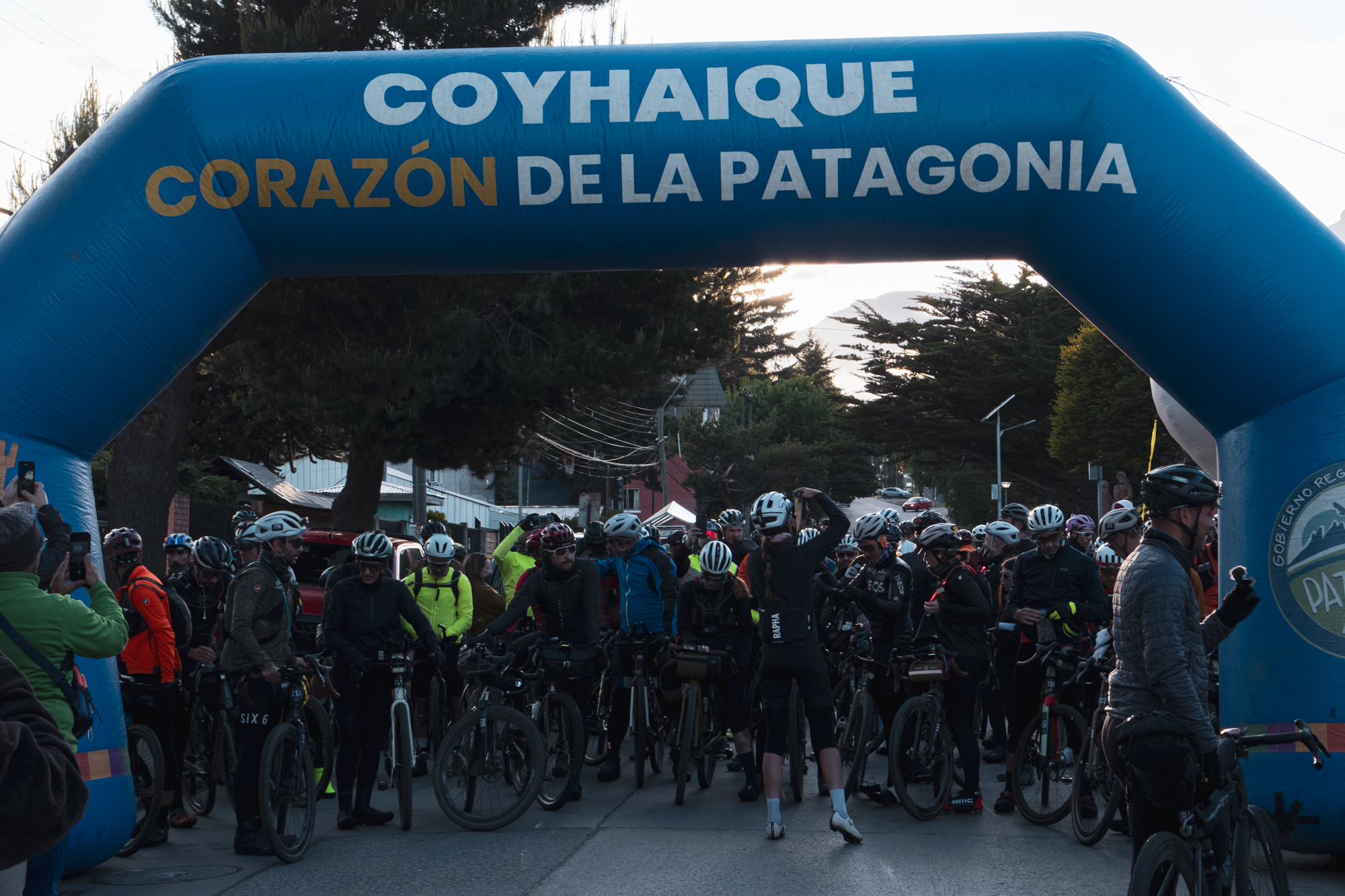
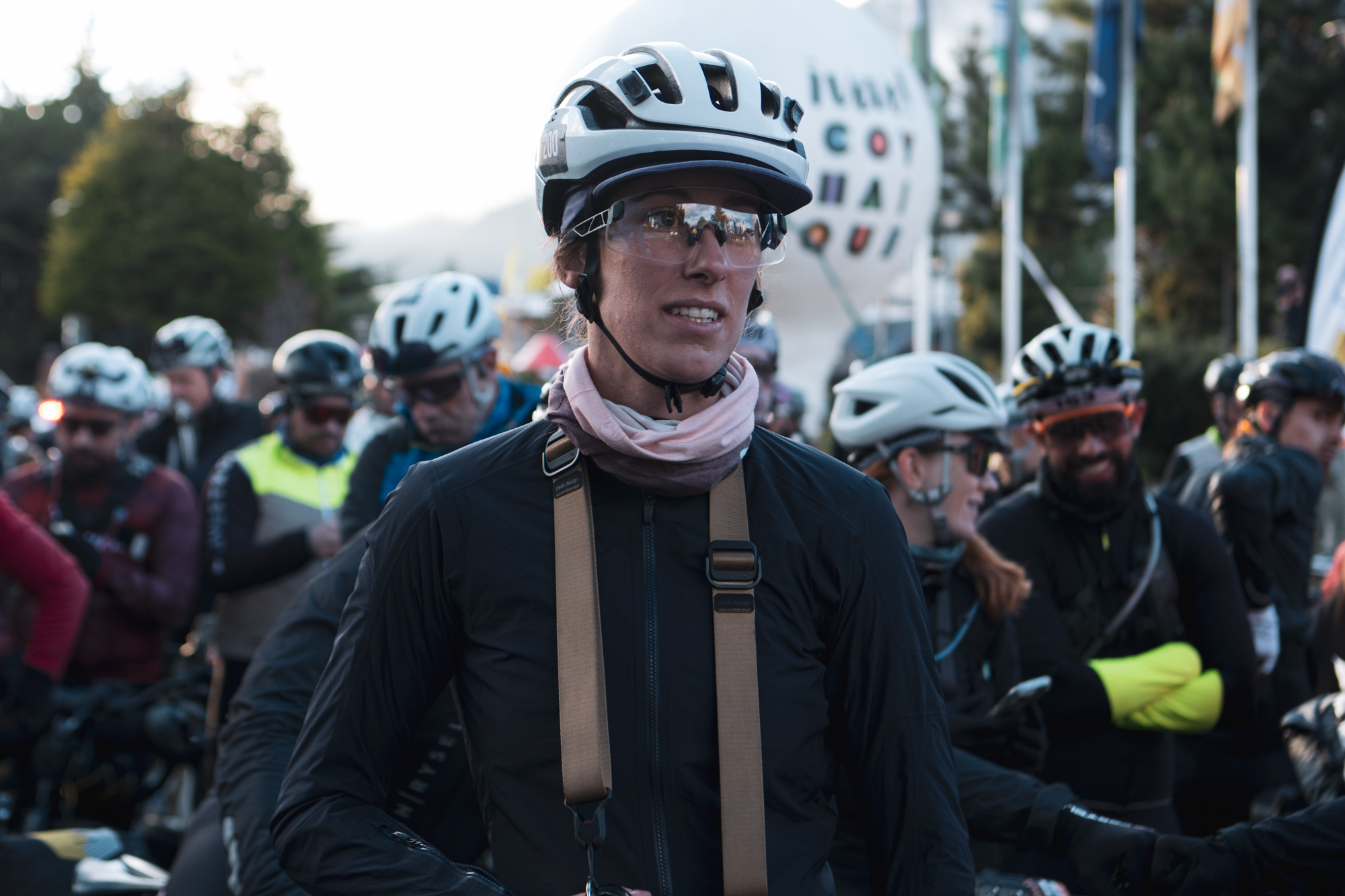
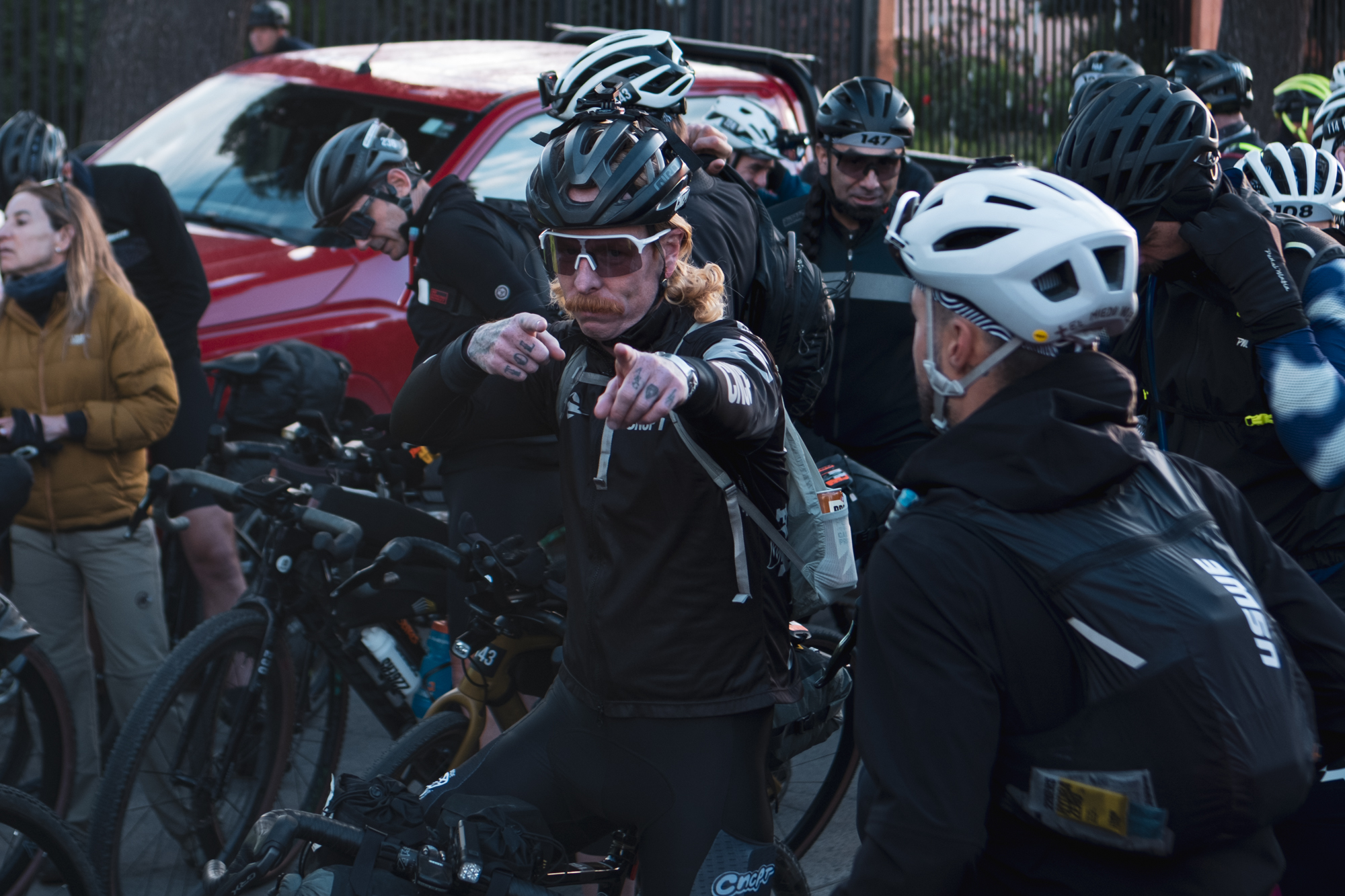
The route was similar to the 2023 edition, and the riders who took part in Across Andes for the second year in a row—there were many—were hoping to enjoy the landscapes that last year’s downpour partially truncated. All of them, including the rookies, learned the lesson, and we could see they were well prepared with latex gloves and all types of weatherproof clothing. It was cold, but everything was relative after learning that a record-breaking -21.9°C was recorded in the neighboring Balmaceda five months earlier.
The first checkpoint was 198 kilometers ahead, and the field quickly strung out. They knew it would be a long push, but they had more than five days, until November 29th at 4 pm, to complete the route. The terrain was great, and the surface was perfect for gravel bikes, with wide paths and a constant rolling terrain. It was open to traffic, but they could probably count on one hand the number of vehicles they came across outside the Carretera Austral.
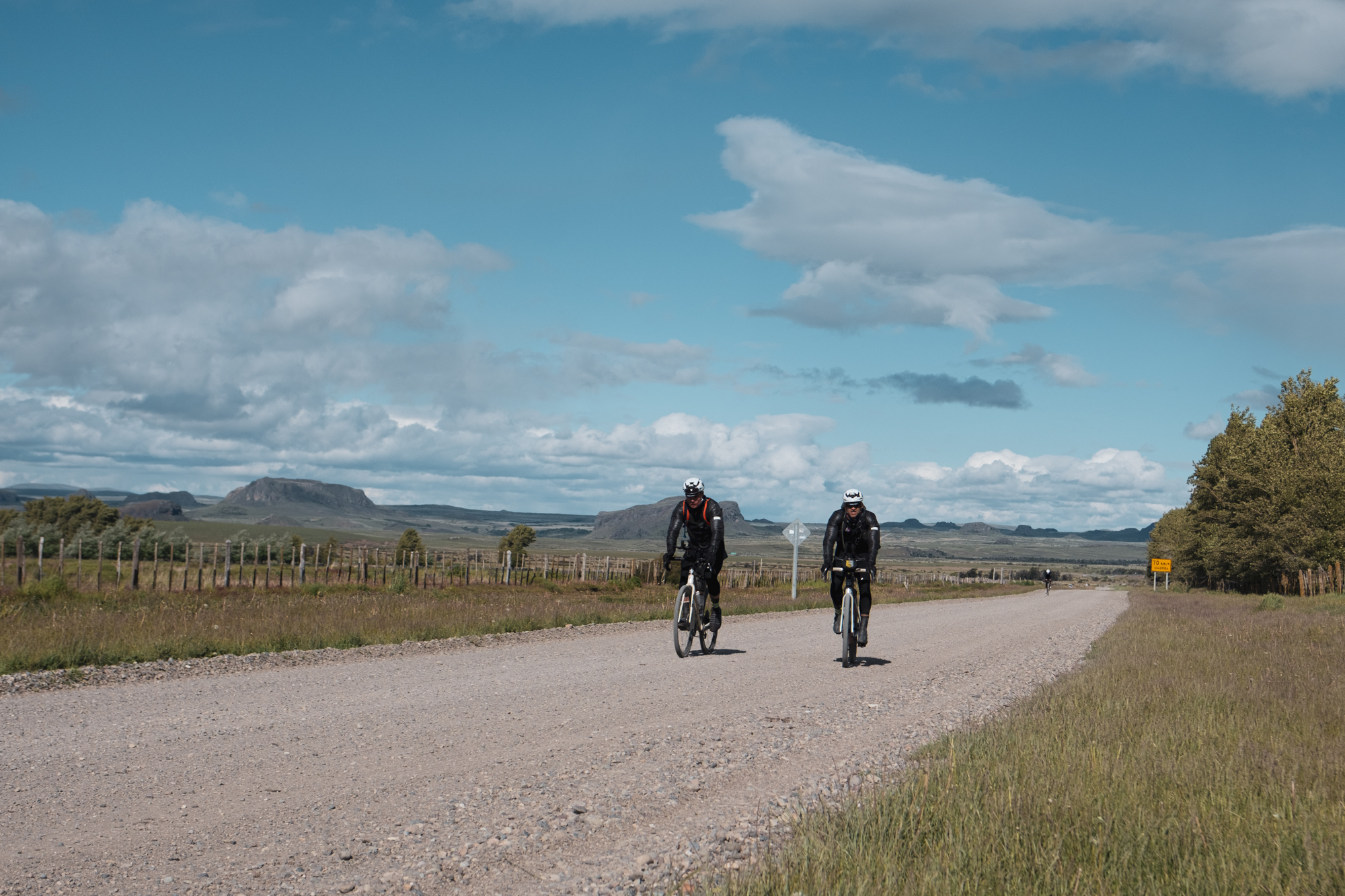
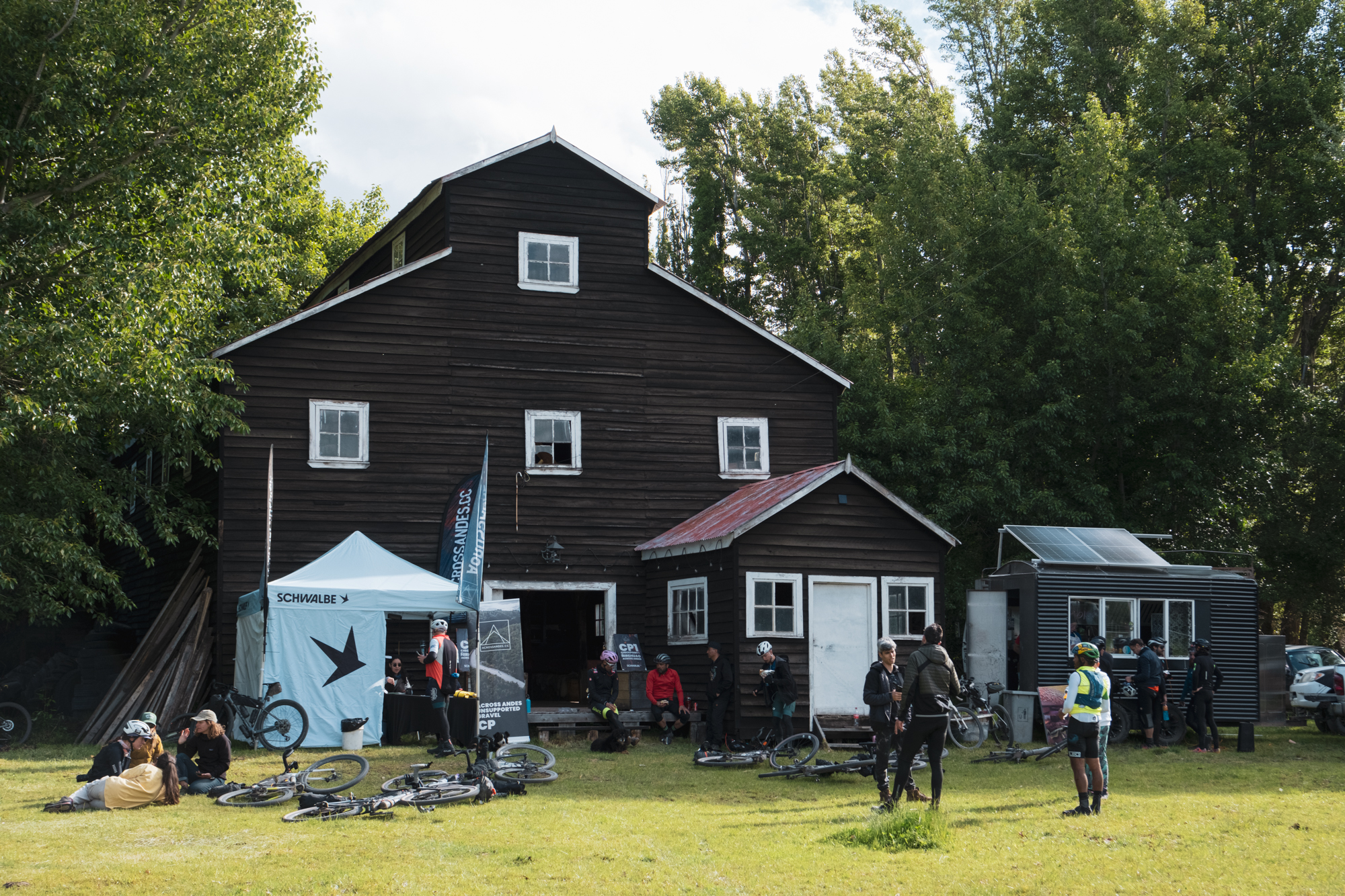
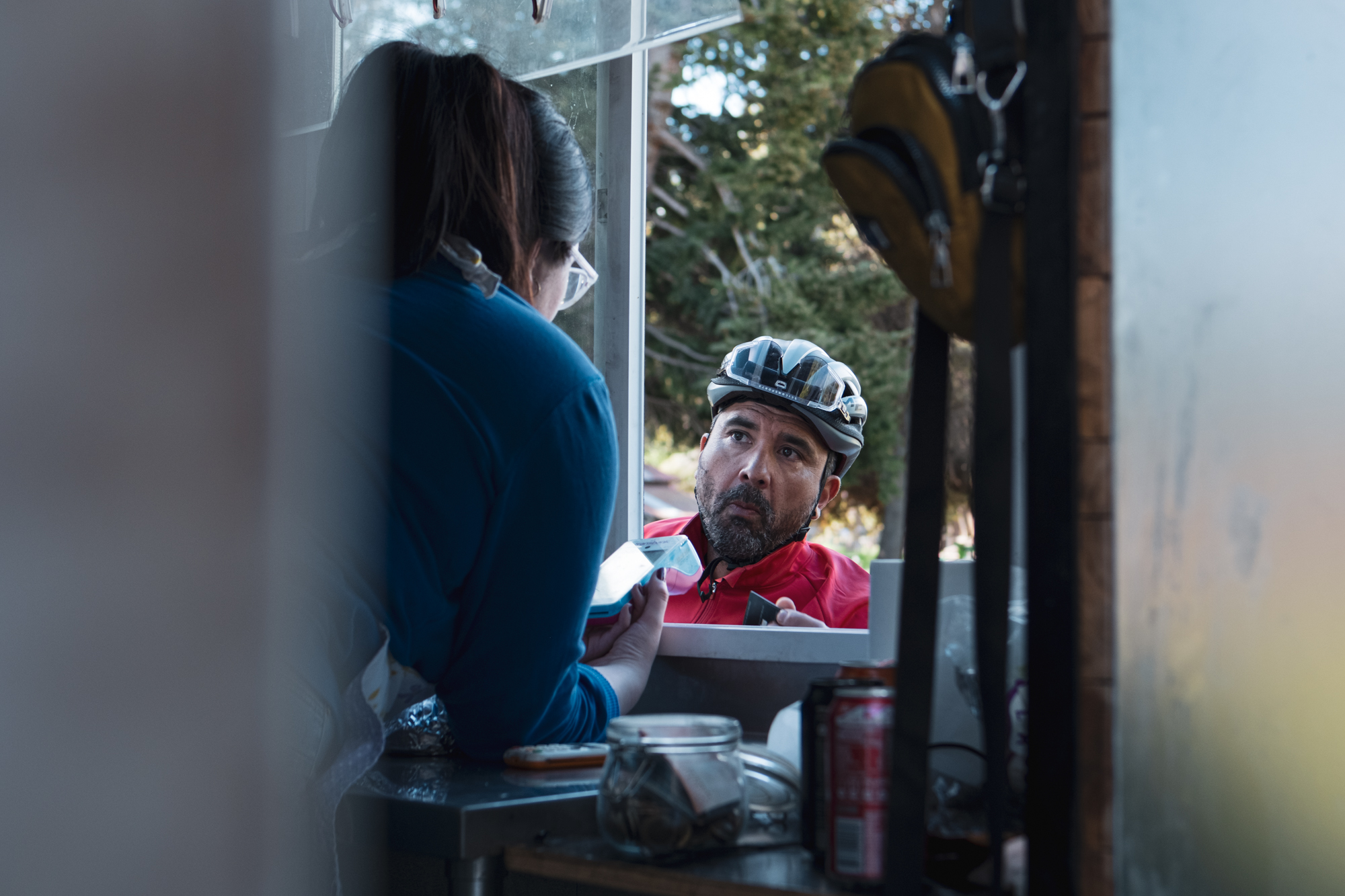
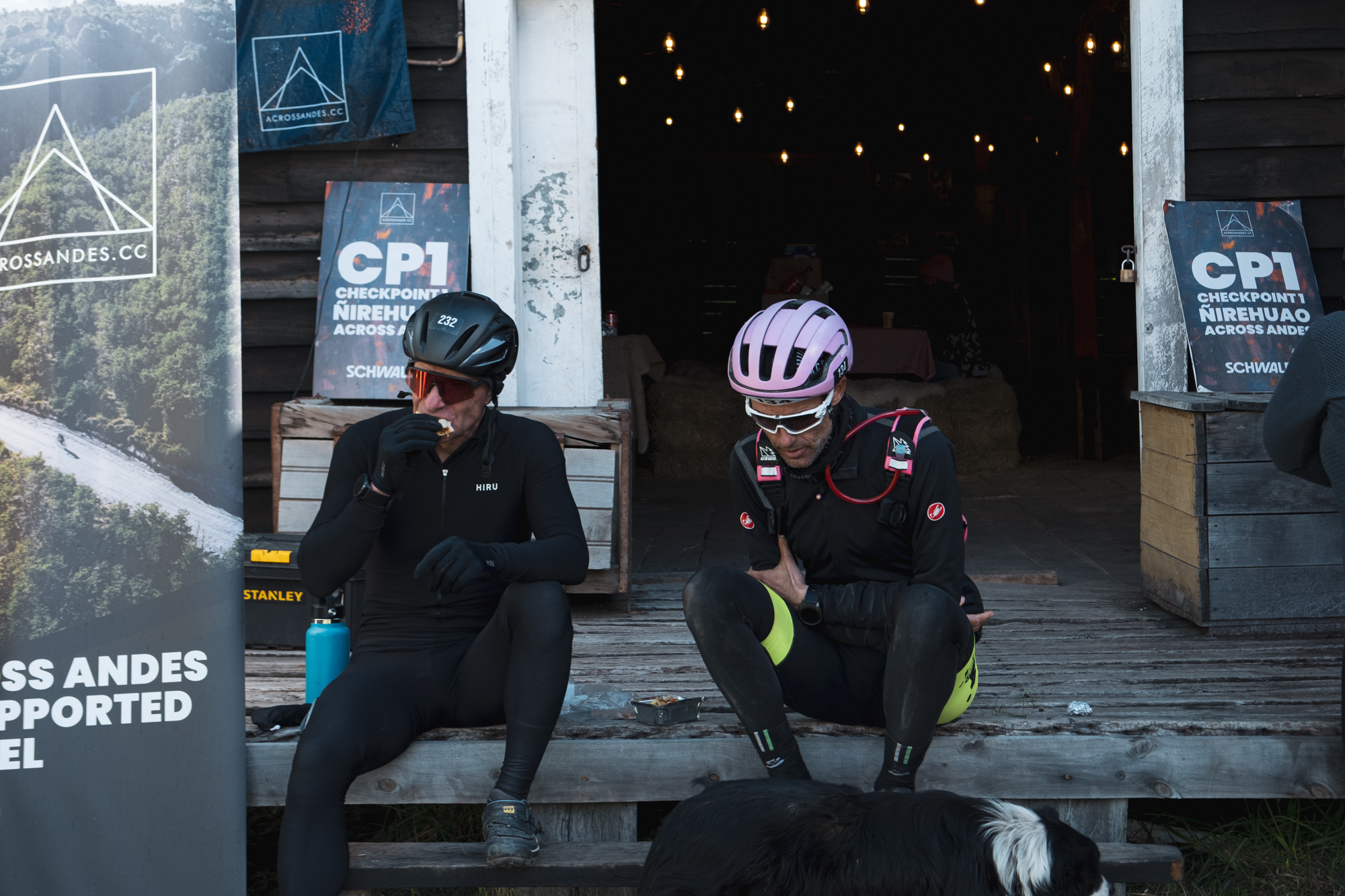
After that first anticlockwise loop, they ended in Ñireguau, where they got the first stamp in the brevet card and filled their stomachs after a long stretch with nowhere to resupply. They had just gone through a tough headwind section in an extremely exposed area at high elevation. After Checkpoint 1, they headed to el Valle de la Luna, an equally remote stretch with a particular landscape that made us stop several times with the car to appreciate what we had around us. It was our first encounter with the many-leaved lupine flowers that would add a purple touch to the remainder of the route.
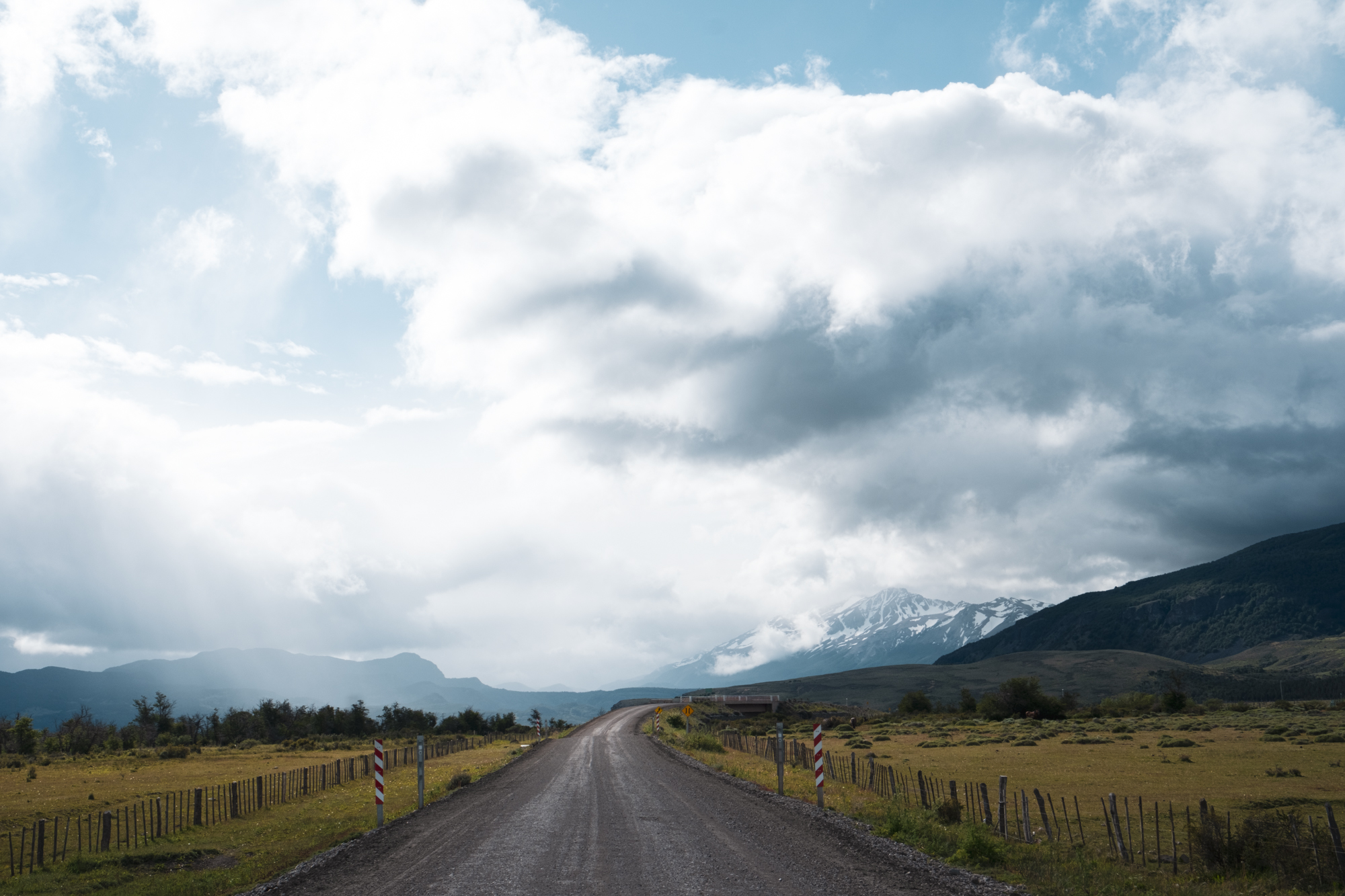
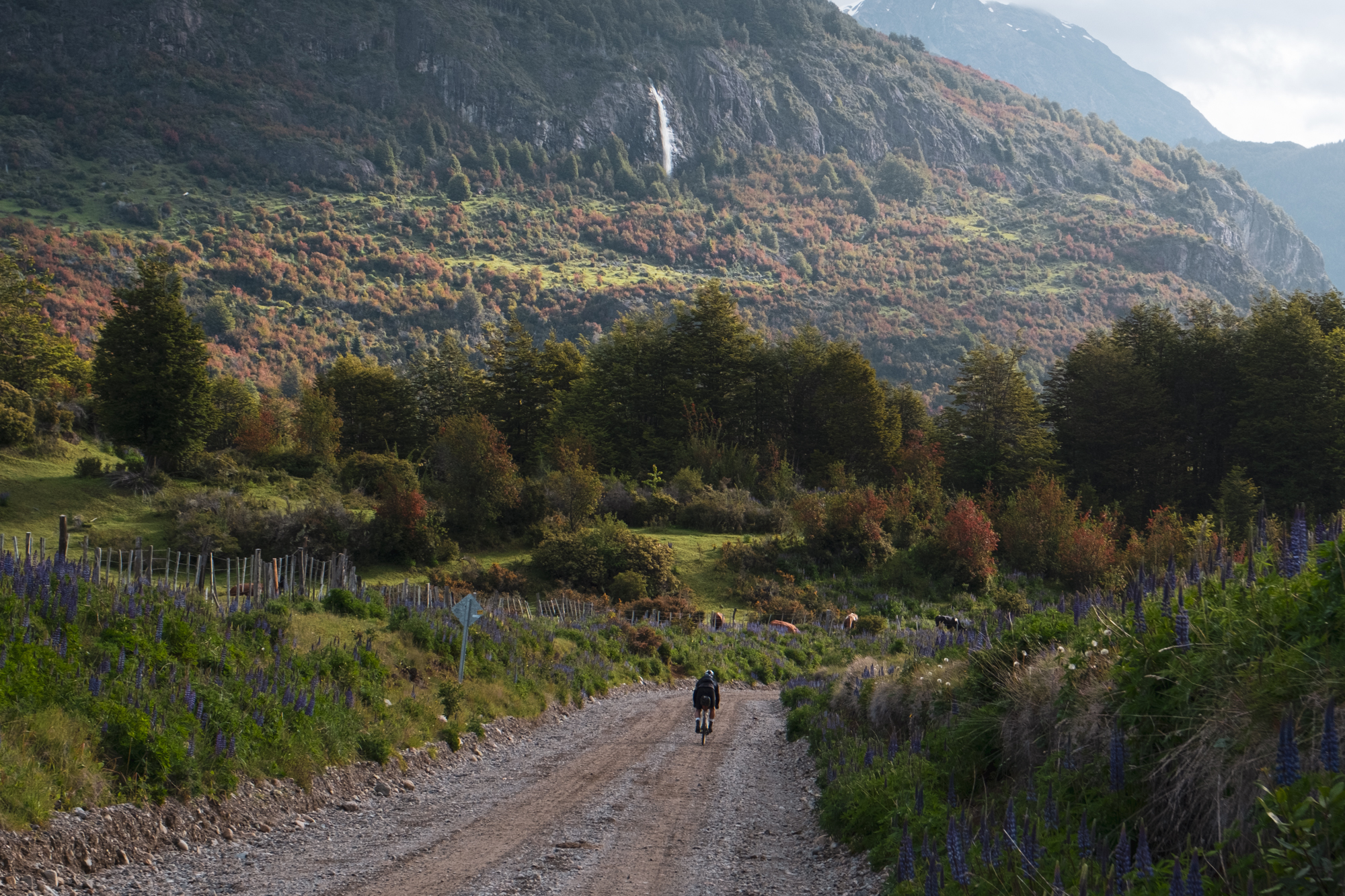
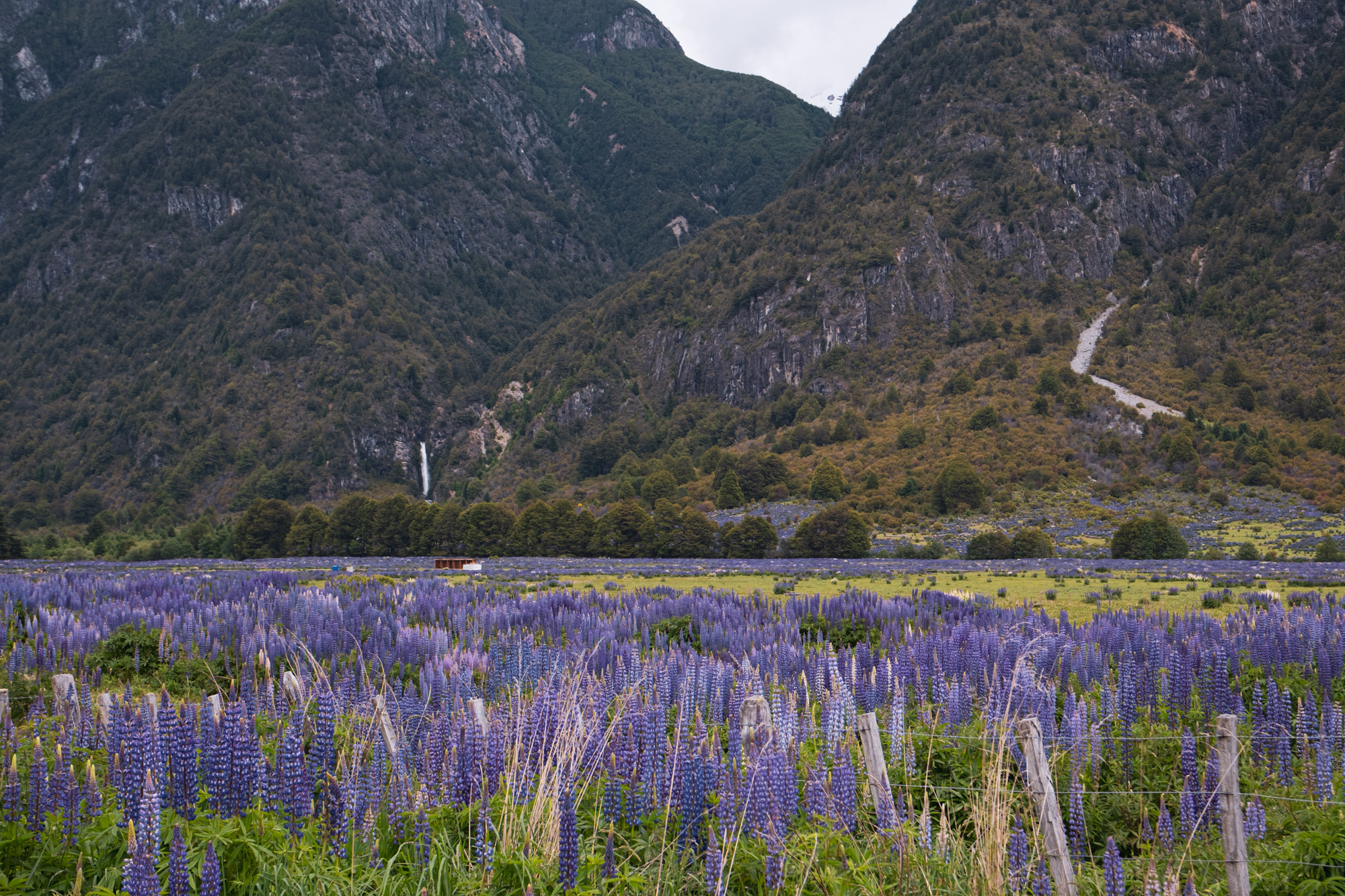
The famous Carretera Austral was the link between the checkpoints. During peak season, there are too many vehicles covering parts or the whole 1,240-long itinerary, but Across Andes takes place just before the start of summer in the southern hemisphere. The Carretera Austral featured its own highlights, with the Parque Nacional Queulat being a good example, and not all of it was paved.
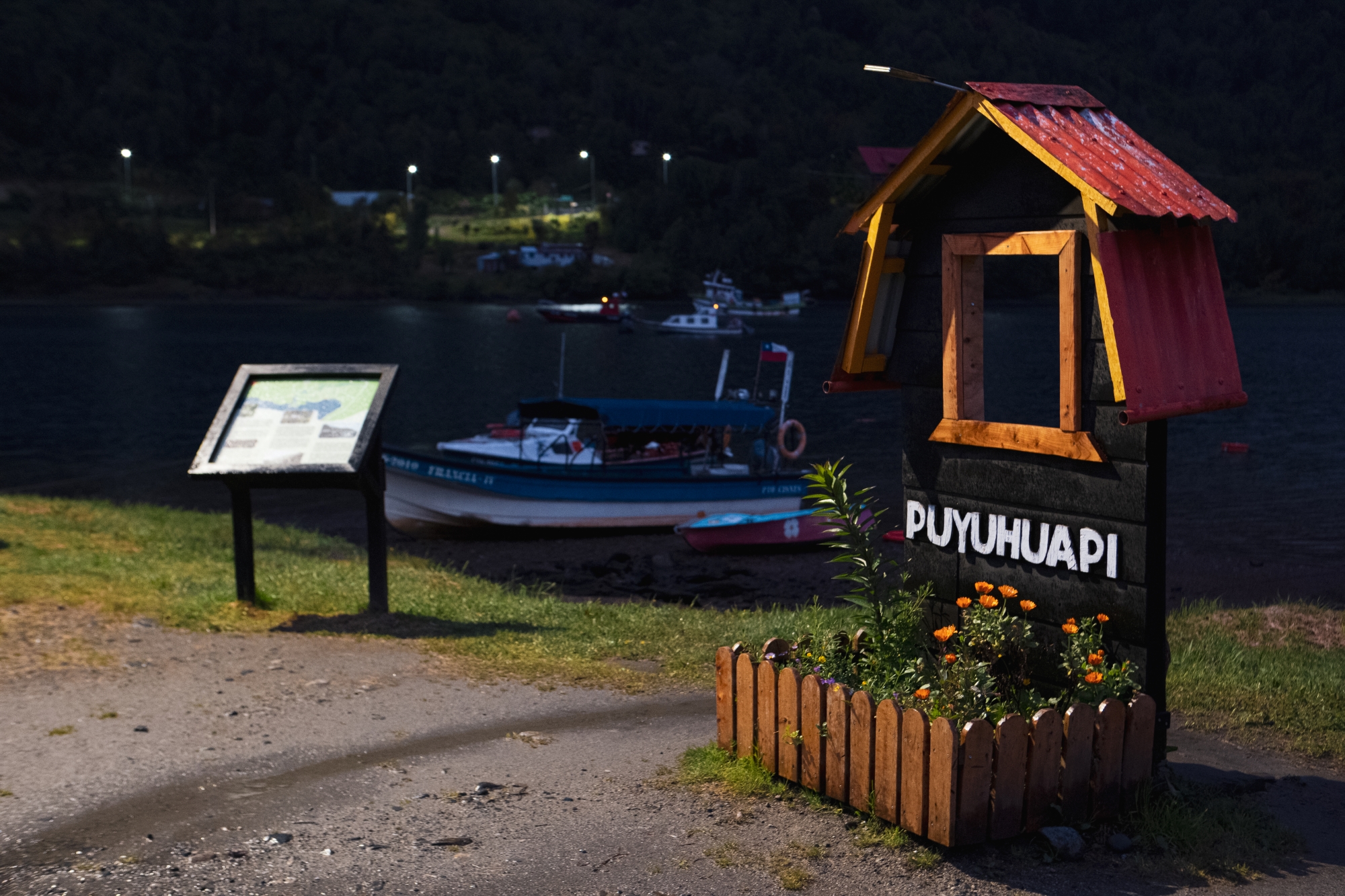
We spent the night in Puyuhuapi, a fishermen’s village located on the way to La Junta. We had overtaken all the riders, but we knew that the next morning, after waking up, we would check the tracker and see that many of them had pushed through the night. Andrés Taigle was already in the lead and on his way to a second win in a row.
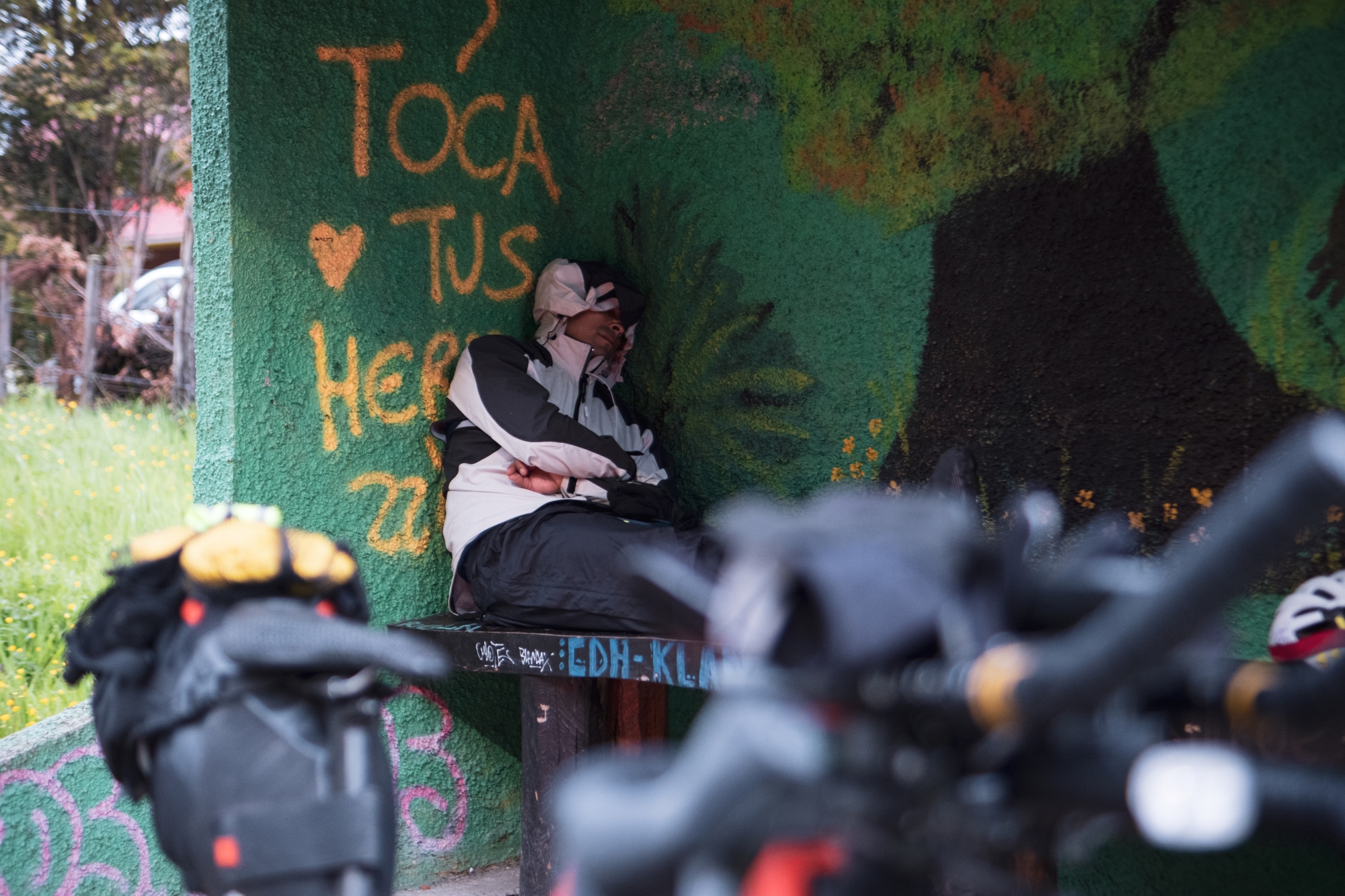
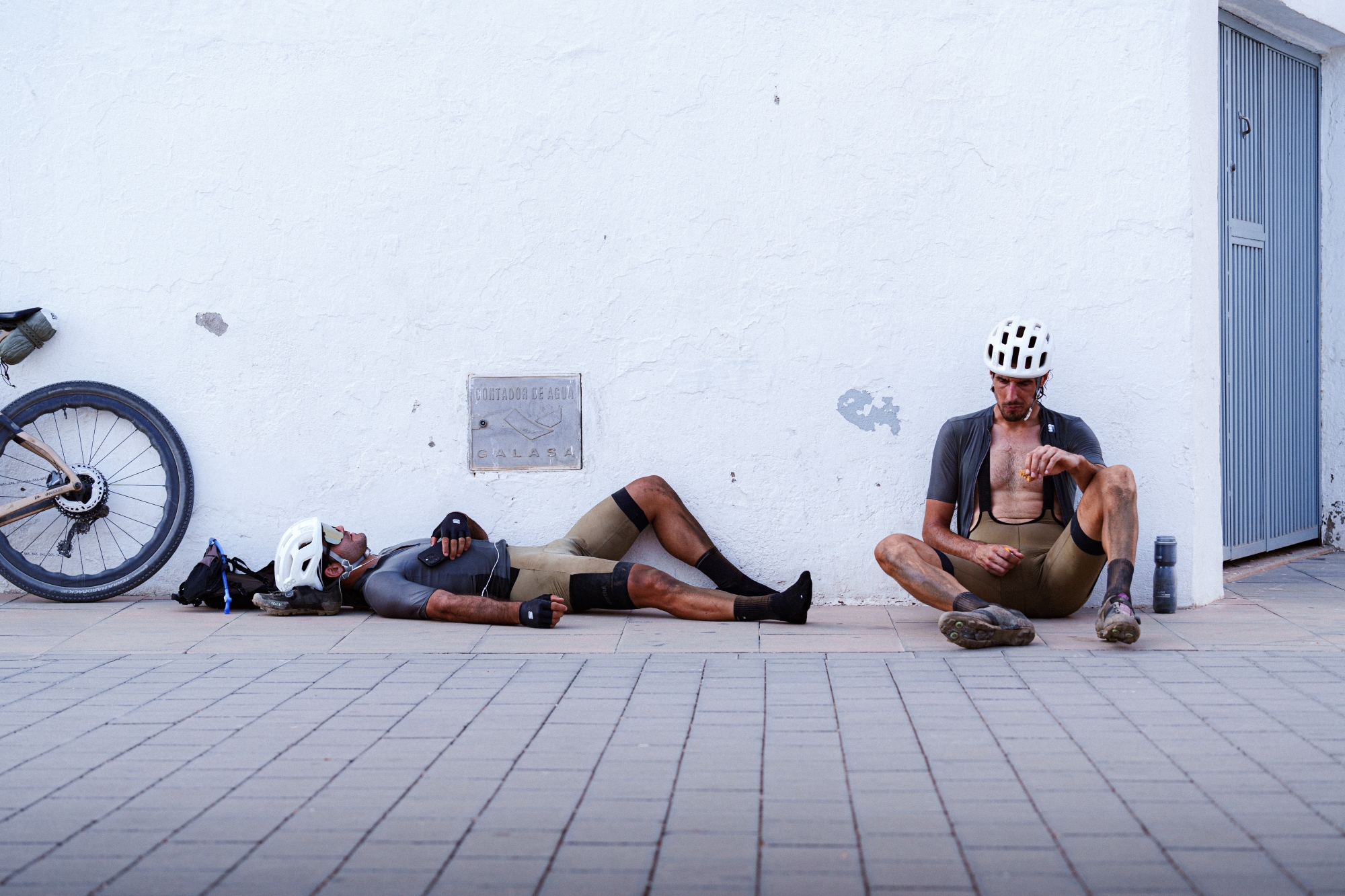
At 5 am a rider knocked at the door of the cabin next to ours, and the locals welcomed him with open arms and offered him food in addition to a warm bed where rest before resuming his race. We let the 20-year-old from Ecuador Gabriel Cazares sleep and jumped in the car to follow the riders approaching Checkpoint 2, 468 km into the route. Just outside the village, Leonardo Guzmán stopped briefly at a bus stop to eat and take a quick nap.
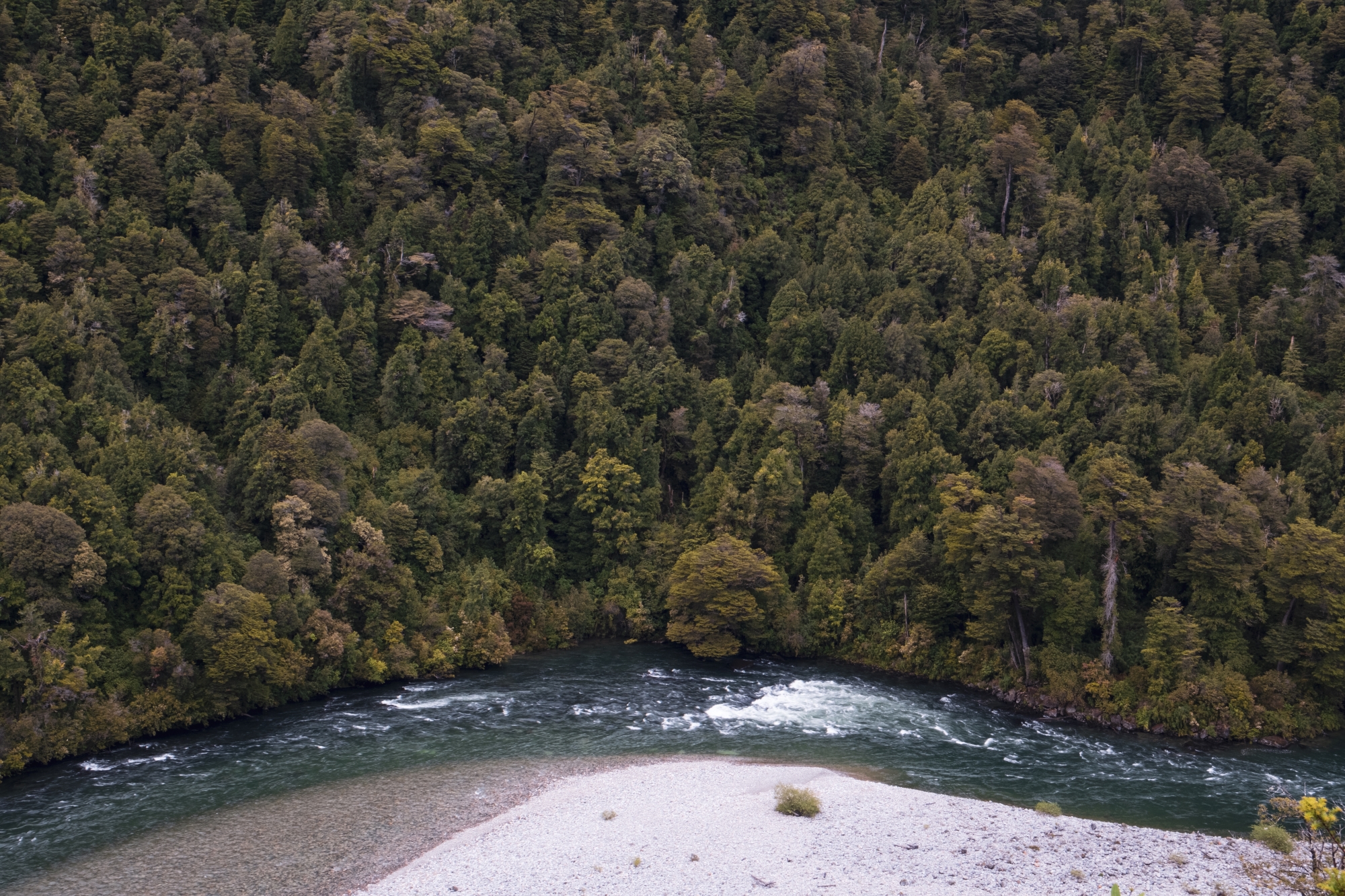
This Checkpoint 2 was a virtual one, meaning that there was no one there waiting for them to stamp their brevet card. The tracking system would detect that they arrived at the river crossing to Raúl Marín Balmaceda and they would have to return following their own path back to La Junta, 62 kilometers away. That out-and-back was all over gravel and parallel to the Palena River.
At this point, riders were so distant apart that some could be enjoying blue skies while others might be facing the rain. Whenever they crossed each other – because the route had some parts that had to be covered in both directions -, they waved with euphoria and even stopped to share their experience so far.
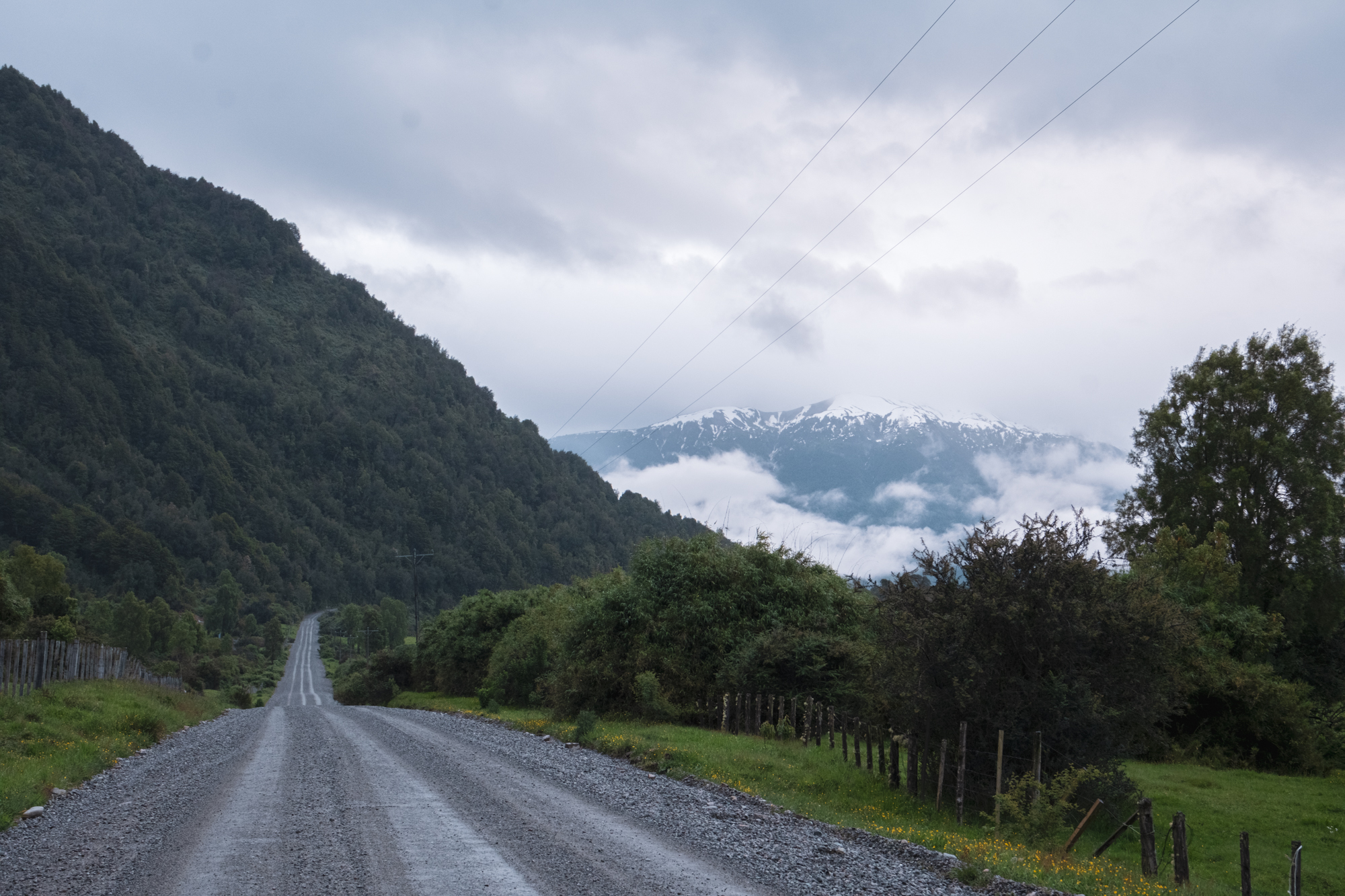
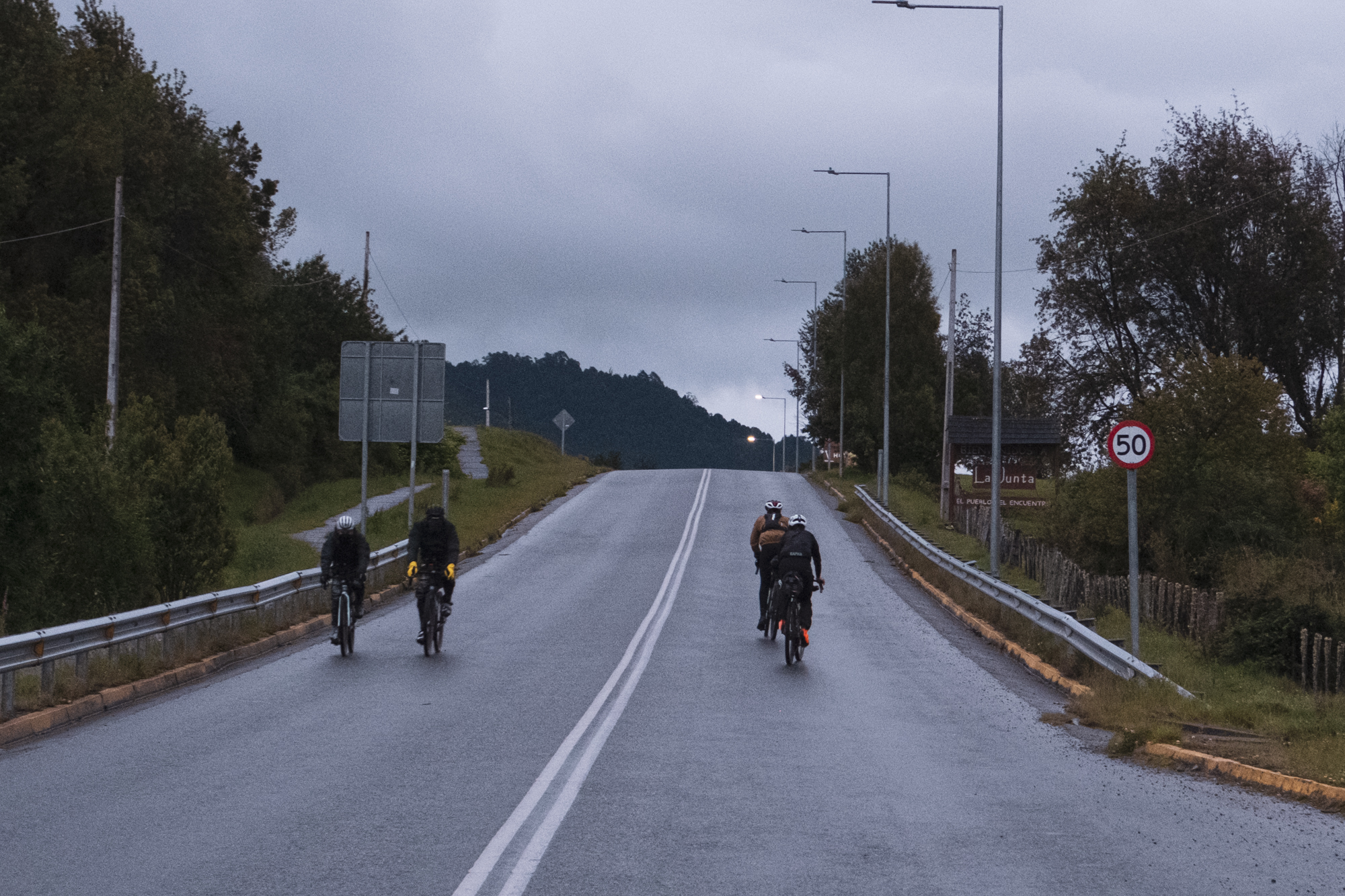

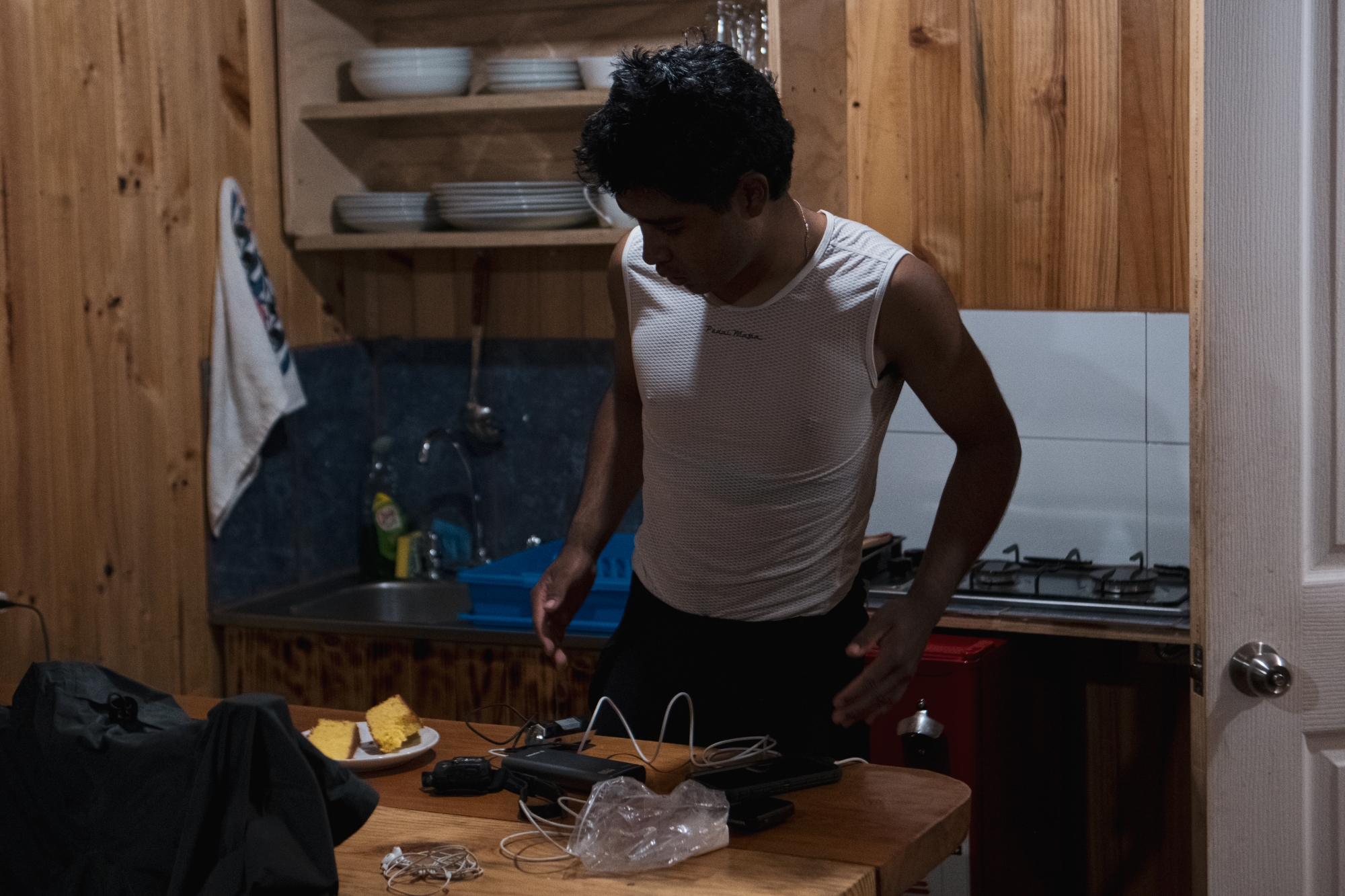
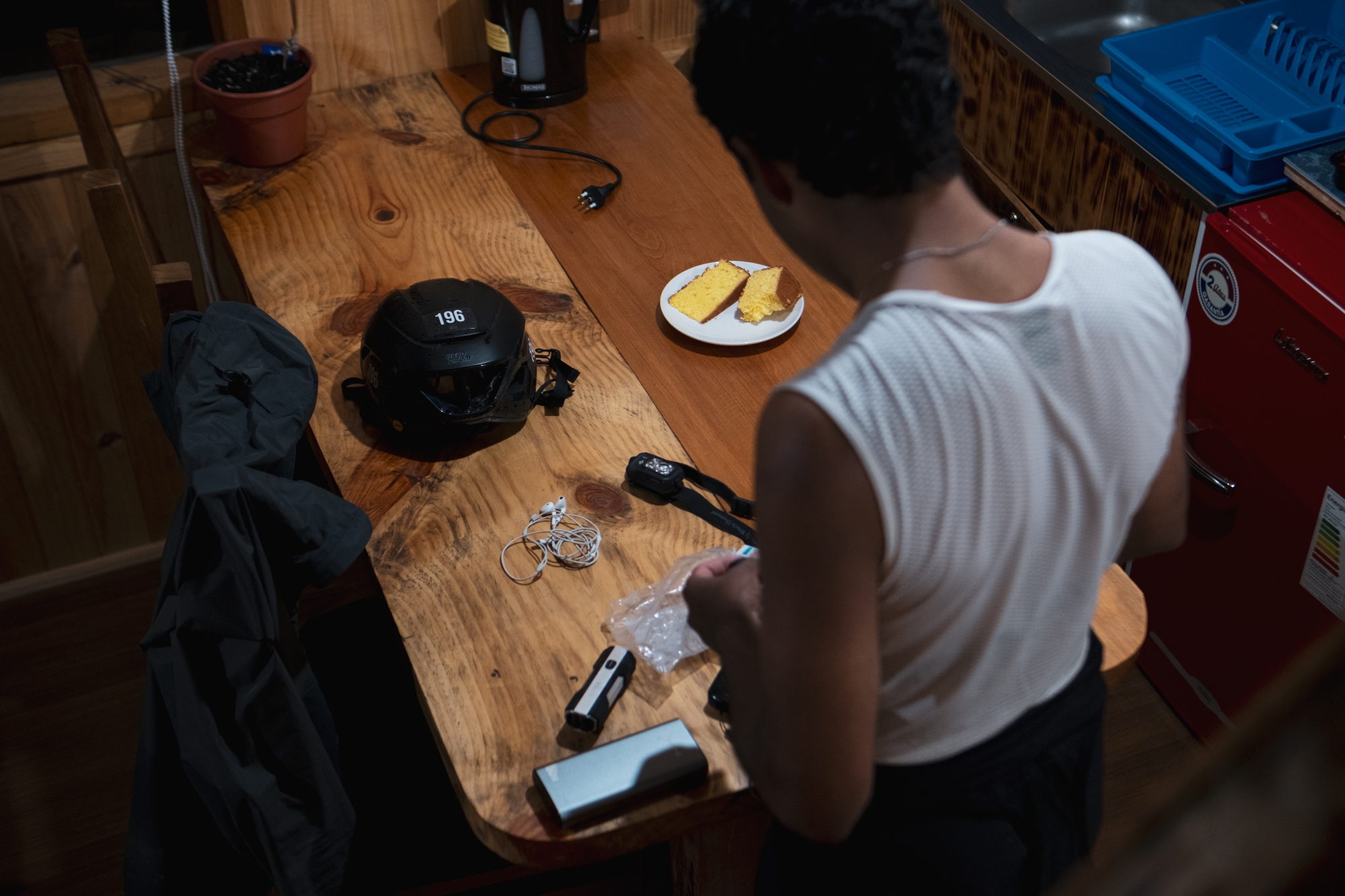
La Junta became for the next couple of days the meeting point of riders. Whether they reached the village coming from the Carretera Austral or any of the remaining Checkpoints, riders took over the local restaurants and filled the limited accommodation spots available. All the sockets and stoves were highly coveted, as all the participants needed to charge their electronic devices and dry their clothes. They dressed up with conventional – and not-so-conventional – layers to face the cold and rain and continued counting down the kilometers until the next finish line, whether it was the official one or an internally set goal.
Laguna Verde was 75 km east of La Junta, a long way for the already tired bodies. A big share of the elevation gain – a total of 14,800 metres for the entire route – was contained there, so the gymnasium at the end of the hilly segment was not only the place where to get the second-to-last stamp but also the sleeping spot for many riders that were not confident enough to return to La Junta in one go.
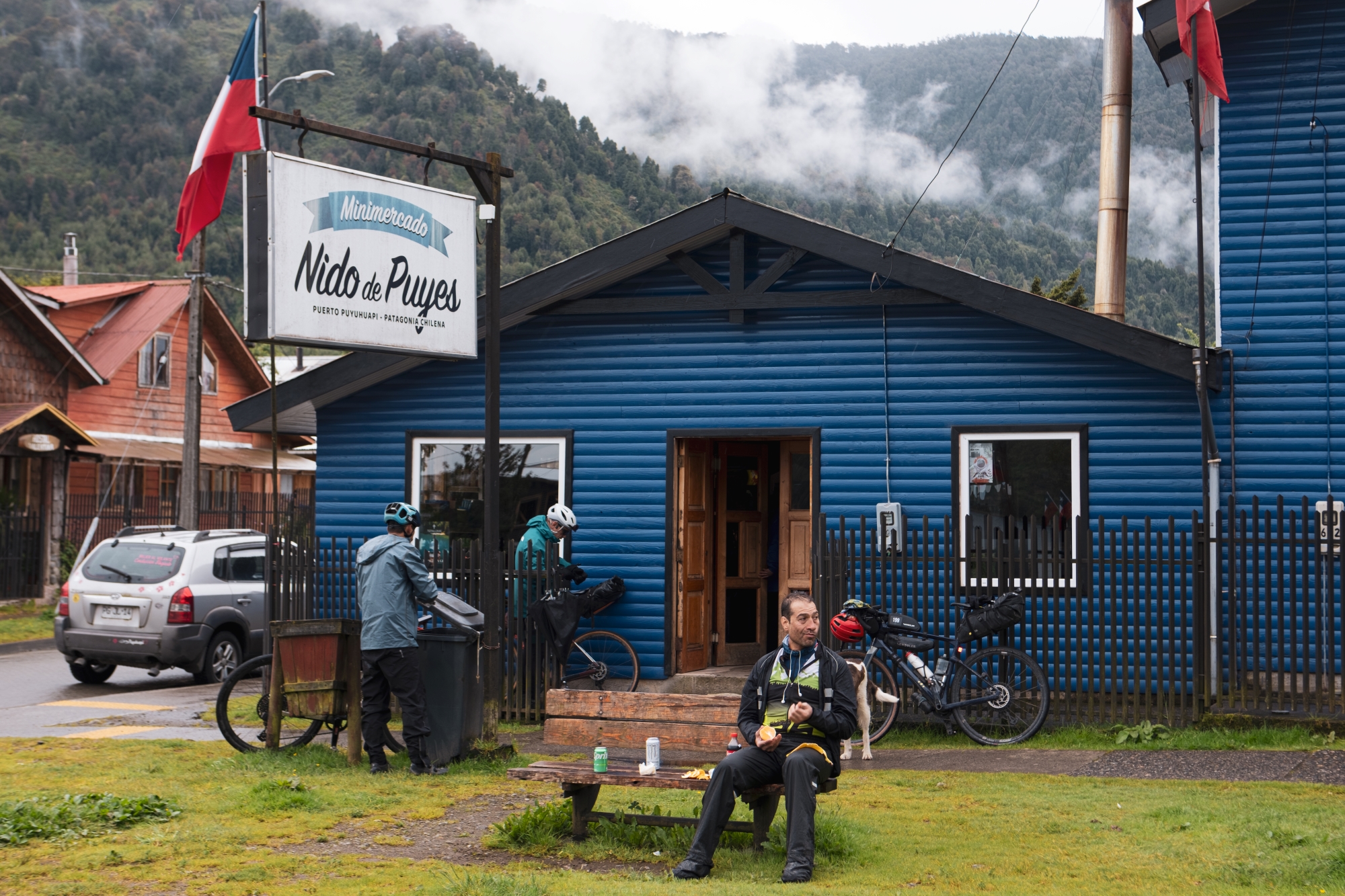
We returned to Puyuhuapi for the night, where there were riders who still had to arrive at La Junta for the first time. Their morale was high, but coming across riders who were already heading back to Coyhaique must have been discouraging.
Covering a bike packing event on its third day requires some extra planning. You can be waiting in a good spot for hours and no riders will pass by, and you need to factor in the fact that mobile data in Patagonia is only available in or around the few villages one can find along the way.
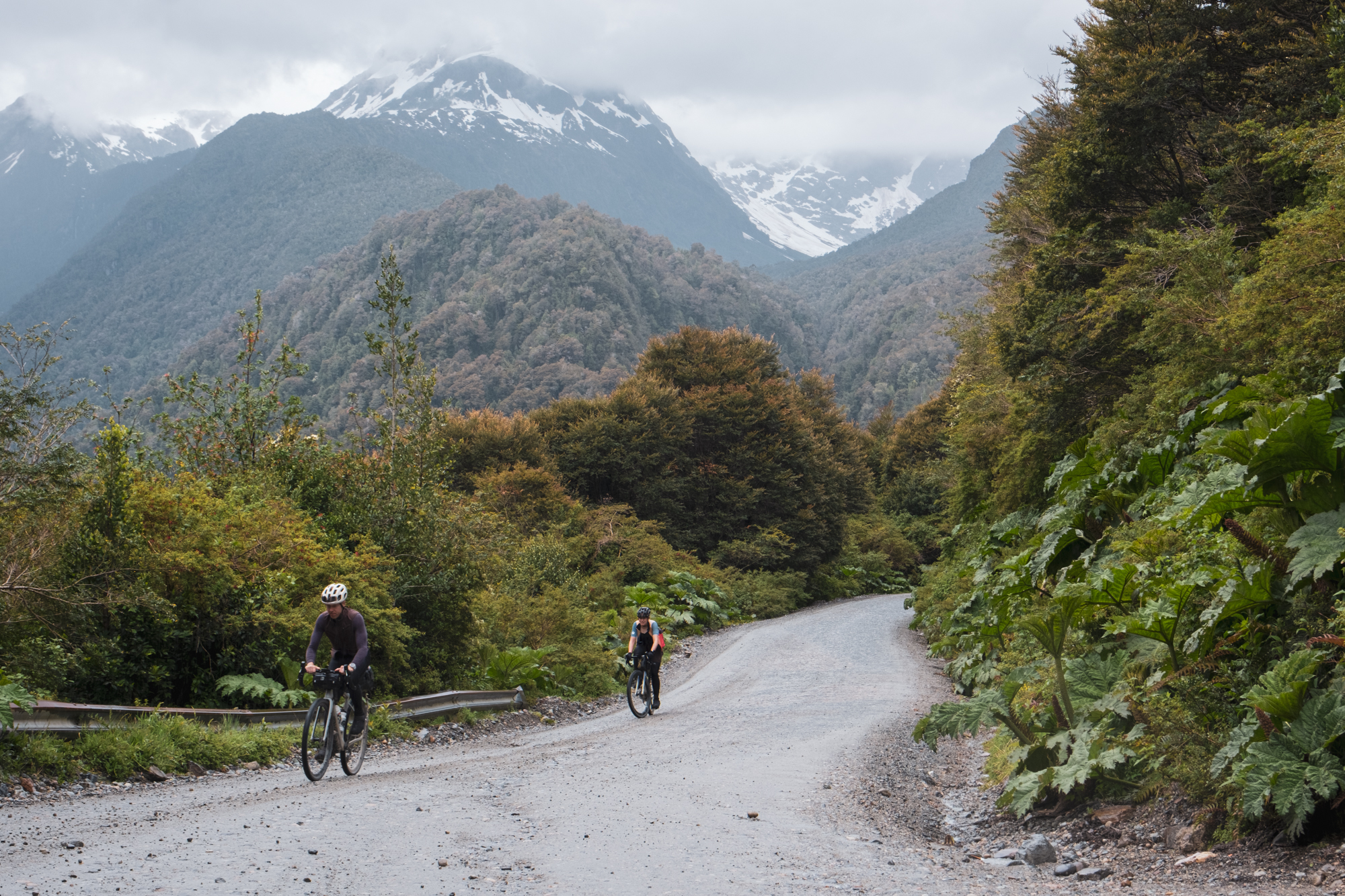
It was impossible to arrive on time to see Andrés Taigle crossing the finish line, as he was absurdly fast and reached Coyhaique in 1 day, 23 hours and 34 minutes. Also worth highlighting are the performances of Cristian Auriemma and Marcin Barwiński, who completed the podium. On our way to Coyhaique, we saw Cynthia Carson – who was at that time second in the women’s ranking – struggle up the difficult Cuesta Queulat. She probably did not realize she was riding along giant nalca plants, native to southern Chile. Cynthia would end up scratching from Across Andes as the knee pain she developed during the race became unbearable.
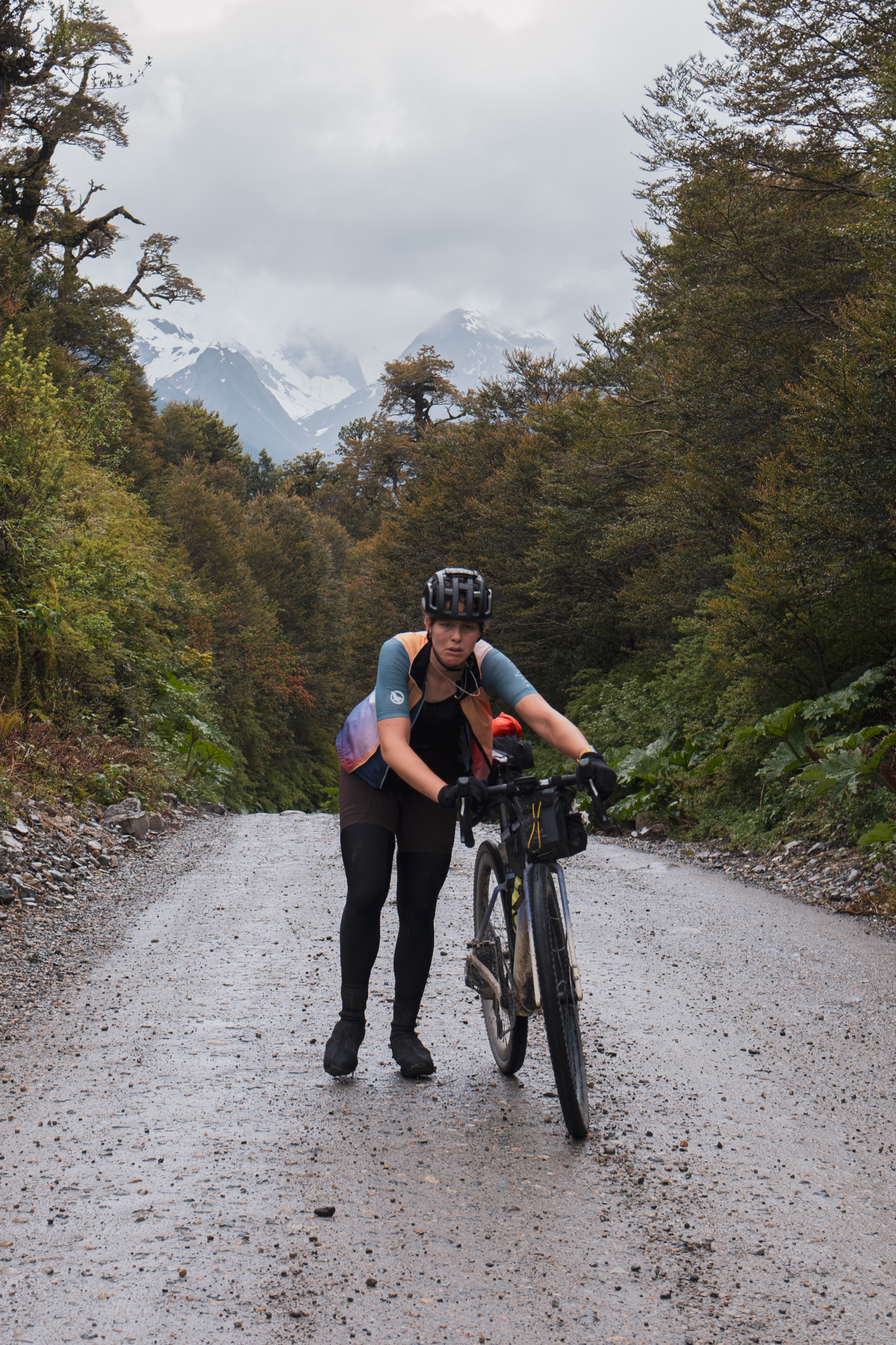
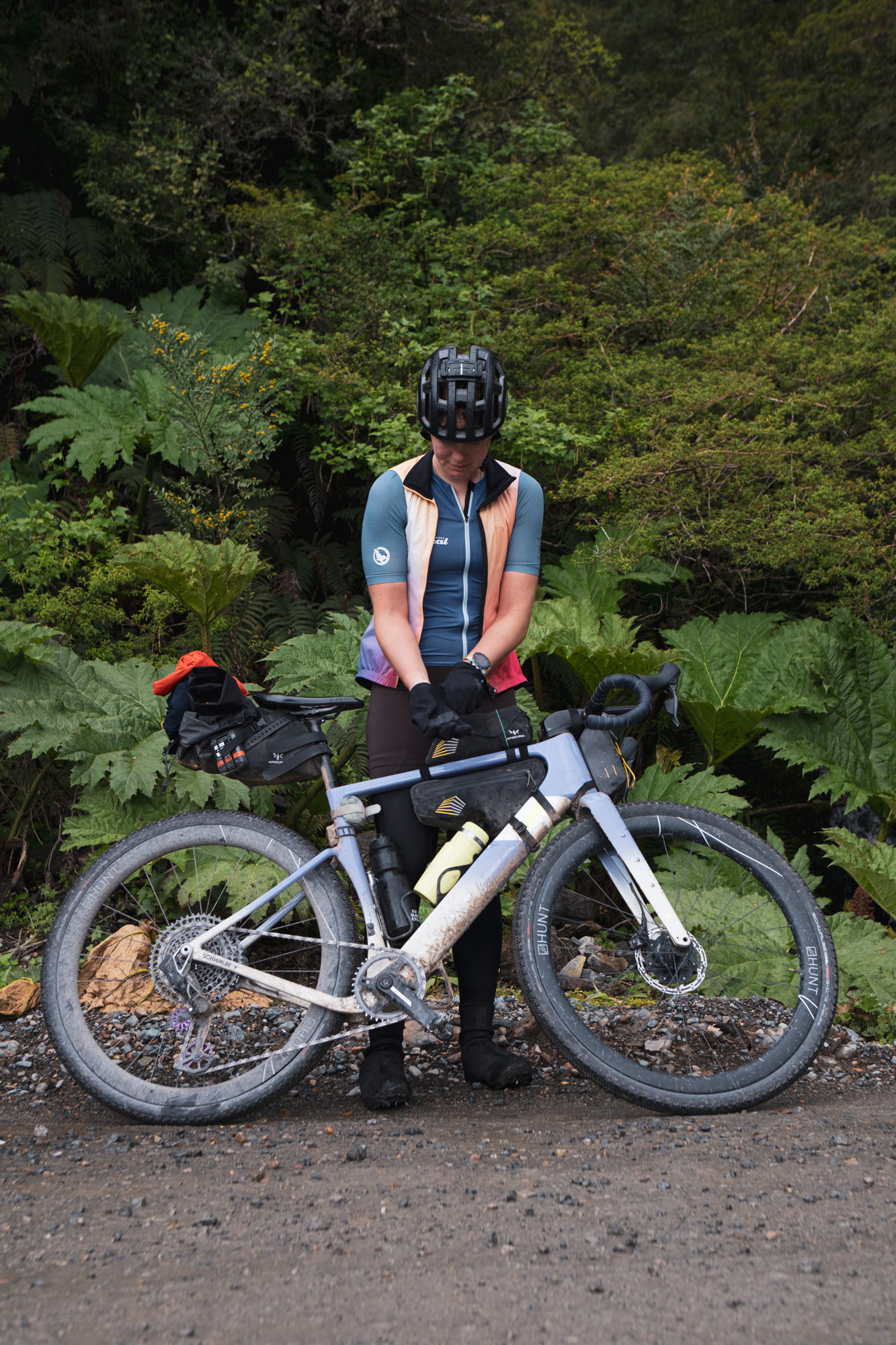
We caught the leading woman Becca Book as she was entering the last gravel segment before the finish. She was sixth overall for most of the race, but she lost a couple of positions in the closing hours. We were later in Coyhaique for her arrival and celebrated with her a remarkable achievement. Sami Sauri came in second, redeeming herself after her DNF last year, and the local Adele Lecocq finished third.
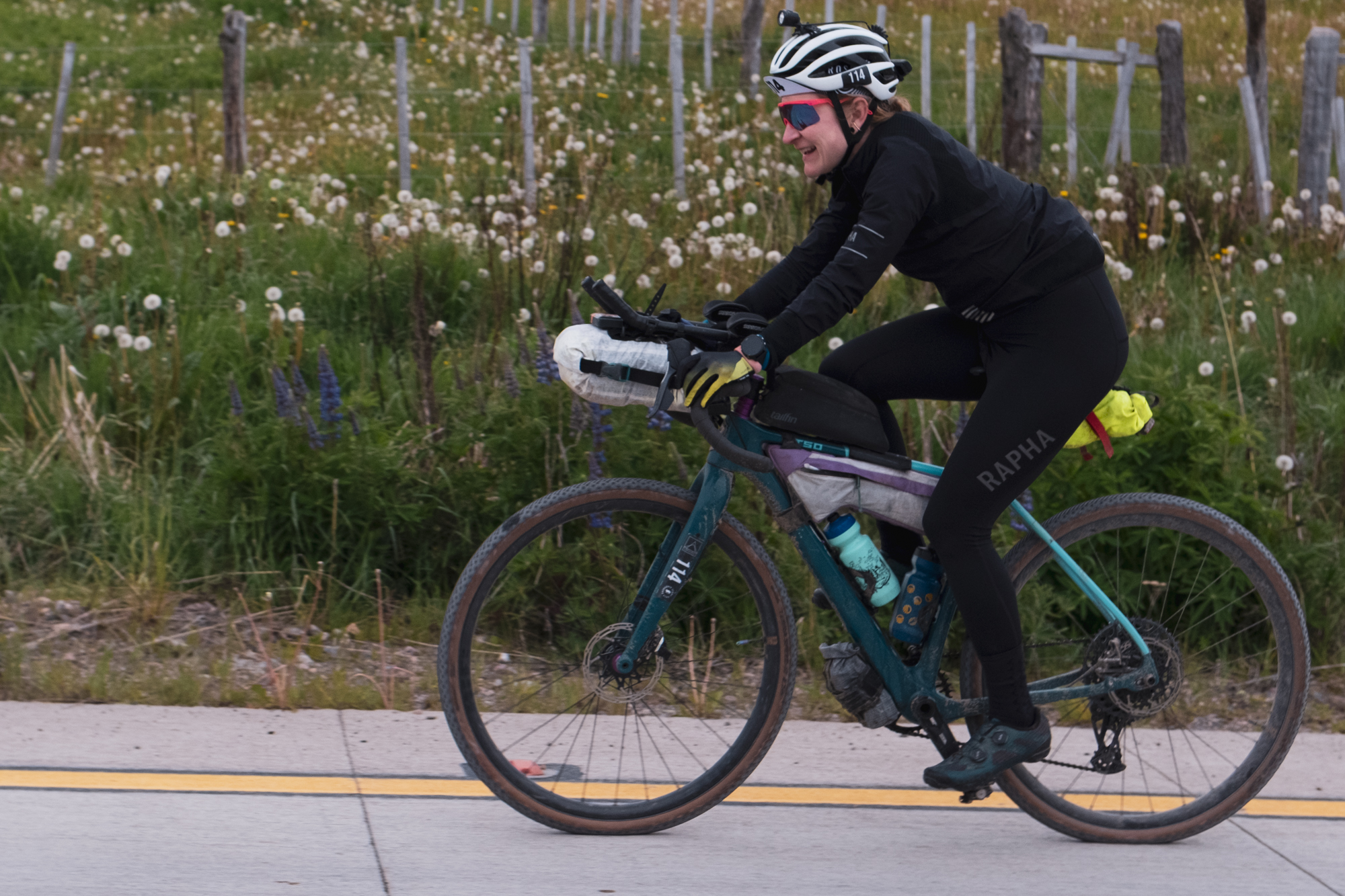
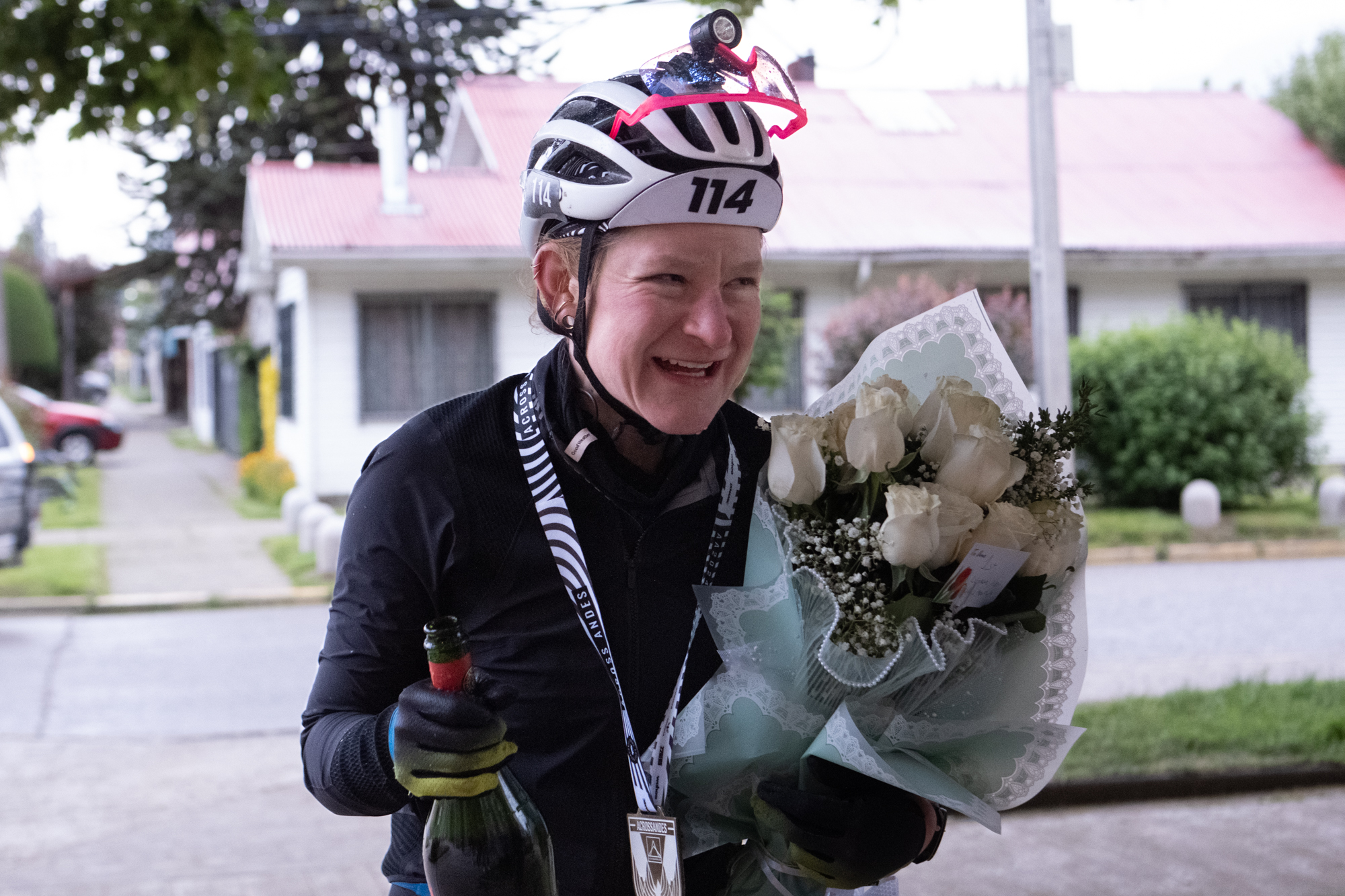
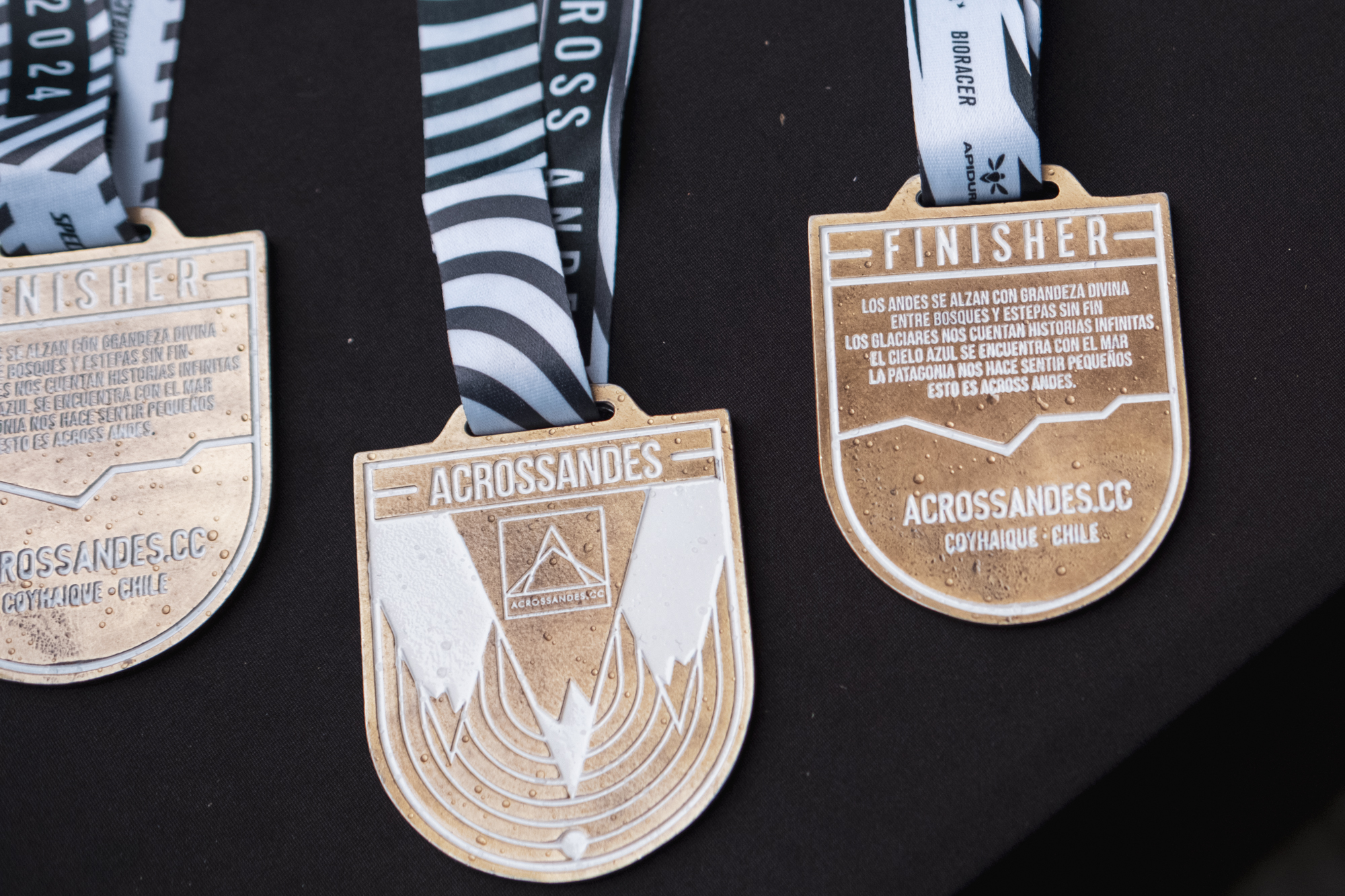
They would all collect their deserved prize during the podium ceremony and closing party, which we unfortunately could not attend as our stay in America came to an end a couple of days before. However, we spent enough time to check how cool it is to be involved in a bikepacking event. The participants had a lot of fun, despite the hurdles found along the way. The media crew had a lot of fun, despite spending countless hours in a car and pushing through sleep deprivation. The race directors had a lot of fun, despite the responsibilities that organizing such a well-known event entails.
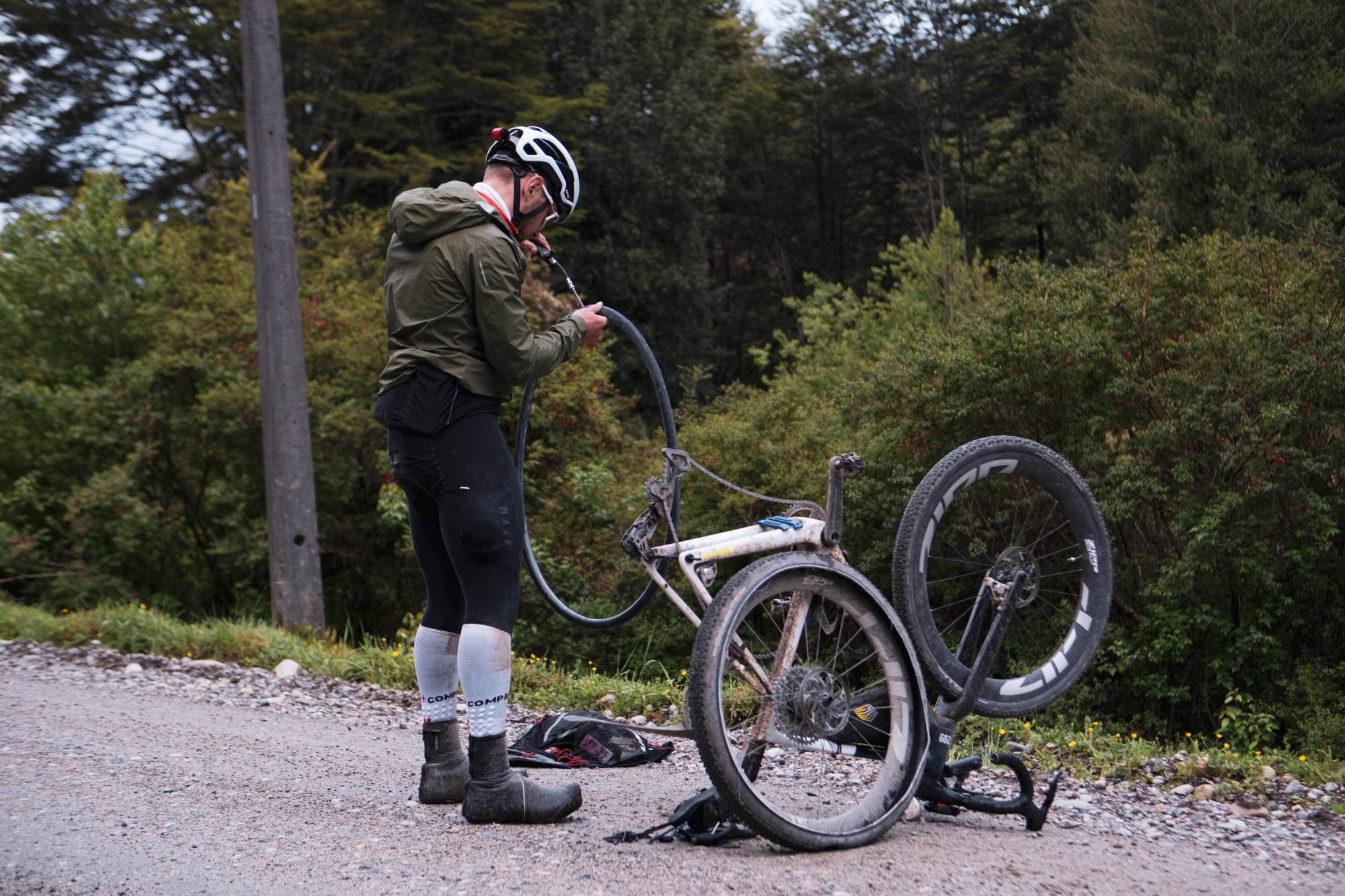
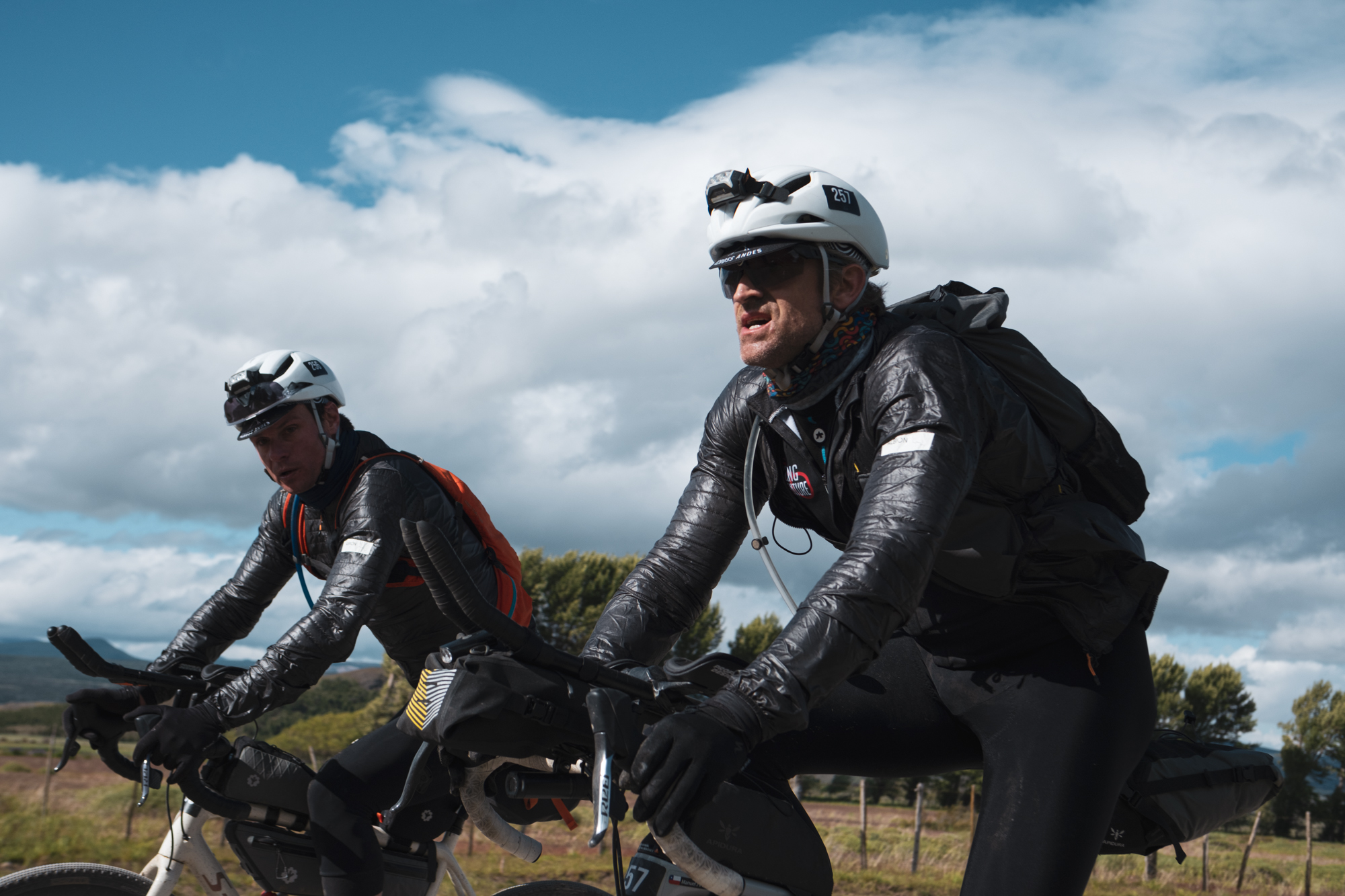
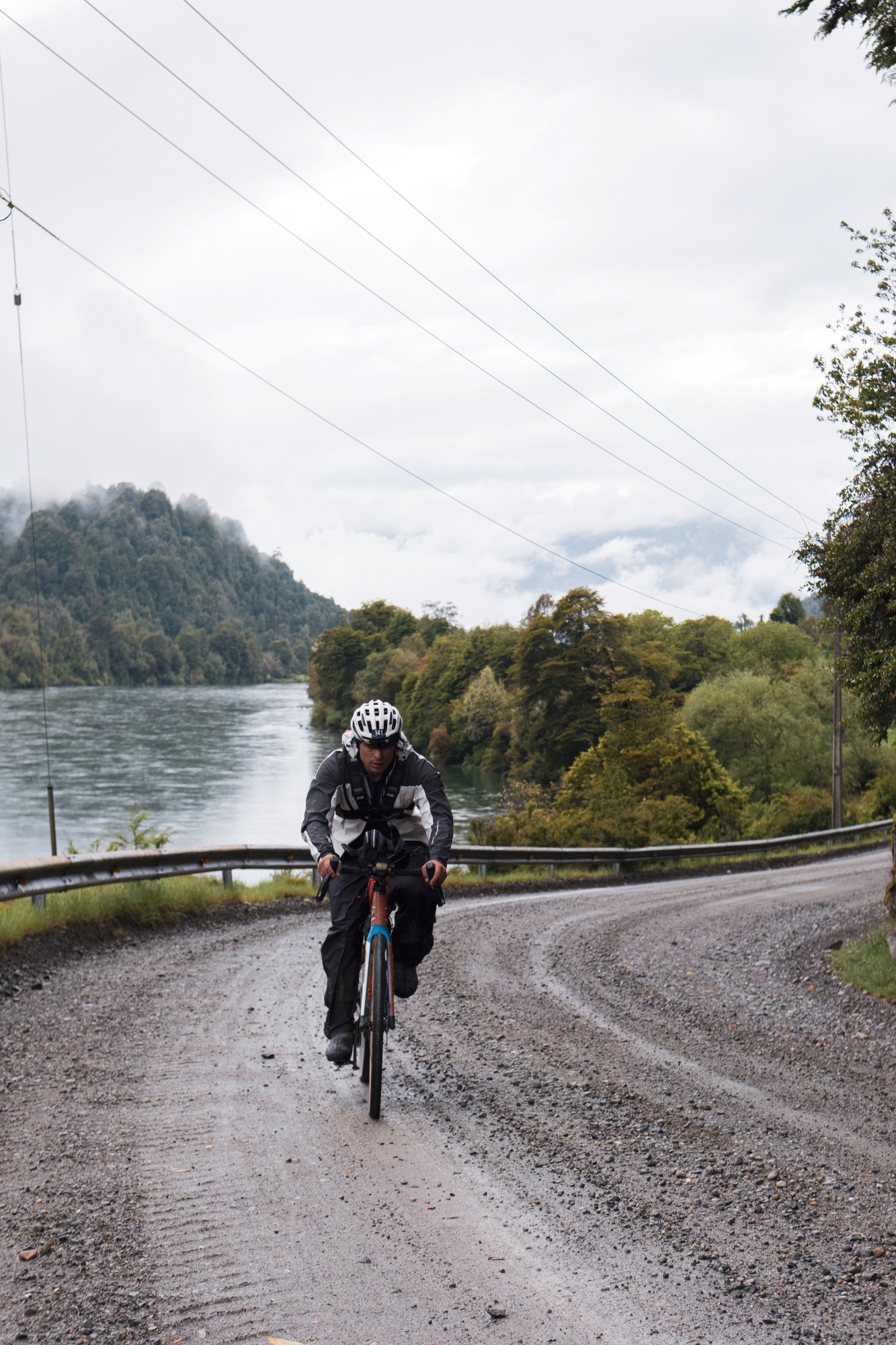
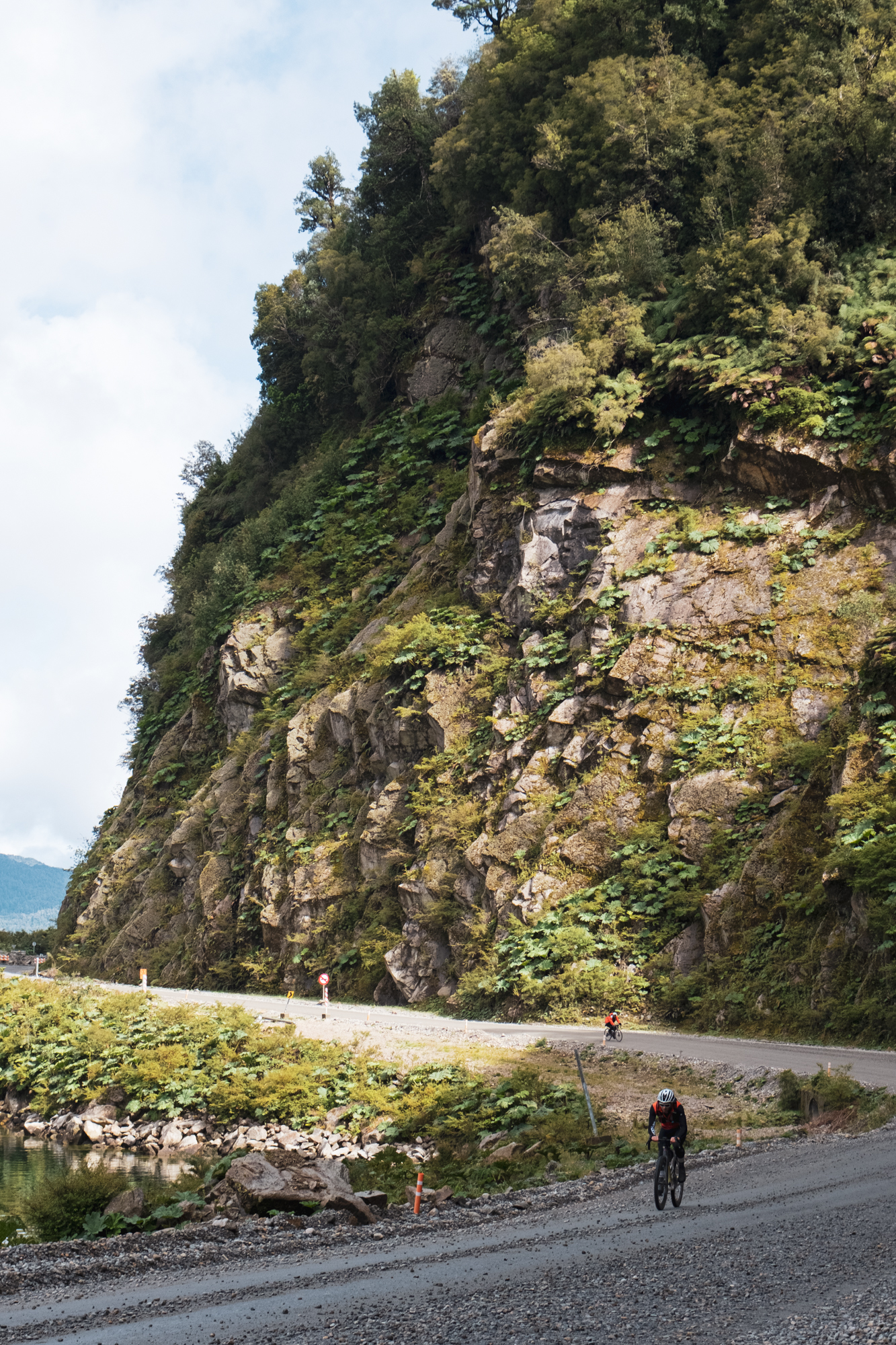
Across Andes is nowadays a very important component for the tourism of the region, Aysén. We could see firsthand the positive impact of the event on the local economy. Starving cyclists spend a lot of money on food, and many of them already stayed for a week in the region before the event or are extending their stay once they cross the finish line. Several alliances between the organization and public institutions like Sernatur will make sure that the event grows sustainably and keeps promoting active tourism in Aysén. Because there is no better way to show what a region has to offer than with a cycling event, is it?

Javi es nuestro corresponsal en Bélgica, y trata de contrarrestar su obsesiva pasión por el análisis de datos con la relajante acción (o eso es lo que dice) de crear contenido para la revista. Javi is based in Belgium and tries to compensate for his obsessive passion for data analytics with the relaxing action (that's what he says) of creating content for the magazine. View all posts by Javi Angulo
 Javi Angulo
 Javi Angulo
 Javi Angulo
 Javi Angulo
 Javi Angulo
 Pavel Novotný
 Pavel Novotný
 Javi Angulo
 Javi Angulo
 Juliana Reis
 Pol Sopeña
 Javi Angulo
Después de seguir Across Andes desde la distancia en 2022 y 2023, este año aprovechamos un viaje a América para pasar unos días extra en la Patagonia Verde chilena, donde se llevó a cabo el evento gravel de autosuficiencia. Lamentablemente no participamos, pero cubrir la carrera con una cámara en mano también fue realmente entretenido.
A nuestra llegada a Coyhaique, en la región de Aysén, conocimos a Pauli y Mariano. Son los directores de lo que es hoy en día uno de los eventos gravel más atractivos mundialmente. El entorno es difícil de superar, y además se nota que internamente está muy bien organizado. Cuidan como ningún otro evento tanto a los participantes -aunque una vez que comenzó la carrera todos lo hicieron en autosuficiencia- como a la audiencia que la sigue desde todas partes del mundo, que crece año a año. La crew también contó con un talentoso equipo de media, voluntarios para los puestos de control y un equipo de rescate.
El shake-out ride, el proceso de inscripción, el briefing de carrera… Se respiraba la emoción entre los 120 participantes que el domingo 24 de noviembre a las 7 de la mañana comenzarían el desafío de 960 kilómetros por la Patagonia Verde.
El recorrido era similar al de la edición 2023, y los corredores que participaron por segundo año consecutivo en Across Andes –eran muchos– esperaban disfrutar de los paisajes que el chaparrón del año pasado truncó parcialmente. Todos, incluidos los novatos, aprendieron la lección, y se notaba que iban bien preparados con guantes de látex y todo tipo de ropa impermeable. Hacía frío, pero todo era relativo tras saber que cinco meses antes se había registrado un récord de -21,9°C en la vecina Balmaceda.
El primer control estaba a 198 kilómetros y el pelotón se fue separando rápidamente. Eran conscientes de que iba a ser un largo trecho, pero contaban con más de cinco días, hasta el 29 de noviembre a las 16:00, para completar la ruta. El terreno era estupendo y la superficie perfecta para gravel, con caminos anchos y un terreno ondulado constante. Estaba abierto al tráfico, pero probablemente podían contar con los dedos de una mano el número de vehículos con los que se cruzaron fuera de la Carretera Austral.
Tras ese primer bucle en sentido contrario a las agujas del reloj, terminaron en Ñireguau, donde consiguieron el primer sello en la tarjeta de brevet y llenaron el estómago tras un largo tramo sin ningún lugar donde reabastecerse. Venían de pasar un duro tramo de viento en contra en una zona extremadamente expuesta y a gran altura. Tras el Checkpoint 1, se dirigieron al Valle de la Luna, un tramo igualmente remoto con un paisaje particular que nos hizo parar varias veces con el coche para apreciar lo que teníamos a nuestro alrededor. Fue nuestro primer encuentro con las flores de lupino que darían un toque morado al resto de la ruta.
La famosa Carretera Austral era el nexo de unión entre los puntos de control. En temporada alta hay demasiados vehículos cubriendo partes o la totalidad del itinerario de 1.240 kilómetros, pero Across Andes se desarrolla justo antes del comienzo del verano en el hemisferio sur. La Carretera Austral tenía sus propios puntos destacados, siendo el Parque Nacional Queulat un buen ejemplo, y no todo estaba asfaltado.
Pasamos la noche en Puyuhuapi, un pueblo de pescadores ubicado en el camino a La Junta. Habíamos superado a todos los corredores, pero sabíamos que a la mañana siguiente, al despertar, revisaríamos el tracker y veríamos que muchos de ellos habían seguido pedaleando durante la noche. Andrés Taigle ya estaba en cabeza y en camino a su segunda victoria consecutiva en Across Andes.
A las 5:00 un corredor tocó a la puerta de la cabaña contigua a la nuestra, y los lugareños lo recibieron con los brazos abiertos y le ofrecieron comida además de una cama calentita donde descansar antes de reanudar su carrera. Dejamos dormir al ecuatoriano Gabriel Cazares, de 20 años, y nos subimos al auto para seguir a los ciclistas que se acercaban al Checkpoint 2, a 468 km de la ruta. A las afueras del pueblo, Leonardo Guzmán se detuvo brevemente en una parada de autobús para comer y echar una corta siesta.
Este Checkpoint 2 era virtual, es decir, no había nadie esperando a que sellaran su tarjeta de brevet. El sistema de seguimiento detectaría que llegaron al cruce del río Raúl Marín Balmaceda y tendrían que volver siguiendo su propio camino de regreso a La Junta, a 62 kilómetros de distancia. Ese viaje de ida y vuelta fue todo sobre gravel y en paralelo al río Palena.
En este punto, los participantes estaban tan distantes entre sí que algunos podían estar disfrutando del cielo azul mientras que otros podían estar enfrentando la lluvia. Siempre que se cruzaban, porque la ruta tenía algunos tramos que debían recorrerse en ambas direcciones, se saludaban con euforia e incluso se detenían para compartir su experiencia hasta el momento.
La Junta se convirtió en el punto de encuentro de los ciclistas durante los siguientes días. Ya sea que llegaran al pueblo desde la Carretera Austral o desde cualquiera de los puntos de control restantes, los ciclistas tomaron los restaurantes locales y llenaron las limitadas plazas de alojamiento disponibles. Los enchufes y estufas eran altamente codiciados, ya que todos los participantes necesitaban cargar sus dispositivos electrónicos y secar su ropa. Se vistieron con capas convencionales -y no tan convencionales- para enfrentar el frío y la lluvia y continuaron contando los kilómetros hasta la siguiente meta, ya fuera la oficial o un objetivo establecido internamente.
Laguna Verde estaba a 75 km al este de La Junta, un largo camino para las piernas ya fatigadas de los participantes. Gran parte del desnivel positivo -un total de 14.800 para toda la ruta- se contenía allí, por lo que el gimnasio al final del segmento montañoso no solo era el lugar donde obtener el penúltimo sello, sino también el lugar para dormir para muchos ciclistas que no tenían la suficiente confianza para regresar a La Junta de una tirada.
Regresamos a Puyuhuapi para pasar la noche, donde había corredores que aún debían llegar por primera vez a La Junta. Parecían tener la moral alta, pero encontrarse con corredores que ya estaban regresando a Coyhaique debió ser desalentador.
Cubrir un evento de bikepacking en su tercer día requiere una planificación extra. Puedes estar esperando en un buen lugar durante horas y no pasará ningún corredor, y hay que tener en cuenta que la conexión a internet en la Patagonia se limita a los pocos pueblos que uno puede encontrar en el camino o sus alrededores.
Fue imposible llegar a tiempo para ver a Andrés Taigle cruzar la meta, ya que fue absurdamente rápido y llegó a Coyhaique en 1 día, 23 horas y 34 minutos. También vale la pena destacar las actuaciones de Cristian Auriemma y Marcin Barwisnki, que completaron el podio. De camino a Coyhaique vimos a Cynthia Carson, que en ese momento era la segunda en el ranking femenino, subir con dificultad la exigente Cuesta Queulat. Probablemente no se dio cuenta de que estaba rodando entre nalcas, plantas gigantes nativas del sur de Chile. Cynthia terminaría abandonando Across Andes porque el dolor de rodilla que desarrolló durante la carrera se hizo insoportable.
Alcanzamos a la líder, Becca Book, cuando estaba entrando en el último segmento de gravel antes de la meta. Iba colocada sexta en la general durante la mayor parte de la carrera, pero perdió un par de posiciones en las últimas horas. Más tarde estuvimos en Coyhaique para su llegada y celebramos con ella un logro notable. Sami Sauri llegó segunda, redimiéndose después de su abandono del año pasado, y la local Adele Lecocq terminó tercera.
Todos ellos recogerían su merecido premio durante la ceremonia del podio y la fiesta de clausura, a la que lamentablemente no pudimos asistir porque nuestra estadía en Sudamérica terminó un par de días antes. Sin embargo, pasamos suficiente tiempo para comprobar lo genial que es participar en un evento de bikepacking. Los participantes se divirtieron mucho, a pesar de los obstáculos que se encontraron en el camino. El equipo de media se divirtió mucho, a pesar de pasar incontables horas metidos en el coche y su falta de sueño. Los directores de carrera se divirtieron mucho, a pesar de las responsabilidades que conlleva organizar un evento tan reputado.
Across Andes es hoy en día un componente muy importante para el turismo de la región, Aysén. Pudimos ver de primera mano el impacto positivo del evento en la economía local. Los ciclistas hambrientos gastan mucho dinero en comida, y muchos de ellos ya llevaban una semana en la región antes del evento o iban a extender su estancia una vez que cruzaran la línea de meta. Varias alianzas entre la organización e instituciones públicas como Sernatur asegurarán que el evento crezca de manera sostenible y siga promoviendo el turismo activo en Aysén. Porque no hay mejor manera de mostrar lo que una región tiene para ofrecer que con un evento de ciclismo, ¿verdad?
Javi es nuestro corresponsal en Bélgica, y trata de contrarrestar su obsesiva pasión por el análisis de datos con la relajante acción (o eso es lo que dice) de crear contenido para la revista. Javi is based in Belgium and tries to compensate for his obsessive passion for data analytics with the relaxing action (that's what he says) of creating content for the magazine. View all posts by Javi Angulo
Receive our monthly selection of the best articles, news, exclusive content and giveaways only for subscribers, subscribe to OUR NEWSLETTER
Receive our monthly selection of the best articles, news, exclusive content and giveaways only for subscribers, subscribe to OUR NEWSLETTER
Receive our monthly selection of the best articles, news, exclusive content and giveaways only for subscribers, subscribe to OUR NEWSLETTER
Receive our monthly selection of the best articles, news, exclusive content and giveaways only for subscribers, subscribe to OUR NEWSLETTER