- News
- Reviews
- Travel & Adventure
- Interviews
- Inside Industry Players
- Community
Bikes
Reviews
Components
Reviews
Cycling
Apparel


[raw_mobile_menu]
[wpml_language_switcher_down]


Ver a una ciclista neerlandesa al frente de una carrera es algo común. Todos sabemos que en los Países Bajos la gente empieza a caminar y montar en bicicleta de forma prácticamente simultánea y, aunque solo una parte de la población decide tomárselo en serio y perseguir el sueño de convertirse en profesionales, todos ellos tienen a su disposición todas las herramientas necesarias para continuar su proceso de desarrollo.
Una vez que un ciclista aficionado toma la decisión de comprometerse con el ciclismo, es fundamental contar con el apoyo de la federación nacional y, en este sentido, los holandeses pueden considerarse afortunados.
El talento en bruto es capaz de abrir las puertas al profesionalismo, pero si no existe una organización para detectar el potencial de su población, los ciclistas prometedores no podrán hacerse notar. La Federación Holandesa de Ciclismo (KNWU) sobresale en la selección de talentos precoz y, desde una edad temprana, los ciclistas se benefician del programa formativo que KNWU ha refinado durante las últimas décadas.


Aunque estamos acostumbrados a sus victorias, todavía nos dejan impresionados las escenas de cinco ciclistas en la parte delantera del Campeonato del Mundo de ciclocross, con corredoras del resto del mundo que no podían igualar el nivel de Lucinda Brand y sus compatriotas.
Contactamos con Iris Slappendel, directora ejecutiva de The Cyclists’ Alliance (TCA) y ex ciclista profesional, ya que hay pocas personas con una visión más clara de lo que hace que las ciclistas neerlandesas sean tan exitosas. Formó parte de la plantilla de Rabobank que reunió a casi todas las ciclistas que han dominado el panorama durante las últimas temporadas. Experimentó el camino a la cima en primera persona y ahora está en contacto con todos los stakeholders involucrados en este deporte. Sabiendo de su importancia, uno de los objetivos de The Cyclists’ Alliance es optimizar la implicación de las federaciones nacionales en el ciclismo.


Las neerlandesas se caracterizan por tener una fuerte personalidad, con algunos beneficios que pueden ser aplicados al ciclismo. En otros países, las mujeres pueden llegar sentirse influenciadas por el status quo en el que el ciclismo juega un papel residual y, por lo tanto, pocas personas se atreven a remar a contracorriente. Si tienen éxito al hacerlo, allanarán el camino para las generaciones futuras, pero solo con una combinación de talento y autodeterminación serán capaces de abrir una nueva vía.
Cuando los ciclistas en los Países Bajos establecen un objetivo, se centran al 100% en él. Un buen ejemplo es Annemiek Van Vleuten, que tenía algo de talento, pero lo que realmente la hizo triunfar como lo ha hecho en la última década es su mentalidad trabajadora, capaz de asumir cargas de entrenamiento que solo unos pocos corredores en el pelotón masculino pueden igualar.
Mientras que otras naciones son más tradicionales, con atletas femeninas que llegan al ciclismo desde otros deportes, en los Países Bajos el ciclismo es la primera opción para la mayoría de las atletas. La mujer se especializa en este deporte desde una edad temprana, lo que ayuda a adquirir las habilidades técnicas que complementan los parámetros fisiológicos requeridos.


Según Iris, en otros países la federación tiene más autoridad que en los Países Bajos, por lo que no se puede atribuir el éxito exclusivamente a las iniciativas tomadas por KNWU. El equilibrio de poderes es diferente, y el hecho de contar con una buena cantidad de equipos locales compitiendo a alto nivel disminuye la influencia del papel de la federación. Aunque la federación holandesa todavía organiza training camps, las ciclistas ya hacen algunos de ellos a lo largo del año con su propio equipo. Sin embargo, para las ciclistas de la mayor parte del mundo, estos training camps financiados por su federación nacional son uno de los únicos momentos en los que se sienten profesionales.
Ahora estamos en las etapas finales de una generación inimitable que incluye a tantas ciclistas triunfadoras que no sería justo mencionar solo a algunas de ellas. Aunque será difícil igualar el nivel de este grupo de contemporáneas, las generaciones futuras también encontrarán su modelo a seguir, y pelearán por continuar con la hegemonía del ciclismo femenino holandés.
En el caso particular de esta generación actual, fue Marianne Vos quien abrió el camino. La KNWU sabía desde el principio el tipo de ciclista que tenían entre manos, y comenzaron a organizar concentraciones adicionales con la selección. De esta forma, el rendimiento de Vos la benefició no solo a ella sino también al resto de corredoras nacionales.


Actualmente forma parte del Team Jumbo-Visma, el nuevo equipo ciclista femenino. Aunque este equipo recién creado no es uno de los nueve WorldTeams para la temporada 2021, el Team Jumbo-Visma recibe el mismo trato que el equipo masculino en términos de equipamiento, herramientas de entrenamiento y demás. Marianne tiene actualmente 33 años, pero incluso después de haber ganado todo tanto en las disciplinas de carretera como de ciclocross, las personas que la trajeron al equipo desde el CCC-Liv piensan que todavía hay un potencial sin explotar, y está claro que ella será un modelo a seguir para las ciclistas más jóvenes del equipo.
Como se dijo anteriormente, Marianne Vos abrió la puerta a las ciclistas de su propia generación y a las generaciones venideras, estableciendo un nuevo estándar en términos de rendimiento y colocando a los Países Bajos en la cima del mundo del ciclismo. ¿Es esta situación óptima para todas las ciclistas del país? Probablemente no para aquellas que no tengan el mismo talento, porque el listón, incluso para formar parte del pelotón profesional, es ahora altísimo.
“Las ciclistas de otros países están celosas de nosotras, pero no entienden que esto también tiene sus desventajas. A veces les digo que, si hubiera nacido en su país, probablemente habría estado en los Juegos Olímpicos tres veces”.
Algunos argumentan que sería mejor tener un deporte más global, porque al ver ciertas carreras de ciclocross uno podría pensar que es una disciplina de una sola nación. Por otro lado, el público de las carreras de mujeres está en aumento, por lo que se puede decir que la emoción entre los aficionados va en aumento.

Aplicando algunos conceptos empresariales al ciclismo, un mayor grado de competencia debería incrementar el rendimiento general debido a la necesidad de una mejora constante para mantenerse al día con los requisitos para seguir siendo competitivo. Esto también significa que, las que (tanto las federaciones como los corredores individuales) que no son capaces de igualar este nivel de profesionalismo tienen que conformarse con el trozo más pequeño del pastel.
“Ahora hay un mayor riesgo de dejarlo todo porque es muy difícil llegar al más alto nivel”
No existe una garantía para llegar a ser un profesional, independientemente de las habilidades físicas y los recursos disponibles. “Ahora hay un mayor riesgo de dejarlo todo porque es muy difícil llegar al más alto nivel” – dice Iris. Afortunadamente, en The Cyclists’ Alliance lo saben, y el programa de mentorship que fomentan es una buena forma para que las ciclistas expresen sus preocupaciones y reciban una solución.
Las ciclistas sin experiencia se emparejan con corredoras activas para obtener consejos durante las distintas etapas de su carrera, ya sea antes de llegar a la élite, durante su trayectoria profesional o al retirarse. Las parejas no se basan en similitudes en términos de habilidad, sino en experiencias vividas. Una joven escaladora no necesariamente será asesorada por otra escaladora pero, en cambio, si viene de otro continente, será ayudada por alguien que también tuvo que dejarlo todo para cumplir su sueño en Europa. Una ciclista de Canadá y otra de Australia es uno de los ejemplos que mencionó Iris al respecto.


The Cyclists’ Alliance seguirá apoyando a ciclistas de todo el mundo, incluidas aquellas que, por ejemplo, tienen dificultades para competir por el simple pero lamentable hecho de no poder adquirir un visado para viajar al continente europeo.
Con la ayuda de TCA, las ciclistas encontrarán un mejor entorno de trabajo para poder demostrar de lo que son capaces en términos de rendimiento, y entonces podremos ver si las ciclistas neerlandesas continúan con su hegemonía o la brecha comienza a estrecharse.

Javi es nuestro corresponsal en Bélgica, y trata de contrarrestar su obsesiva pasión por el análisis de datos con la relajante acción (o eso es lo que dice) de crear contenido para la revista. Javi is based in Belgium and tries to compensate for his obsessive passion for data analytics with the relaxing action (that's what he says) of creating content for the magazine. View all posts by Javi Angulo
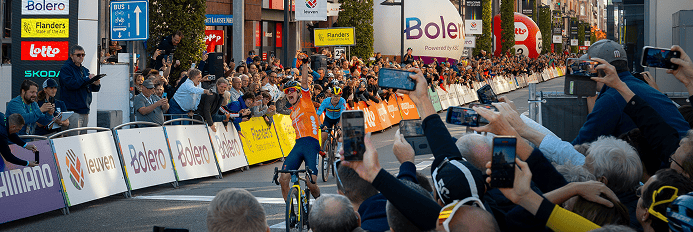
Watching a Dutch rider in the front of a race is a common sight. We all know that people in the Netherlands start walking and cycling almost at the same time, and although just a part of the population decides to take it seriously and pursue the dream of becoming professional, all of them have all the necessary tools at their disposal to continue their development process.
Once a casual rider makes the decision to commit to cycling, it is essential to rely on the support of the national federation, and in this regard, Dutch people can consider themselves lucky.
Raw talent is able to open the doors to professionalism, but if there is no organization there to spot the potential of the population, these skilled riders will go unnoticed. The Dutch Cycling Federation (KNWU) excels at picking talent early, and from a young age, riders get benefitted from the cycling program that KNWU has curated for the past decades.
Although being used to their accomplishments, we were still amazed by the scenes of five female riders in the front of the cyclocross World Championships, with riders from the rest of the globe being unable to match the level of Lucinda Brand and fellow countrywomen.
We contacted Iris Slappendel, executive director of The Cyclists’ Alliance and ex-professional rider, because there are few people with a clearer overview of what makes Dutch riders the best of their class. She was part of the Rabobank squad that gathered almost all the riders that have dominated the cycling scene for the past few seasons. She experienced the journey to the top in the first person, and now she is in contact with all stakeholders involved in this sport. Knowing its relevance for success, one of the aims of The Cyclists’ Alliance is to optimize the involvement of national federations in cycling.
People in the Netherlands are characterized by a strong personality, with some benefits that can be applied to cycling. In other countries, women may feel influenced by the status quo in which cycling plays a residual role, and therefore few people dare to row upstream. If they succeed in doing so, they will pave the way for future generations, but only a combination of talent and self-development will create a new path to the top.
When Dutch riders set a goal, they focus 100% on that. A good example is Annemiek Van Vleuten, who had some talent but what really made her succeed as she has done in the past decade is her hard-working mentality, being able to keep up with training loads that only a few riders in the men’s field can match.
While other nations are more traditional, with female athletes coming to cycling from other sports, in the Netherlands cycling is already the first choice for most female athletes. Women specialize in the sport from an early age, which helps to acquire the technical skills that complement the required physiological parameters.
According to Iris, in other countries the federation has more authority than in the Netherlands, so one cannot attribute success exclusively to the initiatives taken by the KNWU. The balance of powers is different, and the fact of having a good amount of local teams riding at a high level diminishes the role of the federation. Although the Dutch federation still organizes training camps, female riders already do a few of them throughout the year with their trade team. However, for riders from most parts of the world, the training camps financed by their national association are one of the only moments in which they feel like a professional.
We are now in the closing stages of a golden generation that includes so many successful Dutch riders that would not be fair to mention just a few of them. Although it will be difficult to match the level of this group of contemporaries, future generations will also find its role model and continue with the hegemony of Dutch female cycling.
In the particular case of this present generation, it was Marianne Vos who led the way. The KNWU knew from the beginning the type of rider they had on their hands, and they started organizing extra training camps. In this way, the performance of Vos benefited not only her but the rest of the national riders too.
She currently rides for Team Jumbo-Visma, the new women’s cycling team. Even though this newly created squad is not one of the nine WorldTeams for the 2021 season, Team Jumbo-Visma is treated equally as the men’s team in terms of equipment, training tools, and so forth. Marianne is currently 33 years old, but even after having already won everything both on the road and cyclocross disciplines, people who brought her to the team from CCC-Liv think that there is still some untapped potential, and she will, of course, be a role model that the younger riders in the team will try to follow.
As stated before, Marianne Vos opened the door to riders of her own generations and the generations to follow, setting a new standard in terms of performance and putting the Netherlands on top of the cycling world. Is this situation optimal for all Dutch riders? Probably not for cyclists that do not have the same talent because the bar, even for being part of the game, is now extremely high.
“Riders from other countries are jealous, but they don’t understand that it also has its downsides. I sometimes tell them that, if I were born in their country, I would probably have been to the Olympics three times!”
Some argue that it would be better to have a more global sport, because by watching certain cyclocross races one might think that it is a one-nation discipline. On the other hand, the audiences for women’s racing are on the rise, so one can tell that the excitement among fans is increasing.
Applying some business concepts to cycling, a higher degree of competition should increase the overall level of performance because of the need for constant improvement to keep up with the requirements to continue being competitive. This also means that the ones (both federations and individual riders) that are not able to match this level of professionalism have to settle with the smallest piece of the cake.
“There is now a bigger risk to quit because it is very difficult to reach the highest level of competition”
There is never a guarantee to make it as a pro, regardless of physical skills and available resources. “There is now a bigger risk to quit because it is very difficult to reach the highest level of competition” – says Iris. Luckily The Cyclists’ Alliance is aware of that, and their Mentorship program is a good way for riders to express their concerns and receive a solution.
Inexperienced riders are paired with active cyclists to get advice during their career, in addition to pre- and post-career. The matches are not based on similarities in terms of skills, but on life experiences. A young climber will not necessarily be mentored by another climber but, on the other hand, if she comes from another continent, she will be helped by someone who also had to leave everything behind to live the dream in Europe. One rider from Canada and another from Australia is one of the examples that Iris mentioned in this regard.
The Cyclists’ Alliance will continue supporting female cyclists from around the world, including those that, for example, find it difficult to race for the simple but saddening fact of not being able to acquire a visa to travel to Europe.
With the help of the TCA, riders will find themselves in a better environment to be able to show what they are capable of in terms of cycling. Then, we will be able to see if Dutch riders continue dominating or the gap is closing.
Javi es nuestro corresponsal en Bélgica, y trata de contrarrestar su obsesiva pasión por el análisis de datos con la relajante acción (o eso es lo que dice) de crear contenido para la revista. Javi is based in Belgium and tries to compensate for his obsessive passion for data analytics with the relaxing action (that's what he says) of creating content for the magazine. View all posts by Javi Angulo
 Pavel Novotný
 Javi Angulo
 Javi Angulo

 Toni de la Torre
 Javi Angulo
 Javi Angulo
 Javi Angulo
 Javi Angulo

 Pol Sopeña
 Javi Angulo

 Sergio Querpache
 Javi Angulo
Receive our monthly selection of the best articles, news, exclusive content and giveaways only for subscribers, subscribe to OUR NEWSLETTER
Receive our monthly selection of the best articles, news, exclusive content and giveaways only for subscribers, subscribe to OUR NEWSLETTER
Receive our monthly selection of the best articles, news, exclusive content and giveaways only for subscribers, subscribe to OUR NEWSLETTER
Receive our monthly selection of the best articles, news, exclusive content and giveaways only for subscribers, subscribe to OUR NEWSLETTER