- News
- Reviews
- Travel & Adventure
- Interviews
- Inside Industry Players
- Community
Bikes
Reviews
Components
Reviews
Cycling
Apparel


[raw_mobile_menu]
[wpml_language_switcher_down]


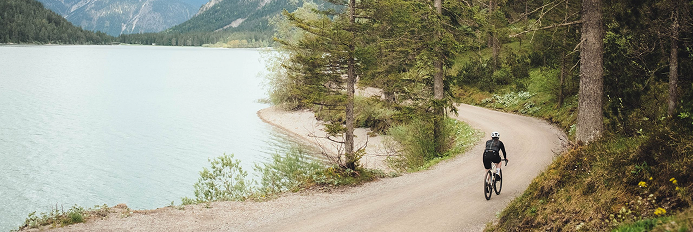
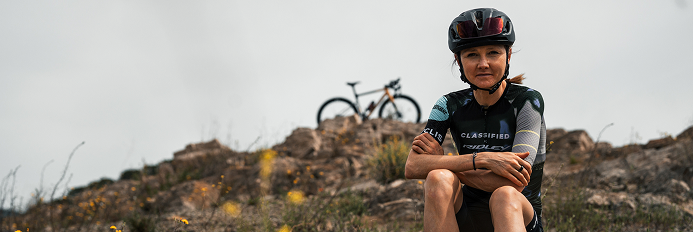
Rocacorba es una de las ascensiones más duras de las cercanías de Girona, de visita obligada en el peregrinaje de multitud de ciclistas que visitan la zona. Este conjunto montañoso de origen volcánico fue la inspiración para una idea que la ciclista sudafricana Ashleigh Moolman-Pasio tenía en la cabeza, crear un espacio único para ciclistas aficionados de todos los niveles, con una vocación especial por el ciclismo femenino, un lugar donde relajarse, disfrutar y entrenar en un territorio ciclista como pocos, cosmopolita a la par que tranquilo, en un entorno rural en el corazón de Girona, en estas condiciones nace Rocacorba Cycling.
Decidimos no dejar escapar la oportunidad de hablar con Ashleigh, concentrada con su equipo CCC-LIV, queríamos que nos explicara de primera mano sus inicios, porque empezar este negocio en Girona y cómo ve el ciclismo femenino, en auge pero con mucho recorrido por delante.
¿Cómo fueron tus inicios en el ciclismo de competición?
“En la universidad hice mucho deporte, pero en Sudáfrica los deportes principales son el hockey, el tenis, el atletismo y no encontré un deporte que encajara completamente conmigo. Luego conocí a Carl (esposo y ex-profesional) y me metí más en el mundo del ciclismo, él solía utilizar bicicletas de alta gama y, al principio, me sentí bastante intimidada. En realidad, empecé bastante tarde, porque cuando era muy joven me gustaban las bicicletas, pero nunca pensé en vivir del ciclismo como profesional.
Un día hicimos un paseo en bicicleta, con Carl, mi padre y mis entrenadores, hicimos una subida muy dura y empinada, yo iba en una bicicleta de principiante y no tenía idea de montar en ella, pero mantuve el mismo ritmo que el resto y creo que ese día probablemente vieron por primera vez mi potencial como ciclista.
Así que empecé a correr y entrenar más y más con Carl, y mis comienzos como corredora no fueron tan fáciles, sabía que tenía potencial pero me llevó un tiempo ser capaz de alcanzar un buen rendimiento. Cuando estás compitiendo debes estar preparada para salir de tu zona de confort, tienes que aprender a manejar situaciones dolorosas y entrenar a tu cuerpo para que se agarre y se agarre bien, para que permanezca con los líderes.”

¿Cuando empiezas a creer que vas a ganar el Campeonato Sudafricano?
“Comenzó porque vi mi potencial y mis buenos resultados en los entrenamientos, así que decidí creer que podría ser posible. No siempre cuando tienes buenos ‘números’ en el entrenamiento significa que tienes los mismos números en las carreras.
Empecé a trabajar duro para el equipo, cerrar las escapadas y ese tipo de cosas, terminé algunas carreras en buena posición y empecé a pensar que podía ganar una carrera, también tuve algunas lecciones duras, pero tú construyes tu experiencia carrera tras carrera.
2012 fue la primera vez que gané el campeonato nacional y fue porque estaba realmente preparada y experimentada. Me sentí muy cómoda, cuando estás compitiendo, sintiéndote bien y cómoda con tus posibilidades creo que es una de las cosas más importantes.”
¿Tienes algúna carrera favorita?
“Al principio de mi carrera tal vez era puramente una escaladora en las carreras de varios días pero, a medida que crecía en mi carrera cambió, así que tengo una carrera favorita de un día y también una carrera de etapas.
Durante el inicio de la temporada te concentras en las clásicas y en las carreras de un solo día, en la mitad de las carreras por etapas y finalmente ya en los campeonatos del mundo, una carrera de un día.
Mi carrera clásica favorita es Flèche Wallonne, me gusta mucho la llegada y las subidas cortas y empinadas, y de las carreras por etapas, tal vez Emakumeen Bira, una de mis primeras carreras por etapas en mi carrera profesional, y también el Giro Rosa.”
Cuando estás compitiendo, ¿cuál es para ti el mejor y peor momento?
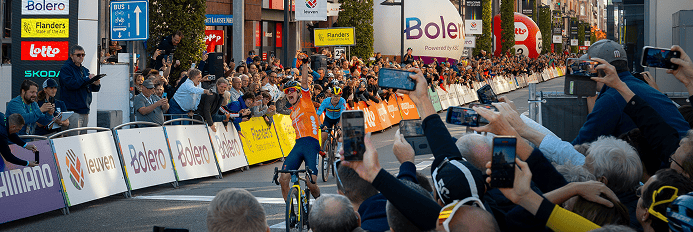
“Realmente disfruto ese momento en el que tienes que estar en el lugar correcto en el momento correcto. Realmente sientes la tensión en el pelotón, tus compañeros de equipo trabajan duro para que estés allí ¡Tienes que estar ahí y atacar!
Y el peor… Definitivamente cuando llueve, a veces piensas – ¿Qué estamos haciendo aquí!? -“
Grandes momentos vividos en la competición
“No es fácil de responder, la multitud es una de las cosas más importantes, cuando estás en esas subidas duras dando todo y la multitud está gritando, puedes sentir la energía y es genial cómo esa sensación puede empujarte más lejos y en el ciclismo de mujeres no siempre ocurre.
Otro gran recuerdo para mí fue una carrera en el País Vasco, en 2017 corría en San Sebastián y había otro equipo con 2-3 grandes corredores, y en las etapas pasadas no podía ganar porque no era capaz de atrapar a todos. En la última etapa en San Sebastián, fue una subida muy dura pero de pronto se puede ver el mar, di todo lo que tenía y conseguí la victoria, ¡y el público se volvió loco! fue un gran momento para mí.”


Tu opinión acerca de la situación actual y futuro del ciclismo femenino…
“Es bueno ver todos los cambios que están ocurriendo, a veces estoy un poco frustrada con la UCI porque, en mi opinión, hacen las cosas en el orden equivocado.
Ahora necesitamos más exposición en la televisión en vivo y luego se puede introducir el salario mínimo y cosas como este tipo de regulaciones. Ahora no tenemos demasiada exposición y es difícil si la organización del evento no confía en el ciclismo femenino.
Así que lo mejor que podemos hacer por el ciclismo femenino es crear algo nuevo, hacer nuestras propias carreras, de lo contrario siempre estaremos a la sombra del ciclismo masculino. Por supuesto que es bueno competir en las clásicas como Flèche Wallonne o Amstel Gold Race y es bueno si corremos cerca de la hora de los hombres, pero en otras carreras como la de Lieja-Bastogne-Lieja salimos muy temprano y apenas hay público que asista a las carreras.
Creo que el ciclismo masculino también está teniendo algunos problemas, así que tal vez no es la mejor idea para el ciclismo femenino copiar todo lo que está sucediendo en los hombres. Para mí el futuro del deporte en el ciclismo femenino es probar algo nuevo, pero es muy difícil de cambiar porque este deporte es muy clásico e histórico. Necesitamos energía fresca y gente nueva para gestionar los eventos, es realmente especial tener mucha tradición y cultura en el ciclismo, pero también bloquea el deporte.
He visto un gran crecimiento en los últimos años del ciclismo femenino en Catalunya, hay más salidas en bicicleta organizadas por mujeres, paseos en grupo, hay más mujeres que eligen participar y ser parte de la comunidad ciclista.
Hay algunas marcas que están trabajando en la dirección correcta para mejorar e impulsar el ciclismo femenino. Lo bueno es que cuando las marcas piensan en las mujeres con respeto, y utilizan los mejores componentes y materiales, para hacer bicicletas o ropa para mujer.
Al principio era un poco frustrante ver la diferencia entre el ciclismo de hombres y mujeres, pero ahora creo que lo mejor que puedes hacer es esforzarte todo lo posible para mejorar, paso a paso, y tratar de cambiar lo que no te gusta de él.”


¿Qué nos puedes contar acerca de este interesante proyecto?
“A lo largo de los años he visto algunos “problemas” o dinámicas en el ciclismo, mi mente nunca se detiene, así que he tratado de encontrar una solución. Mi gran visión era que las diferentes partes que componen el ciclismo deben estar juntas, en orden.
Por ejemplo, el ciclismo profesional, el cicloturismo y los eventos están muy desconectados la mayor parte del tiempo, sería como un sueño tener mi propio equipo femenino conectado con otras actividades como el cicloturismo e incluso eventos.
El primer paso es tener una actividad relacionada con el cicloturismo, y aprovechamos la oportunidad para poner en marcha algo en esta zona que nos encanta (Girona Catalunya).
Para mí, Rocacorba Cycling habla de compartir mi pasión con gente a la que le gusta sentir ese tipo de vibraciones y ver cómo funciona un equipo profesional, hay una conexión muy estrecha entre los profesionales a tiempo completo y la gente que vive el ciclismo en otro nivel, el objetivo es crear interés y comunidad alrededor del área y la gente.”
¿Y de cara al futuro?
“Nuestro objetivo es dar una experiencia completa a la gente que viene a nuestra casa, para la gente que viene de todo el mundo, pero también para la gente local, porque siempre es importante respetar a los locales y la tradición de la que estamos tan enamorados.
Por supuesto, también traemos más y más ciclistas de todo el mundo.”
¿Cómo combinas tu vida como ciclista profesional y Rocacorba Cycling?
“No podría hacer lo que hago sin el gran equipo que me rodea, más que toda mi familia y mi marido.
Por supuesto, a veces es un poco estresante pero también me ayuda, no soy capaz de concentrarme en una sola cosa, tener mis proyectos y mi negocio fuera del ciclismo me ayuda, a desconectar y estar más motivada y enfocada en mis metas.”


¿Por qué escogiste Catalunya como residencia?
“Vivíamos también en el norte de Italia, cerca del Lago Maggiore, era muy bonito, pero no encontramos la sensación que estábamos buscando y no nos sentimos como en casa. En Girona encontramos lo que estábamos buscando, en los últimos 2/3 años muchos ciclistas han venido a Girona y la comunidad ciclista es bastante grande, el lugar es impresionante y nos sentimos muy bienvenidos. La gente aquí es muy cálida y de mente abierta.
Es un lugar donde hay un buen equilibrio para ser un profesional y tener también una vida normal, fue increíble que encontráramos este lugar. Hacía tiempo que teníamos el deseo de venir aquí y comenzar nuestra actividad, y pocas situaciones nos dan la posibilidad de hacerlo, así que ¿por qué no? No fue nada fácil, pero “poc a poc” (paso a paso) lo hicimos.
Quiero ofrecer a la gente de todo el mundo la posibilidad de vivir la experiencia de montar en bici en este hermoso lugar, carreteras impresionantes, comer buena comida y conocer gente buena.“


Fotos de entrevista y Rocacorba Cycling por: Brazo de Hierro
Fotos de acción por: Oliver Grenaa

Es el motor y el combustible de todos los proyectos que crea, desarrolla y finaliza. Toni es cofundador del magazine, y es metódico y trabajador como ninguno, parece tener una extraña adicción a implicarse en proyectos ciclistas. He is the engine and the fuel of each of the projects he creates, develops, and completes. Toni is the co-founder of the magazine, he is methodical and worker as few, and he seems to have a strange addiction to being involved in cycling projects. View all posts by Toni de la Torre
Rocacorba is one of the hardest climbs in the outskirts of Girona, a must-see in the pilgrimage of many cyclists who visit the area. This mountainous group of volcanic origin was the inspiration for an idea that the South African cyclist Ashleigh Moolman-Pasio had in mind, to create a unique space for cyclists of all levels, with a special vocation for female cycling, a place to relax, enjoy and train in a cycling territory like few others, cosmopolitan at the same time quiet, in a rural environment in the heart of Girona, in these conditions Rocacorba Cycling is born.
We decided not to miss the opportunity to talk to Ashleigh, concentrated with her CCC-LIV team, we wanted her to explain first hand her beginnings, why start this business in Girona and how she sees the women’s cycling, growing but with much route ahead.
How did you start racing on the cycling world?
“In the university I made a lot of sport, but in South Africa the main sports are Hockey, Tennis, Athletics and didn’t find a sport that fits completely with me. Then I met Carl (husband and ex pro former) and I get more into the cycling world, he use to ride such a fancy bikes and I was quite intimidated at first. Actually I started quite late, because when I was really young I liked bikes but never thought to live it like a professional.
One day we did a bike ride, with Carl, my Dad and my trainers, we got in a very hard and steep climb, I was riding a beginner bike and had no idea of cycling, but I keep the same pace of all the rest and I think that day they probably saw for the first time my potential as cyclist.
So I started to race and train more and more with Carl, and my beginnings as a racer weren’t so easy, I knew that I got potential but I took a while to being able to make some kind of performance. When you are competing you must be prepared to leave your comfort zone., you have to learn how to manage painful situations and train your body to hold on and hold fast, to stay with the leaders.”
When do you start believing that you can win the South African Championship?
“It started because I saw my potential and my good results on my training, so I decided to believe that it could be possible. Not always when you got good ‘numbers’ on training means you got the same numbers on the races.
I started working hard for the team, close the breakaways and that kind of things, I finish some races in good position and I start thinking that I could win a race.I also had some hard lessons, but you build your experience race after race
2012 was the first time I win the national championship and it was because I was really prepared and experienced. I felt very comfortable, when you are racing, feeling good and comfortable with your possibilities I think is one of the most important thing.”
Do you have any favorite race?
“At the beginning of my career maybe I was purely a climber in the multiple day races, but as I grew in my career I change, so I have a favorite one day race and also a tour one.
When the season starts you are focused in the classics and one day races, at the middle in the tours and, finally, already in the Worlds Champs, a one day race.
My favorite classic race is Flèche Wallonne, I really like the finish and the short steep climbs, and the stage races, maybe Emakumeen Bira, one of my first multiple stage races in my professional career, and also Giro Rosa.”
When you are racing, what is the best and worst moment for you?
“I really enjoy that moment when you got to be in the right place in the right time. You really feel the tension in the group, your teammates work for you to be there in it’s a RUSH! you got to be there and attack!
Definitively, when it’s raining… Sometimes you think – What are we doing here!?-“
Great days lived at races
“Is not easy to answer, crowd is one of the most important stuff, when you are on those tough climbs giving it all and the crowd are shouting, you can feel the energy and is great how that feeling can push you further and in women’s cycling not always occurs.
Another great memory for me was a race in the Basque Country, in 2017 I was racing in San Sebastian and there was another team with 2-3 great riders, and in the past stages I cannot won because I wasn’t able to catch everyone of them. In the last stage in San Sebastian, it was such a hard climb but then you can see the sea, I gave all that I had and I get the victory, and the crowd went mad! that was such a great moment for me.”
Your point of view about current and future situation of Women’s Cycling…
“It’s good to see all the changes that are happening, sometimes I’m a little bit frustrated with the UCI because, in my opinion, they do things in the wrong order.
Now we need more exposure in the live TV and then you can introduce minimum salary and things like these kind of regulations. Now we don’t have too much exposure and it’s difficult if the organization of the event are not passionate or don’t trust in woman cycling.
So I thing the best thing we can do for woman cycling is create something new, make our own races otherwise we will be always in the shadow of men’s cycling. Of course is good to race the classic ones like Flèche Wallonne or Amstel Gold Race and it’s good if we race close to the men’s time, but in other races like Liege-Bastogne-Liege we start very early and there’s no crowd that assist to the races.
I think men’s cycling is also having some problems, so maybe it’s not the best idea for women’s cycling to copy everything that’s happening in men’s.. For me the future of the sport in woman cycling is trying something new but it’s very difficult to change because this sport is very classical and historical. We need fresh energy and new people to manage the events, is really special have a lot of tradition and culture in cycling but it also block the sport.
I saw a huge growth in the last years of women cycling in Catalunya, there are more bike rides organized by women’s , group rides, overtime there are more women that choose to participate and be part of the cycling community.
There are some brands that are working in the right direction to improve and push for women cycling. The good thing is when brands think about women’s with respect, and they use the best components and materials, to make women’s bikes or kits
At the beginning was a bit frustrating seeing the difference between men’s and women’s cycling, but now I think the best thing you can do is make all your best to improve, step by step, and try to change what you don’t like about it.”
What can you explain us about that interesting project?
“Thru the years I saw few “problems” or dynamics in cycling, my mind never stops so I tried to find a solution. My big vision was that the different parts that makes cycling they need to be put together, in order.
For example, the pro cycling world, cycling tourism and events are very disconnected most of the time, would be like a dream to have my own women’s team connected with others activities like cycling tourism and even events.
The first step is to own an activity connected with cycling tourism, and we take the chance to start something in this area that we love (Girona/Catalunya)
For me Rocacorba Cycling talks about to share my passion with people that like to feel that kind of vibes and see how a professional team works, there’s very close connection between full time pro and people that lives cycling on another level, the goal is to create interest and community around the area and the people.”
And what about the future?
“Our goal is give a complete experience to people that come to our place, for people coming from all around the world but also for the local people, cause it’s always important respect the locals and the tradition that we’re so in love with.
Of course we also bring more and more cyclists from all around the world.”
How do you manage both lives, pro cycling and manager of Rocacorba Cycling?
“I wouldn’t be able to doing what I’m doing without such the great team that surround me, more than all my family and my husband.
Of course sometimes it’s a little bit stressful but it also help me, I’m not be able to being focused just on one thing, having my projects and my business outside cycling helps me, to disconnect and be more motivated and focused on my goals.”
Why did you choose Catalunya as place to live?
“We lived also in north Italy close to Lago Maggiore it was very beautiful but we didn’t find the feeling we were looking for, and we didn’t feel at home. In Girona we found what we were looking for, in the last 2/3 years a lot of cyclist came to Girona and the cycling community is pretty big, the place is awesome and a we feel very welcome. People here are very warm and open minded.
Is a place where there’s a good balance for being a pro and have also a normal life, it was amazing that we found this place. It was a while that we had the wish to come here and start our activity, and few right situations give us the possibility to do it, so why not? It wasn’t easy at all but “poc a poc” (Catalan expression that means: step by step) we did it.
I want to offer the people from all around the world to have the possibility to live the experience of riding this beautiful place, beautiful roads, eat great food and meet good people.”
Interview and Rocacorba Cycling photos by: Brazo de Hierro
Action photos by: Oliver Grenaa
Es el motor y el combustible de todos los proyectos que crea, desarrolla y finaliza. Toni es cofundador del magazine, y es metódico y trabajador como ninguno, parece tener una extraña adicción a implicarse en proyectos ciclistas. He is the engine and the fuel of each of the projects he creates, develops, and completes. Toni is the co-founder of the magazine, he is methodical and worker as few, and he seems to have a strange addiction to being involved in cycling projects. View all posts by Toni de la Torre
 Javi Angulo
 Pol Sopeña

 Pavel Novotný
 Javi Angulo
 Javi Angulo
 Pol Sopeña
 Javi Angulo
 Javi Angulo
 Javi Angulo

 Alex Lebrón
 Javi Angulo
 Javi Angulo
Receive our monthly selection of the best articles, news, exclusive content and giveaways only for subscribers, subscribe to OUR NEWSLETTER
Receive our monthly selection of the best articles, news, exclusive content and giveaways only for subscribers, subscribe to OUR NEWSLETTER
Receive our monthly selection of the best articles, news, exclusive content and giveaways only for subscribers, subscribe to OUR NEWSLETTER
Receive our monthly selection of the best articles, news, exclusive content and giveaways only for subscribers, subscribe to OUR NEWSLETTER