- News
- Reviews
- Travel & Adventure
- Interviews
- Inside Industry Players
- Community
Bikes
Reviews
Components
Reviews
Cycling
Apparel




[raw_mobile_menu]
[wpml_language_switcher_down]


Leaving on one side the bike computer companies with the biggest market share like Garmin or Wahoo, we were interested in trying an alternative option that, although not being as well-known in the industry, offers great quality and specs, putting it at the same level as the two aforementioned giants.
In this case, we chose the American brand Stages Cycling, which is focused on power meters and other sensors, outdoors and indoors, with more than 10 years of experience.
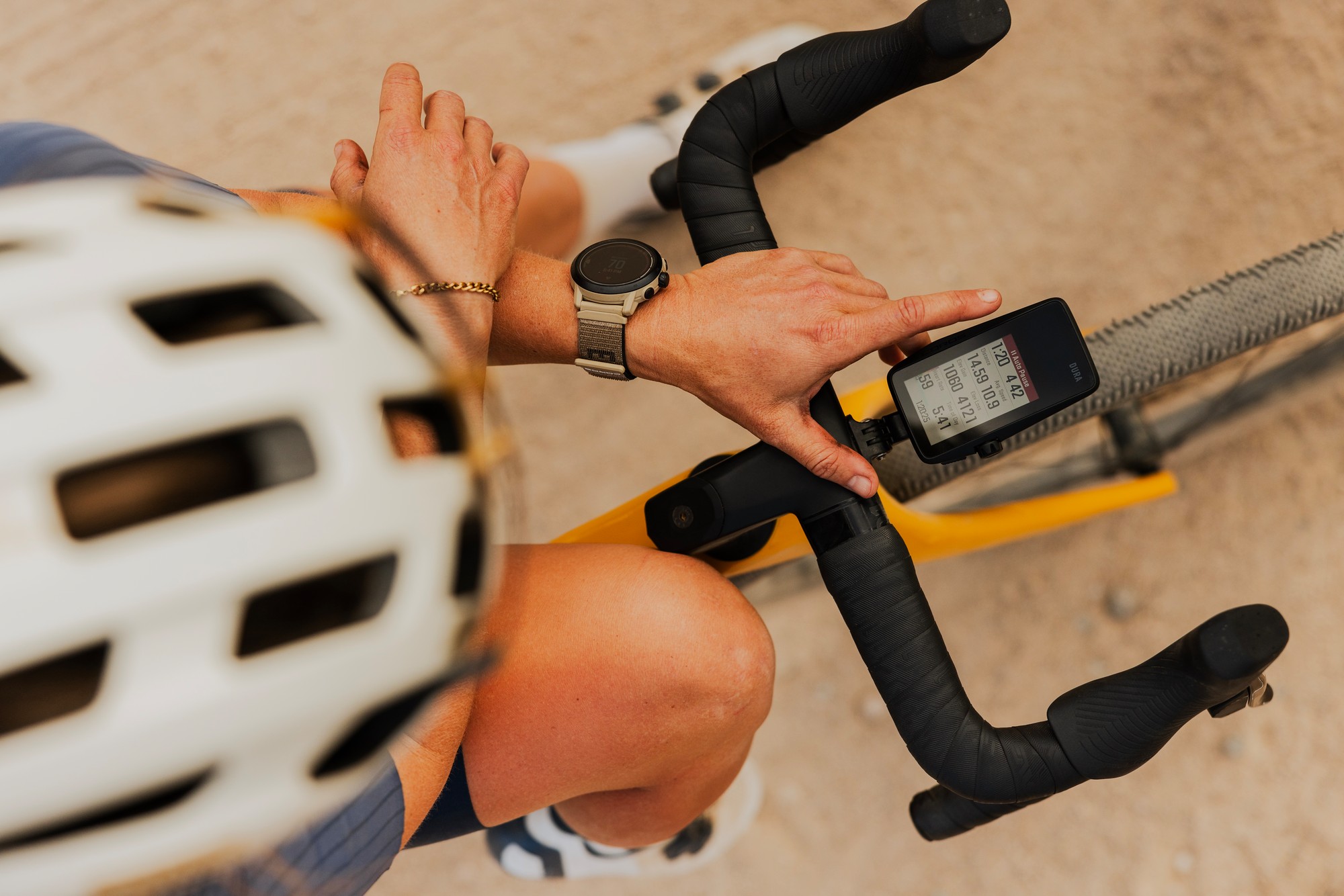
One of the latest launches from the firm is the newly born Stages Dash, a GPS unit with some interesting features for the current needs of cyclists and which we will be able to find in three different versions: L10, M50, and the big brother, the L50. We were able to test the top-end model, the Stages Dash L50, together with the speed sensor, the heart rate sensor and the Stages Power Dual power meter.


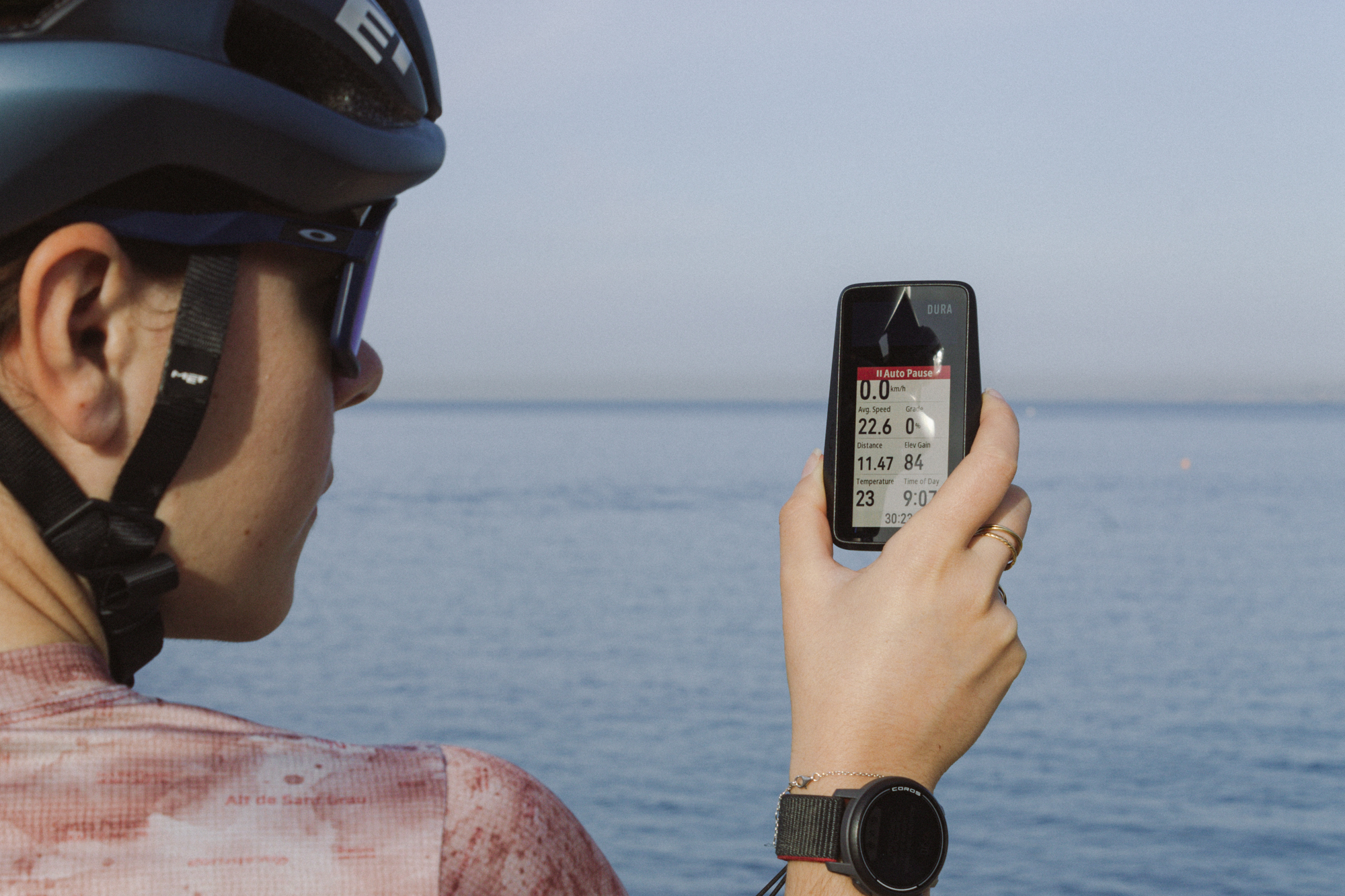
Although we already had the Stages Dash in our hands during the last edition of the Eurobike Show, the first thing that surprised us in a good way after opening the box and pressing the Power On button was the resolution of the screen and the sensation of robustness and reliability from the materials it is made of.
Apart from that, what got our eye was its size (55 x 40 mm), its weight (128 gr) and the mounting system which reminds us of the PC8 from SRM.


If there is something that amazed us from the first moment we got our hand on the Dash L50 it is the performance of its battery. Taking into account that the color display and the resolution it supports, one has to acknowledge that they have been able to find a good equilibrium to compensate for both things. Stages have designed a unit with low energy consumption that grants 12h of autonomy at full color with the possibility to be able to clearly see what is on the screen at all-time, with the possibility of changing the brightness automatically depending on the light conditions.
Another feature that stands out from the performance of the unit is the precision of the GPS, where the American firm has put a lot of resources in. The Dash L50 uses sport-specific maps powered by OSM technology that shows relevant information along the track and is capable of distinguishing the different types of roads, trails or other lines, tagging them with different colors.


We also liked the way in which the altitude profile and the map are integrated on the screen while navigating, showing your position at all times. Say goodbye to the commonly used sentence: “another turn and we are at the top…”. Now you will easily know what you are going to face next, which can help you to manage your energy levels and have a clear vision of the track.
The GPS unit from Stages is compatible with ANT+ and Bluetooth devices in addition to the most popular third-party apps. If you are a data geek and would like to track your performance metrics, this Dash L50 is you. The default display is focused on training metrics, giving a lot of importance to everything related to watts, in addition to a few other useful indicators for the self-demanding cyclists. It allows you to customize your training plans, import them or to select one from your default list; the device will guide you through every step of the selected training. Furthermore, the HR and power zones are tagged with different colors so that you can easily know the type of work you are doing which is helpful to know if you are correctly following the plan. Obviously, if you use a Stages power meter, there is a total integration and syncing without the need to calibrate any additional sensor.
As regards the use of the Dash L50, although it comes by default with a display that takes into account the basics needs of the user, it is important to highlight how easy it is to personalize both the user profile and the screen display, with endless combinations, metrics, maps, and graphs. You can submit your preferences from the device itself, the mobile app or the Stages Link platform.

When you activate any training plan (you can do this in workout mode), the Stages Dash changes its display, colors and the values contained so you can get the job done with just what it is essential for it.
Another interesting aspect is that you can set up the unit vertically or horizontally thanks to the two anchoring points it has, so one can choose depending on their preferences. A night mode with a black background is also available, to optimize the user experience in those situations where we are riding in the dark.
The Stages Link platform, both in its web and mobile version, has been improved to provide better tools review cycling activities with a complete analytical software composed by tables and graphs, a calendar to plan your future tracks or workouts and even a process of validation to detect any anomaly in the data collected.
From the platform itself, the users have everything they need to configure and administer everything involving the Stages Dash, import tracks and define how to sync data from third-parties (unfortunately Komoot is missing from the list).

We think that stepping into the world of cycling computers was the natural step for Stages Cycling, and by launching the Dash L50 they have wanted to show how versatile is the product, which creates a great fit with any rider willing to improve their performance.
On the one side, we are not convinced about the anchoring system because the action of inserting it and removing it wasn’t fully comfortable for us, and we would like to see a model with the same features but contained in a smaller and lighter device.
On the other side, the quality of the unit and its finishing get full marks. The specifications (like the screen and battery life) are well balanced, it comes with a powerful platform like Stages Link and, in terms of pricing, it is at the same level as the closest competitors. Without any doubt, with the Dash L50, the American company enters in the sector with an ambitious product, which we are sure will not go unnoticed.
Photos by: Brazo de Hierro

Es el motor y el combustible de todos los proyectos que crea, desarrolla y finaliza. Toni es cofundador del magazine, y es metódico y trabajador como ninguno, parece tener una extraña adicción a implicarse en proyectos ciclistas. He is the engine and the fuel of each of the projects he creates, develops, and completes. Toni is the co-founder of the magazine, he is methodical and worker as few, and he seems to have a strange addiction to being involved in cycling projects. View all posts by Toni de la Torre
 Pol Sopeña
 Pol Sopeña

 Toni de la Torre

 Javi Angulo
 Toni de la Torre
Dejando a un lado los ciclo-computadores más conocidos del mercado como podrían ser Garmin o Wahoo, teníamos mucho interés en probar alguna alternativa que, pese a no ser tan popular dentro del sector, ofrezca una gran calidad y prestaciones estando muy a la altura de estos dos gigantes.
En este caso, nos decantamos por la americana Stages Cycling, experta en medidores de potencia y sensores de medición tanto para ciclismo outdoor como indoor, con más de 10 años de experiencia.
Una de las últimas aventuras en las que se ha embarcado la marca estadounidense ha sido lo que bautizaron como Stages Dash, un ciclocomputador muy completo cargado de prestaciones muy interesantes para el ciclista actual y que podremos encontrar en tres modelos diferentes: L10, M50 y, el hermano mayor, el L50.
El ejemplar que hemos podido testear ha sido el modelo más completo de la gama, el Stages Dash L50 y, junto a él, hemos usado también el sensor de velocidad, el sensor de ritmo cardiaco, y el potenciómetro Stages Power Dual.
Pese a que ya habíamos tenido ocasión de tenerlo en la mano durante la última edición del Eurobike Show, la primera cosa que nos llamó la atención al abrir la caja y pulsar el botón de encendido fue la alta resolución de su pantalla y los acabados de fabricación del dispositivo que dan una sensación de calidad y resistencia.
Por otro lado, también nos llamó la atención su tamaño (55×40 mm), peso (128 gr) y sistema de anclaje que, sin querer, nos recuerdan al PC8 de SRM.
Si hay algo que nos ha gustado desde el primer momento que probamos el Dash L50, fue el buen rendimiento de su batería. Si tenemos en cuenta la pantalla a color de alta resolución y el brillo que es capaz de ofrecer, hay que reconocer que han sabido encontrar un equilibrio más que óptimo. Stages ha sabido diseñar un dispositivo de bajo consumo que permite hasta 12 horas de autonomía funcionando a todo color y garantizando la lectura de los valores en cualquier situación, siendo capaz de atenuar la intensidad del brillo de forma automática en función de las condiciones de luz.
Más aspectos en los que destaca el ciclo-computador es la precisión del GPS donde la compañía americana ha dedicado mucho esfuerzo. El Dash L50 utiliza mapas específicos con tecnología OSM que muestran información relevante durante la ruta y es capaz de diferenciar los diferentes tipos de carreteras, pistas, senderos u otra clase de vías codificadas por colores.
También nos ha gustado la forma de cómo se integra en la misma pantalla el mapa y el perfil de altimetría de la ruta mientras navegamos, indicando tu posición en todo momento. Di adiós a la mítica frase “una curva más y coronamos…”, ahora podrás saber fácilmente qué es lo que te vas a encontrar, administrar mejor tus fuerzas y tener una visión más completa del trayecto.
El ciclo-computador de Stages está pensado para que sea compatible con dispositivos ANT+ y Bluetooth y las aplicaciones de terceros más populares. Además, , si eres un amante de los datos y las métricas de rendimiento , el Dash L50, está pensado para tí. Sus pantallas por defecto están muy enfocadas a entrenamientos, dándole un claro protagonismo a los wattios pero sin olvidar otros muchos valores útiles para el día a día de aquellos ciclistas más exigentes consigo mismo. Permite personalizar tus propios planes de entrenamiento, importarlos o utilizar alguno de su lista por defecto; el dispositivo te irá guiando a través de cada uno de los pasos del plan seleccionado. Además, las zonas de potencia y FC están definidas por colores para que sepas fácilmente cuál es tu estado y si vas siguiendo las instrucciones correctamente.
No cabe decir que si, además de toda la familia de sensores, utilizas un potenciómetro Stages Power, la integración y sincronización es total y sin necesidad de calibrar ningún sensor.
Respecto al uso del Dash L50, todo y que viene precargado con pantallas muy completas basadas en la configuración básica del usuario, destacamos la facilidad a la hora de personalizar tanto los perfiles como las pantallas, con un sinfín de combinaciones, valores, mapas e incluso gráficos y pudiéndose hacer desde el mismo dispositivo, la aplicación móvil o la plataforma Stages Link.
Cuando activas algún plan de entrenamiento (modo workout), el dispositivo también adapta sus pantallas, colores e información a mostrar para que puedas llevar a cabo el plan con lo esencial y necesario para ello.
Otro aspecto curioso, es que podemos configurar la unidad para usarla en modo apaisado o vertical (tiene dos puntos de anclaje) y podemos alternar en función de lo que más nos guste. También tiene la opción modo nocturno con fondo negro para aquellas situaciones en las que rodamos en condiciones de poca luz.
La plataforma Stages Link, tanto en su versión web como en la aplicación móvil, han sido mejoradas para proporcionar mejores herramientas para la revisión de las actividades realizadas, un completo sistema de análisis de los resultados a través de tablas y gráficos, un calendario para planificar próximos planes de entrenamiento o rutas e, incluso, un proceso que valida la integridad de los datos contrastando todos los valores de nuestros sensores para detectar posibles valores erróneos.
Obviamente, desde la misma plataforma, el usuario tiene todo lo que necesita para configurar y administrar todo lo que respecta a la unidad Stages Dash, importar rutas y, también, definir la sincronización de los datos con aplicaciones de terceros (en este punto hemos encontrado a faltar a Komoot en la lista).
Creemos que, para una empresa como Stages Cycling, entrar en el mercado de ciclo-computadores era un paso natural que debían hacer y con el Dash L50 han querido apostar por un producto versátil pero muy pensado para ciclistas que quieren mejorar su rendimiento.
Los aspectos que quizá menos nos han gustado han sido, por un lado, el sistema de anclaje que no acabamos de encontrarnos cómodos a la hora de ponerlo y quitarlo y, por otro, el tamaño que tal vez nos gustaría ver una versión con las mismas prestaciones pero algo más liviano y reducido.
Por otro lado, la calidad del dispositivo y los acabados es indudable. Está muy bien equilibrado en muchos aspectos (como su pantalla y batería), cuenta con una plataforma muy potente como lo es Stages Link y, respecto a su precio, se ajusta al resto de sus competidores más cercanos. Sin duda, con el Dash L50, la marca estadounidense entra de lleno en el sector con un producto muy completo y que estamos seguros que dará mucho que hablar.
Fotos de: Brazo de Hierro
Es el motor y el combustible de todos los proyectos que crea, desarrolla y finaliza. Toni es cofundador del magazine, y es metódico y trabajador como ninguno, parece tener una extraña adicción a implicarse en proyectos ciclistas. He is the engine and the fuel of each of the projects he creates, develops, and completes. Toni is the co-founder of the magazine, he is methodical and worker as few, and he seems to have a strange addiction to being involved in cycling projects. View all posts by Toni de la Torre
Receive our monthly selection of the best articles, news, exclusive content and giveaways only for subscribers, subscribe to OUR NEWSLETTER
Receive our monthly selection of the best articles, news, exclusive content and giveaways only for subscribers, subscribe to OUR NEWSLETTER
Receive our monthly selection of the best articles, news, exclusive content and giveaways only for subscribers, subscribe to OUR NEWSLETTER
Receive our monthly selection of the best articles, news, exclusive content and giveaways only for subscribers, subscribe to OUR NEWSLETTER

If you want a smaller unit, try the M50. And the mount is reassuringly solid once you are used to it.
Thanks @disqus_Q8KHPun3bM:disqus ! We already know the M50, we think that’s a really good option as well… smaller and same features, a good one!
Great content! Super high-quality! Keep it up! :)
Great content! Super high-quality! Keep it up! :)