- News
- Reviews
- Travel & Adventure
- Interviews
- Inside Industry Players
- Community
Bikes
Reviews
Components
Reviews
Cycling
Apparel


[raw_mobile_menu]
[wpml_language_switcher_down]


In a year in which some of the most well-known unsupported cycling events have been canceled, each of the ones that have been able to go forward despite the circumstances drew the attention of the ultra-distance cyclists eager to test their fitness. The Two Volcano Sprint (2VS) also caught our interest after taking a look at the route that participants would have to face, and the amazing scenery they would encounter.
Instead of ruling out the possibility of running the event in 2020, the organizers of the 2VS fought hard to make it possible. Not only that, they decided that all proceeds would be used to supply the families that the Italian government is not able to assist during the COVID-19 crisis.
Juliana Bühring had the goal of helping people who needed it the most, and she also wanted to offer endurance cyclists the chance to forget about the current situation for a handful of days and had fun riding bikes. They didn’t know until the very last week if they would be able to start the event due to the changing restrictions, but in the end, a good field of cycling enthusiasts showed up and the Two Volcano Sprint could take place.


As its name suggests, the route included, among many other climbs, the iconic Mount Vesuvius and Mount Etna. The former was the start of the race, while the latter, which featured in this year’s Giro d’Italia, was the last obstacle before reaching the finish line in Nicolosi, Sicily.
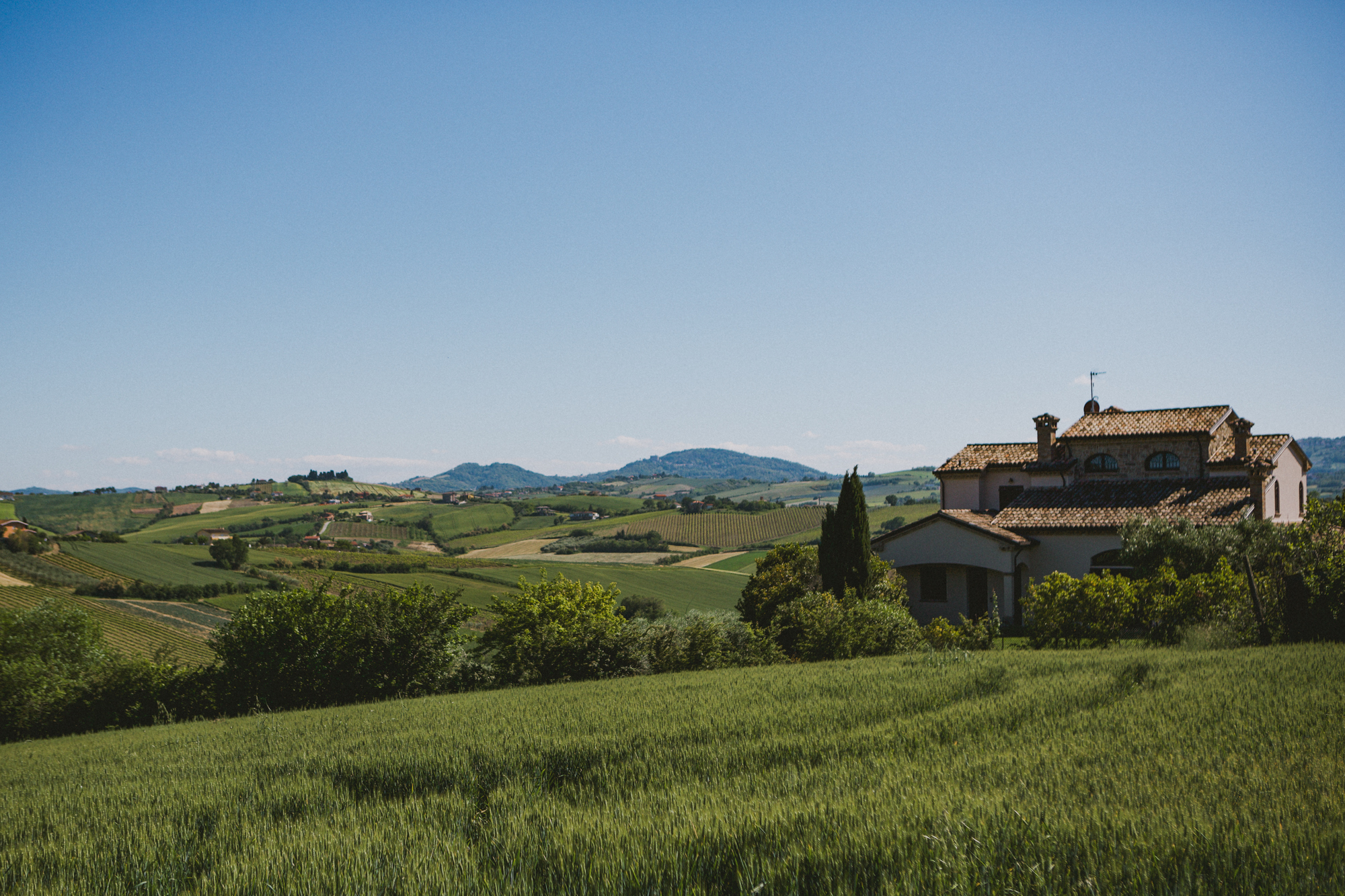
In between the volcanoes, the Amalfi and Cilento coastline, together with the Apennine mountains, kept riders entertained contemplating the landscape while overcoming the +24.000m of elevation gain accumulated in 1.039km. On Sunday the 18th of October at 05:30 am, the riders set off on an expedition that would last more than three days for most of them.
[sc name=”postads1″]
The start list included the names of Fiona Kolbinger, Sofiane Sehili, Ulrich Bartholmoes and James Hayden, some of the best well-known cyclists of the discipline. Being the last event of the year and with such a stacked quality field, there was a lot of excitement around the race.
Most of the contenders chose to pack light, suggesting that they didn’t pretend to stop to have a proper sleep, only a few power naps. The distance was relatively short compared to the current trend in endurance cycling, but the toughness of the terrain, although being on road surface, made it a tough race. In October the nights are already long, so riders had to embrace the darkness and keep pushing, waiting for the sun to rise.


The only pitstop was located in Positano, and from then on it was a matter of following the coastal line until they reached the province of Cosenza, where they headed to Reggio Calabria through the Apennine mountain range, which is spread along the whole peninsular Italy. There, they caught the ferry to Messina, Sicily, and what was left were two proper climbs: the Portella Mandrazzi and the final push to reach the Crateri Silvestri in Mount Etna, just below 2.000m of elevation. The first five riders caught the ferry already on the second night, covering around 850km in less than 48 hours.
[sc name=”postads2″]
Ulrich Bartholmoes claimed the victory in the race, as he already did in the first edition of the event in 2019. He lowered his previous course record in more than 7 hours, finishing the race in 52 hours and 53 minutes. Before the start of the climb up to Mt. Etna, he had a comfortable lead of 40 km ahead of Sofiane Sehili and Omar Di Felice, who were disputing the second place on the podium. In the end, Sofiane arrived after 55 hours and 13 mins of elapsed time, with less than one hour between him and Omar, who finished third. Ana Orenz finished inside the top 10, arriving in Nicolosi at 4:30 am on the verge of freezing after the last descent. She was the first solo woman to finish this year’s edition.
All the finishers enjoyed the Sicilian cuisine after their arrival, recovering after a hard effort with some traditional arancini, a snack consisting of a rice ball coated with bread crumbs. Some of them spent some additional days in Italy, riding under the sunny weather before heading back to their respective countries.


The 2VS wrapped up a 2020 season with fewer amount of ultra cycling races than expected. When Sofiane Sehili won the Atlas Mountain Race back in February, no one guessed that most events coming after it would have to be canceled. After that, there was a long period without ultra cycling racing, until the Hope 1000, won by Jochen Boehringer, took place in June. A handful of races (including the three events from Transibérica) could also maintain the dates they planned in advance, but overall the season was clearly truncated.
With most countries heading back into lockdown, the cyclists that had the chance to ride 2VS or accomplish any other challenge they had in mind, were relieved to end their season on a high. Now it is time to obey, but whenever you encounter the chance of doing something epic again, do not wait. We have learned that we cannot take things for granted and now we don’t want to live in any other way.

Javi es nuestro corresponsal en Bélgica, y trata de contrarrestar su obsesiva pasión por el análisis de datos con la relajante acción (o eso es lo que dice) de crear contenido para la revista. Javi is based in Belgium and tries to compensate for his obsessive passion for data analytics with the relaxing action (that's what he says) of creating content for the magazine. View all posts by Javi Angulo

 Javi Angulo
 Javi Angulo
 Javi Angulo
 Javi Angulo
 Pavel Novotný
 Javi Angulo
 Javi Angulo
 Javi Angulo

 Pol Sopeña
 Pol Sopeña

 Toni de la Torre
 Toni de la Torre
En un año en el que se han cancelado algunas de las pruebas de autosuficiencia más conocidas, aquellas que han podido seguir adelante a pesar de las circunstancias han sido el foco la atención de todo ciclista de ultra distancia deseoso de poner a prueba su forma física. La Two Volcano Sprint (2VS) también nos cautivó a nosotros después de echar un vistazo a la ruta que tendrían que afrontar los participantes y el increíble paisaje que encontrarían.
En lugar de descartar la posibilidad de realizar el evento este 2020, los organizadores de la 2VS lucharon duro para hacerlo posible. No solo eso, sino que decidieron que todos los ingresos generados se utilizarían para abastecer a las familias que el gobierno italiano no puede ayudar durante la crisis de la COVID-19.
Juliana Bühring tenía el objetivo de ayudar a las personas que más lo necesitaban, y también quiso ofrecer a los ciclistas ultrafondistas la oportunidad de olvidarse de la situación actual durante unos días y divertirse montando en bicicleta. No sabían hasta la semana previa al evento si lo podrían llevar a cabo debido a las cambiantes restricciones, pero al final, los apasionados ciclistas se presentaron y la Two Volcano Sprint se pudo organizar.
Como su nombre indica, la ruta incluía, entre muchas otras subidas, el icónico Monte Vesubio y el Monte Etna. El primero fue el comienzo de la carrera, mientras que el segundo, presente en el Giro de Italia de este año, fue el último obstáculo antes de llegar a la meta en Nicolosi, Sicilia.
Entre los volcanes, la costa de Amalfi y Cilento, junto con los Apeninos, mantuvieron entretenidos a los ciclistas contemplando el paisaje mientras superaban los +24.000m de desnivel acumulado en 1.039km. El domingo 18 de octubre a las 05:30 horas, los participantes se embarcaron en una expedición que duraría más de tres días para la mayoría de ellos.
[sc name=”postads1″]
La lista de salida incluía nombres como Fiona Kolbinger, Sofiane Sehili, Ulrich Bartholmoes y James Hayden, algunos de los ciclistas más reconocidos de la disciplina. Siendo el último evento del año y con una calidad de participantes tan alta, se generó mucha expectación en torno a la carrera.
La mayoría de los contendientes optaron por un setup ligero, dejando entrever que no pretendían detenerse para dormir en condiciones, solo unas pocas siestas. La distancia fue relativamente corta en comparación con la tendencia actual en el ciclismo de resistencia, pero la dureza del terreno, pese a ser íntegramente en carretera, hizo que fuera una carrera dura. En octubre las noches ya son largas, por lo que los ciclistas tuvieron que acostumbrarse a la oscuridad y seguir apretando, a la espera de que el sol saliera.
La única parada organizada estaba en Positano, y a partir de entonces fue cuestión de seguir la línea costera hasta llegar a la provincia de Cosenza, donde se dirigieron a Reggio Calabria a través de la cordillera de los Apeninos, que se extiende por toda la Italia peninsular. Allí, tomaron el ferry a Messina, Sicilia, y lo que quedaba a partir de entonces eran dos ascensos de renombre: la Portella Mandrazzi y el empujón final para llegar al Crateri Silvestri en el Monte Etna, justo por debajo de los 2.000 m de altitud. Los primeros cinco clasificados tomaron el ferry ya en la segunda noche, cubriendo alrededor de 850 km en menos de 48 horas.
Ulrich Bartholmoes se adjudicó la victoria en la carrera, como ya hizo en la primera edición del evento en 2019. Bajó su récord anterior en más de 7 horas, terminando la carrera en 52 horas y 53 minutos. Antes del inicio de la subida al Etna tenía una cómoda ventaja de 40 km por delante de Sofiane Sehili y Omar Di Felice, que se disputaban la segunda plaza. Al final, Sofiane llegó tras 55 horas y 13 minutos de tiempo transcurrido, con menos de una hora entre él y Omar, que terminó tercero. Ana Orenz terminó dentro del top 10 llegando a Nicolosi a las 4:30 am, al borde de la hipotermia después del último descenso. Fue la primera mujer en terminar la edición de este año.
[sc name=”postads2″]
Todos los finalistas disfrutaron de la cocina siciliana tras su llegada, recuperándose después un duro esfuerzo con unos tradicionales arancini, un aperitivo que consiste en una bola de arroz rebozada. Algunos de ellos pasaron algunos días más en Italia, rodando bajo el clima soleado antes de regresar a sus respectivos países.
La 2VS concluyó una temporada 2020 con menos carreras de ultraciclismo de las previstas. Cuando Sofiane Sehili ganó la Atlas Mountain Race en febrero, nadie preveía que la mayoría de los eventos posteriores tendrían que ser cancelados. Después de eso, hubo un largo período sin carreras de ultra ciclismo, hasta que en junio tuvo lugar la Hope 1000, ganada por Jochen Boehringer. Un puñado de carreras más (incluidas las tres pruebas de Transibérica) también pudieron mantener las fechas previstas de antemano, pero en general la temporada se vio claramente truncada.
Con la mayoría de los países volviendo a algún tipo de confinamiento, los ciclistas que tuvieron la oportunidad de participar en la Two Volcano Sprint o completar cualquier otro desafío que tuvieran en mente, se sintieron aliviados al terminar su temporada en todo lo alto. Ahora es el momento de obedecer, pero siempre que tengas la oportunidad de hacer algo épico de nuevo, no esperes y hazlo. Hemos aprendido que no podemos dar las cosas por sentado y ahora no queremos vivir de otra manera.
Javi es nuestro corresponsal en Bélgica, y trata de contrarrestar su obsesiva pasión por el análisis de datos con la relajante acción (o eso es lo que dice) de crear contenido para la revista. Javi is based in Belgium and tries to compensate for his obsessive passion for data analytics with the relaxing action (that's what he says) of creating content for the magazine. View all posts by Javi Angulo
Receive our monthly selection of the best articles, news, exclusive content and giveaways only for subscribers, subscribe to OUR NEWSLETTER
Receive our monthly selection of the best articles, news, exclusive content and giveaways only for subscribers, subscribe to OUR NEWSLETTER
Receive our monthly selection of the best articles, news, exclusive content and giveaways only for subscribers, subscribe to OUR NEWSLETTER
Receive our monthly selection of the best articles, news, exclusive content and giveaways only for subscribers, subscribe to OUR NEWSLETTER